Guild Visits · Something to Think About

Who Gets to Make Art?

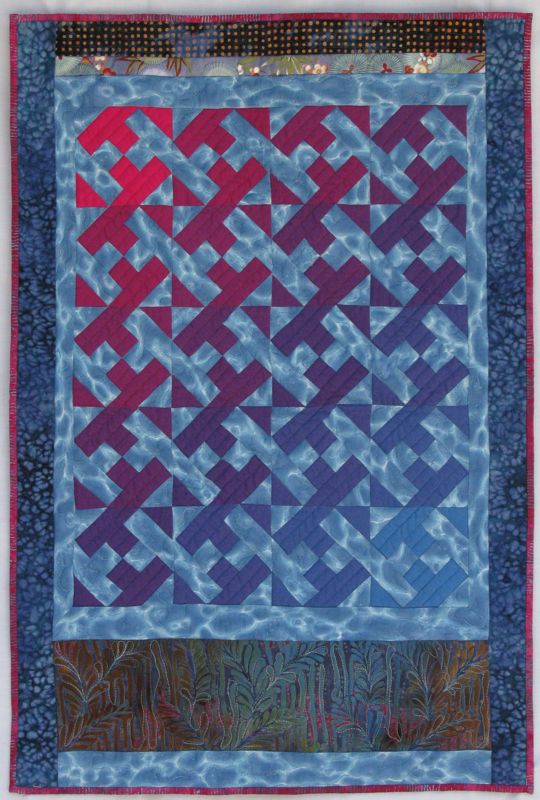
I’ve been thinking a lot lately about our world of quilts, and by that I don’t mean the larger world–just our own little world. I’ve made some hideous quilts, some use-up-this-fabric quilts (above), some quilts I consider my best masterpieces. Our own little world is echoed out into our guilds, our social media, our quilt shows, publications and then it echoes back to us in terms of the materials we can use. It’s a cycle, a circle, but at the nub of it is that one quilter looking at her one stack of fabrics, or the sketch she made while waiting at the doctor’s office and seeing the print on the back of the chairs. It could be she was messing around with a traditional block, or created one of her own. And from that nub, that spark, hopefully art begins.

from here

I’ve been thinking about this because of an article by Guy Trebay (found while cleaning out) where he asks straight off, “Who gets to make art?” Written about the International Folk Art Market in Santa Fe, it is an interesting overview of this age-old question.

from here

Do you get to create art? Do I? Or is it only relegated to that famous quilter that is all over Instagram? The lady who has her face on the ads of the sewing machine you like? Does more fame equal more entitlement to call it art? And then there is the pressure from the outside world, debating forever and ever if making a quilt is a craft or an art?

from here

Trebay attributes this question to Luke Syson, and says that “In asking [this question], Mr. Syson was adding his voice to a growing chorus of museum professionals who are challenging traditional hierarchies of art production. He was talking, in this instance, about the obscure craft of scrimshaw, subject of a fine study show at the Fitzwilliam, but more broadly about the importance of recognizing and celebrating those gifted artists whose work is so often relegated to the stepchild status of crafts.”

from here

Luke Syson, now the director of the Fitzwilliam Museum at the University of Cambridge (Britain), shares his experience of having to address some of his biases about what iconic art is in his TEDTalk, which he titled “How I learned to stop worrying and love “useless” art.” It’s worth a listen, if you have a few minutes. In that afore-mentioned Instagram post about scrimshaw art, he asks “Who gets to be an artist?” In the text he writes ” I thought about the scrimshanders then – working class, almost entirely anonymous, using their time to making things that were beautiful and that documented their lives. Amateurs, yet completely excluded from the world of leisure that this word implies. But I’m guessing there was a collectors market for these objects early on – that these were a sideline rather than simply the making of personal souvenirs.”

Which leads me to think about the anonymity of women, making their art for years and years, hidden in plain sight. They were making that which was beautiful to them, and which represented their lives. And yes, amateurs, all. We’ll leave this discussion here, with a quote from Trevor Bell:

“Art condenses the experience we all have as human beings, and, by forming it, makes it significant. We all have an in-built need for harmony and the structures that create harmony. Basically, art is an affirmation of life.”

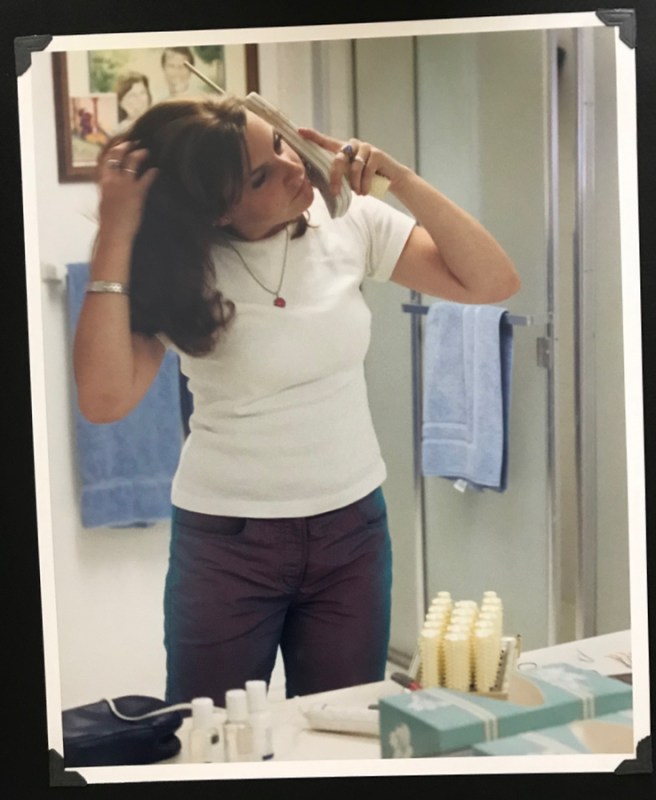
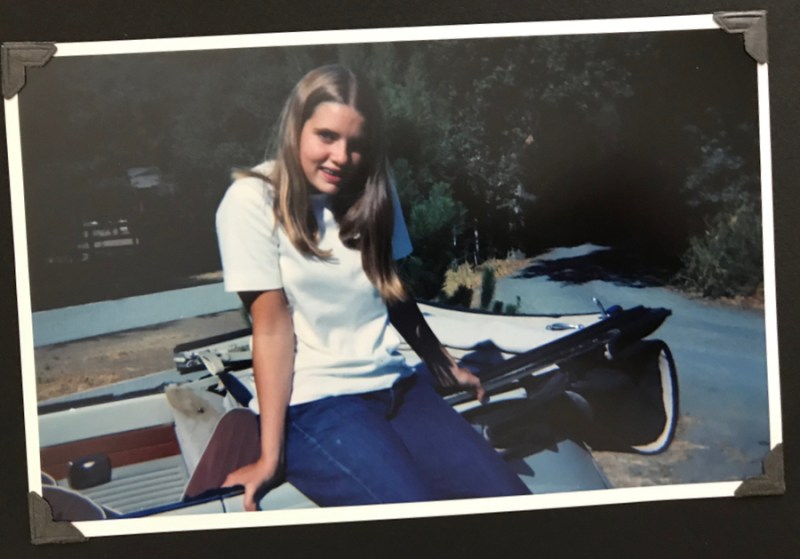
Today is Mother’s Day. My mother is on the left (c. 1948), my daughter (named after her) is shown in the center in a photo from high school (c. 1998). (I sent this photo to her when she complained about one of her children being always on her phone.) I’m on the right (c. 1972).

My mother made art: seven of us. She never quilted. She read. She never painted, as did my father. She did do dishes, laundry, dressed elegantly, organized us, kept us going. I owe her everything, and as she approaches her 93rd birthday, this Mother’s Day I celebrate her as a different kind of unsung, ungalleried, un-media-ed, unknown sort of artist, but she was significant and affirmed us all.

I’ll be in my happy place this week, hanging out with the Orange Grove Quilters. We’re making Merrion Square in our Workshop. If you want to hear my program of Abecedary of Quilts or participate in a live/online workshop, please contact Pat (the Workshop Chairman) at workshops@orangegrovequiltersguild.com or drop me a note (and I’ll check with Pat). I love teaching this little quilt, as there are as many different quilts and there are quilters. Each one makes this little village their own.

And as life moves on, it seems this will probably be the last time I teach this class. Let me know if you are interested.

Happy Quilting! (turn the sound on)

300 Quilts · Patterns by Elizabeth of OPQuilt · Quilts

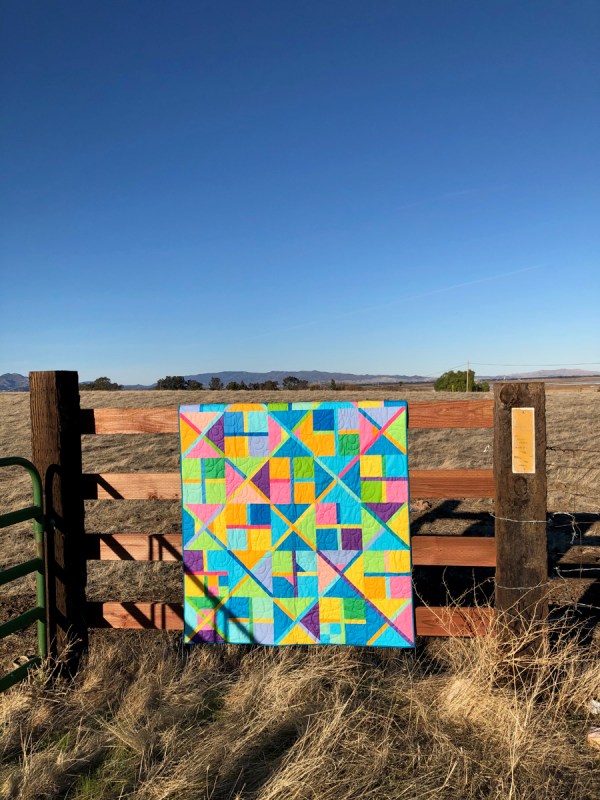
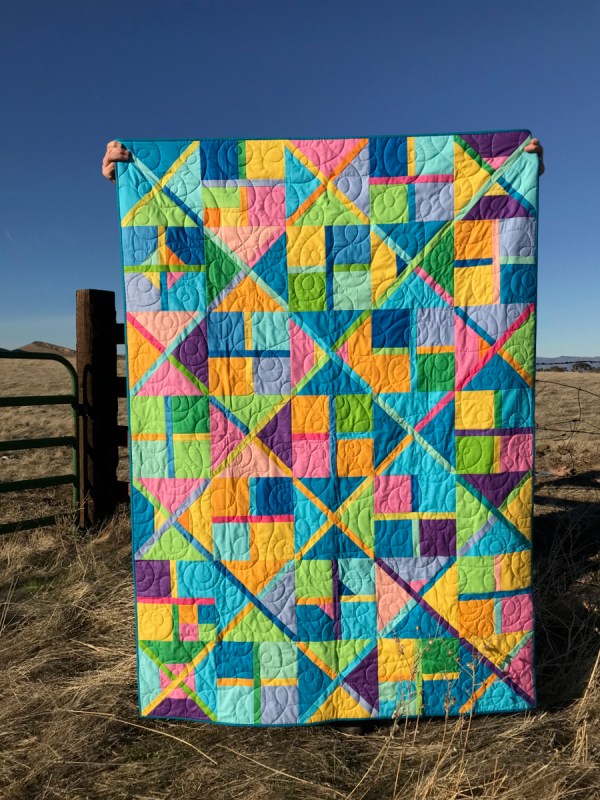
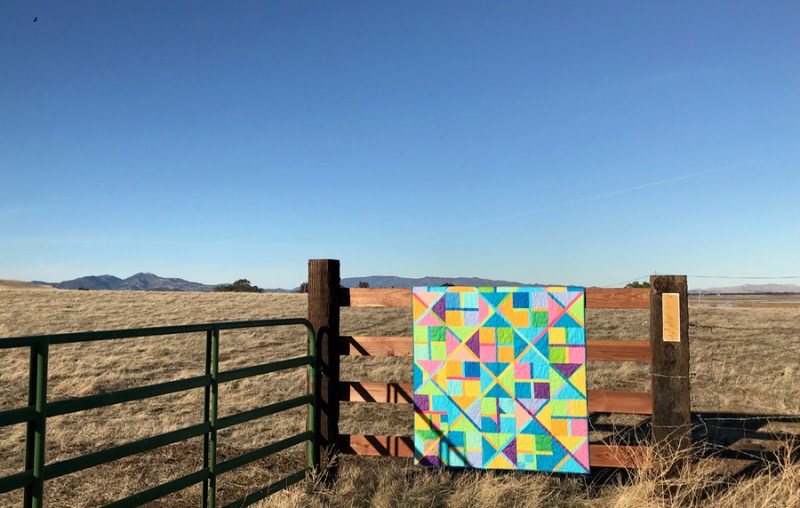
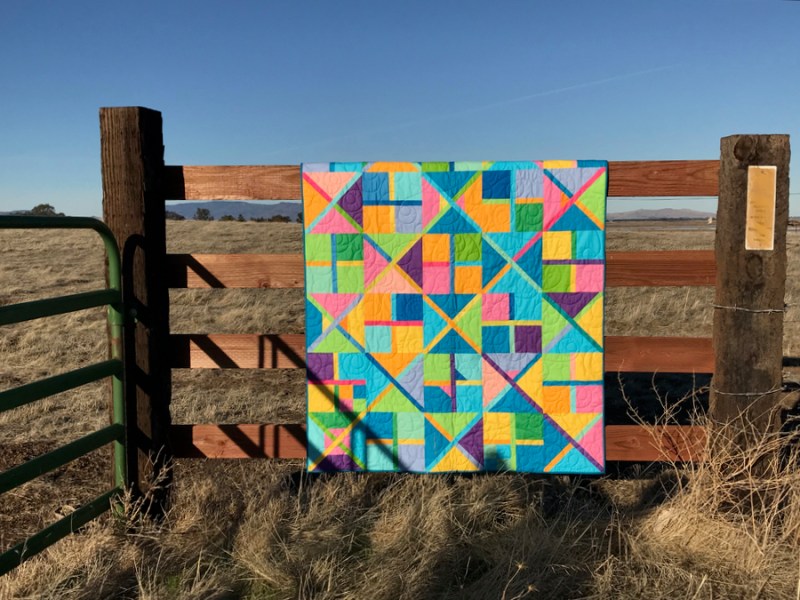
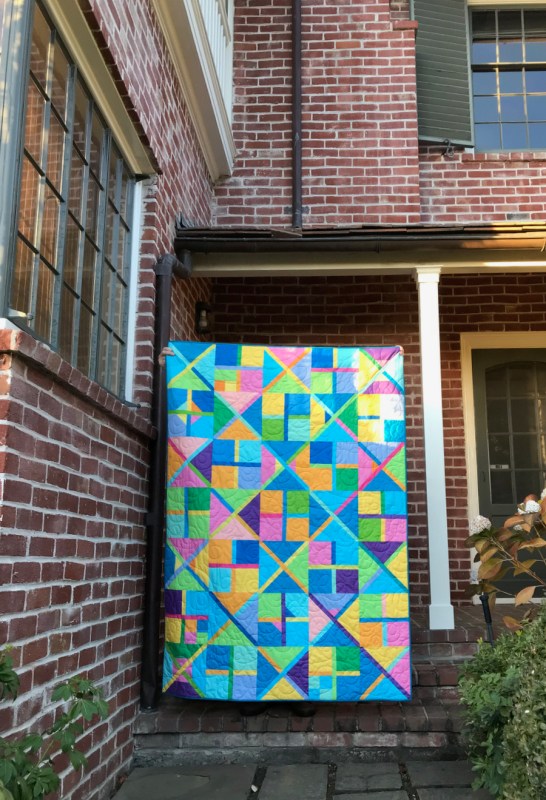
Criss-Cross Color • Quilt Finish

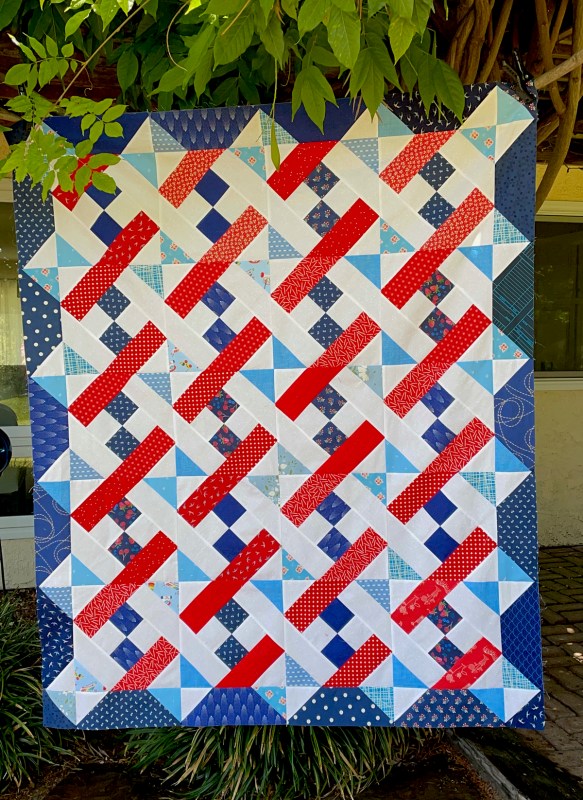
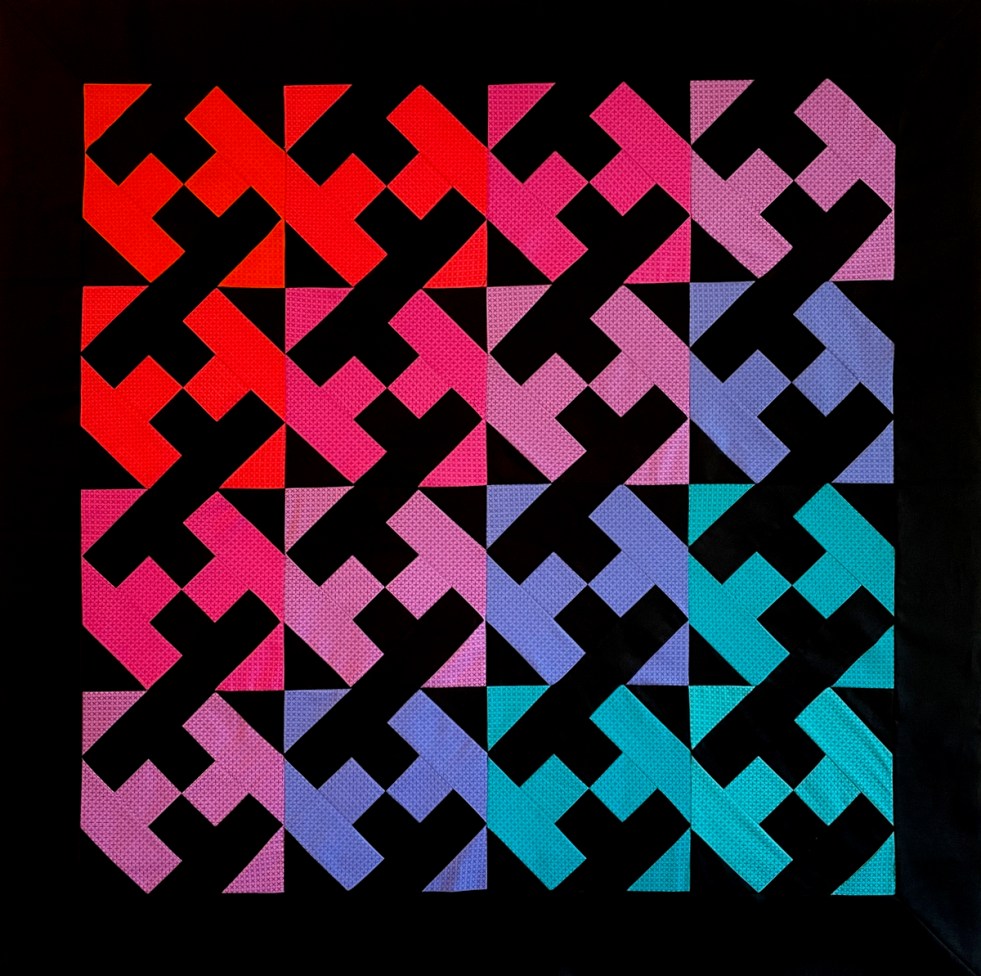
Criss-Cross Color, quilt no. 233
49″ wide by 68″ high

The quilting by Kelley of Wolf Girl Quilts really looks lovely in this light.

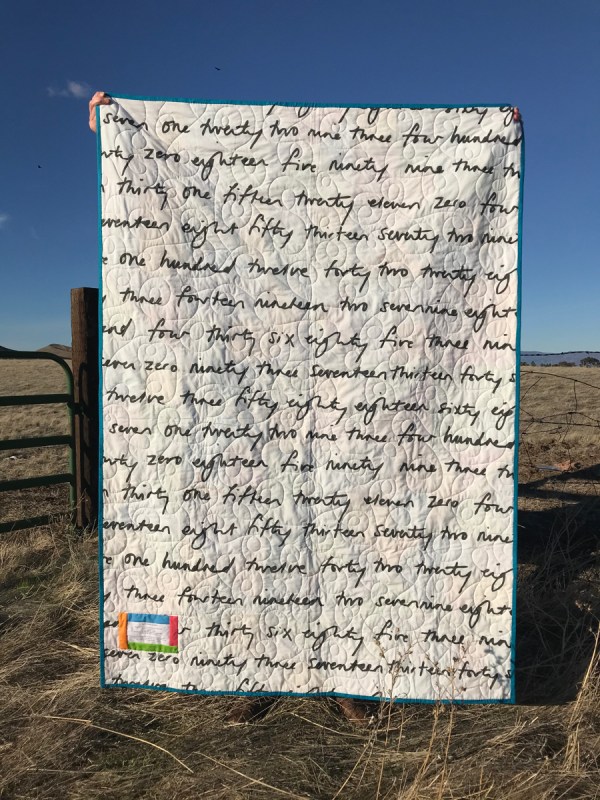
IKEA fabric, from back in the day: a series of numbers. It was what I had.

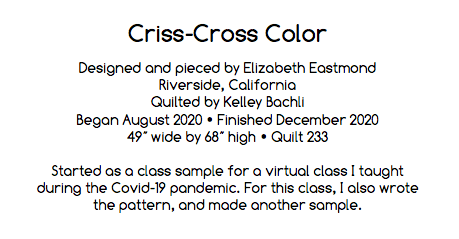
the label

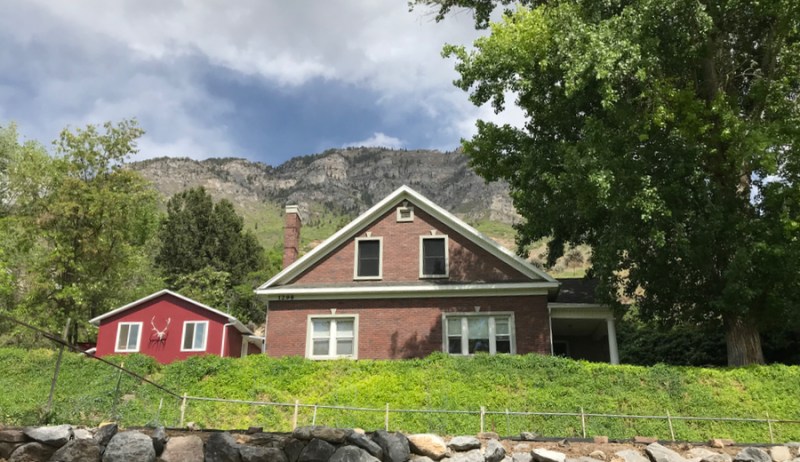
All photographs above by my husband or I, taken from a frontage road on the 680 freeway, to the west of Grizzly Bay and the Goodyear Slough, on Lopes Road near the Bay Area in Northern California. I like how the shadows are playing with the quilt in this image.

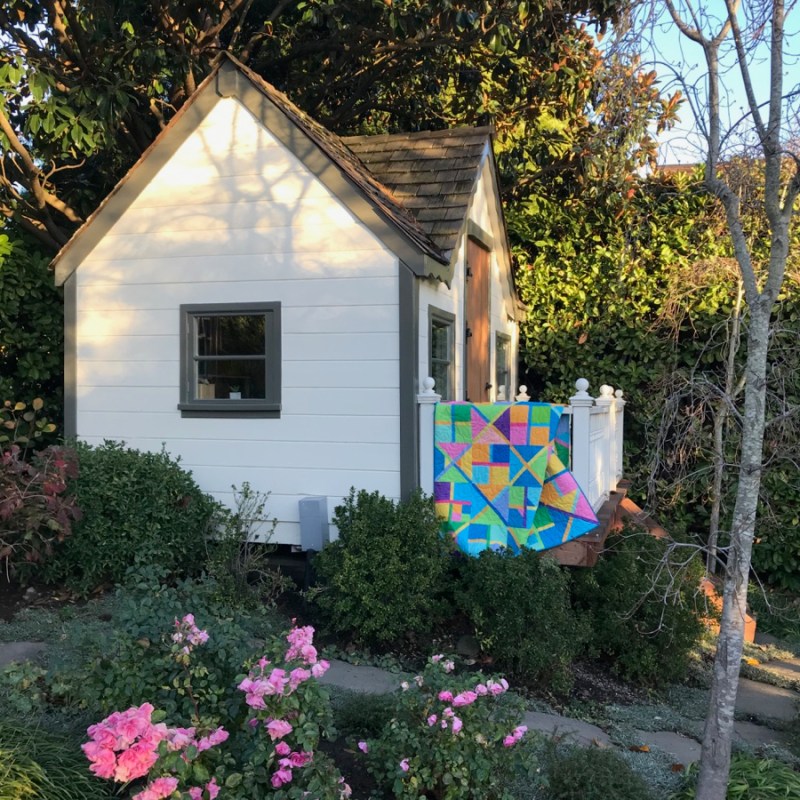
These last two photos were not taken on Lopes Road, but at my brother’s, as I knew they had a picturesque playhouse from when their girls were tiny.

I listed this as Quilt #233, as I got over-eager when the quilt top was done. Kelley, a long-armer friend, did the fabulous loopy quilting texture on the quilt. It’s been a good series for me, challenging me to think differently about color, texture and size.

The pattern is sold in my pattern shop on PayHip. There is a discount running on this pattern right now, until January 15th, if you are interested in purchasing it. Details are at the pattern shop.

Other Posts about the Criss-Cross series of quilts:
Criss-Cross Color, completed top, Criss-Cross Autumn, and the follow-up to the workshop
Criss-Cross Autumn
Christmas Criss-Cross, quilt finish
Criss-Cross, the genesis

300 Quilts · Giveaway · Patterns by Elizabeth of OPQuilt · Quilt Finish · Quilt Patterns

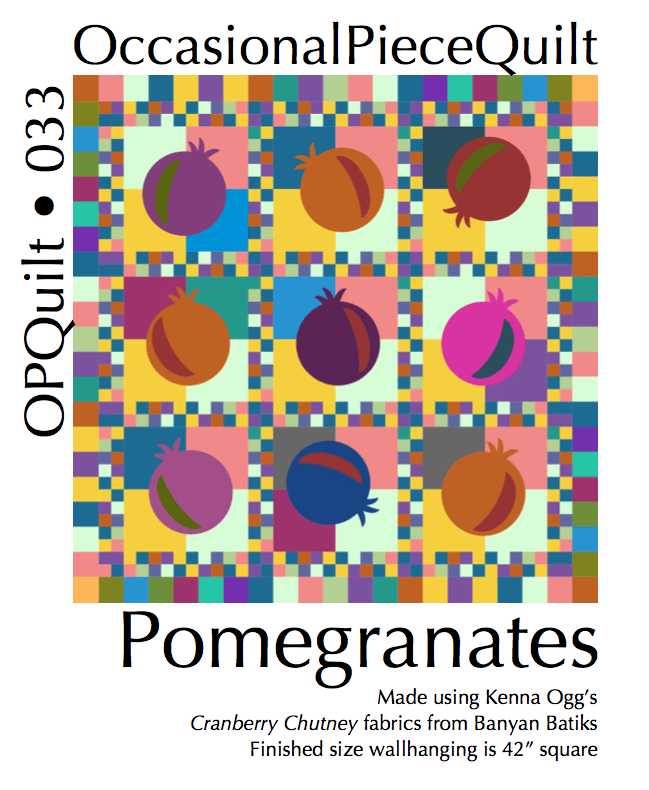
Pomegranates • Giveaway

Where does inspiration begin?

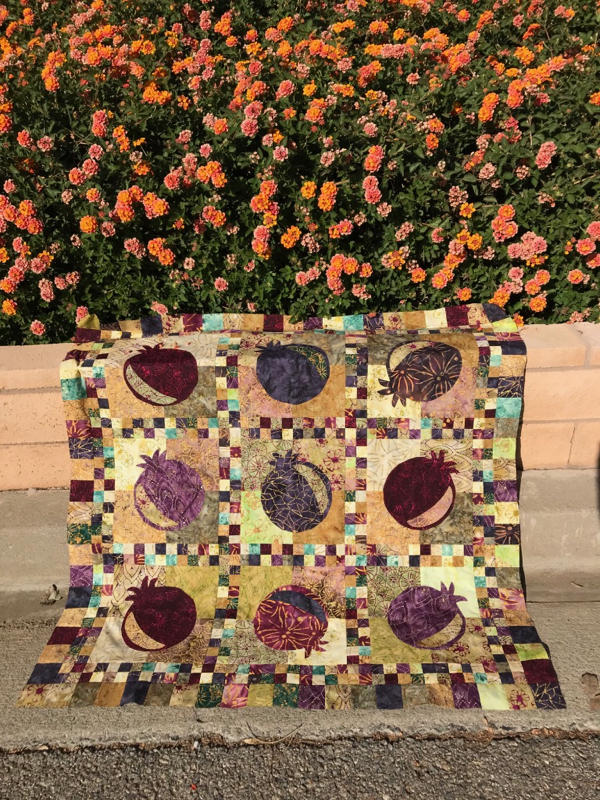
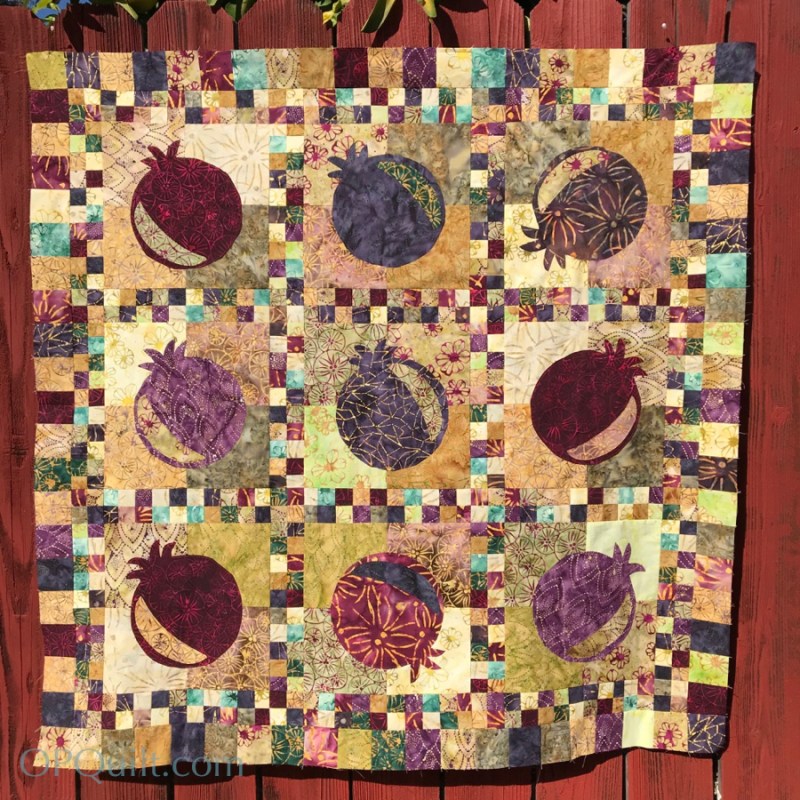
Does it start here? How about both places? Today is a pattern announcement, a quilt top done announcement and the best part: a giveaway!

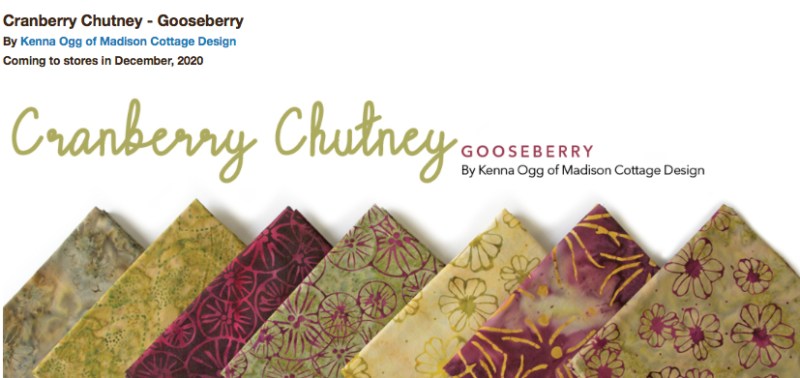
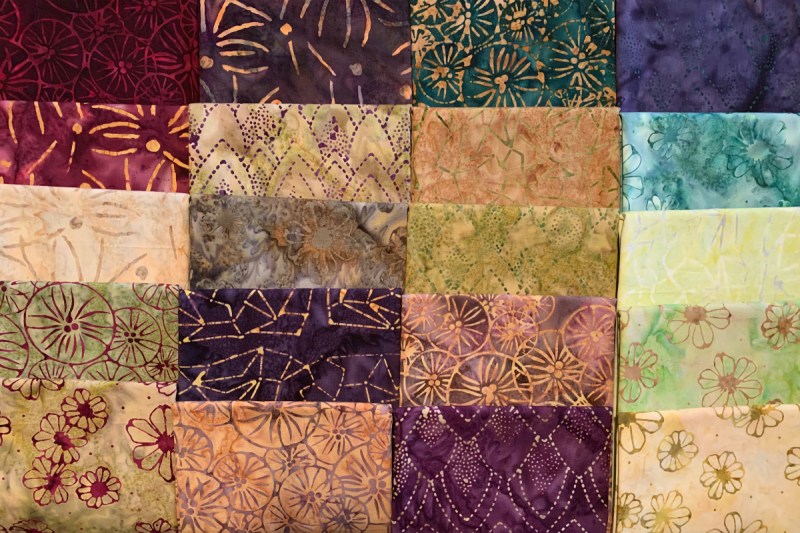
My friend, Kenna Ogg of Madison Cottage Design, is launching her line of batiks from Banyan Batiks (made by Northcott) and asked me to help her share the pictures and flavors of her line of fabrics. And at the end of the post, be sure to enter to win a fat quarter stack of these beautiful fabrics, rich in the tones of fall and winter.

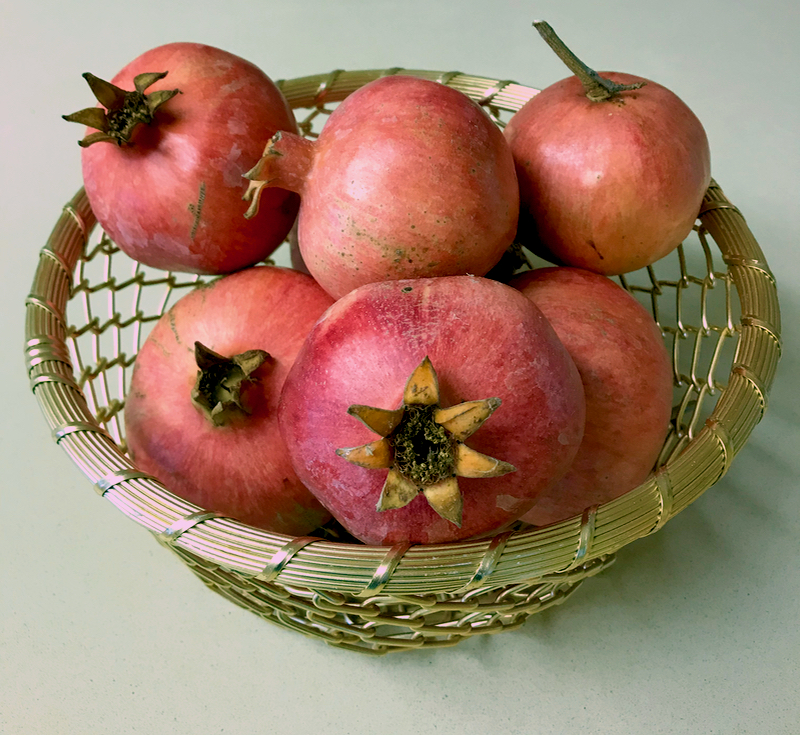
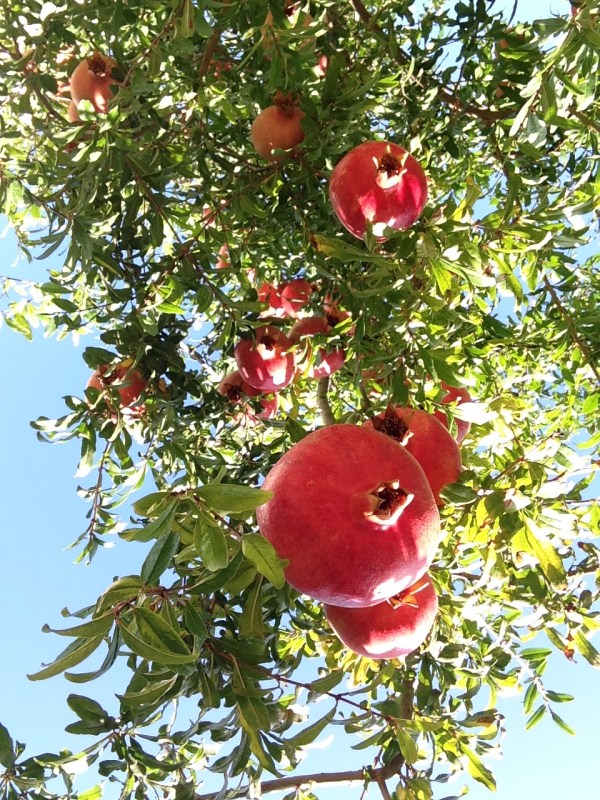
So when she sent them to me to dream up a quilt, I kept thinking about my friend Karen’s pomegranate tree, and how she was always so generous with the fruit:

Pomegranates come on in the fall and into winter, so the two ideas merged into one.

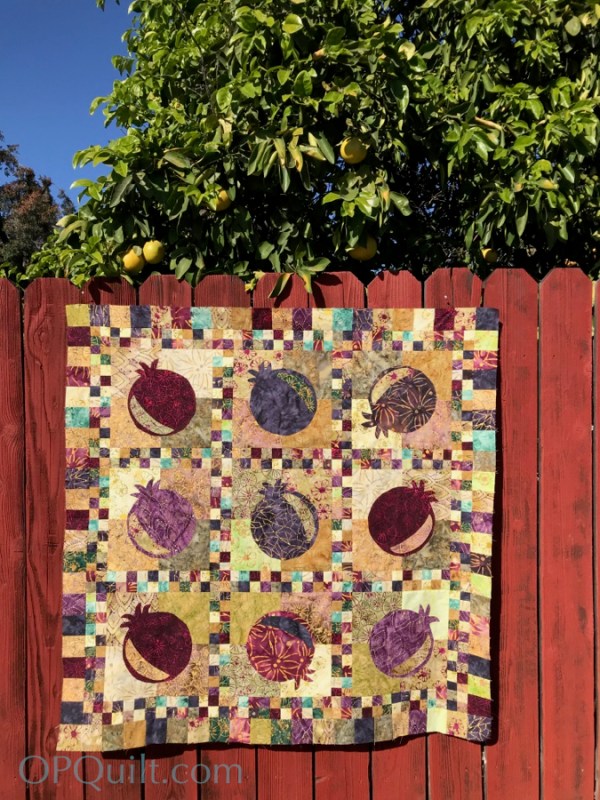
(Posed under a citrus bush)

I arranged the fabrics, trying to get a feel for the richness of the color, then one night drew up the quilt idea in my Affinity software, and a quilt pattern was on its way!

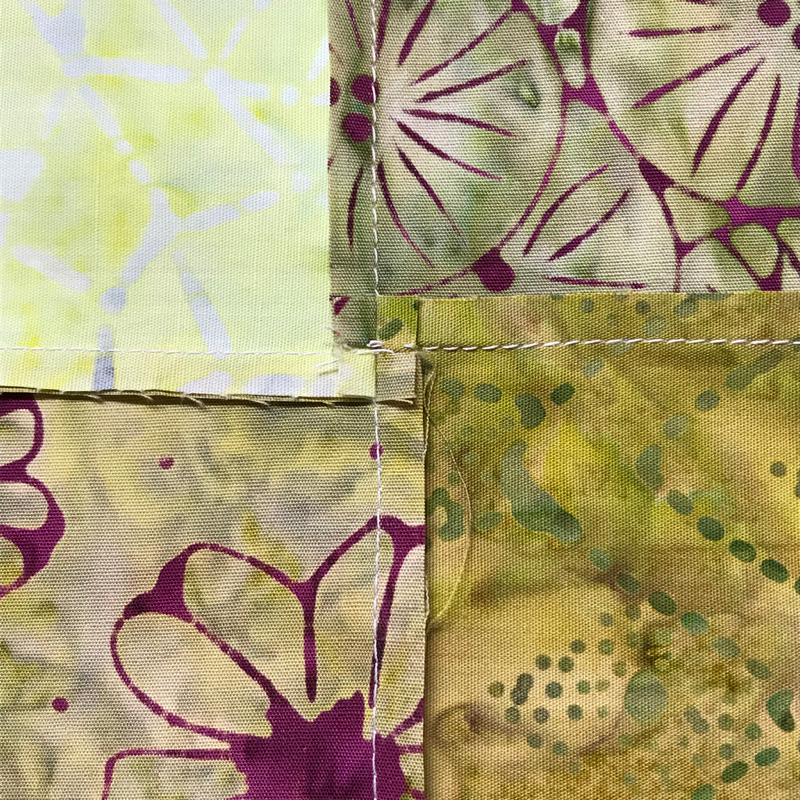
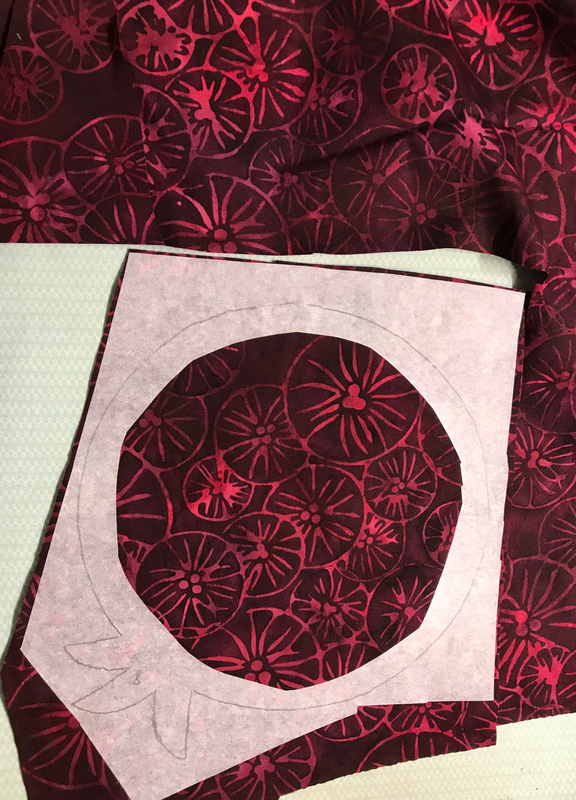
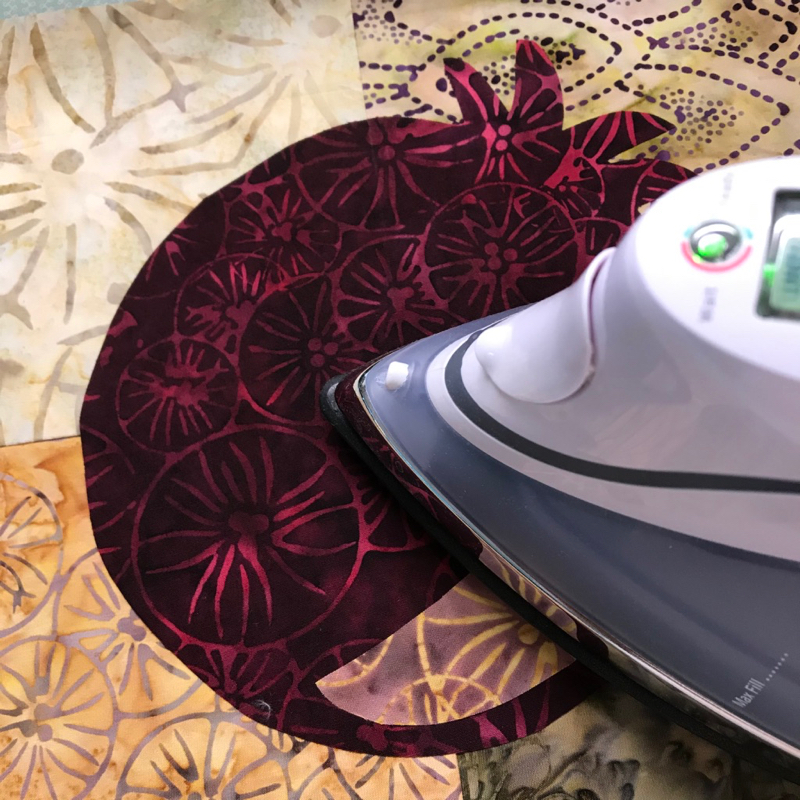
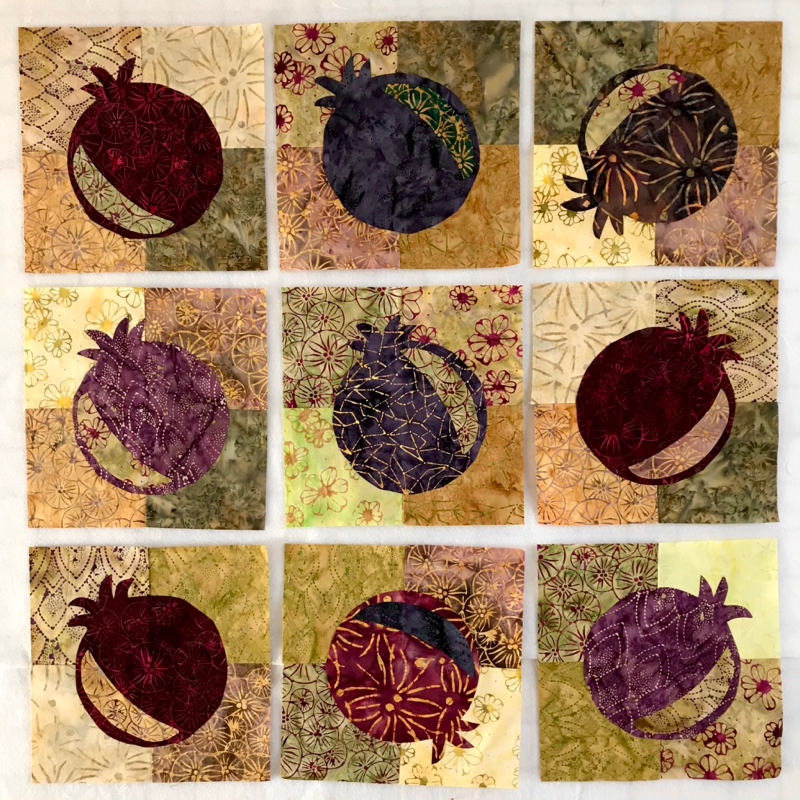
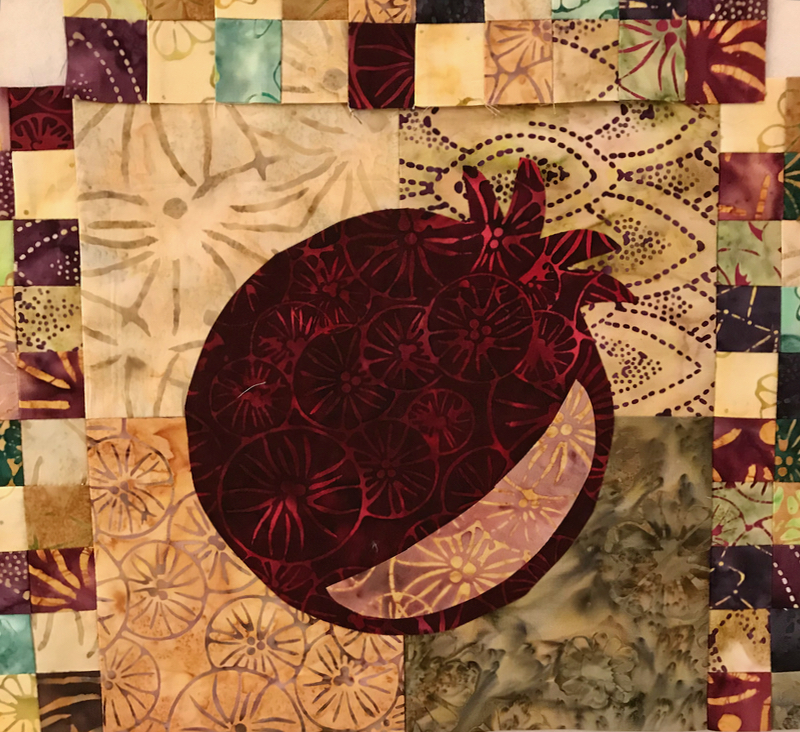
I drew up a pomegranate shape, adding the bit at the top (the calyx), then traced it onto fusing material, cutting out the center of the circle so the quilt wouldn’t be too stiff. I then cut around the outside and fused it down to a four-patch.

All are on! Now the borders.

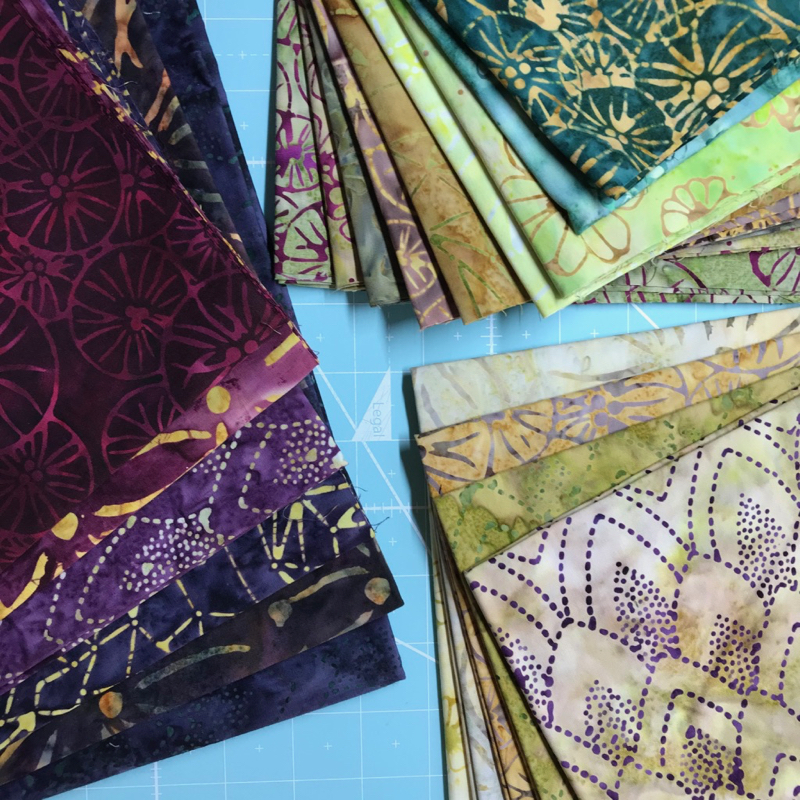
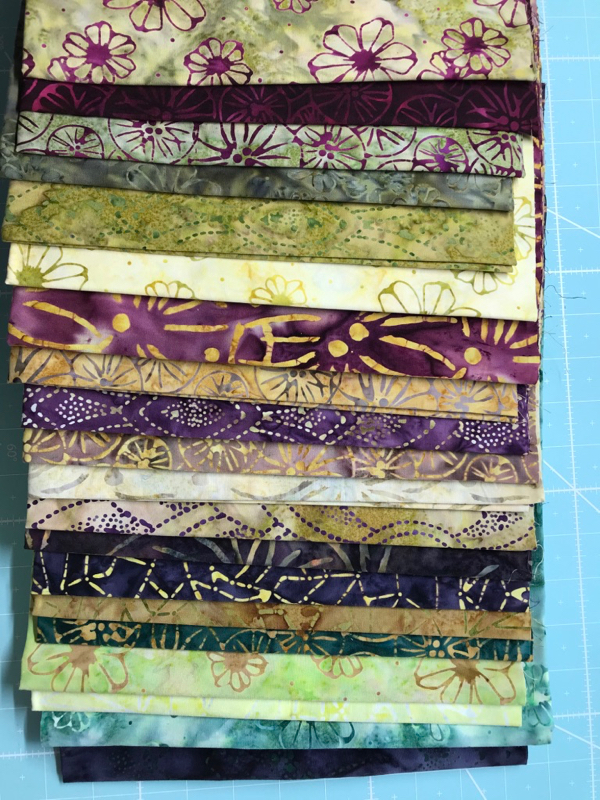
It’s a fun way to show off the luscious tones of this line of batiks. I had a hard time photographing them in the night when I was working, so here’s a photo from Kenna:

This is what she’ll send the winner of the giveaway: Twenty Fat Quarters. Yes, you can make the Pomegranates quilt from that. But now you can also score a discount on the pattern, as I’m launching it at the same time.

UPDATE December 2024: Head over to my pattern shop on PayHip, navigate to the pattern and you can choose your own discount on this pattern.

There are three places you can enter the giveaway:

The giveaway is now closed.
Congratulations to Esther, who wrote:
“Love the fabric and the pattern! Pomegranates and the pomegranate tree are beautiful. The tree and fruit provide habitat for birds. Maybe this will be the year I plant a tree or two, there are a number of varieties, some with pink arils and lighter rind that I think would make a nice combo with the standards. I think there are many references in the bible and poetry as to their beauty and symbolism, though right now I can’t pull one out of my memory. As far as harvesting the arils, I just “go for it” since I’m only cleaning one at a time. If I was ambitious, I’d make pomegranate jelly. I like to use the arils in a salad of winter greens, with slices of bosc pear and fuyu persimmon and a vinagrette.”

Here, on this blog (I’ll pick a winner on Thursday evening, and email the winner). OR, on my Instagram account. OR on Kenna’s Instagram account. And of course, you’ve figured out by now that if you enter all three places, that’s three times the chances. I will mail your name and address to Kenna and she’ll send them out. Good luck.

Leave me a comment below, telling me what you think is the easiest method to get the arils (the seeds) out of the pomemgranate: get on an old shirt and head out to the picnic table and just go for it, or submerge the fruit in a water bath, letting the arils sink to the bottom while the pith floats to the top. And of course, since I love your stories, any pomegranate story or memory you want to leave me will make me smile.

A red-stained juicy pomegranate smile!

Covid-19 Times · Live-Online Classes · Patterns by Elizabeth of OPQuilt · Zoom

Triad Harmony Workshop

A song from my childhood always pops into my head when I start my Zoom classes, bright and early, on Saturday morning. It’s something about “bright, smiling faces” that are “all in their places,” and when you see that class portrait where I cue them all to look at the camera and smile, it certainly resonates. (I like to do a class portrait, giving the students time to compose themselves, so as to avoid that strange deer-in-the-headlights-slightly-tipsy portrait that can happen when we try to freeze a video feed with a snapshot.)

The portrait above is the Coastal Quilters from Santa Barbara, one of those Guild engagements that morphed from in-person to Zoom. Again, I have to say I’m really loving teaching this way, with everyone in their own spaces with their own equipment and fabrics. (Do we have to go back to the other way?) I did teach one Zoom class once where they all gathered in the back room of a quilt shop, masks in place, but there wasn’t the interaction; I really missed the individual conversations that the traditional Zoom set-up allows.

And this is what a busy workshop looks like in reality. Everyone is on task (since I took this unannounced, I have blurred out any faces), working hard at creating their own versions of Triad Harmony. This is later in the afternoon and they had all made incredible progress.

Something I do — which I think is unusual — is a Follow-up Workshop Session, one week later. It’s one of the best parts of the class, in my opinion.

In this Follow-Up class, the students send me photos of their quilts the day before, and I put them up into a slide show. This is my view from my computer, and we all engage in discussing the quilts, the fabric choices, successes, and challenges. It’s a lovely time to hear from the quilt makers, the quilters involved at a granular level in creating these masterpieces. It’s not often that we get to talk like this, and it’s a treasured time.

I wish I could have had you all there. More than once, someone said, I was scared to work with this precision, but it went together really well. Or they’d say, they had a stack of triangles cut and changed out. At that point, several people picked up their stacks and flashed them at the camera. A couple of people had theirs already quilted, some were still finishing up borders, and one quilter had printed off onto paper an image of the fabric she was missing in order to show us how it should look. All in all, the follow-up class motivated them to work hard, and finish up as much as they could.

Enjoy the show!

Karen B.
Sue B.
Margaret D.
Heather G.
Marcia G.
Gail B.
Ranell H.
Carole K.
Sue K.
(The black is for display only.)
Susan K.
Tami K.
Barbara M.
Polly M.
Sue O.
Karen P.
detail, Karen P: dimensional wedges
Bee S. (with bee fabrics!)

I try to give something a little extra to each class, and for this class I included four different videos they could watch, with different tips and instructions for making the quilt, as well as a line drawing for use in coloring in preferences.

I also included pattern pieces that would make a larger size, shown here for comparison. I’ve updated the pattern in my PayHip shop, and the pattern now includes the larger size. The fabric line I chose for the larger size is Geo Stones, by Riley Blake.

Thank you all, Coastal Quilters, for a lovely experience!