Digital/Virtual World · Live-Online Classes

Zooming a Live-Online Class

Having run through the vocabalary of descriptors for what happened this week, I think calling this a Live-Online Class is the best term. This wasn’t an Online Class, where you pay your money to a website and download a video. This wasn’t a live class, where you haul your machine and the contents of your stash closet to a class, where you might get something done. This was a hybrid, the best of both worlds!

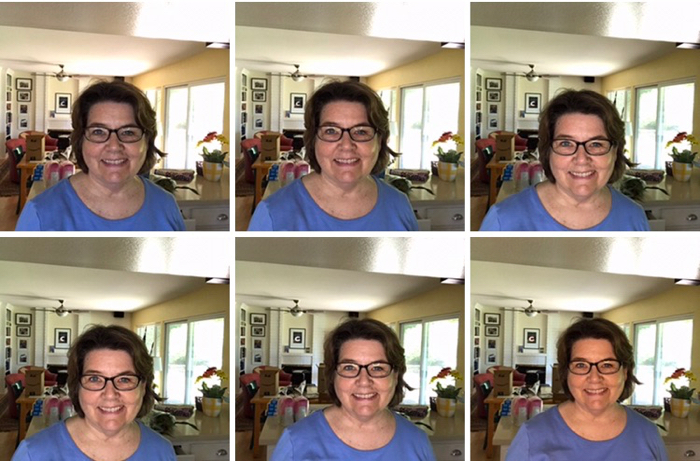
Truth be told, all these lovely women of the North Cities Quilt Guild (above) could be called pioneers, for when I sent a survey afterwards, the majority response was that this was the first Zoom Quilting Live-Online class they’d taken. They were so fun to spend the day with in this new form of a quilting class. We’d also shared a Zoom Guild Evening Program the night before, and that, too, went very well, as they had two moderators manning the technical side of things.

Note: I’m putting up another post after this one, describing in more clinical/technical details the things I did to make my Live-Online Class run smoothly, having done gobs of research. I will update this post to link to that one, when completed.
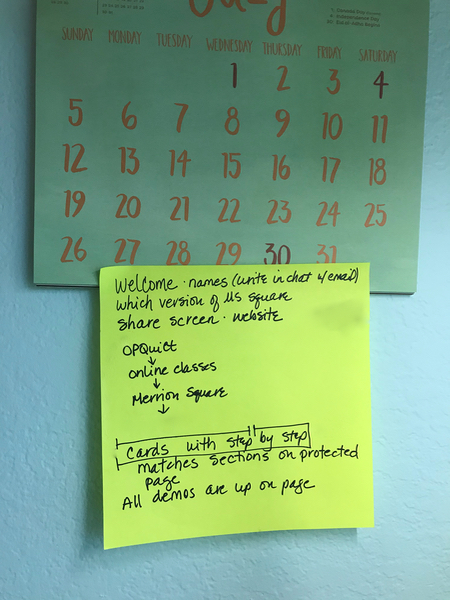
Our day together began at 9:00 a.m. In truth, my day began a bit earlier, when waking out of a dead sleep at 6:30 a.m. I realized I hadn’t written down my lesson plan. I bolted from bed and wrote it on a giant sticky note and slapped it up on the calendar next to my cutting table.

I also realized that when we had painted, we’d taken down the curtain hiding all the mess in my sewing room closet. A quick fix with a tensioner closet rod and a quilt quickly fixed that. I spent the next couple of hours doing last minute prep, printing off the Secret Code to admit them into the Secret Room of my blog, getting ready (including mascara, ahem). Then I settled into my chair at 8:45 to welcome them to class.

We started pretty much on time, and I had a Moderator, who helped people get started and ran things smoothly. There was some awkwardness at first, as we worked through some technology hiccups (but nothing serious–Zoom does make it easy to click-and-go).
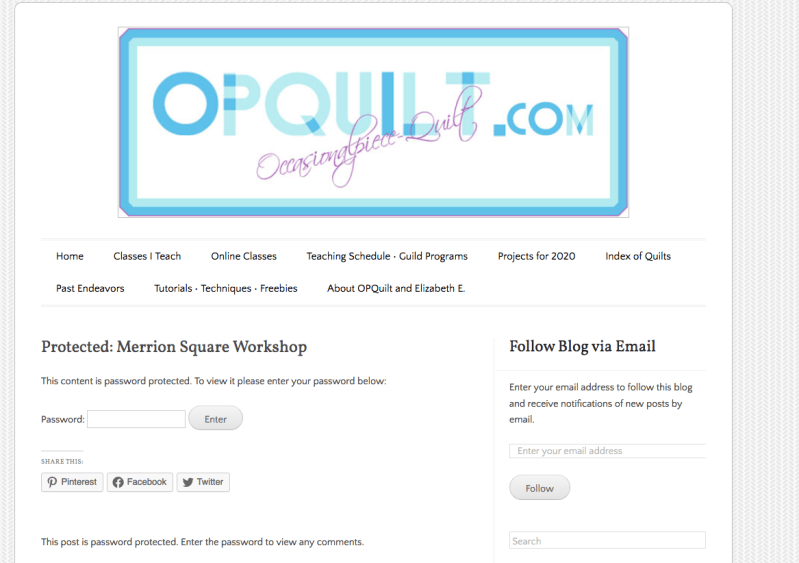
More about setting this up on the other post

After I introduced them to their Secret Site, and we squared away the password entries, they were able to access the videos and other materials I’d put there for their class. Pretty soon, they had all settled into sewing. One quilter had her computer in one room and her sewing in another; we solved that by having her log onto her phone, so she could have it next to her for comradery while she stitched. I saw her walk back and forth between the two rooms when she needed to watch a video.
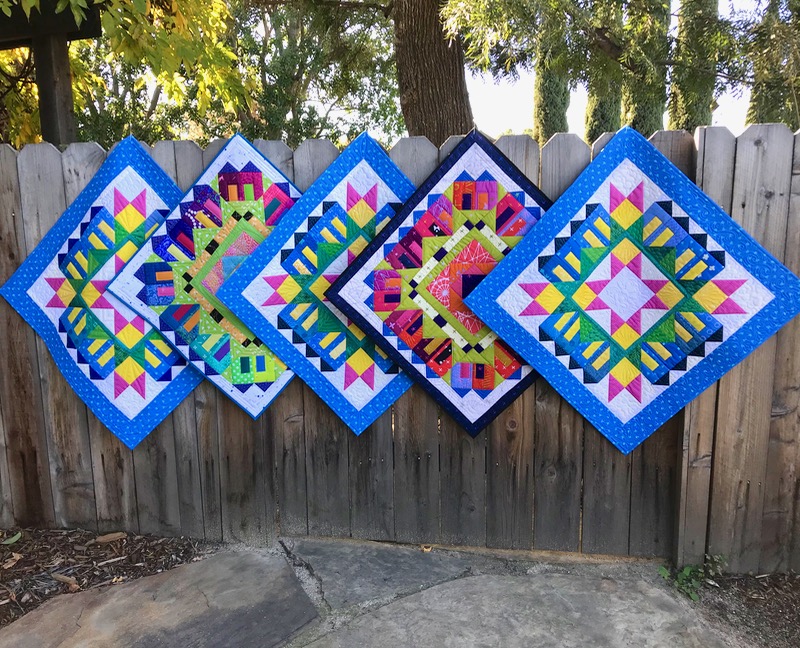
The Merrion Square Conga Line

A few were able to use their computers to “show” me what they were working on, and we chatted about color and value choices and ways to make it all come together.

The class followed the outlined schedule, and when I returned from lunch break, I noticed a distinct shift. They had ceased being a bunch of screens, and now were a happy classroom of busy quilters. The change was welcome, as there is always this place where technology can get in the way of the humans. And these wonderful pioneers figured out how to get the humanity back into this distancing situation.
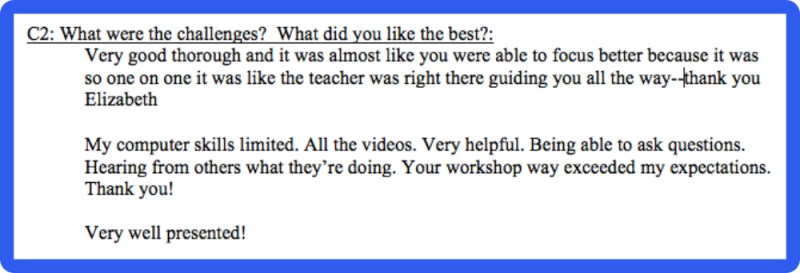
from the after-class survey

The afternoon was a series of lovely moments, as they held up their successes to the camera, showing off what they’d accomplished, bit by bit, section by section. I told the class that if they sent me decent photographs of what they’d been working on, I’d put them into a slide show for them to see when we all got back together a week later, in our planned Wrap Up Class.
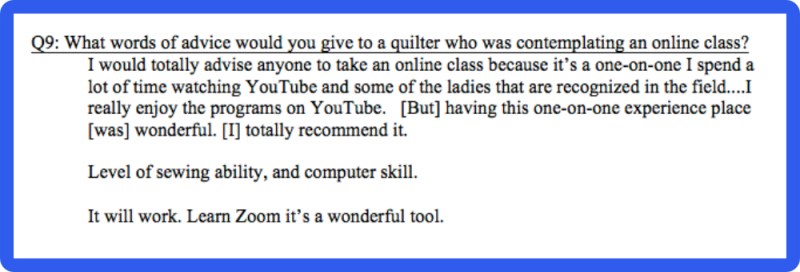
from the after-class survey

Before we parted, we talked about the pros and cons of this situation (and they agreed to fill out a survey after the fact). One comment was that they didn’t have to lug their sewing machine down the stairs to their car. Another quilter mentioned that she had been able to pivot quickly when it was apparent that the choice of fabrics she’d laid out weren’t working: all her fabric was right there around her. I also love what this anonymous quilter from our class wrote in her survey: “Learn Zoom–it’s a wonderful tool.”

I was about to sign off, but a couple of women asked if the class could go longer, so I set extended it so they could keep sewing, which made me feel like this had been a great experience for them.

Can’t wait to see them all again!
Digital/Virtual World · Guild Visits · Trunk Show

Zooming into 2020

By now we all know what a Zoom conference is, we know not to angle the phone so people see up our noses, we know not to have a crunchy three-course meal on the Zoom chat, and we have learned the importance of the Mute button. That’s the participant side. This month I’ve been trying to learn what to do on the presenter’s side, getting ready to take my regular In Real Life (IRL) program to Virtual.

First up, gather a bazillion pictures of quilts and plop them into a PowerPoint slide program.

Secondly, do you-don’t-know-what and lose the last half of the slide program.

Third, re-construct what had been started and save it in TWO different places this time. It’s all a big fat learning curve. I did watch several different groups of people talking about going Virtual, and one common theme was the idea that when invited, they said “Of course, that sounds great! It’s very do-able!” Then the admission to those of us watching, was that they really had no idea what to do.

I can relate.

Here are some of the things I’ve been doing the past two weeks:
PowerPoint Slide program — luckily a lot of the graphic arts skills I’d picked up this past year while learning Affinity Photo/Designer/Publisher carried across onto this platform.

Buy a ring light and tripod. Figure it out. That’s me trying out light levels and light settings: White, Warm Yellow, Warm White. Or as I like to say, Death, Near-Death and Jaundiced.

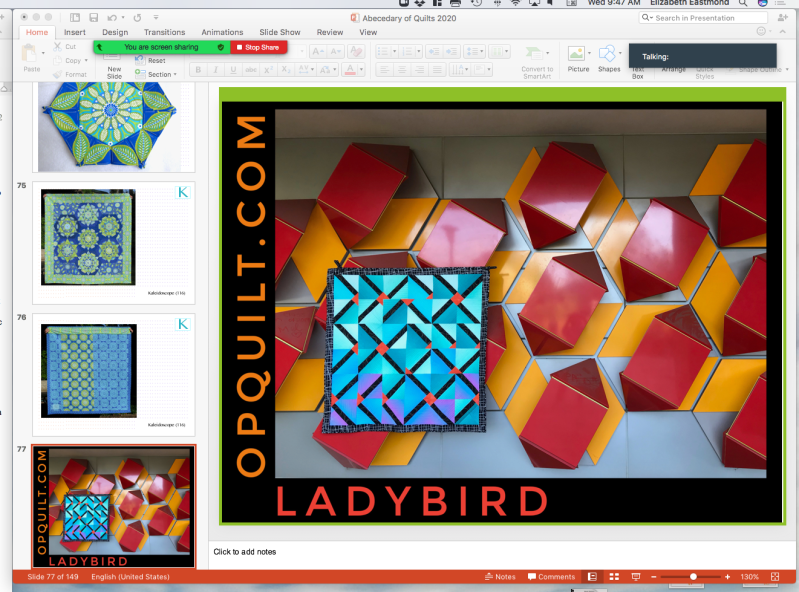
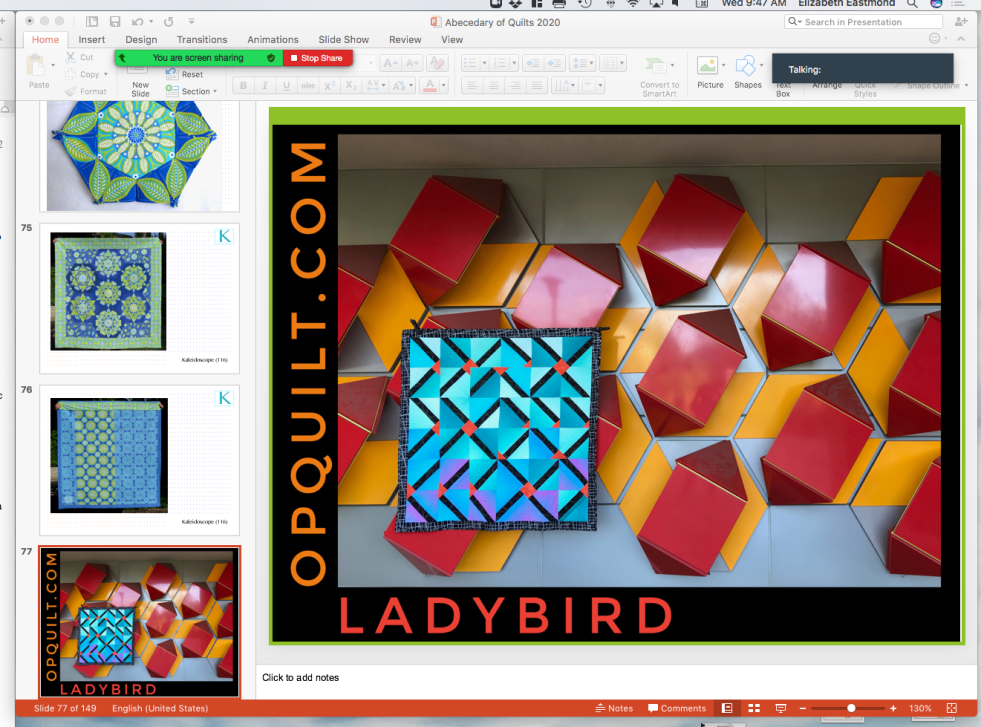
In this view, there is a green border around the slide.

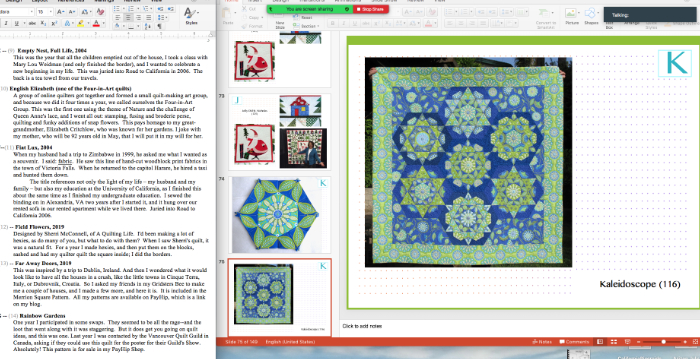
You can find that in the Advanced section of the Slide Share tools in Zoom. What that does is put a border around what the people on the other side of the screen can see when the desktop is shared. You can keep all your notes in a Word Doc if you want (see below).

Write notes for the program and rehearse. I did that last night, ring light on, running through the program, recording myself. With the ring light on, practicing looking at the camera, and trying not to freak out, I have to say I did okay. My husband is continually encouraging me onward; he used to coax his grad students through this ordeal. And by the way, the recording will be deleted, never to be seen again, but I’m glad we purchased a Zoom Pro account, so I can rehearse. I’ll make another one tonight, just to keep practicing.

Last tip: I set up another screen right in front of me when I was rehearsing (an iPad will do) so I could see what others could see. I doubt I’ll do that when presenting (I want to focus on looking at the camera), but it was helpful when figuring out how all the parts go together.

If you are a Guild, there are an equal number of tasks for you, too. In working with the current guild, the Program Chair has been terrific, as we worked to move this forward. Not only do they have to worry about getting the Speaker situated with Zoom codes, timing, technology, they also can’t just hand them a check when it’s over; payment has to be worked out as well, and not everyone has a PayPal or Venmo account.

And getting the patterns to them is also a challenge, because of that “not everyone has a PayPal account” thing. My patterns are digital downloads from PayHip, which requires either a PayPal or Slice Account, which has been a trouble for some of their members. So we worked out that the member would give a check to the Guild, the Guild would alert me and give me the guild member’s email address, and then I would send them a “how-to” PDF document and a code to enter to get their pattern. I plan not to do this again, if I can help it.

The contracts have to be re-written, or an addendum provided. I ended up scanning in the originals, adding the addendum and emailing them over. Some of the language I used in the addendum is in the “Zoom Explained” document below, available for download.

All of this post is to say, that we are headed over a cliff into the digitalized 21st Century, and we have to be our own superhero and figure it out ourselves. I plan to do that Lecture next week, the Workshop the next day (more on that, later), and keep going. I plan on my vehicle sprouting wings so I can zoom out over the landscape, and enjoy the view.

Nuts and Bolts of Presenting

After reading extensively, I wrote up a document outlining how I wanted to work my virtual teaching and presenting. You can download it below.

There are plenty of sources out there for the physical space you’ll need to set up. At the very least, invest in a ring light so it will throw an even cast of light across your face. Others have fancier set-ups. Try not to be overwhelmed.

In working with my fantastic Program Chair for the upcoming Guild, I thought it might be helpful if they had a checklist they could consult to make they had all their ducks in a row. You can download it below.

I have so much to learn, as do we all. But I’m actually pretty excited to go forward. In putting together my presentation I could include lots of views of my quilts in the slide show, things I normally wouldn’t be able to show them (like mood boards, quilts in settings, interim steps). There will be good and hard things about our quilting lives in the next two years. Let’s make getting together one of the more lovely things!

First Monday Sew-day · Free Quilt Pattern · Gridsters

Basic String Piecing • First Monday Sewday Lesson (and a few other things)

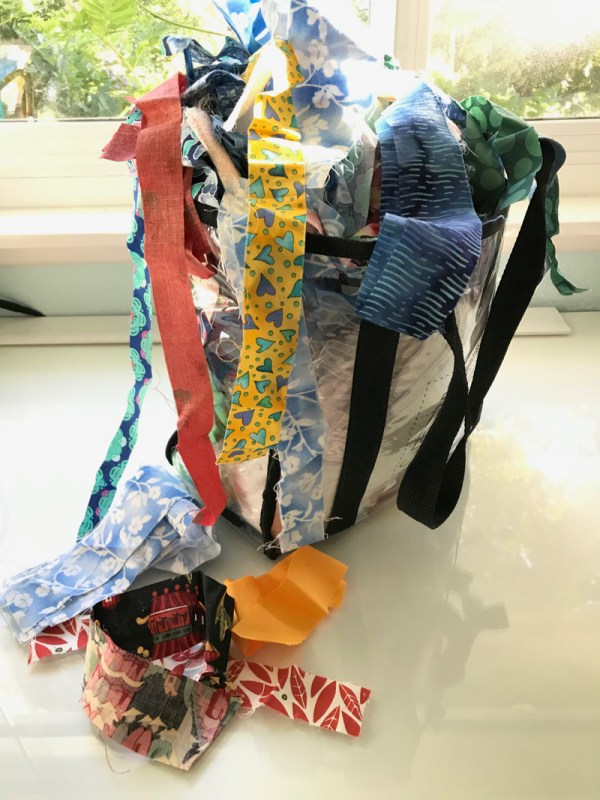
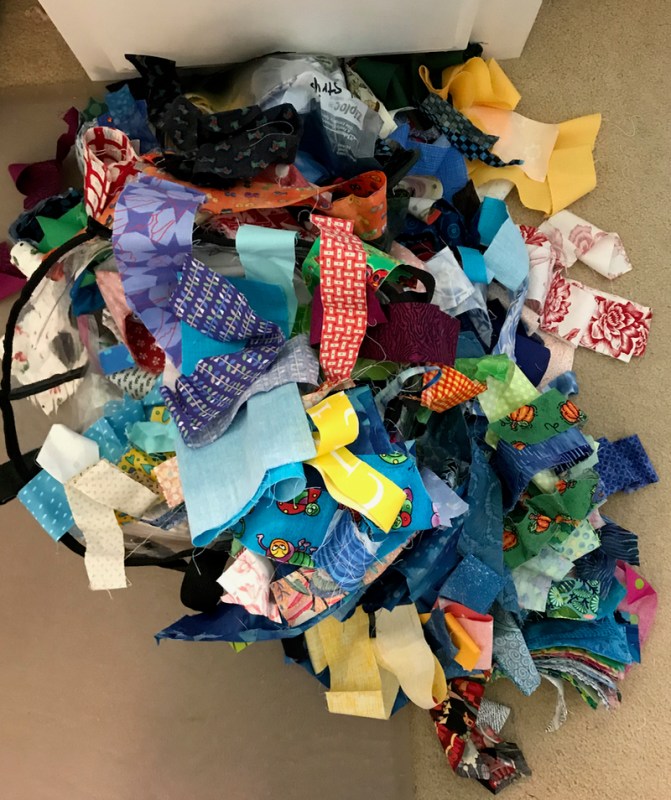
Nice and tidy bag of “strings”

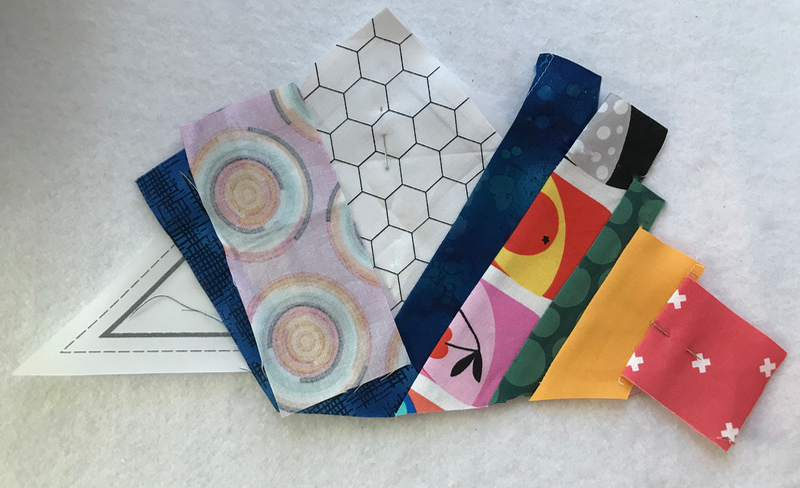
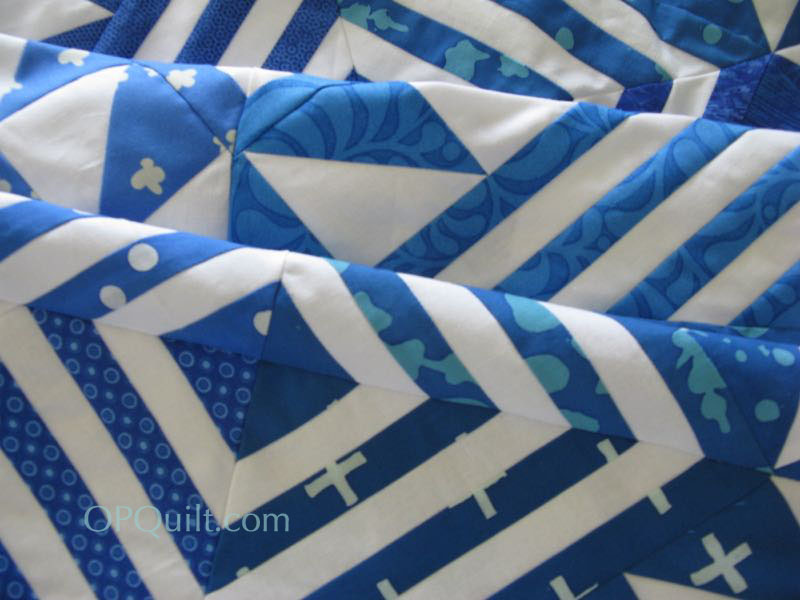
This month’s First Monday Sew-day Lesson was on teaching the newbie quilters about String Piecing, or Strip Piecing, or whatever you want to call it, but it involved laying out a shape on paper, arranging fabric and stitching through the paper. Foundation Paper-Piecing? except that we are using long strips of fabric. So I’m going with String Piecing. And the block I chose to teach was a traditional Spider Web Block.

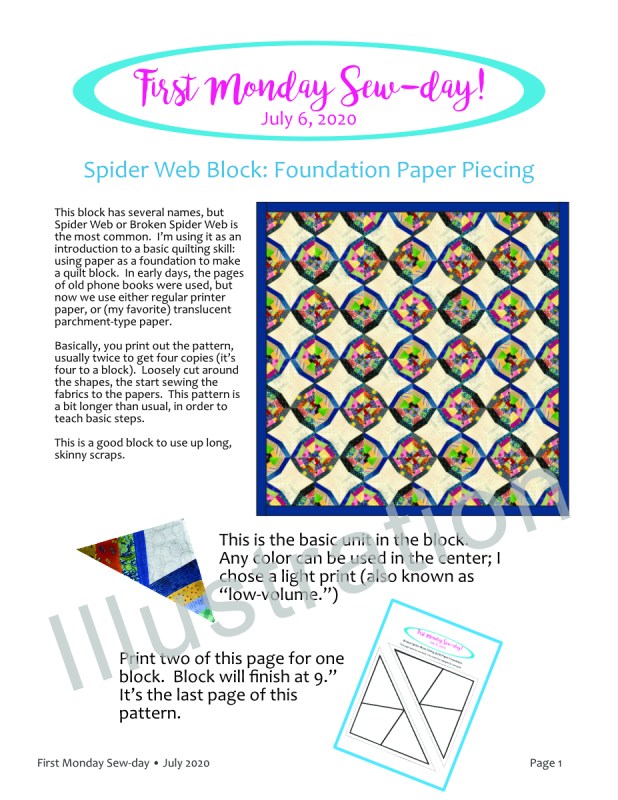
For the handout for the Making a Spider Web block, click to download a PDF file:

It’s bit longer this time: multiple pages instead of just one sheet. There were a lot of illustrations for teaching this, like this one:

Since it is free, please don’t distribute — send your mom and your kid sister and your friends here to download the handout. (If you are a quilt shop or quilt guild, and need a virtual activity, please ask first before distributing.)

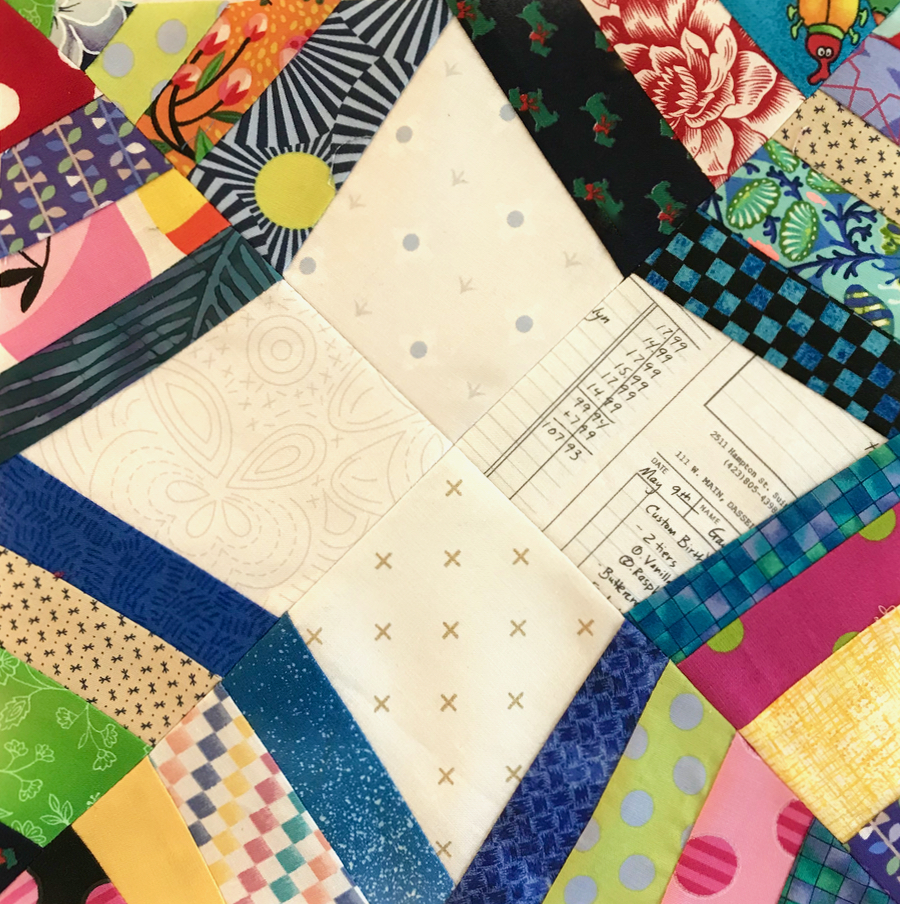
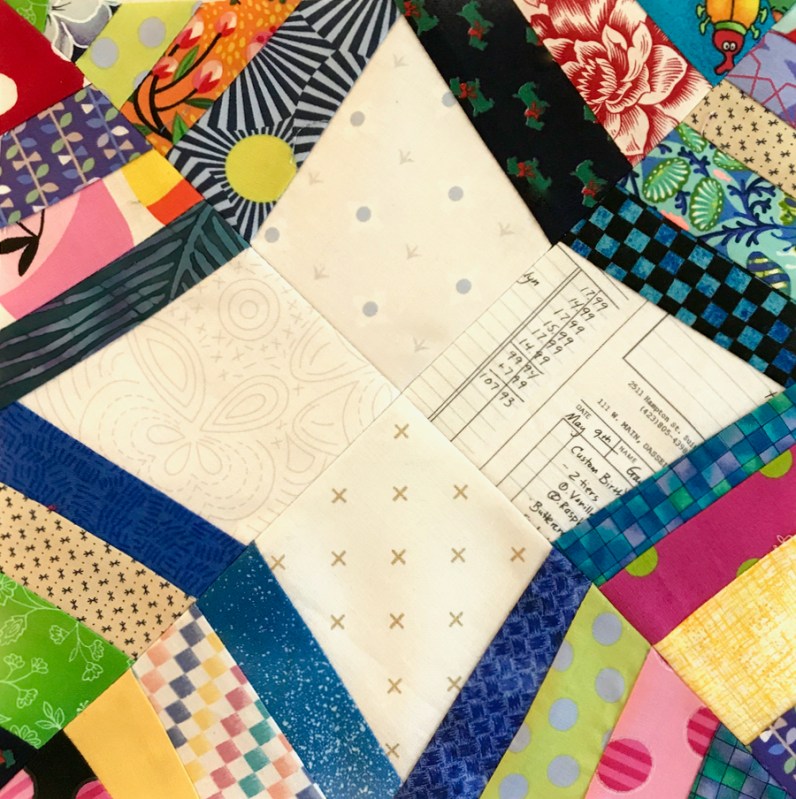
So this was my final block, taken at night, when all the lighting is really mellow. I chose low-volume prints for the centers, a deeper blue for the first strips near the center, and then circus-circus after that.

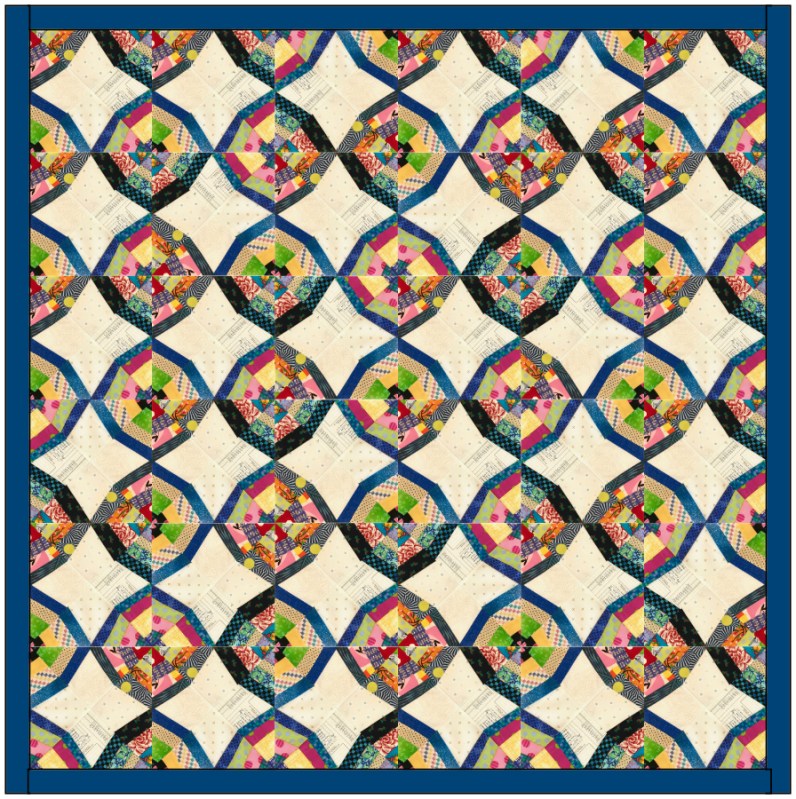
I did a virtual layout after that, trying to approximate how interesting this block can be in a quilt. More discussion of this is on the handout.

My “string bag” was left exploded on the floor after all this mucking around, but I just wadded everything back into it and threw it back in the closet.

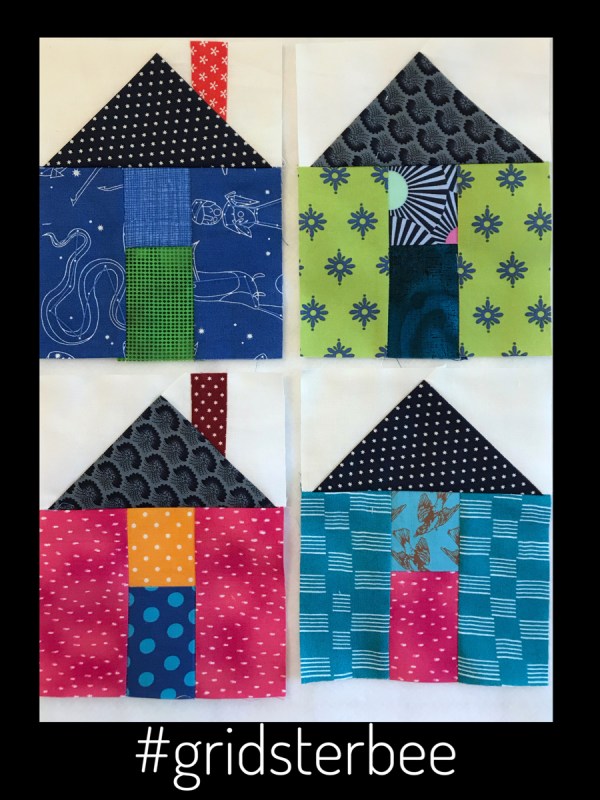
I also made two sets of Gridster Bee blocks: first one was for Mary, for June. She requested a whole lot of little houses, and we used the free download pattern from Moda.

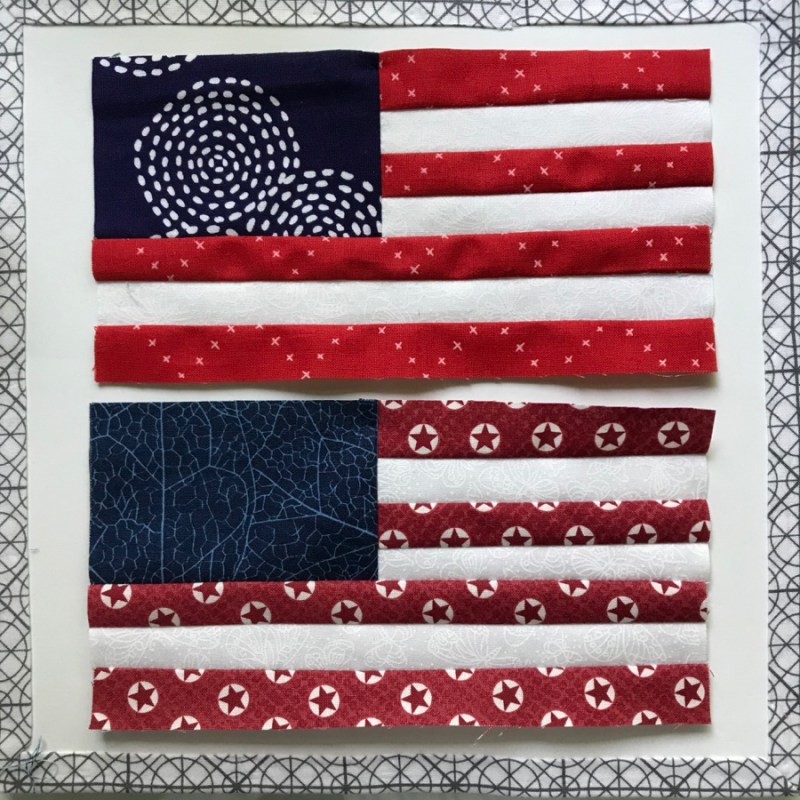
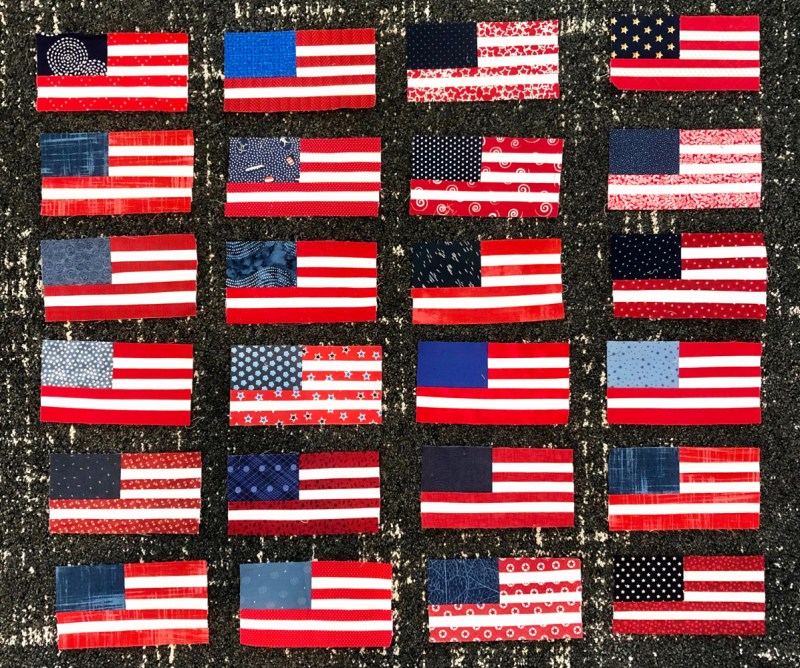
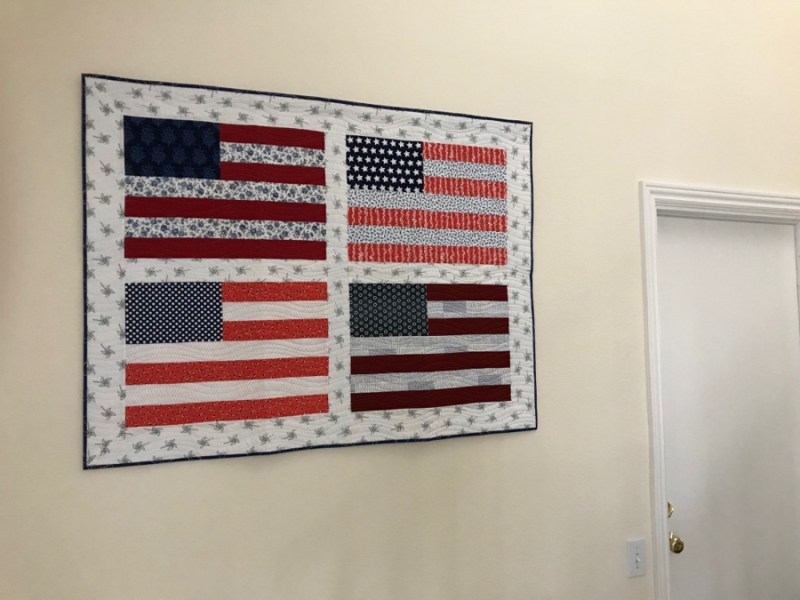
Kelly was up next, and for July she chose to miniaturize a flag. These are tiny little things, finishing at 4″ x 7 1/2.”

Here’s a whole slew of them, all laid out together.

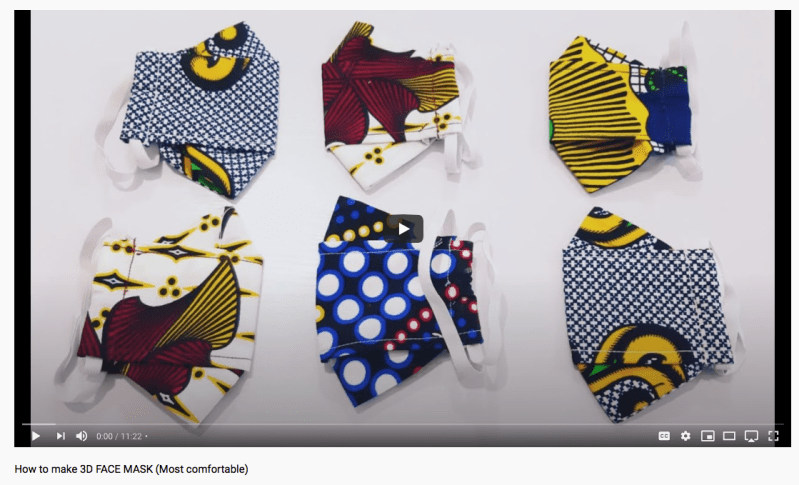
I was tipped off to two new mask patterns, and the Creative Grids mask template also arrived at my house. Updates are on my Face Mask Info Post, up there under Projects for 2020 tab at the top of the blog.

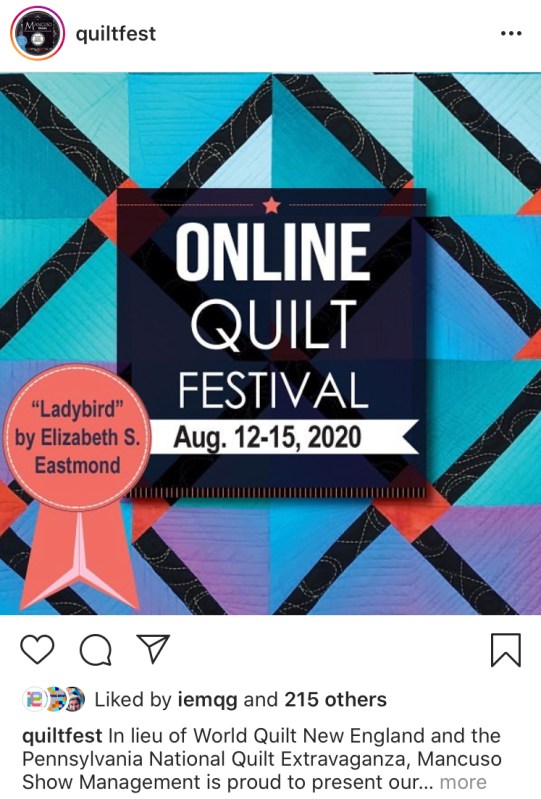
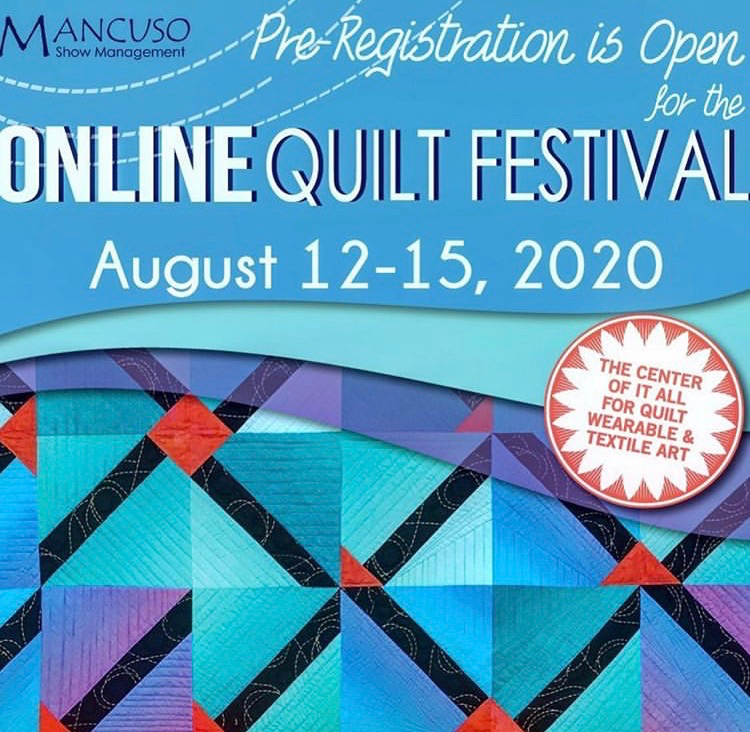
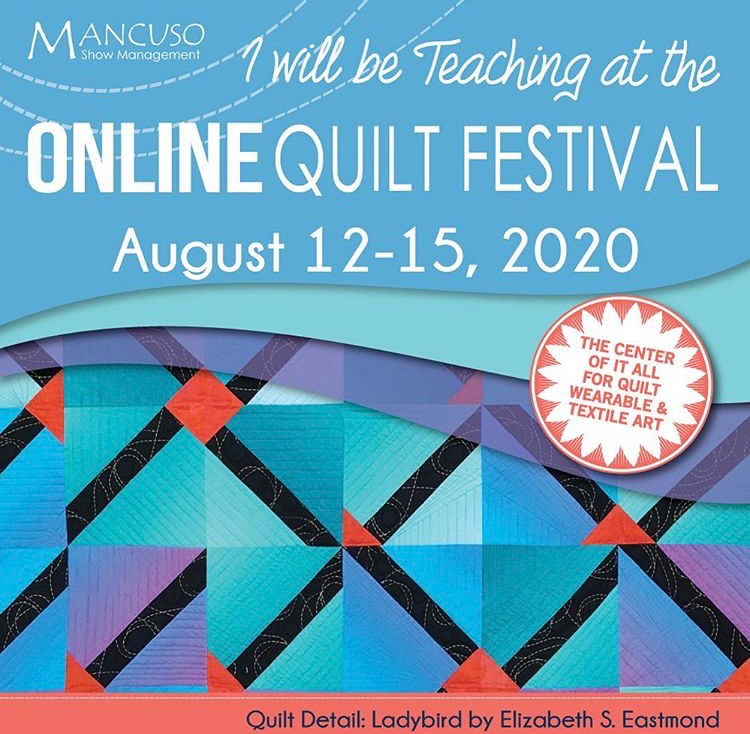
So this was interesting to see all week. Mancuso Brothers surprised me by using my Ladybird quilt in all their advertising for their online show in August. I had entered Ladybird in their Pacific International Quilt Festival, held in Santa Clara, California last fall. The picture they are using is my image, I must assume, as the lighting is good and the colors are bright (the lighting in that show was problematic). Most of the time my name and the name of the quilt were attached, but often I saw it with the orange lower banner chopped off, so no accreditation whatsoever.

Should I be honored and flattered that someone wants to take my artwork/quilt/work and use it for their ad campaign without asking permission or offering some compensation, like a teaching spot or something? (The real irony is when they use my quilt to announce another teacher.) I am very happy that, most of the time, my work is acknowledged. Should I just let this roll on by, knowing that I get “free publicity” — which is always what is said — although I don’t have a pattern for it, and I’m not teaching it anywhere, so it’s hard to know what good the free publicity does.

It’s a tricky proposition. I am not angry. I might be perplexed. Mostly I don’t yet know how I feel about it, but I do think it would be nice to be asked. I’d be curious to know what you all think. (Leave your comments below.)

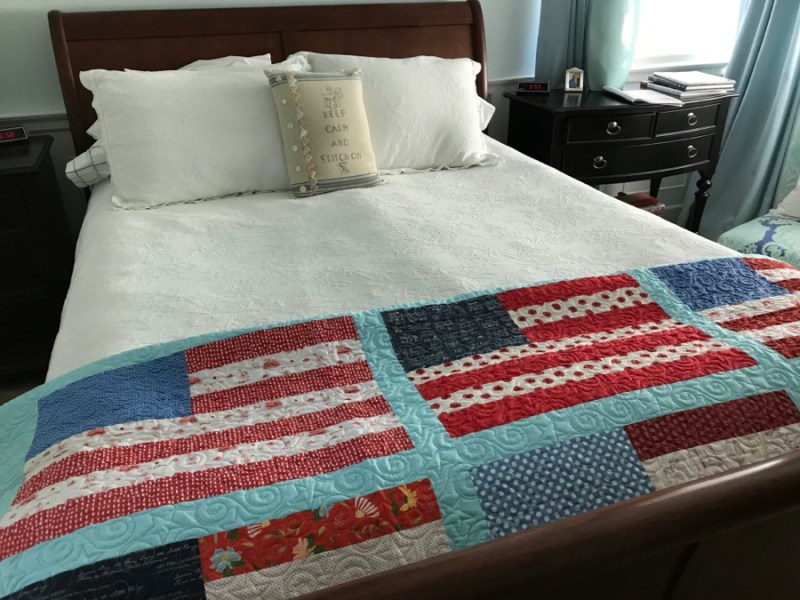
Thought I’d show you the Betsy’s Creation quilt on the bottom of my bed for July. The smaller one is hung in the downstairs hallway. That pattern (which includes both, and really more like a handout) is free, found here. Hope your last few days of July find you quilting!

300 Quilts · Patterns by Elizabeth of OPQuilt · Publications

Made to Withstand the Proof of Time

from here; more about this in a minute

As quilters, we have an relationship to time. We begin something, knowing it won’t be done for days, or months or even years. We work towards a daily or weekly goal of finishing the quilt, even though we might sometimes abandon the effort. But there is always this gap from beginning to end.

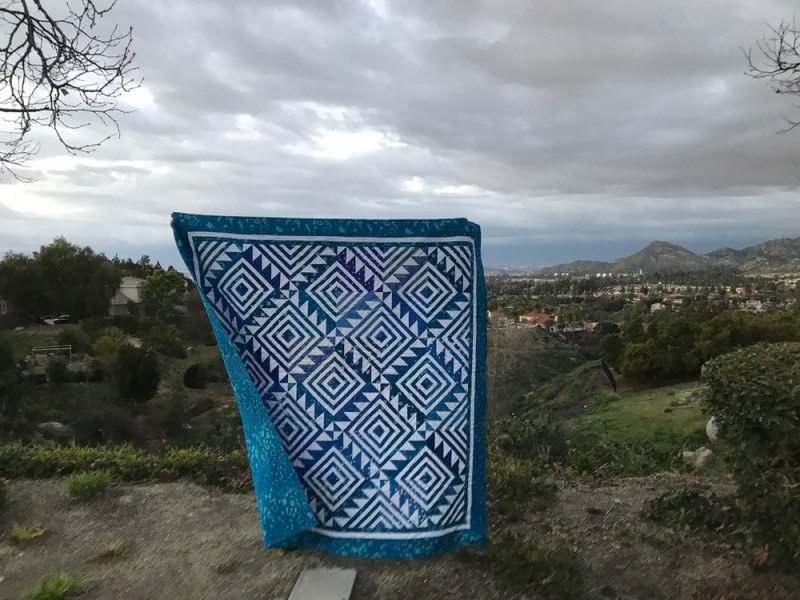
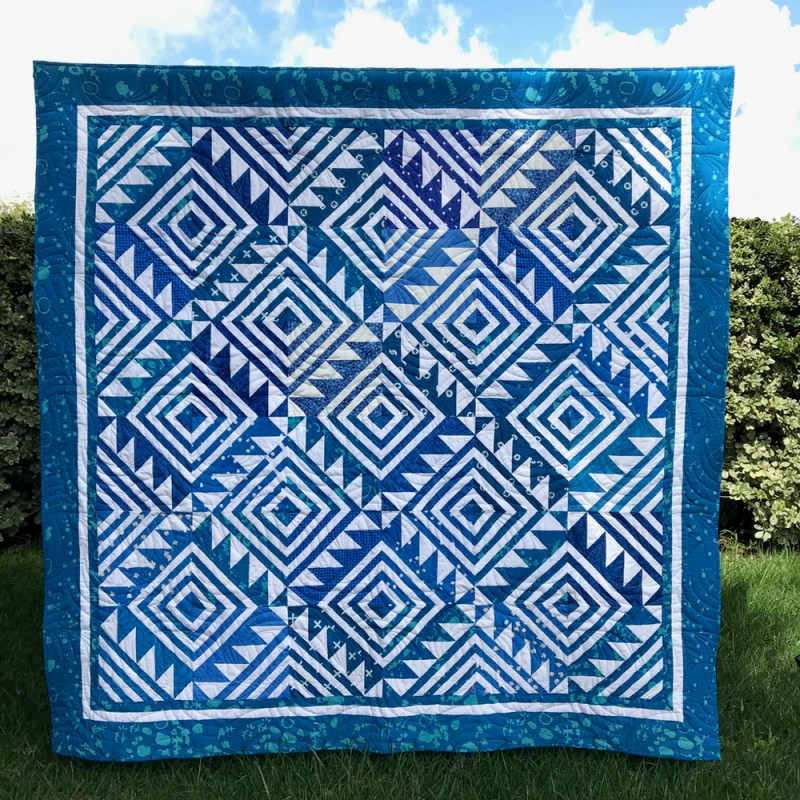
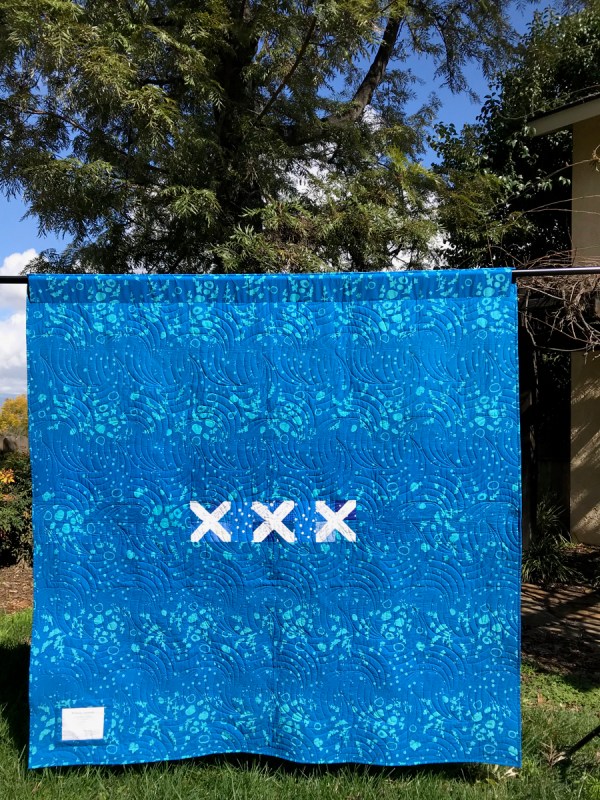
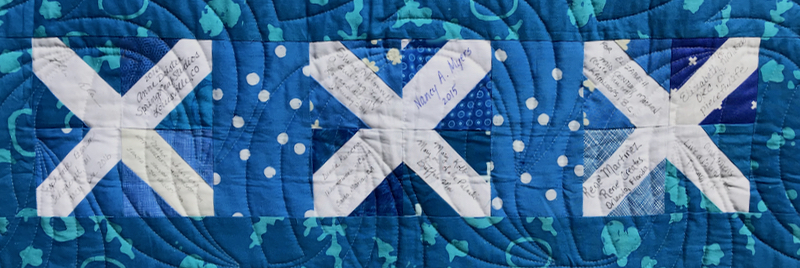
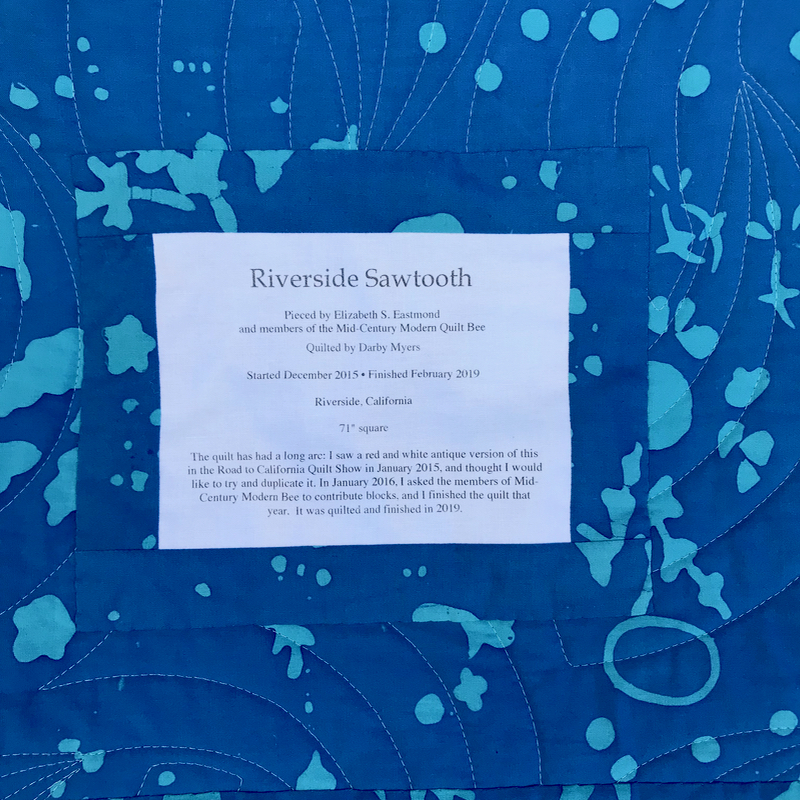
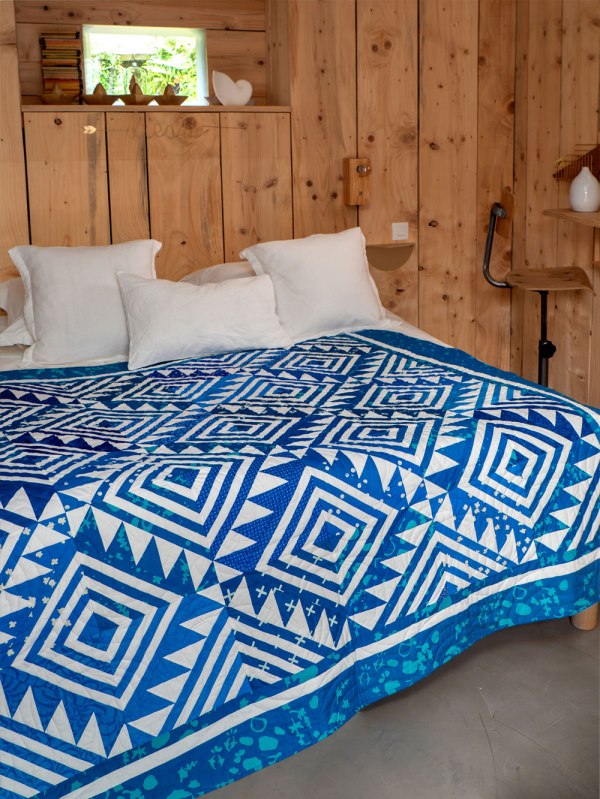
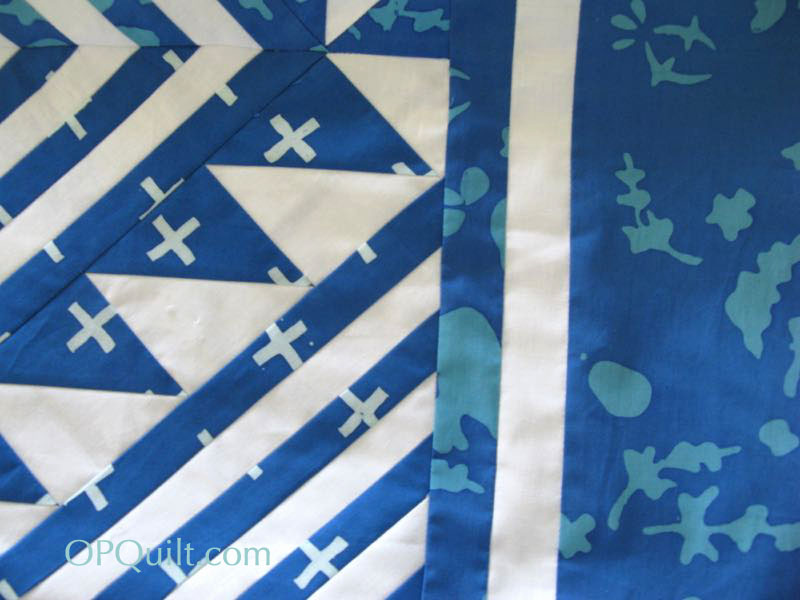
I started this quilt in December 2015, the design inspiration taken from an antique red and white quilt I’d seen in a quilt show. I couldn’t figure out how that quilting sister from 150 years ago put her quilt together, so I modernized it, and then in January 2016 sent the instructions to a bee I was in, asking them to make some blocks. Then I made more blocks, thinking about how that woman so long ago might envy our ability to have such an array of fabrics, to sew like the wind on our modern machines, to have such a distant circle of friends still gather together in a quilting bee.

I wrote about the finished quilt top, and then it sat. Time passed.

I wrote a pattern, but when QuiltMania accepted the quilt for publication, I took it down from my PayHip shop.

Time passed. And then some more time.

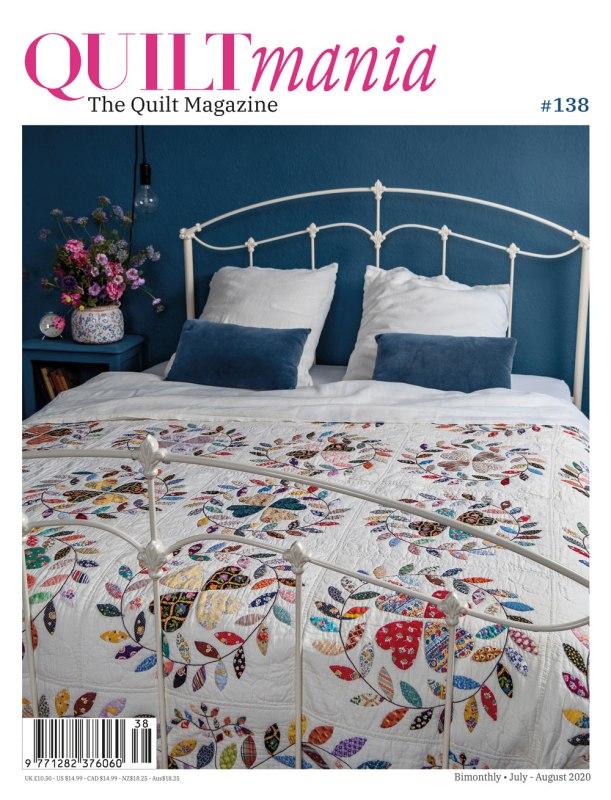
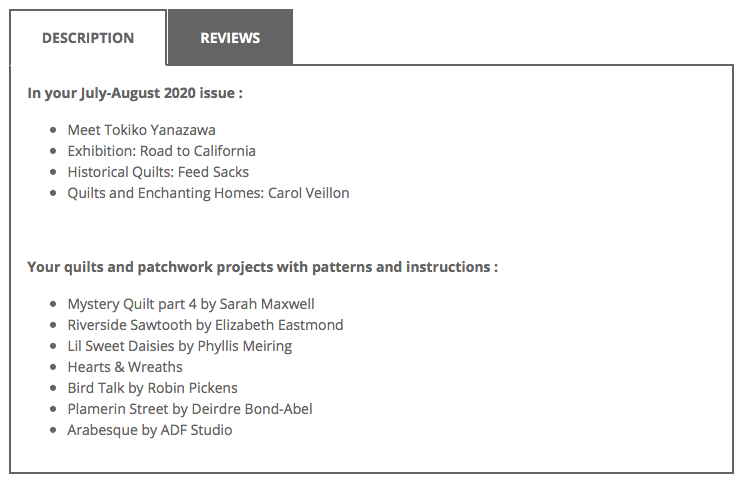
This week I received this picture in an email, along with the picture of the cover:

From December 2015 to August 2020 is nearly five years. In that time I’ve counted off changes in our family, health issues, deaths in our family, births and birthdays, personal highs, and personal challenges, a pandemic and now extremely grateful to have a quilt published in a respected quilt magazine. And to quote a common phrase seen in our quilty culture: I have #allthefeels.

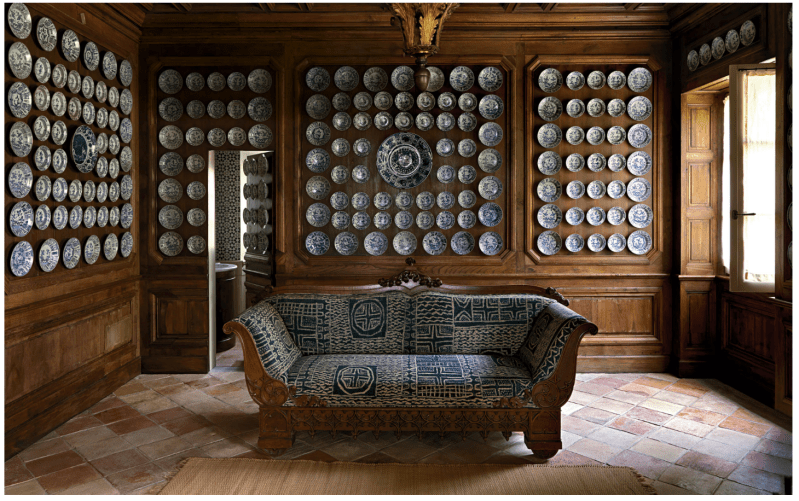
Which brings me back to that photo at the top of this page. Several designers and architects were asked to “reflect on a changing world, their creative process, and the future of design.” I enjoyed reading their thoughts, as they echoed some of my own feelings about the creative life. Here’s two:

Pierre Yovanovitch (Provence, France) said: “I try to look at the silver lining and see this as an opportunity for a creative reset, taking a pause from our overly scheduled lives to tap back into what inspires us.”

Milanese designers Laura Sartori Rimini and Roberto Peregalli, who designed the room of plates at the top of the post:

“Regarding the future effects of this pandemic, on one hand it has been recognized the importance of the house as a center, a place of the soul in people’s life. On the other hand, the inevitable economic impact that will follow this situation will, we hope, generate among people the idea that the house isn’t just an object that follows the trends to be discarded and replaced for the next upcoming thing. You should aim for an object of beauty, made to withstand the proof of time.”

I guess that’s why we quilters are willing to start a quilt in December and nearly five years later, see it completed. That’s why we pick out fabrics and squirrel them away, knowing that sometime in the future — maybe even in a pandemic — we will pull out the projects we’ve collected and start the long process in the midst of the distraction, the sorrow, the uncertainty.

And as always, we will send our quilt out into the world as a veritable declaration of hope, our handiwork created to withstand the proof of time.

Happy quilting. Yes, especially now.