Quilts · This-and-That

If I Do This, Can I Do That? April 2025

If I go to see all my kids, will I be able to recover from the trip? If I buy this, can I buy that? If I choose to sew this project, will I have energy to tackle that other thing? Or, this is all another way to title a This-and-That post for April 2025. First, the mundane and then the sublime. (Hint: an introduction to one of my favorite artists.)
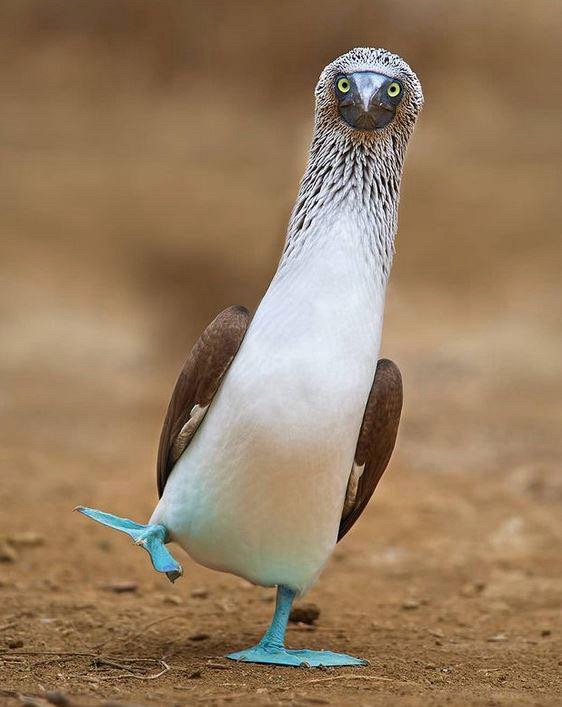
Feeling a lot of the time like a blue-footed booby; this photo was harvested from Bluesky, from the #naturesky tag. Bluesky is also where I have a new account. We need more quilters over there (tag: #quiltsky) so come on over. If you set up an account, I’d love a follow: OPQuilt on Bluesky. (If you need to know more about this platform, search, and research, buy this book, or ask me a question.)
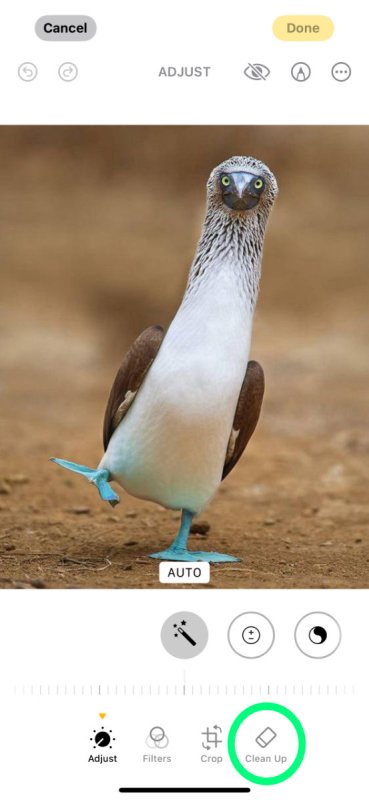
Apple’s Photo app has a new fun toy: Clean-up, behind the three sliders at the bottom of a photo (apparently not on all phones, my husband tells me). I click on that, then follow the instructions. Can you see what I did in this next pair of photos?
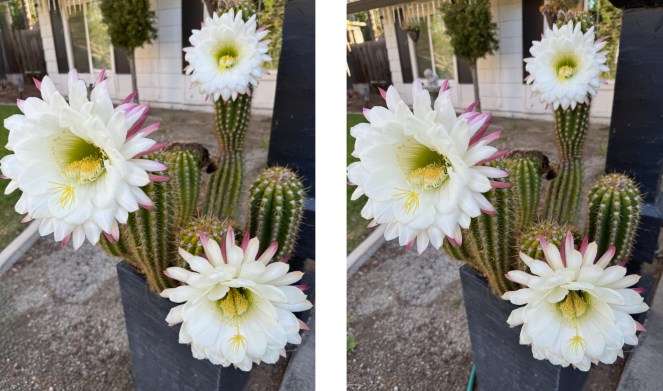
I probably wouldn’t use it to clean up everything, as that can give your photos (this one, of my neighbor’s cactus flower) a sterile and weird look. Life is messy, life has hoses in the foreground and angels in the background.

Early warning notice. I did none of those when the earthquake came, but did decide to hold off on getting in the shower. Just in case.
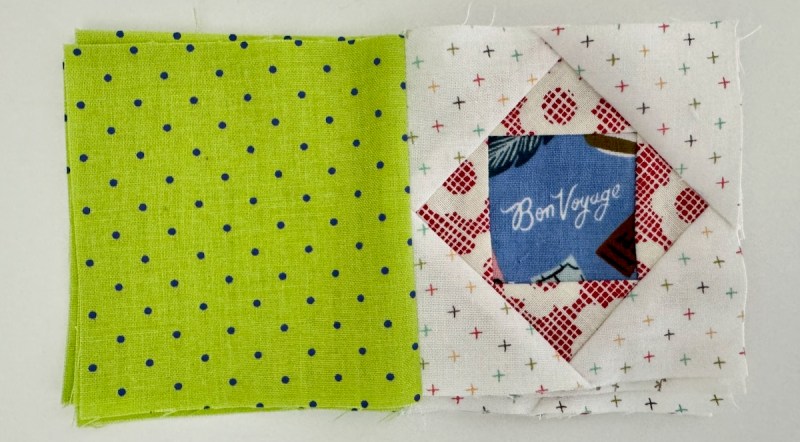
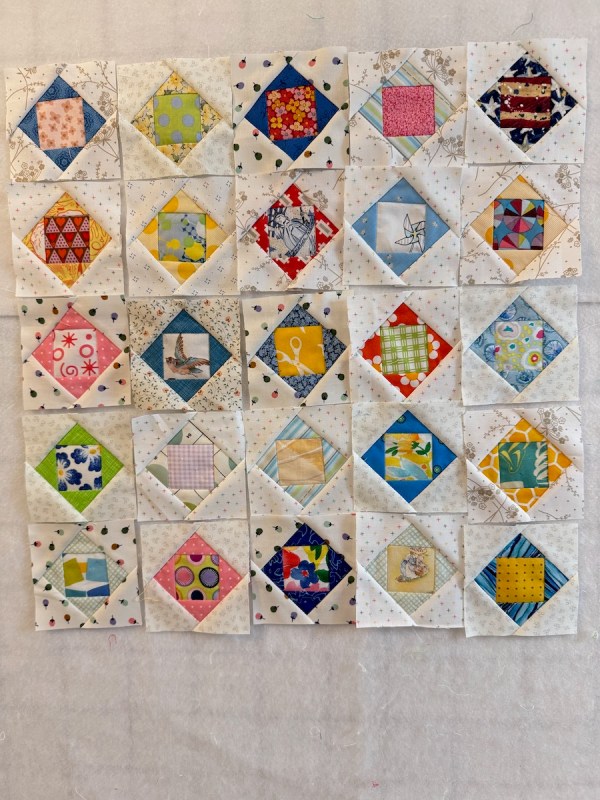
I sewed up my next batch of 25 Economy/Thrift/Square-in-a-Square blocks. In my first post about these, I noticed that one of the quilters I mentioned had sewn each of hers to a background block, so I decided to do the same. Eventually I will sew them into blocks of 10-patch units, as suggested by Taryn, who is running this (9-patch units? 12-patch units?).
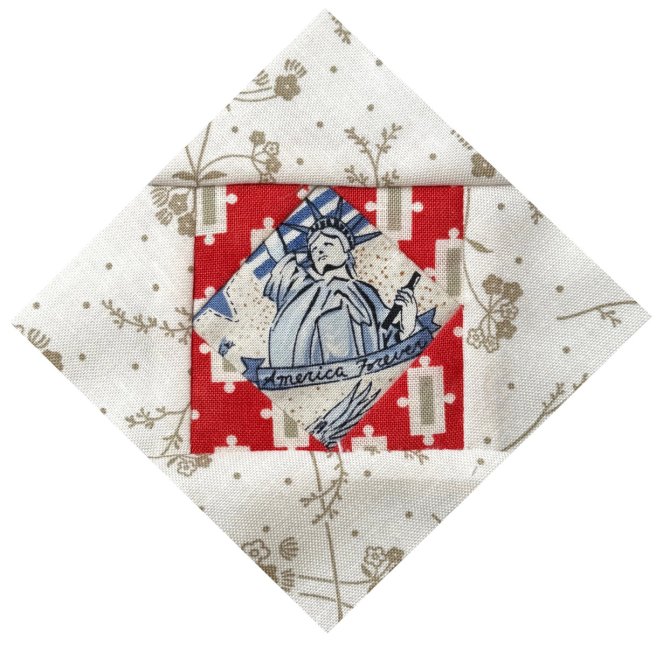
To make all my economy blocks, I opened my drawers and just used up old scraps, cut nearly a decade or more ago. It’s a lovely time-travel experience. Most centers are not fussy-cut, but this one spoke to me, as my heart aches a lot for what is going on. Other centers of other blocks also hold meaning, but I won’t detail them here.
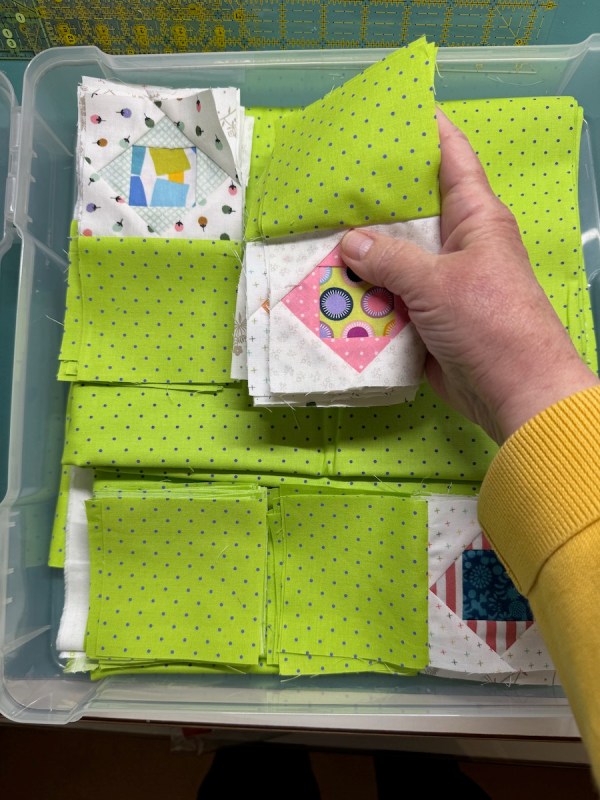
I can’t work if all my projects are stacked up around me, calling me to come pay attention. So after completing this batch, I carefully put them away until some time in May, giving me some mental space. (Fun video, here, with a perky little tune.)

So, March’s 25 blocks are done.
April’s 25 blocks are finished, too.

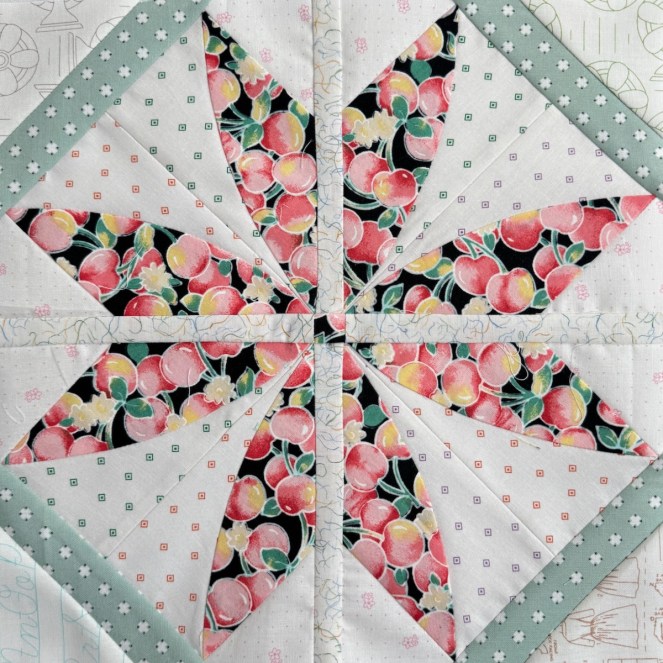
This came out next. It’s Sherri’s BOM for 2025. April’s block is finished, and now I’ve tucked that away, too, until May.

Posh Penelope blocks are up next, but I’ll wait to work on them until after Easter. (It makes a big happy mess in my sewing room.)
Every April and October, our church holds their Semi-Annual General Conference, which we listen to via streaming broadcast. Through all the talks, I sink deeply into thinking about ways to better my tiny life, but this year I also enjoyed the sights of this young choir, dressed much as I did back when I was their age: hair streaming down from a middle part at the top of their head, their dresses all smocked and ruffled and gathered and puffed sleeves, too! I didn’t have a camera when I was 17, nor were many photos taken of me, so you’ll just have to trust me that I looked like them.

I also like to sew while I listen (hence making good progress on the economy blocks!). I tried sewing them without paper, but it was harder to keep them square. So, here I’m using the freezer paper method. Here’s a free handout, in case you missed it on the last post:

Utah’s Virgin River Gorge

My husband Dave and I took a trip up to see grandchildren and family, as I mentioned.
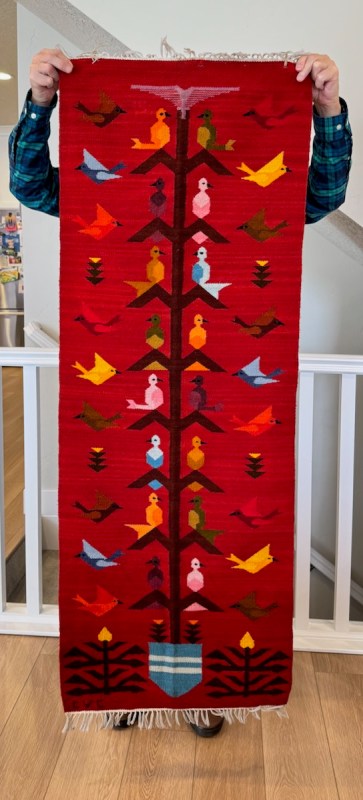
We also had a chance to visit some of our siblings. My sister showed me the wonderful tree of life weaving she purchased on her last trip. I love all these birds perched on the branches, with companions flying all around.

Another highlight of the trip was to see a mid-career retrospective of the artist Brian Kershisnik at BYU’s Museum of Art. Kershisnik’s exhibit began with a video of him working and talking and interspersed in between were snippets of his TEDx talk, which is worth watching, ending with something to think about. Kershisnik has long been a favorite of mine; he paints the quirks and slivers of human life that we are all familiar with, but don’t seem to see in traditional paintings. He also has a sense of humor about things, so valuable these days.
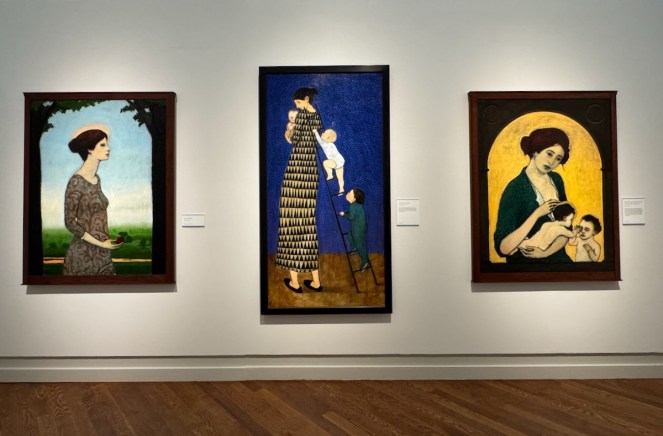
In this trio of paintings of women, the titles read (left to right):
Holy Woman, 2001
Climbing Mother, 2013
Madonna and Child with the Infant John the Baptist, 2003. Yes, the infant Jesus is poking young John in the eye.

from title card: “While not undermining his holy nature, the baby Christ (still with a visible halo) acts more like an actual child than most traditional versions. Kershisnik humanizes saints and holy figures, suggesting that perhaps they are not as different from us as we might have previously supposed.”

I found so many paintings that echoed into my life. As my father would have said, it was a peak experience. Since this is the week before Easter, here’s a few more.
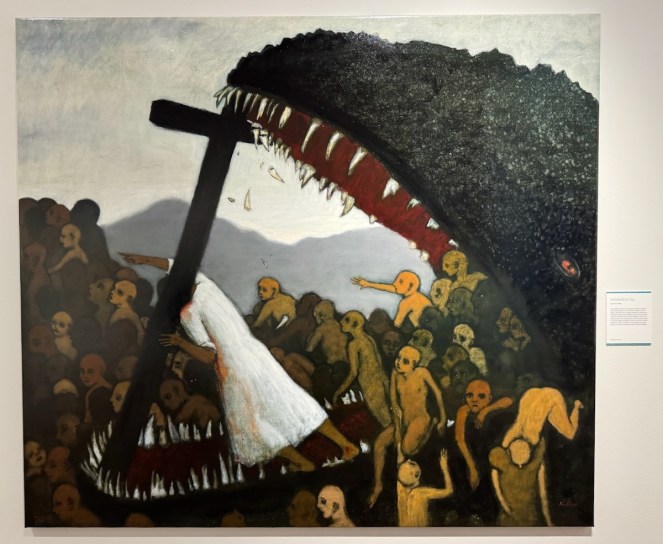
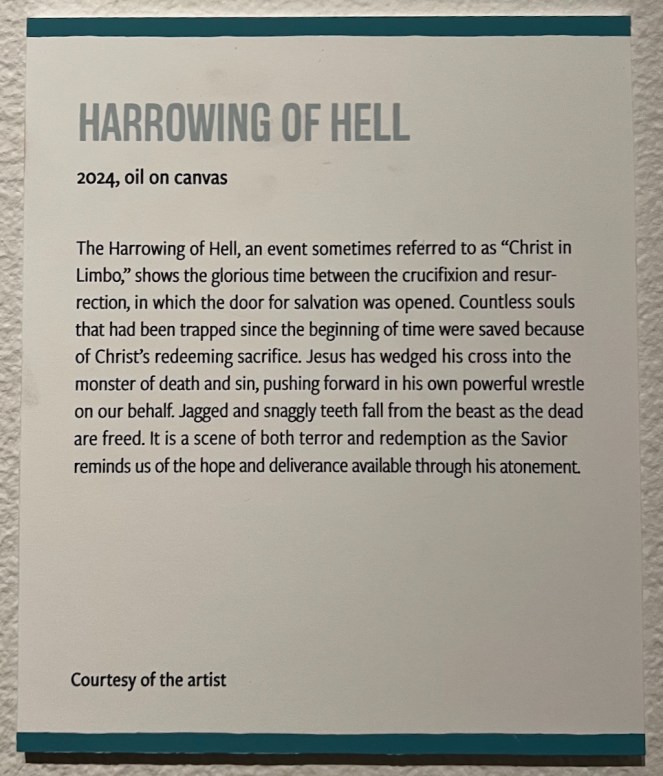
Even if you aren’t religious, Christ’s palpable straining to let the souls of hell escape their awful fate helped me understand the whole idea of sacrificing for others in a most visceral way. And Christ gesturing, says, “Go.” Get going, get doing, make something of yourselves. Below is a link to a video clip of Kershisnik below where he says he is reticent about “explaining” the meanings of paintings for others, not wanting to limit them. I also don’t want to limit you. This is just my take, after standing there gazing at this enormous painting, a couple of weeks before Easter.
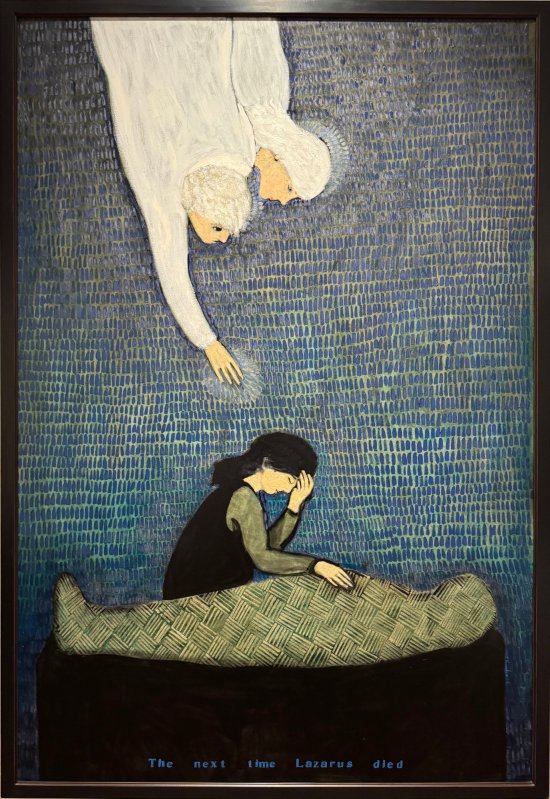
Death has hung around my life in a significant way in the last couple of years, so yeah, I lingered at this painting.
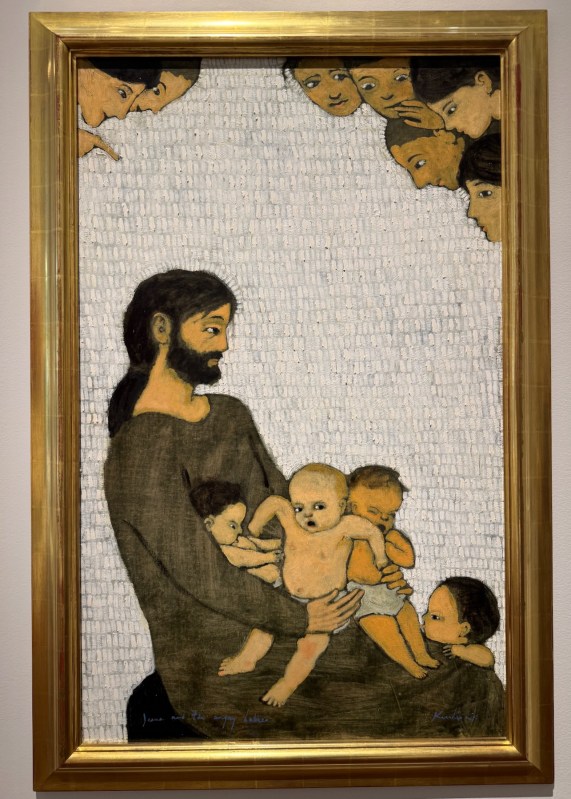
Are we like these little ones in Kershisnik’s painting, Jesus and the Angry Babies (2014)? Maybe. The angels in the background are there to help. (video clip of the artist discussing this painting) Last one, with a theme pertinent to our sewing experience:
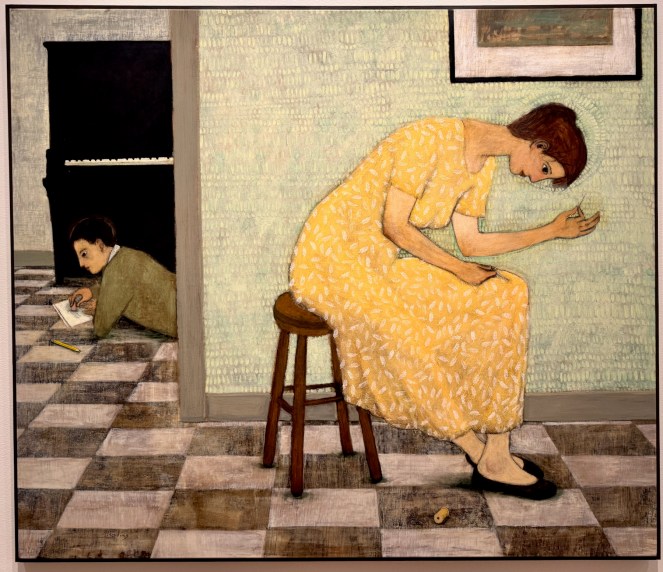
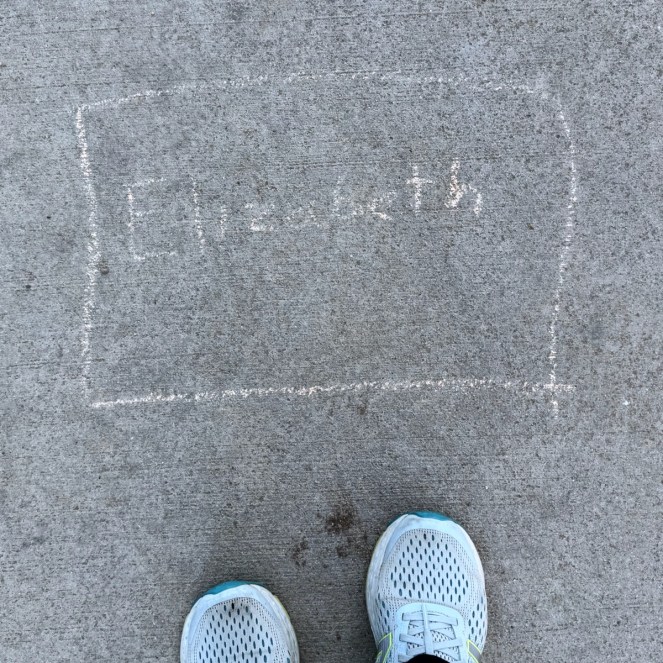
The morning after we arrived home, I took a walk in our local park. Right after that photo I saw that some children (not angry babies, not angry adults) had decorated up the sidewalk with all colors of chalk, including a hopscotch diagram, which I most definitely took time to jump through, before continuing. I conclude one of the artist’s names, below.

I had a field day listening to Brian talk on numerous videos. I’m putting these here so I can come back and listen.

Spring Open House Video (long)

On his painting, Bearing News

Brian Kershisnik’s Instagram

On Interpretations [On What Paintings “Mean”]

Working with [Your] Media I love when he says “you have the let it [the media] do what it does.” Boy, do we know this about our fabrics and threads!
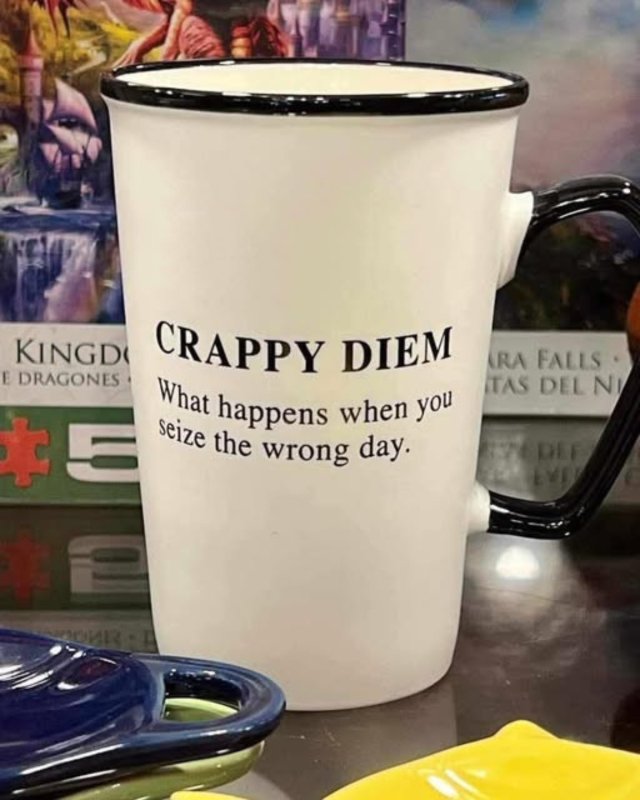
Smile!

Free Download · Museums

Quilt Care | Surface Designs

Freebie alert!

Now you can give them to the people who get your quilts. Download the freebie below by clicking on the button.

This is what it looks like: four to page. Print it out on cardstock, cut it apart and pass them out with your quilts.

I did have an old Quilt Care Card, but when my sister Susan needed one for the quilt she was making, I rustled up a new one. Much better.

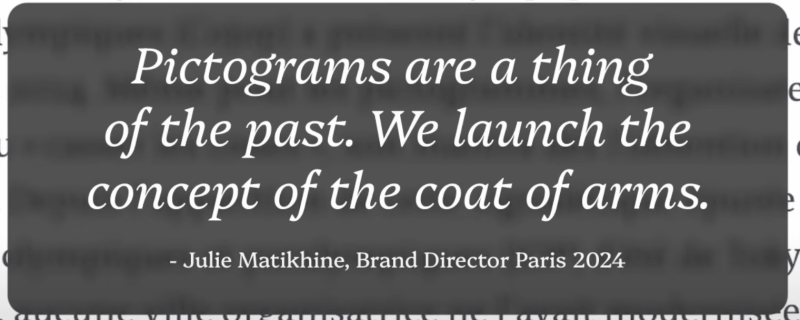
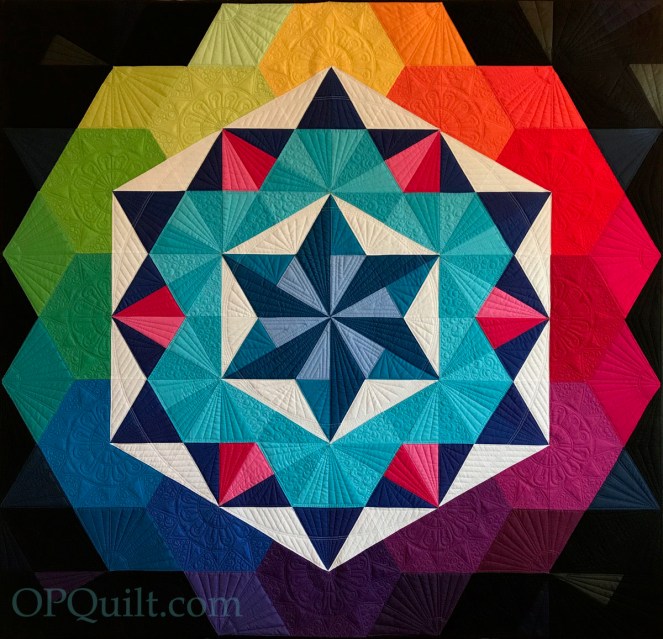
As a person who often wishes she’d studied graphic design (or as they sometimes reference it: surface design) in college, I’ve been amazed by all the graphics I saw on our nightly broadcasts of the Olympics. I want to do something with them all, like making a heart block seen above. Or that very cool half-circle in segments. Another color way is below:

Here’s some links to gaze at, if you’d like seeing some of the graphics in motion:

The cool pictograms denoting the different sports
You know that box the Olympians receive with their medals? Here’s what’s inside.
I liked the little video on this post.
And the connection between the pictograms and a few sports.


Oh. Okay. (Need to update my thinking.)

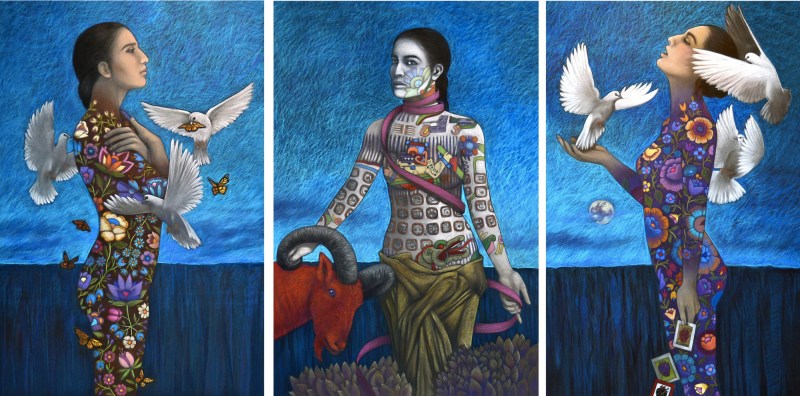
Dreams Between the Earth and Sky, 2018 by Judithe Hernández from here

We went over to The Cheech [museum] last week, on the last day of Judith Hernández’s exhibit, most done in pastel chalks. So many intrigued me, but the two ladies on either side of this triptych were “clad” in the embroidered designs from huipils, a typical dress.

Here’s a snapshot of the huipil I brought back from Guatemala in 2019, when I visited my sister Cynthia (she has since returned from her church mission), and she took me to so many interesting places that involved needles, thread, looms, cloth. I could have stayed a week, but we only had a weekend.

Here we are, clowning around in a woven shawl. Don’t worry; I bought a couple.)

Three women, one of them just crowned Queen of her Village, all wearing huipils (woven and embroidered tops).

Patchwork quilt made of woven scraps, with some embroideries here and there. Somewhere I have about 10 of these parches, tucked away (of course). This entire post has more information if you are interested.

But back to the tryptich, above.

In the linked video, Hernández explains the iconography of the red ram in the center image. It’s that thing that seems to come around and interrupt the smooth flow of whatever you are doing. Of course, I’m paraphrasing. I’m all too aware of red rams in my life, in the life of friends far away, in our families. I loved that this idea was put into a visual image.

My husband and I walked on the beach this last week, as we had a mini-celebration for our anniversary. The waves drawing out the different grains of sand into patterns fascinated me.


Celebrate the bits and pieces of surface design you run across in your lives–

Post Script:

One can never have too much paper or too many pencils. The pencil above is a quilt clapper made by Modern American Vintage, with the loot from the Field Notes most recent sale: I’m a sucker for small notebooks. The pencil below is a Blackwing, purchased last year. It glows 🙂 in the dark!

trying to figure out the quilting

Something to Think About

Polish Pavilion: Something fun for a Wednesday

from here

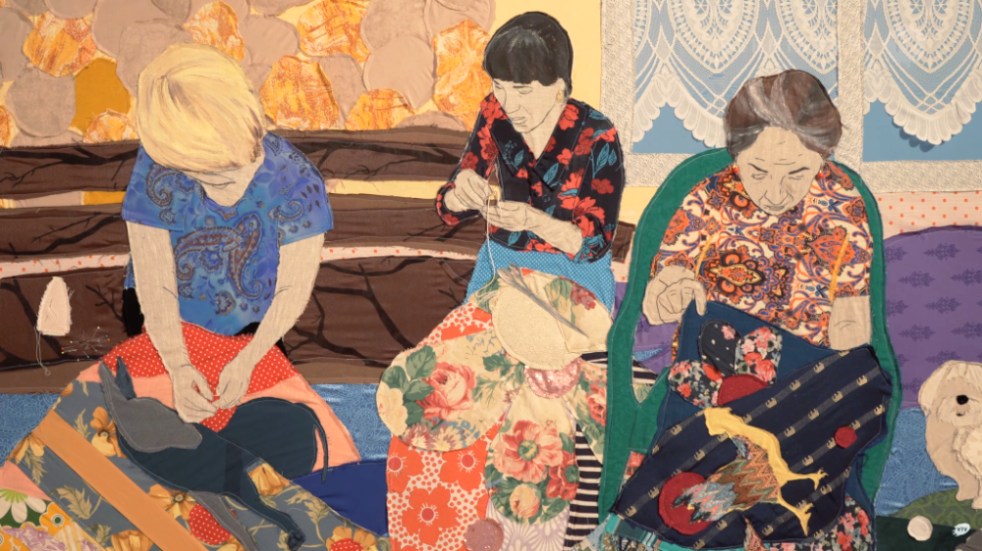
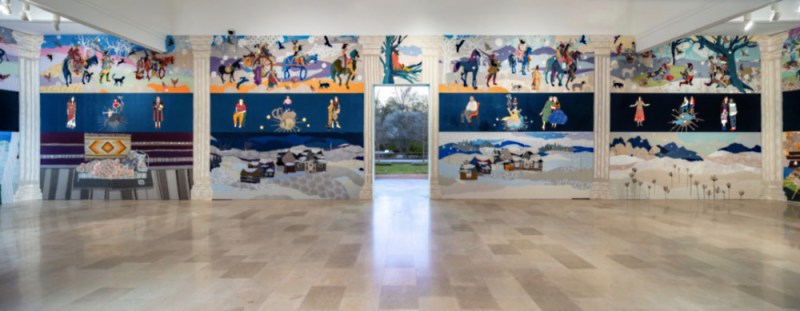
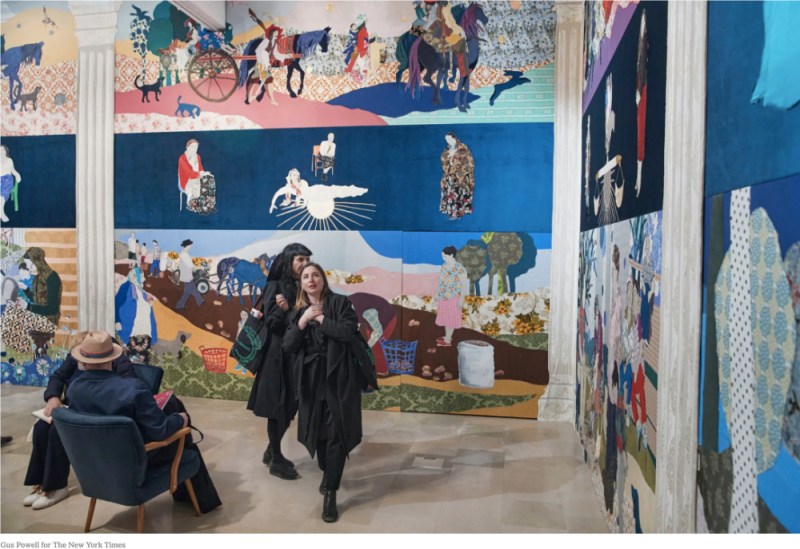
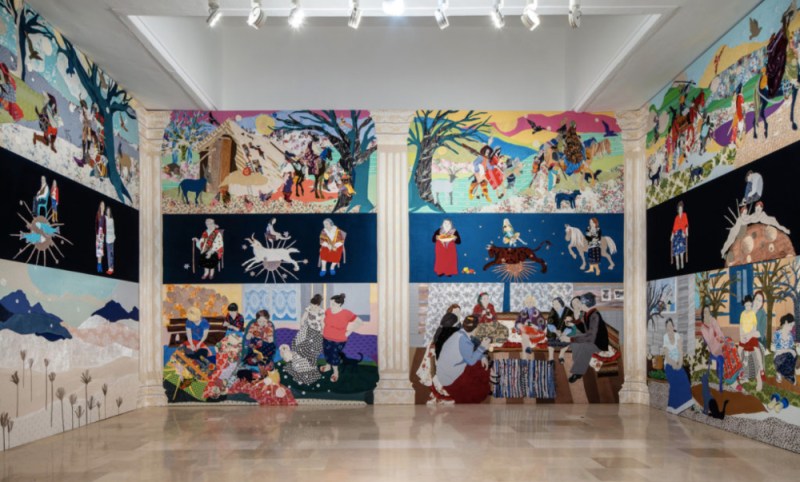
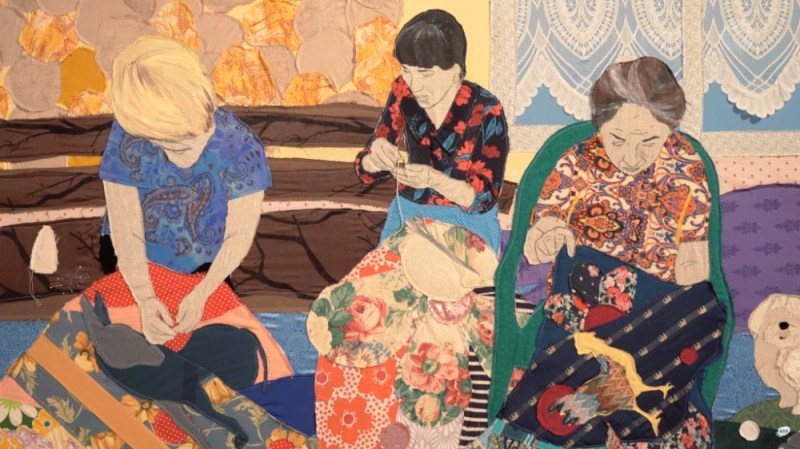
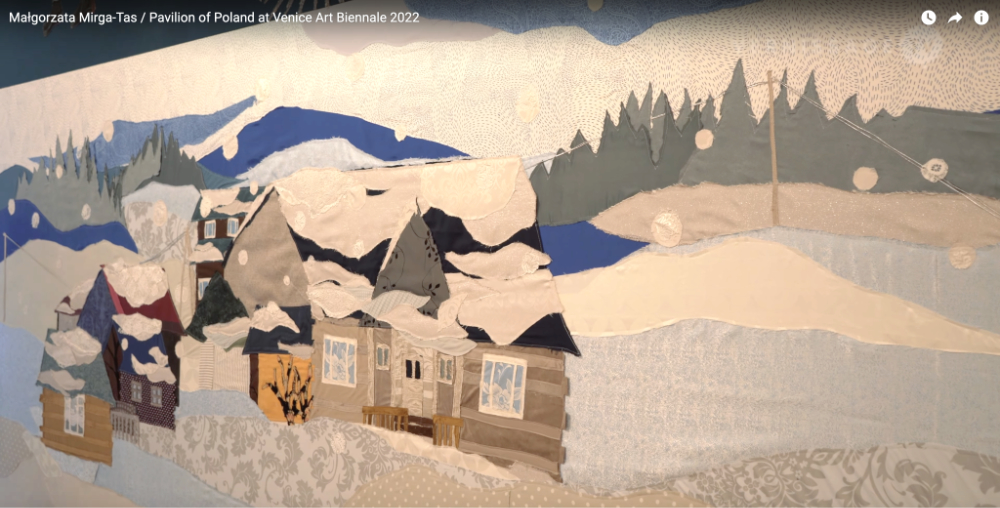
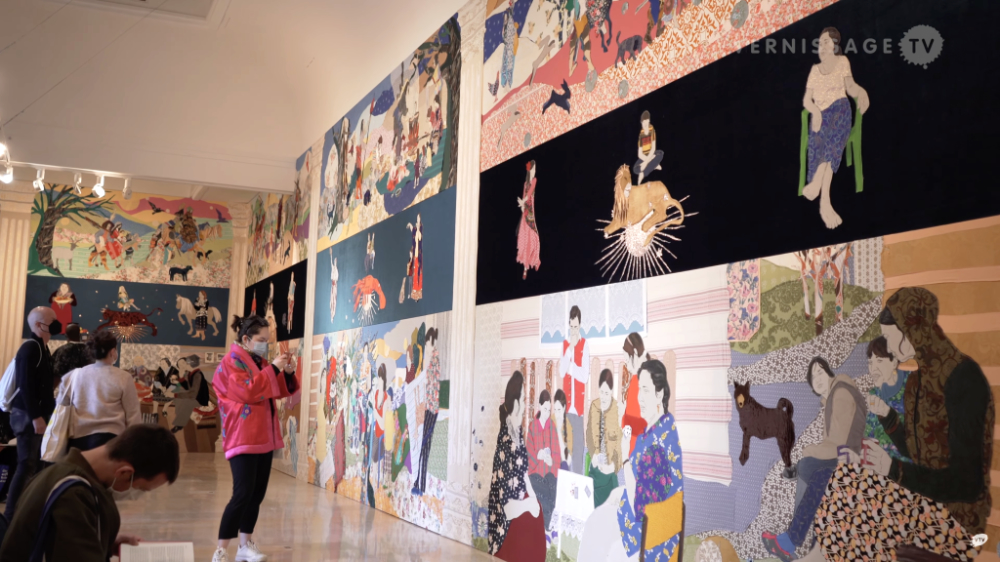
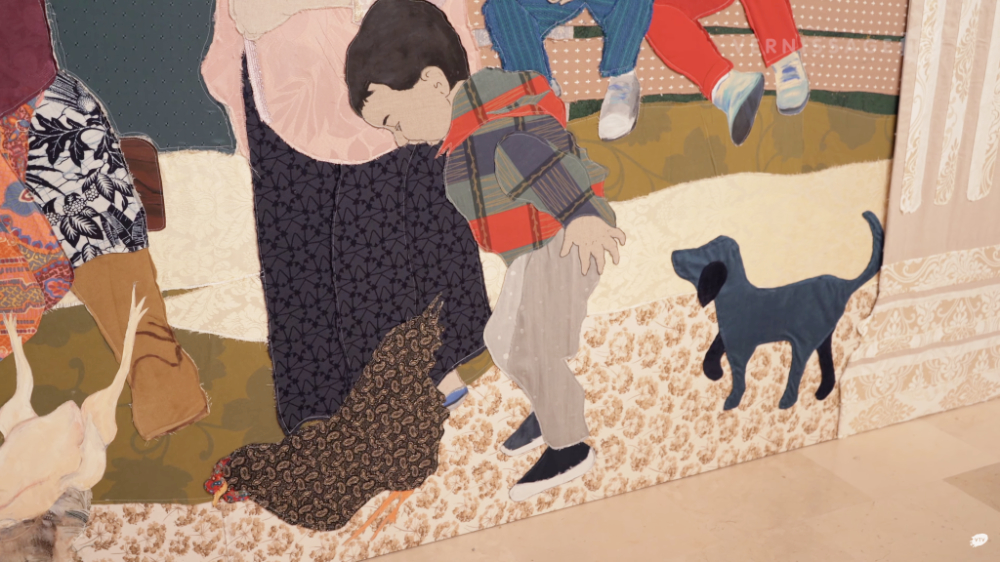
The Venice Biennale, the art or architecture exhibit in Italy, is shown every other year and it just opened. So all the art world has pictures everywhere about what is being shown and who is showing it. This one, using fabric, caught my eye.

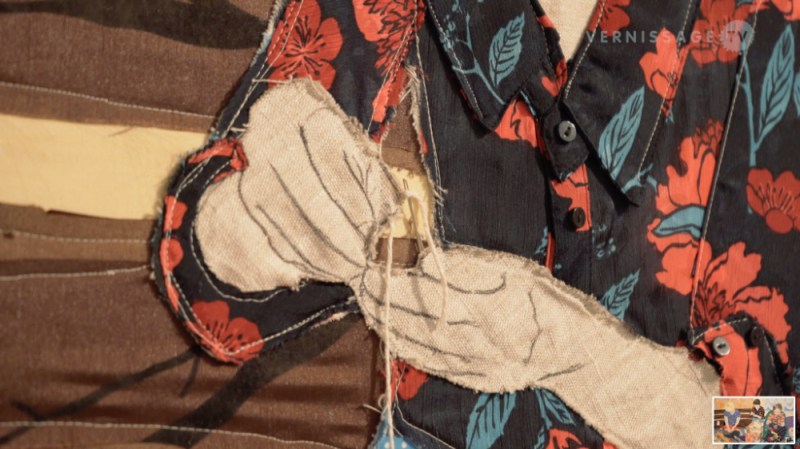
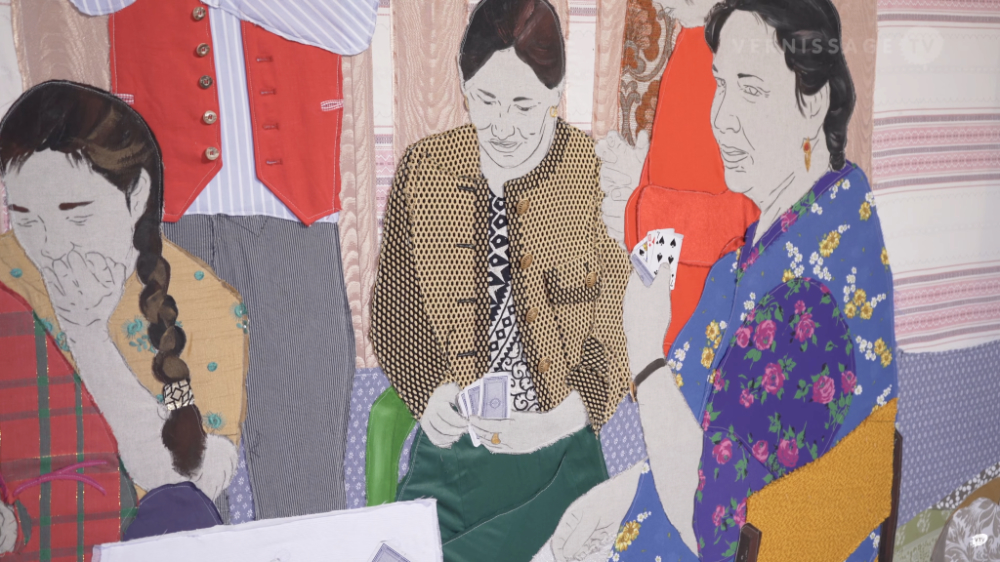
Polish-Romani multidisciplinary artist, educator, and activist Małgorzata Mirga-Tas has been selected to represent Poland at the Fifty-Ninth Venice Biennale. Her “Re-enchanting the World” will occupy the Polish Pavilion during the event’s run, from April 23 to November 27, 2022. Known for a practice comprising sculpture, painting, installation, and large-format textiles, Mirga-Tas challenges discriminatory Romani stereotypes and cultivates a positive image of Roma culture. Her work frequently incorporates clothing belonging to friends and family, which she collages into patchwork screens showing scenes of the garments’ wearers engaged in everyday life, smoking or talking or just sitting around.

Art Forum

There are several places in Venice, Italy where the art is displayed, and many nations participate. I grabbed screenshots from the YouTube video for the pictures below, because hey–it’s FABRIC; the video is a three-minute overview of the art.

from here

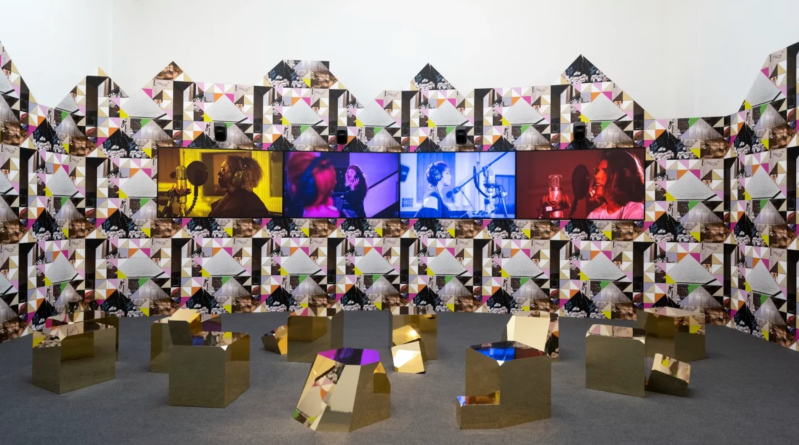
Britain took the National High Award (a golden lion) for their music presentation Feeling Her Way, by Sonia Boyce. I mention this also because the backdrop for her presentation are walls that look like patchwork and because the video is kind of cool to watch, to listen to.

I took a lot of photograph and digital art classes when I went to college and went through many “evaluations” or “workshops” of what we produced in the dark room/hovering over a computer. So I kind of laughed at one of the paragraphs in the Art Forum review, as it is so very “art-speak.” I propose some minor edits that can describe any of us and our quilts.

Original phrase: “unusually attractive visual form (opening the pavilion to a wider audience) combined with an original and deliberate ideological concept ‘proposing a new narrative about the constant migration of images and mutual influences between Roma, Polish and European cultures.’ ”

My Souped-Up phrase: I use an unusually attractive visual form, combined with an original and deliberate ideological concept of using various geometric and free-form shapes in order to propose a new narrative about the constant integration of images and mutual influences between traditional, modern and art cultures in my quilting.

Like that? You, too, can art-speak!

Happy Quilting!

P.S. I’ve been having some problems with some software changes by the hosting service and WordPress and I are monitoring how comments are emailed to me. If you have a moment and could help us out by leaving some sort of comment (even a word would do, but I read everything) so we can see if this is a bug, or a problem with their new forms, we’d appreciate it.

If you send me a comment, I’ll enter you in a drawing for all my old clothes, so you, too, can enter the Venice Biennale and be world-famous. I’M KIDDING. But if you could leave a comment, that would be great.

Guild Visits · Something to Think About

Who Gets to Make Art?

I’ve been thinking a lot lately about our world of quilts, and by that I don’t mean the larger world–just our own little world. I’ve made some hideous quilts, some use-up-this-fabric quilts (above), some quilts I consider my best masterpieces. Our own little world is echoed out into our guilds, our social media, our quilt shows, publications and then it echoes back to us in terms of the materials we can use. It’s a cycle, a circle, but at the nub of it is that one quilter looking at her one stack of fabrics, or the sketch she made while waiting at the doctor’s office and seeing the print on the back of the chairs. It could be she was messing around with a traditional block, or created one of her own. And from that nub, that spark, hopefully art begins.

from here

I’ve been thinking about this because of an article by Guy Trebay (found while cleaning out) where he asks straight off, “Who gets to make art?” Written about the International Folk Art Market in Santa Fe, it is an interesting overview of this age-old question.

from here

Do you get to create art? Do I? Or is it only relegated to that famous quilter that is all over Instagram? The lady who has her face on the ads of the sewing machine you like? Does more fame equal more entitlement to call it art? And then there is the pressure from the outside world, debating forever and ever if making a quilt is a craft or an art?

from here

Trebay attributes this question to Luke Syson, and says that “In asking [this question], Mr. Syson was adding his voice to a growing chorus of museum professionals who are challenging traditional hierarchies of art production. He was talking, in this instance, about the obscure craft of scrimshaw, subject of a fine study show at the Fitzwilliam, but more broadly about the importance of recognizing and celebrating those gifted artists whose work is so often relegated to the stepchild status of crafts.”

from here

Luke Syson, now the director of the Fitzwilliam Museum at the University of Cambridge (Britain), shares his experience of having to address some of his biases about what iconic art is in his TEDTalk, which he titled “How I learned to stop worrying and love “useless” art.” It’s worth a listen, if you have a few minutes. In that afore-mentioned Instagram post about scrimshaw art, he asks “Who gets to be an artist?” In the text he writes ” I thought about the scrimshanders then – working class, almost entirely anonymous, using their time to making things that were beautiful and that documented their lives. Amateurs, yet completely excluded from the world of leisure that this word implies. But I’m guessing there was a collectors market for these objects early on – that these were a sideline rather than simply the making of personal souvenirs.”

Which leads me to think about the anonymity of women, making their art for years and years, hidden in plain sight. They were making that which was beautiful to them, and which represented their lives. And yes, amateurs, all. We’ll leave this discussion here, with a quote from Trevor Bell:

“Art condenses the experience we all have as human beings, and, by forming it, makes it significant. We all have an in-built need for harmony and the structures that create harmony. Basically, art is an affirmation of life.”

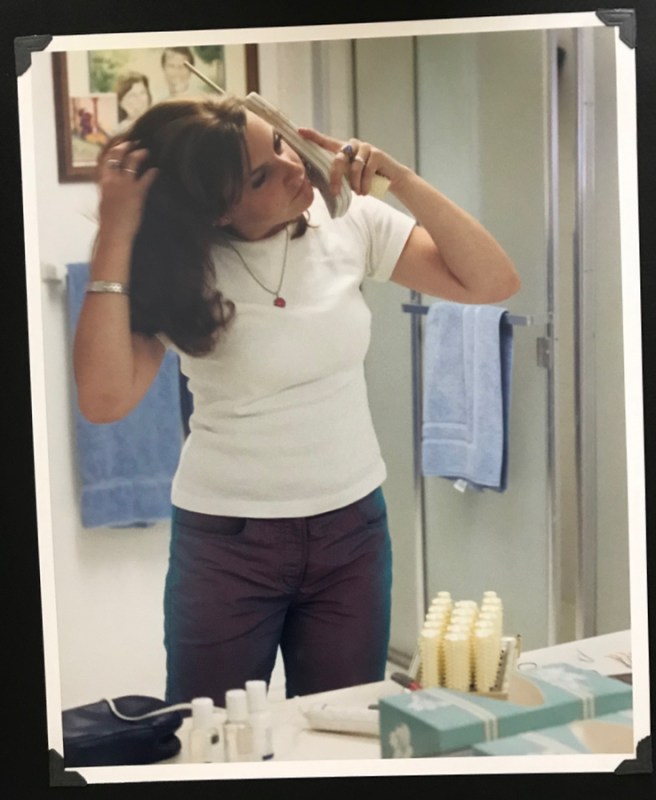
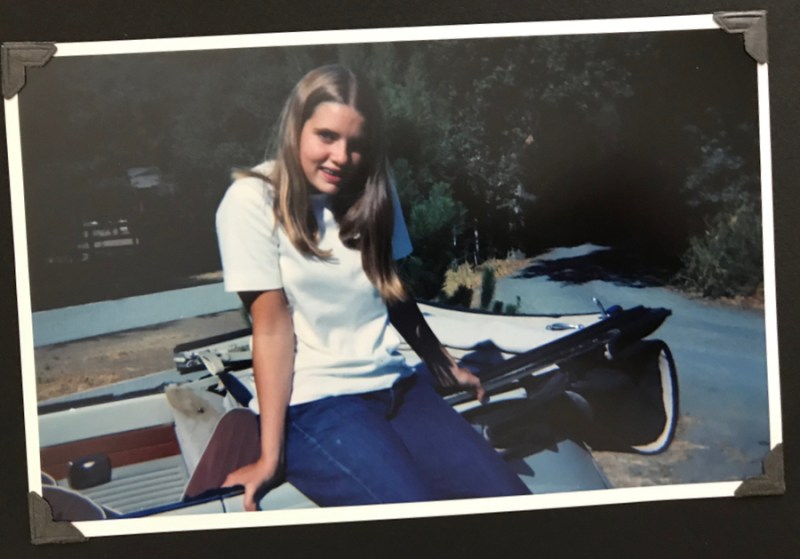
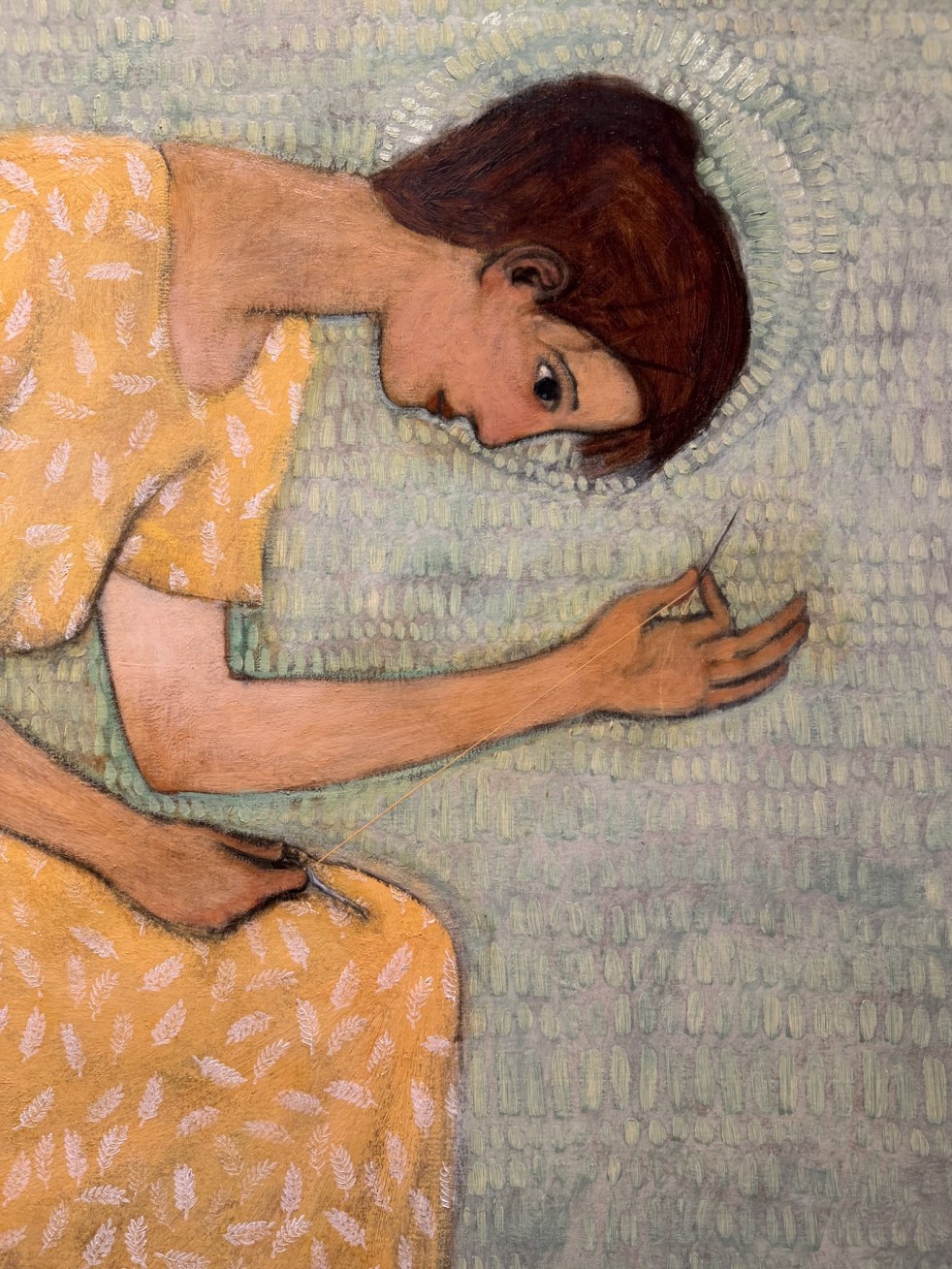
Today is Mother’s Day. My mother is on the left (c. 1948), my daughter (named after her) is shown in the center in a photo from high school (c. 1998). (I sent this photo to her when she complained about one of her children being always on her phone.) I’m on the right (c. 1972).

My mother made art: seven of us. She never quilted. She read. She never painted, as did my father. She did do dishes, laundry, dressed elegantly, organized us, kept us going. I owe her everything, and as she approaches her 93rd birthday, this Mother’s Day I celebrate her as a different kind of unsung, ungalleried, un-media-ed, unknown sort of artist, but she was significant and affirmed us all.

I’ll be in my happy place this week, hanging out with the Orange Grove Quilters. We’re making Merrion Square in our Workshop. If you want to hear my program of Abecedary of Quilts or participate in a live/online workshop, please contact Pat (the Workshop Chairman) at workshops@orangegrovequiltersguild.com or drop me a note (and I’ll check with Pat). I love teaching this little quilt, as there are as many different quilts and there are quilters. Each one makes this little village their own.

And as life moves on, it seems this will probably be the last time I teach this class. Let me know if you are interested.

Happy Quilting! (turn the sound on)