300 and Beyond · First Monday Sew-day · Quilt Finish · Quilt-A-Long · Quilts · Something to Think About

Gathering Up All The Fragments • Quilt Finish

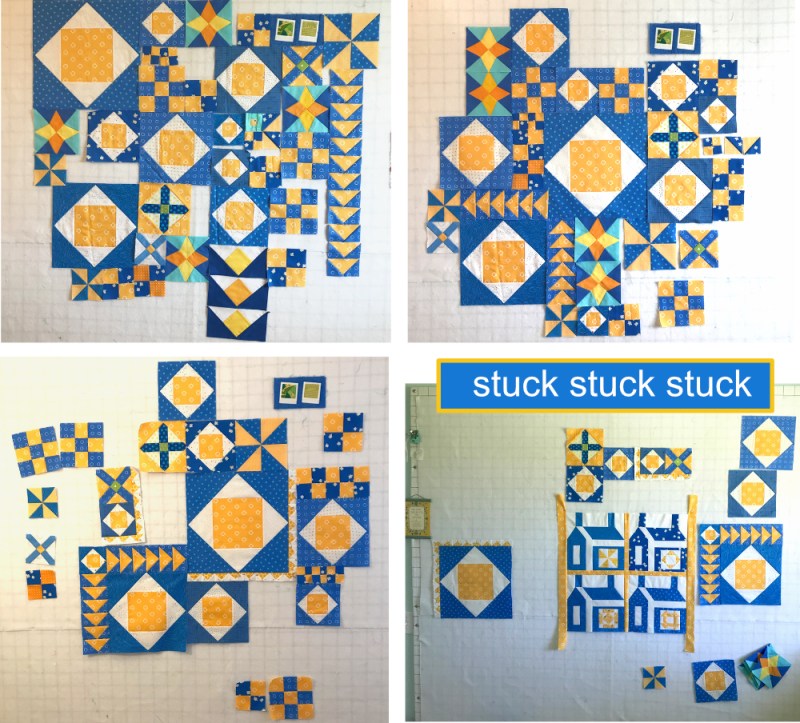
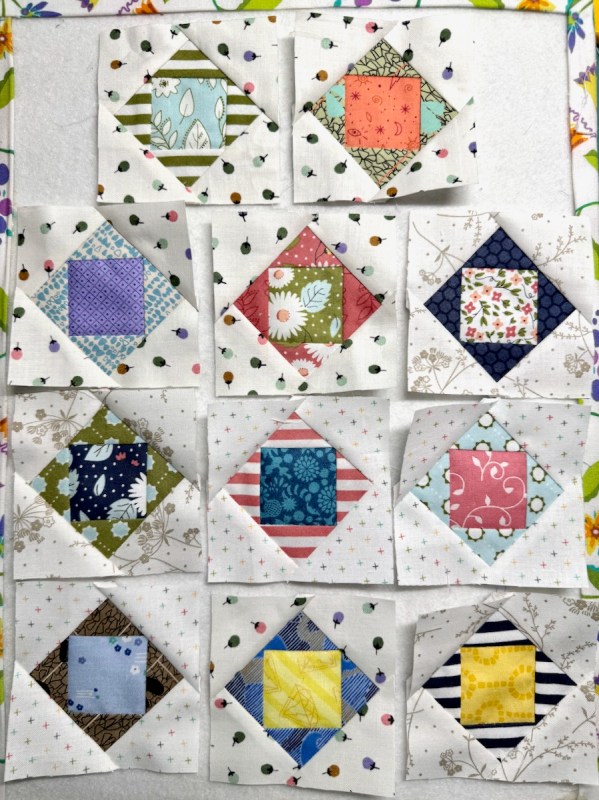
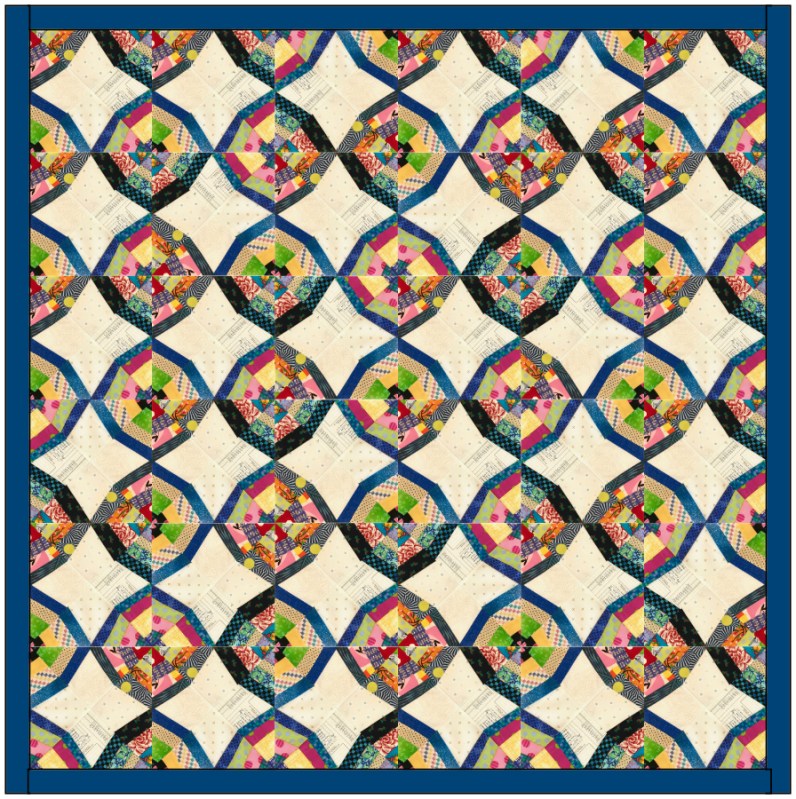
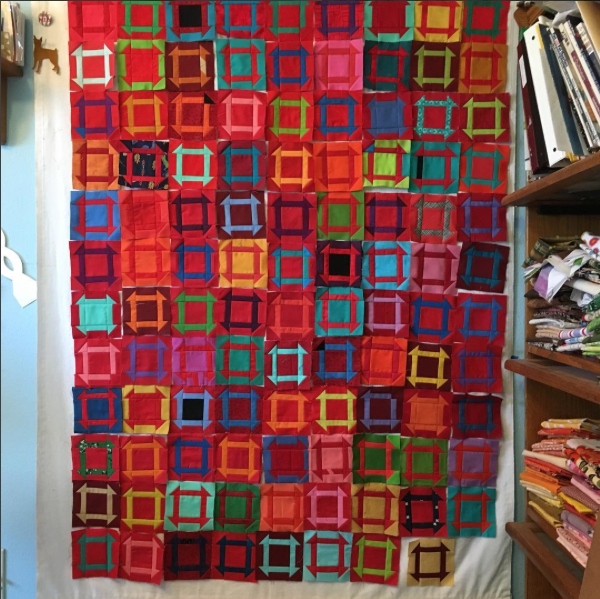
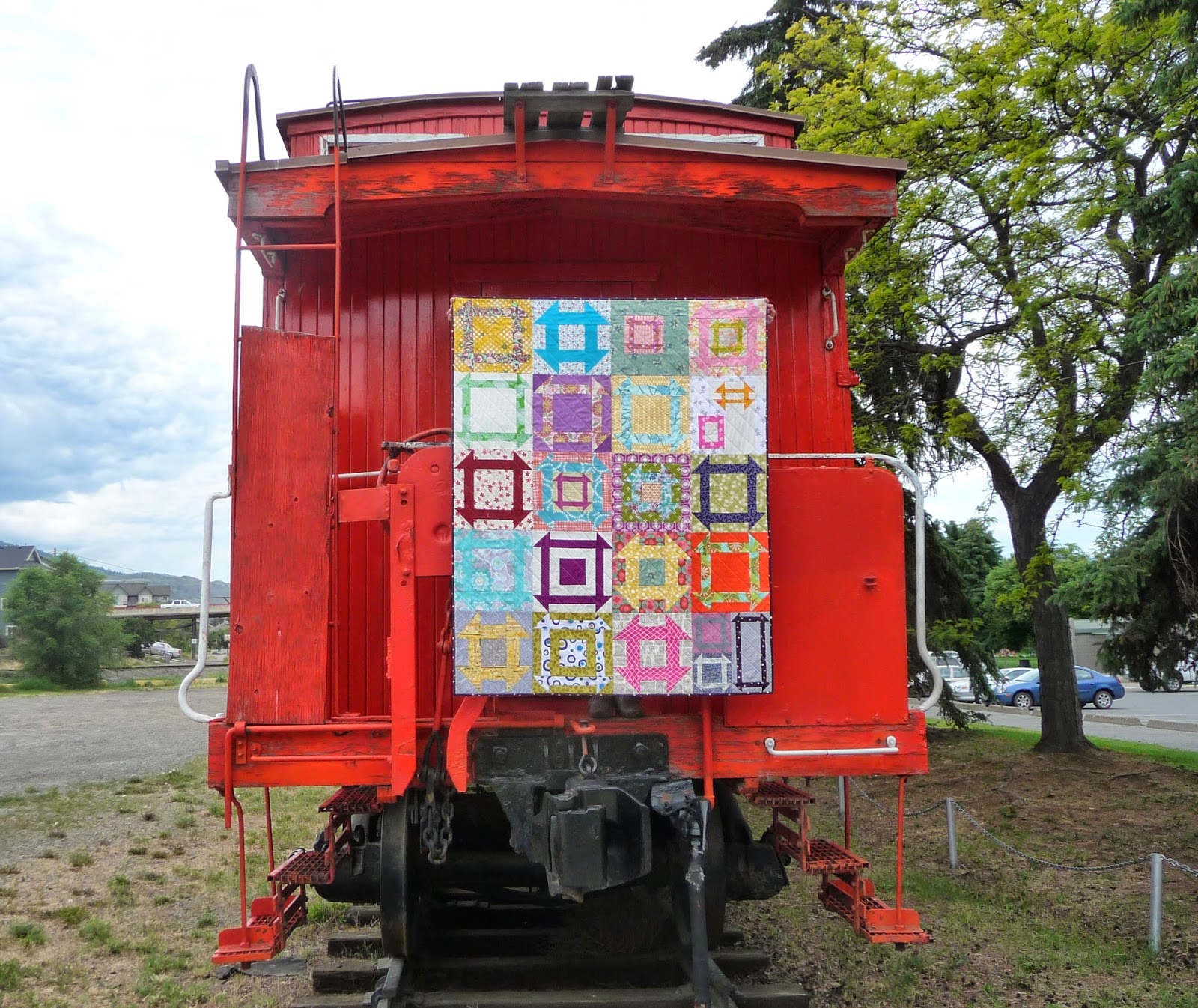
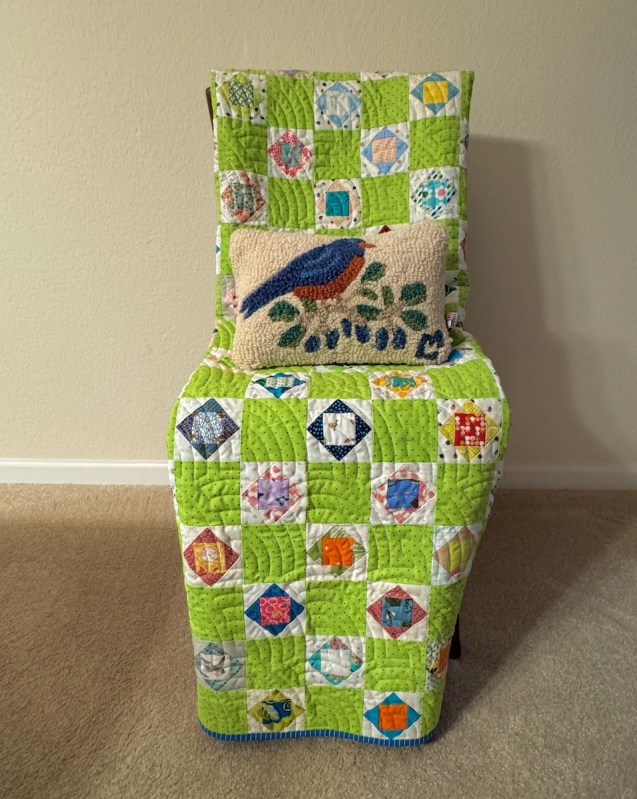
The etymology of the Economy Block is — as are many popular quilt blocks — complicated. According to Barbara Brackman’s Encyclopedia of Pieced Quilt Patterns, it’s titled Economy Patch by Carrie Hall and Rose Kretsinger around 1935. It’s also called the This and That block, in the Kansas City Star around 1944 (you know this is a favorite phrase). And more recently, it’s been known as the Thrift Block as when Taryn of ReproQuiltLover hosted the recent #scrappymeetsthriftchallenge. I have mentioned before that this year I had been making things that helped me make things: quilt-a-longs, Block of the Month, group projects, and so forth. And so this one joined the line-up, and I finished it this week.
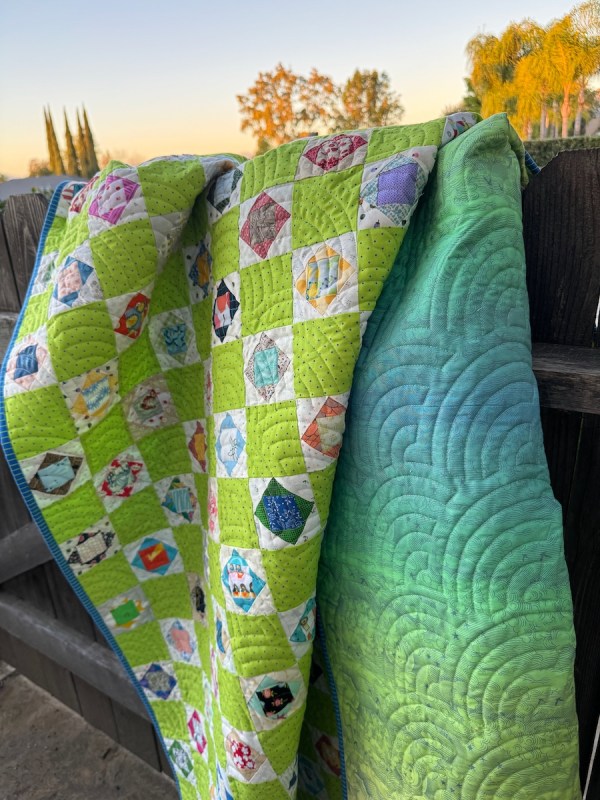
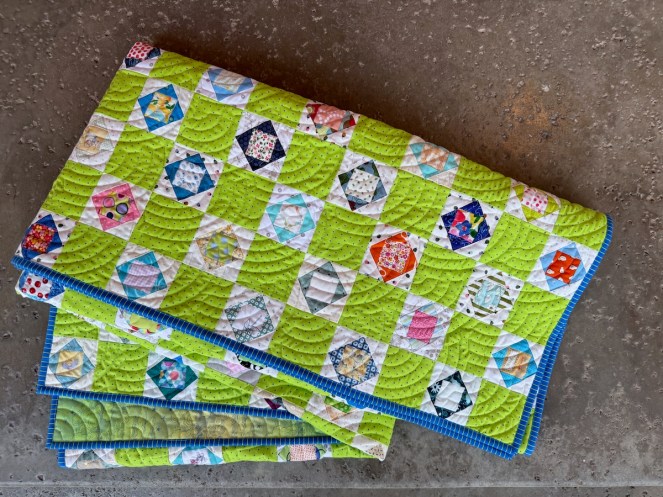
I needed a title for this quilt, and since in early 2020 I had taught it to a small beginning quilt group as the Economy Block, so I went with that name (although many now call it Square in a Square).

Full quilt title: Economy: Gathering Up All The Fragments.
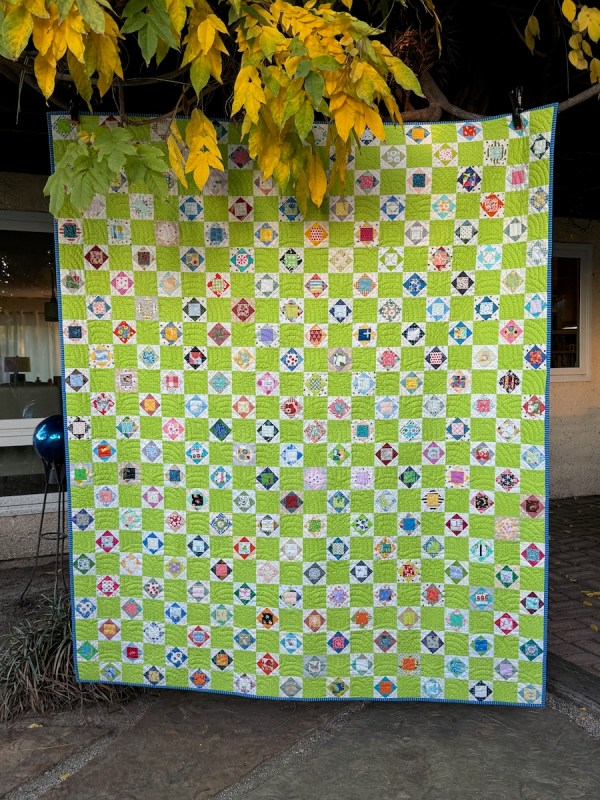
Economy, as we think about it, means thrift. Saving. Making do with less. The exchange of goods. A dollar is worth something and everything is for sale (as the old saying goes). But the idea of economy, says one wag, is really an enigmata**:

  • Enigmata refers to things that are puzzling, mysterious, or riddles
  • OR, a puzzling or inexplicable occurrence or situation
  • OR, a person of puzzling or contradictory character.
  • OR, a saying, picture, etc., containing a hidden meaning; riddle.
The title of this quilt comes from yet another riddle: the poet Emily Dickinson’s punctuation and shape of her small poems. Some think it began with this:
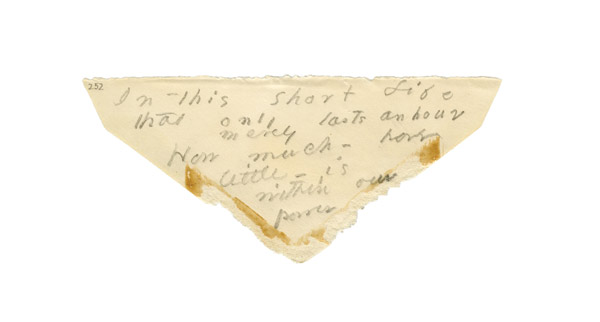
“‘Preserve the backs of old letters to write upon,’” wrote Lydia Maria Child in The Frugal Housewife, a book Dickinson’s father obtained for her mother when Emily was born. It opens: “‘The true economy of housekeeping is simply the art of gathering up all the fragments, so that nothing be lost. I mean fragments of time as well as materials.’” (from a review by Jen Bervin, titled Studies in Scale).

On one of her envelopes, Dickinson wrote: “Excuse | Emily and | her Atoms | The North | Star is | of small | fabric | but it | implies | much | presides | yet” (fragment A 636 /636a).

Like a star is small…but it is its own world.
Or an atom is small… but contains worlds.
Or fragments of fabrics are small…but put them together and they make a quilt.
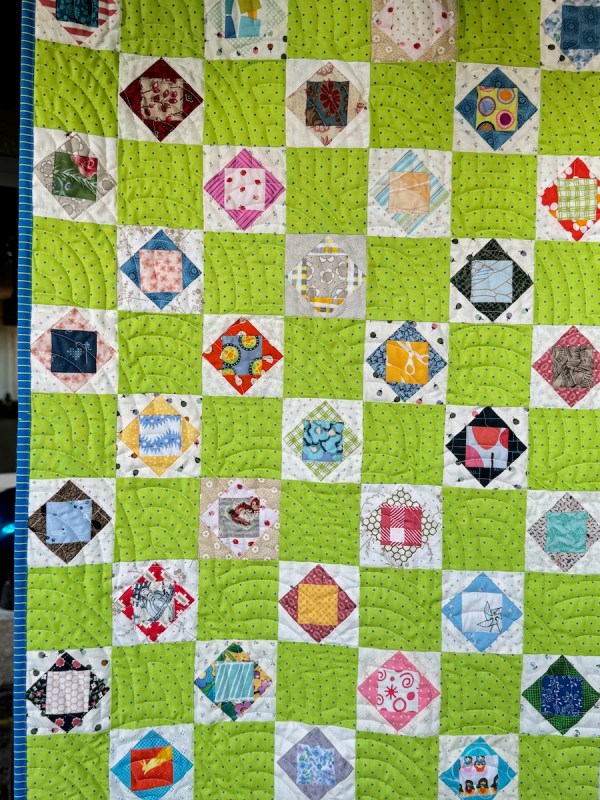
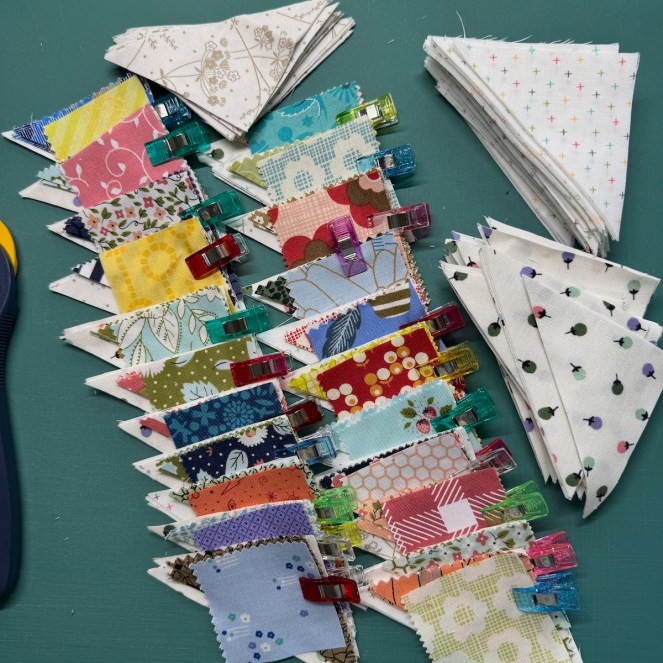
In pulling fragments for this quilt, I opened bag after bag of small scraps from a decade ago, cut into 2 1/2″ squares or 3″ squares, as it had been recommended to me to do that in order to “use up your scraps.” Finally, I was using them up, so this quilt is as much a record of an era, as it is a complication of “gathering up all the fragments.”
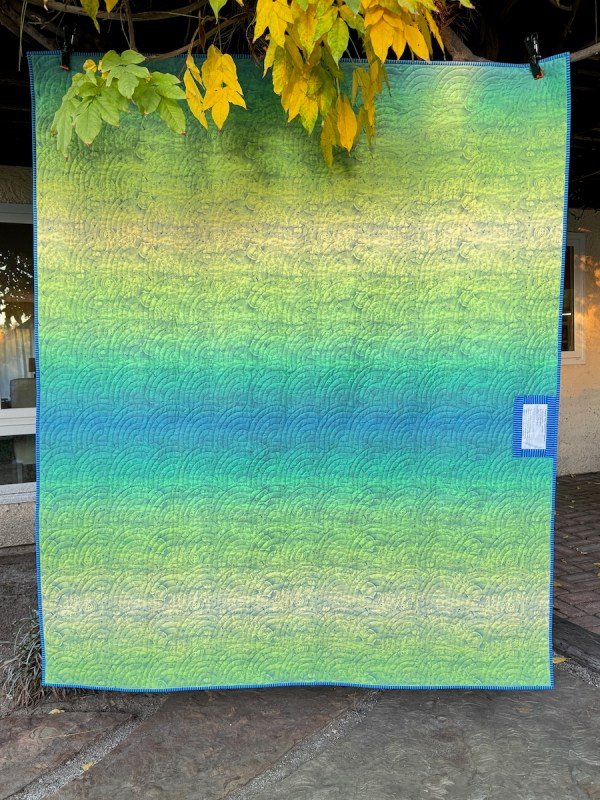
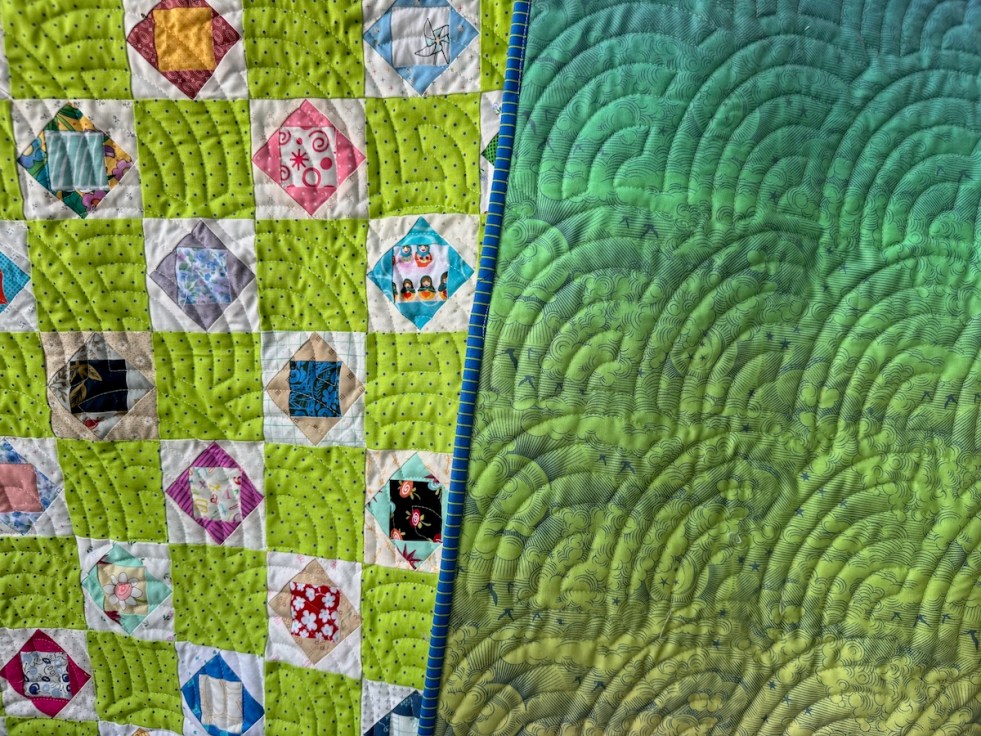
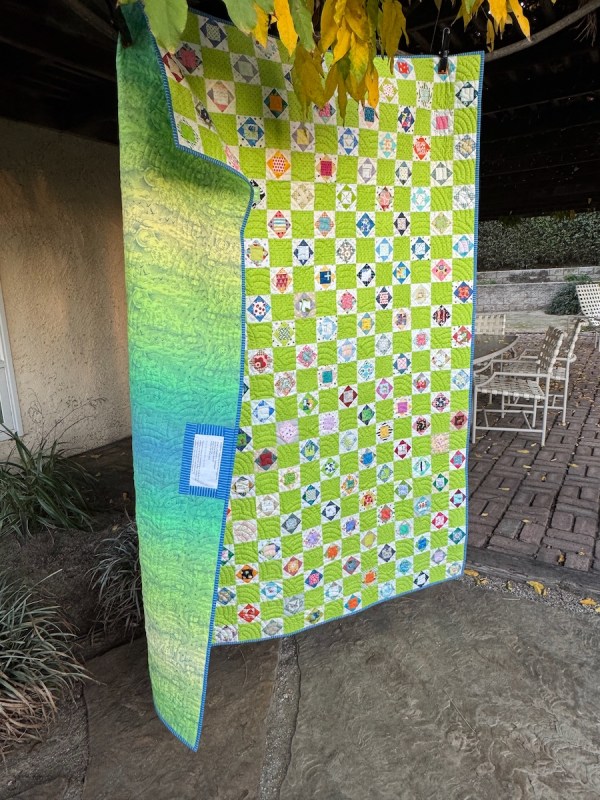
Backing/binding is fabric from Tula Pink, and the quilting is the Continuous Baptist Fan, by Urban Elementz.

Quilt-making is an enigmata, isn’t it? We take our scraps, our fragments, cut them smaller, sew them back together to make something that expresses an idea or a sentiment. And we quilters do it over and over, saving scraps, repeating the process “so that nothing be lost.”
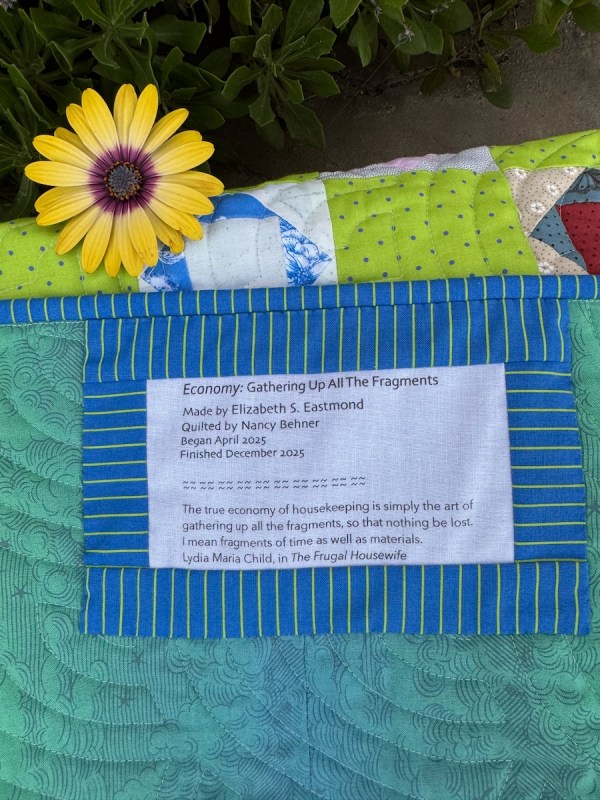
This is Quilt #312, and the last for 2025, as there are no more fragments of time to add to the calendar. I will, however, try to get up another post or two of the beautiful Carrefour quilts, but no promises.
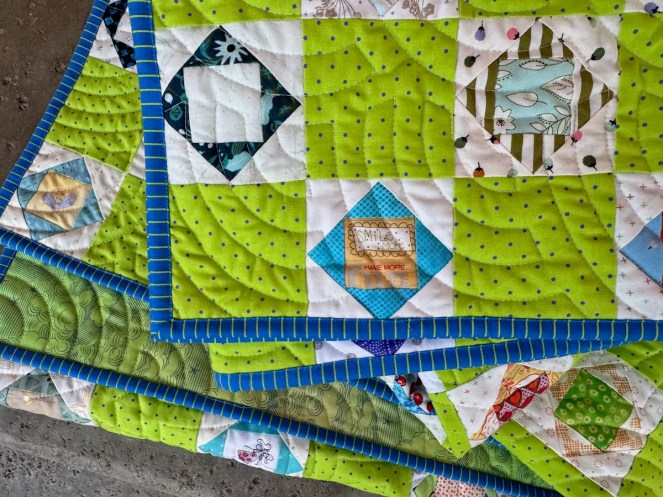
I do promise, however, to make merry the rest of the month and be of good cheer!

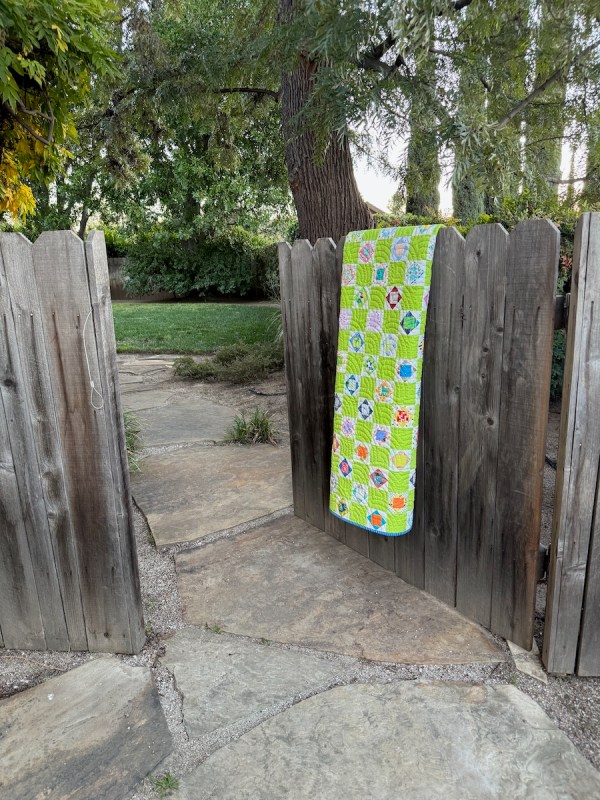
Other Posts about this quilt and its process

The Economy Block was in the series First Monday Sew-days, which has morphed to the title Beginning Quilters. There are a raft of free handouts here.

A Life Full of Yes (which includes the free pattern for this quilt block)

If I Do This, Can I Do That?

This and That • August 2025 (and a rant about AI)

This and That • November 2025

NOTE: I put the quilt label on the side, as it doesn’t matter which is the top or which is the bottom. It’s really a great size for naps: 60″ x 72.” I use BlockBase+, which is basically Brackman’s book, but in digital form. I also have her book in paper form, too. I’ve been thinking a lot about my quilt tools, such as the software and book, so will try to note them here on the blog as they’ve been used.
**Apologies to Honkai: Star Rail fans, who see Enigmata as something a bit different. And there is more on Enigmata writings by ancient figures, if you are curious.
300 and Beyond · First Monday Sew-day · Quilt-A-Long · Quilts

A Life Full of Yes

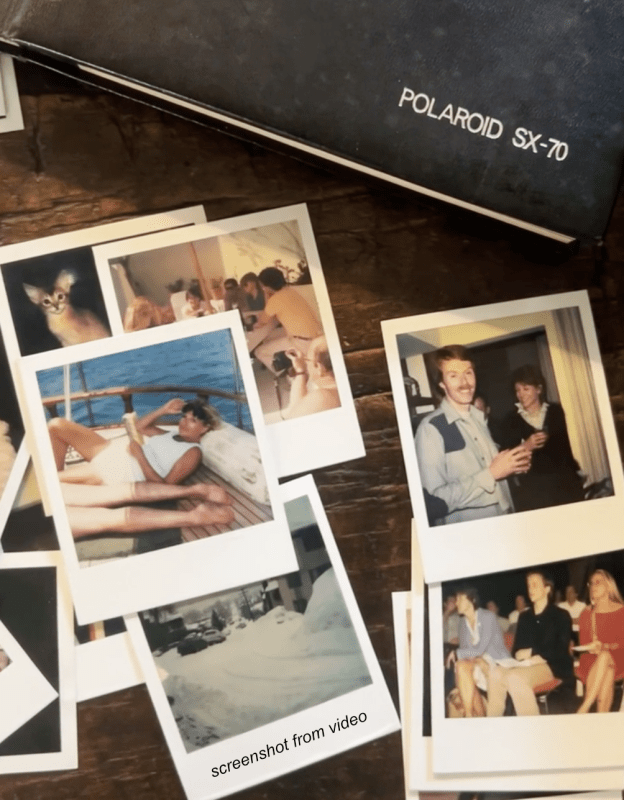
Candy Clark, who has just published a book of Polaroid photographs of her younger life with the Hollywood stars of her era noted in a recent article that looking backward to this time wasn’t “necessarily a bad thing. I found out who I was putting this book together,” she said. “It’s a life full of a lot of yes.”

And then I saw this. Here.
And I said yes.

And with that, I met a whole other world of quilters, who do hand-sewing, EPP, have repro in their stash, spend a year to make 900+ wee little blocks, and think nothing of it. They say yes on an enormous scale.

Thank you Taryn, for introducing me to another leg of the three-legged quilting stool: traditional, modern, and art. I don’t know quite where I fit into that schematic, and it’s not like I’ve not known about traditional, but really…I haven’t known about this.

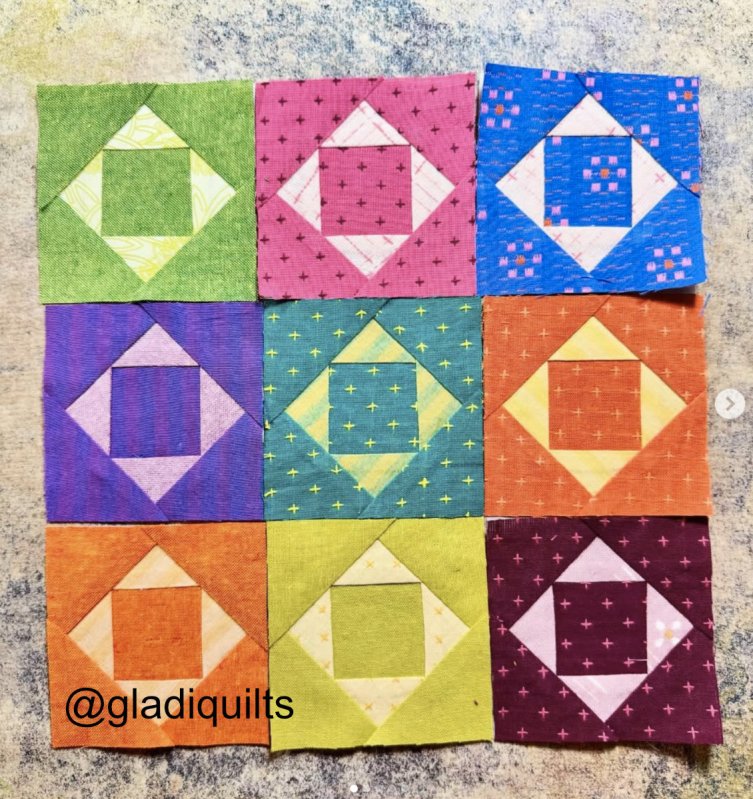
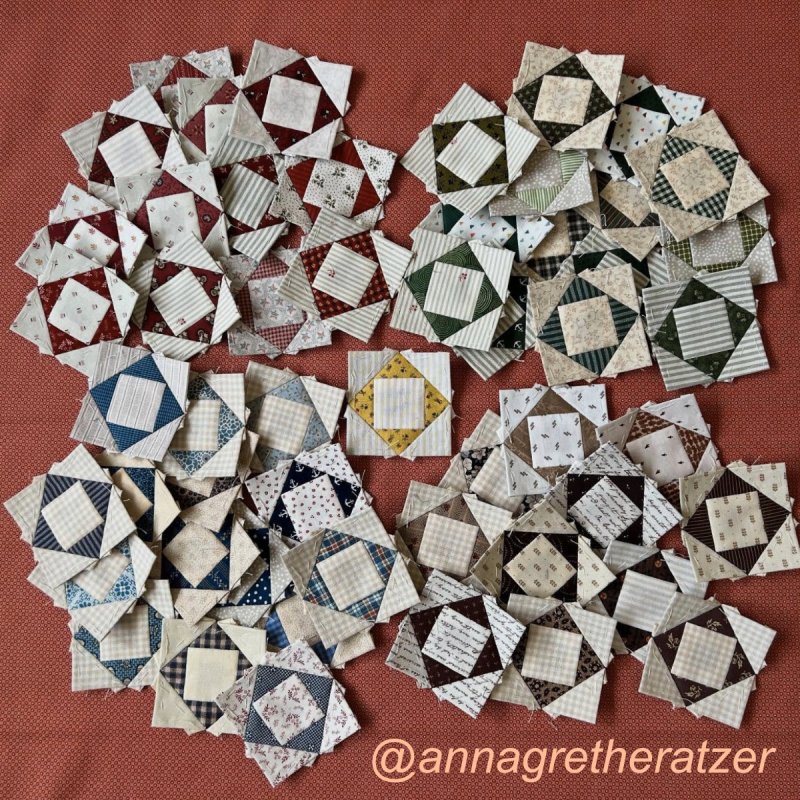
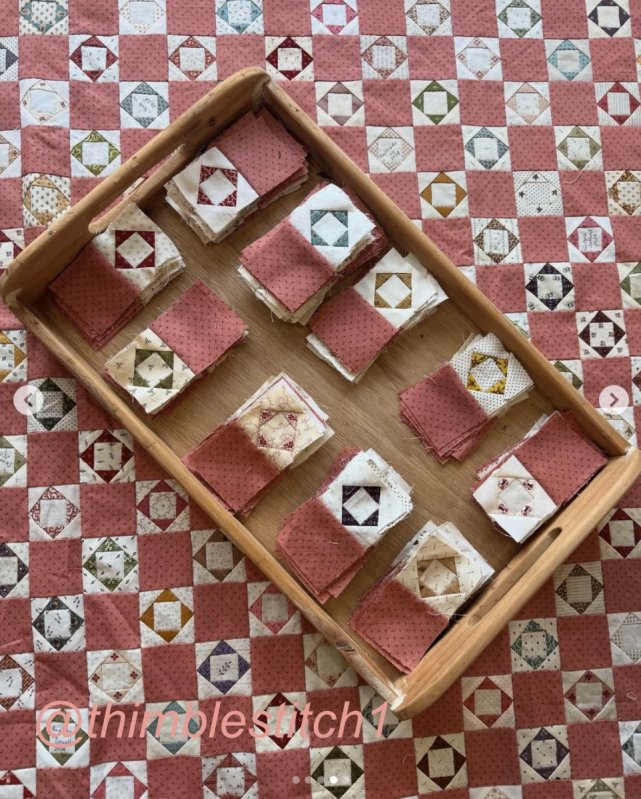
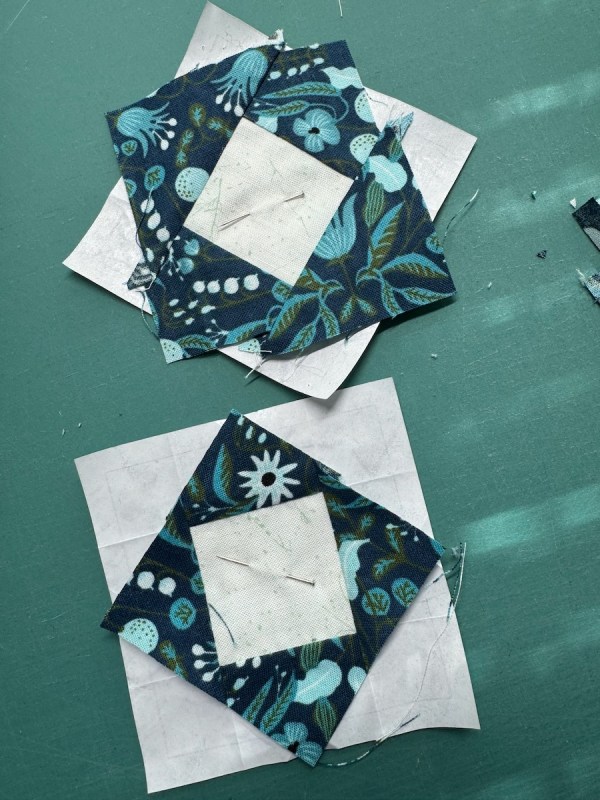
Gladi’s blocks drew me in (1); Anna has used EPP for her blocks (2); Susan hand-pieces hers and they travel with her, and writes the location where the block was sewn. I’ve been looking for a travel project, and so this intrigues me. I might say yes to this.

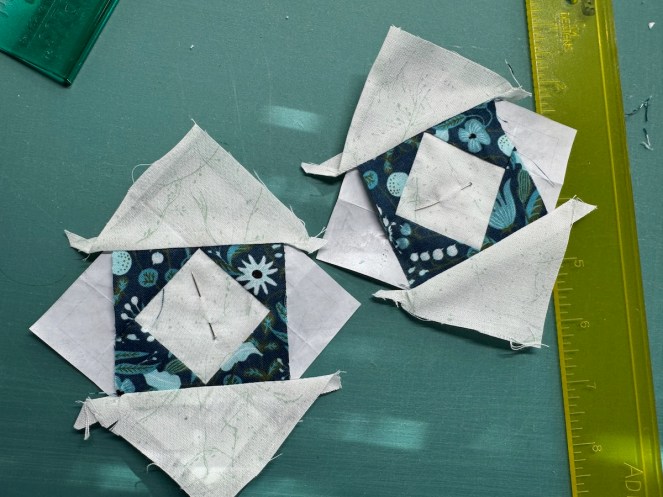
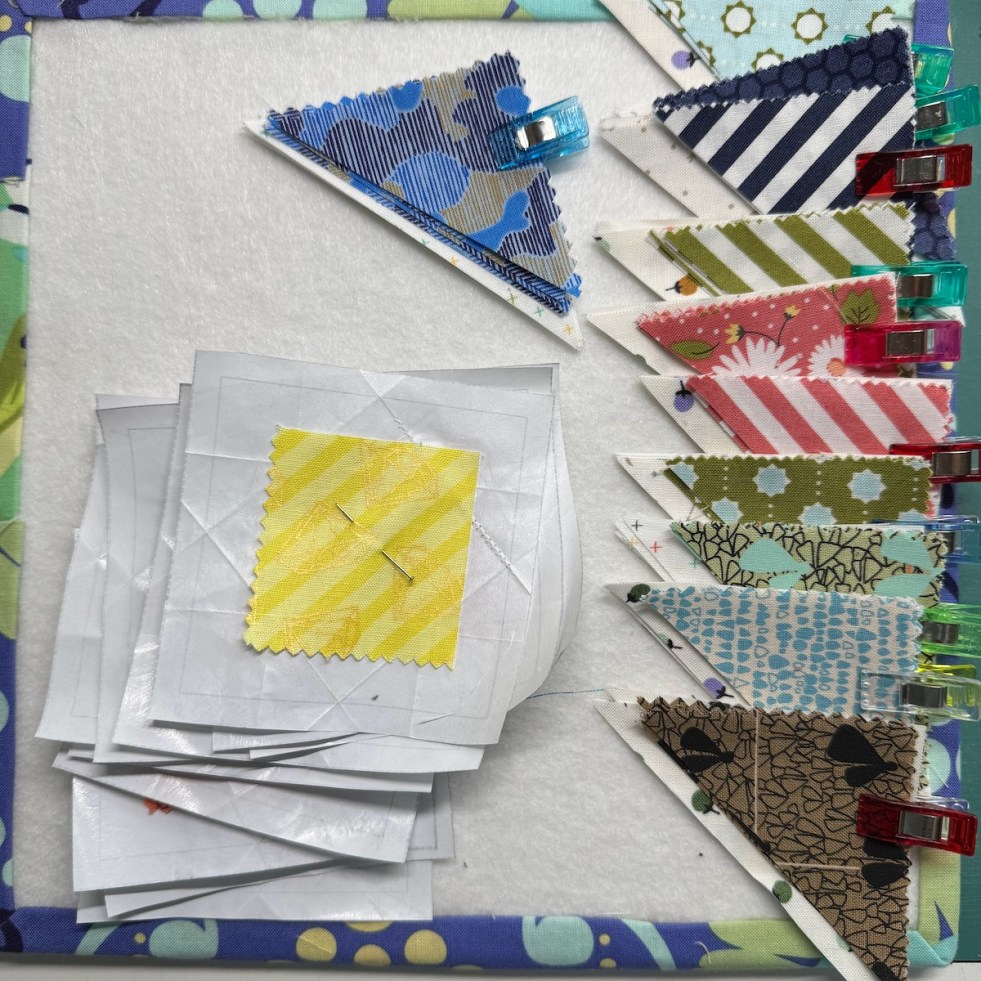
My tiny start (click arrows to advance the slides):

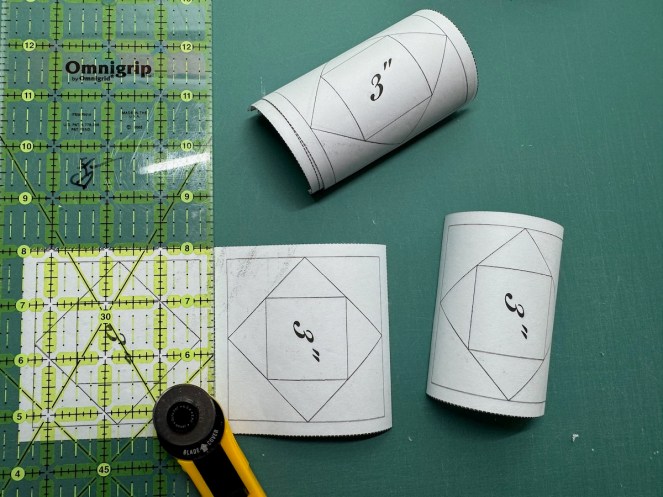
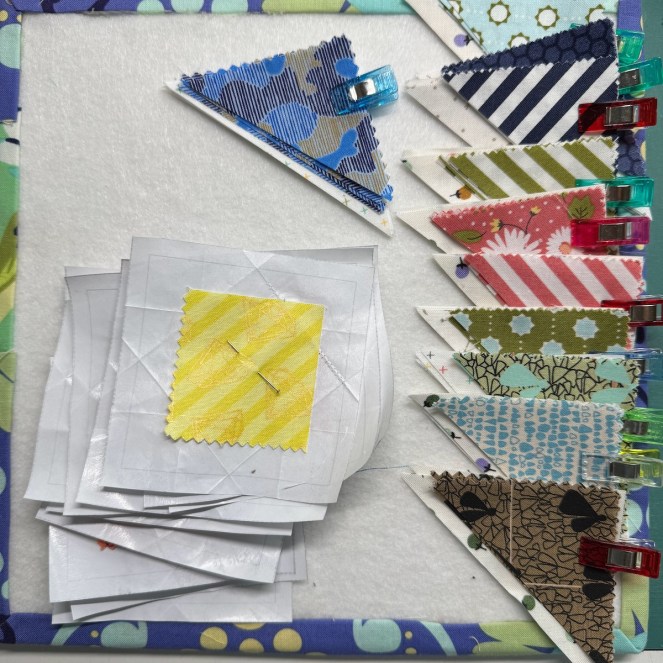
Initially, I’m trying it out with freezer paper, but I might use all methods of construction. I like the idea of carrying it around for a bit, but I also like sitting at the machine and sewing, too. Here’s the little video I put up this week showing my enthusiasm. Whether it be for this new project, or an enthusiasm for avoiding all the tasks I had on my To-Do List that day, I don’t know.

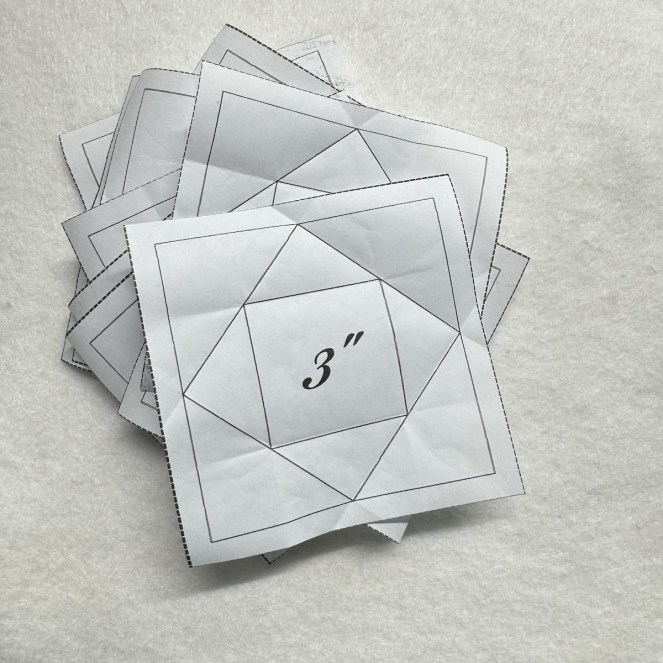
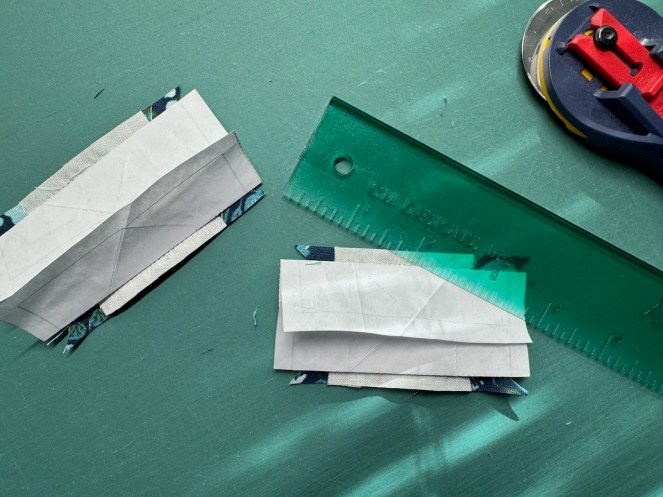
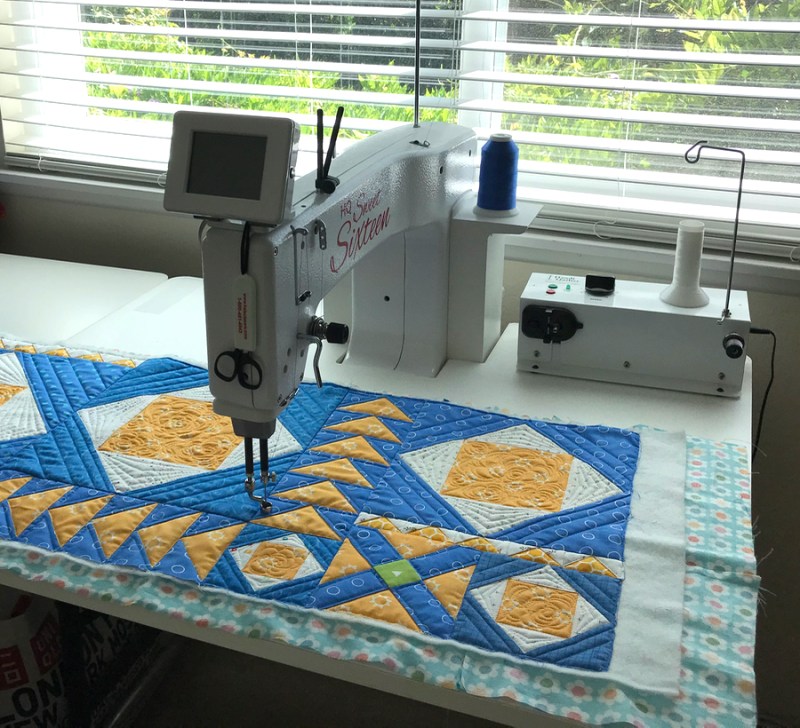
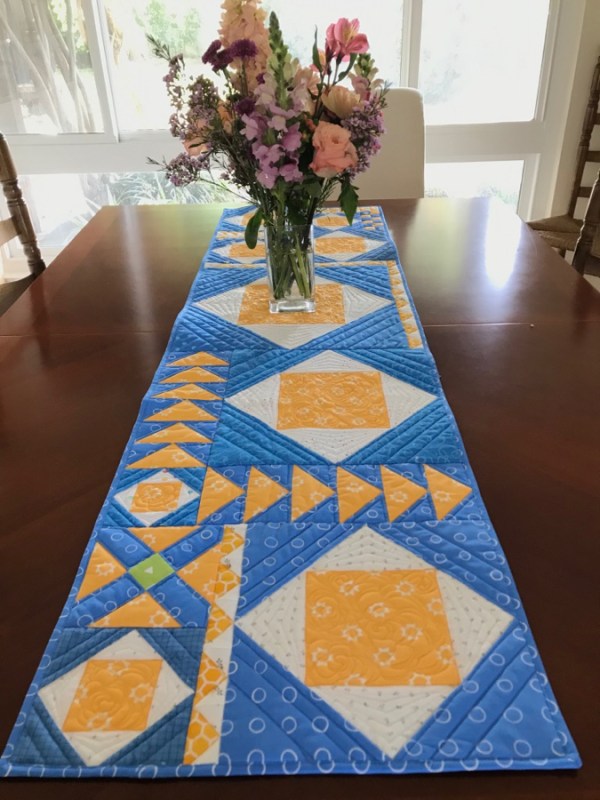
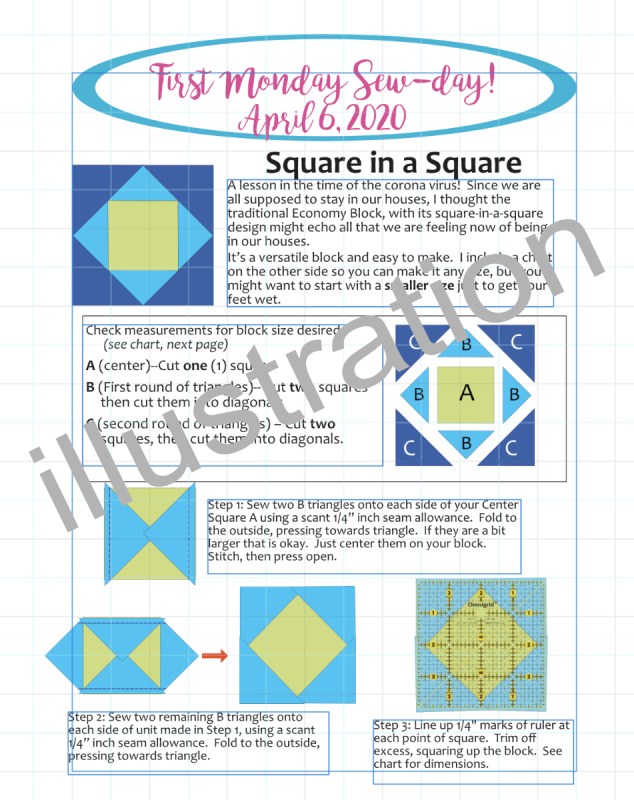
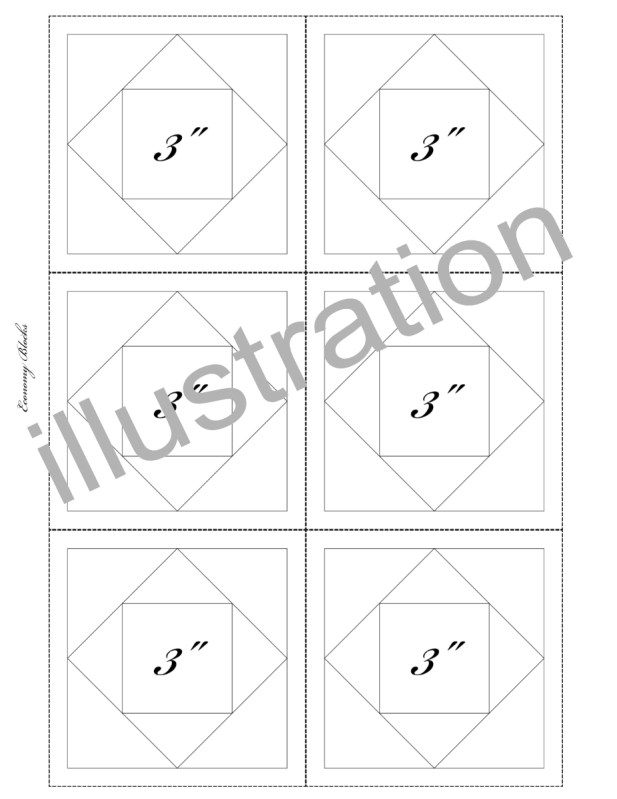
Before the pandemic hit, we had a little beginner’s sewing group going (called First Monday Sew-day — more beginner lessons are found at the link). I did samples of all every size of the Square-in-a-Square blocks in yellow and blue then sewed them up into a table runner ( so this is not my first Thrift/Economy Block rodeo). Here is the free downloadable 2-page handout we gave out to help the group learn to sew these blocks, with lots of sizes:

illustration of the front page

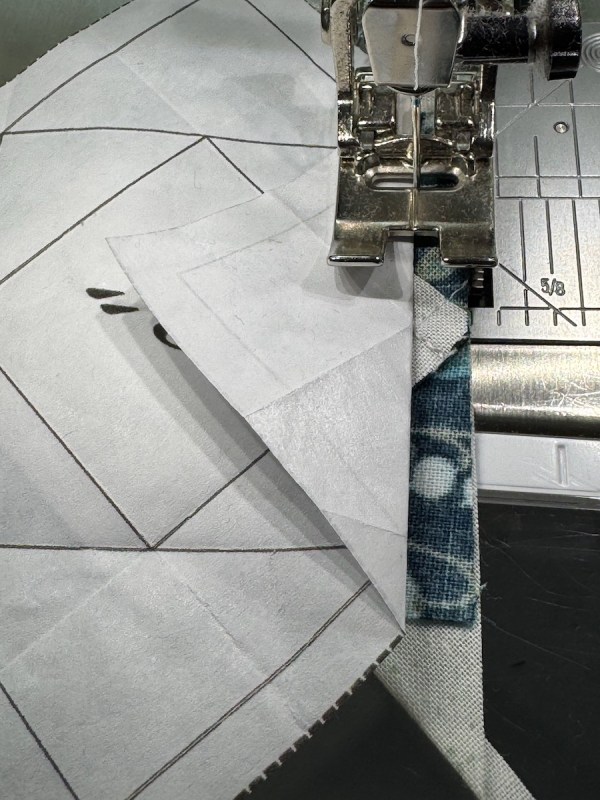
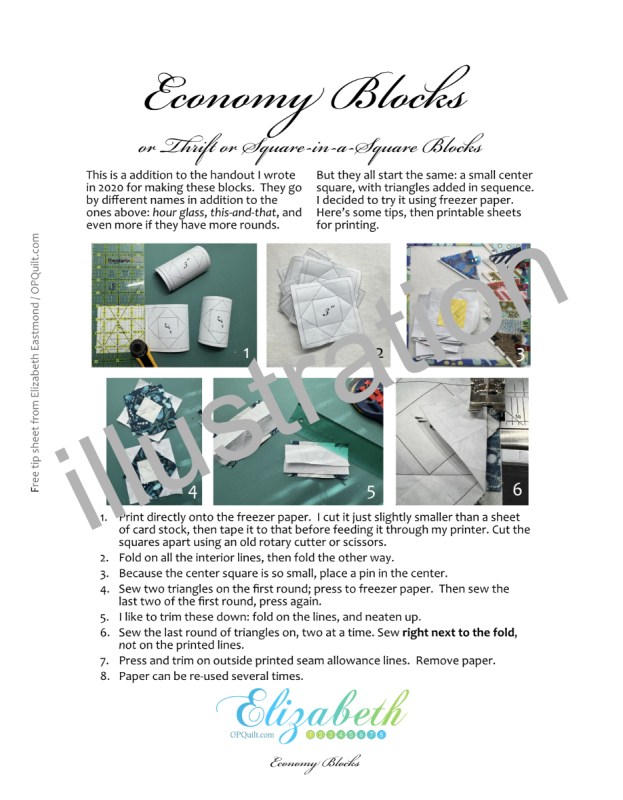
And below is the free downloadable Economy Blocks handout to go along with this version of Taryn’s wonderful gathering of happy quilters. The first page has some tips and tricks for freezer paper piecing, if you haven’t tried it before:

NOTE: This does not in any way replace Taryn’s handout, nor include you in the group of quilters she has gathered (use the Instagram links above). The pages with all the blocks, however, may also prove useful if you are using paper-piecing, as you can print off more blocks at once. I put it up here in case you might find what I worked up helpful in any way. As always, I include my request: Please do not print off millions for friends, but instead, send them here to download their own copies. Thank you.

I figure if I decided to do EPP, I can print out the page of blocks onto heavier paper, and use that. For the record, I’m making 3″ blocks, as the smaller size is just too much for my tiny brain to process right now.

Lastly, I had fun watching this video of Karen, from Just Get It Done Quilts make these blocks in three different ways. She’s amazing! And please note my tip for keeping the freezer paper on the block in my Economy Blocks handout (above).

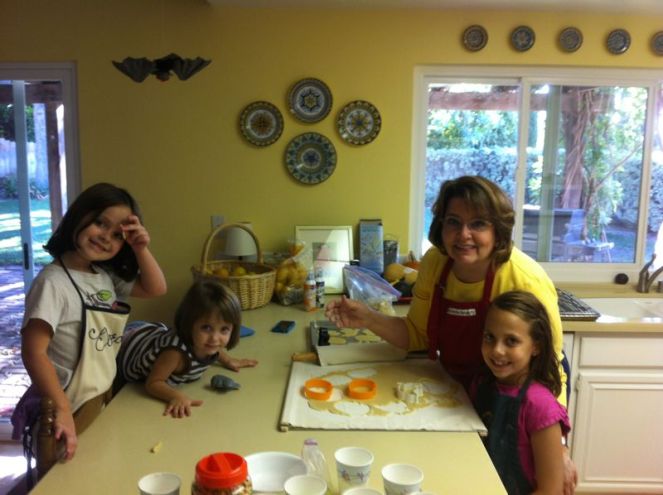
I know this is being published a bit earlier than usual, but I’m heading out to see these cuties, now mostly all-grown. See you when I return!

First Monday Sew-day · Free Quilt Pattern · Gridsters

Basic String Piecing • First Monday Sewday Lesson (and a few other things)

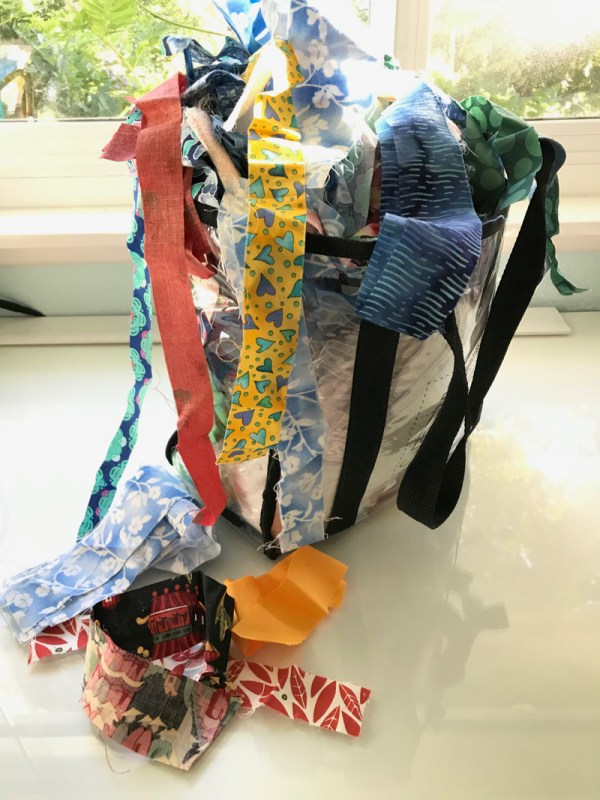
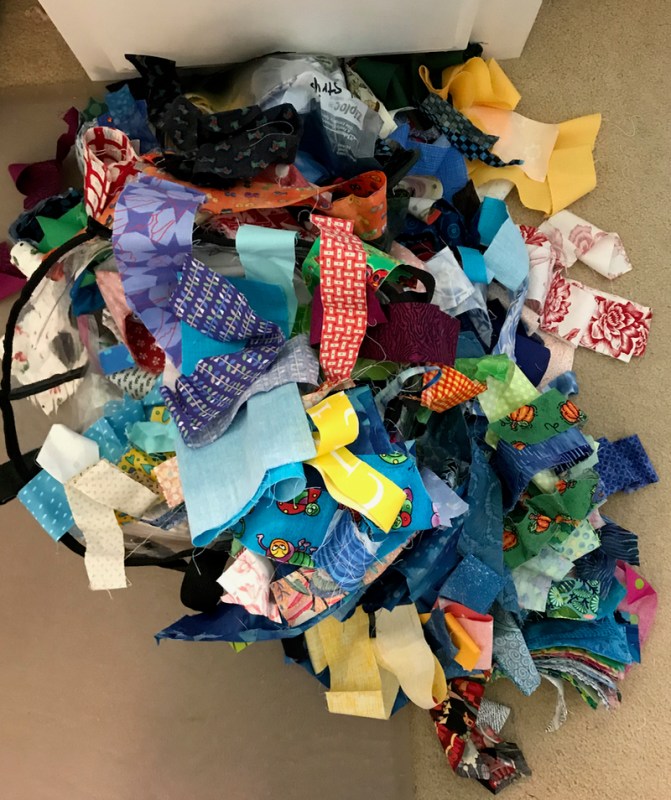
Nice and tidy bag of “strings”

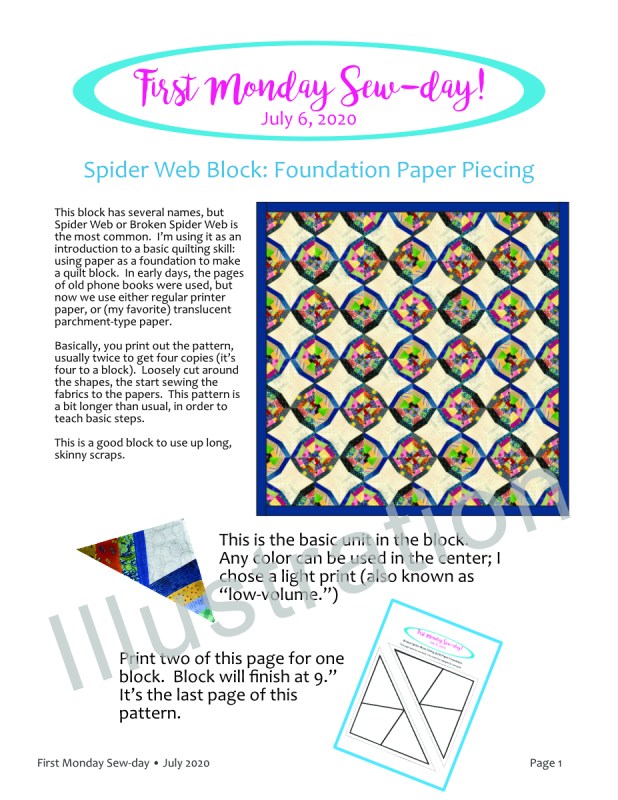
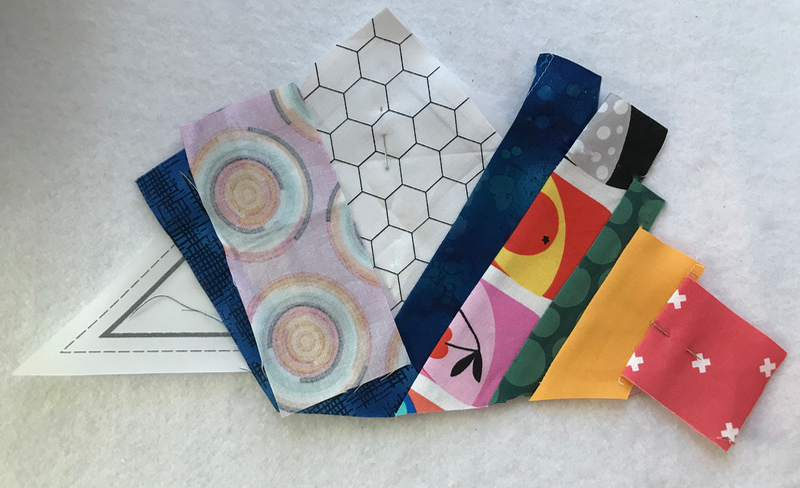
This month’s First Monday Sew-day Lesson was on teaching the newbie quilters about String Piecing, or Strip Piecing, or whatever you want to call it, but it involved laying out a shape on paper, arranging fabric and stitching through the paper. Foundation Paper-Piecing? except that we are using long strips of fabric. So I’m going with String Piecing. And the block I chose to teach was a traditional Spider Web Block.

For the handout for the Making a Spider Web block, click to download a PDF file:

It’s bit longer this time: multiple pages instead of just one sheet. There were a lot of illustrations for teaching this, like this one:

Since it is free, please don’t distribute — send your mom and your kid sister and your friends here to download the handout. (If you are a quilt shop or quilt guild, and need a virtual activity, please ask first before distributing.)

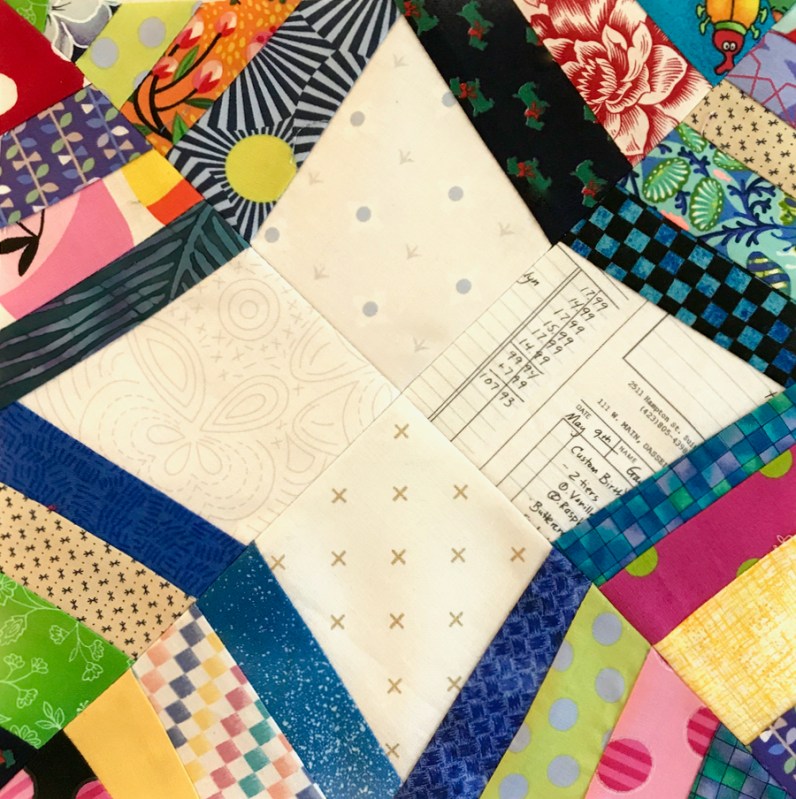
So this was my final block, taken at night, when all the lighting is really mellow. I chose low-volume prints for the centers, a deeper blue for the first strips near the center, and then circus-circus after that.

I did a virtual layout after that, trying to approximate how interesting this block can be in a quilt. More discussion of this is on the handout.

My “string bag” was left exploded on the floor after all this mucking around, but I just wadded everything back into it and threw it back in the closet.

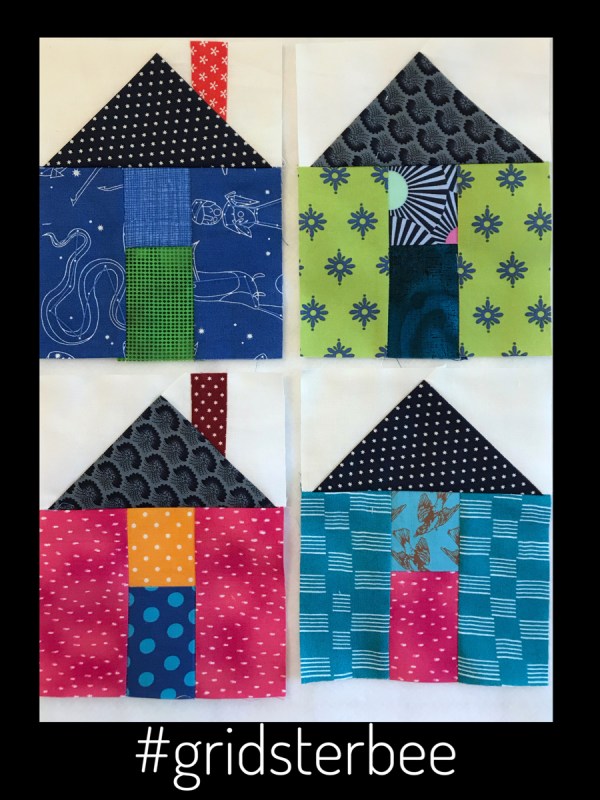
I also made two sets of Gridster Bee blocks: first one was for Mary, for June. She requested a whole lot of little houses, and we used the free download pattern from Moda.

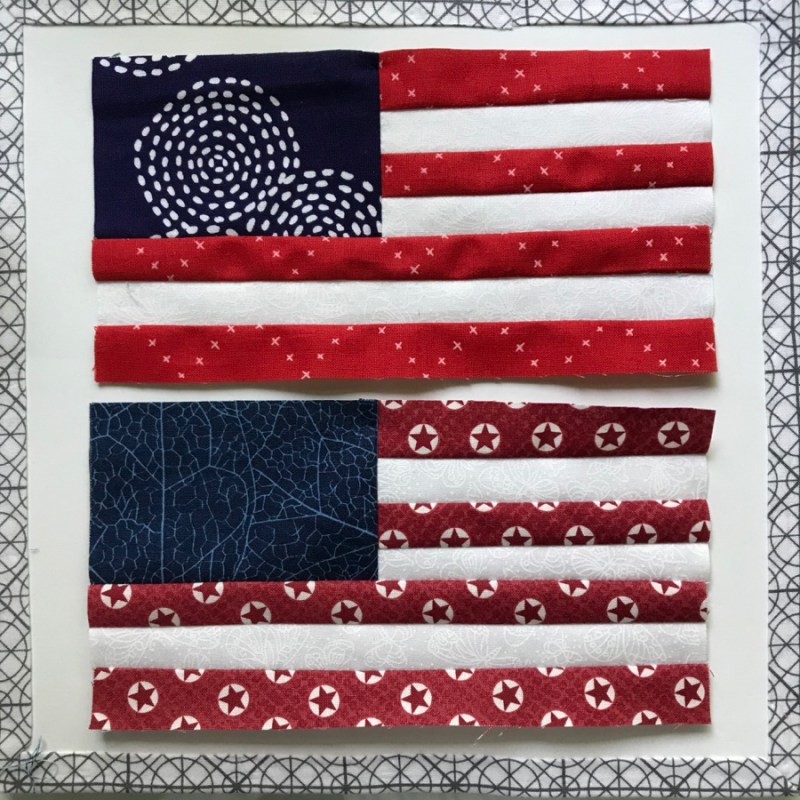
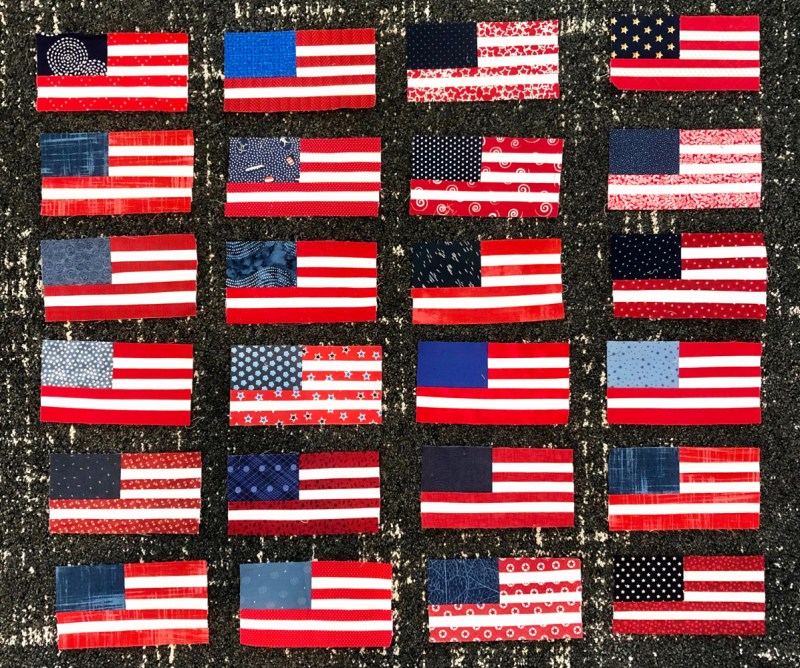
Kelly was up next, and for July she chose to miniaturize a flag, using the Grand Ole Flag handout from Pat Sloan as a starting point. These are tiny little things, finishing at 4″ x 7 1/2.”

Here’s a whole slew of them, all laid out together.

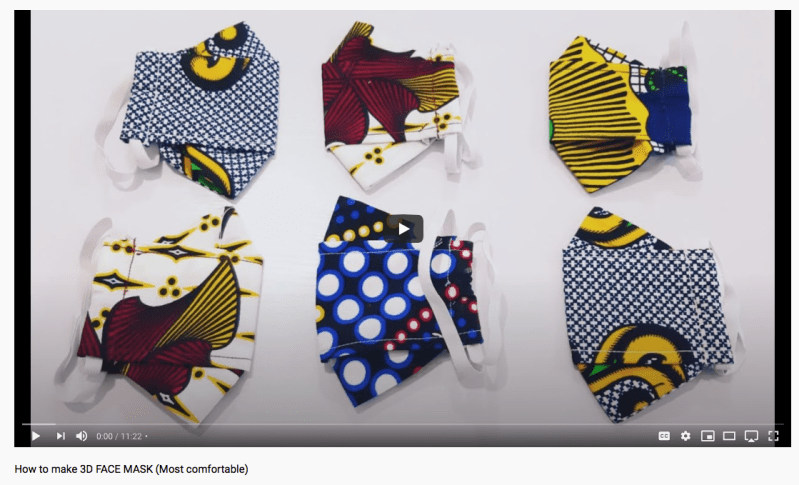
I was tipped off to two new mask patterns, and the Creative Grids mask template also arrived at my house. Updates are on my Face Mask Info Post, up there under Projects for 2020 tab at the top of the blog.

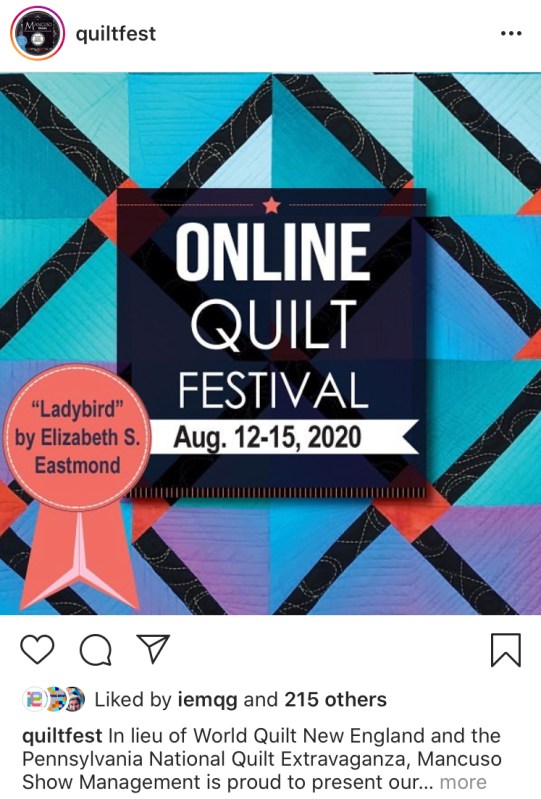
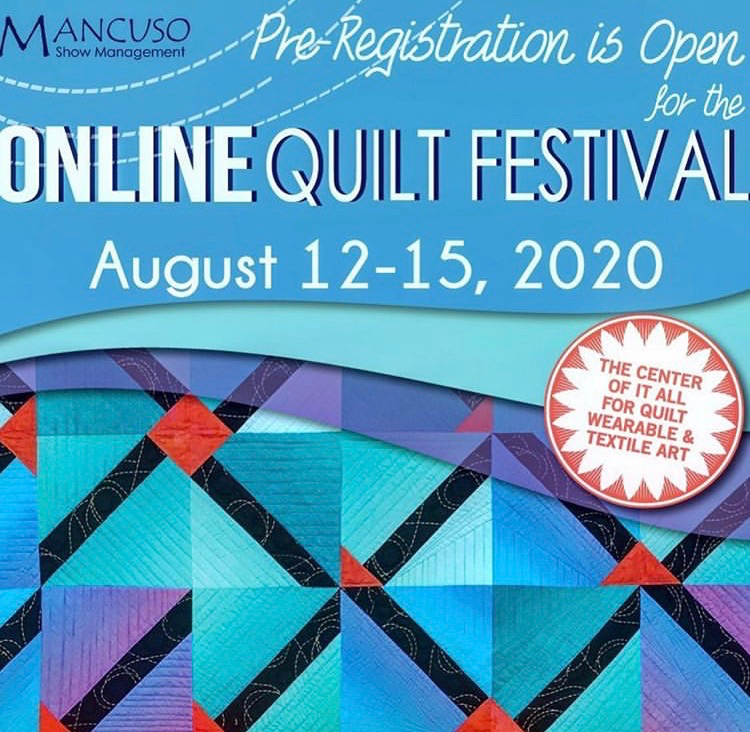
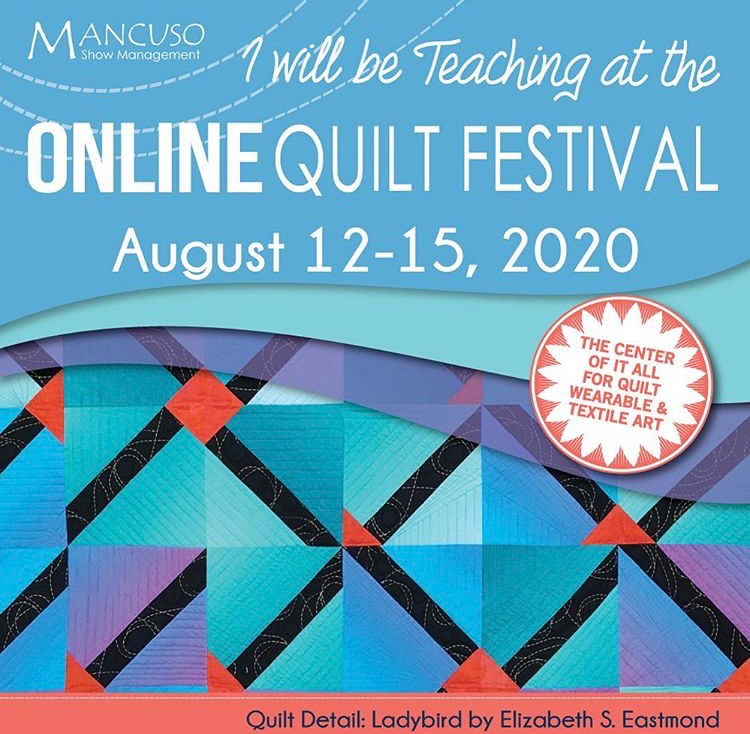
So this was interesting to see all week. Mancuso Brothers surprised me by using my Ladybird quilt in all their advertising for their online show in August. I had entered Ladybird in their Pacific International Quilt Festival, held in Santa Clara, California last fall. The picture they are using is my image, I must assume, as the lighting is good and the colors are bright (the lighting in that show was problematic). Most of the time my name and the name of the quilt were attached, but often I saw it with the orange lower banner chopped off, so no accreditation whatsoever.

Should I be honored and flattered that someone wants to take my artwork/quilt/work and use it for their ad campaign without asking permission or offering some compensation, like a teaching spot or something? (The real irony is when they use my quilt to announce another teacher.) I am very happy that, most of the time, my work is acknowledged. Should I just let this roll on by, knowing that I get “free publicity” — which is always what is said — although I don’t have a pattern for it, and I’m not teaching it anywhere, so it’s hard to know what good the free publicity does.

It’s a tricky proposition. I am not angry. I might be perplexed. Mostly I don’t yet know how I feel about it, but I do think it would be nice to be asked. I’d be curious to know what you all think. (Leave your comments below.)

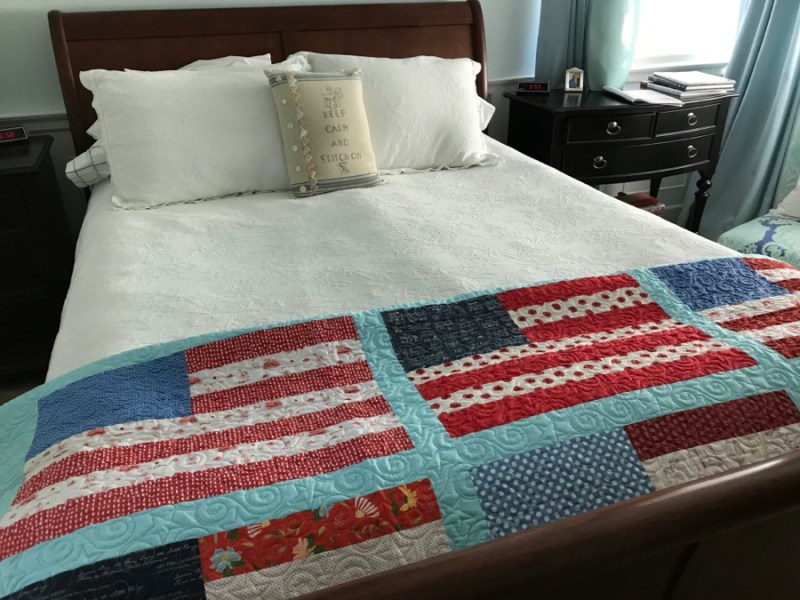
Thought I’d show you the Betsy’s Creation quilt on the bottom of my bed for July. The smaller one is hung in the downstairs hallway. That pattern (which includes both, and really more like a handout) is free, found here. Hope your last few days of July find you quilting!

First Monday Sew-day · Quilt Bee

9-Patches and Churn Dashes • First Monday

PinkyOrangeQuilt1

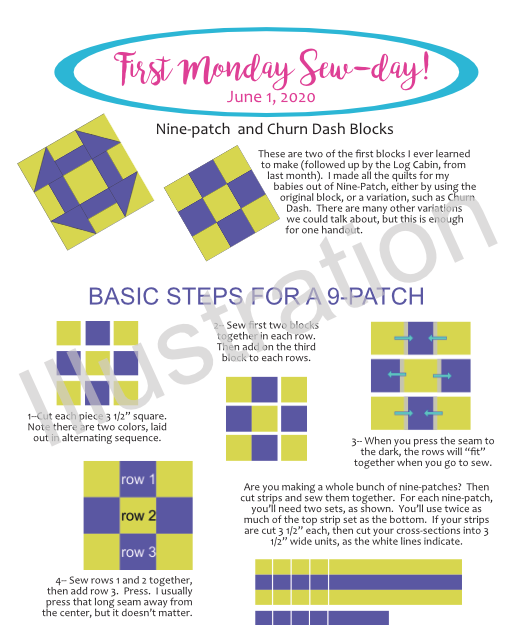
So what if you were trying to think of the basic blocks for beginning quilters?  What would you choose?  So far in our First Monday Sew-Day series, we’ve done four-patches and square-in-square and half-square triangles and flying geese and a few others (Log Cabin was last month), so I thought I’d take a look at another basic: nine-patch blocks. Above is a version of this block, colored a little differently than what we usually see.

June 2020 FirstMonday Sew-Day Illus

For the handout for the nine-patch/churn dash blocks, click to download a PDF file:

Bee Happy Quilt_Feb_1
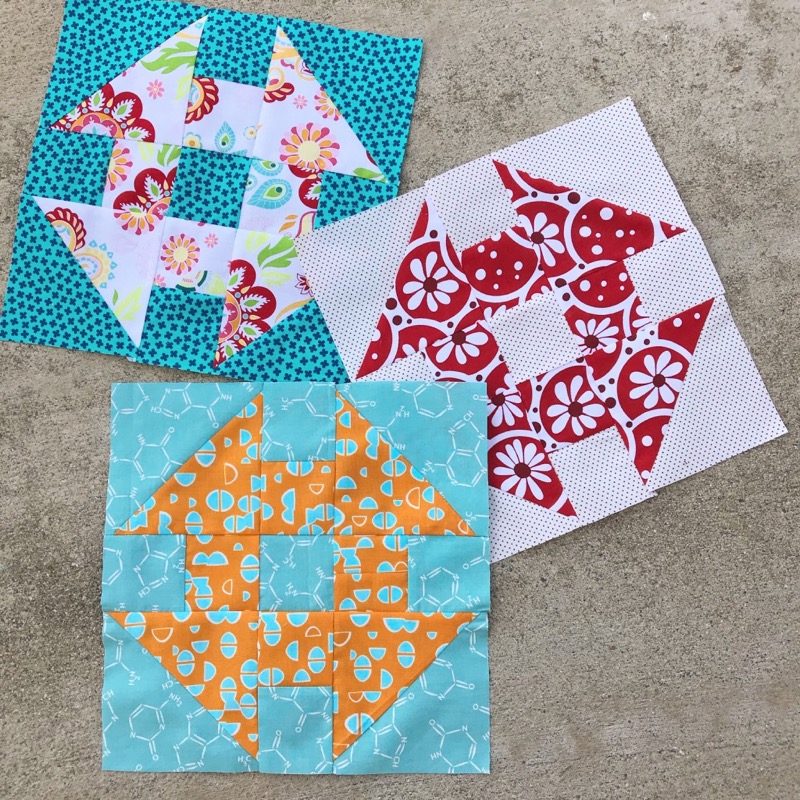
You think I might have caught that wonky churn dash.

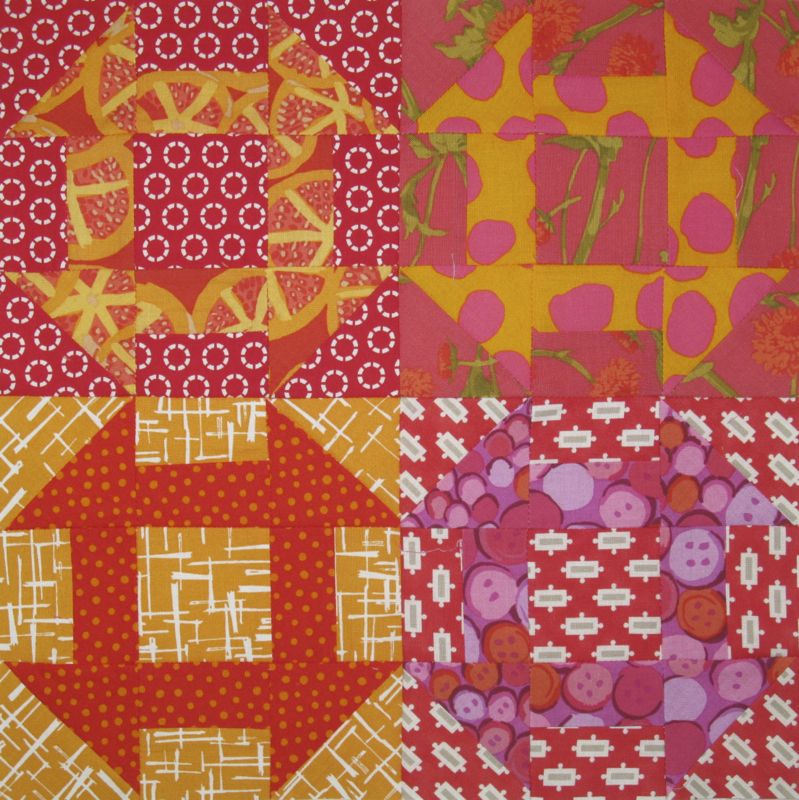
I recently made some churn dash blocks for the #dungeonofcute quilt I’m making, and yes, I did fix the problem in the upper left.  For this beginning class handout, however, I chose to make the churn dash blocks more like nine-patches, rather than the adjusted proportions, seen above.

Aug2018_Gridsters

Here’s another variation of proportions: large corner squares, and smaller centers.

Frivols6_PracticeMakesPerfect5
Frivols #6, Practice Makes Perfect

This is one of those Frivols quilts that I did in 2018, which frankly seems like it was about a century ago.  All churn dashes, cozied up to each other.

kucera_mcm

This quilt is the result of a bee; Linda asked us for small churn dashes, with skinny sides and big, fat centers, in these colors.  It’s a really fun way to work with churn dashes.

carla_mcm
Carla Block Jan

While I’ve never done a large quilt with churn dashes, more bee-mates at the time asked for them, in two more different styles.  The blending of value and color in the bottom really makes it interesting.

MCM_Timberlake1

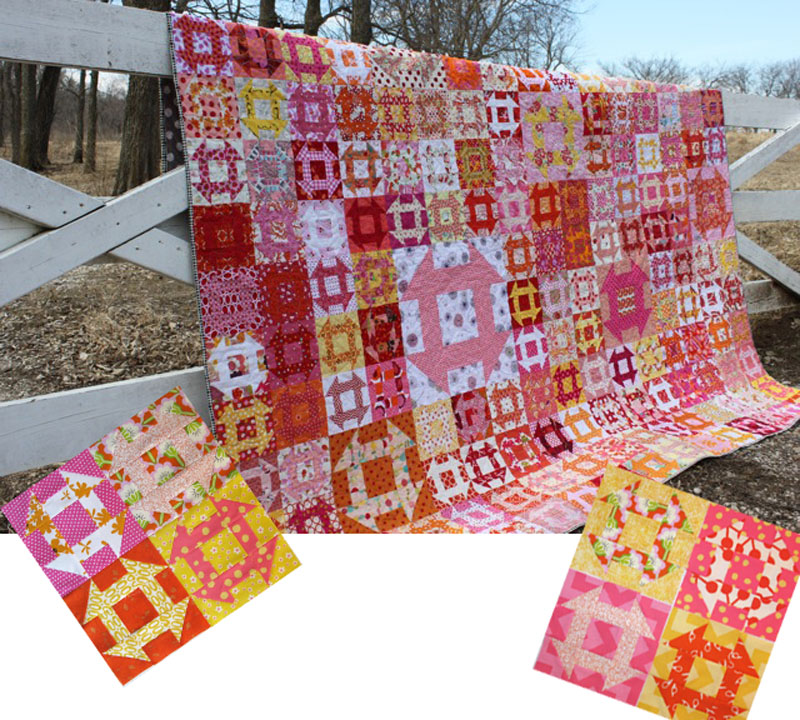
Here were my two blocks that I made for Carla T, and the finished quilt, with giant churn dashes interspersed in among the smaller ones.

IMG_3238
from OpEdgeArt

Here’s a nine-patch “quilt” done by an artist I follow.  He works in paint.  He told me his mother was a quilter and I can see her influence.

Quilt Frolic_front

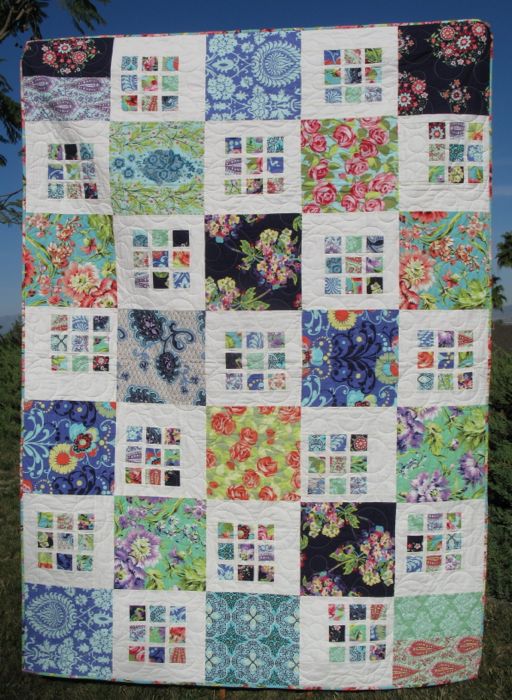
And here’s Quilt Frolic, a series of nine-patches, set in a an off-set white block, with tons of Amy Butler large-scale prints.

All our Handouts and topics can be found in the tab at the top of my blog: Projects for 2020/First Monday Sew-days.  More quilts can be seen below, in a gallery.

Happy sewing!

tiny-nine-patches
Baby Quilts Nine Patch
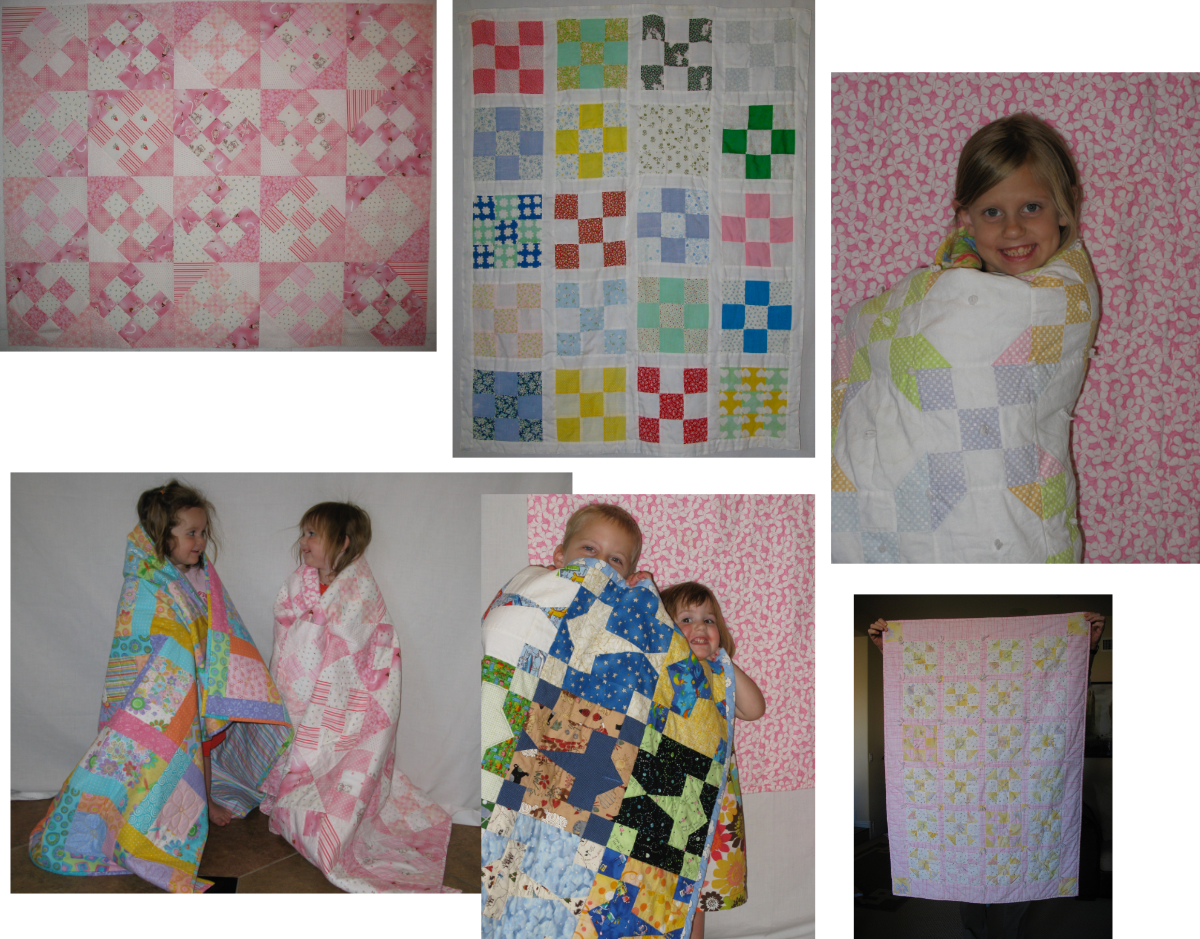
I’ve made a lot of baby quilts using nine-patch variations.
Mom Churn Dash
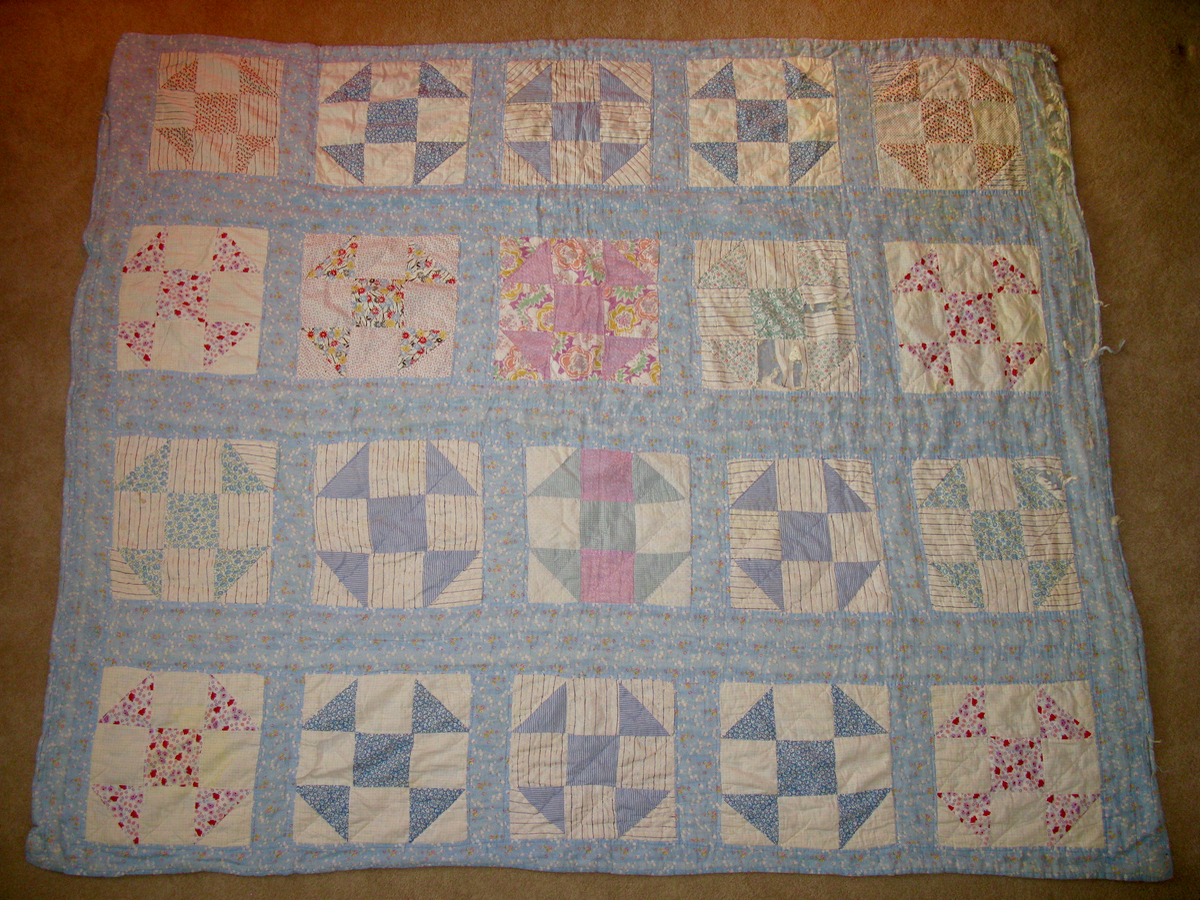
My mother helped make these nine-patch variation (shoo-fly) blocks nearly 85 years ago.
Amish Double Nine Patch
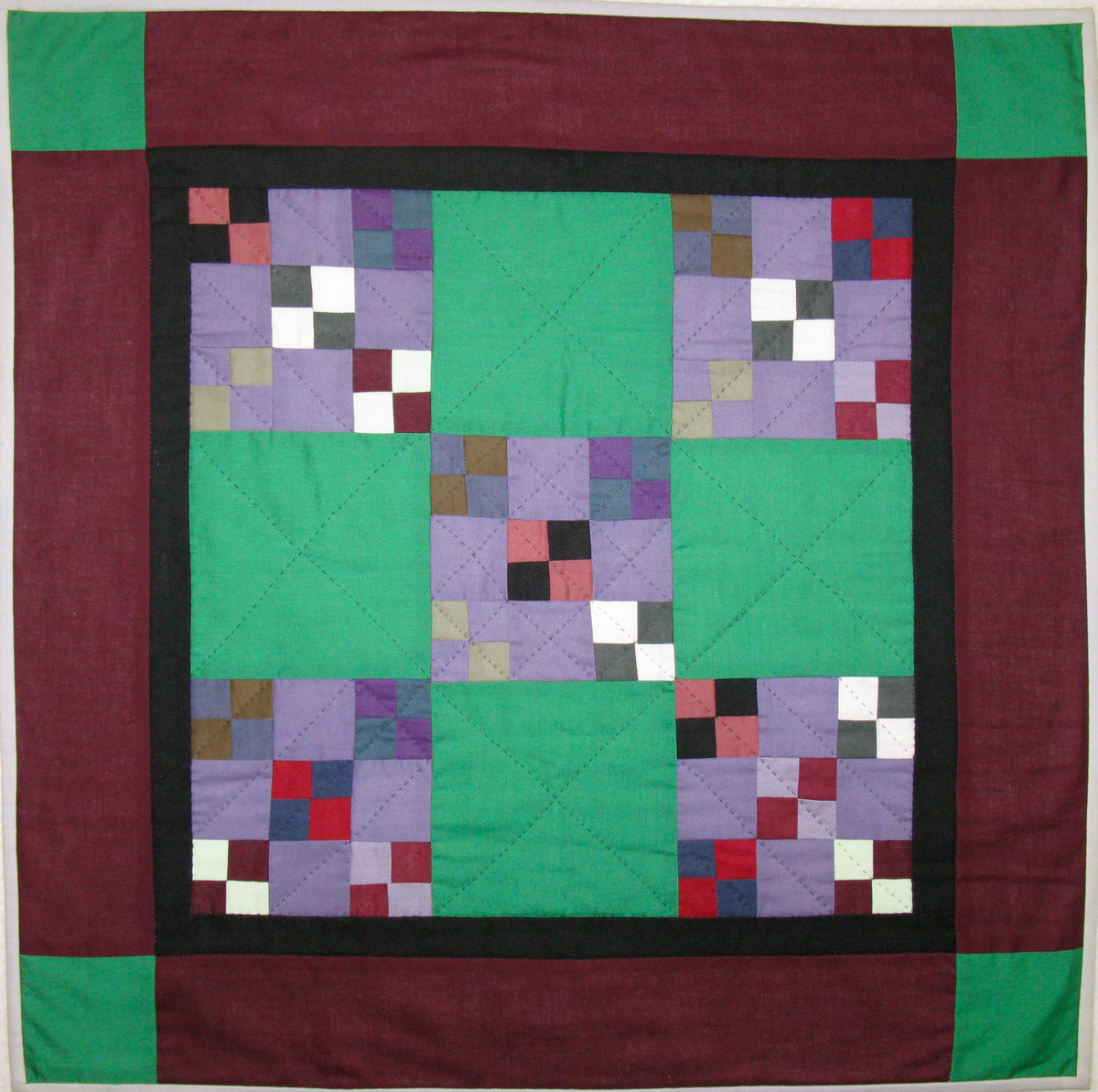
Mini Quilt: Amish double Nine-Patch
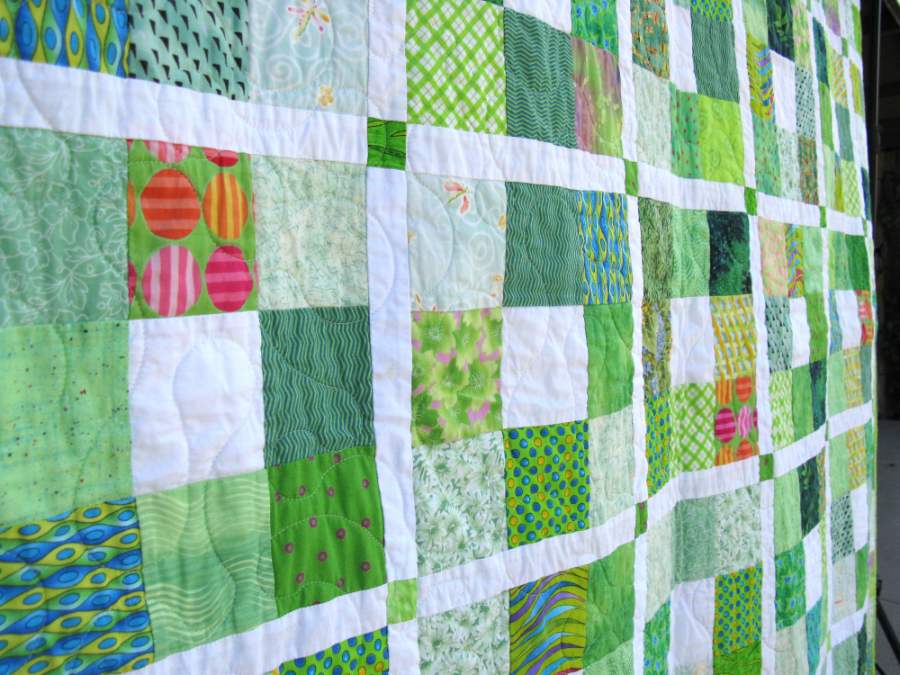
Nine Patch green
Carla Churn Dash
Carla’s quilt, from here