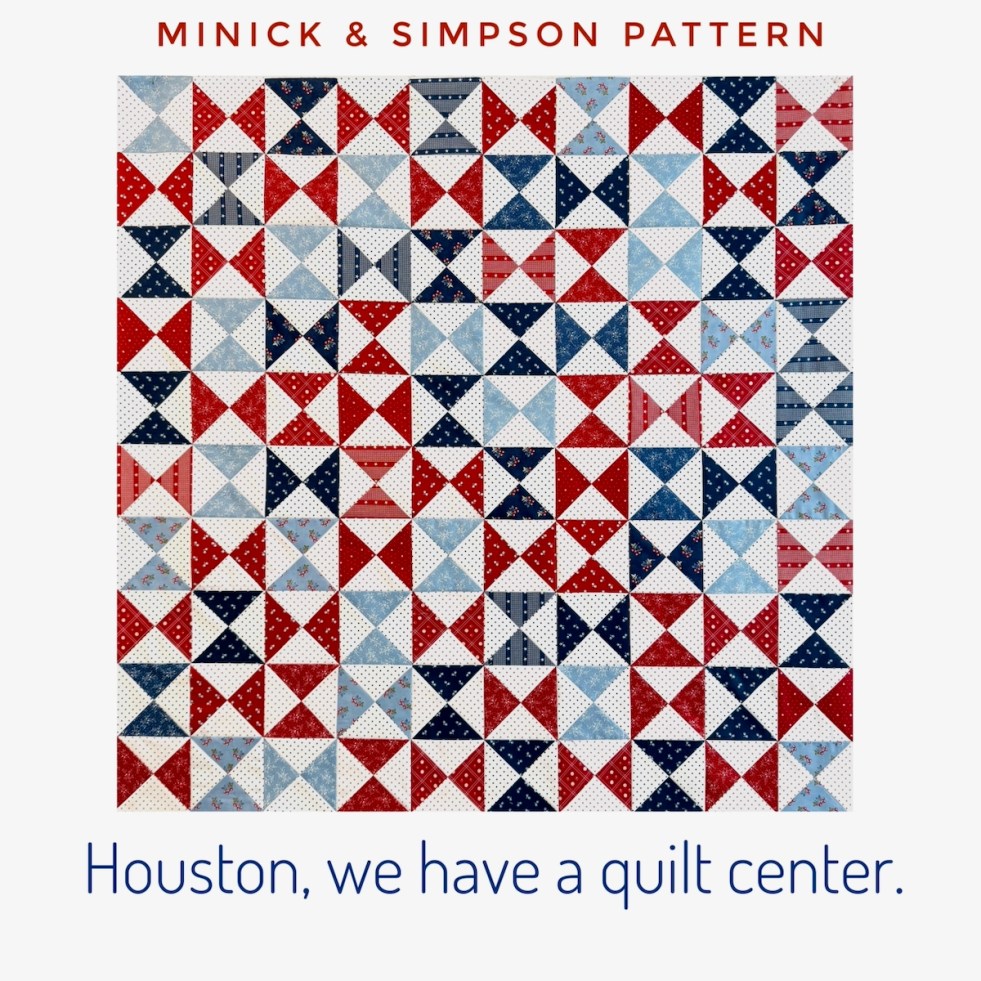
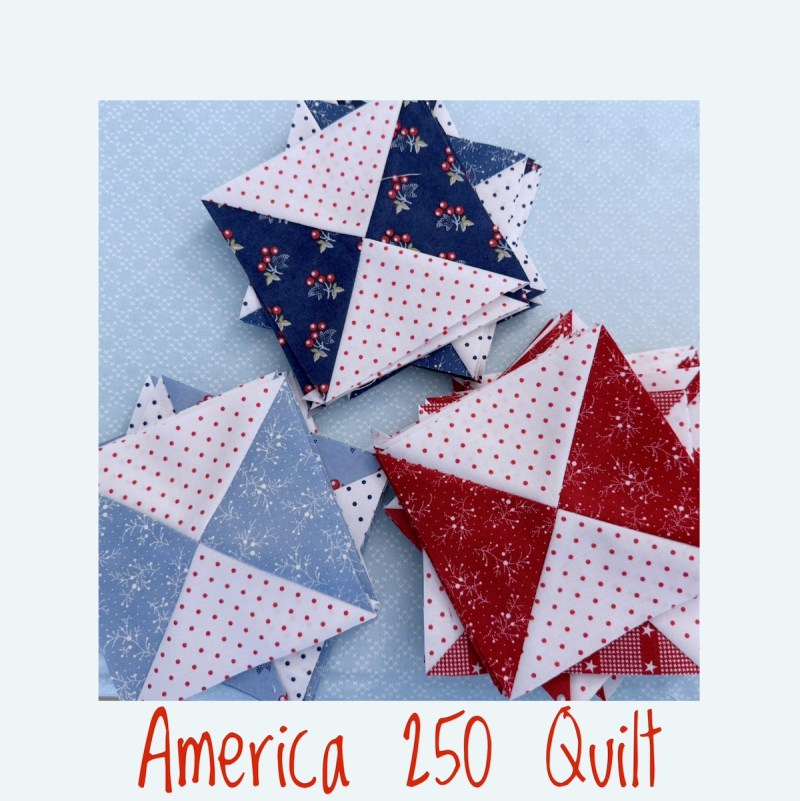
I sewed as I watched and listened to the Artemis II crew do their moon flyby, thrilling me and everyone here on earth. This quilt is supposed to be paying homage to our Constitution at the ripe old age of 250, but now the red, white and blue also now honors these four astronauts, and will be linked in memory to this wonderful week. And that lower right photo? That’s at the Goldstone Deep Space Center in the high desert in California. We visited there last year, and were happy to find out that Goldstone was assisting with the tracking.
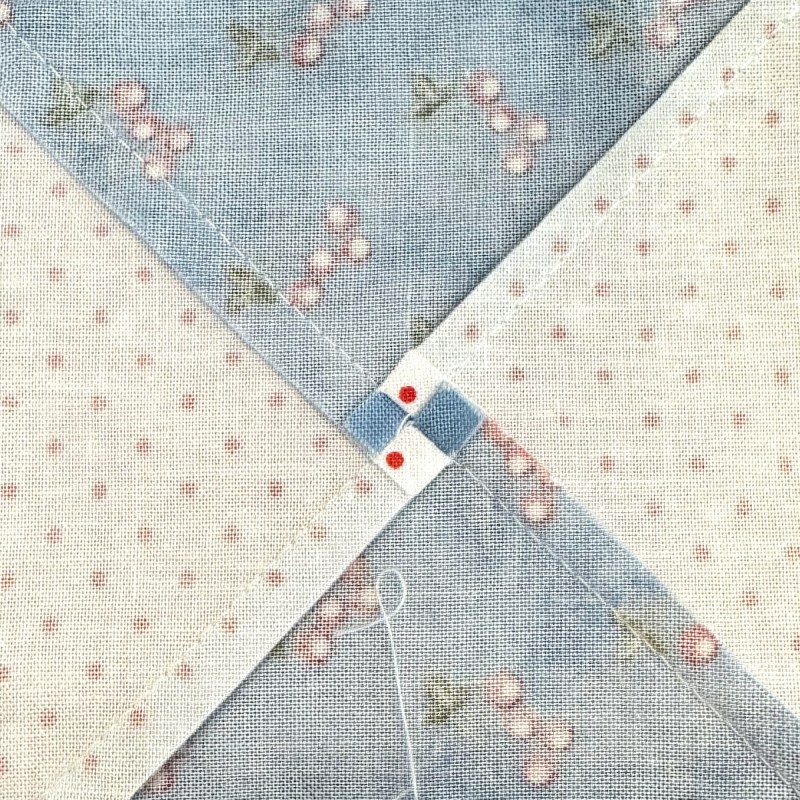
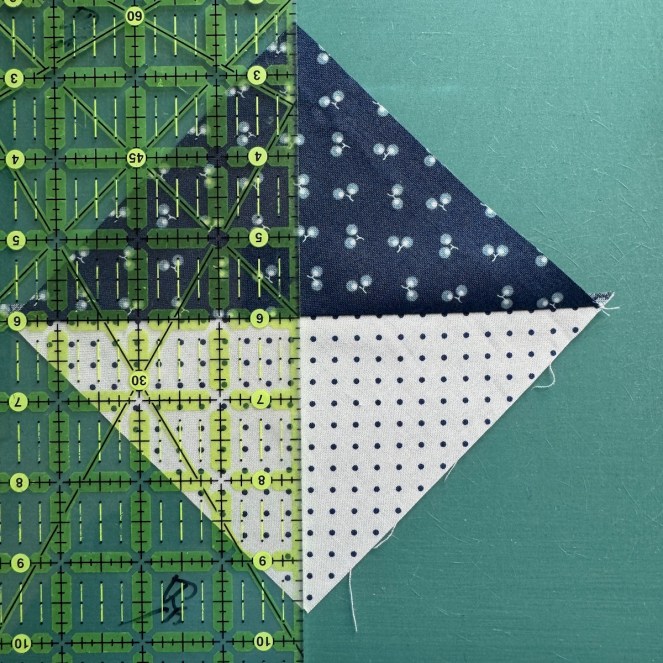
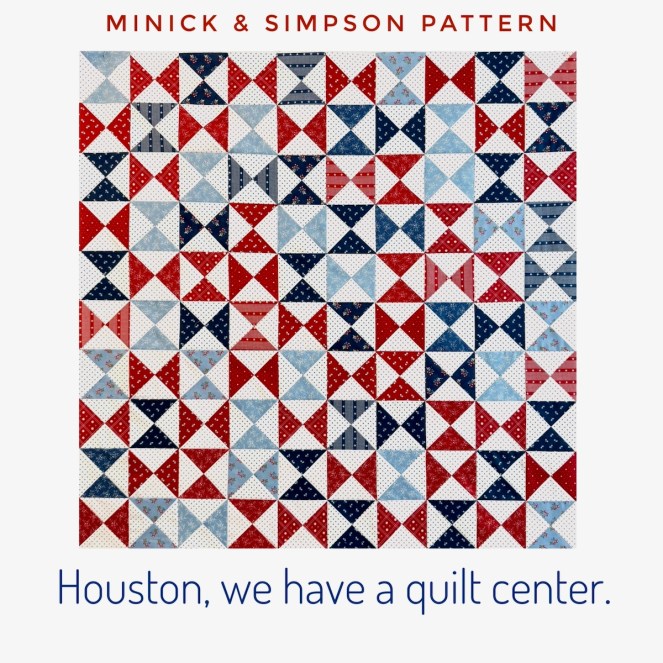
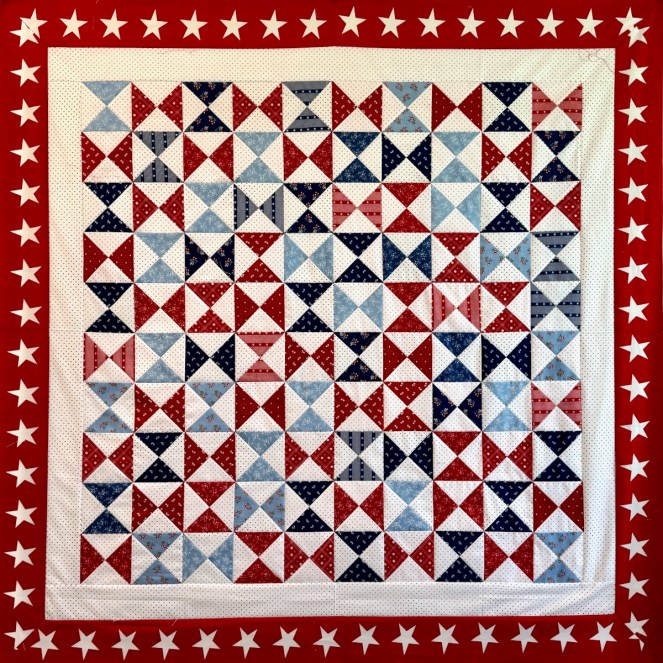
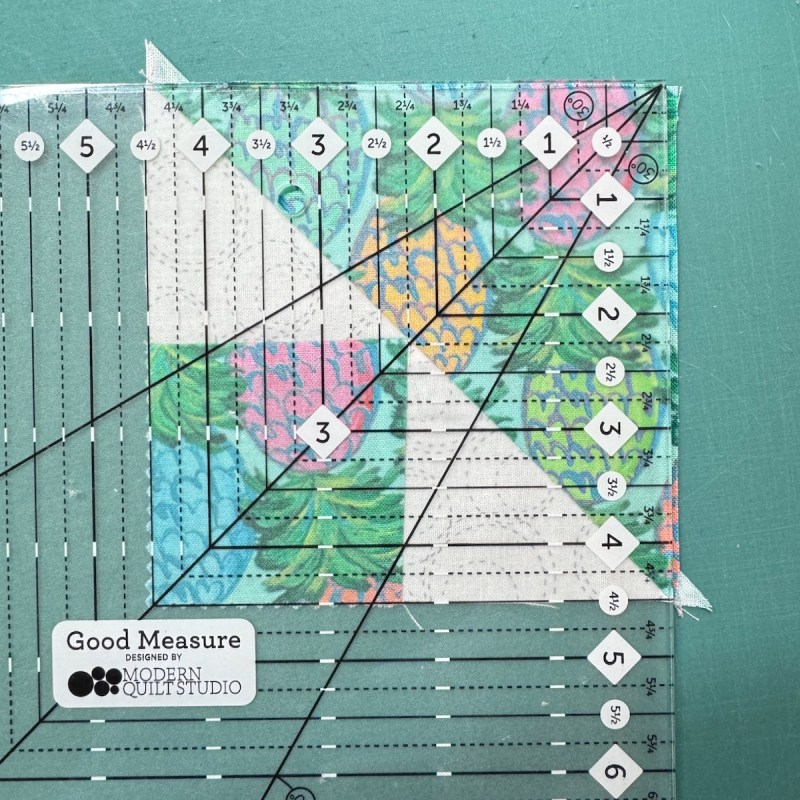
I did Yvonne’s trick (aptly her blog name is Quilting Jet Girl). When she slices the quarter-square triangles again, she carefully aligns the ruler with the seam to get a perfect perpendicular slice at that point. I followed this tutorial, a link courtesy of Carol, but there are many hourglass tutorials out there. After seeing Carol’s rendition of this quilt, I purchased a digital version of the pattern here.
Meanwhile, I keep watching the NASA Artemis II feed from Mission Control Center in Houston:
And sewing.
And watching, and sewing.
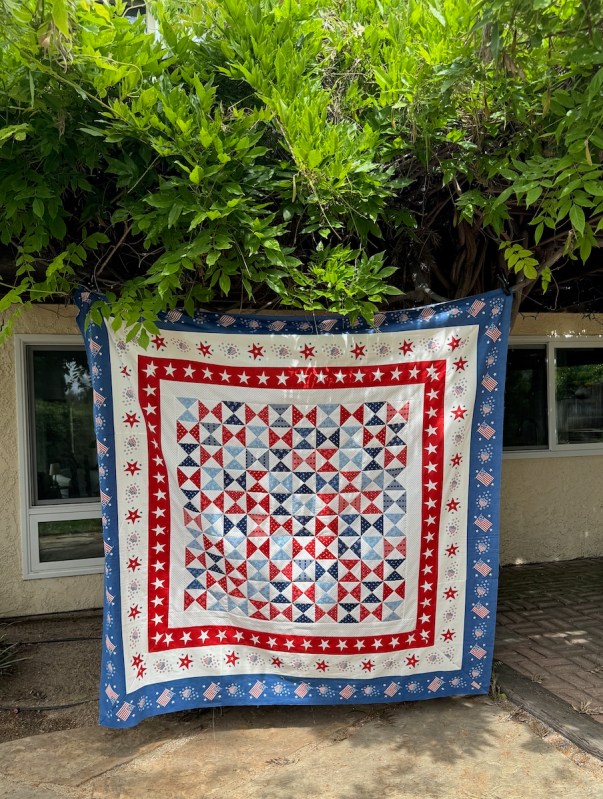
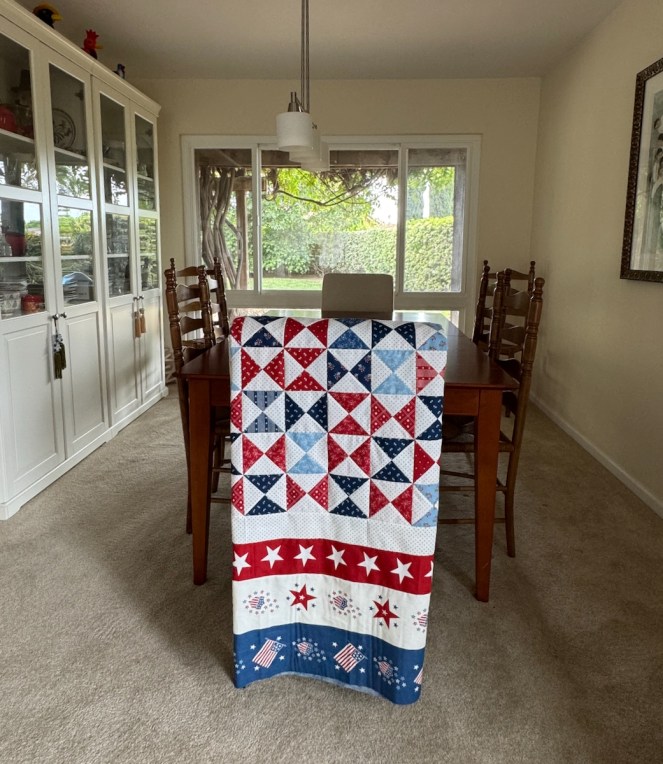
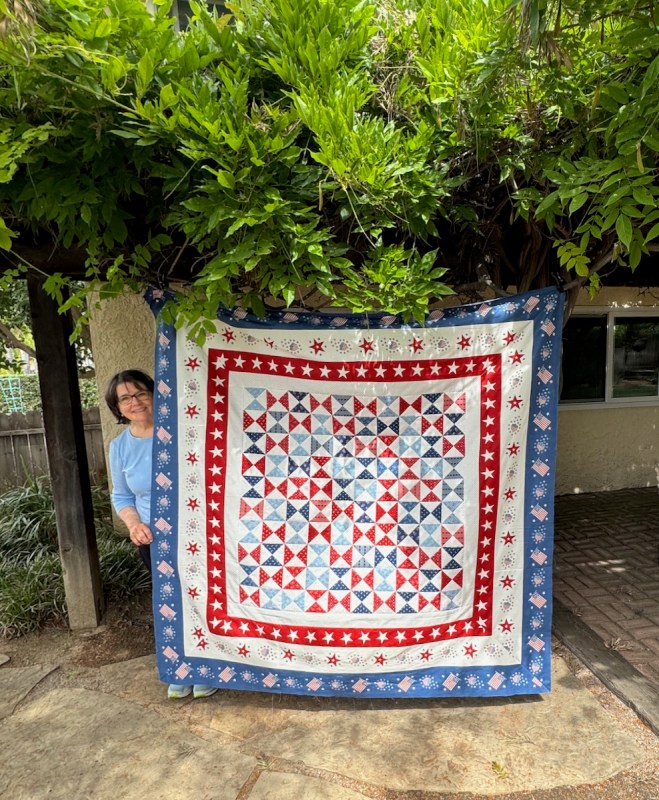
Finished the quilt top today, one day before the landing over here on the West Coast. Yes, I’ll be watching not only the live NASA feed, but also the skies to the West to see if I can see anything. I’m hopeful.
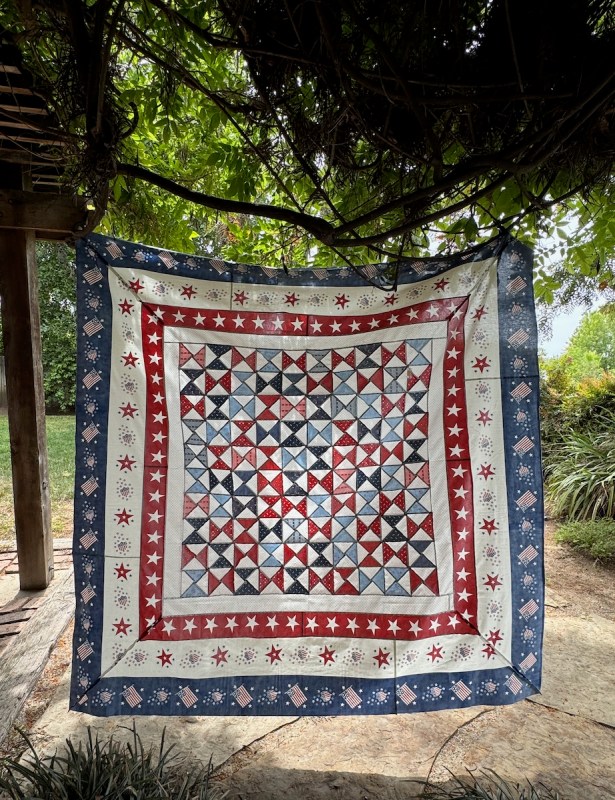
Stained glass view. It’s about 72″ square.
View from inside the house towards the arbor where I photograph a lot of my quilts.
One of the challenges in our modern life is to deal with disruptions, distractions, and never letting us have a minute without someone telling us the five steps to a better life, to better breathing, to being a better whatever. Or as tech, culture and political writer Derek Thompson observed on his podcast Plain English, these voices tell you “everything is figureoutable. And if I just listen to these five steps, I can figure out all my life’s problems” (from here).
But for me, I escape to quilting to not figure everything out. I mean, yes, sometimes just cranking out on a pattern and whipping up a quilt is a good time and I like that as much as anyone. But hopefully, as Thompson noted, “you can have intimacy with a craft.” The challenge “is if we are constantly being distracted or interrupted, it’s hard to find that intimacy. It’s hard to get into the slipstream or the pocket of a creative project” (same source as above).
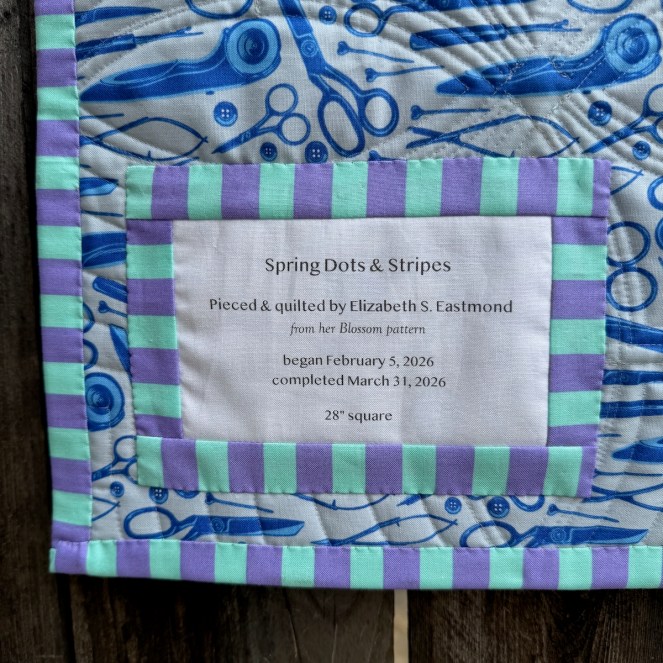
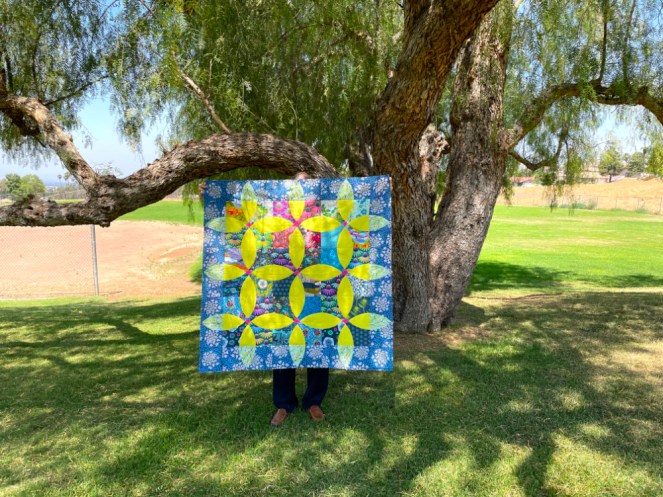
I like my pursuit of my craft. Of taking a well-known-to-me pattern like my Blossom, and seeing what I can do with it that sends me into discovery, of finding a new way to see what I’ve seen before. Because, really, haven’t we all seen it all before: make a cut, stitch a seam, sew it together, quilt it, and don’t forget the label?
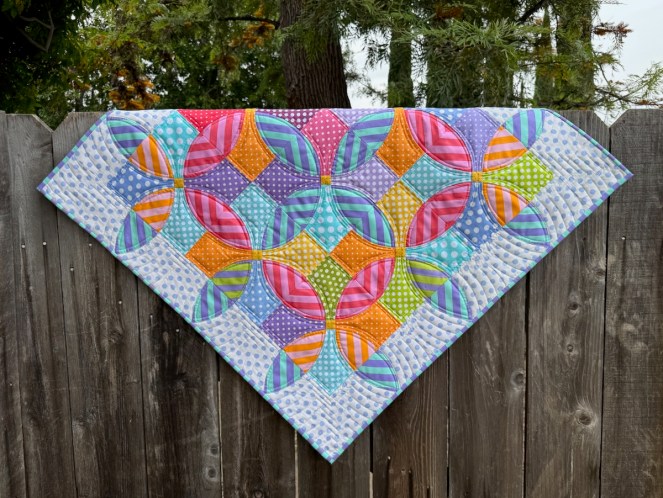
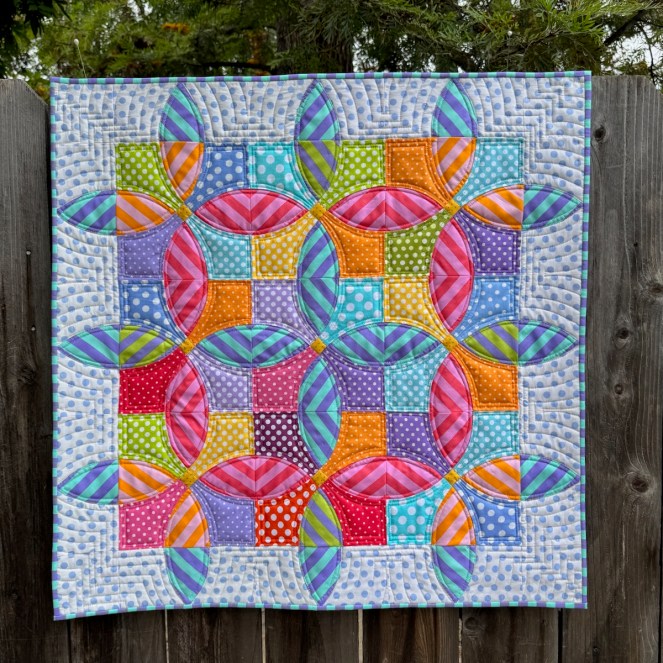
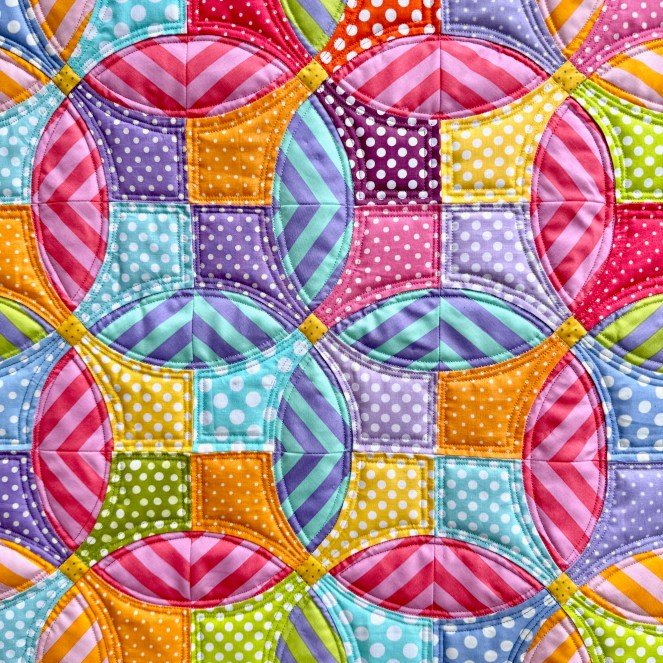
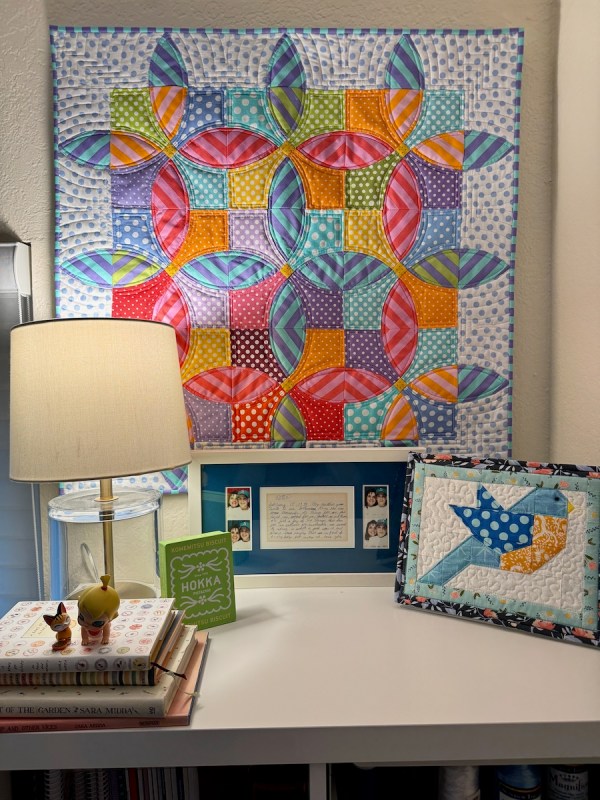
For this quilt (Spring Dots & Stripes), I chose to work with just two elements: • dots and stripes (had to be white dots on bright colors), • Tula’s Tent Stripes (in only four colorways).
It was this challenge that coaxed me into flow.
What is flow? The Czech psychologist Mihaly Csikszentmihalyi coined the word “flow” to refer to the psychological state of optimal performance.
“He recalled in an interview how he would watch painters in their studios and how he was fascinated by their ability to forget everything while working. He was also surprised by what happened when they were done: They’d finish a work of art, and instead of enjoying it…they would put it against the wall and start a new painting. They weren’t really interested in the finished painting. What these artists were after, Csikszentmihalyi realized, wasn’t the finished work itself but the experience of full immersion and absorption in the act of creation” (from here).
To understand it better, I watched several videos online, and liked the one from John Spencer, titled “What is Flow Theory?” He highlighted it like this (click arrows to advance):
Since no matter what I tried, the slides kept getting out of order, the basics are:
The task has to be intrinsically rewarding;
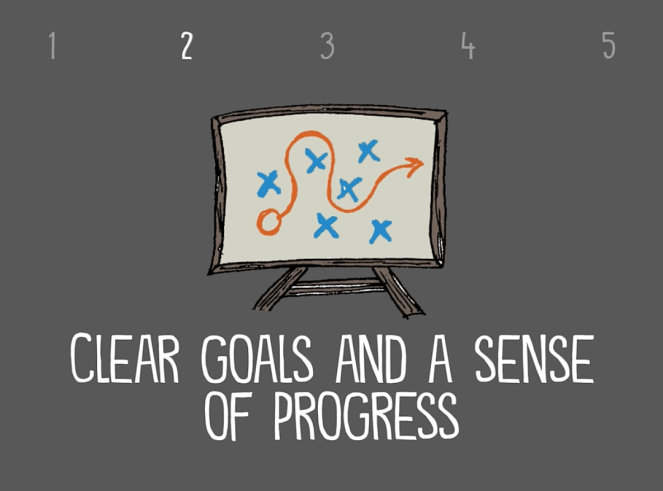
The task has to have clear goals and a sense of progress;
Clear and immediate feedback is critical;
It’s a balance between the challenge of the task and the set of skills needed to complete it; and
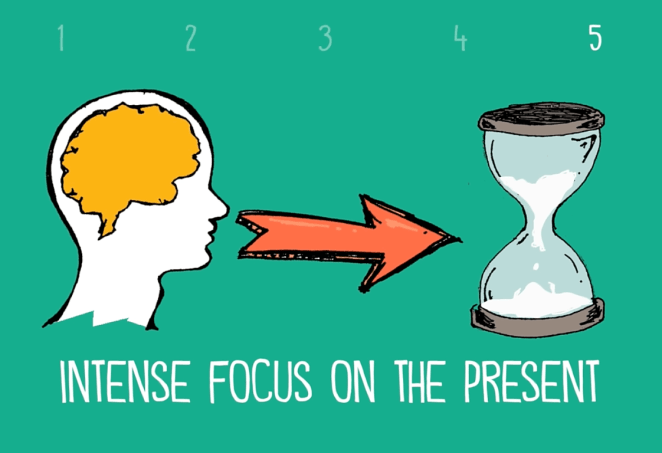
The person in the flow state has an intense focus on the present.
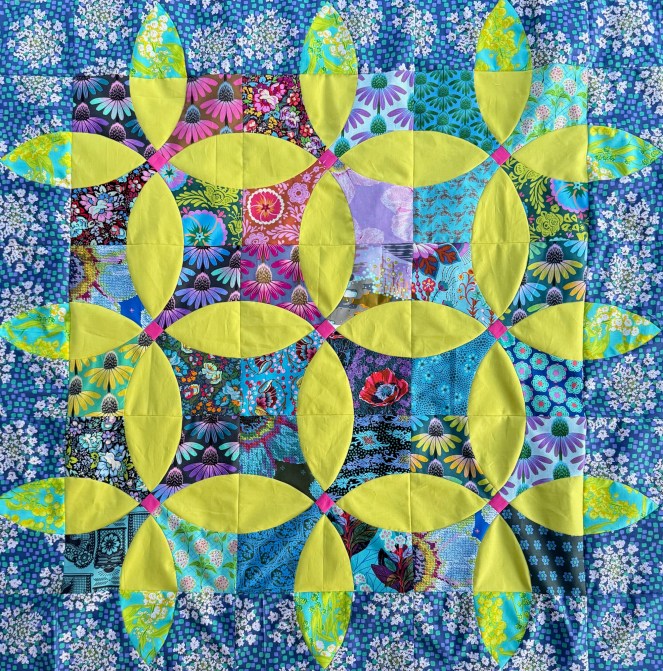
I cut out pieces in certain colors — the ones I thought I would want — and started putting them up on the design wall. And then in an a-ha! moment, I could see that I could group them differently to create a pattern of interest. Maybe that came from trial and error, maybe it came from being in the flow? I was able to discover a different way as I grouped the petals into colors, cutting and discarding and pinning up and sewing, as I ignored all that was going on around me.
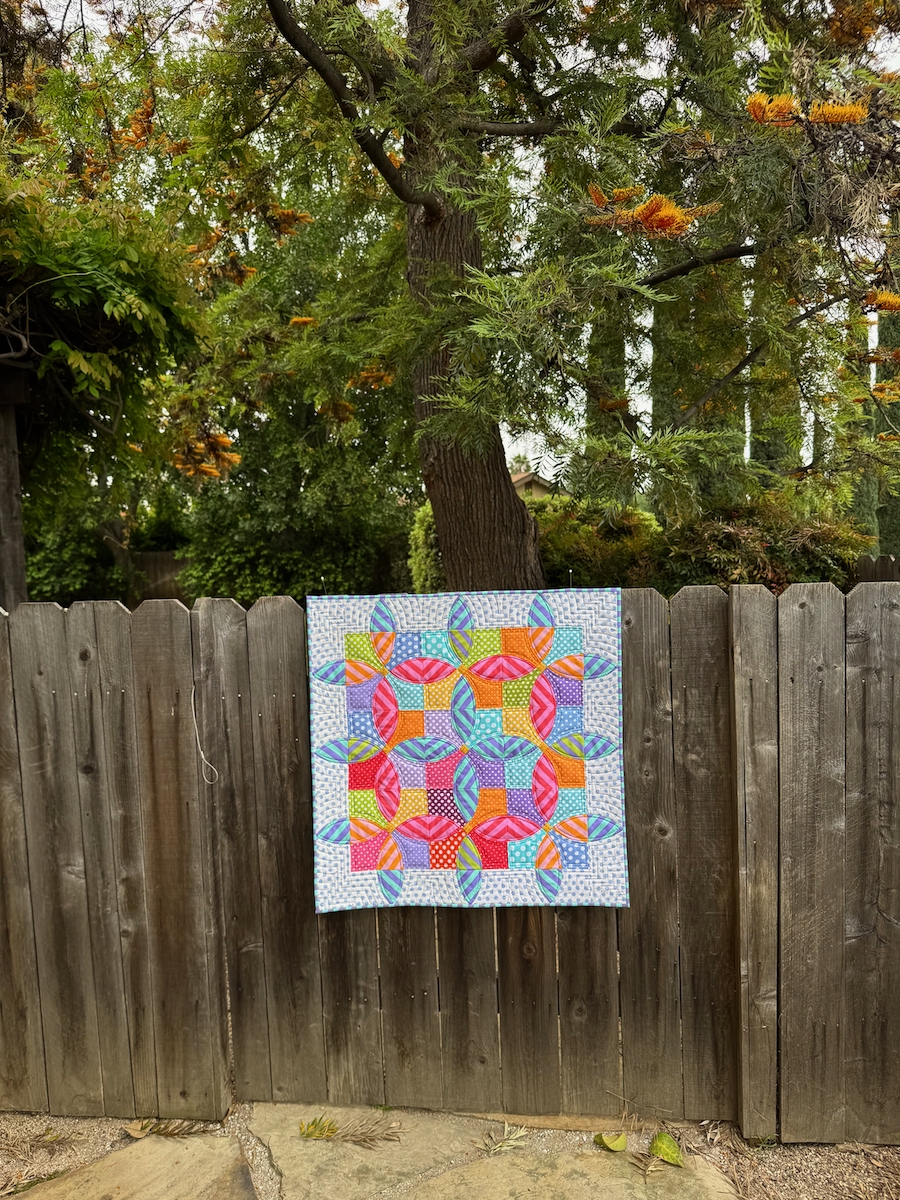
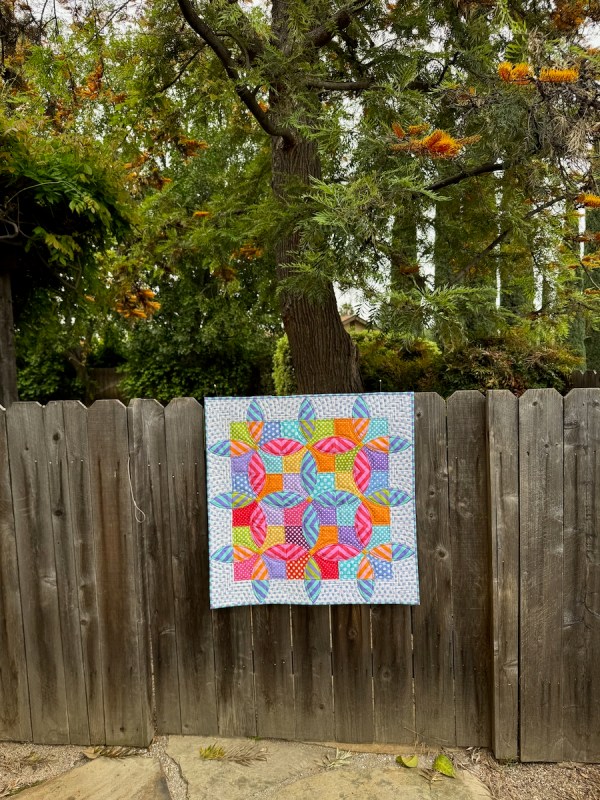
I took the finished quilt out into the garden for some photos this week.
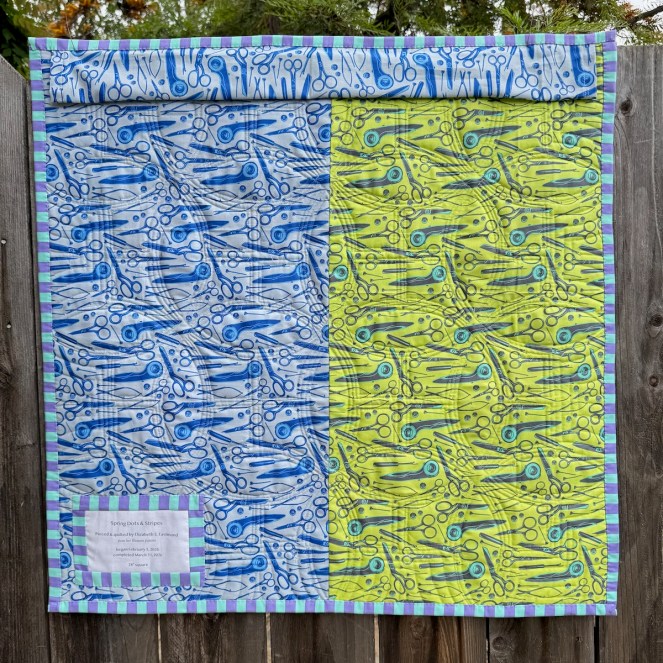
Side Note: I’ve decided there are two categories of fabric design that I don’t like on the front of my quilts: the first is sharp things, like anything on this fabric. The second is insects, so these often end up on the back. (Cute small bee prints are the exception.)
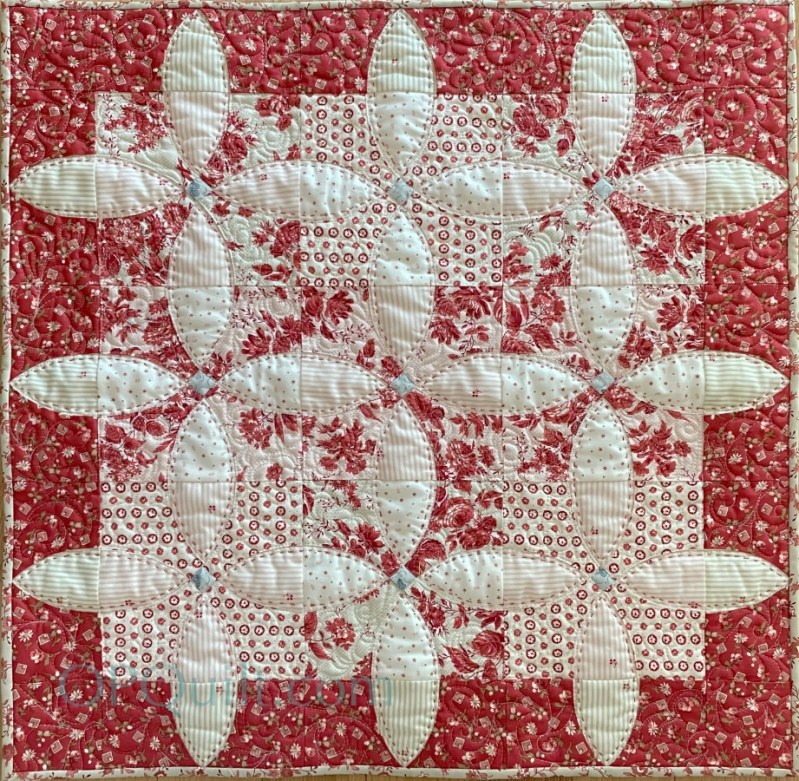
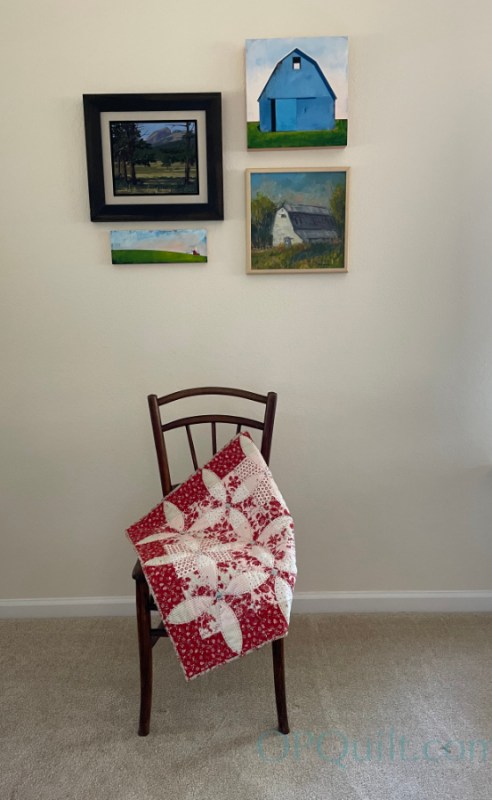
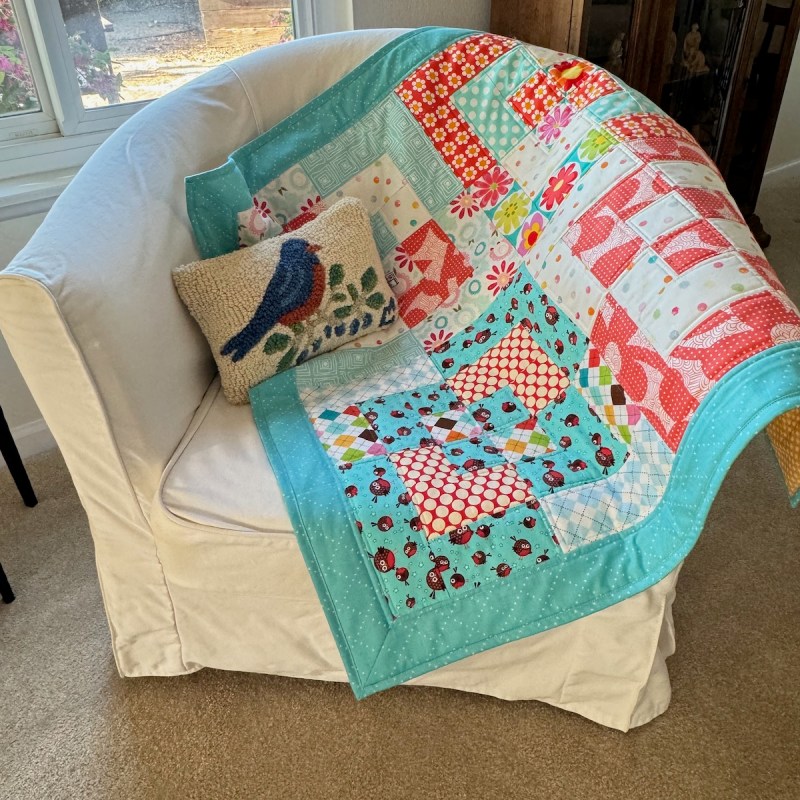
I needed a mini-quilt of just the right size to fit in a specific space (photo near the end), and it needed to be spring colors.
So when I turned to the Blossom pattern (which in turn has it beginnings in the traditional Flowering Snowball block), I didn’t have the right size. Because…
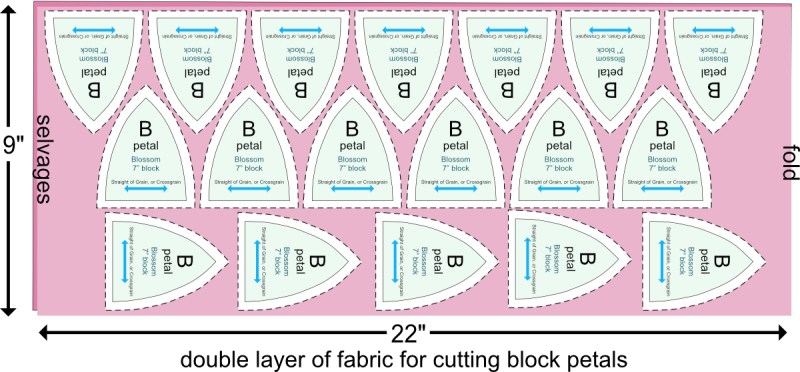
…last spring I discovered that over half of my computer files were corrupted. Not a virus. Just gone (it’s complicated). And 50 percent of those were my more recent pattern files. So many patterns that I’d written could never be updated. Unless…unless…I recreated all the missing, corrupted files to revise the pattern. Like this one:
So I have been busy re-drawing the files I lost, and while I was at it, adding a new size (7″ block), and re-writing the pattern. If you’ve purchased Blossom from me before, you can go to the email you received with the pattern and re-download it. And for those who haven’t made one of my patterns, and want to try it, I put it on sale for a few days if you want to grab it now in my pattern shop.
This a photo of another quilt, Aerial Beacon, that is stuck in re-write-land. I was about a month away from the release when I discovered the corrupt files. Talk about a way to stop the flow! I’ve slowly been re-creating this one, too. (Slowly is the operative word here, but it’s coming.)
Yes, I should have had it done by now, but this is what I call a “reverse flow” task. All those glowing ideals in the list in the beginning have their counterpart: discovering and ferreting out and crying inside over lost work and then redoing the lost work, I would say are just about the opposite of the bliss of being in the flow.
Since I was in the Blossom flow, I re-made the larger 12-inch block version as well, especially since I found that outer border fabric at Road to California this year. It’s in the needs-to-be-quilted stack.
Quilt #316 • 28″ square, shown in that space where I needed a quilt
I’ll let this paragraph from Mihaly Csikszentmihalyi’s book, flow The Psychology of Optimal Experience, close up this post:
In the course of my studies I tried to understand as exactly as possible how people felt when they most enjoyed themselves, and why. My first studies involved a few hundred “experts”—artists, athletes, musicians, chess masters, and surgeons—in other words, people who seemed to spend their time in precisely those activities they preferred. From their accounts of what it felt like to do what they were doing, I developed a theory of optimal experience based on the concept of flow—the state in which people are so involved in an activity that nothing else seems to matter; the experience itself is so enjoyable that people will do it even at great cost, for the sheer sake of doing it. (from here)
I wish you all a week of flow, of enjoyable quilting, and a most happy Easter–
Other posts about Blossom, the pattern and quilts:
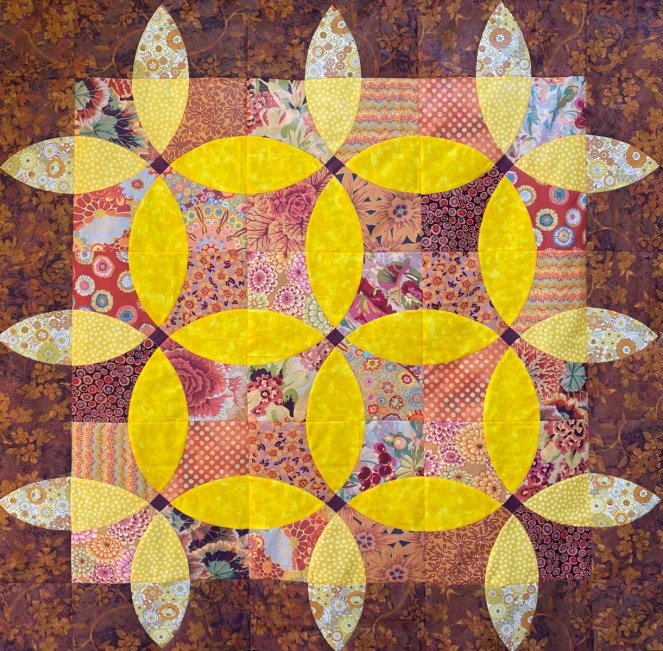
For a while I was a traveling quilter, teaching and visiting at Guilds in Southern California. During the covid shutdown, I taught several classes of this pattern, and the one above is Robin’s quilt — a study in the tones of autumn — a very successful one! You can read about her quilt here, and more, if interested.
Lastly, a post about how I moved from the simple traditional block to the larger quilt is found in this post.
I think Easter is a good time to sit in the garden.
We love to make landscape quilts. We love to make pictures of our pets, our people. We love to use traditional blocks as well as fly far away from our roots and use modern blocks.
But where has it gone? I came across Nic’s blog (from NZ) and they mentioned that so many blogs had shut down or stopped publishing. Recently I was updating my Reading Library (at the very bottom of this blog: just scroll, scroll, scroll and you’ll get there). I had to create a category called Sadly, in Hiatus. I keep their links because I know what treasures are in their blogs, and what great conversations are to be found, and interesting stories to be told, so feel free to stroll that (now, quieter) neighborhood, too. Yes, there are some Instagram pages in the Reading Library from friends who don’t maintain websites and blogs. If you know of a good quilty blog (maybe yours?) that should be there, leave me a comment at the end of this post.
I could mention something wonderful about every blog on my list, both those on hiatus and those that are active, so I don’t really want to single anyone out, but I will credit Flourishing Palms from Linda Hungerford as an inspiration for a quilt on my 2026 Want To do List:
And Yvonne’s Quilting Jetgirl has just tempted me with the SAHRR project, first seen on Janine’s blog, Rainbow Hare, last year. And I also have the Plaidish quilt, from Erica’s Kitchen Table Quilting on the list. I’ve signed up for a few of her QALs, but they always hit at a bad time, but this quilt is sort of her signature quilt. You had a link last week to Gladi’s blog, always with some mention of the seasons. Mary, of Zippy Quilts, always has great ideas of what to do with my orphan blocks…I could go on and on, but I’ll stop here.
I also keep a category called Mercantile, with some more commercial blogs on it. You’ll also find there are some clothing pattern sites and sources for fabrics, as my sister Susan got me more into sewing recently.
What Inspires When the Spark is Gone is a category of frequently updated links, that I read for inspiration when the doldrums hit, or the sew-jo is missing.
I’ve also asked for recommendations of blogs, and a reader sent forward a vote for Debbie’s A Quilter’s Table, which I’ve read for years, too. We used to be in a couple of bees together, and in strolling through Debbie’s blog, I found this:
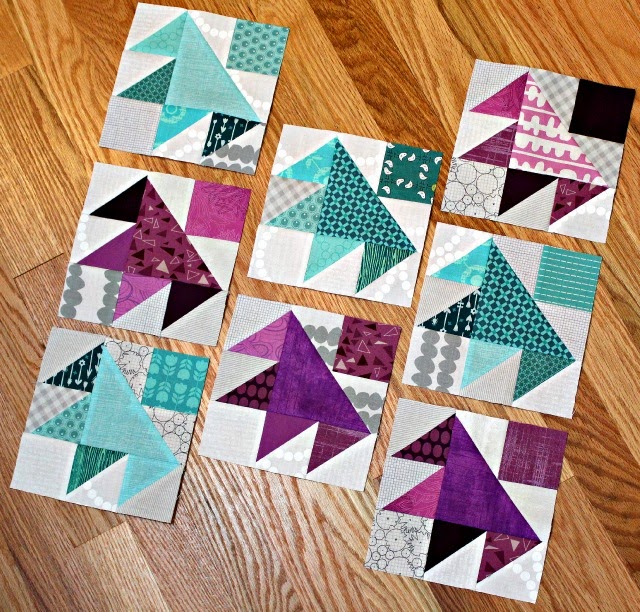
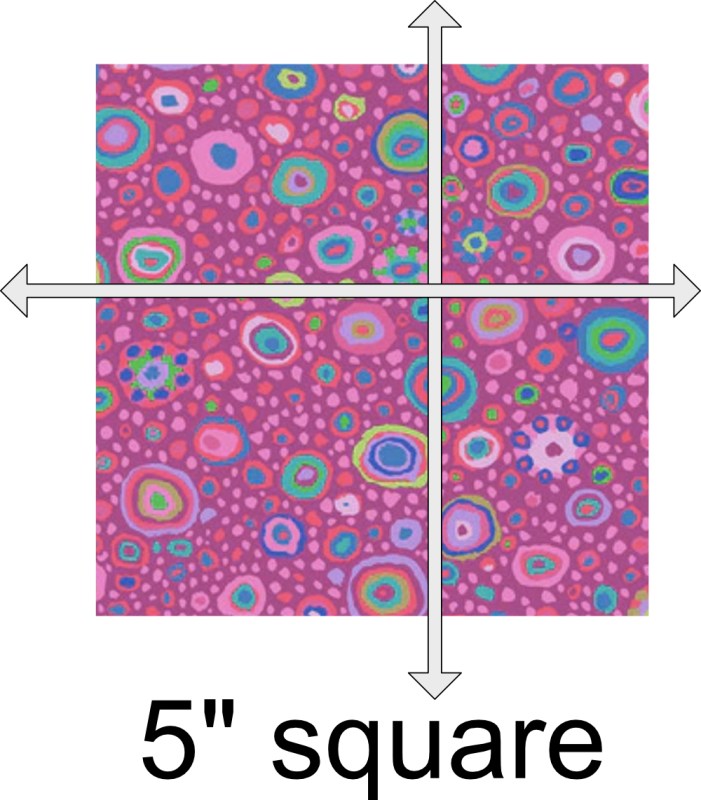
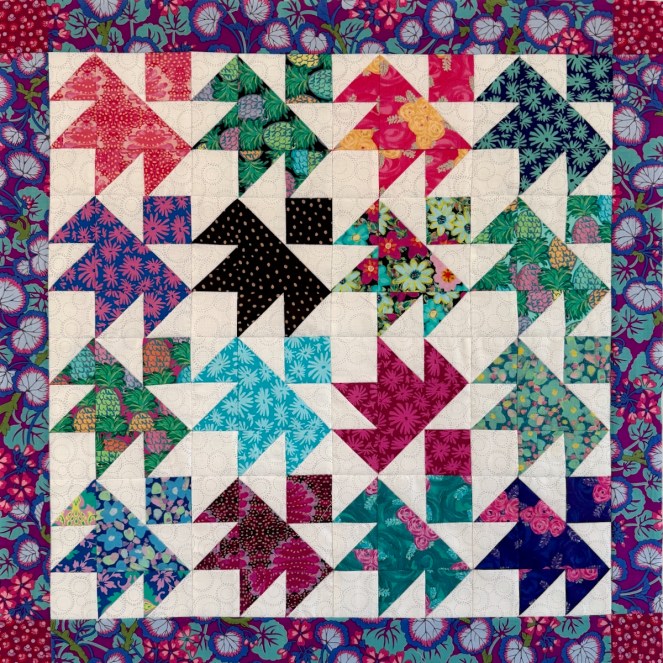
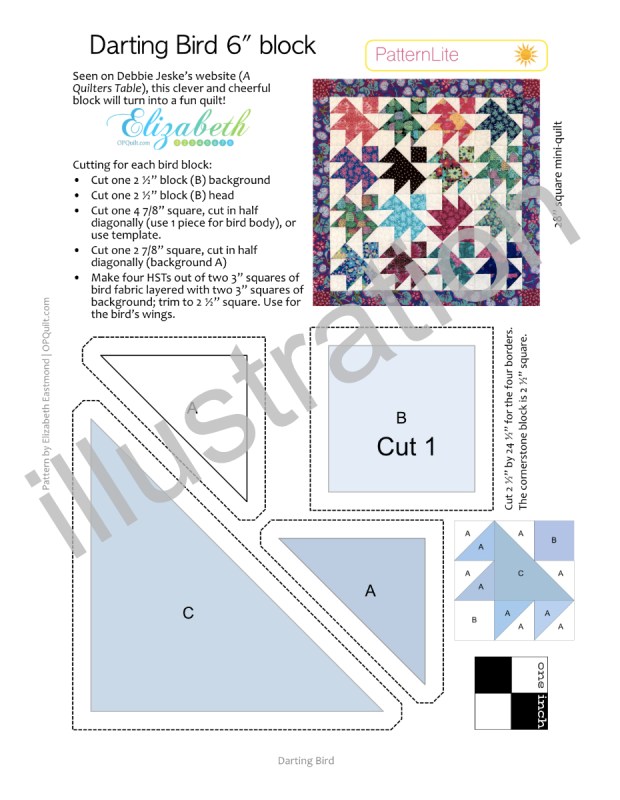
And good news, all these little birds all came from one Charm Pack (5″squares). Here’s some cutting tips:
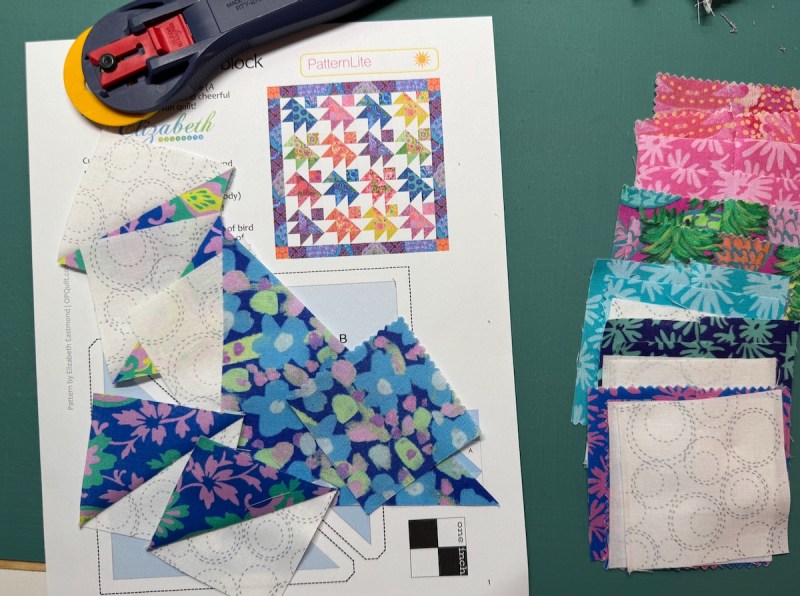
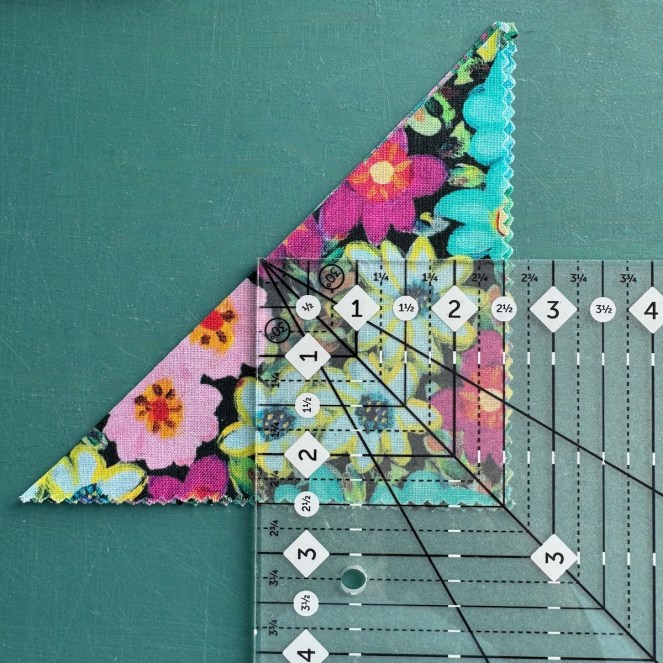
From the charm pack, choose 16 prints you like, and then find their duplicates. Divide them into two equal piles. From the first pile, cut the block in half diagonally, making two triangles. Put one set aside, and from the other, cut the birds’ heads, as shown. You can discard the triangles on the side, or save them for another use. Now pick up the pile with the matching fabrics.
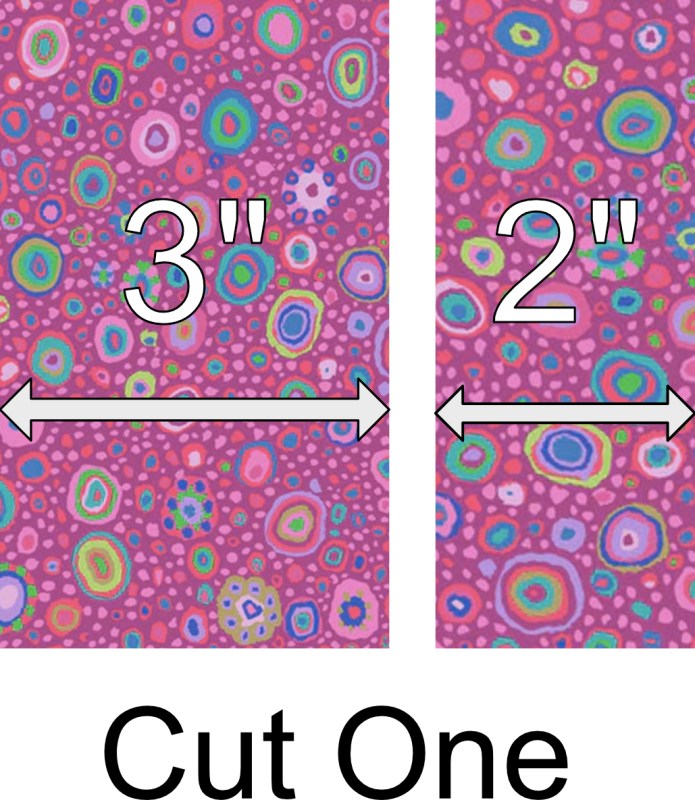
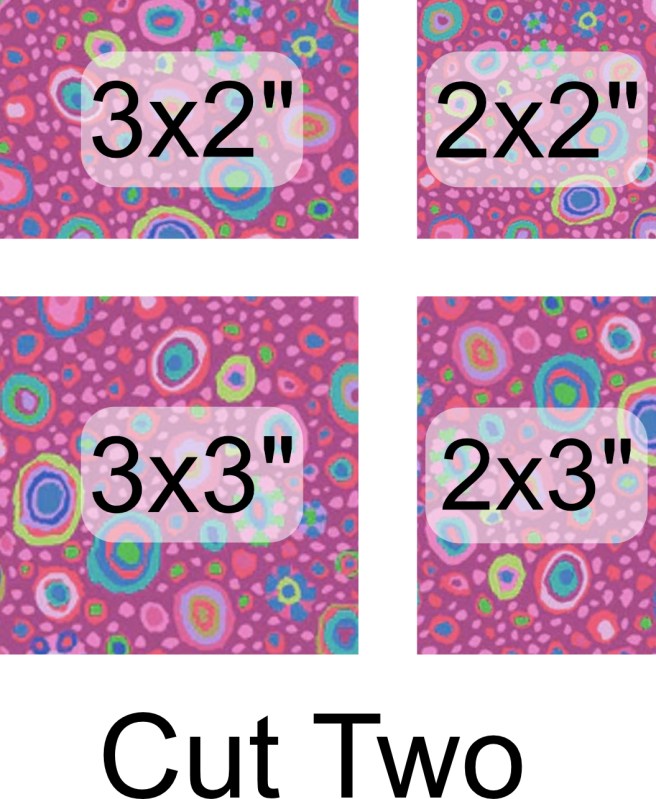
You’ll make two cuts in through each five-inch square. Make the first cut but don’t move them. Then make the second cut, so you’ll have four bits. Keep the 3″x3″ block. Discard the 2′ x 2″ block, or save for your scrap box.
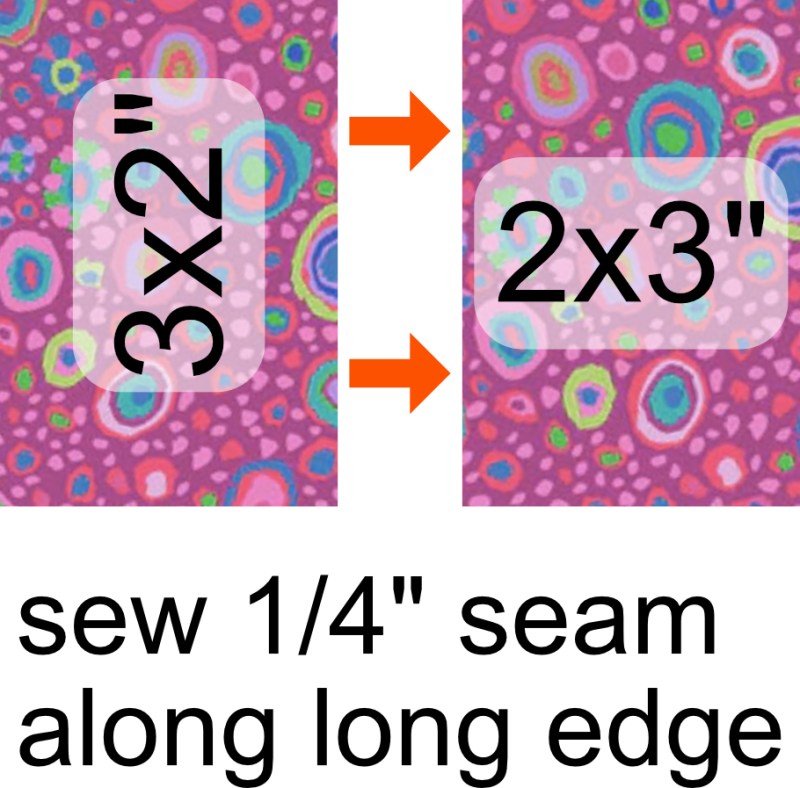
Then sew along the long edge of the 2″ x 3″ blocks to make a larger patch; trim to 3″ square. Or, just do what I do:
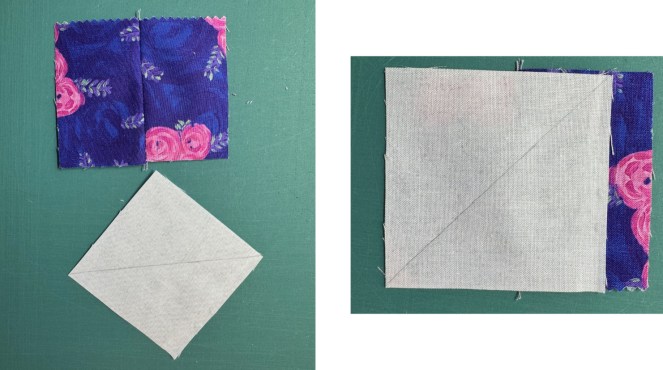
Draw a line diagonally across one of your background squares. Plop it on top of the extended square. Stitch on either side of the line, 1/4″ away from the line, then trim off the edge, and cut on the line. Standard HST-procedure except for that blob on the right. Then press to the dark side, then trim to 2 1/2″ square. You’ll need four of these per bird.
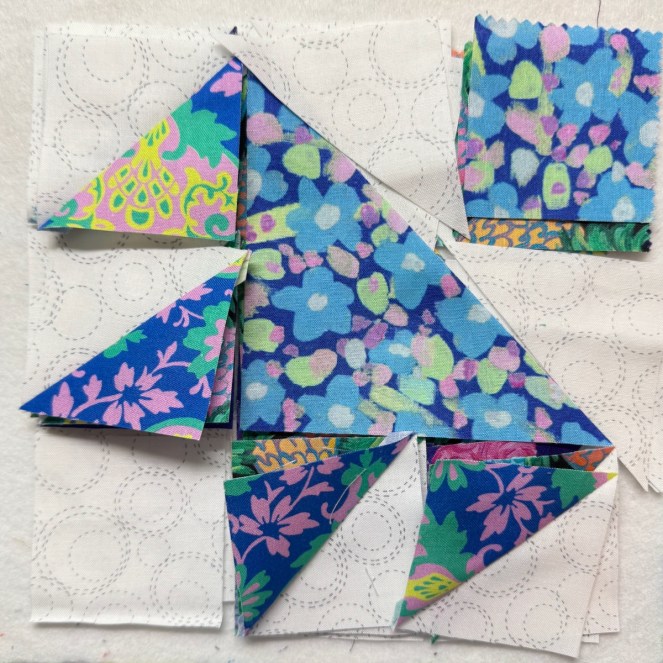
I’ve stacked up a few pieces before I start batch-sewing.
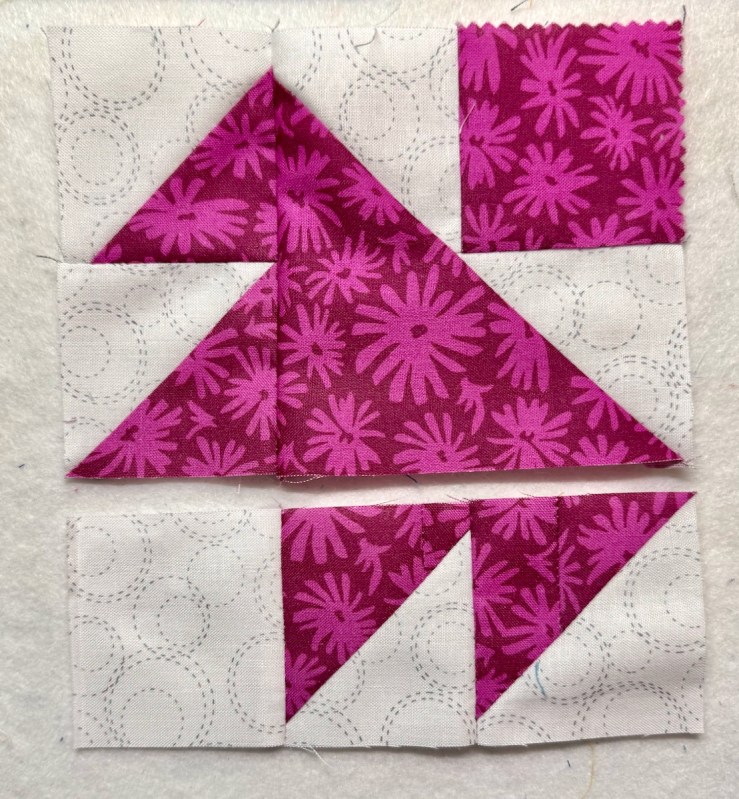
Sew the triangles on either side of the head, then sew to the body. Press, then trim to 4 1/2″ square.
Sew two HSTs together, then two more. Sew the first set to the body. Sew the second set to the white square in the lower left. Stitch everything together. (See photos, above.)
Two Reminders: • Trim the body/head square to 4 1/2″ and then, after assembling, • trim the whole block to 6 1/2″, please.
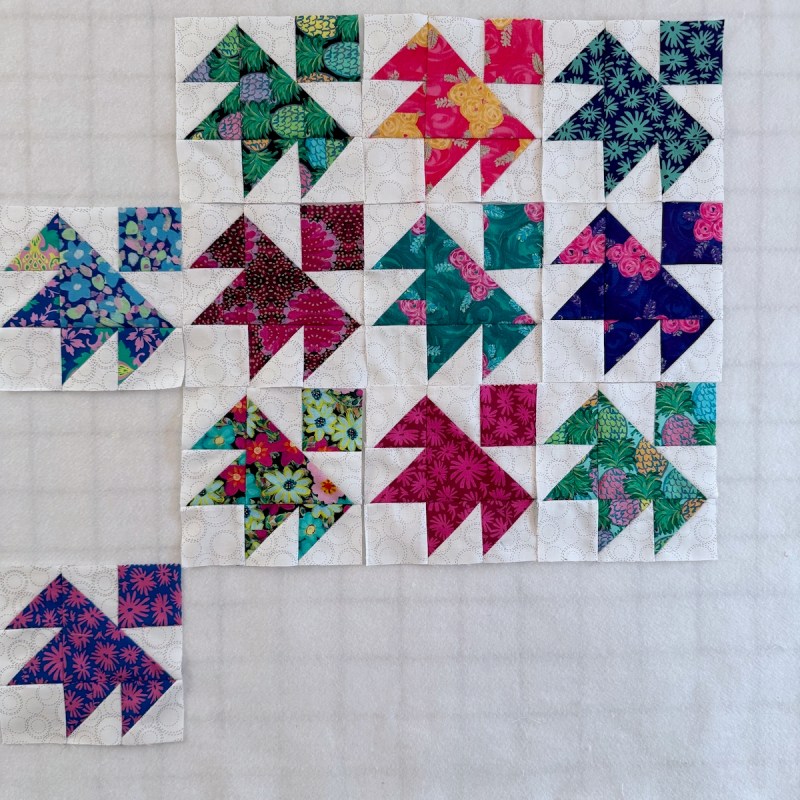
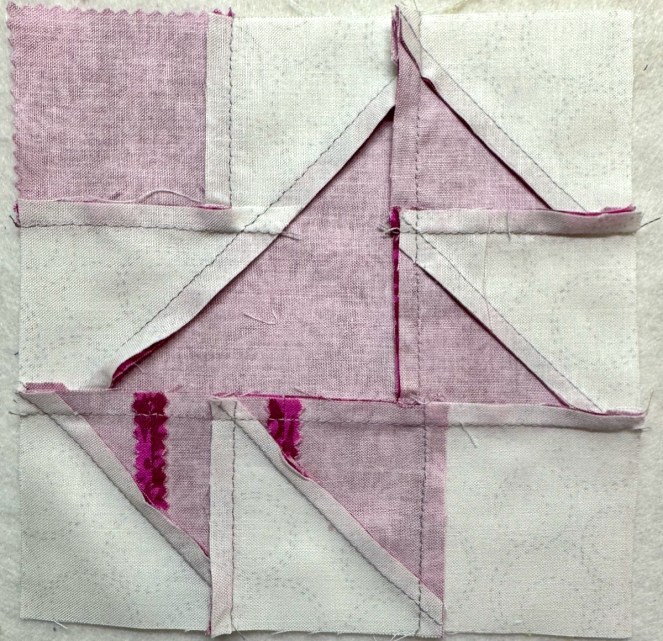
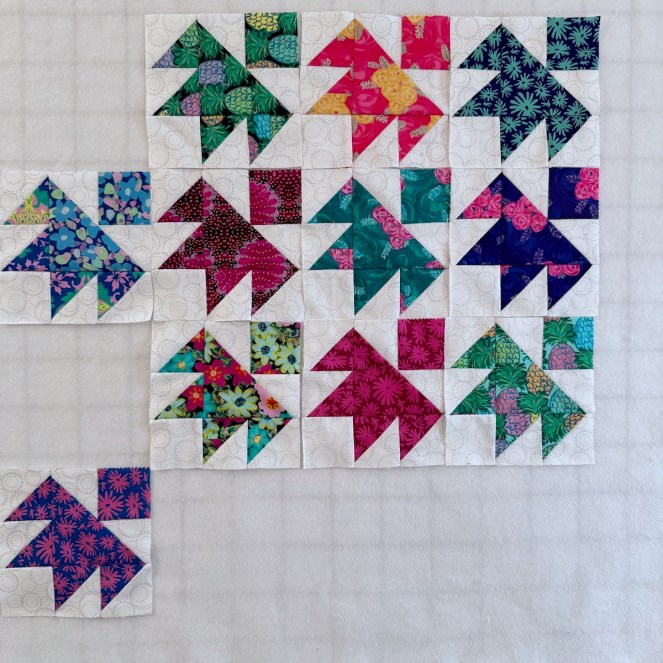
This is what it looks like from the back. On most of them I put one seamed HST in each wing-set, but here I have them both on one side. Now take your sixteen blocks and have fun arranging them.
Working Title: His Eye is on the Sparrow. It’s 24″ square, with two-inch borders and cornerstones. I’d been thinking about someone I know who has been having a rough go. I mean, we all take turns at that wheel, but now it was their turn. I had tried turning the darkest bird, but it was too much and too obvious. The pink sparrow, the one we all don’t notice all the time and who is quite possibly having the toughest time, is the one we need to keep our eye on.
I was able to cut and sew this thing in no time flat. I have a huge project I’m about to tackle and maybe I just needed a little something to get my sewing warmed up? I had fun making it, and hope you enjoy it.
I’ve read some take a Slow January, but this month we threw away the 50-year old workbench in the garage, and bought one of those fancy new rolling ones. We’ve cleared out lots of junk, and my car is loaded for a trip to the hazardous waste facility–who knew what we could accumulate in paint and pesticides over all this time! Happily, we found a new Fixit Guy, and he’s helping us with replacing switches and light fixtures, drywalling and painting. I think it will all be done by the 31st.
But this coming week is Road to California! Even though it is a national quilt show, it’s also our “local” quilt show — only 35 minutes from my house on a good LA freeway day. I’ll be going up several times to see the quilts, find out what the vendors brought, hang out with friends, and then it will all be over for another year. So, no. January is never slow around here, but we do hibernate in the dead of summer. At that point, I’ll be inside with with the A/C on (set to a responsible temperature) and sewing away. But for us Southern Californians, we play our January away!
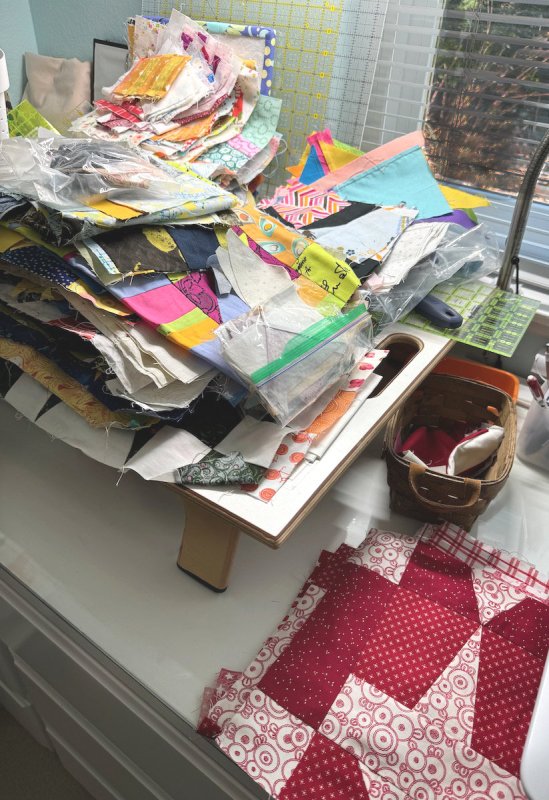
What is this mess? My exploded Orphan Quilt Box. I’ve been putting things in here for nearly two decades (the little airplane blocks are for my grandson’s baby quilt, and he just went off to college), and it was time to excavate and see what to toss and what to keep.
I pretty much threw out all blocks with red fabric. I love reds, but that color of fabric went through a hard time for a while, bleeding every time it was used. I started to test the blocks one-by-one, but then just tossed them all. What’s that old song say? Know when to hold ’em and know when to throw ’em away. Yep.
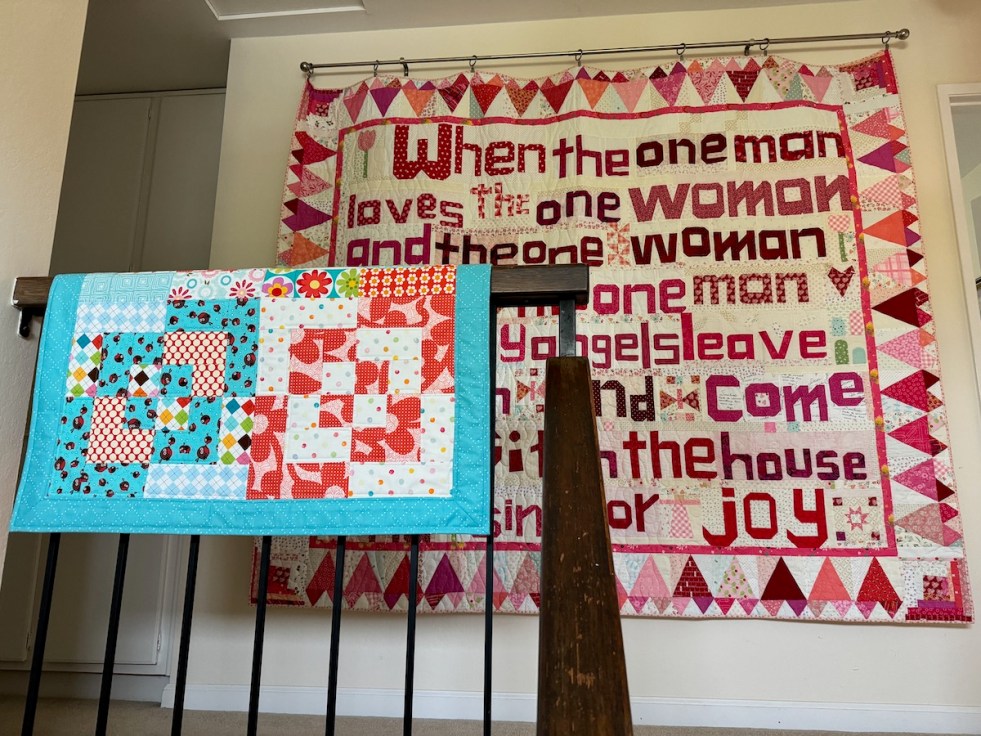
I found several blocks that were orphans of a different quilt. Baby Hurren is getting a little sibling, and we don’t know yet whether it’s a boy or a girl, so I tried to make a jolly quilt that could go either way for his mother. (I need to change out the February quilt behind it.) Here’s a wee pattern for it on my pattern shop–for a tiny price!
A simple outlining of the blocks did the trick. It was a fun project to sew while we feel like we are watching our world collapse. (Baby Hurren’s mom is Canadian, and I feel like I need to apologize all the time.) The last time I felt this chaotic was when I had three teenagers living at home.
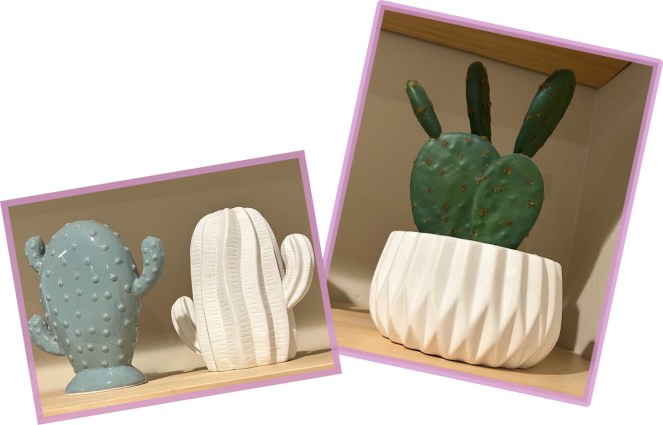
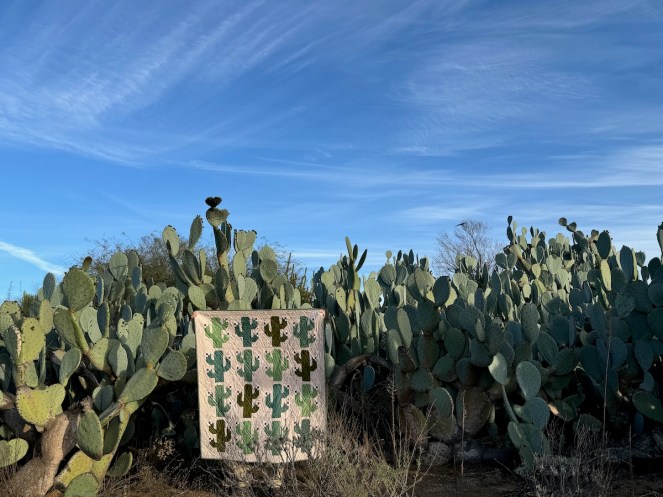
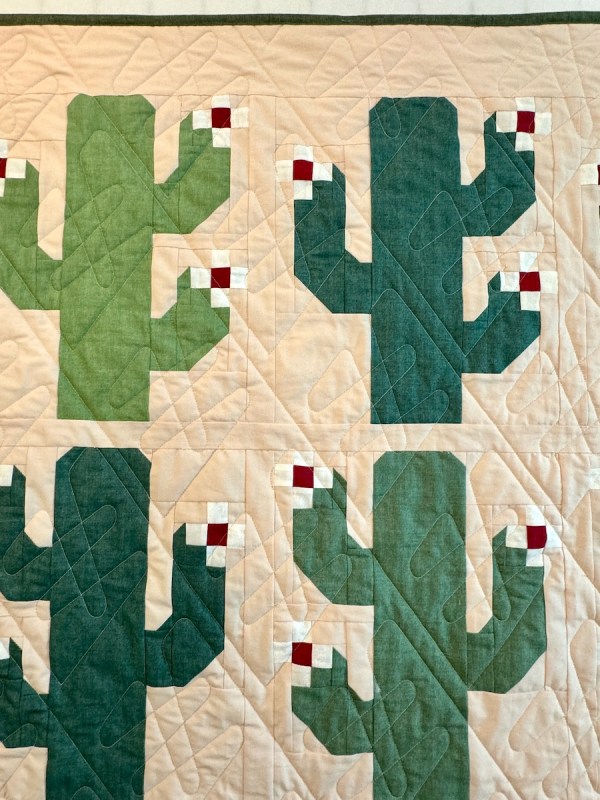
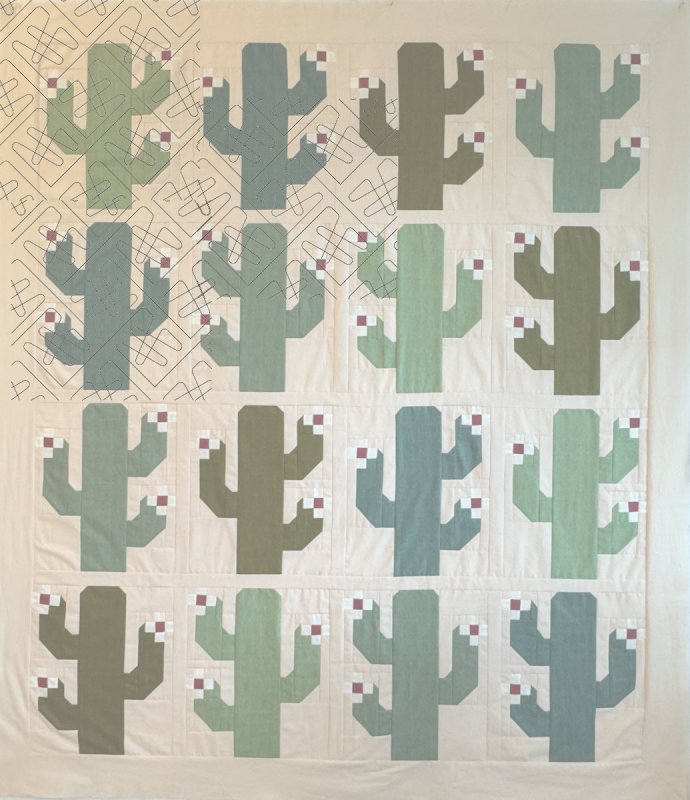
Now to switch gears: when we stayed in my daughter’s home last time, in our room were these cute cactus pots. In fact there were several of them. So yes, that cactus quilt you’ve seen being made is to hang out in this room, which has huge shelves on one side, filled with pillows and blankets and quilts, as the teen uses the room to watch movies with her friends, and to hang out (it also has a small kitchenette, complete with microwave and fridge — Teen Haven!). I thought this next quilt could join them all:
She’s received it now, so I can post about it.
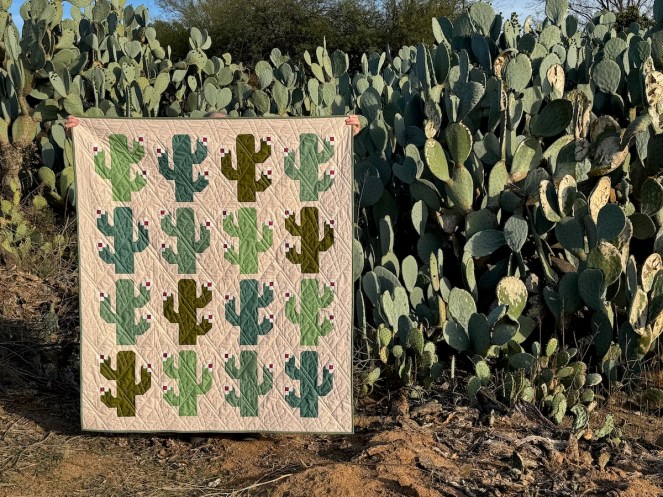
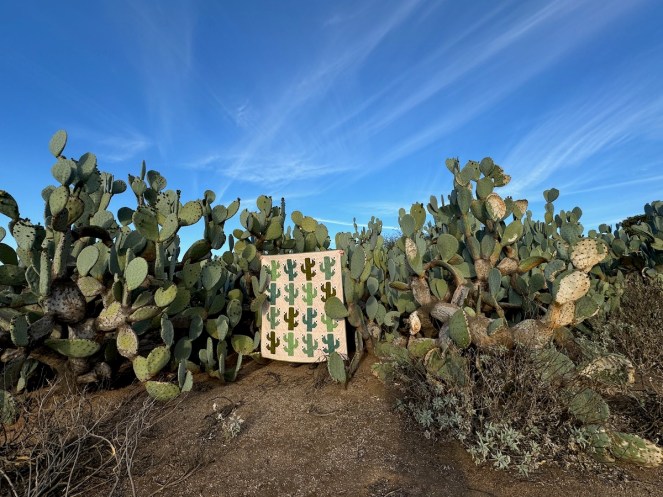
We took Kingman Cacti out to a neighboring street where the cacti were in wild profusion.
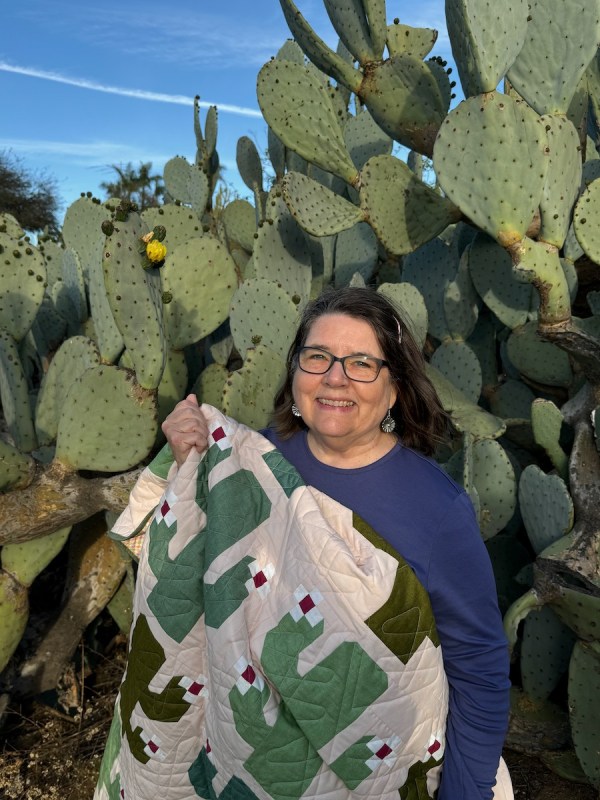
It was a dance…close enough to get the quilt with the cactus forest, yet far enough so as not to get stuck. And to get a photo with an almost-in-bloom yellow cactus flower (in the upper left).
Thanks, always, to my Quilt-Holding Husband, Dave. He suggested the location and it was perfect.
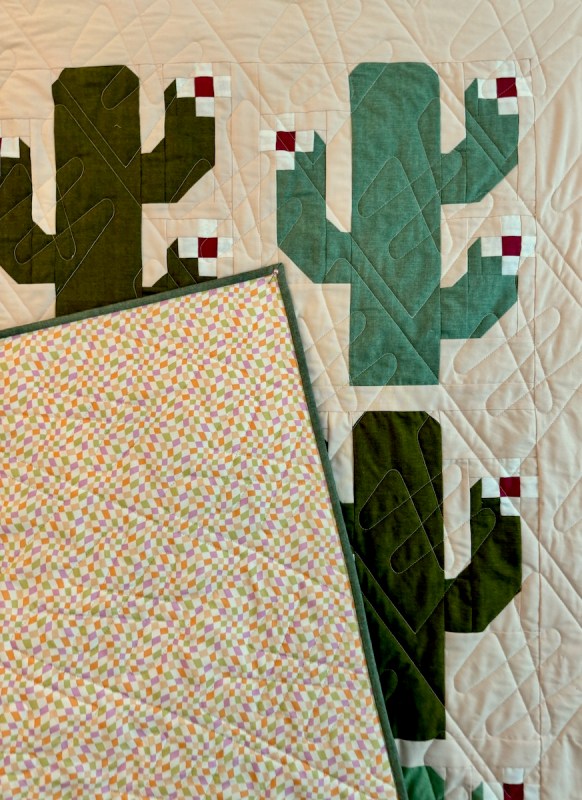
I tried a new-to-me edge-to-edge pattern: Edgy from Intelligent Quilter. I like how it almost looks sharp-edged and then it doesn’t. I make a diagram so my quilter knows my preference on size:
I have two or three long-armers I’ve used over time, and Nancy is new; we are still getting used to each other’s vibe. She really rocked this one — I’m so happy how it turned out.
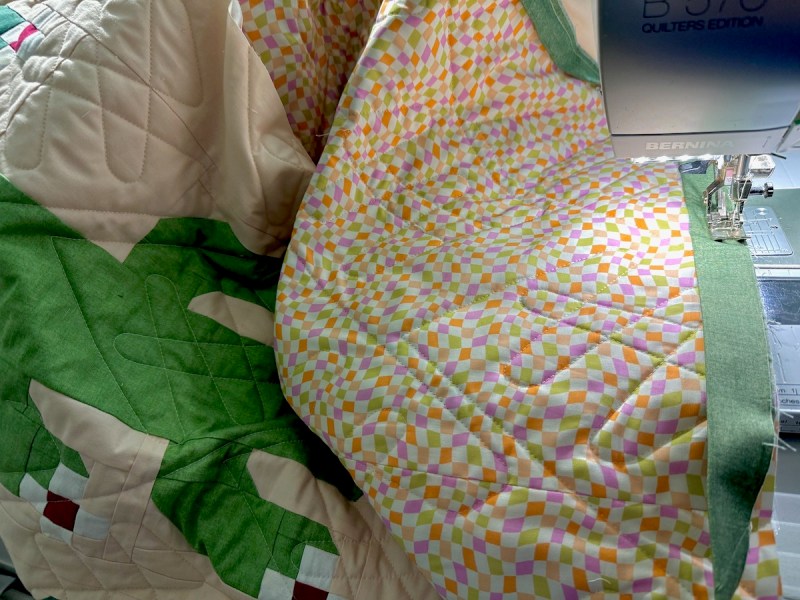
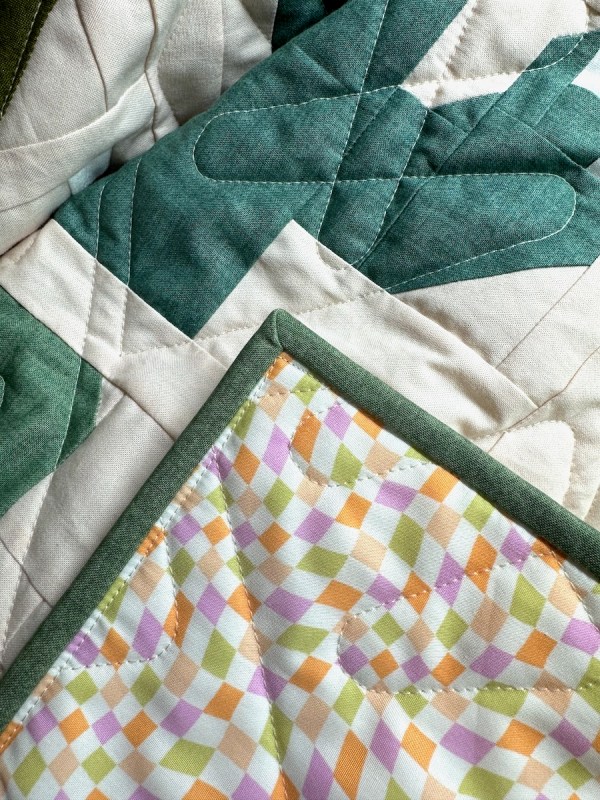
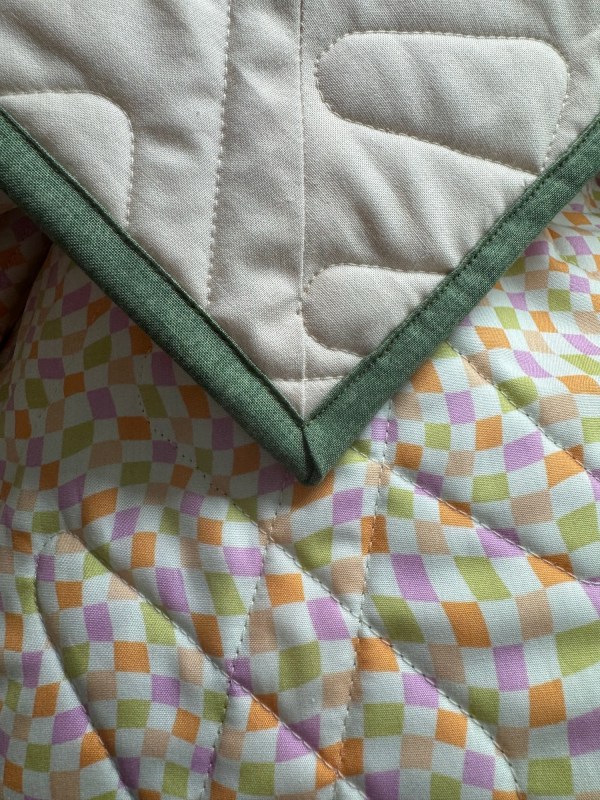
My friend Lisa is teaching me how to do binding by machine (shown here being attached to the back). I’ve started using it on quilts I think will get a lot of abuse/use as I’m hoping it will make them nice and sturdy. I think I’m getting the hang of it.
The cactus quilt in process–so many tiny pieces! And the quilt “packages” all wrapped up in selvages, with the edges to go at the top all marked with a removable and reusable tag. Yes, that’s my selvage quilt on the left, and the next post will feature that one, and that’s all I’ll say about that. Baby Hurren is Quilt #303 and Kingman Cacti is Quilt #304. I’m not trying to hit a goal or anything. Writing them down on my Quilt Index is more about keeping track.
And since this will publish the weekend of March 9th, Happy Daylight Savings Time Day, haha. I’m a morning person, and the thought of being dragged back to dark mornings is not a fun one. The sun will do what it does, and I’ll get up when I want — the blessings of not having to awaken to an alarm.
A reminder: turn your clocks forward on Saturday when you go to bed–


















 OccasionalPiece--Quilt!