300 and Beyond · PatternLite · Patterns by Elizabeth of OPQuilt · Quilt Finish · Quilt Patterns · Quilts

Pursuit of Craft with Spring Dots & Stripes • Quilt Finish

One of the challenges in our modern life is to deal with disruptions, distractions, and never letting us have a minute without someone telling us the five steps to a better life, to better breathing, to being a better whatever. Or as tech, culture and political writer Derek Thompson observed on his podcast Plain English, these voices tell you “everything is figureoutable. And if I just listen to these five steps, I can figure out all my life’s problems” (from here).

But for me, I escape to quilting to not figure everything out. I mean, yes, sometimes just cranking out on a pattern and whipping up a quilt is a good time and I like that as much as anyone. But hopefully, as Thompson noted, “you can have intimacy with a craft.” The challenge “is if we are constantly being distracted or interrupted, it’s hard to find that intimacy. It’s hard to get into the slipstream or the pocket of a creative project” (same source as above).

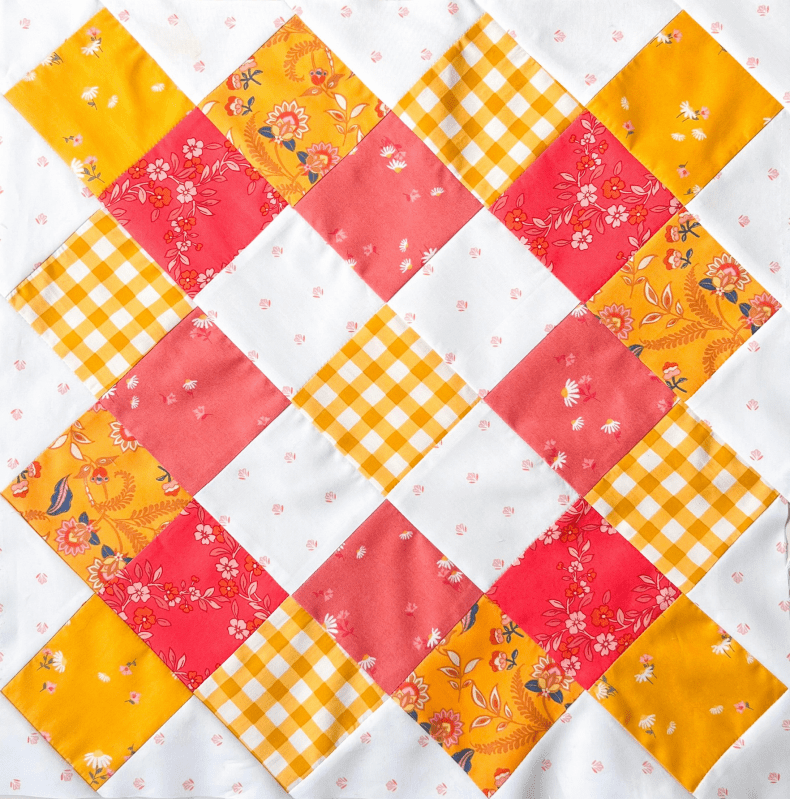
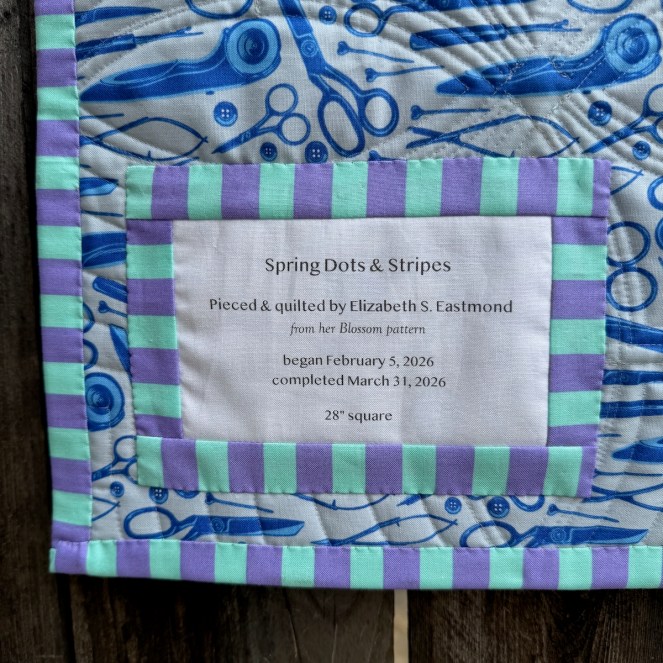
I like my pursuit of my craft. Of taking a well-known-to-me pattern like my Blossom, and seeing what I can do with it that sends me into discovery, of finding a new way to see what I’ve seen before. Because, really, haven’t we all seen it all before: make a cut, stitch a seam, sew it together, quilt it, and don’t forget the label?

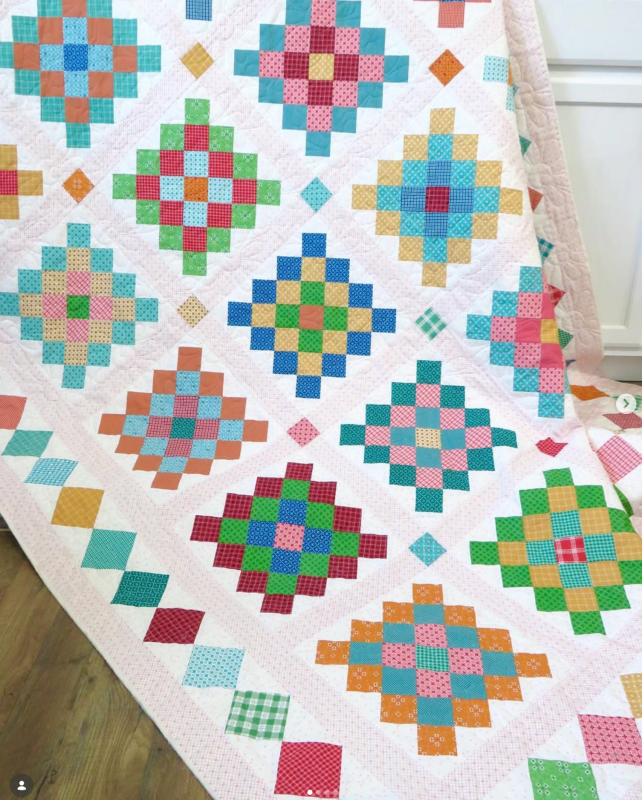
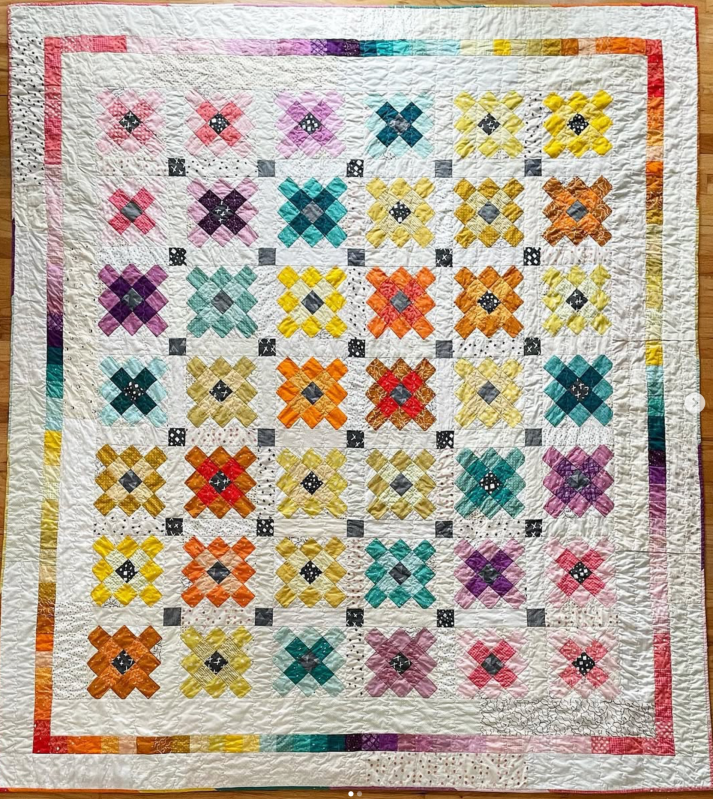
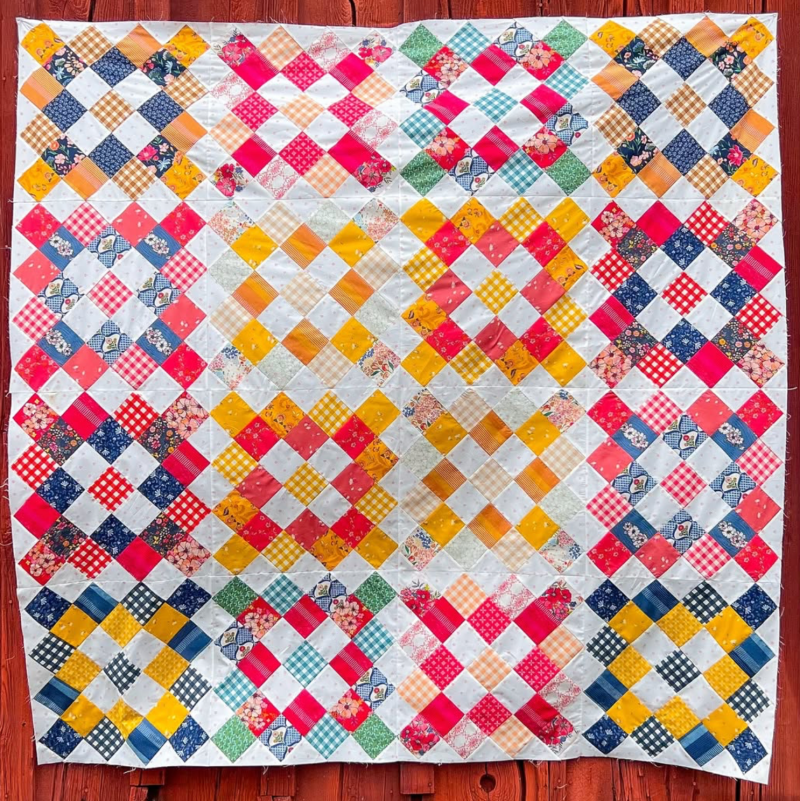
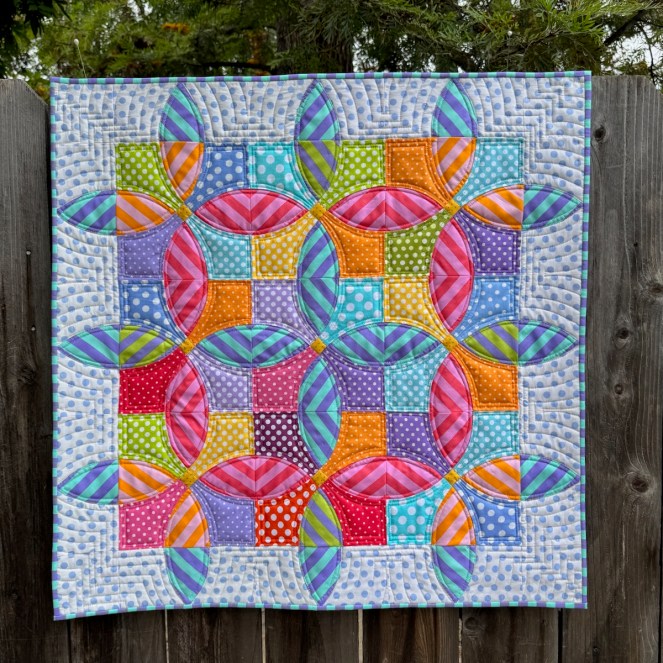
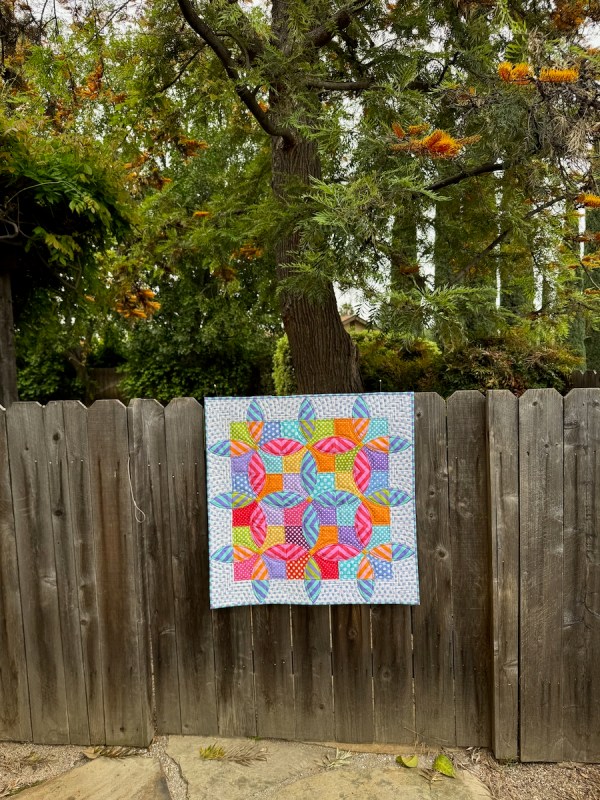
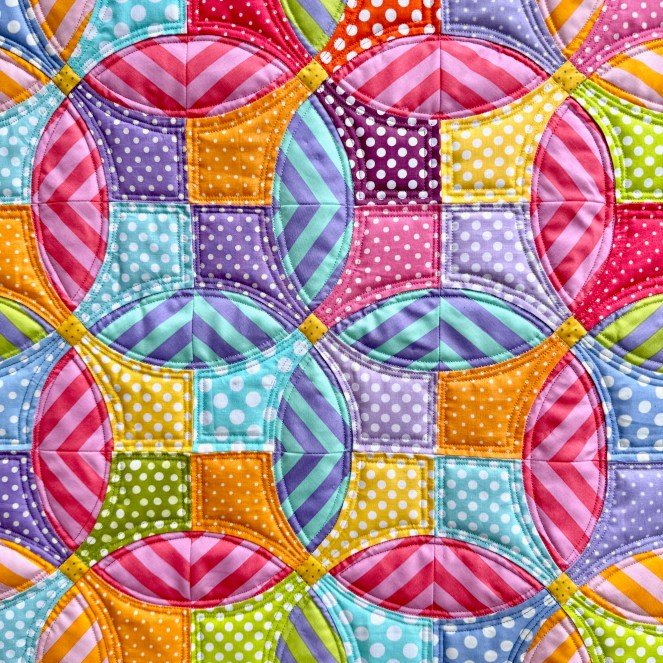
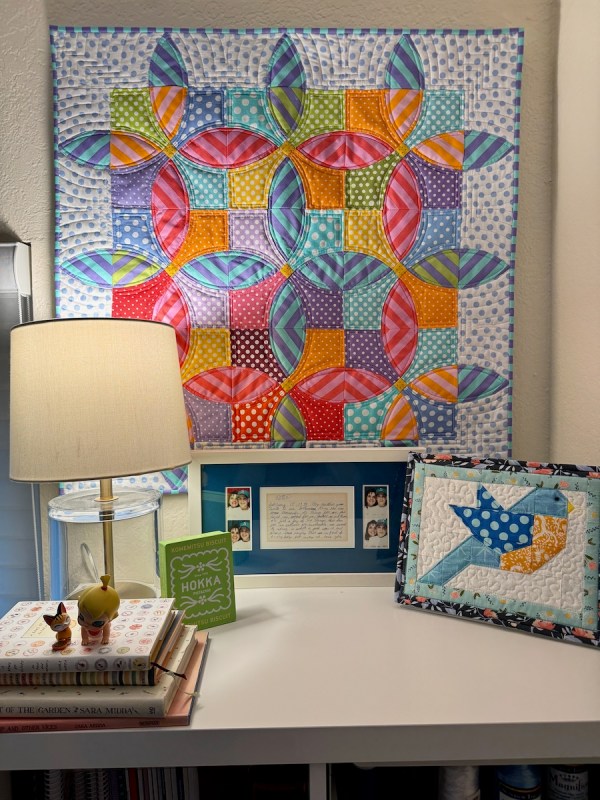
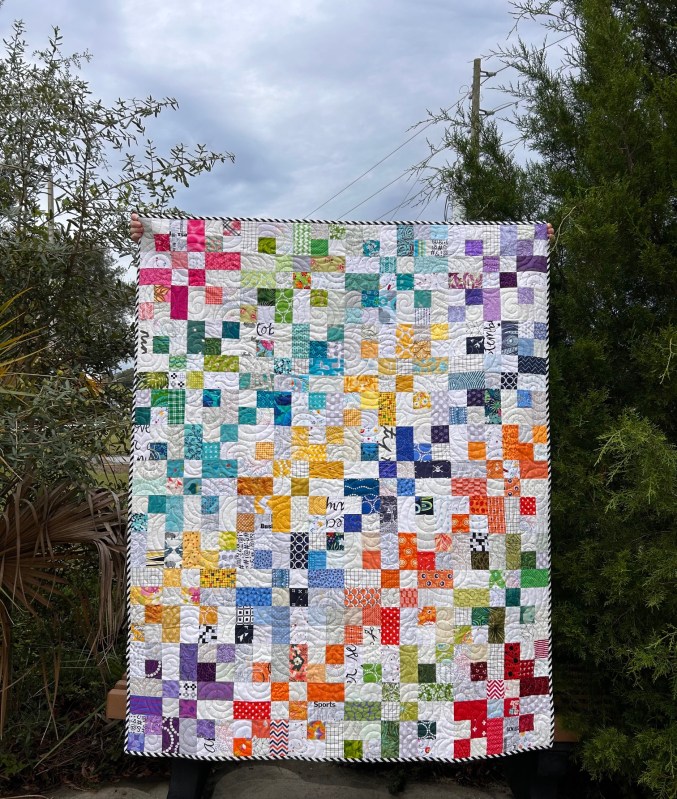
For this quilt (Spring Dots & Stripes), I chose to work with just two elements:
• dots and stripes (had to be white dots on bright colors),
• Tula’s Tent Stripes (in only four colorways).

It was this challenge that coaxed me into flow.

What is flow? The Czech psychologist Mihaly Csikszentmihalyi coined the word “flow” to refer to the psychological state of optimal performance.

“He recalled in an interview how he would watch painters in their studios and how he was fascinated by their ability to forget everything while working. He was also surprised by what happened when they were done: They’d finish a work of art, and instead of enjoying it…they would put it against the wall and start a new painting. They weren’t really interested in the finished painting. What these artists were after, Csikszentmihalyi realized, wasn’t the finished work itself but the experience of full immersion and absorption in the act of creation” (from here).

To understand it better, I watched several videos online, and liked the one from John Spencer, titled “What is Flow Theory?” He highlighted it like this (click arrows to advance):

Since no matter what I tried, the slides kept getting out of order, the basics are:

  1. The task has to be intrinsically rewarding;
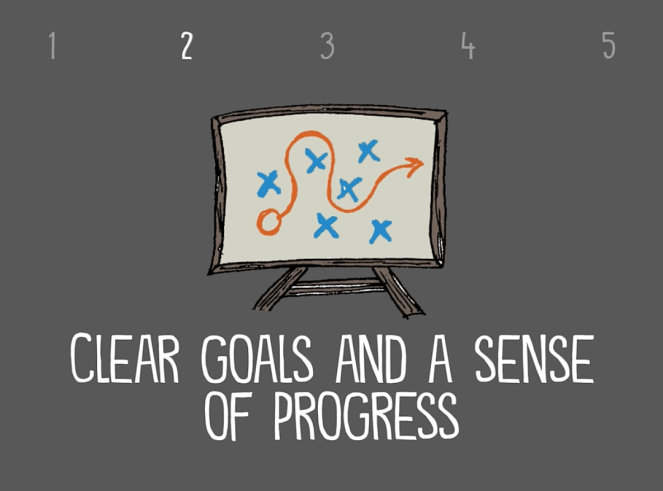
  2. The task has to have clear goals and a sense of progress;
  3. Clear and immediate feedback is critical;
  4. It’s a balance between the challenge of the task and the set of skills needed to complete it; and
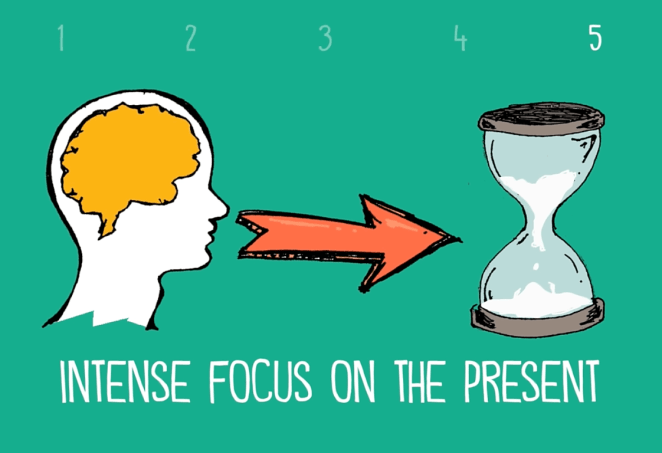
  5. The person in the flow state has an intense focus on the present.

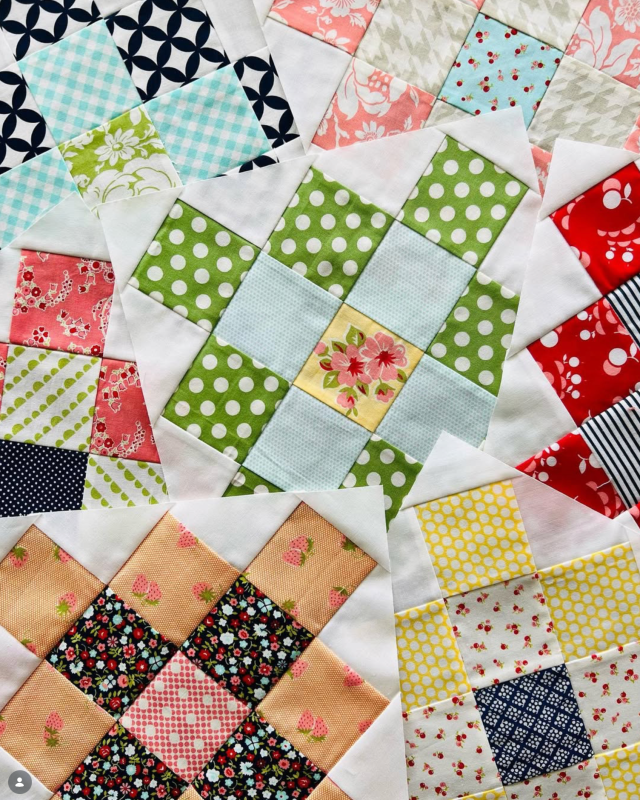
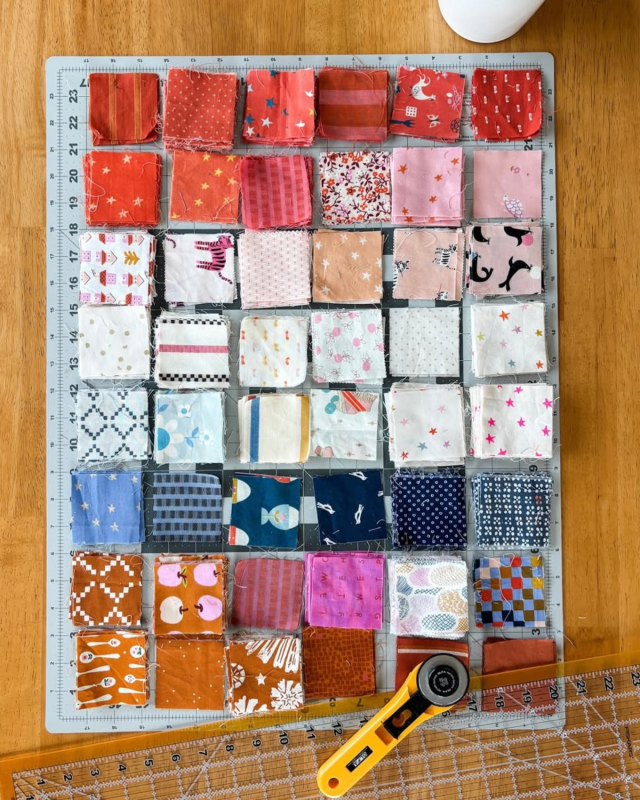
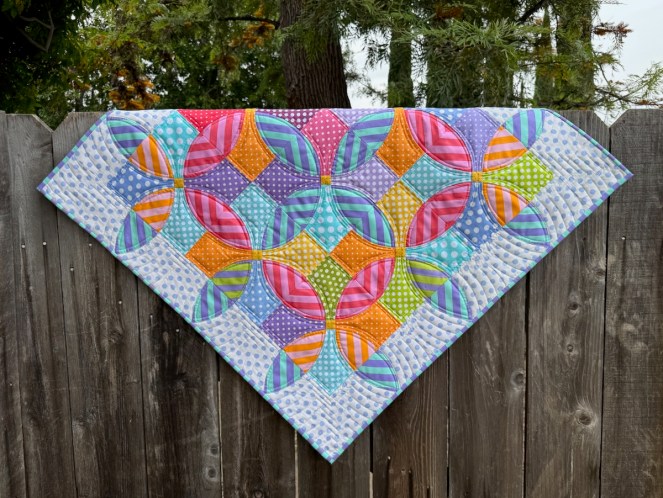
I cut out pieces in certain colors — the ones I thought I would want — and started putting them up on the design wall. And then in an a-ha! moment, I could see that I could group them differently to create a pattern of interest. Maybe that came from trial and error, maybe it came from being in the flow? I was able to discover a different way as I grouped the petals into colors, cutting and discarding and pinning up and sewing, as I ignored all that was going on around me.

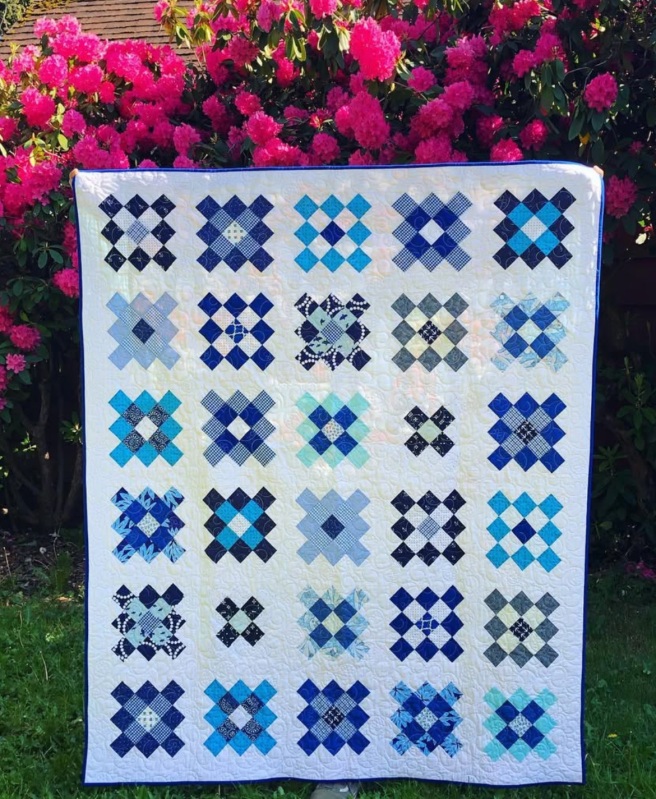
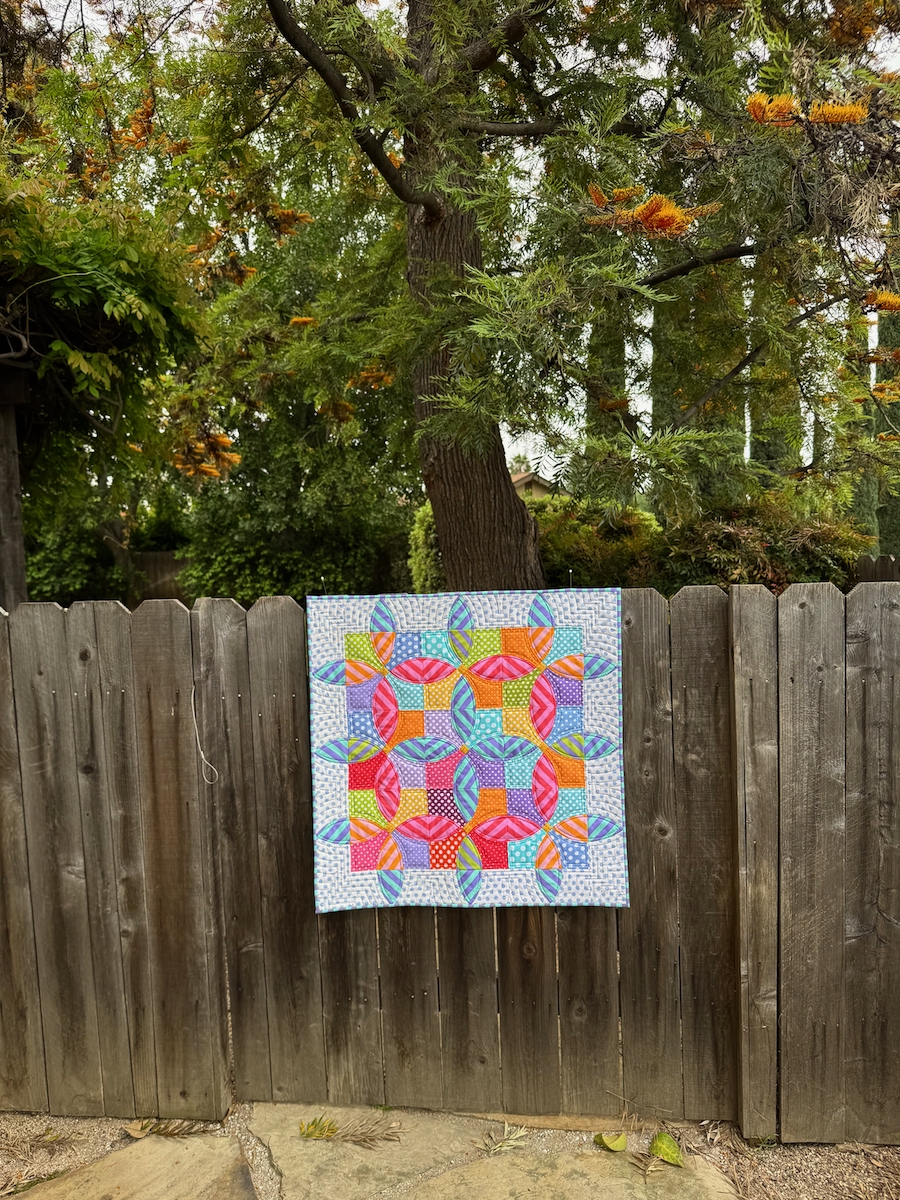
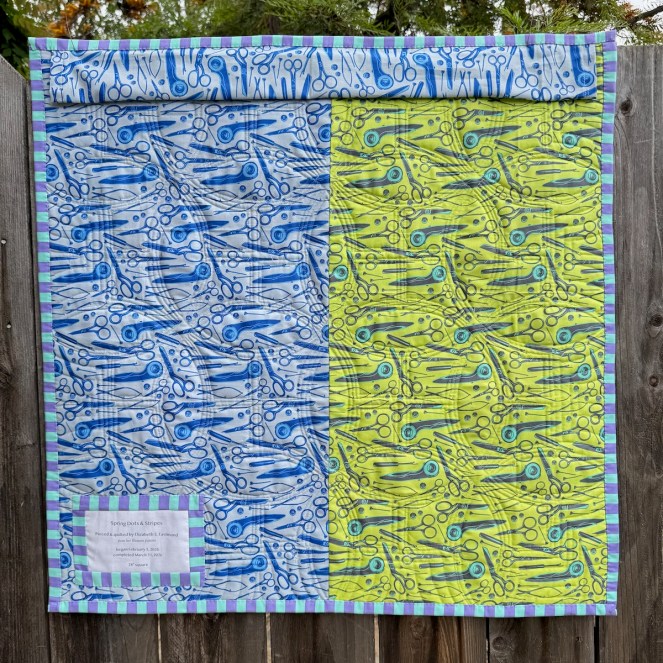
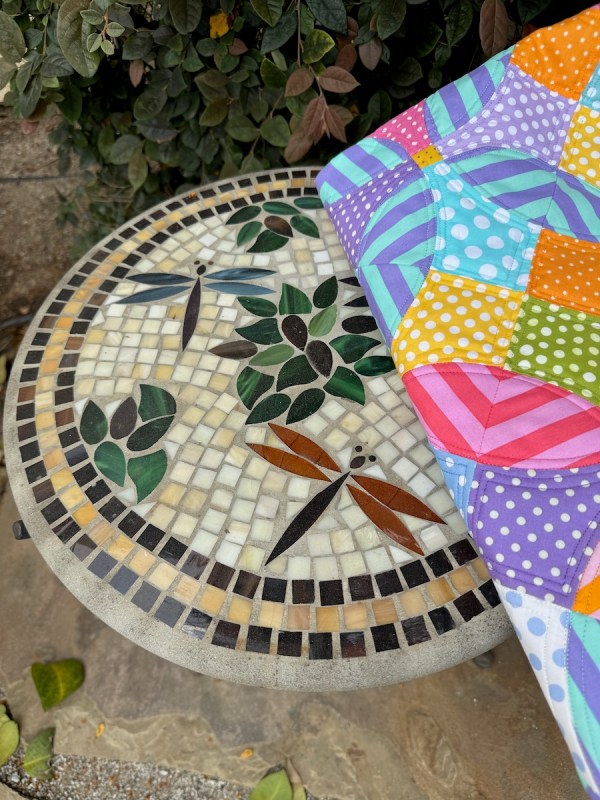
I took the finished quilt out into the garden for some photos this week.

Side Note: I’ve decided there are two categories of fabric design that I don’t like on the front of my quilts: the first is sharp things, like anything on this fabric. The second is insects, so these often end up on the back. (Cute small bee prints are the exception.)

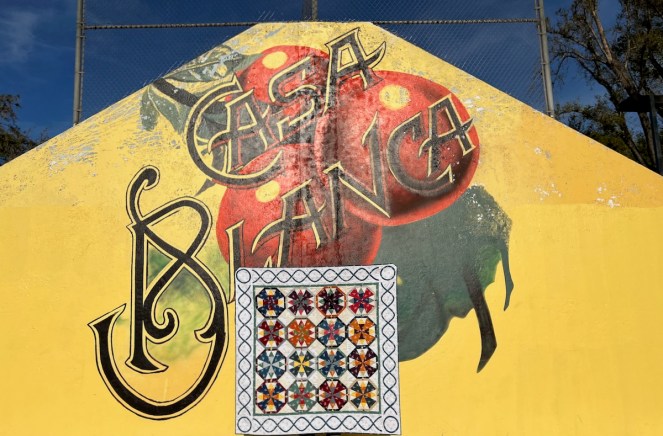
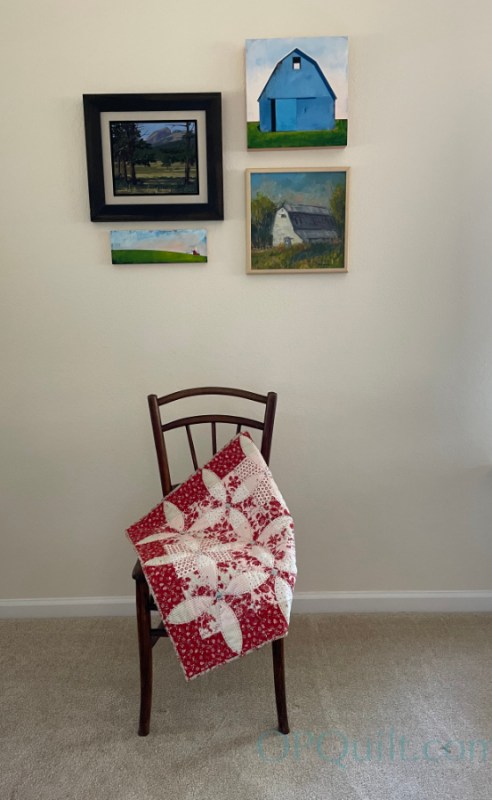
I needed a mini-quilt of just the right size to fit in a specific space (photo near the end), and it needed to be spring colors.

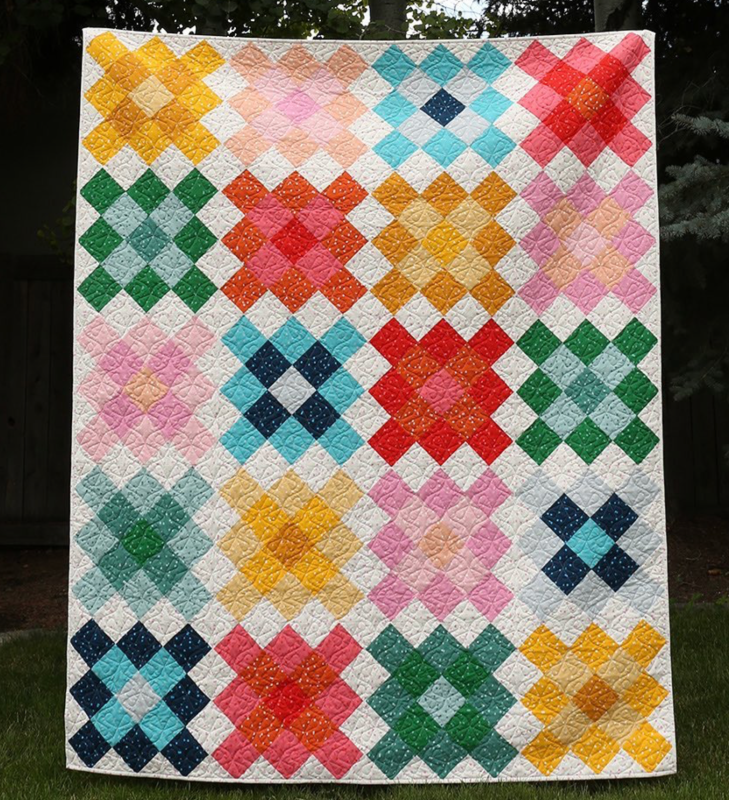
So when I turned to the Blossom pattern (which in turn has it beginnings in the traditional Flowering Snowball block), I didn’t have the right size. Because…

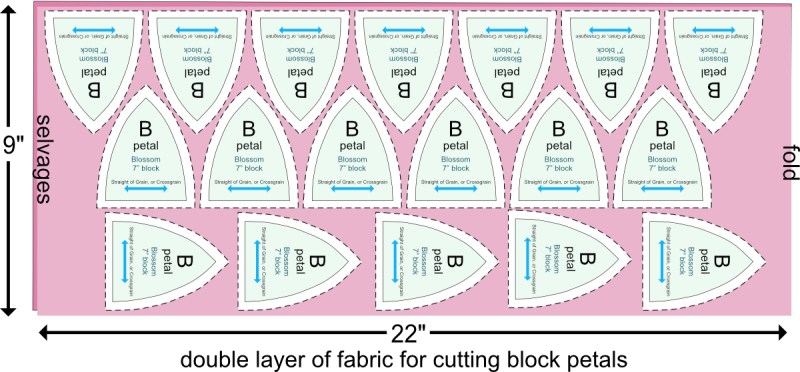
…last spring I discovered that over half of my computer files were corrupted. Not a virus. Just gone (it’s complicated). And 50 percent of those were my more recent pattern files. So many patterns that I’d written could never be updated. Unless…unless…I recreated all the missing, corrupted files to revise the pattern. Like this one:

So I have been busy re-drawing the files I lost, and while I was at it, adding a new size (7″ block), and re-writing the pattern. If you’ve purchased Blossom from me before, you can go to the email you received with the pattern and re-download it. And for those who haven’t made one of my patterns, and want to try it, I put it on sale for a few days if you want to grab it now in my pattern shop.

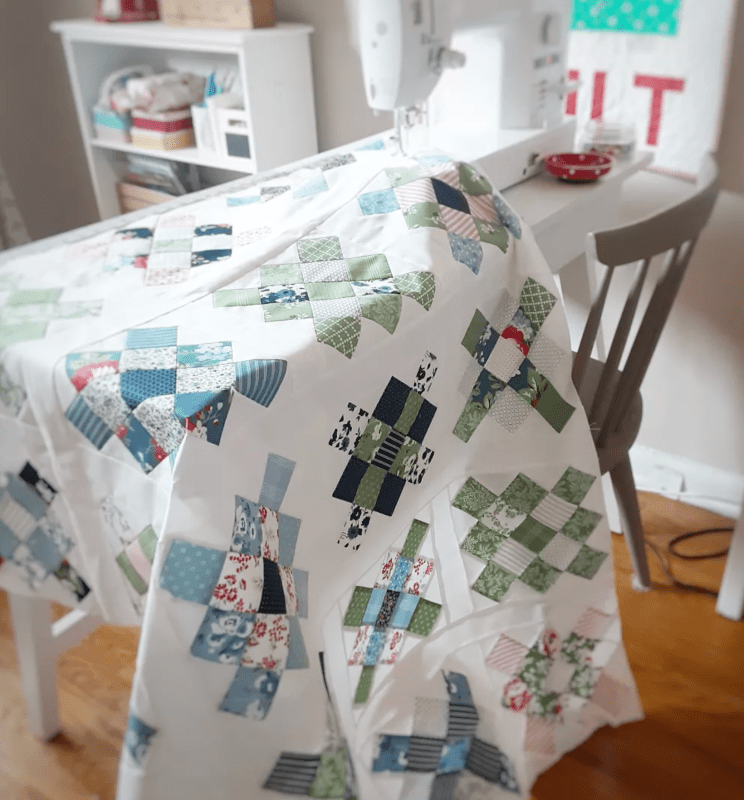
This a photo of another quilt, Aerial Beacon, that is stuck in re-write-land. I was about a month away from the release when I discovered the corrupt files. Talk about a way to stop the flow! I’ve slowly been re-creating this one, too. (Slowly is the operative word here, but it’s coming.)

Yes, I should have had it done by now, but this is what I call a “reverse flow” task. All those glowing ideals in the list in the beginning have their counterpart: discovering and ferreting out and crying inside over lost work and then redoing the lost work, I would say are just about the opposite of the bliss of being in the flow.

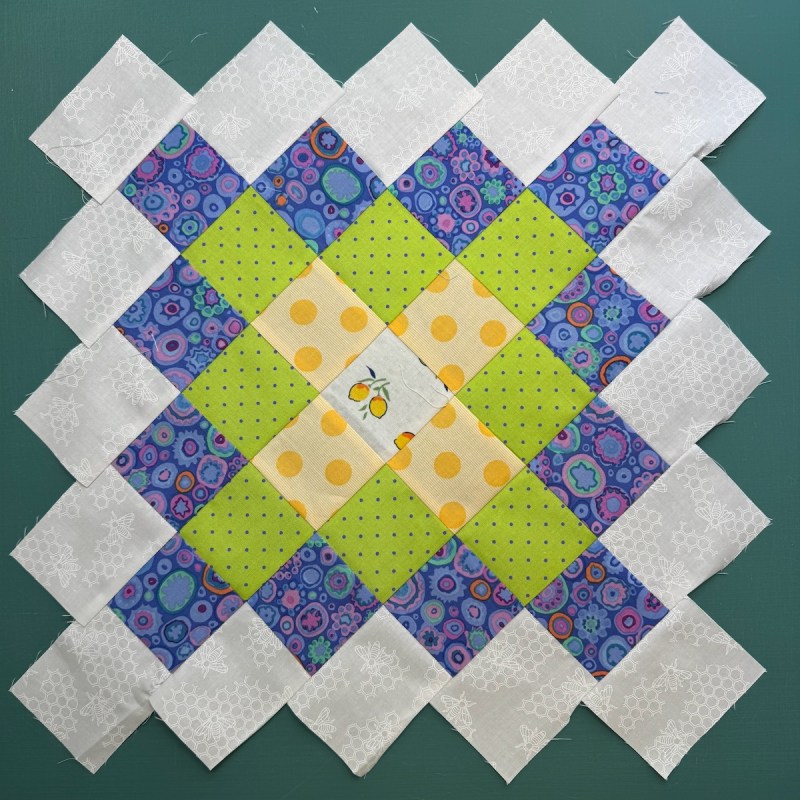
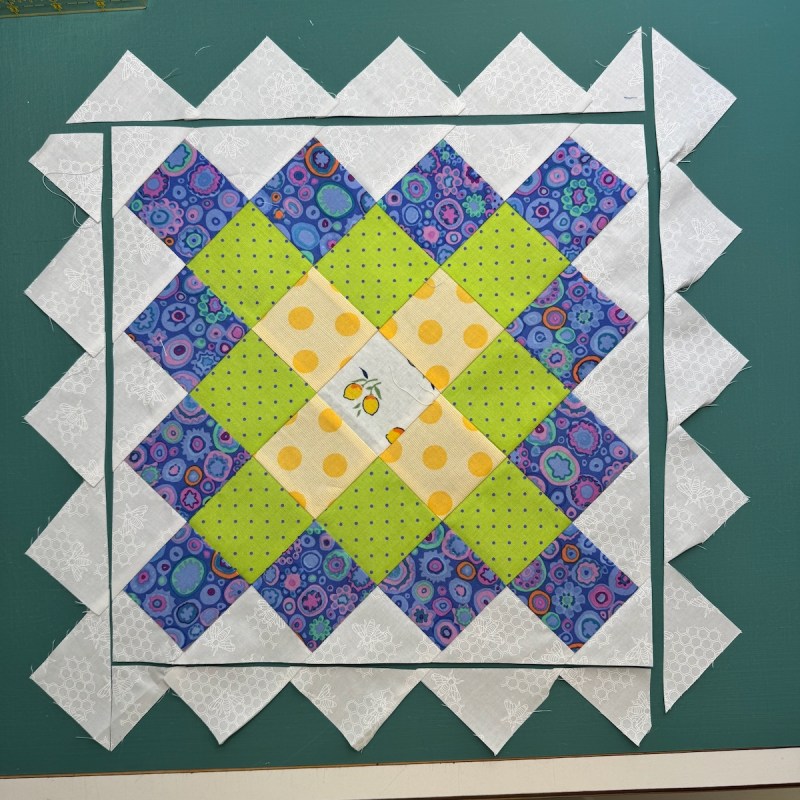
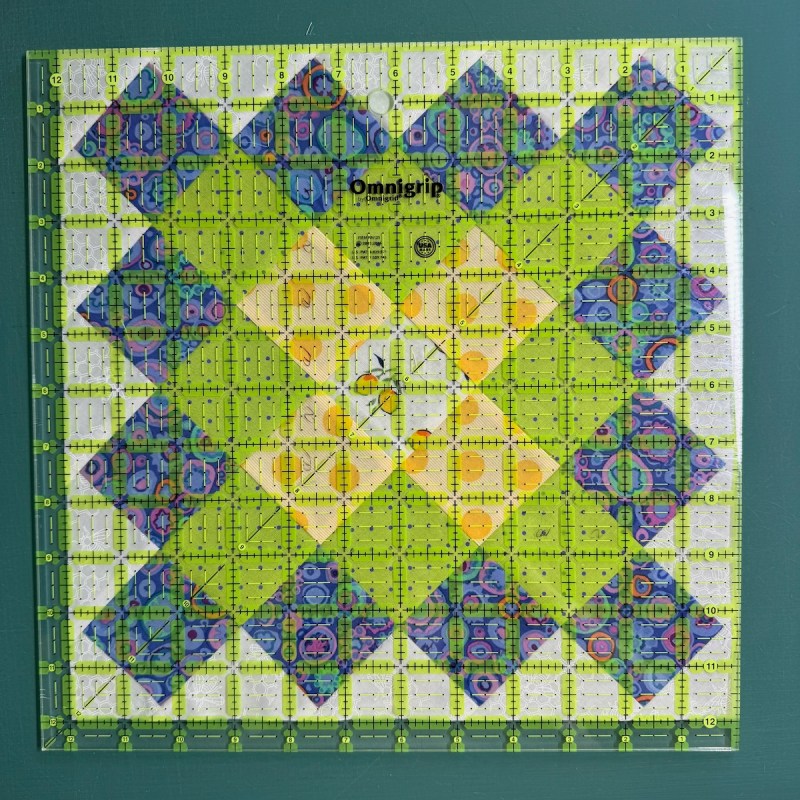
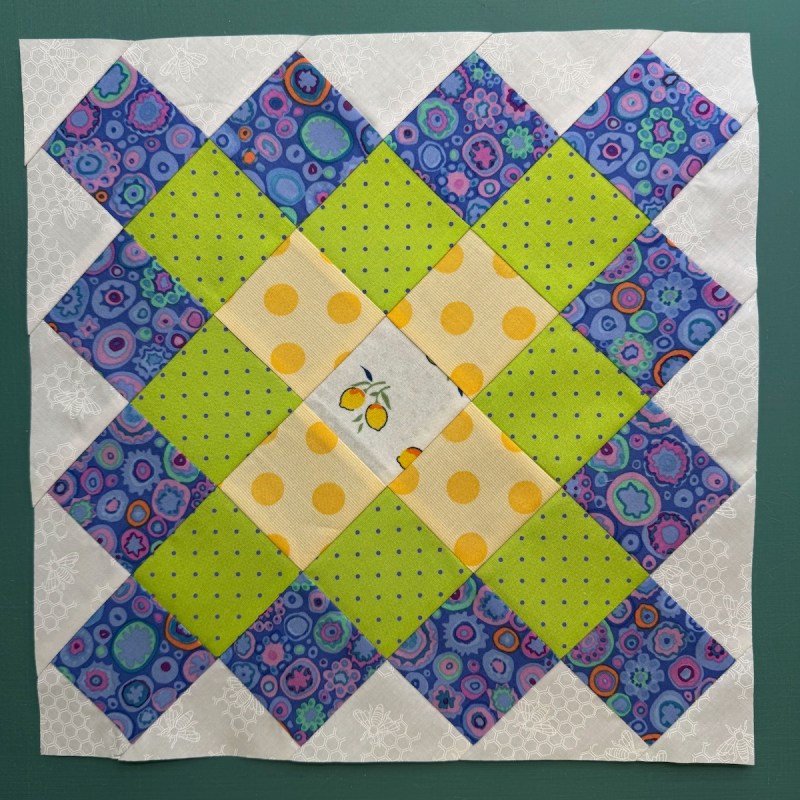
Since I was in the Blossom flow, I re-made the larger 12-inch block version as well, especially since I found that outer border fabric at Road to California this year. It’s in the needs-to-be-quilted stack.

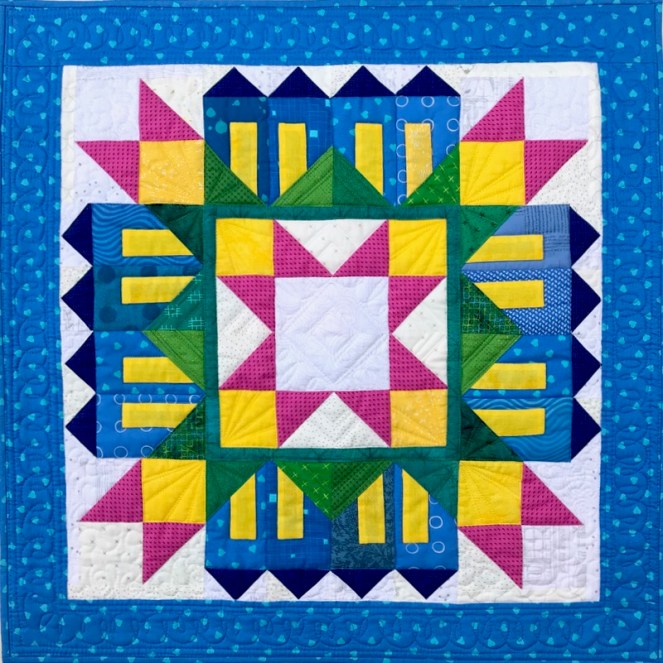
Quilt #316 • 28″ square, shown in that space where I needed a quilt

I’ll let this paragraph from Mihaly Csikszentmihalyi’s book, flow The Psychology of Optimal Experience, close up this post:

I wish you all a week of flow, of enjoyable quilting, and a most happy Easter–

Other posts about Blossom, the pattern and quilts:

The newly updated Blossom Pattern (on sale), can be purchased in my pattern shop.

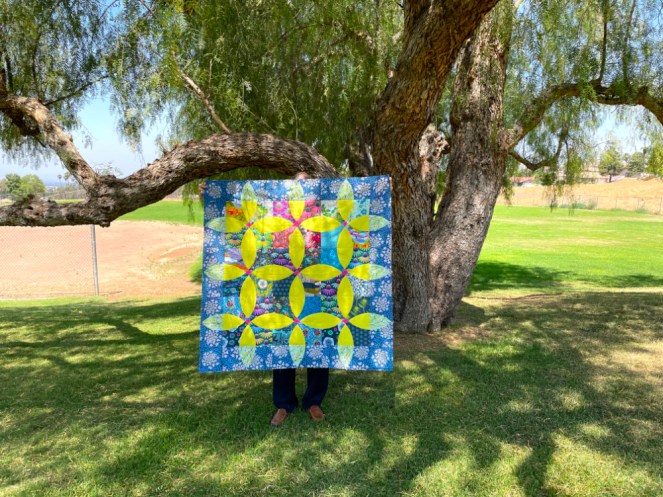
6″ block version: Hanagasaku, made in honor of the Olympics held in Japan

Hanagasaku: Flowering Rings • Quilt Finish

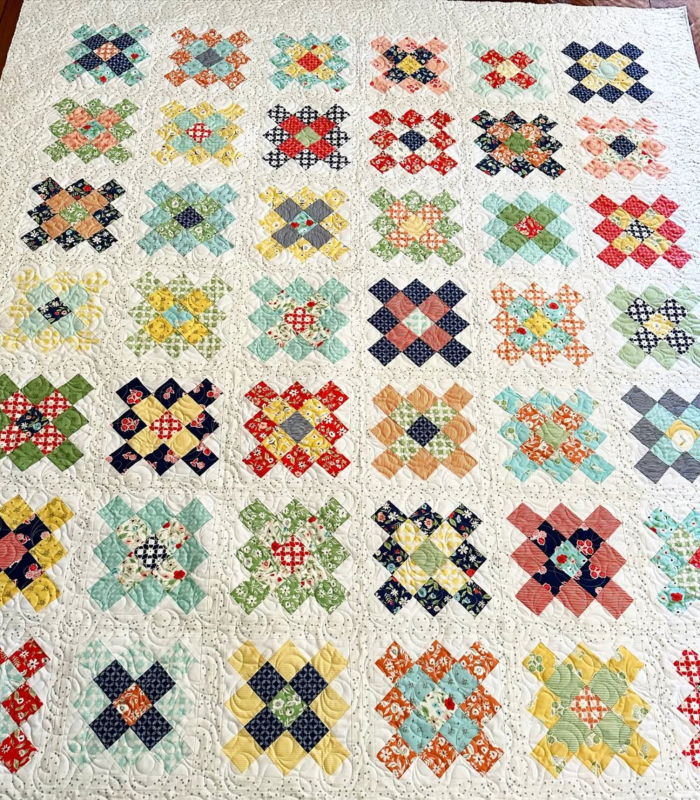
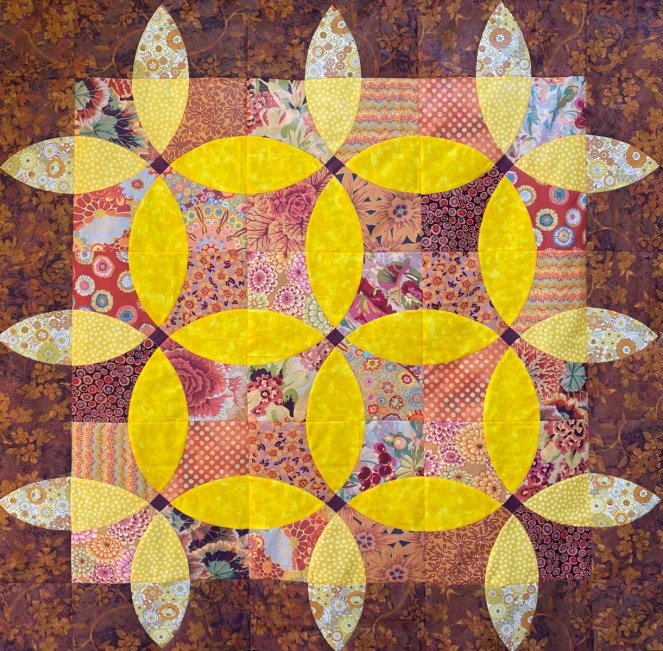
For a while I was a traveling quilter, teaching and visiting at Guilds in Southern California. During the covid shutdown, I taught several classes of this pattern, and the one above is Robin’s quilt — a study in the tones of autumn — a very successful one! You can read about her quilt here, and more, if interested.

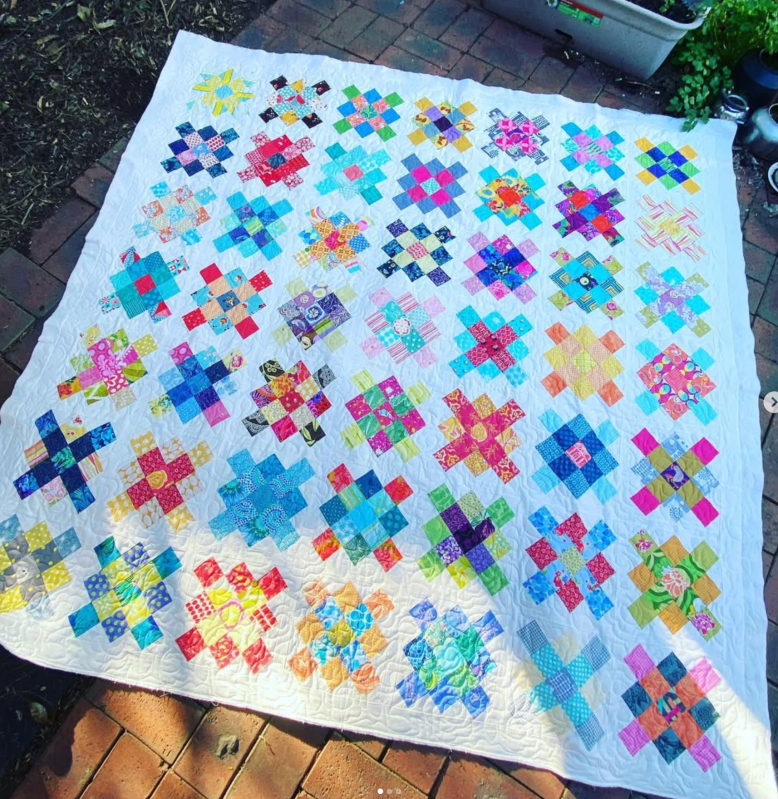
Lastly, a post about how I moved from the simple traditional block to the larger quilt is found in this post.

I think Easter is a good time to sit in the garden.

300 and Beyond · Free Download · Free Quilt Pattern · PatternLite · Patterns by Elizabeth of OPQuilt · Quilts

Our Quilty Neighborhood • Free Pattern

dreaming in color, from here

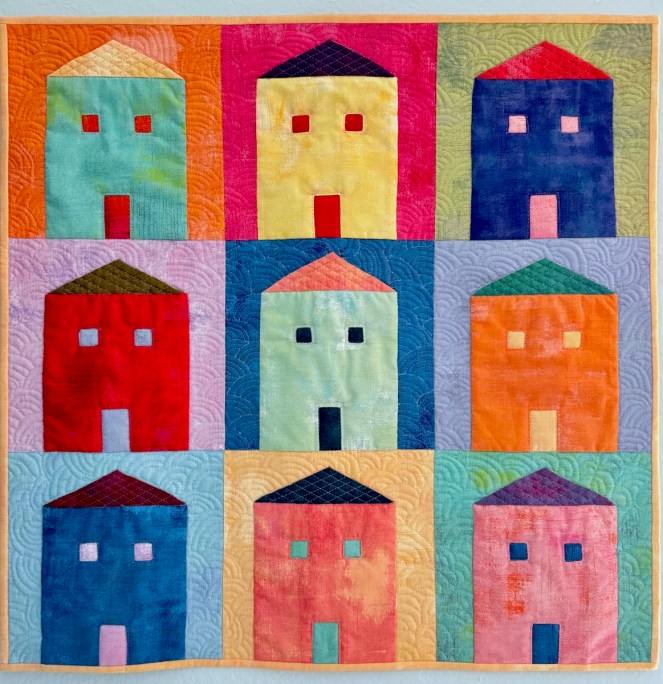
We quilters love to make house quilts.

Changes, from here

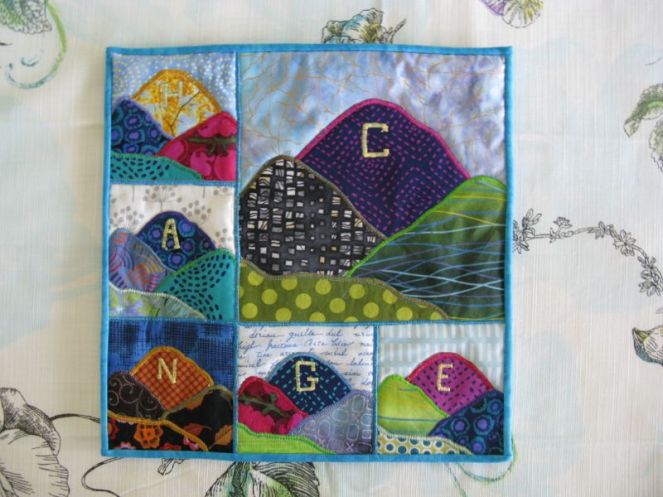
We love to make landscape quilts. We love to make pictures of our pets, our people. We love to use traditional blocks as well as fly far away from our roots and use modern blocks.

Merrion Square, from here

We — all of us quilters — like our neighborhood.

But where has it gone? I came across Nic’s blog (from NZ) and they mentioned that so many blogs had shut down or stopped publishing. Recently I was updating my Reading Library (at the very bottom of this blog: just scroll, scroll, scroll and you’ll get there). I had to create a category called Sadly, in Hiatus. I keep their links because I know what treasures are in their blogs, and what great conversations are to be found, and interesting stories to be told, so feel free to stroll that (now, quieter) neighborhood, too. Yes, there are some Instagram pages in the Reading Library from friends who don’t maintain websites and blogs. If you know of a good quilty blog (maybe yours?) that should be there, leave me a comment at the end of this post.

I could mention something wonderful about every blog on my list, both those on hiatus and those that are active, so I don’t really want to single anyone out, but I will credit Flourishing Palms from Linda Hungerford as an inspiration for a quilt on my 2026 Want To do List:

from here

And Yvonne’s Quilting Jetgirl has just tempted me with the SAHRR project, first seen on Janine’s blog, Rainbow Hare, last year. And I also have the Plaidish quilt, from Erica’s Kitchen Table Quilting on the list. I’ve signed up for a few of her QALs, but they always hit at a bad time, but this quilt is sort of her signature quilt. You had a link last week to Gladi’s blog, always with some mention of the seasons. Mary, of Zippy Quilts, always has great ideas of what to do with my orphan blocks…I could go on and on, but I’ll stop here.

I also keep a category called Mercantile, with some more commercial blogs on it. You’ll also find there are some clothing pattern sites and sources for fabrics, as my sister Susan got me more into sewing recently.

What Inspires When the Spark is Gone is a category of frequently updated links, that I read for inspiration when the doldrums hit, or the sew-jo is missing.

I’ve also asked for recommendations of blogs, and a reader sent forward a vote for Debbie’s A Quilter’s Table, which I’ve read for years, too. We used to be in a couple of bees together, and in strolling through Debbie’s blog, I found this:

from A Quilter’s Table, link to post

Which led to this:

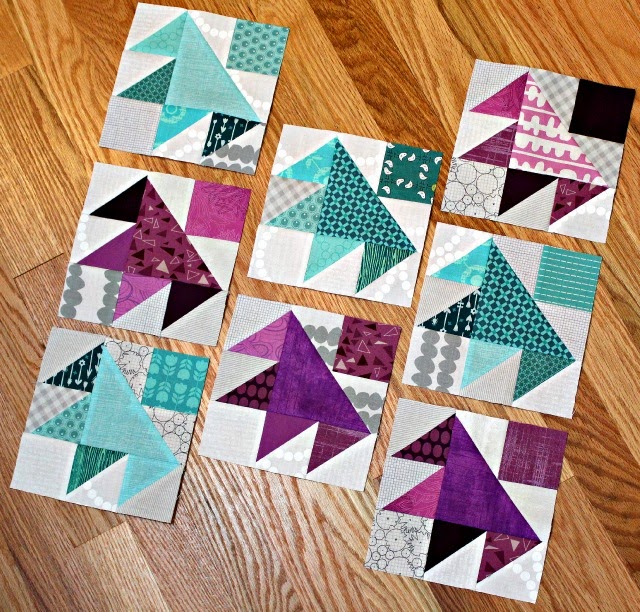
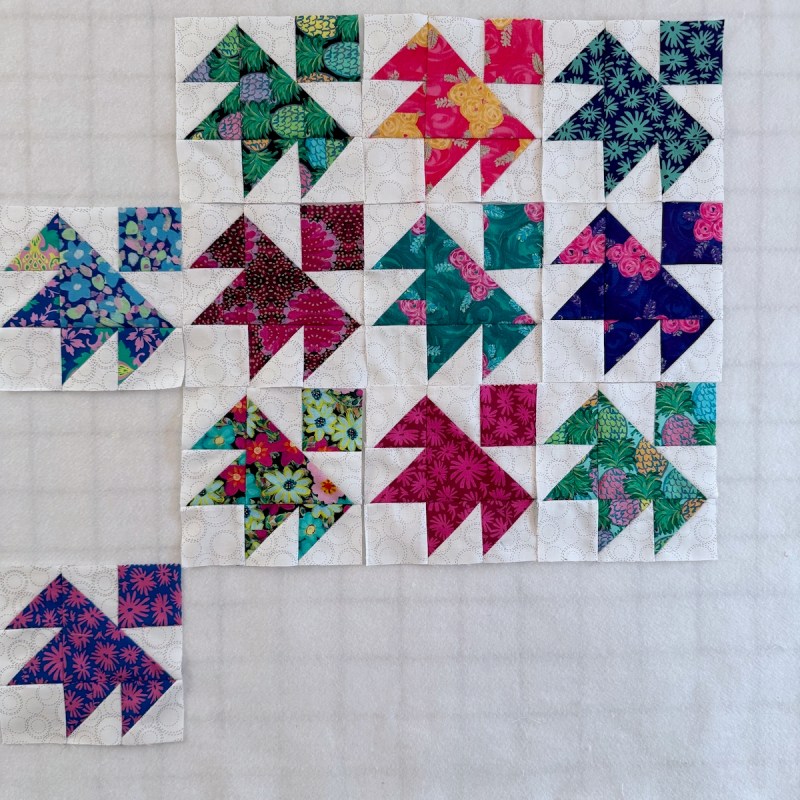
And good news, all these little birds all came from one Charm Pack (5″squares). Here’s some cutting tips:

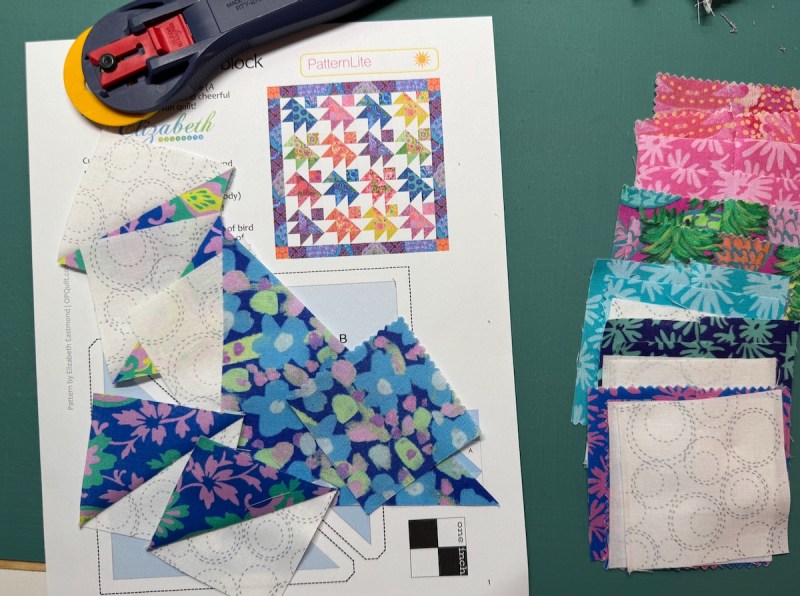
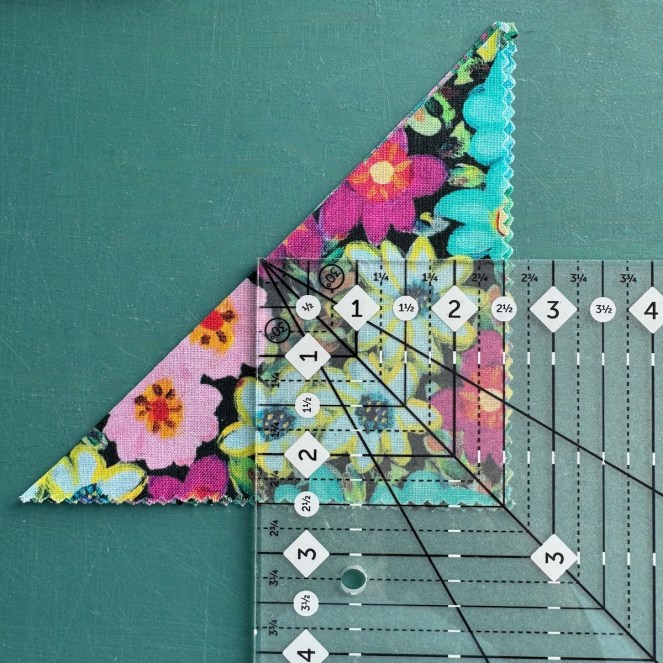
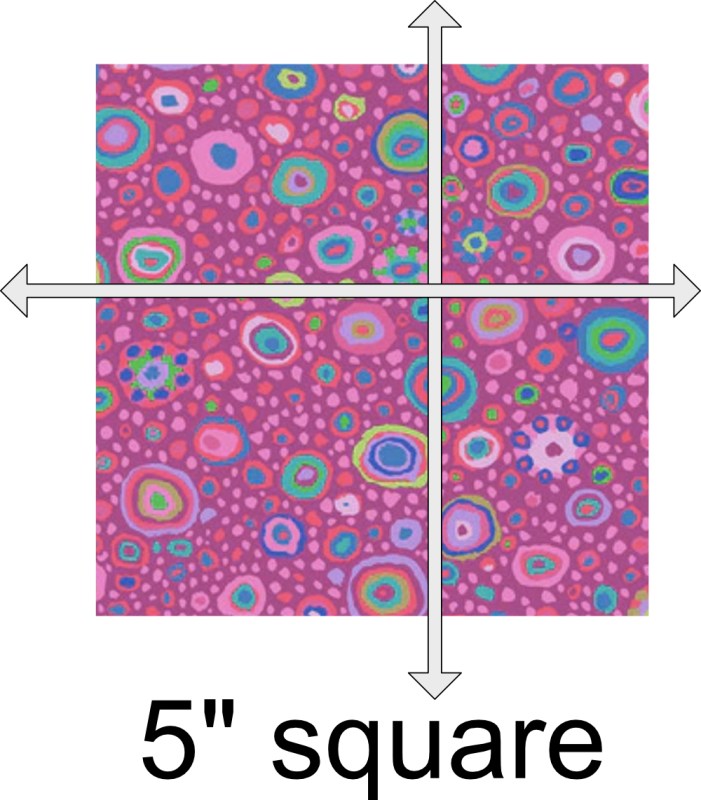
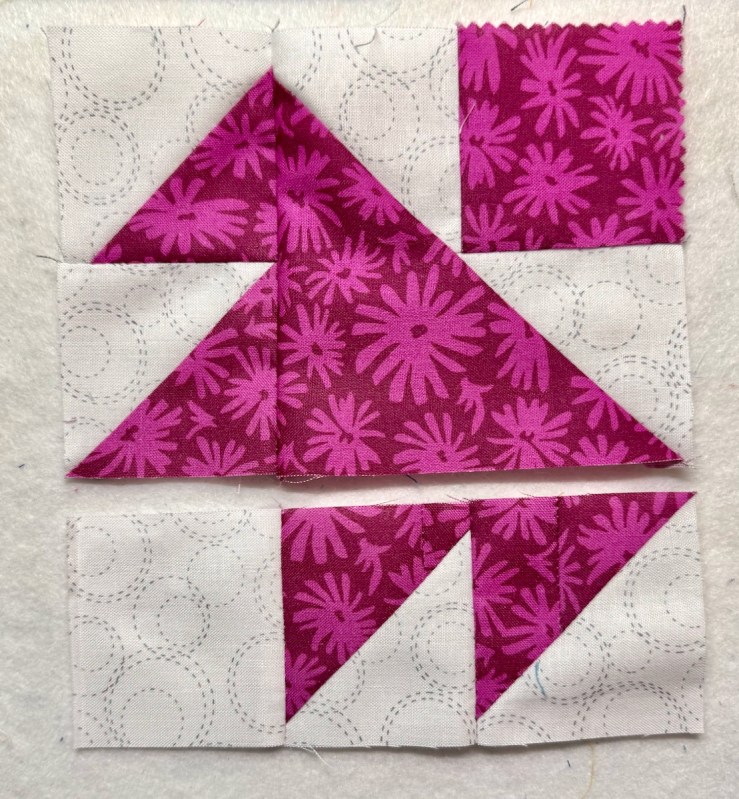
From the charm pack, choose 16 prints you like, and then find their duplicates. Divide them into two equal piles. From the first pile, cut the block in half diagonally, making two triangles. Put one set aside, and from the other, cut the birds’ heads, as shown. You can discard the triangles on the side, or save them for another use. Now pick up the pile with the matching fabrics.

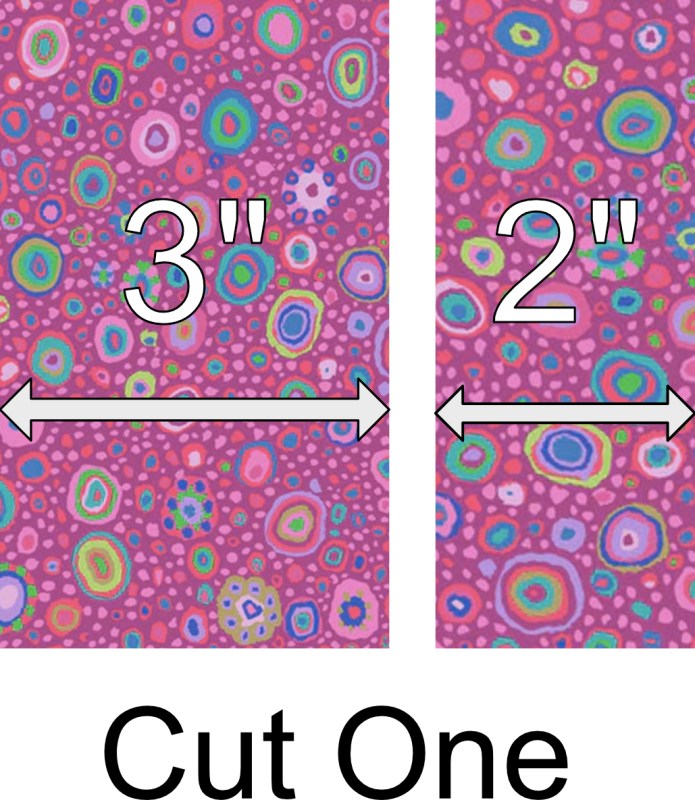
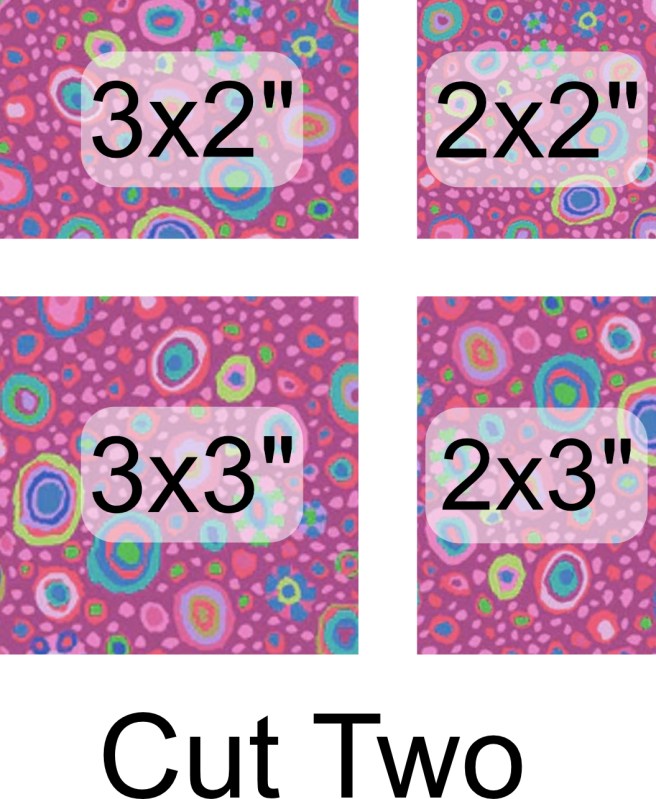
You’ll make two cuts in through each five-inch square. Make the first cut but don’t move them. Then make the second cut, so you’ll have four bits. Keep the 3″x3″ block. Discard the 2′ x 2″ block, or save for your scrap box.

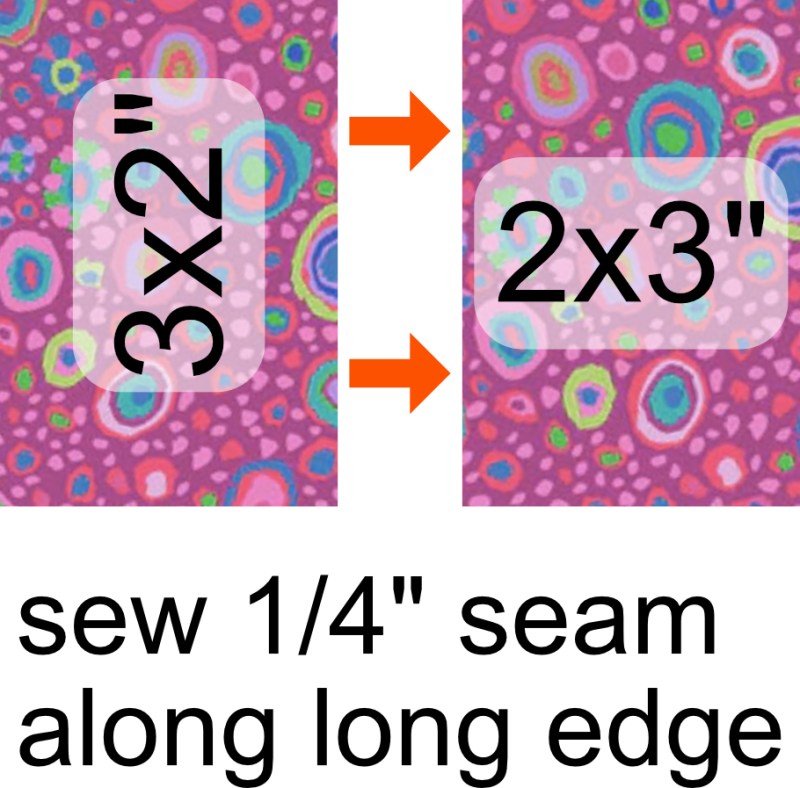
Then sew along the long edge of the 2″ x 3″ blocks to make a larger patch; trim to 3″ square. Or, just do what I do:

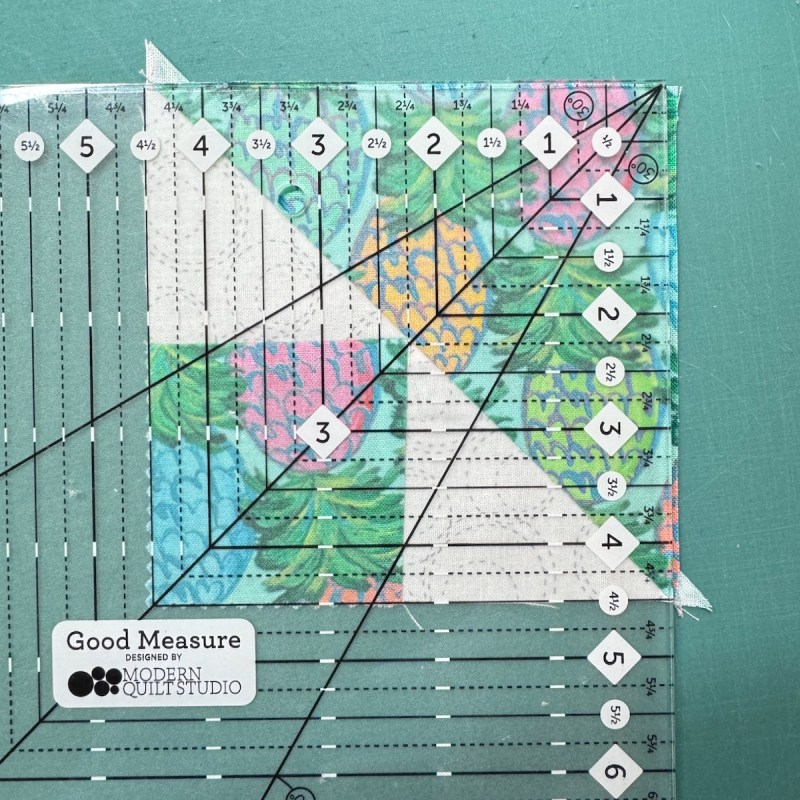
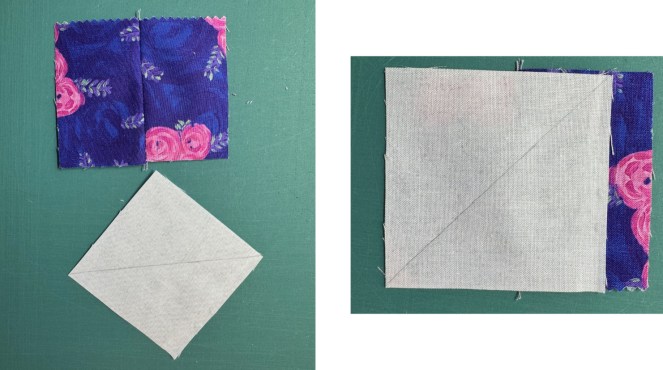
Draw a line diagonally across one of your background squares. Plop it on top of the extended square. Stitch on either side of the line, 1/4″ away from the line, then trim off the edge, and cut on the line. Standard HST-procedure except for that blob on the right. Then press to the dark side, then trim to 2 1/2″ square. You’ll need four of these per bird.

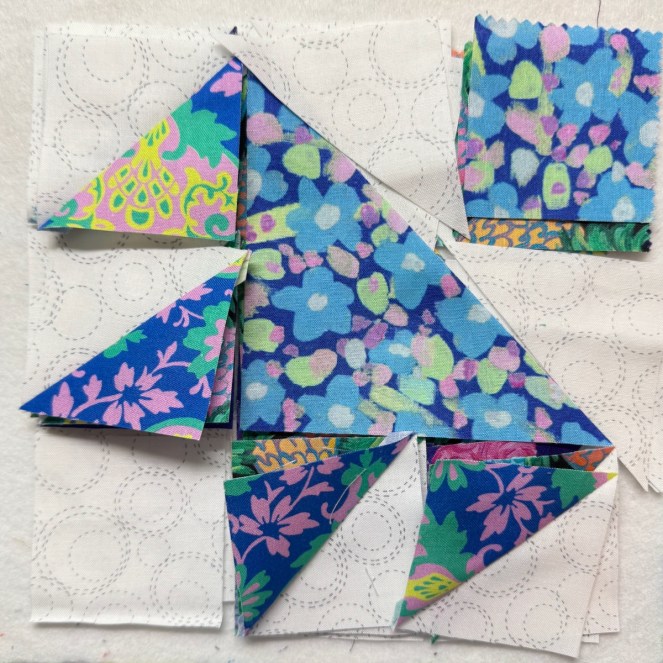
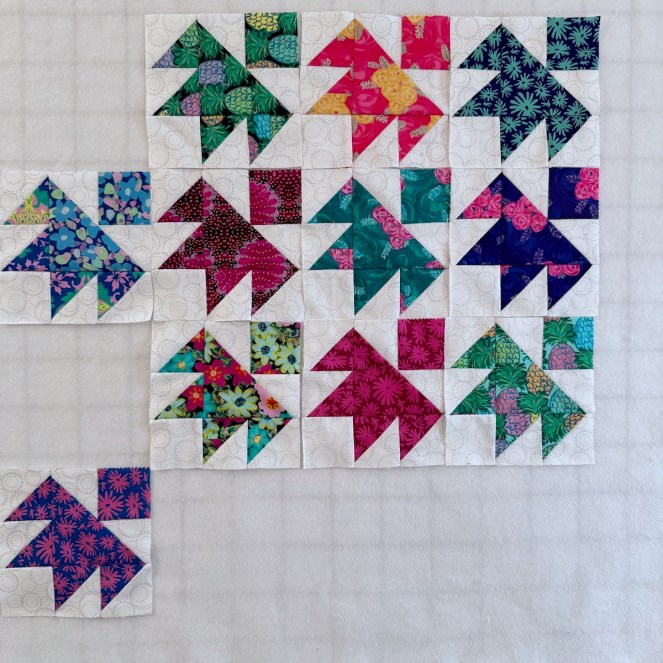
I’ve stacked up a few pieces before I start batch-sewing.

Sew the triangles on either side of the head, then sew to the body. Press, then trim to 4 1/2″ square.

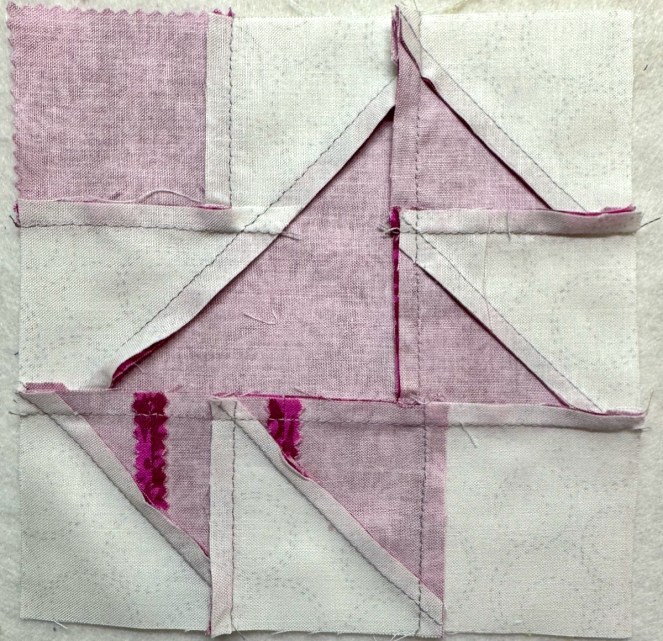
Sew two HSTs together, then two more. Sew the first set to the body. Sew the second set to the white square in the lower left. Stitch everything together. (See photos, above.)

Two Reminders:
• Trim the body/head square to 4 1/2″ and then, after assembling,
• trim the whole block to 6 1/2″, please.

This is what it looks like from the back. On most of them I put one seamed HST in each wing-set, but here I have them both on one side. Now take your sixteen blocks and have fun arranging them.

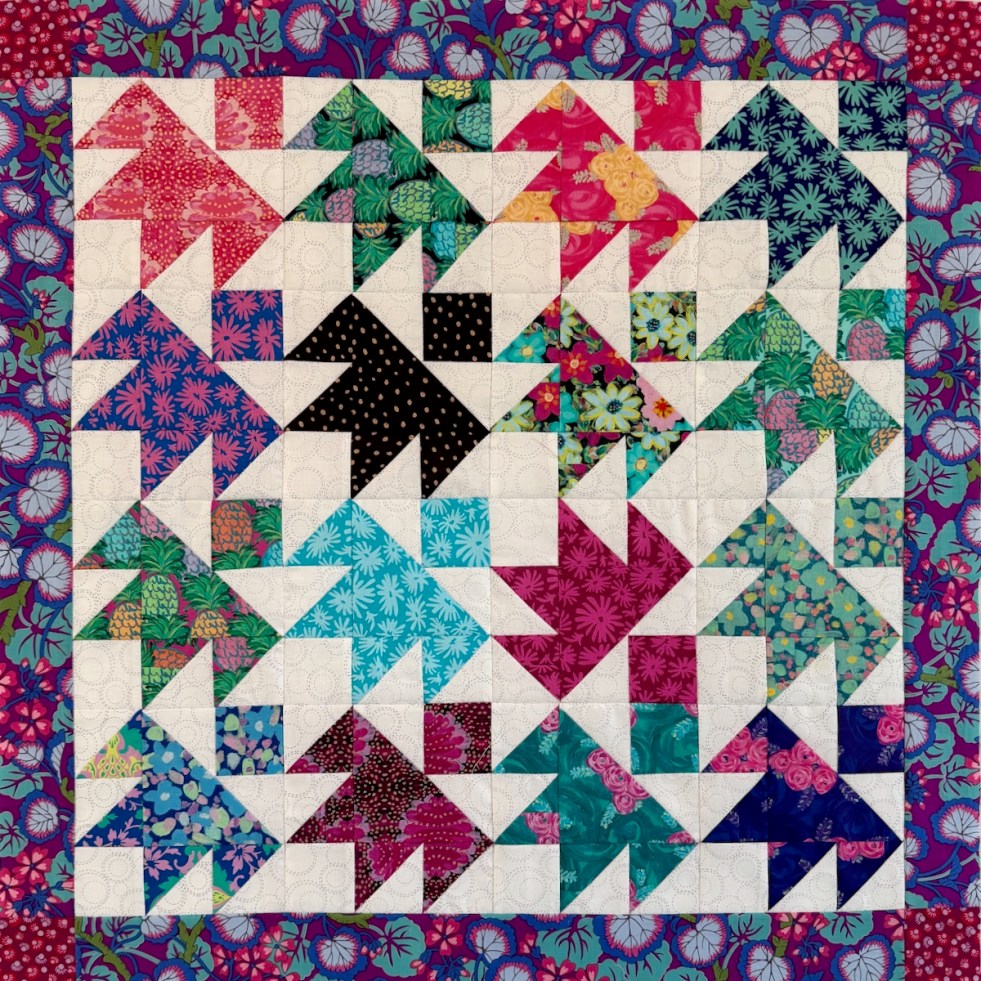
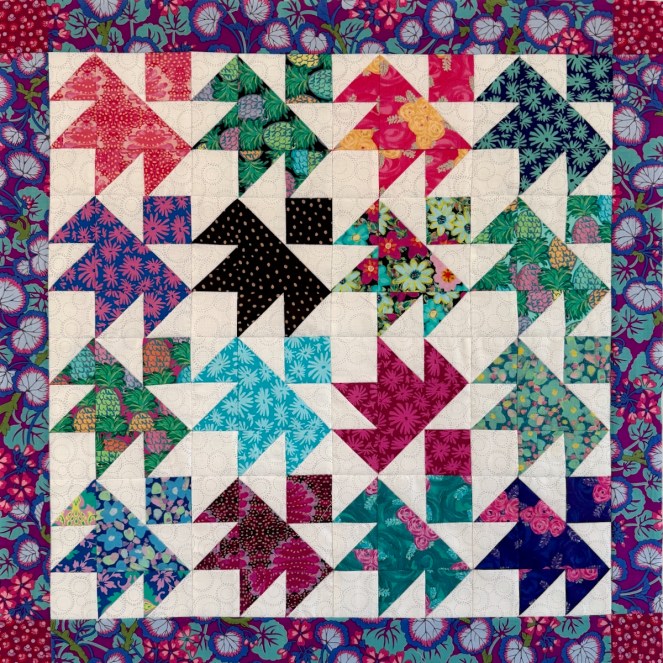
Working Title: His Eye is on the Sparrow. It’s 24″ square, with two-inch borders and cornerstones.
I’d been thinking about someone I know who has been having a rough go. I mean, we all take turns at that wheel, but now it was their turn. I had tried turning the darkest bird, but it was too much and too obvious. The pink sparrow, the one we all don’t notice all the time and who is quite possibly having the toughest time, is the one we need to keep our eye on.

The other title I thought of was Murmuration, when the birds fly in a huge swirling artful array in the sky. I rarely see them myself in nature, but I love videos of that effect. However, I went with the above.

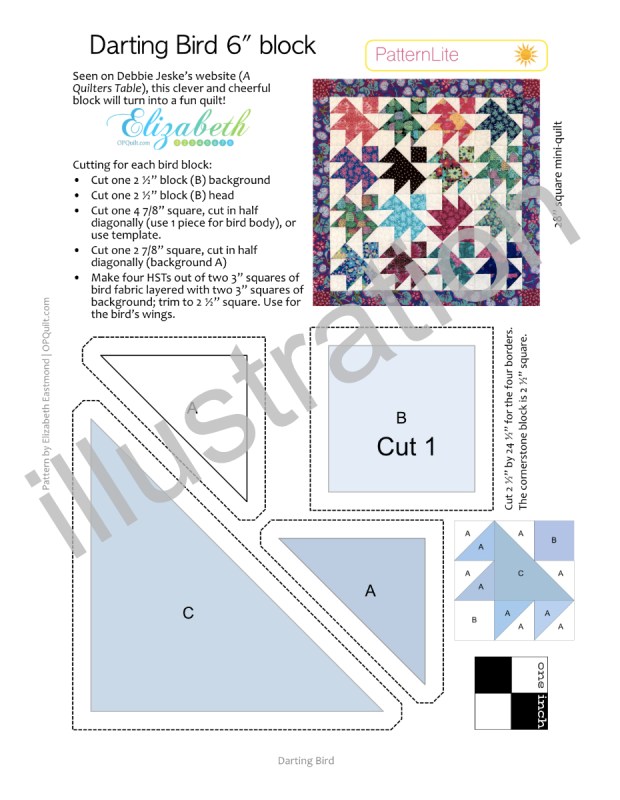
This is my freebie for you, a wee gift. Click to download.

I was able to cut and sew this thing in no time flat. I have a huge project I’m about to tackle and maybe I just needed a little something to get my sewing warmed up? I had fun making it, and hope you enjoy it.

I’ve read some take a Slow January, but this month we threw away the 50-year old workbench in the garage, and bought one of those fancy new rolling ones. We’ve cleared out lots of junk, and my car is loaded for a trip to the hazardous waste facility–who knew what we could accumulate in paint and pesticides over all this time! Happily, we found a new Fixit Guy, and he’s helping us with replacing switches and light fixtures, drywalling and painting. I think it will all be done by the 31st.

But this coming week is Road to California! Even though it is a national quilt show, it’s also our “local” quilt show — only 35 minutes from my house on a good LA freeway day. I’ll be going up several times to see the quilts, find out what the vendors brought, hang out with friends, and then it will all be over for another year. So, no. January is never slow around here, but we do hibernate in the dead of summer. At that point, I’ll be inside with with the A/C on (set to a responsible temperature) and sewing away. But for us Southern Californians, we play our January away!
Your neighbor,

300 and Beyond · Free Download · Free Quilt Pattern · PatternLite · Quilts

Did Vasarely get there first?

Maybe. Maybe Victor Vasarely got there first in the art world, but I’m guessing the origin of circles on squares, or even squircles on squares, may have come from all the mending the first woman did on her children’s clothes. Just a hunch. I really have no way of knowing this, but when my friend Dot mentioned the artist Vasarely as being reminiscent of our #backtosquircles project, I believe she was on to something. Have fun looking at his art.

My Tips and Tricks

Caveat: If you would rather fold laundry or scrub out the bathroom than do hand appliqué, I have a post on how to do nearly invisible appliqué on machine, using monofilament thread. It’s quick! It’s easy!

To cut out the shape: I would often iron on my freezer paper version of the pattern (I just printed it directly from the pattern). Other times I would just use a pin. Always I used my rotary cutter to slice around the fabric, and usually I was working with four layers of one polkadot fabric. (I learned in this project how many many many polkadot fabrics I have.)
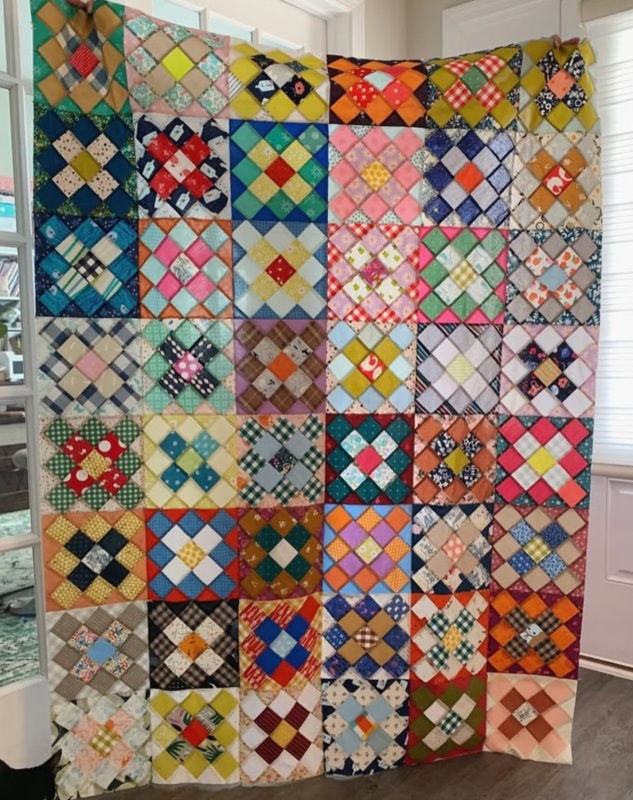
In my past appliqué lives I have always cut out a bunch of the shapes out of freezer paper and pressed the fabric onto that. I would place shiny side up, and nudge the edges onto the shiny stuff and they would generally stick. When it was cool, I would take the pattern out and use it again.

This time I tried Old School Methods: spray some spray starch into the lid, and using a small brush, stroke it around.

Like this.

You can just see where it’s damp from the starch. Don’t use too much. I always lay down a piece of cloth on my ironing board to catch the dribbles.

Place a template (here I used mylar and punched holes in it — more on that later), pressing the corners and sides up over the template. The starch should dry and hold it in place. Let it cool, then remove the template. Duh.

I finger press some marks at the centers.

Then I arrange the cooled, pressed squircle by eye and pin it down. Sorry if this is repetitive for you experts — feel free to leave a comment if you have more tips; this is always helpful!

Sometimes you’ll get a little bump out. That just means underneath the seam allowance has its knickers in a twist. As you stitch along to this spot, with your needle, sweep the seam allowance away from the bump (in the directions of the arrows) and it should ease up and smooth out.
Sometimes I just put four pins.

Other times that squircle isn’t going anywhere.

I use the Thread Conditioner from Riley Acres, and I like the Super Bobs Bright Thread Collection. Rachel uses her own bees’ beeswax to make the conditioner, and I like how it feels, and it never gets hard.

I’ve sort of started evaluating my polkadots for this project. The ones on the left are rejects. The ones in the middle I was thinking about, but in the end, I only used the ones on the right: regularish-shaped dots, with not too much else going on.

Twenty-two done. I’m ahead of schedule, happily.

I made you a chart to keep track of our squircles. I added it to the pattern, and tweaked the pattern a bit, if you want to download it again:

Okay, that’s it for my squircle tips and tricks.

The mylar sheets can be found on the Great Store in the Sky, and I just slipped the pattern underneath and traced it off with a fine Sharpie marker. The Mylar cut easily with scissors. I punch holes in my Mylar so the steam doesn’t build up and warp the template. Although with the starch, I didn’t use steam this go round.

This little project will sink into the background for a while, so I promise, no more squircles posts for a while. But the pattern (free!) and the tips and tricks will stay here on the website for your use.

keyword search term on this site: squircles
hashtag on Instagram: #backtosquircles

I could listen to Rose talk about her job in the hardware store every day.

Free Quilt Pattern · PatternLite · Patterns by Elizabeth of OPQuilt

Spiders, Quilty-Style • Free Pattern

Sometimes we know of a block that is a familiar patchwork pattern. Cindy of Liveacolorfullife and I chat back and forth occasionally and we happened to strike up a conversation about this Spider Web block, from our March 2015 Mid-Century Modern Bee:

This image has an empty alt attribute; its file name is mcm-march-2014.jpg

We were trying to remember how we made these blocks for Cindy’s turn as Queen Bee in the Mid-Century Modern back in 2014, but when we headed to the linked blog that had the instructions — it was No Longer in Service. She was trying to finish up her quilt, so we tried another place. No Longer in Service. Somehow I think of the internet as being eternal, like a good book, but obviously the joke is on me for that one.

This image has an empty alt attribute; its file name is wiens-web2.jpg
Beach Umbrellas made by Cindy Wiens of LiveAColorfulLife

So I started drafting things in my Affinity Designer, then I dug up an old handout for the small quilting group we had Before Covid, and combined them. So I have another free pattern for SpiderWeb for you, but since it’s under the PatternLite series, it will be found over in my Pattern Shop. I’ll have it on 100% FREE! until the end of the month, where it will be my usual PatternLite price: less than a fancy drink at Starbucks. It’s still free!!

While it is for free, consider clicking on Follow as a thank you, and to keep up with my shenanigans. Cindy and I are doing this in tandem, so she’ll also have it on her blog, LiveAColorfulLife — so head over there and read about her goings on and follow her, too. Cindy is an amazing quilter, and has done the hard work and compiled a visual list of all her quilts. Number 219 is one of my current favorites, but there are others that have caught my eye.

To find the free pattern: click on link below.

Click! SpiderWeb block pattern in three sizes, on PayHip (my pattern shop).

But from Spiderwebs, we must move on to October’s beginnings, which includes these two motifs: black cats and pumpkins. These are pillow tops that I’m sending to another DIL, who loves Halloween. I hope she likes them. She has a nook in her upstairs bedroom that we would all covet: a large Palladian window with a loveseat, filled with cushions and pillows. I was thinking about those when I made these, two from my collection of Riley Blake Pillows from last year that I saved for her.

I included this homemade card. Download the blank and send some to people you love:

Lastly, we passed the Autumn Equinox on September 22, so the days are getting longer. So are the shadows of my silverware.

Happy October, everyone!

P.S. One year we lived in Alexandria, VA and the leaf colors that year were spectacular. I would bring home fistfuls of beautiful leaves, lay them out on my flatbed scanner to scan and save them. These are some my husband brought home one day. No–we don’t have gorgeous fall color here, but come January — we have a few trees that will turn red. All of you who live in fall color territory are so lucky!