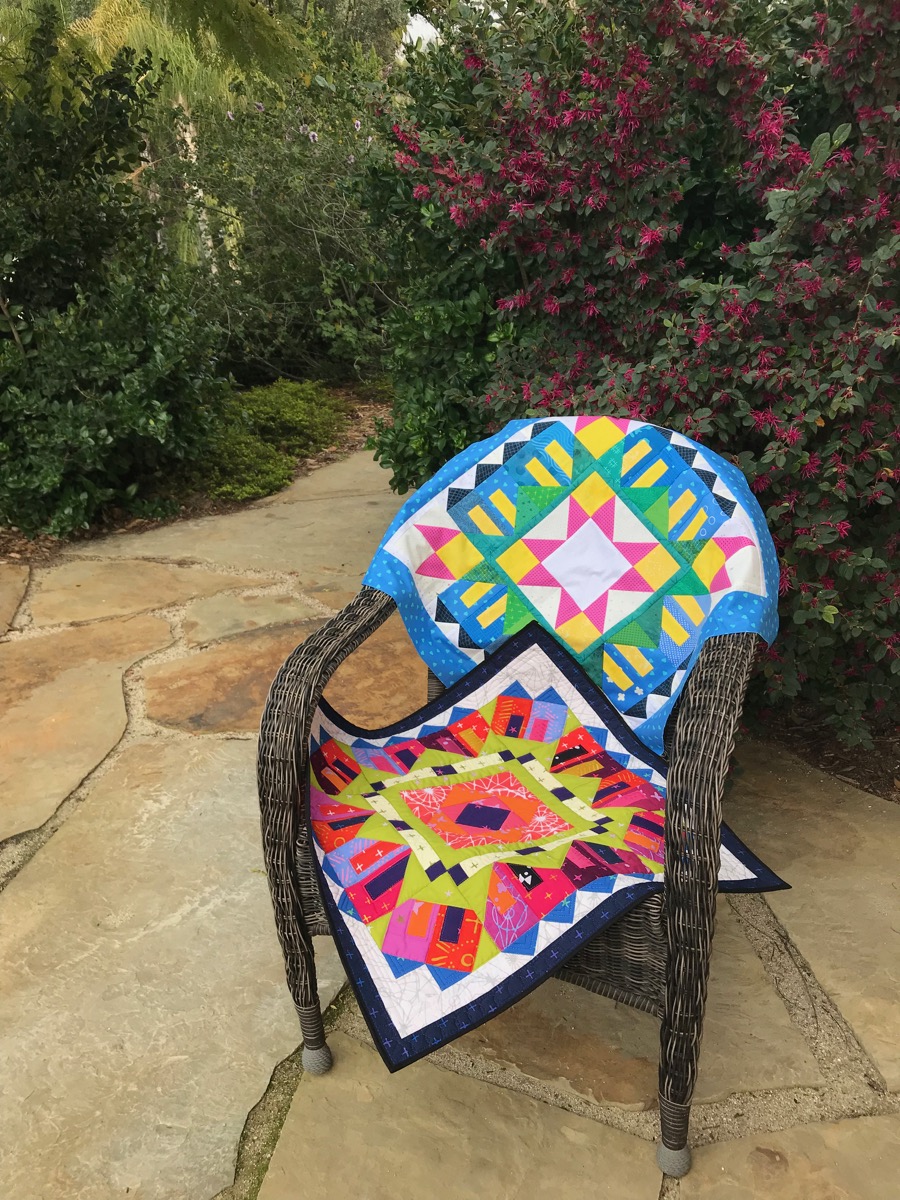
First you saw this, way back in December of 2018. I had this idea in my head and with a stack of Alison Glass fat quarters from Andover, I decided to try it out.
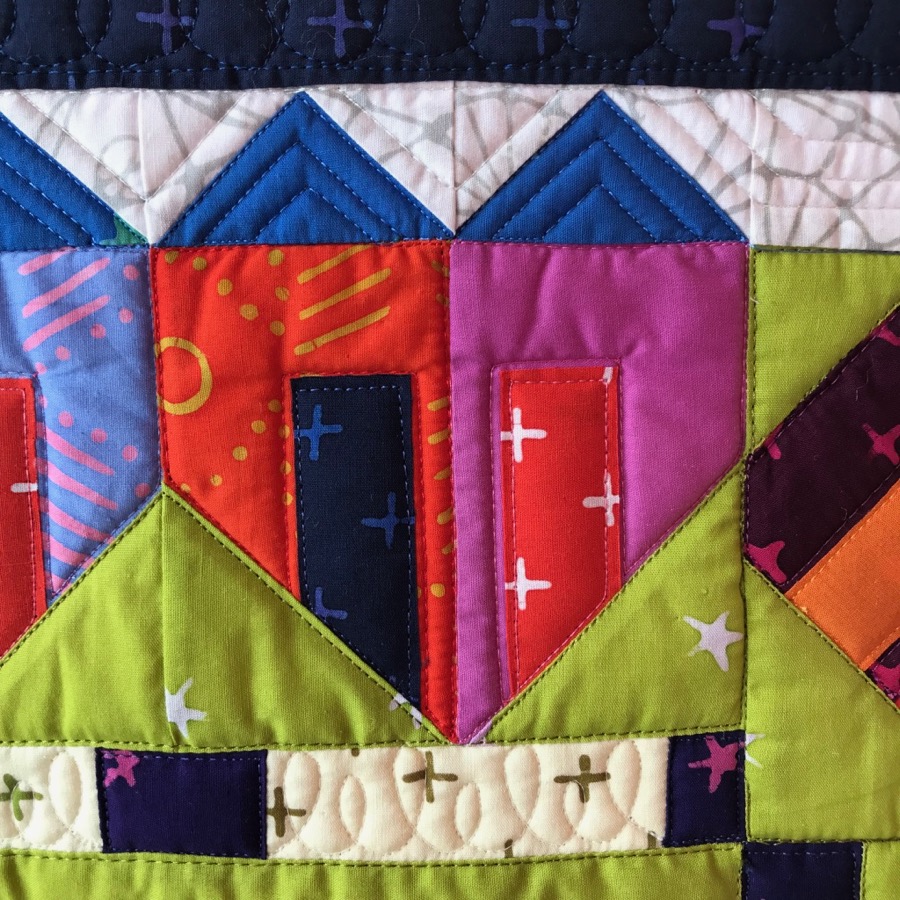
That idea led to this mini quilt, named for a square in Dublin that is known for its doors:
At the center of the square is park, with interesting tributes to famous Irish poets and writers, so I had to include the bushes and trees.
Then I changed it up a bit, making it a rainbow of scrappy and leaving off the border.
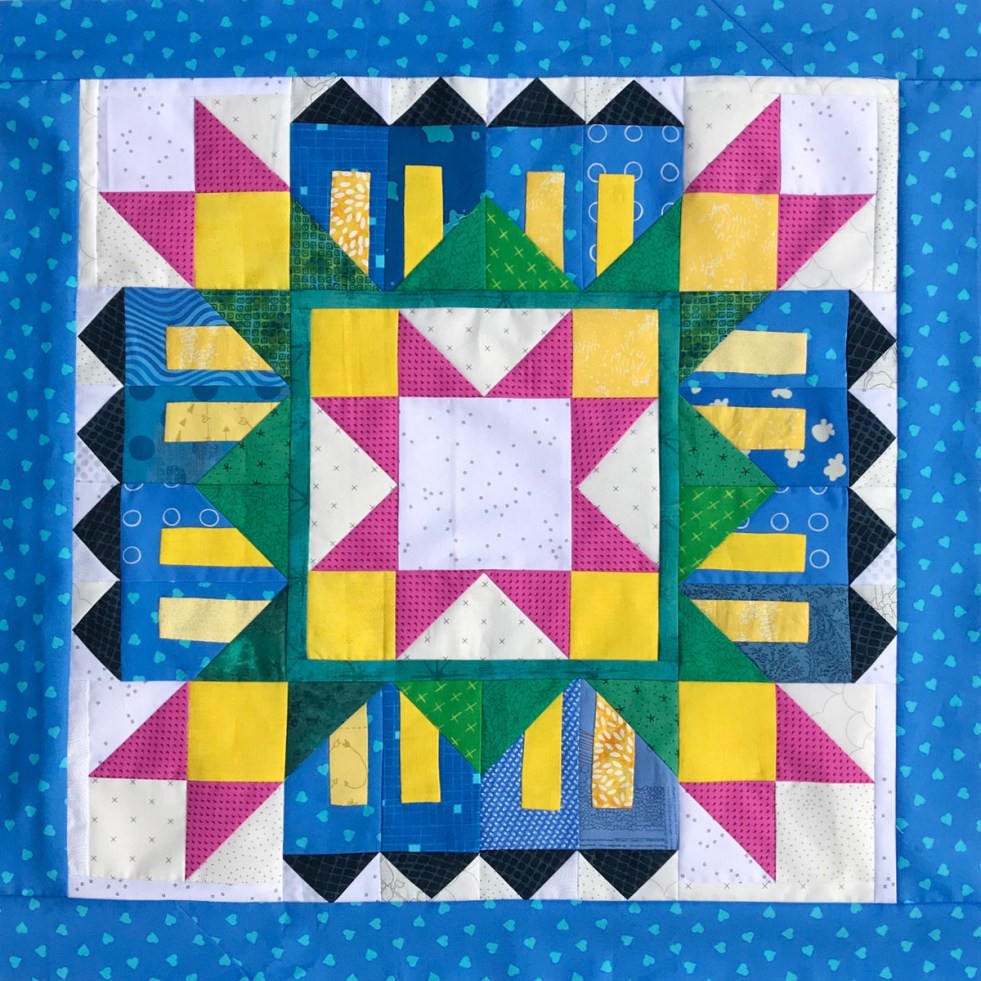
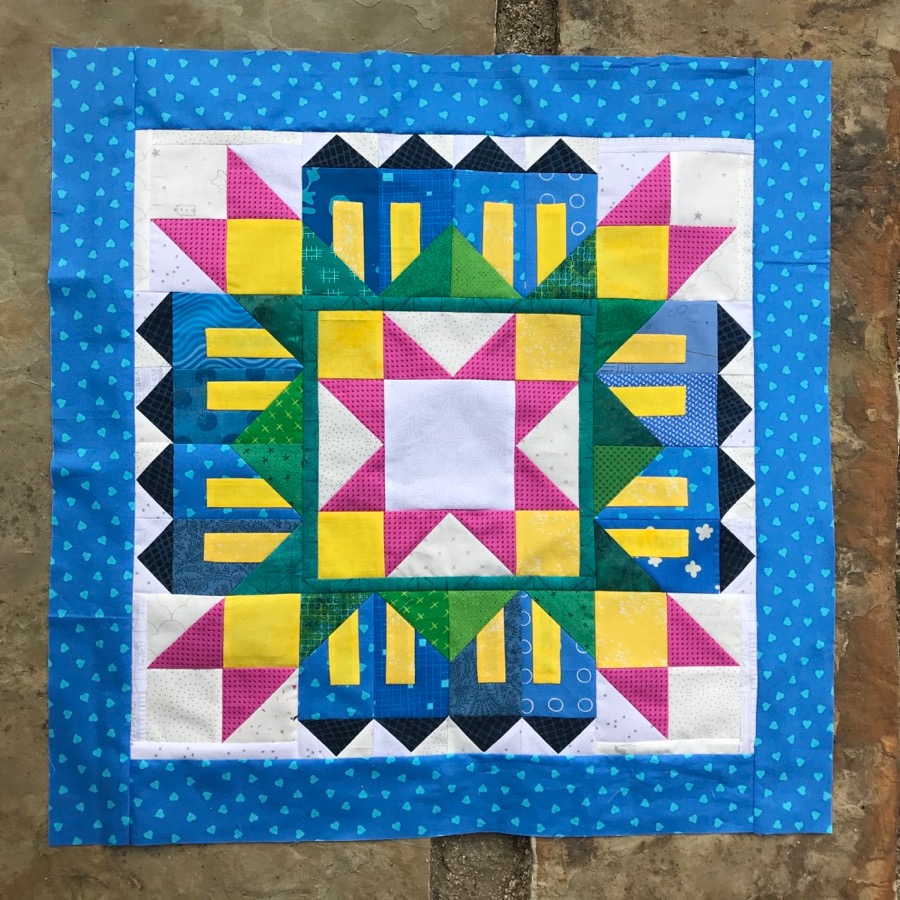
And then this version emerged from my late-night tinkering around. Because of the (ahem) shoulder situation, I can’t quite quilt it yet, but I was able to sew it together. (I think this is my favorite.) I have since made three of these: one to send off for a sample for the Utah Valley Quilt Guild Workshop, another to head to the Valley of the Mist Quilt Guild, where I’ll be teaching it again in May, and one to hang around, just so I can look at it.
I worked with my new Affinity Publisher Beta software and wrote it up, and now it’s available for sale in my PayHip shop. Both versions are included — well, really, all three versions are included — if you go there, you can click on the little banner in the upper right corner and download a Preview, which includes a list of fabrics needed to make these.
Some of you may have seen this on Instagram today. I’ll be teaching this for the first time at a workshop with the Utah Valley Quilt Guild. I’m pretty excited about it.
You may have also seen this: I asked my Gridsters Bee Mates to make me up a slew of little houses, taken from this pattern. I want to make a lovely little quilt of houses:
Sketch of Little Houses Quilt
I’ve had this idea floating around just as long as the others, and am looking forward to putting this together, too.
front of pattern
The pattern is $12.00, has 13 pages of colorful illustrations with clearly written directions. It is available for a PDF download, and you can have it immediately. [Update: it also includes the Far Away Doors pattern.) It is available in my pattern shop on PayHip.
You think I might have caught that wonky churn dash.
I’ve been watching the second season of Anne with an E, a show on Netflix that re-thinks the well-loved story about a certain red-haired orphan. I binged-watched several episodes while hand-sewing and emobroidering the bees and other blocks from the sew-a-long Leisa and I decided to do. It’s been good company while I’m still recovering.
Okay, now it’s fixed.
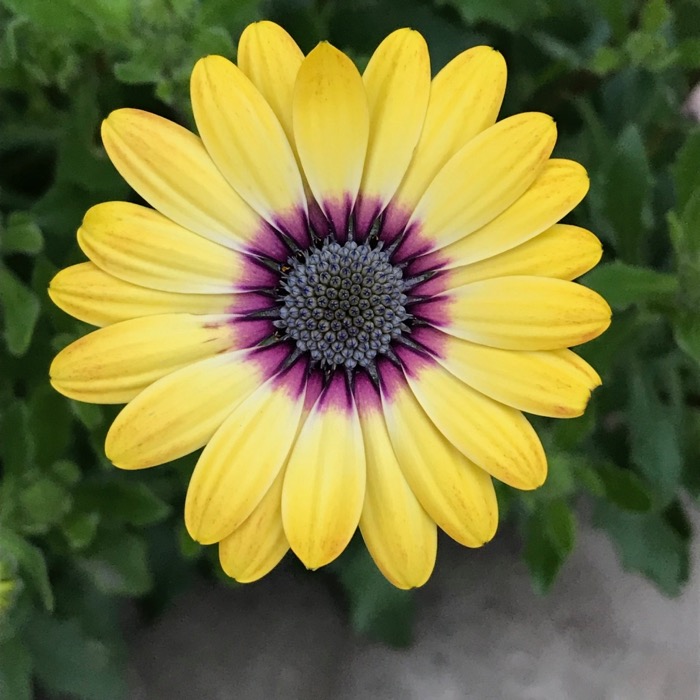
I’ve been able to get out for a few walks around the neighborhood; this is our first blossom in our front yard. We’ve had a ton of rain, and since we’ve been in a drought, the plants (and I) are loving it.
I was able to sew my Flowers for Emma blocks into strips. Next up is sashing, the borders. I love this design by Sherri McConnell.
I gave in and pressed the small triangles a different way, because, gosh! How can I possibly make a year’s worth of triangles and not use this?
Here’s a month-and-a-half’s worth of triangle temperature markers. It’s also an interesting way to note the passage of time. And yes, I have not yet Marie-Kondo-ed my design wall. I like it just as it is.
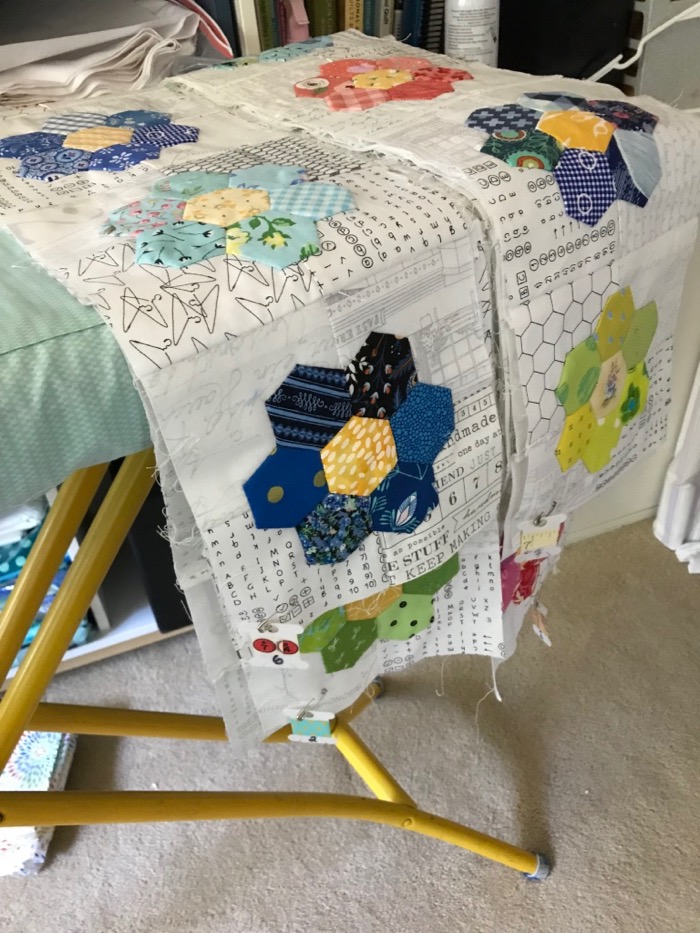
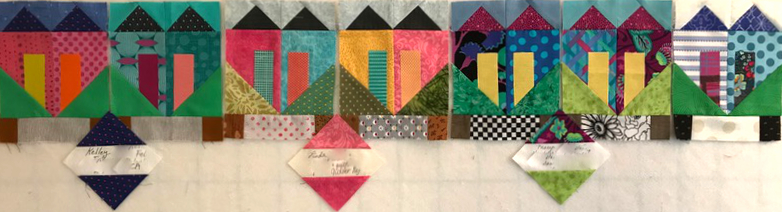
Bee blocks from my Gridster pals have been coming in: a row of houses!
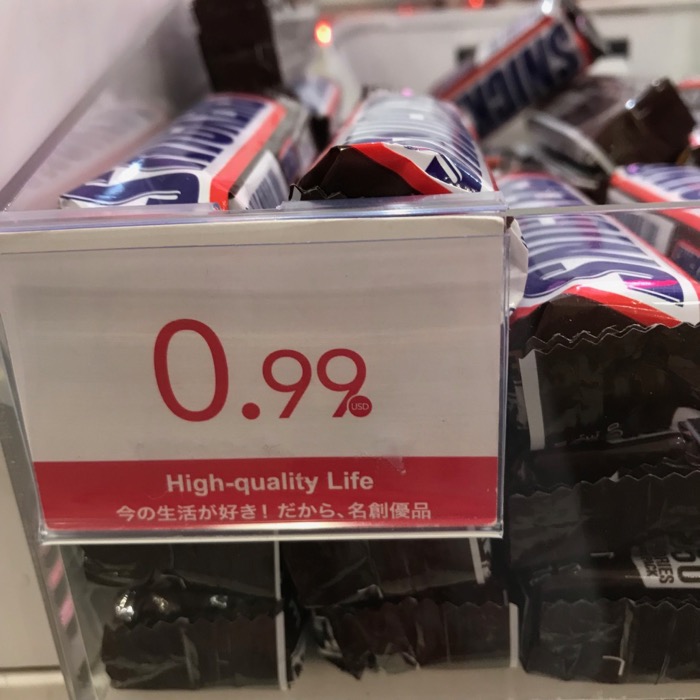
I’d actually prefer dark, rich chocolate to give me a high-quality life, rather than Snickers. (Sign in my local Japanese/Chinese import store)
I sent out three quilts for quilting, and got them back in record time.
Now what will I do with them? I have to figure out how to trim them, and bind them with one working arm.
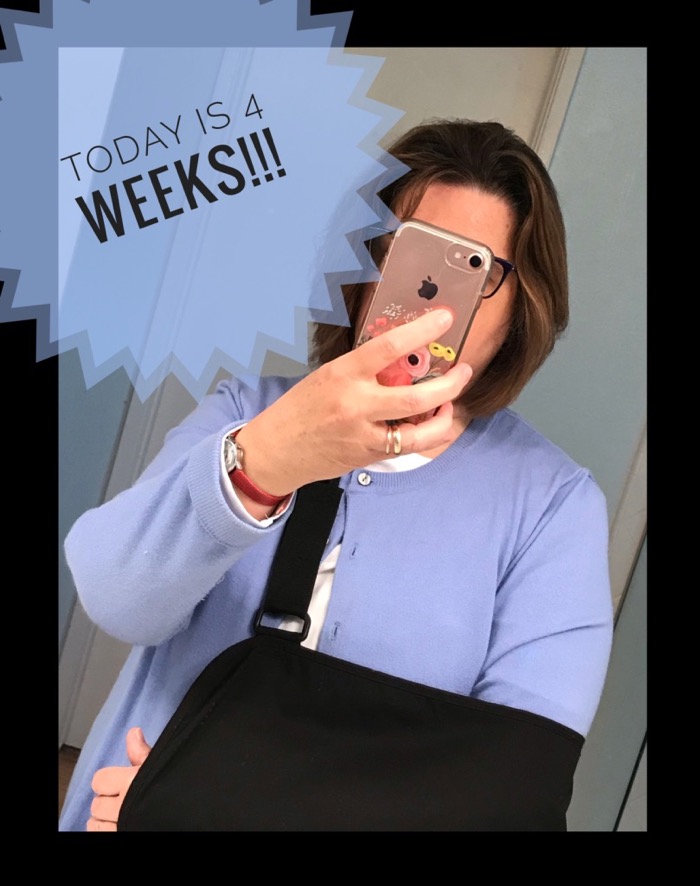
Only now we’re almost at six weeks. I make these monthly time markers to send to my mother, to show her I’m still around. Still have the sling, still one-armed, but I’m trying to keep up with all the projects around here.
I’ve been thinking hard about how I want to record the colors I used in my Temperature quilt. I’ve seen lots of different kinds (on Instagram use the hashtag #tempquilt, or some variation of it, to see more), so it directed my thinking.
I wanted one that showed all the colors and left me places where I could embroider or write on it what that color meant, in terms of the temperature scale.
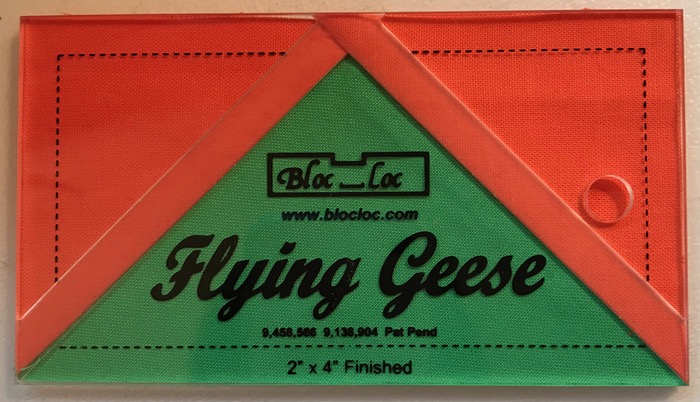
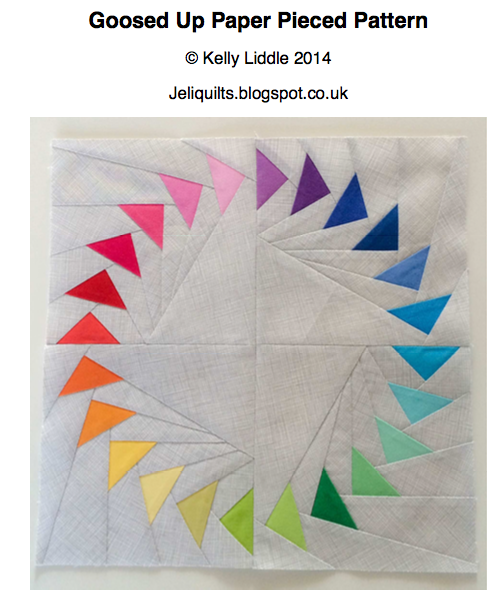
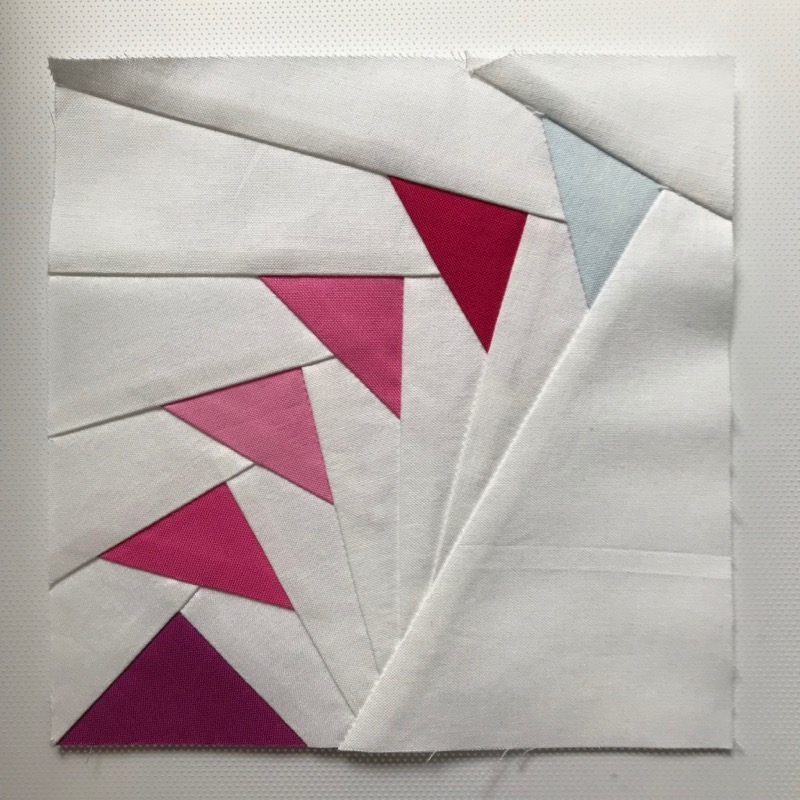
I decided on this: Kelly Liddle’s Goosed Up pattern, now on PayHip. I only have 23 colors in play, but I’ll figure out that last color, plus there’s lot of room to mark it up somehow.
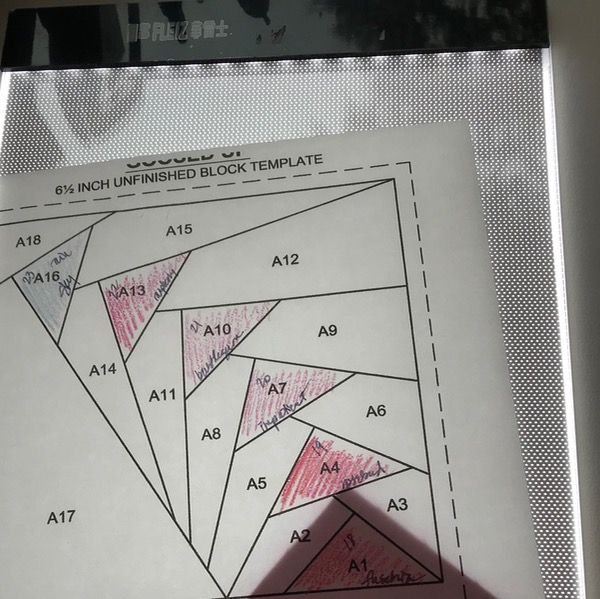
I colored in the triangles and labeled them to make construction easier. I also pulled out my thin LED light box, which helps in placing the fabrics.
Three more sections to go.
My little houses are coming in from the Gridsters already, and I’ve lined them up like the Victorian Ladies on San Francisco street. I plan to make this into a pattern; I’ll let you know when it’s up online.
I’ve finished January! Now to wait for some days to pile up so I can start on February.
Everyonce in a while it’s good to leave your tribe and take a look at what other artists are doing. It also helps to be in recovery from shoulder surgery so when that rabbit hole in Instagram opens up, you have too much time are free to follow where it leads.
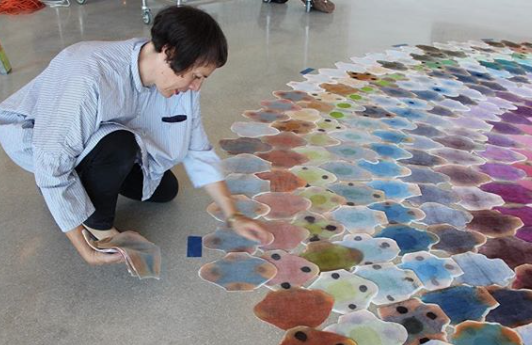
Photo: Polly Apfelbaum assembling “Mojo Jojo,” Pérez Art Museum Miami, 2013. (from DrawingCenter on IG)
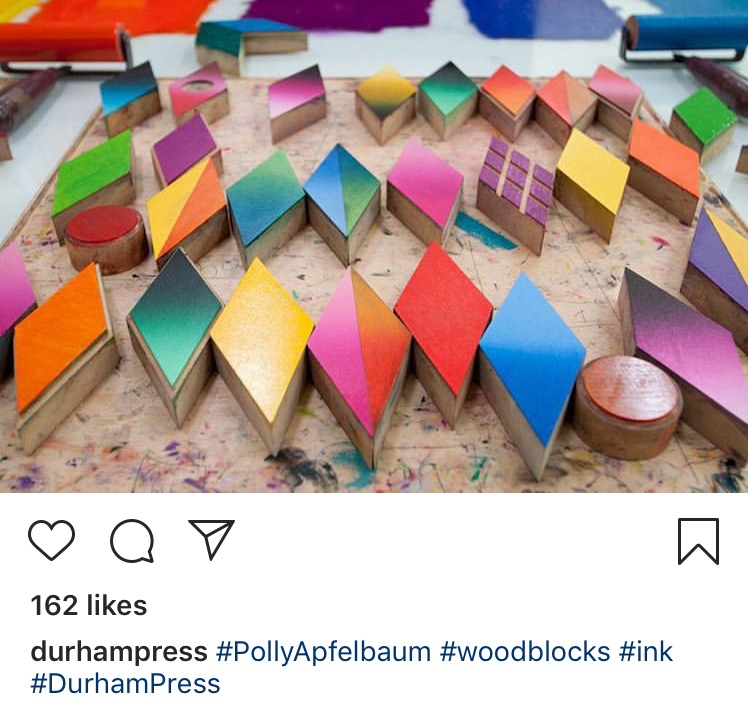
I first followed the Polly Apfelbaum hashtag. She is an artist about my age, and still producing interesting and thoughtful works of art, many which seem to intersect my world of quilting. I grabbed this screen shot from DrawingCenter, who also had a series of quotes from her, which I loved:
“Her interdisciplinary approach is most notable in her floor pieces that she refers to as “fallen paintings,” the series of work that she best known for. Laid on the floor in intricate and somewhat psychedelic patterns and forms, the paintings are made of fabrics that have been dyed brilliant hues. The striking use of color aligns her work with abstract expressionism, but rejects the hypermasculinity of the style through the use of fabric and horizontal orientation. Apfelbaum explains that “[the] floor was a place that was inclusive but I could also be reverent.” By installing on the floor, viewers are able to walk around the art making the piece more fluid and approachable.”
She goes on to say “that she wanted “a relaxed sense of form, a form that was more abstract, a form that could kind of be chameleon-like, it could go from talking about minimalism, but could also talk about maximalism…and to craft.” Indeed, the dialogues around her hybridized work are wide-ranging and include feminism, religion, outsider art, and domesticity.”
Loved the “hypermasculinity” idea, reminding me of when I proposed a show of quilts to my Art Professor in college. “Over my dead body,” he said. It was then I realized that quilts were essentially, in his mind, NOT art, but I daresay they might be called “hyperfeminine” with the use of fabric, of soft construction.
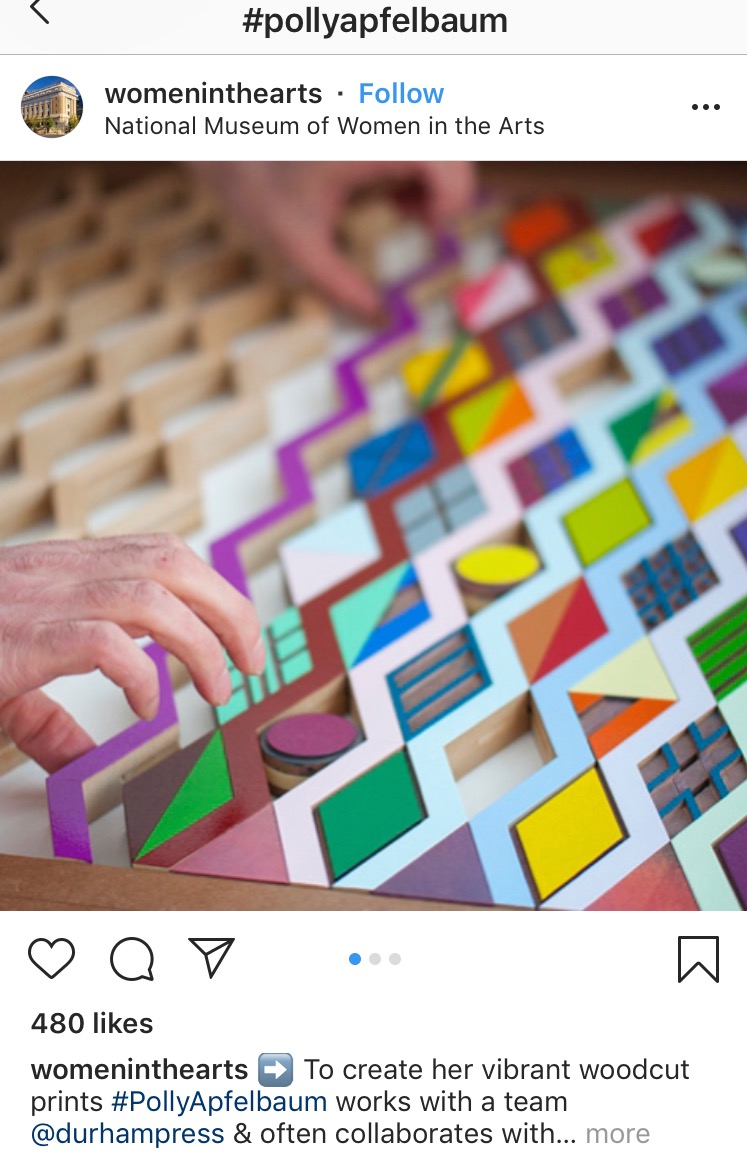
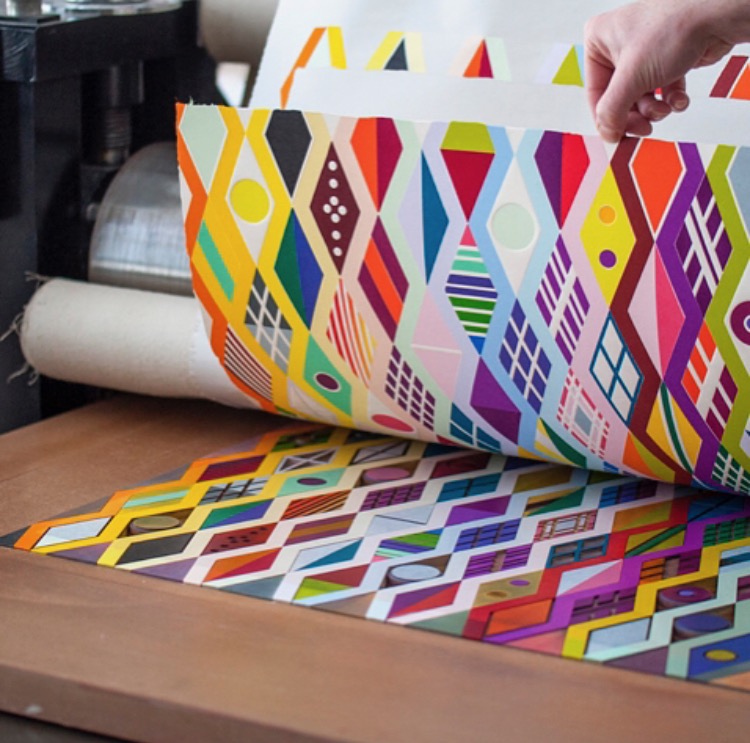
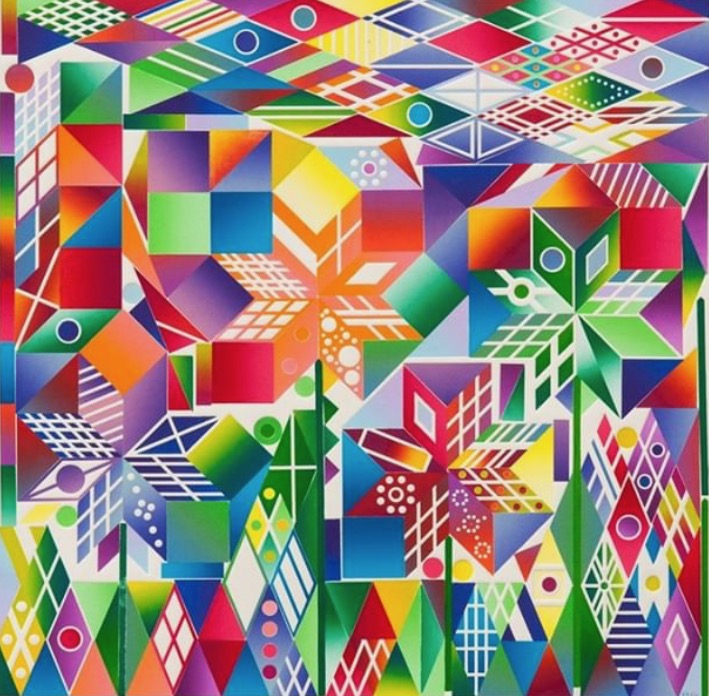
Apfelbaum also works by creating shaped woodcuts, which are then inked in vibrant colors, then placed in a design. Of course I think it looks like a quilt. More images, below:
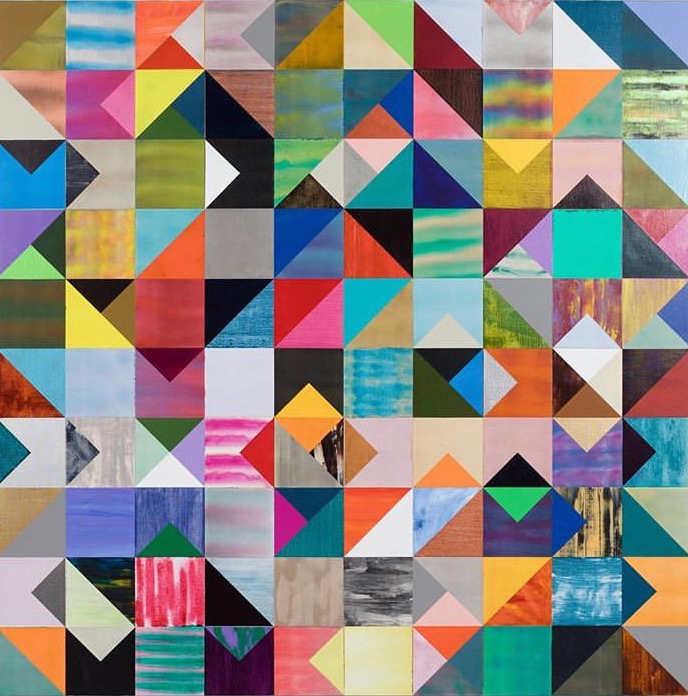
This last one is especially quilt-like, I think, in terms of the shapes. Is the quilting world is having an impact on others? They probably don’t know we exist, but I do believe in the idea of cross-pollination:
These last two are by Luis Zerbini, a Brazilian artist. The second one is definately an Orange Peel block, or a Wedding Ring variant, if you ask me. Even housework can inspire art:
Lynn Aldrich‘s Coral Landscapes made from house cleaning items; the one on the left is titled Marine Preserve. I wonder if the one on the right is a wannabe Lynn Aldrich?
Anyone for some Nine-Patch? With pieced sashings? Start cutting up your solid scraps into squares.
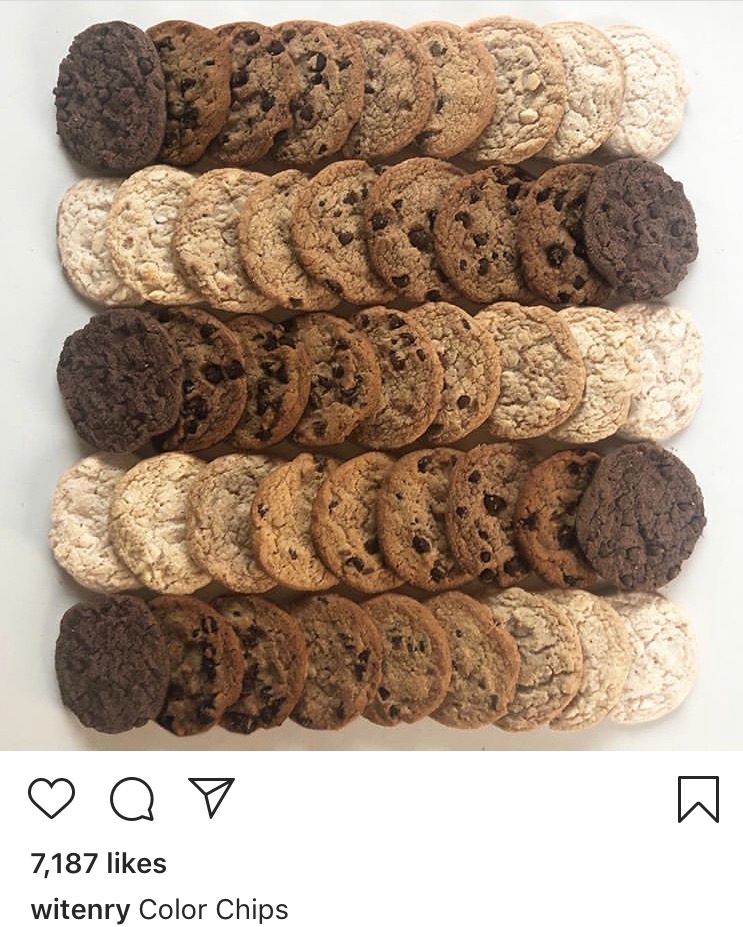
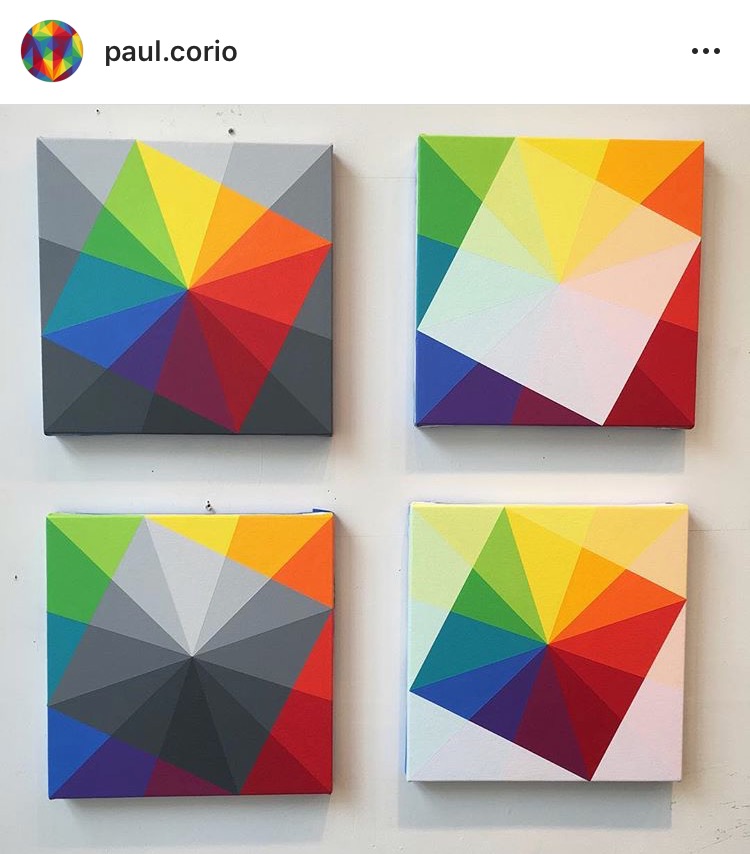
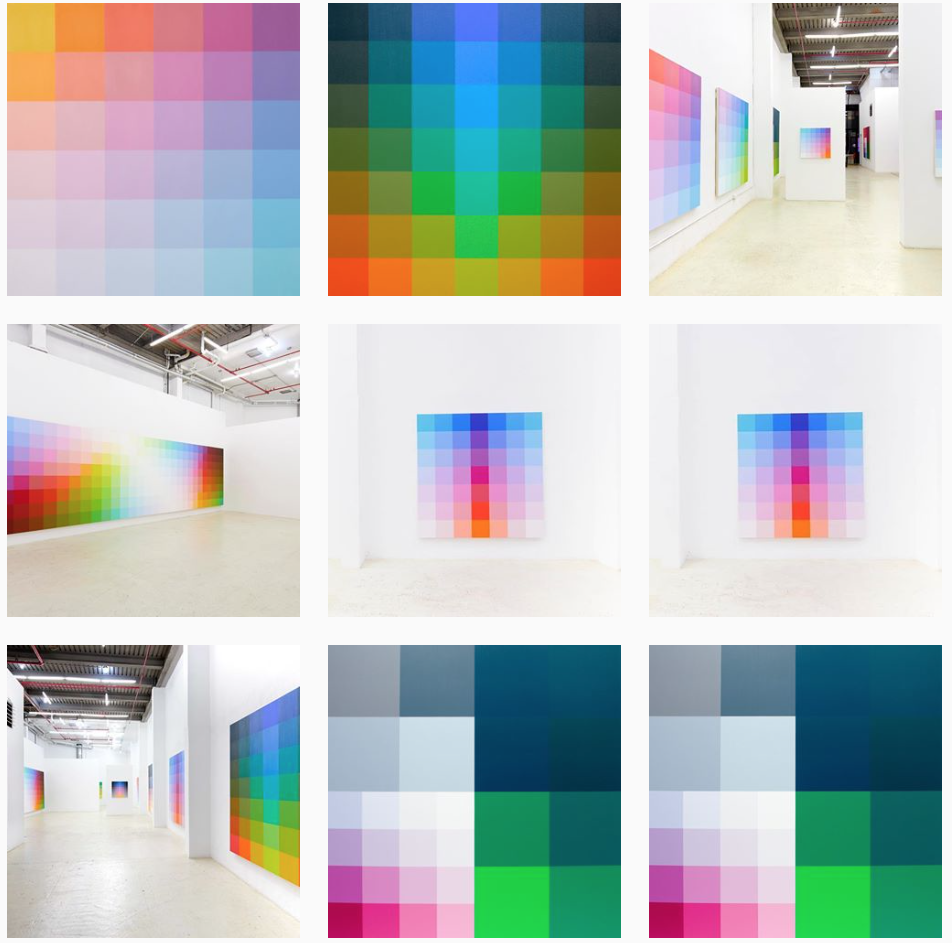
The art world can also be an interesting way to learn about value, a classic part of creating an interesting quilt. I’ve tried to include the sources so you can go and have a look:
Bringing this to a workshop would certainly get everyone’s attention about the impact of using those light-to-dark values.
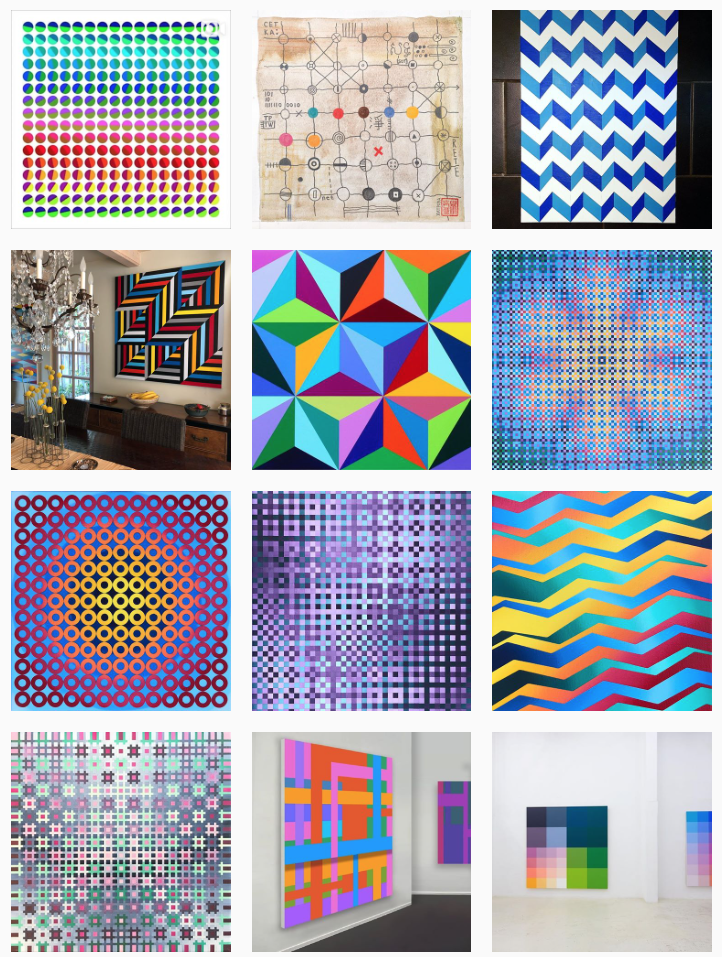
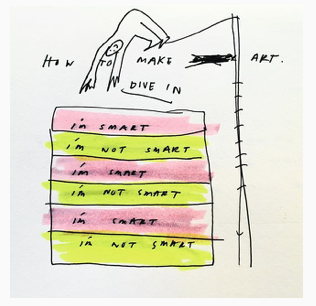
A screen shot of my Saved images from this morning. I’ve started making categories and put some of these in the Random Color/Art category of my saves. Just after you hit that little ribbon to save, the prompt comes up: Save to Collection. Tap that, and then either direct the save into a category, or make a new one. It helps in finding things.
You might want to try to what I call “focused browsing” if your eyes are glazing over after looking at three billion quilts in your feed, and you’ll scream if you see another heavily curated shot with threads and scissors everywhere where you feel like you are trapped in the Dungeon of Cute.
Some of the hashtags I followed were #gridart, or #hardedgepainting, or the names of the artists themselves. @DurhamPress also had some interesting images. Sometimes I would go to an artist, click on the name of the gallery they were showing at, then look at what the gallery had.
Yes, a little focused browsing might just clear the mind a little.

















 OccasionalPiece--Quilt!