Clothing · Museums · Something to Think About · Textiles & Fabric

Power of Pattern: Central Asian Ikats

Ikat_1

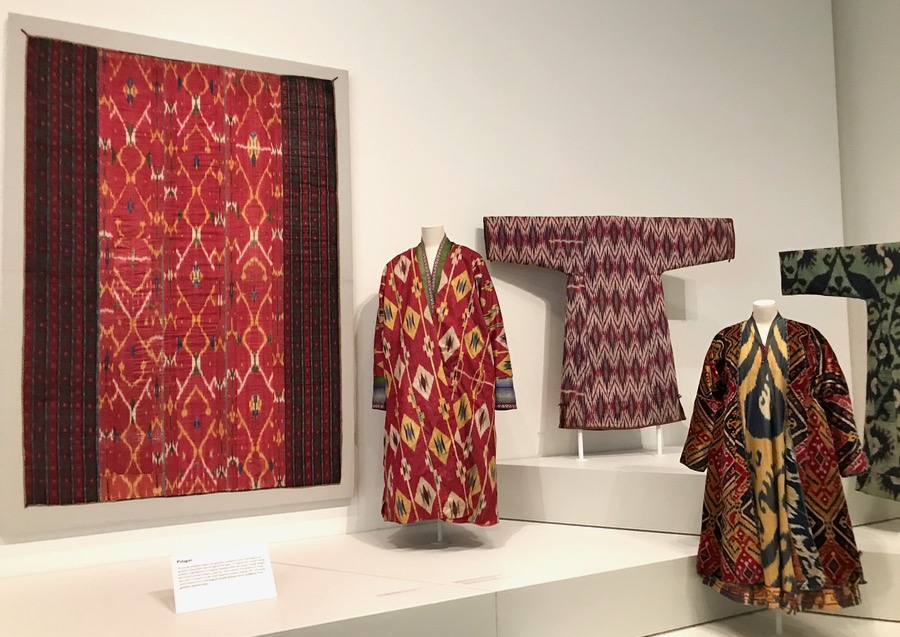
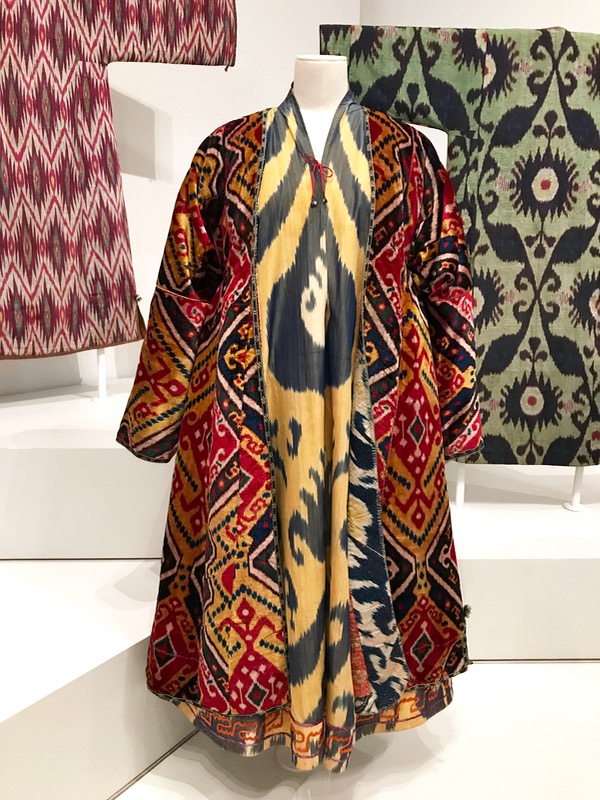
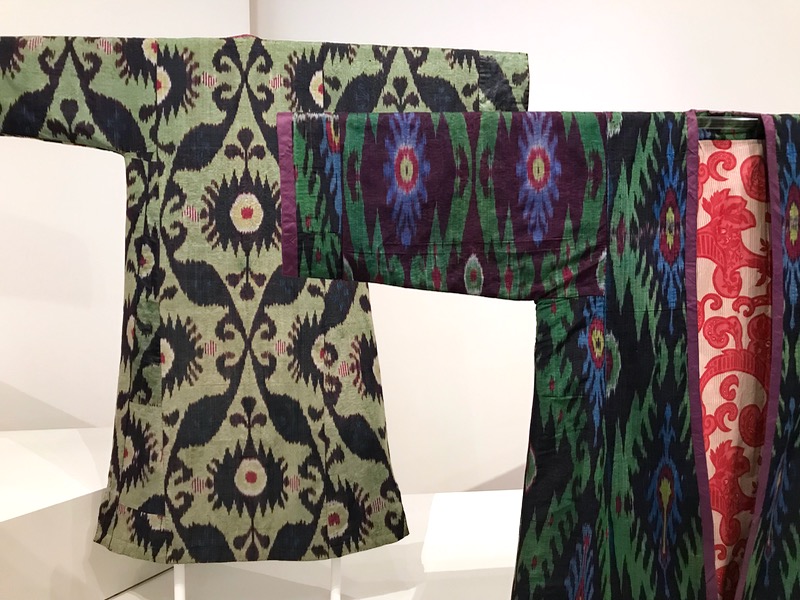
Among the most colorful clothing in the word, ikat robes — which hail primarily from the “the Stans,” or Central Asia — employ “creative use of scale, proportion, and orientation.” They are created by dying the warp (or vertical) threads of silk and cotton, sometimes multiple times.

Ikat_2
Ikat_3

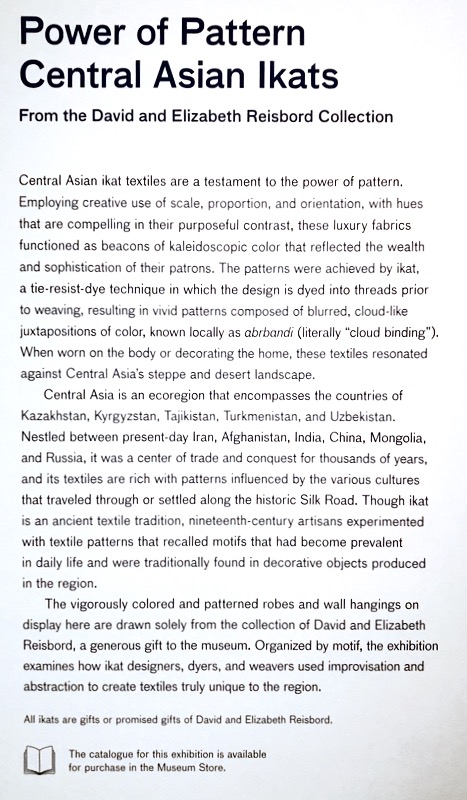
This past week, my husband and I had a chance to head into Los Angeles County Museum of Art (LACMA) to see this collection.  Here’s the notice in the gallery:
IkatTitle_1

Ikat_4

Ikat_4a
Note the embroidered cuff.
Ikat_5 Tajik Wedding Ritual

This photo of a Tajik Wedding ritual (1865-1872) shows the rich patterns of both men and women in their ikat robes.  I did a Google Image search, which has lots of results, but these older robes, as shown in LACMA, are rarer now.  In that Image search, I saw lots of machine-made ikats, which don’t have the subtlety of the hand-dyed.

Ikat_6

On the right is a series of threads which will form the warp threads in a loom, showing their various patterns from dying them using a resist process:

“Fabricating an ikat design demands vision as well as time. Before any actual weaving takes place, the lead craftsperson must picture a fully fleshed-out color pattern. Next, assistants soak the warp threads of the textile-to-be in a series of dye vats—up to eight in total—accumulating hues along the way. Prior to each dying phase, all stretches of warp are strategically bound with dye-resistant greasy thread, leaving exposed only those portions meant to be colored.

“By repositioning the dye-resistant thread before every immersion, textile makers gradually cover the entirety of the warp in an array of different tones. The most skilled designers will subject some sections of the material to multiple immersions, combining red and yellow dye to produce sunset orange, or red and blue dye to yield rich royal purple.

“Finally, when the Technicolor warp is ready, loom operators stretch it taut and gird it with a cotton or silk weft. The result is a long, narrow oblong textile bearing the designer’s repeating geometric pattern. This can be shaped into an eye-catching coat, or alternatively kept two-dimensional and made into a wall hanging” (from an article in the Smithsonian Institution Magazine, when they mounted their exhibit of ikat).

IkatTitle_3
LACMA’s didactic label in the exhibit
Ikat_7
I love the visual doubling and tripling of pattern and color in this robe.
Ikat_7b
Ikat_8

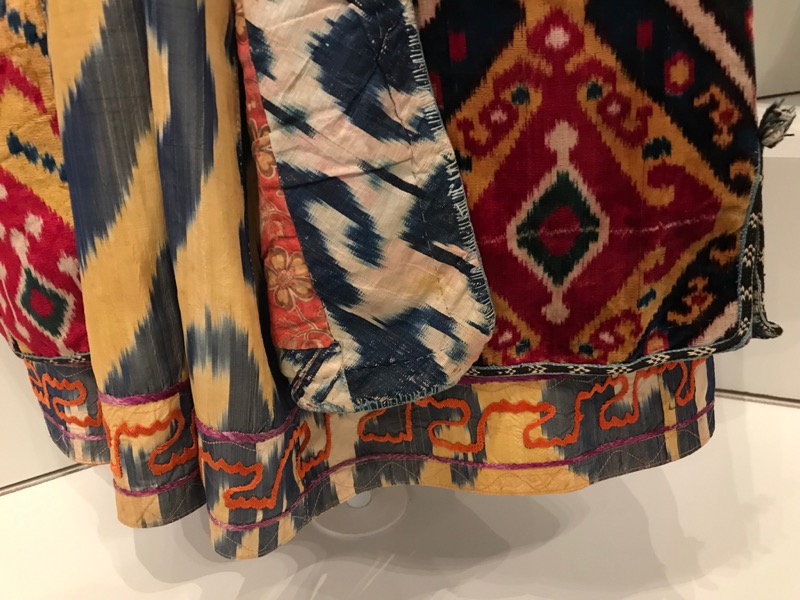
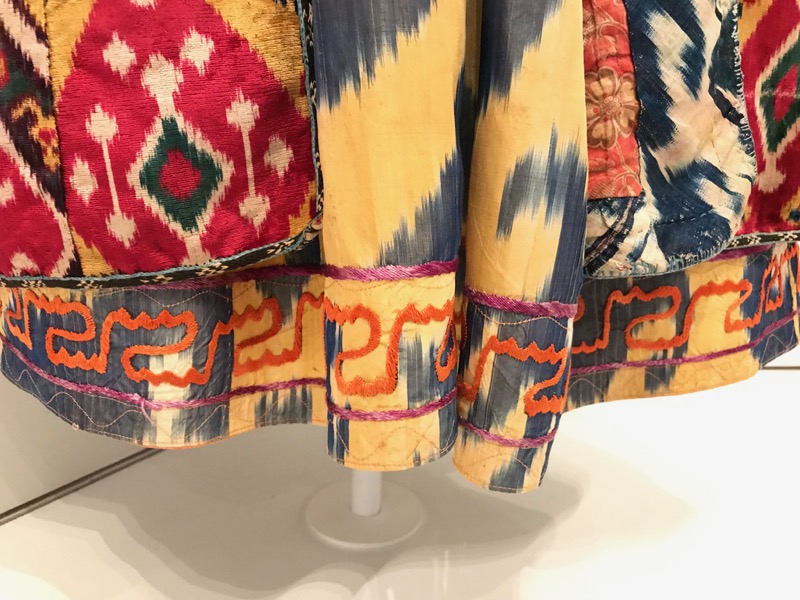
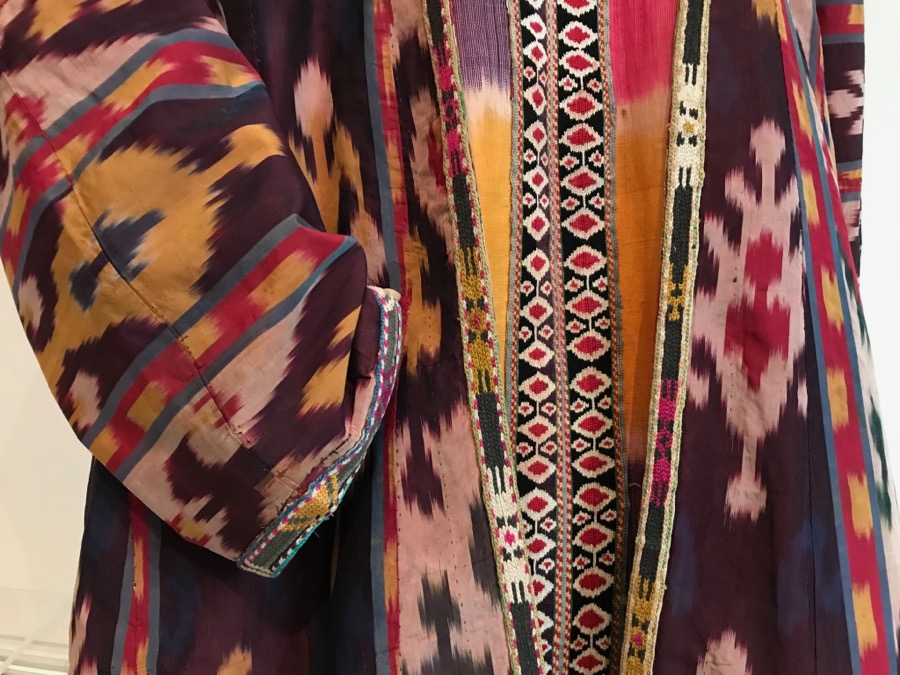
I think the guards thought I was crazy when I came to this robe.  I kept crouching down, zooming in, trying to capture the details of what I would call a type of kantha stitching, embroidery, hand overcasting.  It was a riot of color and texture and pattern:
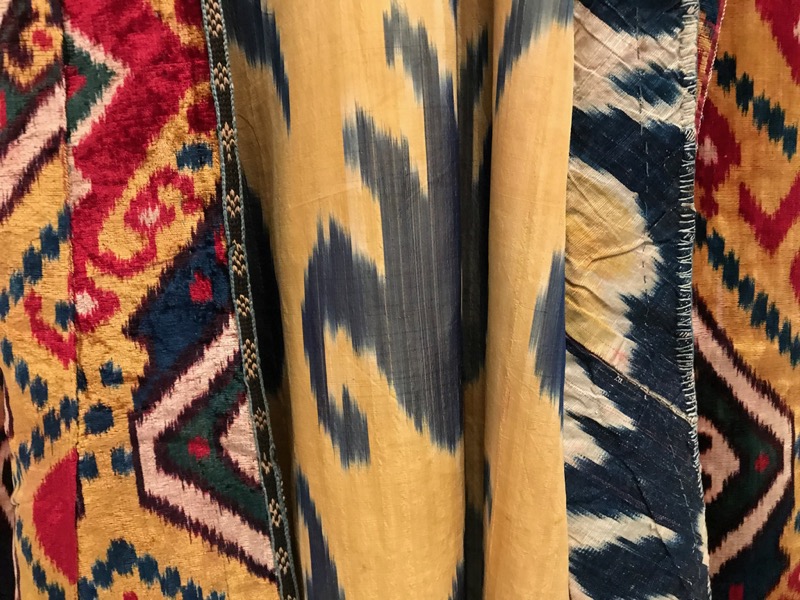
You can see the nature of the ikat weaving, which blurs the edges as the weft yarns are woven through those pre-dyed warp yarns.  To make velvet, two rows of weft yarns are needed, instead of just one, so velvet robes were considered top of the line.  In the outfit above, it is the outermost robe.

IkatTitle_2

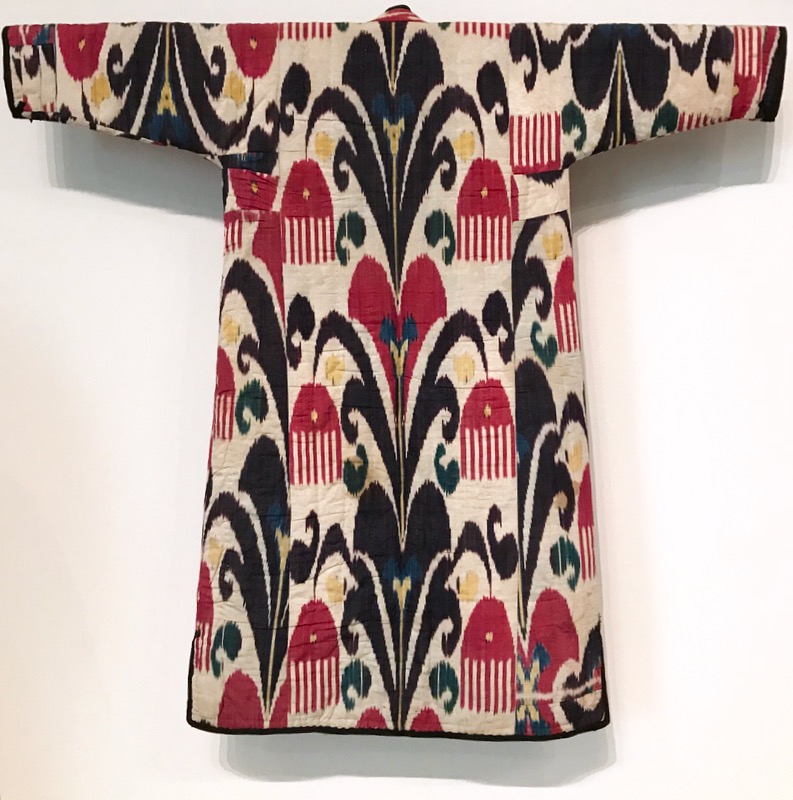
I took so many photos, that I’m not really sure which title goes with which picture, but I enjoyed reading the names of the clothing: a woman’s robe is a Munisak, a woman’s dress is a Kurta, and a man’s robe is a Chapan.

“Defined by an hourglass sihouette produced by the gathered fabric at each side of the waist, a munisak was used throughout a woman’s life for significant events, from her wedding to her funeral.  As such, it was an important part of her dowry” (LACMA text).
Ikat_9
Ikat_10
Ikat_10a
Ikat_11
Ikat_12

Recently, my friend Judy had traveled to this area with her husband, so I was familiar with the term “the Stans,” and what the area looked like.  Although some consider that term a snub (“stan” means land, as in Afghanistan is the land where Afghanis live), I think it works well for those of us not familiar with where these countries are:
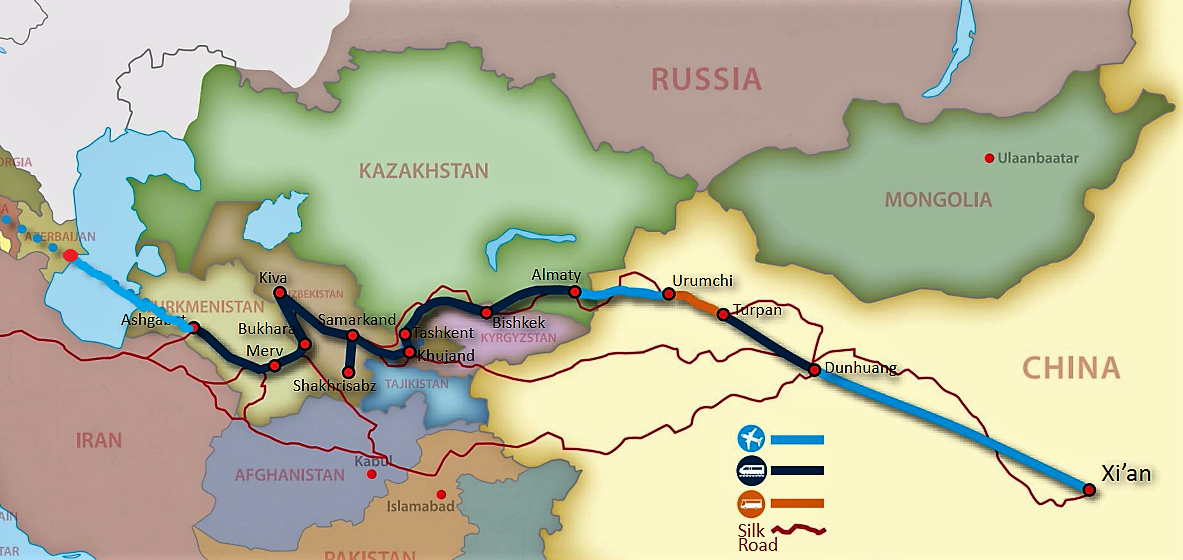
Map of The Stans
Image sneaked off of her travel blog, *here*
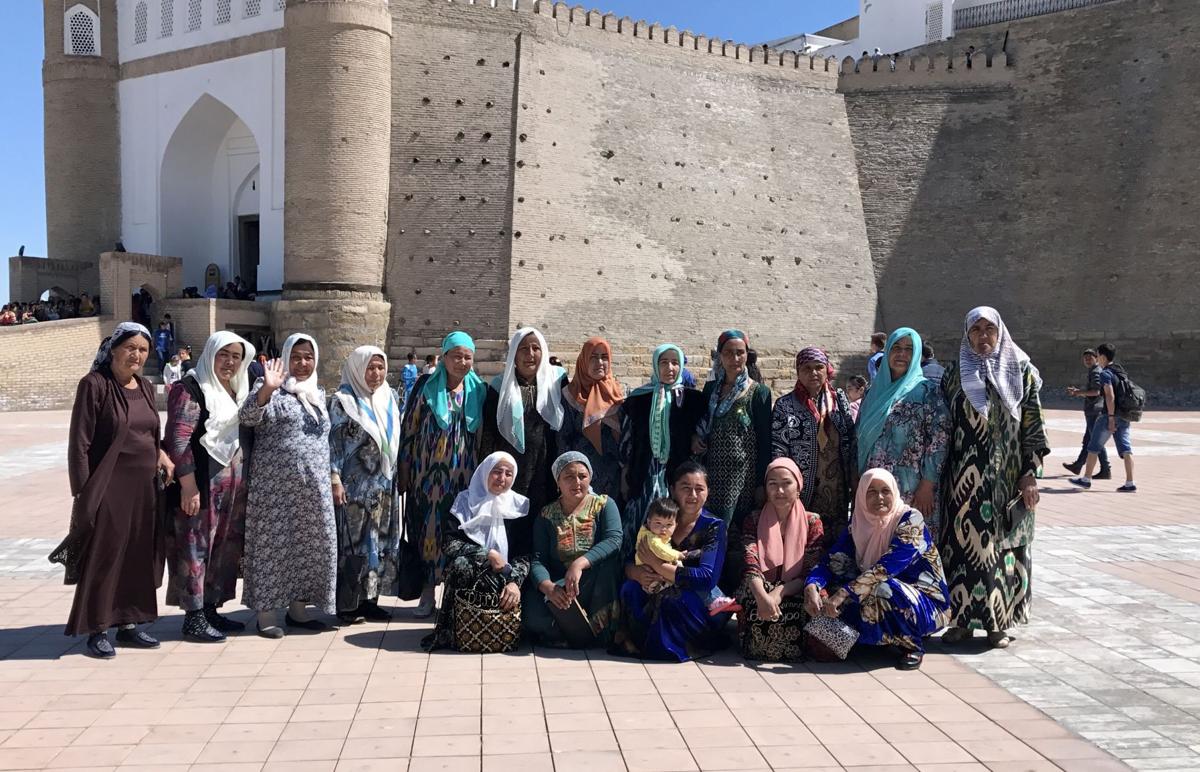
Women and Ikat_2017
Women and their Ikat Robes (2017), from *here*
106-Turkish-Coat_Folkwear
Turkish Coat, pattern #106

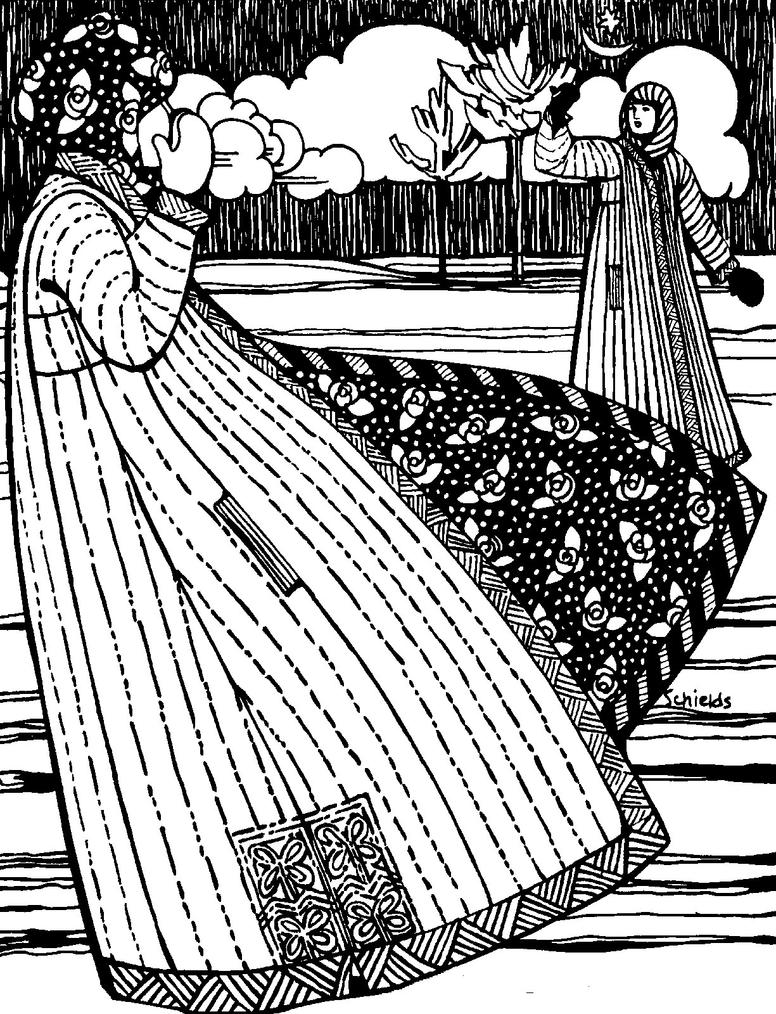
While we were in the LACMA exhibit, I told my husband that many quilters have used FolkWear patterns to make a similar robe, and added detailed surface decoration.  I first learned about ikat when I took a class in Houston several years ago from Roberta Horton, a reknowned quilter, who showed us ikats from her line of fabrics, made in India:

Ikat_14.jpg

Although I was a Clothing and Textile Major in college, I’d didn’t remember hearing about this fabric before; perhaps that why I wanted to blog about it today.  But in the quilting world, we also have variants of these colorfully patterned robes worn by these people from Central Asia.

Tabula Rasa Jacket_thequilttree.png

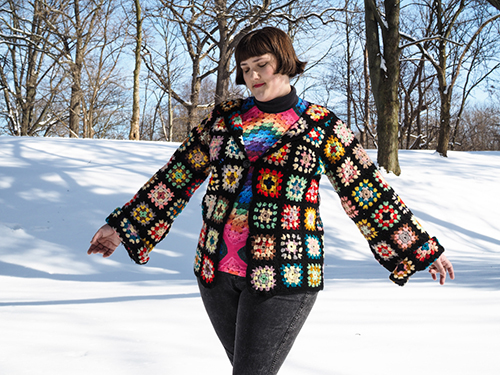
I’ve seen the Tabula Rasa jacket and all its variations, from a pattern by FitForArt.  Perhaps it’s the blurring of the lines between our patterned quilts and these beautiful ikat robes?  The more surface decoration the better?
crocheted jacket

Not always. I’ve also seen some not-so-great versions of handmade clothing that were patterned to within an inch of their lives, certainly showing their makers’ skill but not always on the level of what was in that exhibit.

The brilliant thing about these ikat robes is the sense of balance that is present.  Even in the layering of the different patterns, something pulls them together, links in either color or design.  A worthy goal for our own creating, wouldn’t you say? whether it be in quilts or robes or clothing.
Ikat_13

This was another experience that showed me that old truth: it’s always good to get out of my head, my studio, and the endless loop of social media, in order to gain inspiration from other places in the world.

Happy traveling, and Happy Father’s Day!

Wedding Day for Us
The day my husband became a father to four children.
Quilts · Textiles & Fabric · Tiny Quilts

Happy Fourth of July 2018

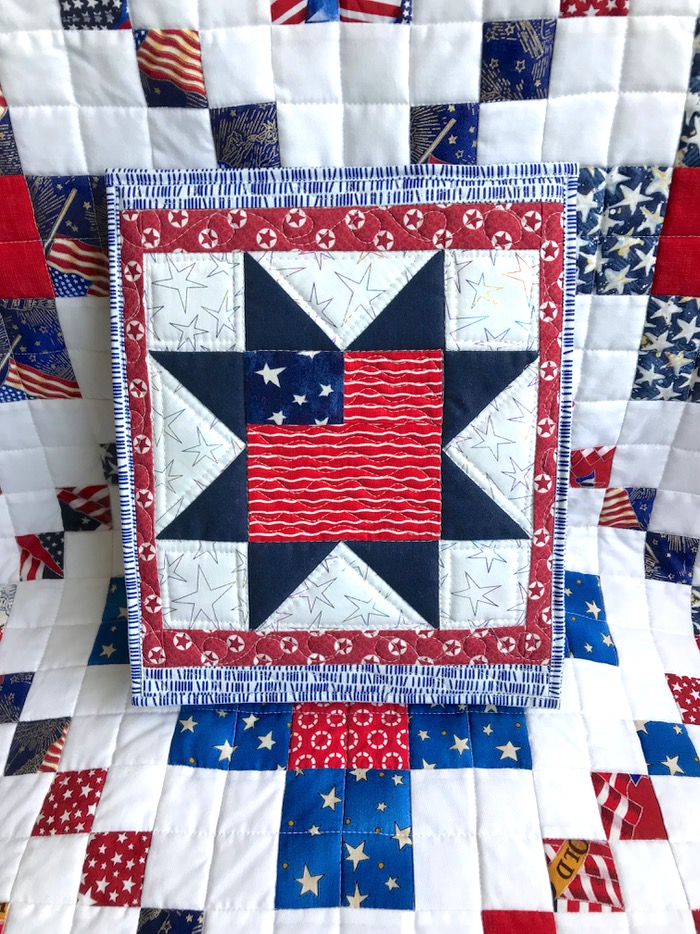
Fourth July Tiny Quilt

To honor the 4th of July, I stitched up another tiny quilt.  I love being patriotic, as the meaning has a sense of loving America and its peoples, the history and the early settlers, and those who set up the government in 1776.  It helps that my nickname in my childhood was Betsy, but I do love the red, white and blue.

Fourth July Tiny Quilt_1

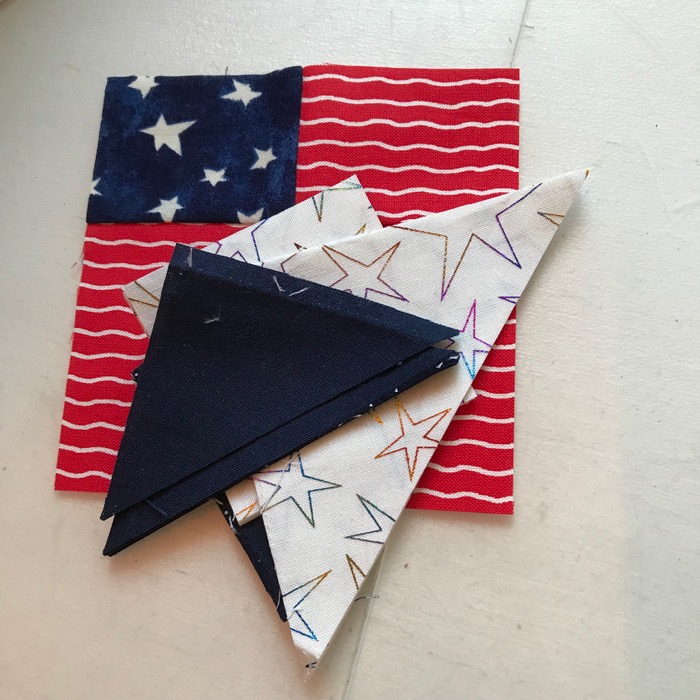
I went through my Orphan Quilt Blocks box, found one that wasn’t being used, and smallerized it, using this PDF pattern to cut it out: Fourth July Tiny Quilt Star Center

Fourth July Tiny Quilt_2

I put on two borders, quilted it (so fast because it’s so small) and put a single-thickness binding on it (cut your strip 1-1/2″ wide), gluing down the back binding and top-stitching it down.  It is one of those quilt projects you can take at full throttle–no fussy cutting or intricate piecing.  Put your pedal to the medal and crank out a 4th of July star tiny quilt!

Fourth July Tiny Quilt_back

It slips over the back of one of those cheezy plastic stand picture frames (under 2 bucks at Walmart). [More on the quilt underneath it at the end of the post.]

Tiny Sailboat Quilt_front on frame

Here’s a post with general directions as well as how to make a sailboat design.
And I have also made:

Mini Quilt Spring 18_4

a snowman,

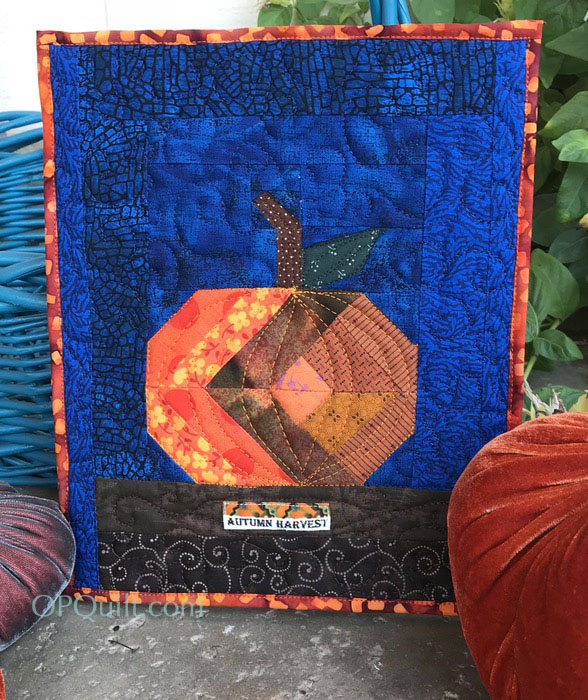
Tiny Pumpkin Quilt_front

a harvest pumpkin, (which has more directions, especially on that binding)


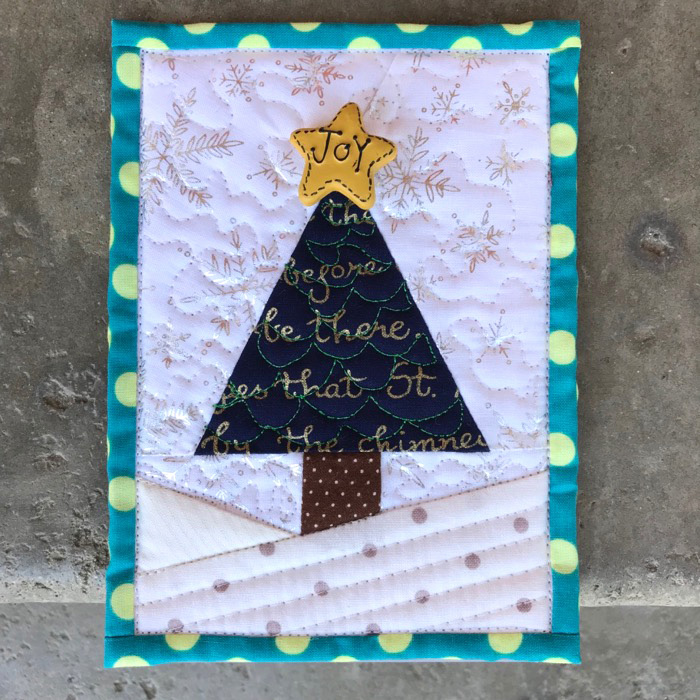
Tiny Trees

and some Christmas trees. (I included the directions for the smaller trees.)

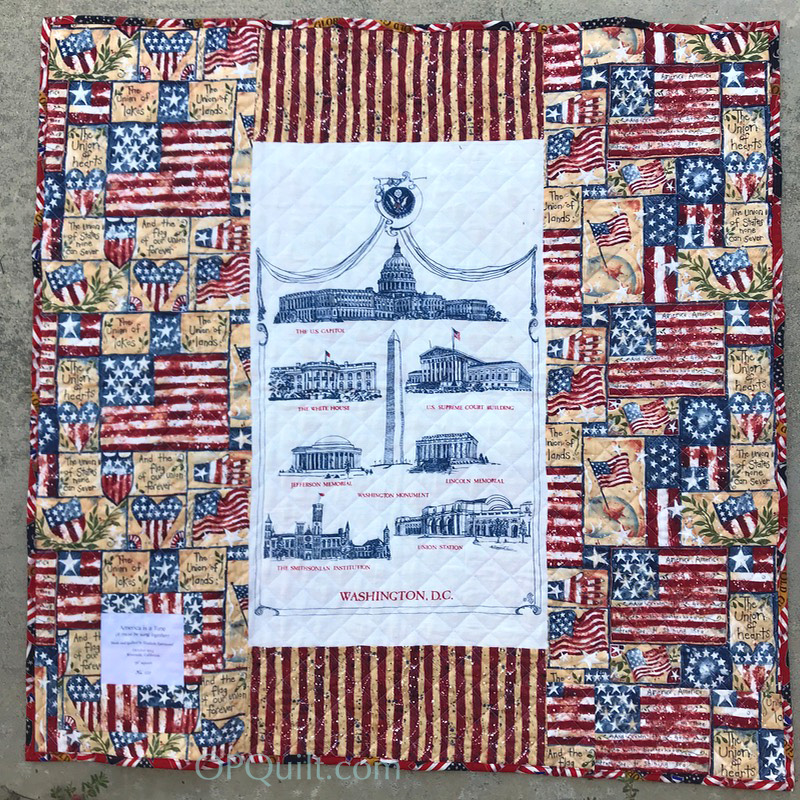
AmericaIsATune_front
AmericaIsATune_back
AmericaIsATune_label


I made the quilt above quilt five years ago at the same time we had a government shut-down, and I was moaning about government needing to behave itself then.  I now look back on that particular chaos with a wistful glance; would that we had that steadiness now!

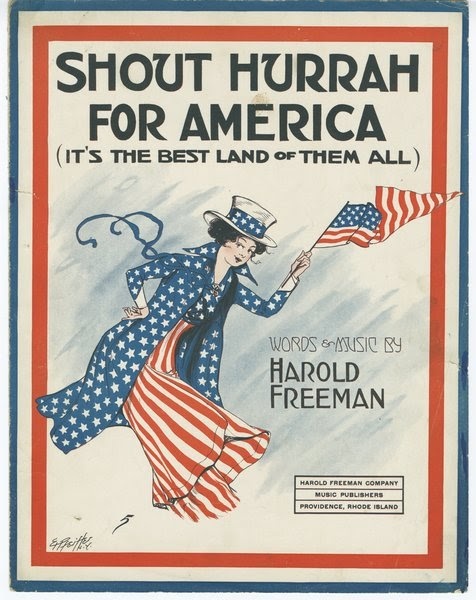
Shout Hurrah for America

Yet, I still believe that America is a Tune, and that we must figure it out — sing it — together, no matter how painful things are.  After reading the book Hamilton, I value what those early fathers of our country (and mothers, too) must have faced and appreciate how much work they did and how inspired they were to come together and get the framework off the ground.

Uncle Sam

Have a Happy Fourth of July!
 

Clothing · Sewing · Textiles & Fabric

Pioneer Cosplay

Heritage Day Logo_SB
Logo by Simone

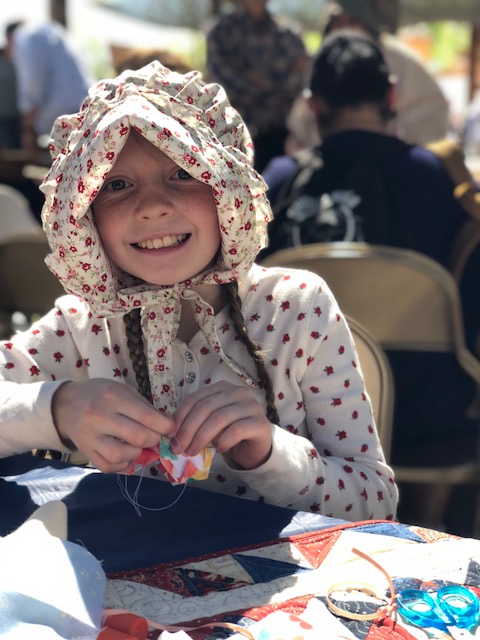
Recently a few of us here were involved in the Heritage Day Celebration, honoring the early pioneers in this valley. It happened last Saturday, on a mildly hot day.  Good day to be wearing all these layers, right?

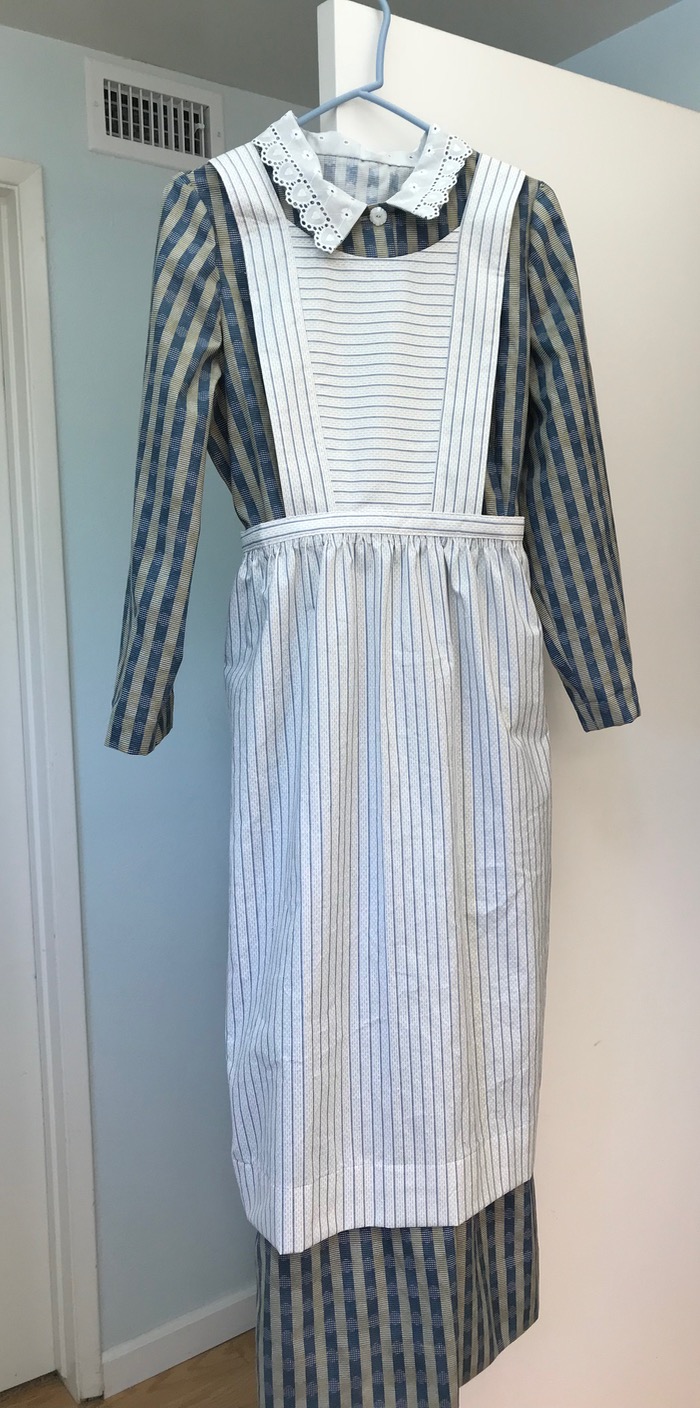
pioneer dress 2018.jpg

Didn’t Thoreau say something like “Beware of all enterprises that require new clothes”?  I think the dress looks like a cross between Mary Poppins and the mother from Little House on the Prairie, an ancient TV show that forever colored our view of what women in the 1850s wore around the farm, and notable for the final show: they blew up all the set houses with dynamite to keep them from the local evil corporate guy.

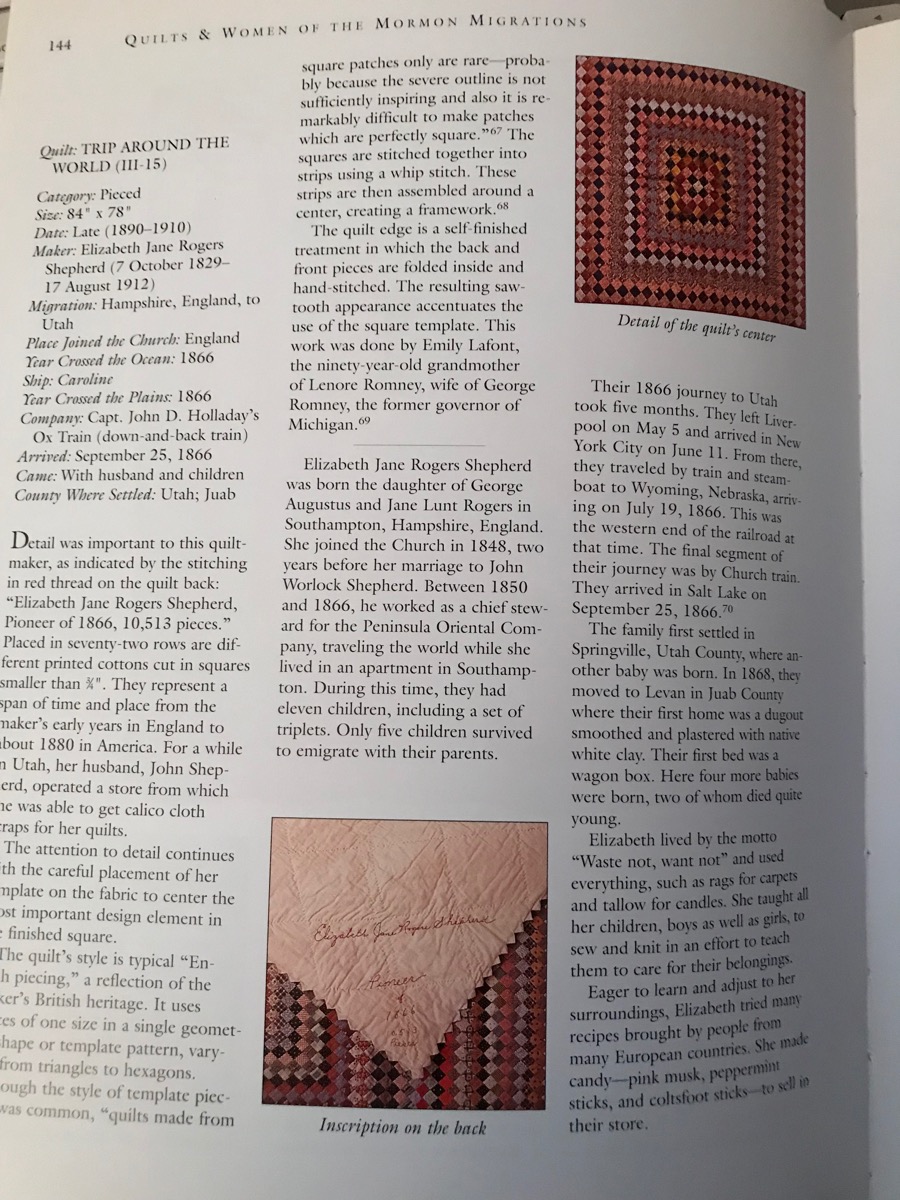
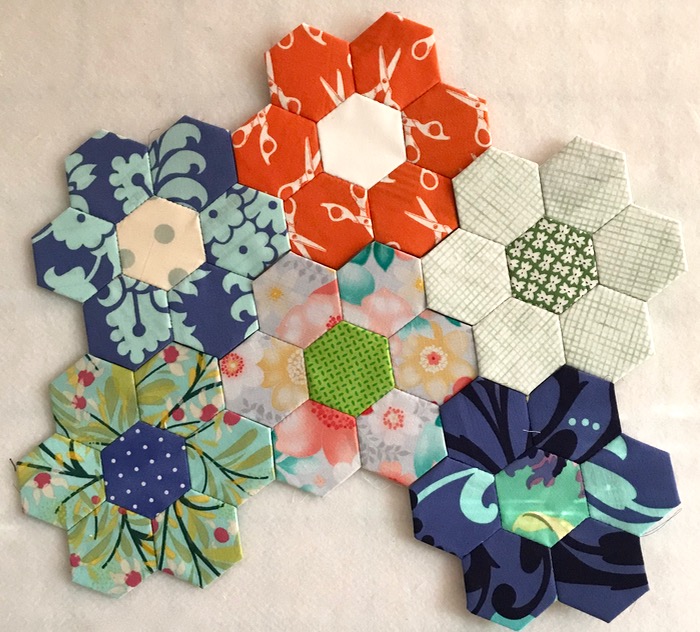
We hosted a “quilting booth” but instead of that tired old trope of setting out a quilt top so people could mangle it with their stitches, we ran a hexie booth, based on the research I found that quilters at the time were doing English paper piecing.

Quilt of the Mormon Migration_EPP (1)(1).jpg

We had some work to do.  We, meaning, several of us who have attended our quilting group for many years, plus some others we conned into asked to participate.

Pioneer_0a

First, combine four patterns to make a pioneer outfit (seen above). Then start working on the demo goods: hexies.

Pioneer Hexies_1
Pioneer Hexies_2

I appliqued them to a tote bag I picked up a couple of years ago at Quilt Market, figuring the “maker” theme was a good fit for hexies.

Pioneer Hexies_0
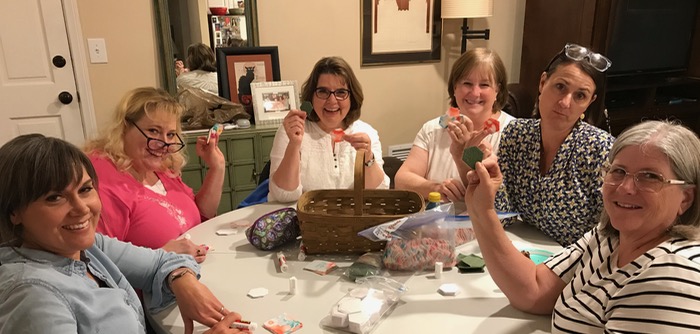
l to r: Julie, Melissa, me, Laurel, Simone, Lisa. (PS Simone doesn’t really look like this. She likes to pull faces. Her texts always make me laugh.)
Pioneer Hexies_0a
Pioneer Hexies_0b

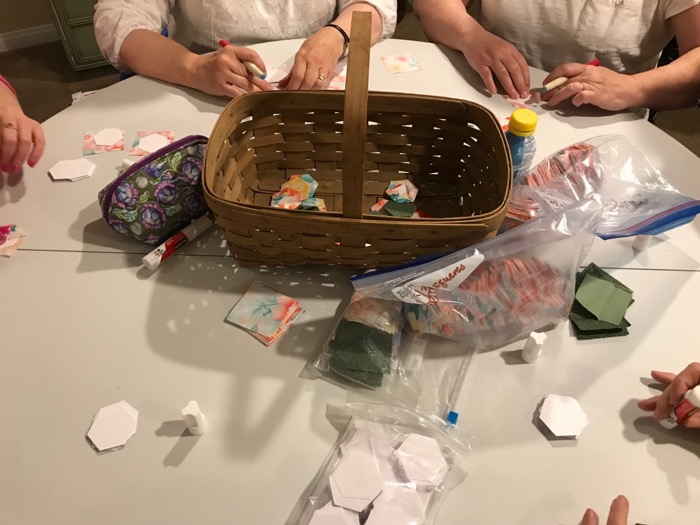
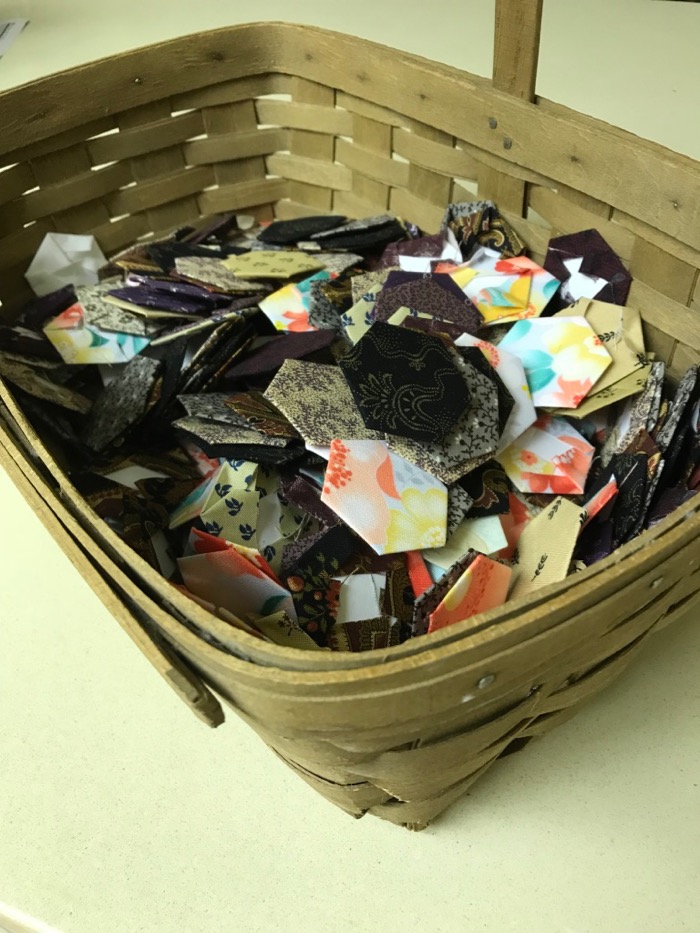
We figure we glued up about 500 hexies, total, between this and what Leisa did later on.  It was so good to have these!
Pioneer_0

It was a team effort: our friend Dennis brought us tables and chairs, and Leisa was the “set decorator,” using quilts from near and far. We arrived at 7:10 a.m. and left at 2:20 p.m., the right amount of time.

Pioneer_1a

We also had some modern hexies there to entice the participants; that is Laurel’s beautiful Modern Millefiore Hexie quilt on the left, with Simone’s hexie pillow (pattern here), and other props.

Pioneer_2a

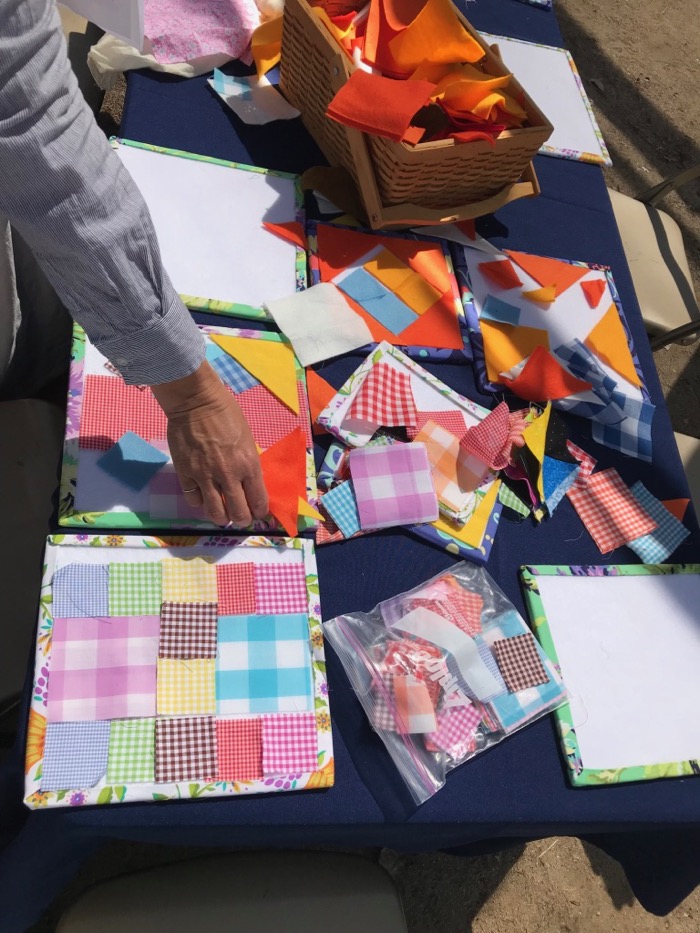
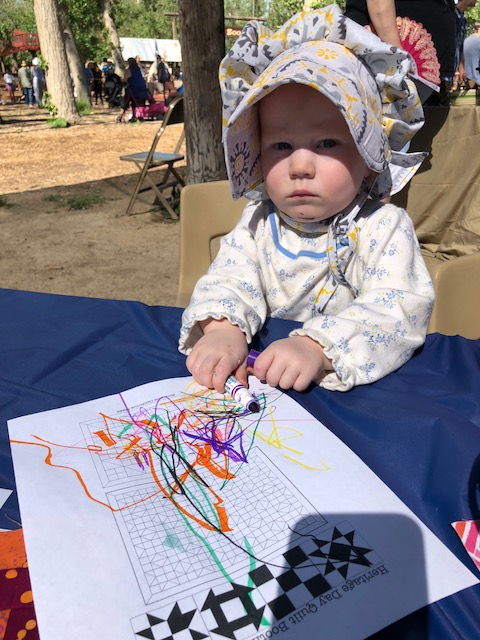
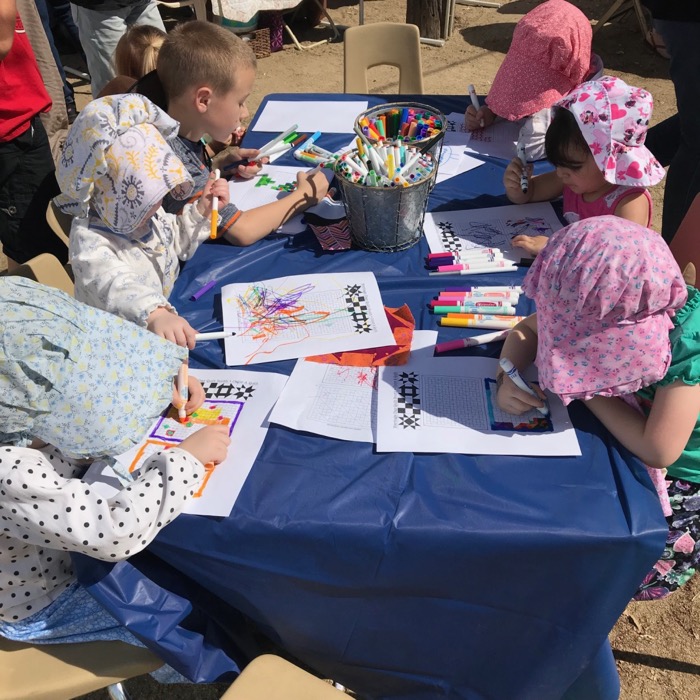
We had Color-A-Quilt pages for the littlest visitors, as well as create your own quilt block (below).  We had to remind them that it was a visual treat–take a photo with your phone sort of thing–as people kept walking off with my design boards.  That is Julie’s hand you see there, making a mock-up.  She kept these two sections rolling the whole day.

Pioneer_2

Pioneer_1
from l to r: Cindy, Julie, Denese, me, Laurel and her husband Ralph, Leisa, Simone

The original crew, plus my husband, Dave (who is taking the photo).  We swapped out two for four others mid-day; we were swamped, so were glad to have them.  Here are some photos from our day:

Pioneer_2b

Pioneer_6
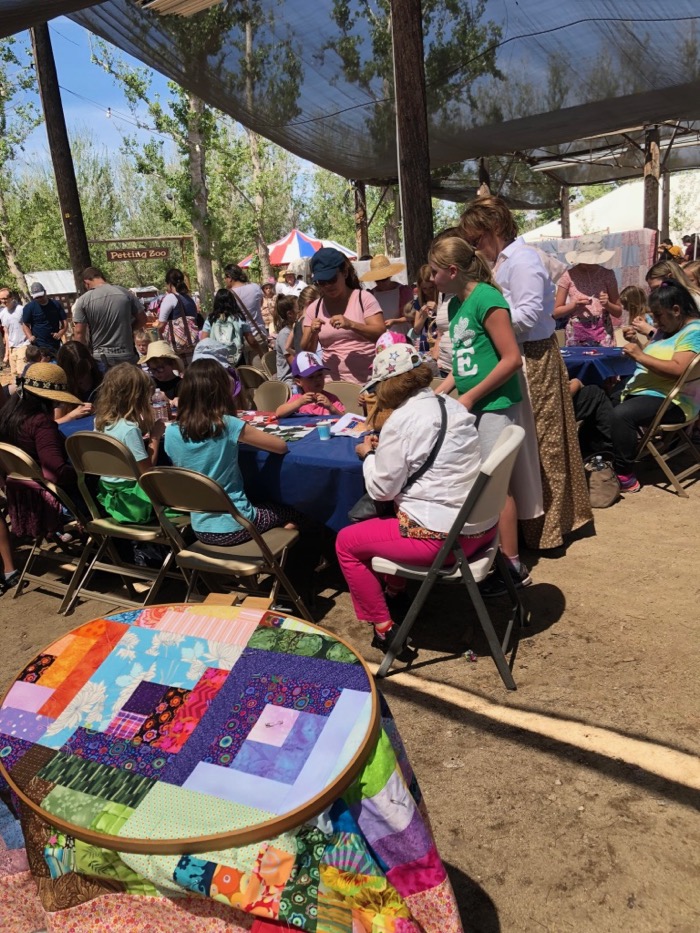
We were suprised by the number of teens — and teen boys — who sat down and made a three-hexie patch from start to finish.
Pioneer Hexies_3.jpg

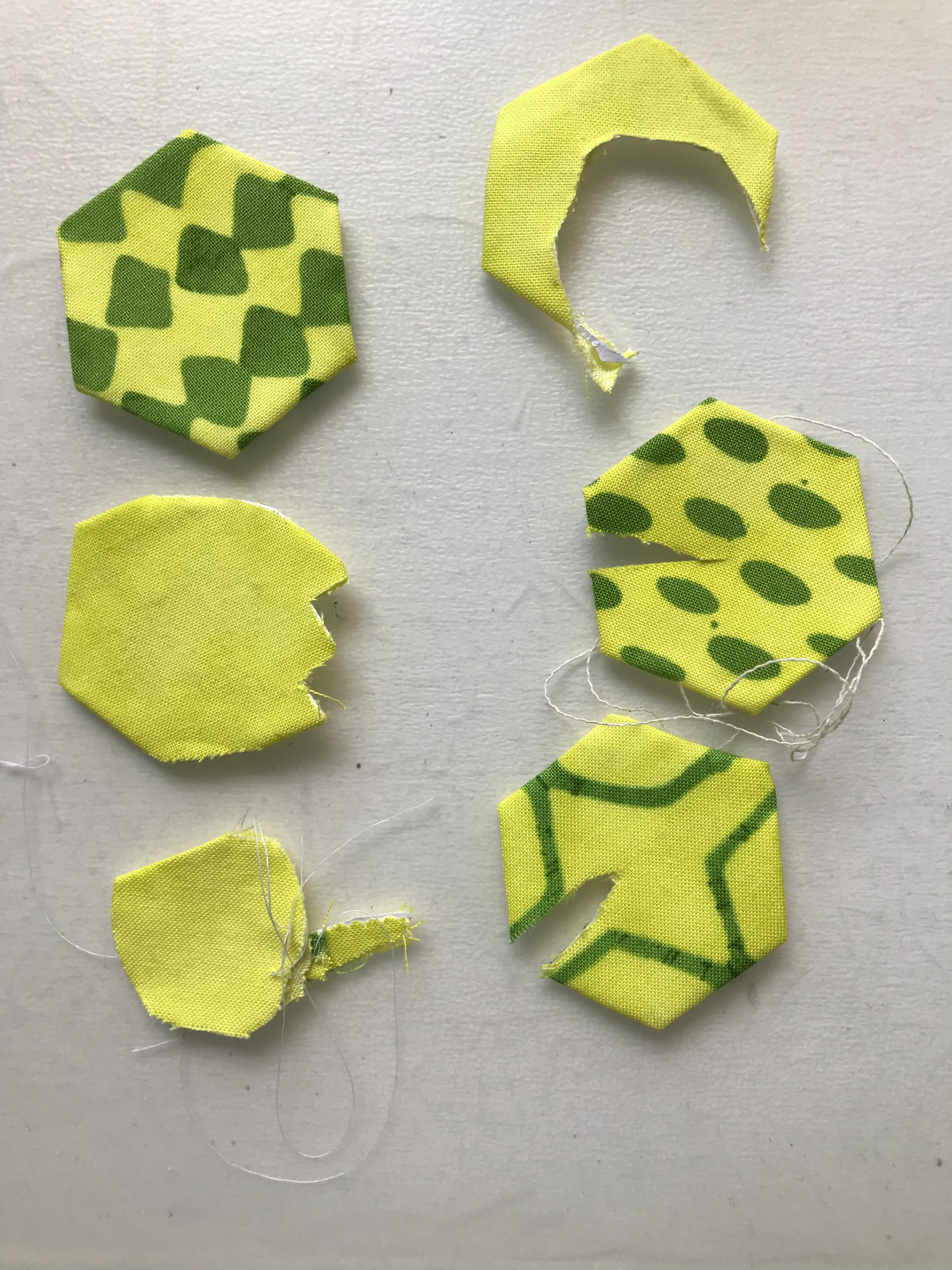
Most did not look like this–they sewed them up properly, although sometimes with an interesting twist or two, but we thought this won the prize for “Most Interesting Hexie” of the day.  We had to teach many how to tie knots (about half had no idea how to do that), and we saw that lots of youngsters (and oldsters) liked to be able to sit and sew, a skill not often available to them in other places.

Pioneer_3

We had a sample quilt set up in a hoop in case anyone wanted to try hand-quilting.  Most were more fascinated by the hexies.  And most wanted to pick through the baskets of cut fabric squares and glue their own shapes, too.

Pioneer_4

Pioneer_4b
Wee Pioneers
Pioneer_4c

I love sharing our craft with some new quilters!

tiny nine patches

Stats: 3,000 paper hexies purchased
60 needles (only 35 were brought home–don’t know where the rest went)
3 needle-threaders: one from Clover, my friend Laurel, and my husband Dave
2 ten-gallon jugs of water
4,000 cut squares prepped up: fabric donated by Paintbrush Studio and Primitive Gatherings
Project boards that are not dusty: 0
Number of pioneer outfits that will never be used again: 7

200 Quilts · Quilts · Textiles & Fabric

Triple Squares in “On Your Mark”

OnYourMark1_Simone

My friend Simone recently launched her first line of fabric for Paintbrush Studios.  It’s called On Your Mark and has its origins in punctuation marks.

OnYourMark2_Simone
Triple Squares_1


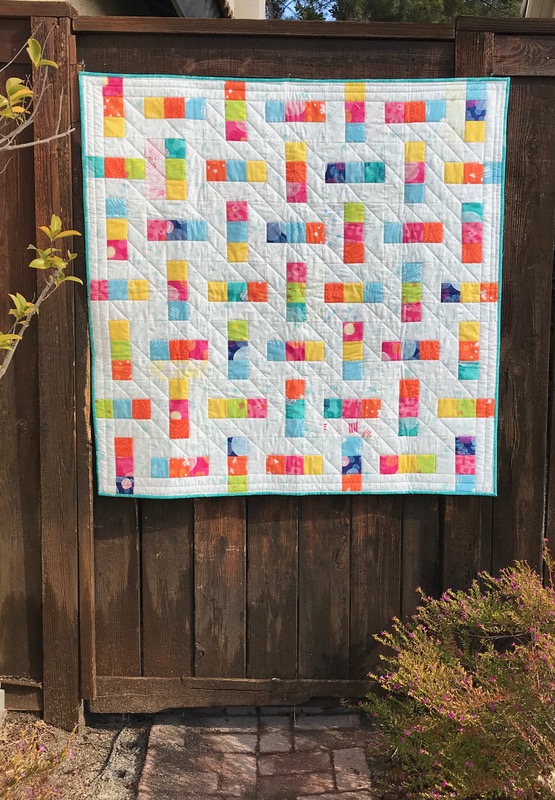
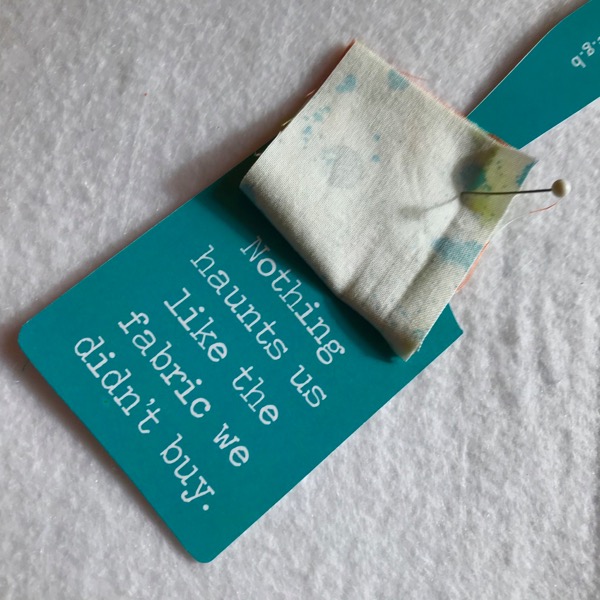
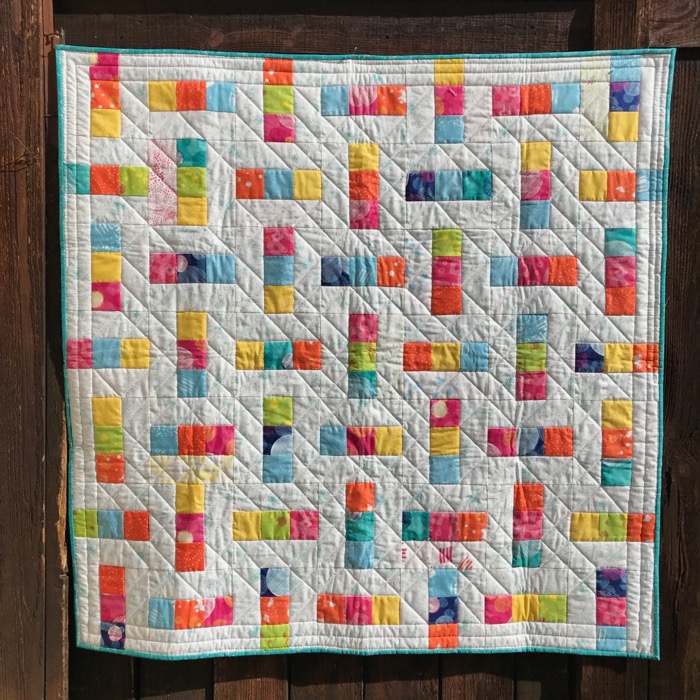
Because I’m a pal, I get to sew with it.  I made her a baby quilt using her fabrics, perfect because the fabric has a lovely soft hand that the quilt won’t be scratchy at all.  I call this Triple Square.

Triple Square Block.png

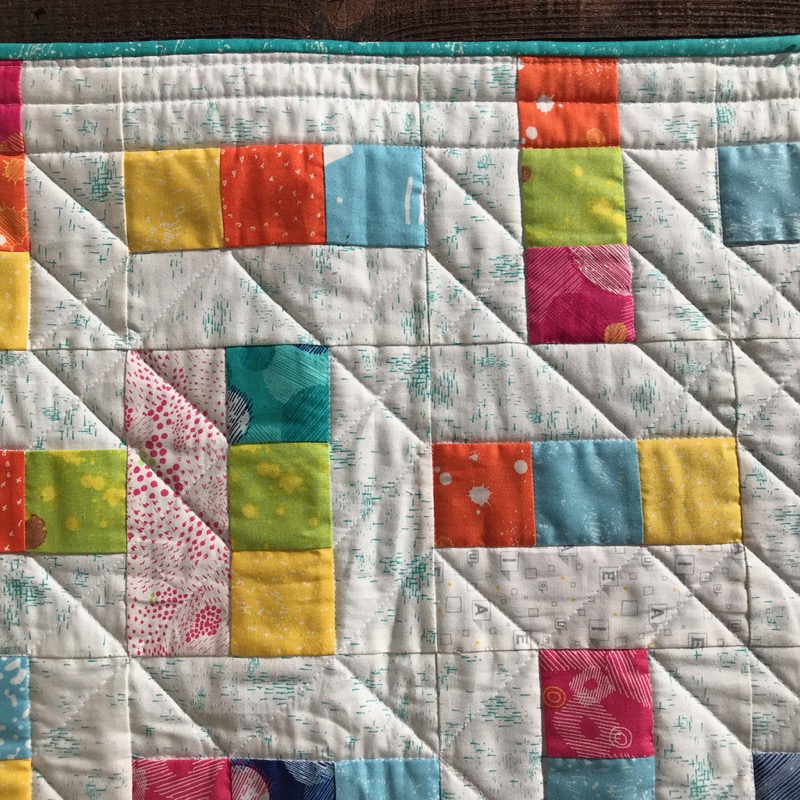
It’s basically a variation of a nine-patch, using 2-1/2″ squares with side pieces of 2-1/2″ by 6-1/2.” It goes together very quickly (like I started it Saturday afternoon, and delivered it, unbound, by Monday evening).  You may have seen this at QuiltCon, where she used it in her demo.

Triple Squares_2
Triple Square, 42″ square
Triple Squares_2b

It finishes at 42″ square.  I quilted it in random angle lines, going around and over and above the brightly colored squares.  I threw in some random other background pieces, just to spice it up.  Then I channel quilted it around the outside edges, to create a type of border.

Triple Squares_3
The reverse of Triple Square

.Gumdrops Logo_Simone.pngGumdrops Cover_Simone.png

This is Simone’s free downloadable pattern for her collection, titled Gumdrops, which you can find on the link at the top of this post.

Look for Simone’s fun and colorful collection coming soon to a quilt store near you!