Yes, and… was a phrase that came tumbling into my life from two different sources, one of which was a podcast. Yes, and… is the idea that to move an idea along, first you acknowledge that idea, and then add something to it. It can work in creating. It can work in setting up your day. It can work in relationships, in collaborations.
Some related excerpts from the podcast were also about creativity, so let me just throw these here, too, at the top of this post:
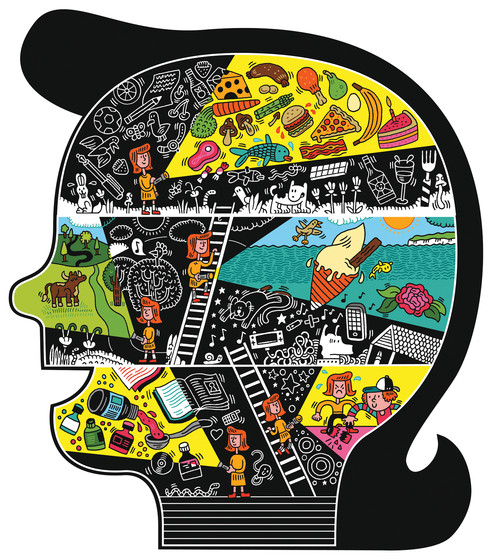
“[A]n important part of creativity is that it’s joy experienced in the present, and you have to be fully present to be able to have that experience and to be there. If you are distracted or you’re not fully in it, it is not the same experience.”
“Andrew Hooverman defined creativity as two phases, divergent, which the wider you explore things, the better. Nothing’s wrong there. You are exploring everything. And then the convergence, when you look at it and go, not all this is great, you know, and editing out, but you don’t get to the one without having volume and mistakes and figuring it out. I think it’s important to keep, you know, open to possibilities, at least early on.”
And finally, “[S]ome creative pursuits are outward facing, and some are in solitude.”
(from a podcast conversation about creativity and spirituality, with Lisa Valentine Clark and James Rees)
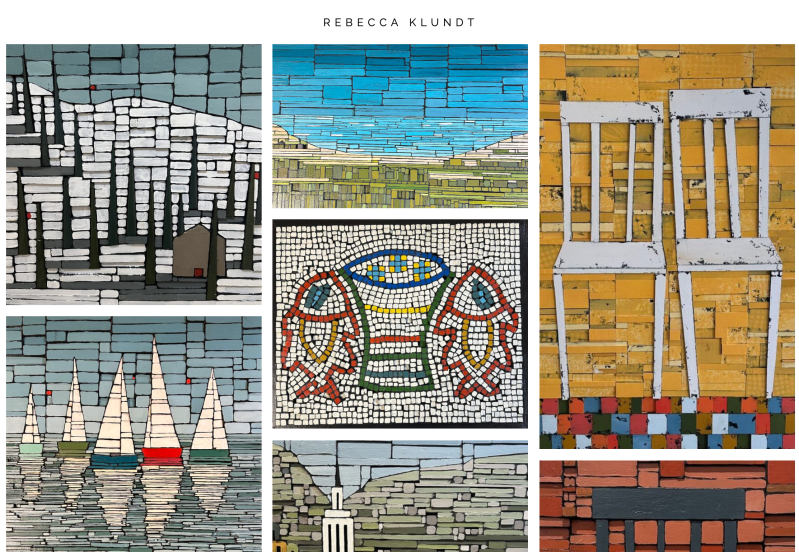
Which led me to explore some art galleries online, a very “yes, and…” experience as I see one piece of art, and say oh yes, and…I want to see more. Here’s one example:
Rebecca Klundt, in her artist statement on the David Ericson Fine Art website, talks about using the unusable, and that “I believe that when you are driven to create, you begin to see things around you in a different light.”
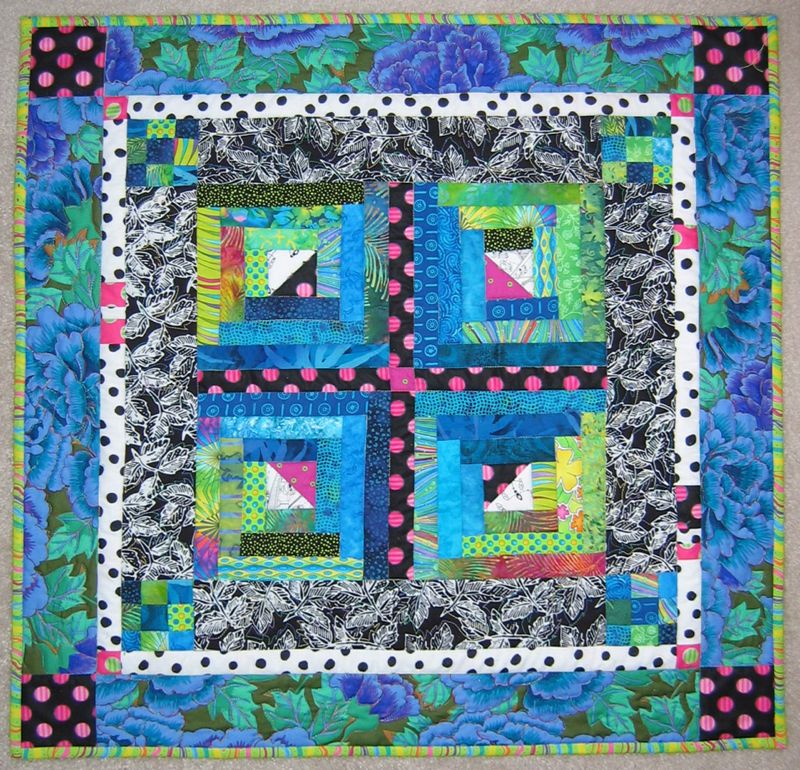
Perhaps Klundt takes the yes, and… approach, and in looking at her art, filled with squares and bits and rectangles, it reminded me of our drive to take our squares and bits and rectangles and try to see them with new eyes.
Where is the yes, and… in the quilting you do? Perhaps I am just in the divergent phase (as described by Hooverman above, but sometimes after finishing a big project like last week’s SAHRR 2026, I like to clean up the sewing room, tuck away the remnants of a project, evaluate how it went, what I might change.
Or maybe I’m feeling the “resistance to premature closure,” something tested for in the Torrence Test of Creativity, and I don’t want to close it down or wrap it up. Is that the source of a quilter’s UFO? Haha, I don’t think so. [For more yes, and…on this test, head here.]
All I know is that this week I:
sanded and varnished and sanded and varnished a stair rail bannister (and it’s still not done)
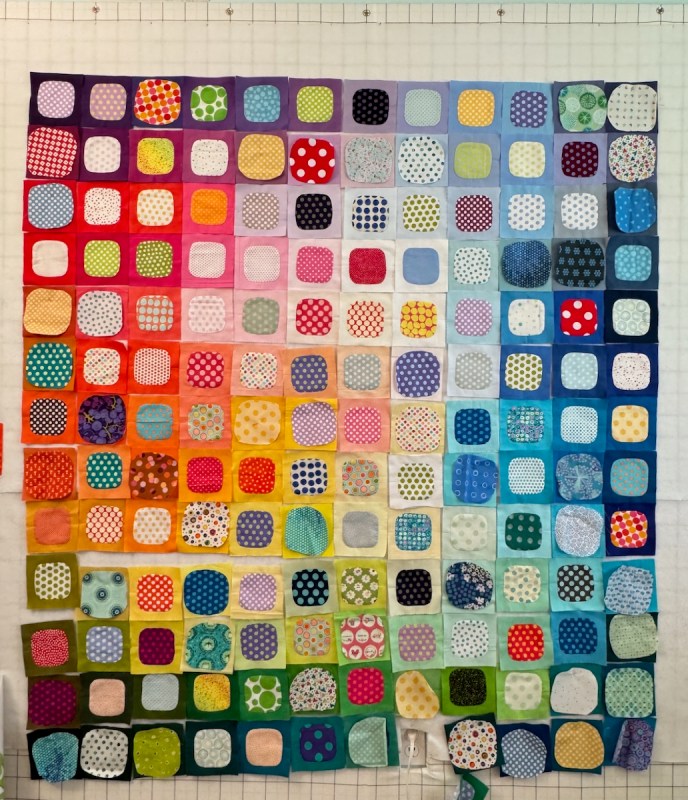
finished prepping the rest of my squircles, after putting them all up onto a wall to try and get some sense of the color and value shifts.
visited San Diego (husband’s scientific conference) and while there, hit three different fabric shops and kept squircling
hosted a daughter and granddaughter for a “flash visit” (less than 24 hours)
celebrated a significant birthday of someone I love, with other people I love.
Even though I’d spent a lot of the last few weeks in “keeping the closure open,” thinking a lot of yes, and…. while working with the different SAHRR prompts, I am still using the yes, and... approach to figuring out what I want to do next.
Stay tuned.
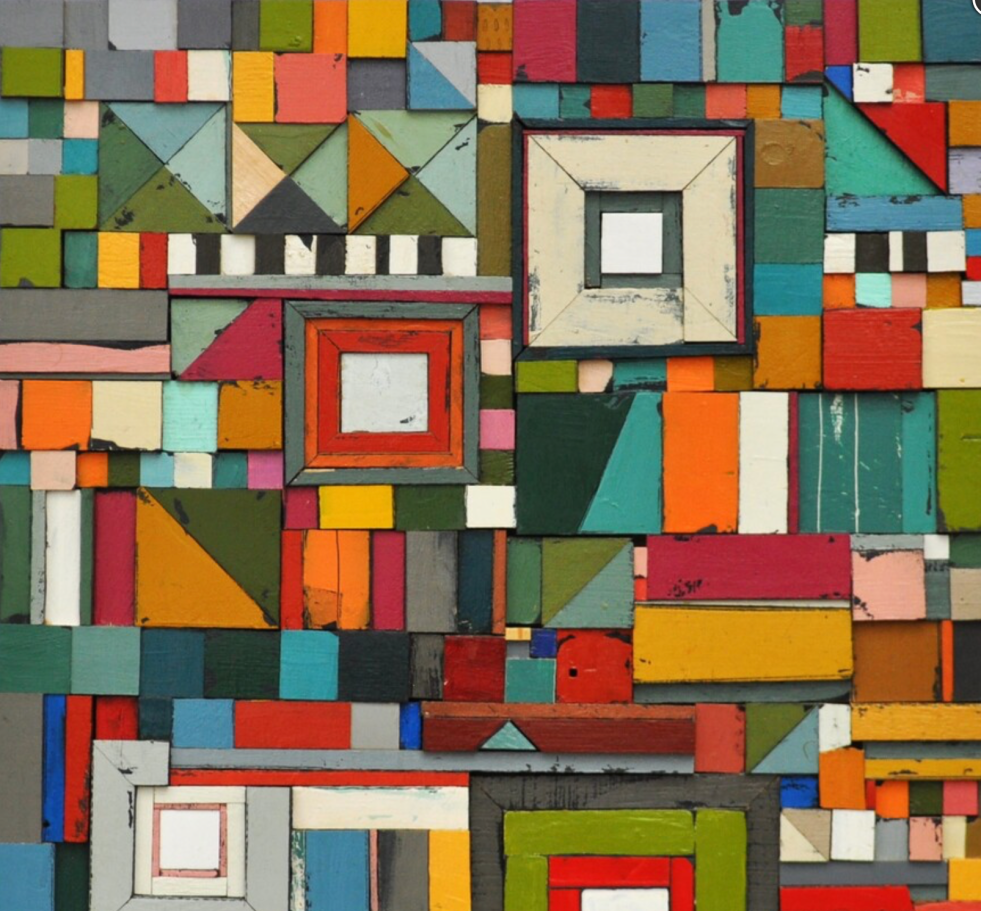
(The art in the featured image at the top of the post, which some may see, is also by Rebecca Klundt. Head to the Blog Index — listed in the header — to see all the featured images in this blog.)
Since today is the 30th, I slid August’s This and That right under the wire.
For those who are new here (and thank you for subscribing) I often do a “This and That” post that contains a lot of small bits, updates on projects and pieces that don’t warrant their own post.
In other news…this is post number 1300. I started writing this blog in January of 2007. Thank you all for reading. And for your comments. And for being a part of my life for many quilty projects!
First up, on America’s Labor Day Weekend (Happy Labor Day, everyone!): a cool and calm photo my husband took near our home. He has a fascination for the flight of herons, and I loved this one, with all its blues.
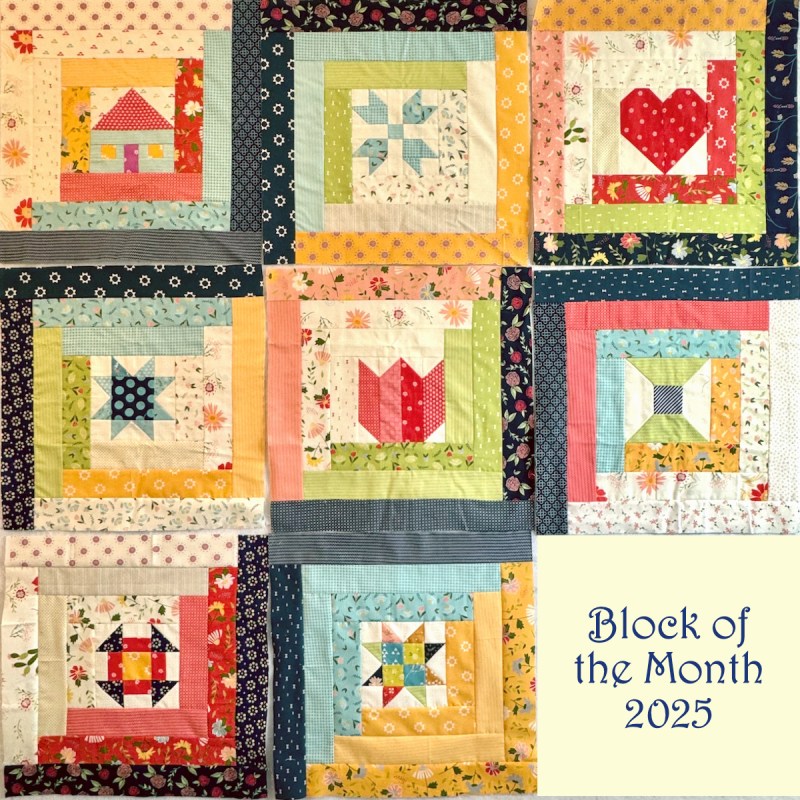
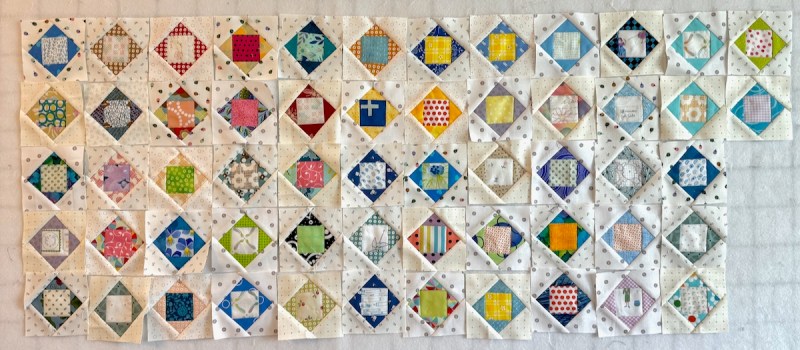
I made my July block (churn dash, lower left) and August (star), both in this month. I’m using all my collected Sherri & Chelsi fabrics, some from her first lines. Sherri has started putting her quilt together, but I’m not sure how I’ll want to do mine.
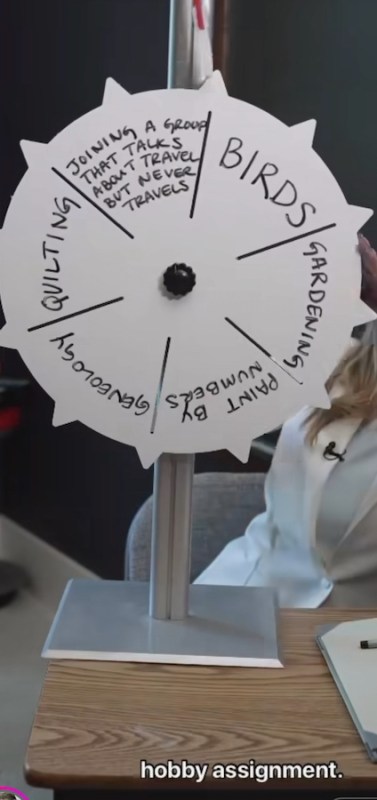
I saw this while scrolling through some reels. As she tells it, when you turn 50, you are assigned a hobby.
I am so glad I was assigned Quilting, although I’m getting more and more interested in Geneology. And that group about travel actually sounds sort of interesting.
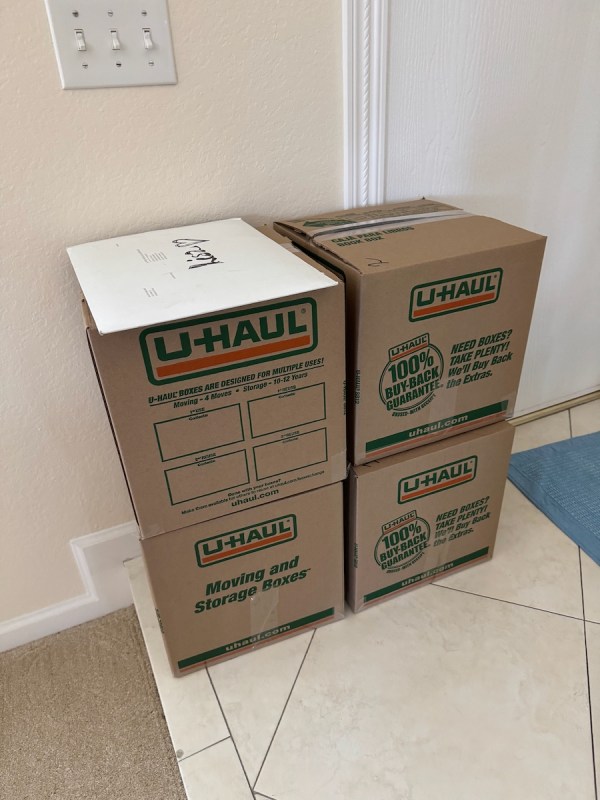
I went through my house and packed up four boxes of quilt books to send up to the Utah Valley Quilt Guild. My friend Lisa is the Librarian, and she said they’ll keep some and put others up for sale in their fundraiser.
Happy to for them be put to a good use.
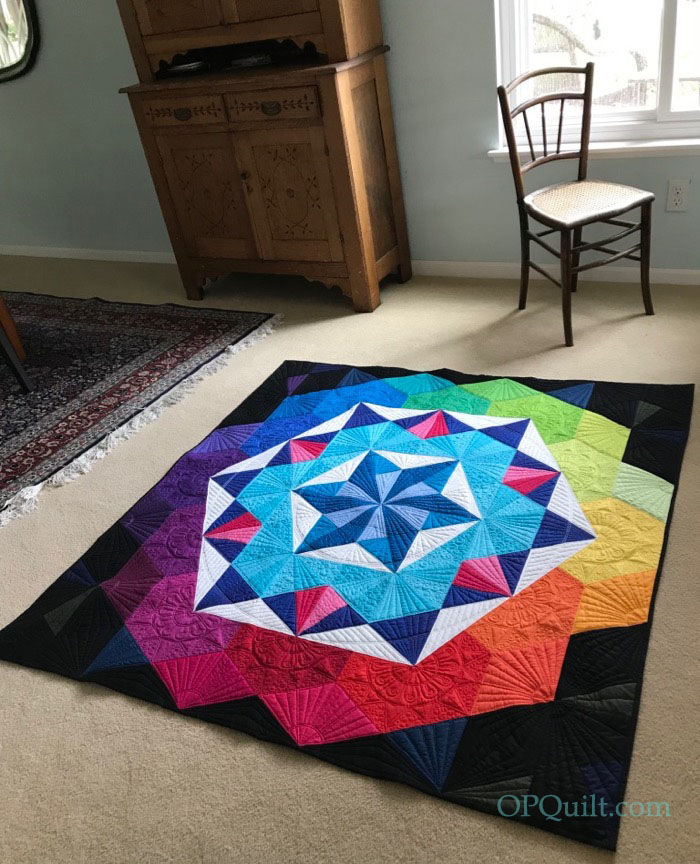
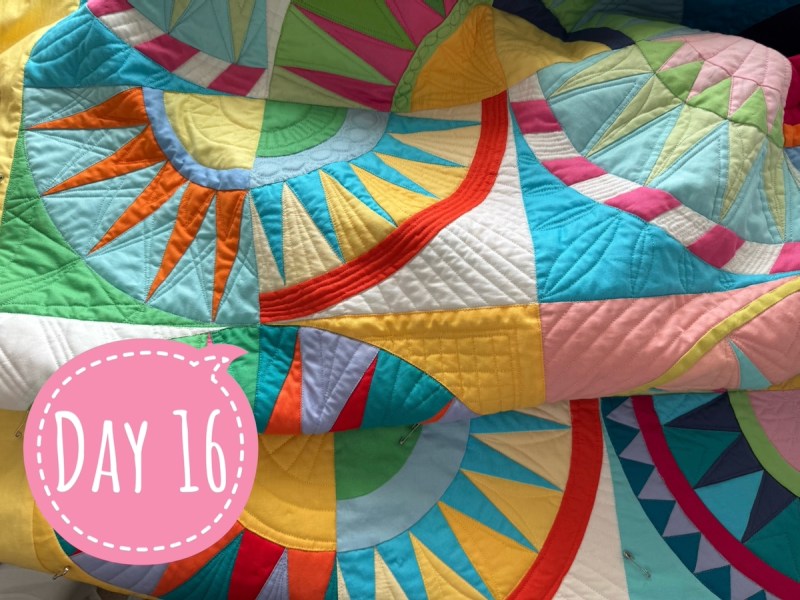
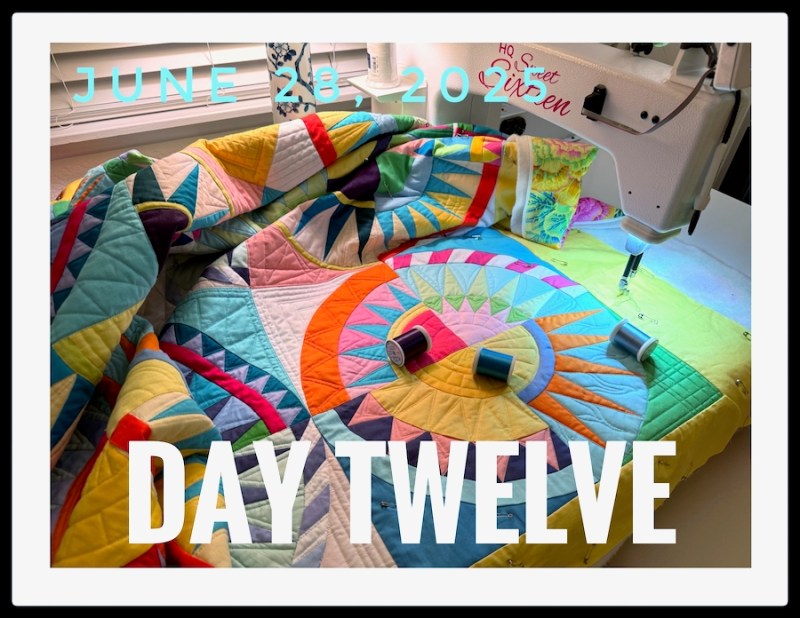
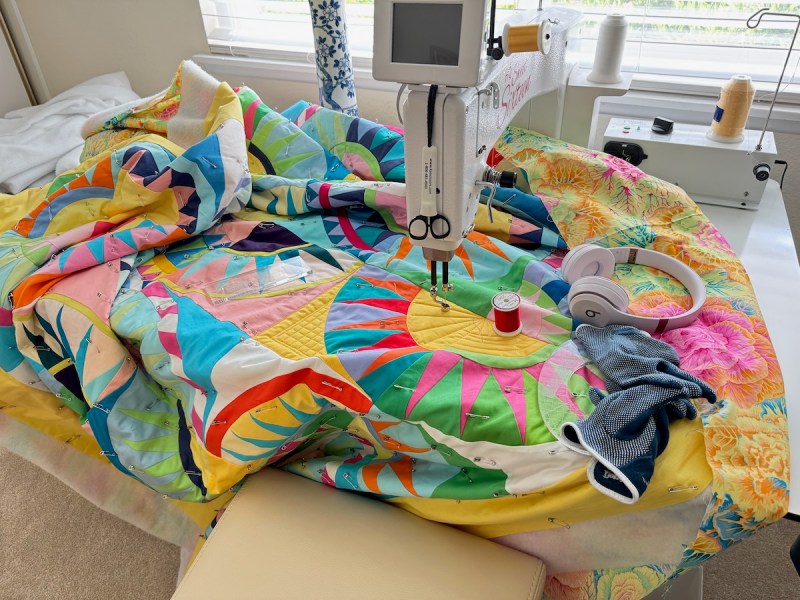
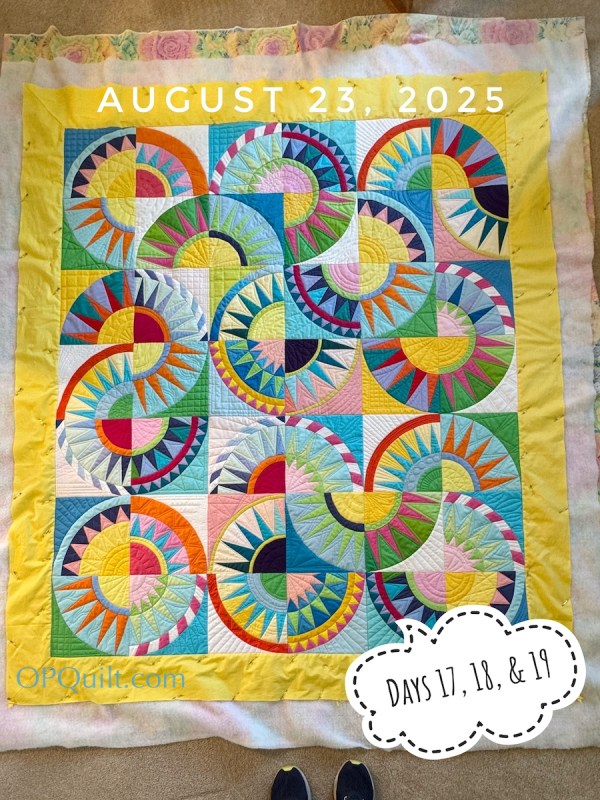
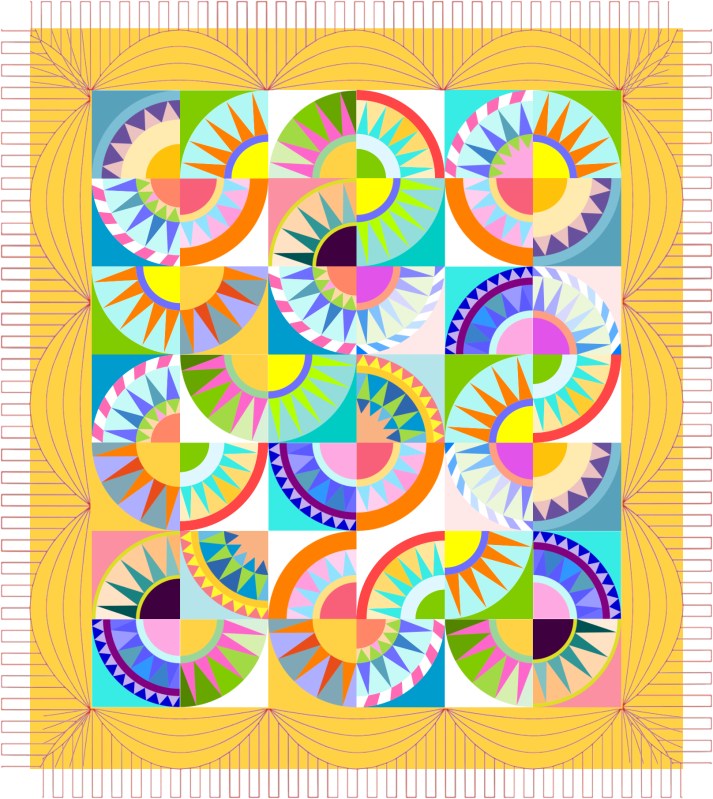
And I’ve been putting these up for far too long. With this last one, I am at the end of the quilting on the center. And this is what I’ve sketched out for the borders of this New York Beauties quilt (yellow thread on the yellow border): We’ll see.
I’m sure I’m not the only person in the world that decides to (1) clean out a drawer or (2) lay on the sofa or (3) start a new project or just (4) doomscroll when there is a task awaits that is larger-than-my-tiny-brain-can-handle. After running out of things to procrastinate with, I finally started quilting the border this week. Big sigh, big relief.
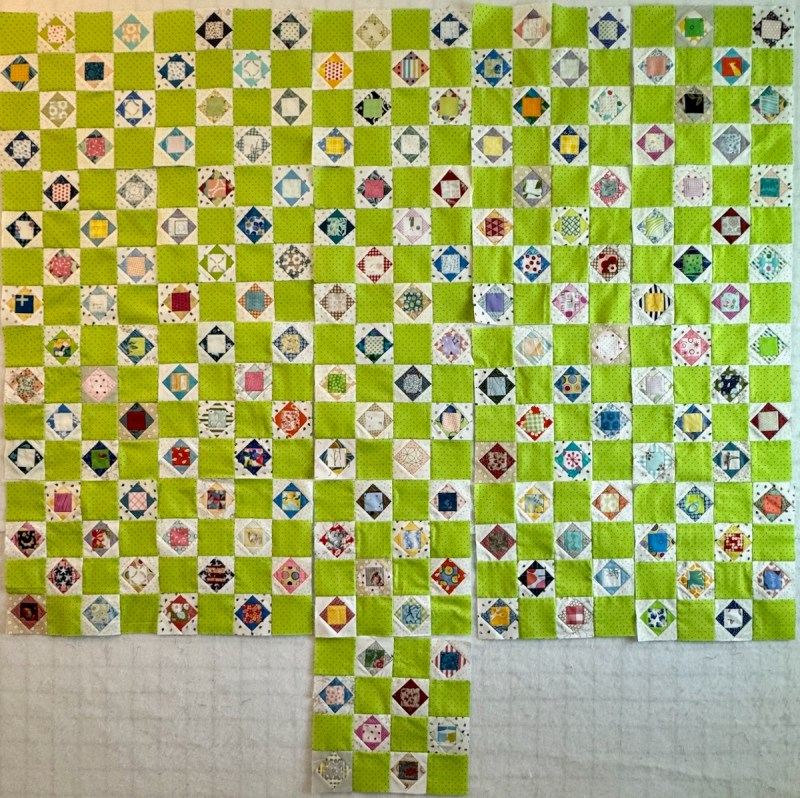
I created a new page dedicated to this quilt so its easier to find the free patterns to make this. You can see “Economy Quilt” in the header, above.
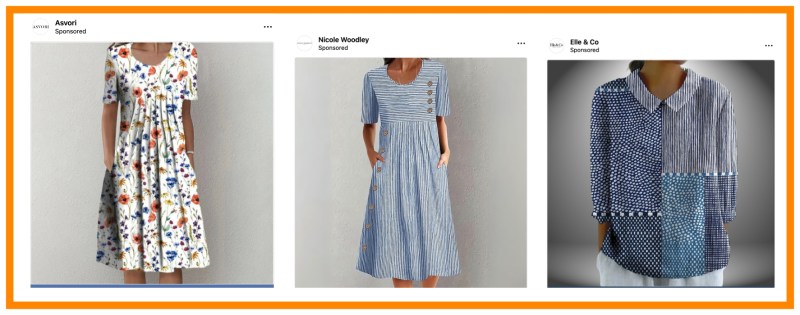
Now here’s a random topic for you. I’ve been reading a lot about AI, and present here some clothing examples of bad photos, with arms that look like they were cut-out paper dolls, weird colors of skin, same model in same pose, clothing that fits oddly around the neckline. This is what they call AI Slop.
“Slop, at least in the fast-moving world of online message boards, is a broad term that [is] in reference to shoddy or unwanted A.I. content in social media, art, books and, increasingly, in search results,” wrote Benjamin Hoffman in a recent article in the New York Times.
While that article focused on searches done on a search engine, I found Kristian Hammond’s comment interesting: “You search for something and you get back what you need in order to think — and it actually encourages you to think. What it’s becoming, in this integration with language models, is something that does not encourage you to think. It encourages you to accept. And that, I think, is dangerous.”
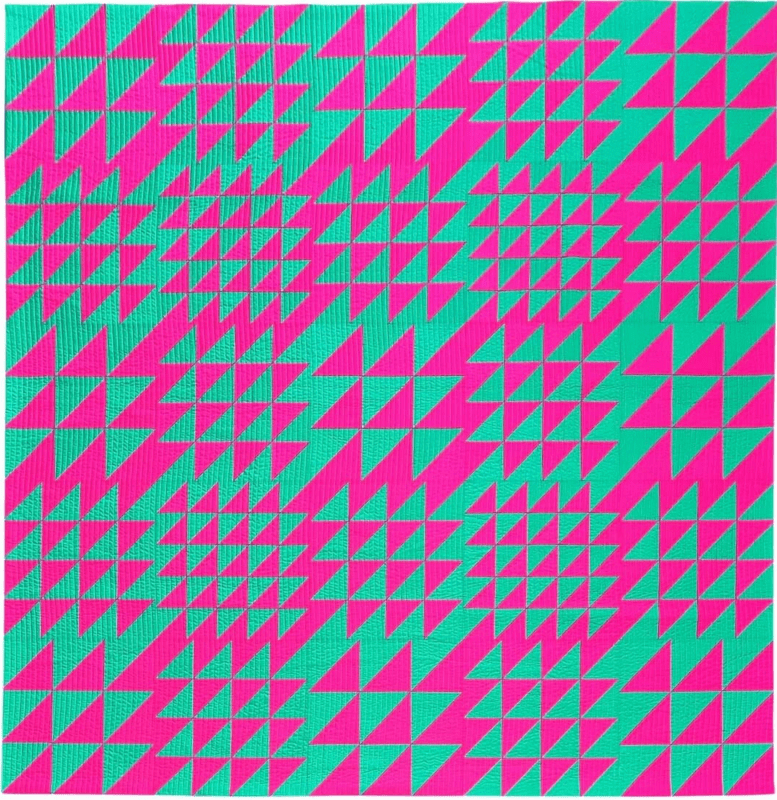
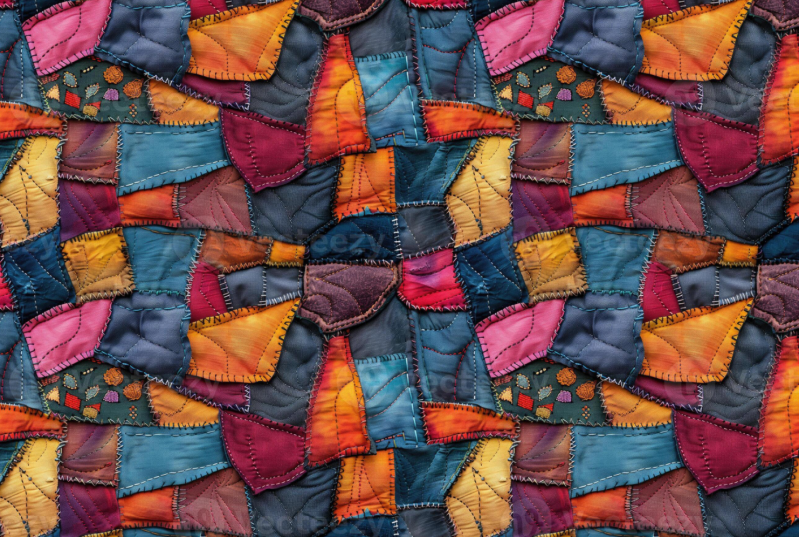
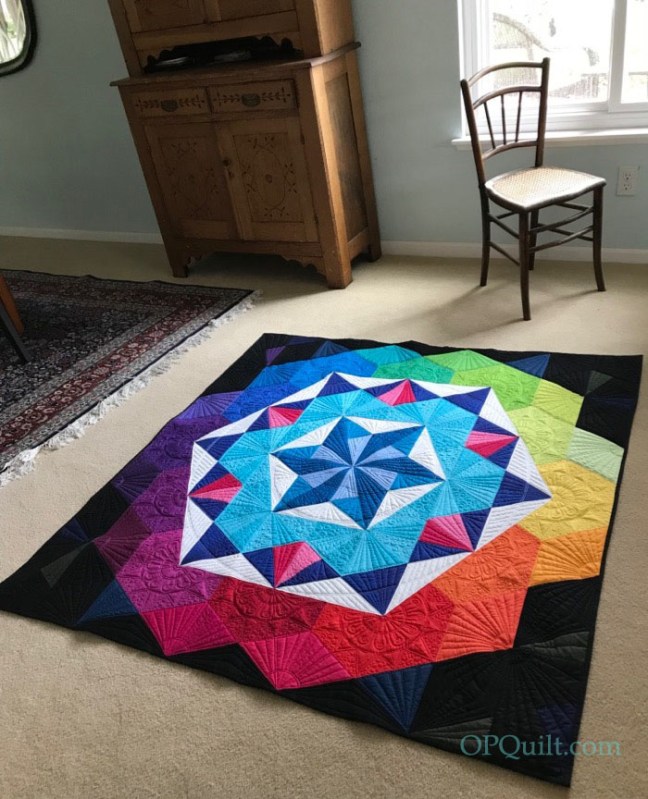
Like we’re supposed to accept that this illustration above is a quilt? Hardly.
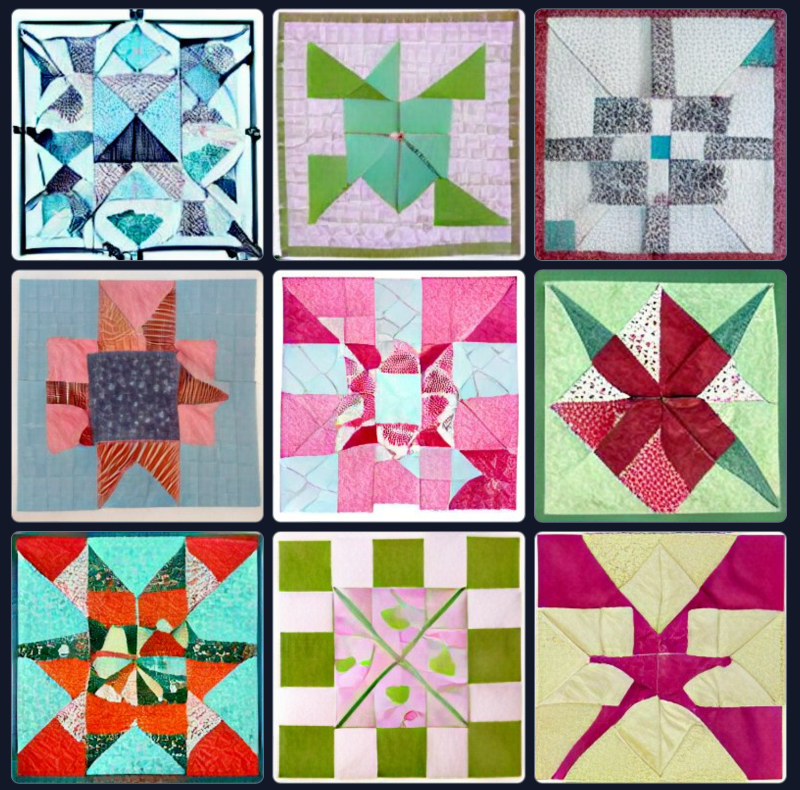
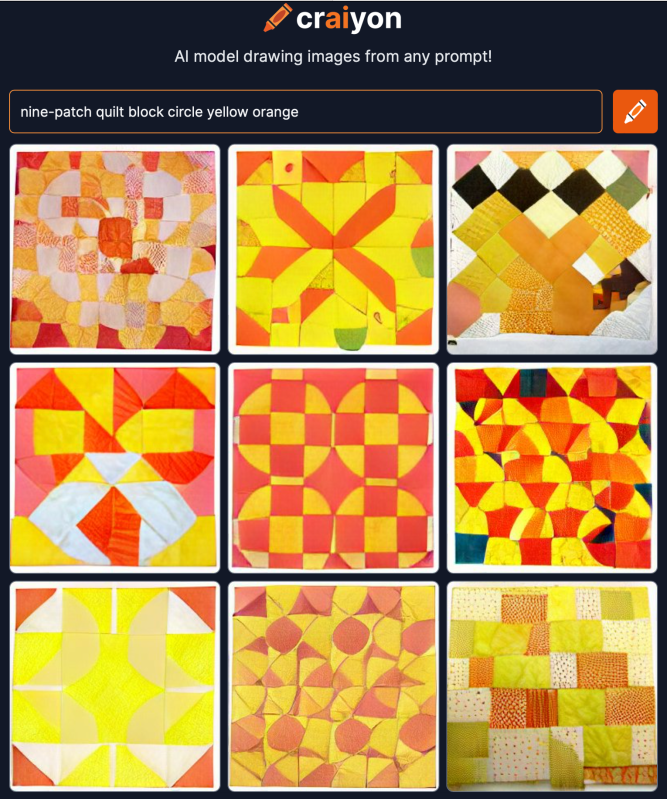
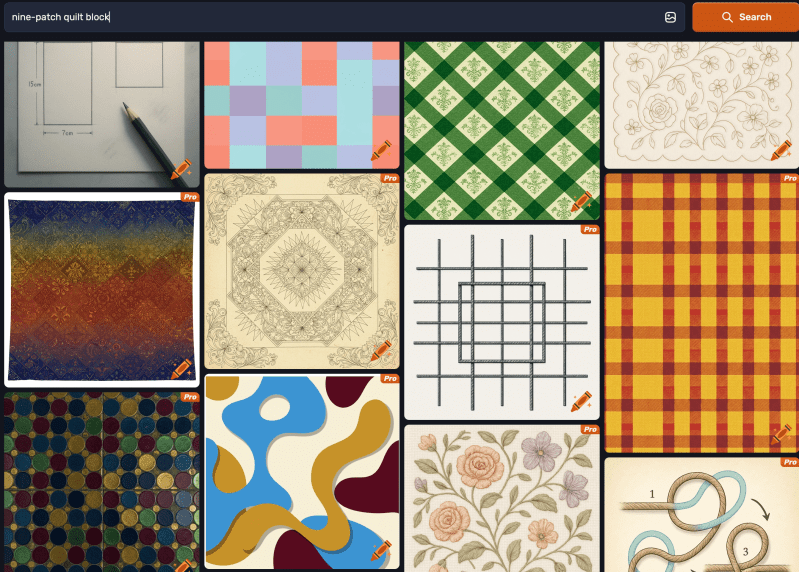
When an AI visual-creation platform first landed in 2022, I tried to tell it make a nine-patch block (on the left). That was a joke. I wrote in the email to my friend; “My first one was pretty weird, but I tried to improve my text commands, and the illustrations got a bit better.” My commands are in the text box, above. I tried it again this week, even though I’m sort of basically opposed to the use of AI these days (keep reading). The command was “nine-patch quilt block.” The results:
AI-generated
Nope. Couldn’t find one nine-patch in the mix. This is a serious illustration of AI Slop, which is pretty ubiquitous these days.
AI-generated
Like what is this??? (Also from my “nine-patch” prompt.) Love the “quilting needles.”
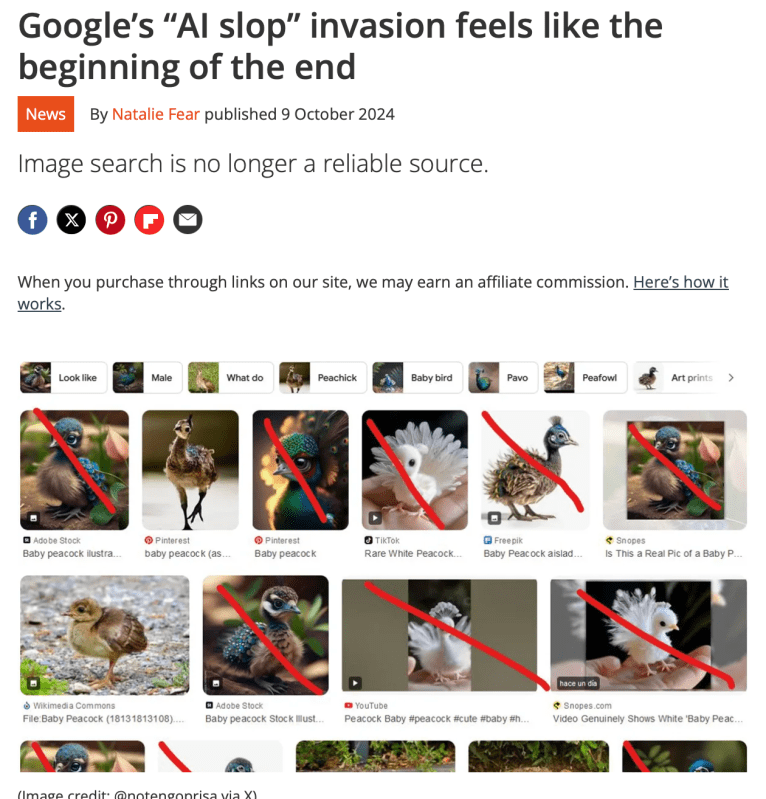
According to Natalie Fear, “A Google image search screenshot has ruffled feathers online after it showed more AI-generated results than real-world examples of baby peacocks…[T]he screenshot has sparked mass debate online, with many creatives calling for stricter rules for AI-generated search results to mitigate the spread of misinformation.”
This was published last year, and it’s only gotten worse.
Because of AI slop, I rely less and less on Google search, and type in -ai at the end of my search query quite often. I don’t want to be just “accepting” what is served up to me. And I use DuckDuckGo a lot more now, and even Reddit, as search engines.
Again, use -ai if you want a cleaner search.
Commenters on Reddit had this to say about AI Slop: 1) Slop is just a slur that you say after “AI” to show that you don’t like AI. 2) [Slop] refers specifically to AI generated creations that are clearly low effort engagement-farming spam. 3) Some people call everything that’s AI-generated “AI slop” as an insult, while many other people only use it to describe low effort, low quality content.
And lately, we’ve been hearing more and more and more about the downsides to AI.
The problem is that AI, a general term, is integrating itself into our world.
For example: • I like the clean-up tool on my iPhone photos. Is this AI? • Doing a search on a search engine. Is this AI? (It is, if you don’t type the three digits -ai after your search terms.)
• Reading on social media and liking that picture of a young woman at a sewing machine. Is this AI? (from here. Be sure to read Weeks and Ringle’s text on this Instagram post.) I think AI will slide in all around us, whether we are cognizant of it or not, and whether we need it or not. And might make mistakes that could be hard to fix. I love Kyla Scanlon’s recent post about how people feel about AI.
For me, it’s mixed.
Is AI all bad? Perhaps not. Genealogy research is putting it to good use. Here in the quilting world, we already have an “AIQuilter.” I enjoyed reading Sherri’s take on this subject, on her SherriQuiltsALot blog. Julia Wachs, on her website, also does an analysis of a few AI “quilts” and how to avoid purchasing AI-generated quilt patterns, which are sketchy at best in the instructions aspect. But to balance it out, this blogpost goes all in on the AI-design concept.
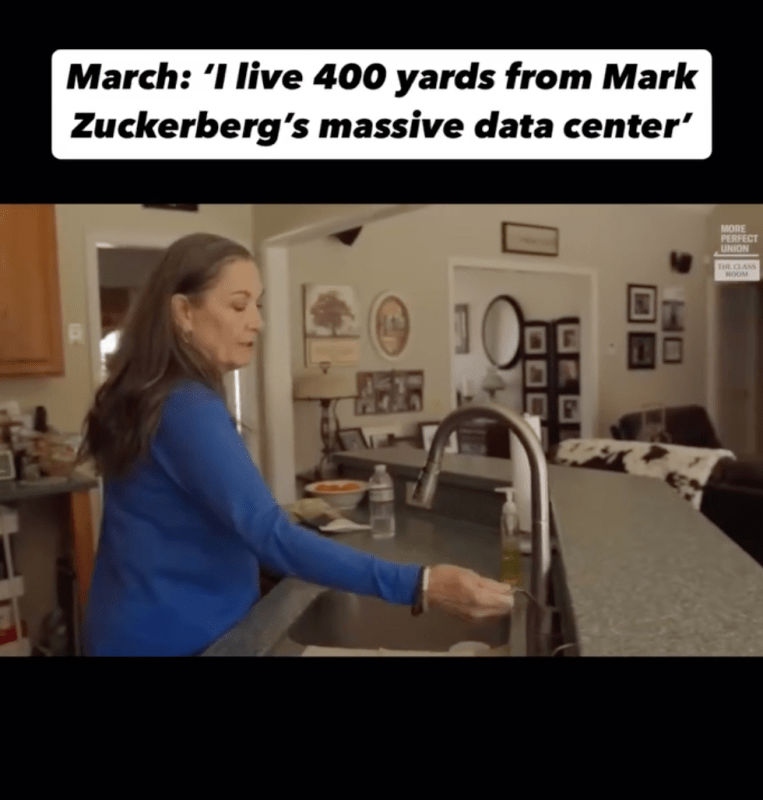
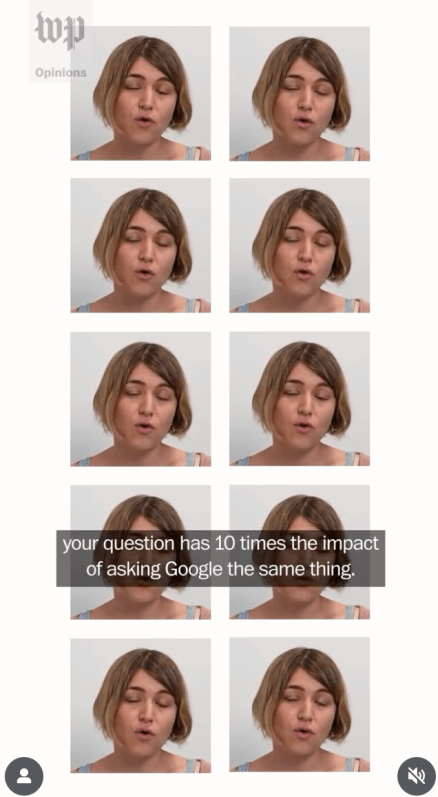
I just know that when I sit down to design, when I open up my Affinity Designer software, I’m not using 10x energy. Or 10x water.
Finally, Lastly, CanWePleaseStopTalkingAboutThis, my favorite definition of AI’s LLM (Large Language Models, such as ChatGPT) is that it’s “just a bag of words,” so no need to make it your friend, or take it seriously. I’m sure it does have its benefits, which we will discover as time goes on, because whether we like it or not, AI is here to stay.
When my brain is futzed out from all of this, I return to earth, to retreat to the fascinating brilliance of this real world. I return to the human level of making. Like quilts.
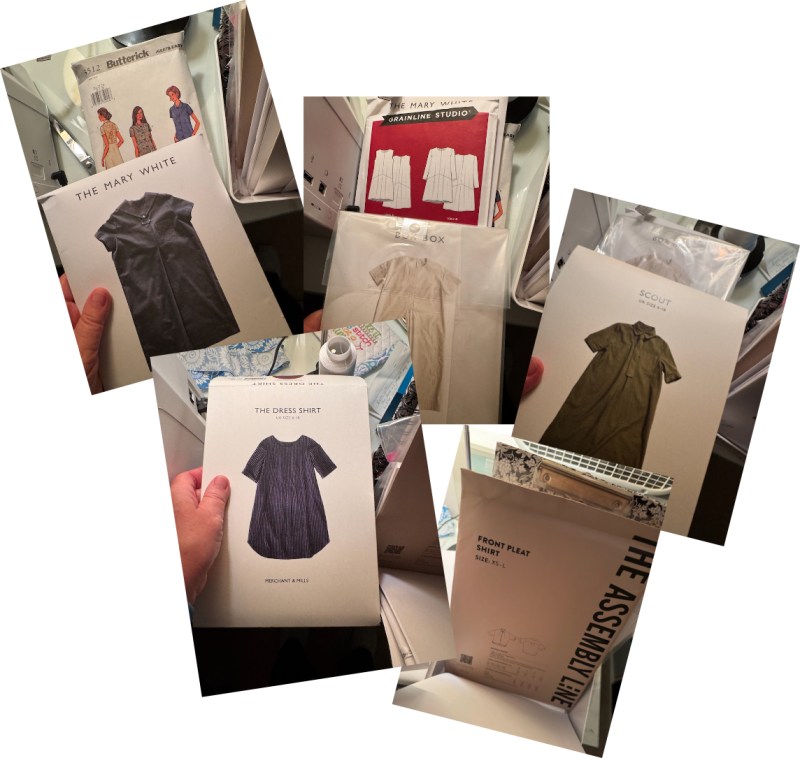
Or like a dress, or something. My sister’s been hot on this clothes-making for some time (inspiring me) and you know I’ve been sewing, too. But now I have a couple more pieces of fabric and want to make something else. Oh, what to choose? Hart’s Fabric has an extensive pattern collection, as does Oak Fabrics in Chicago (plus they both have fabric). Another place for both fabrics and patterns is Harmony, a fun shop in Provo, Utah.
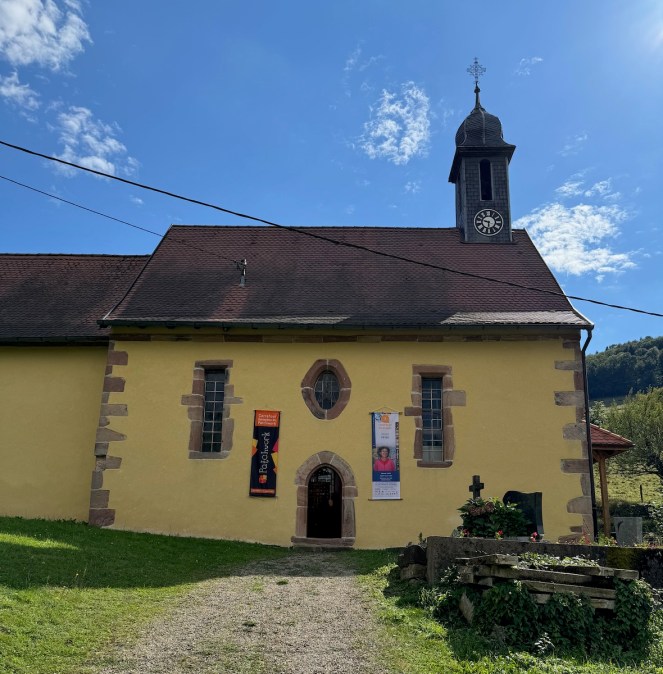
Or a piece of writing for the Carrefour Quilt Show? It is being held next month in the Alsace region of France. This year is their 30th Anniversary, and since I’d written about it here in this space, they contacted me to see if I’d like to write something for them. I would! and I did. You can find the first post on their blog.
It’s in English, as well as French and German.
Maybe I’ll see you there?
In the meantime, I’ve got a border to sew, squircles to prep, and everything in between. And I’m not using AI for any of it.
Happy sewing!
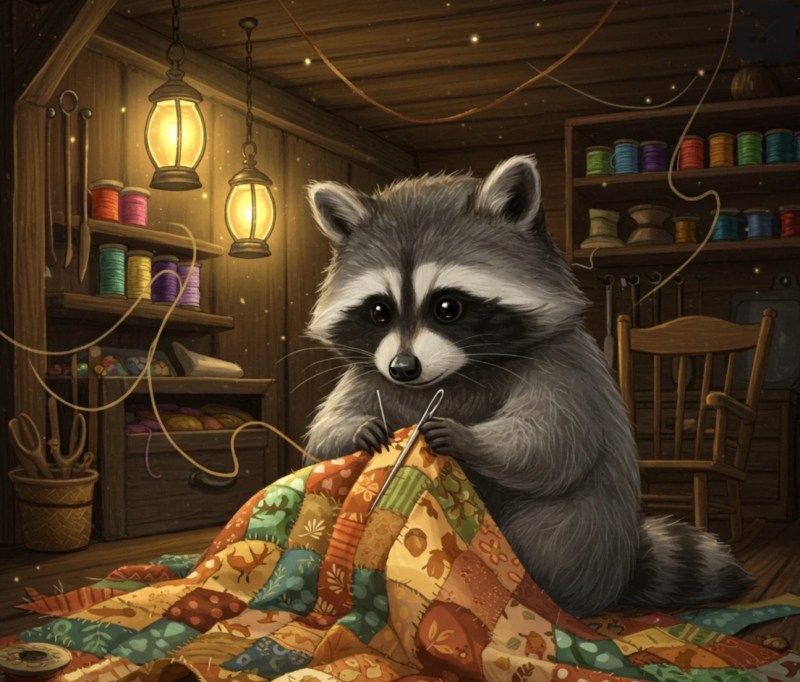
NOTE: None of the illustrations or photographs you’ll find on this blog are AI, UNLESS I LABEL THEM AS SUCH (like the silly raccoon, above). None of my quilt designs or patterns are AI, either. It’s all home-grown, here!
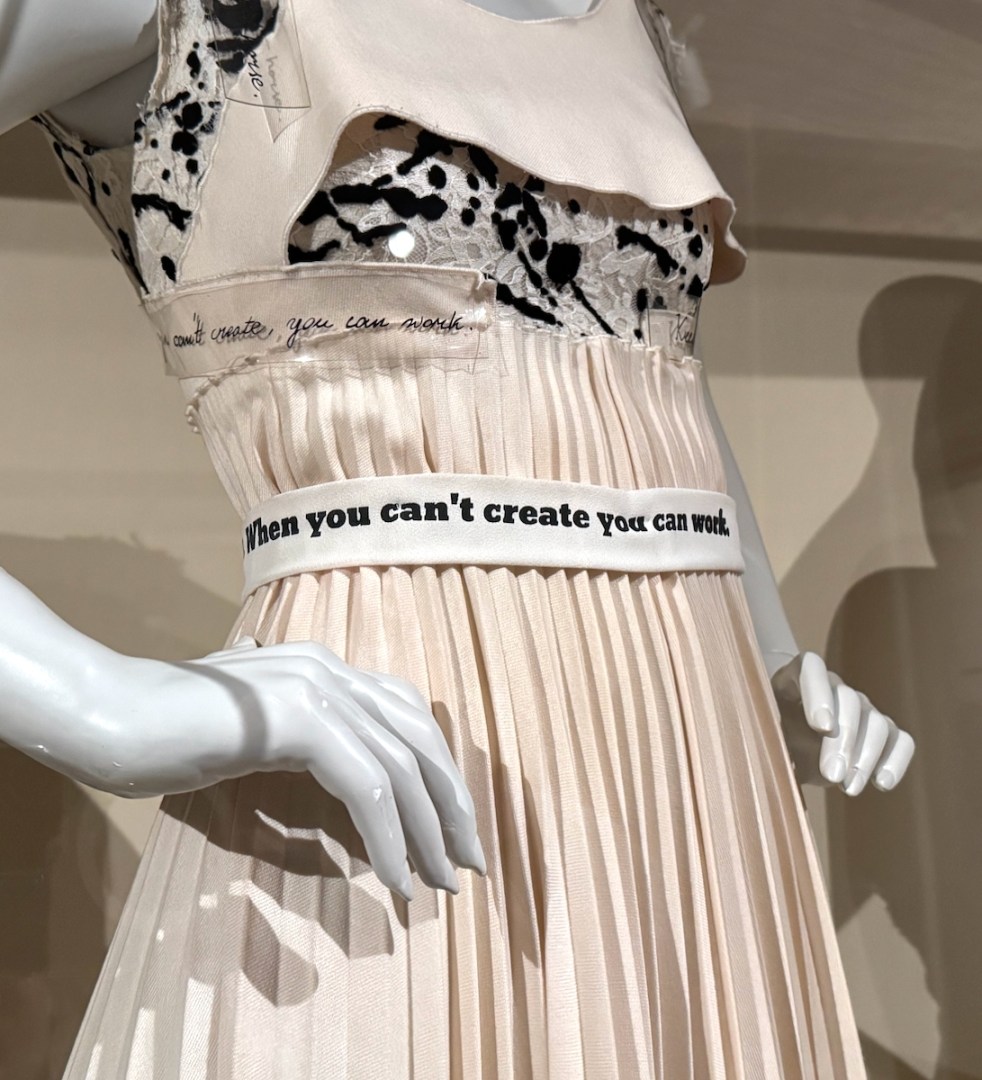
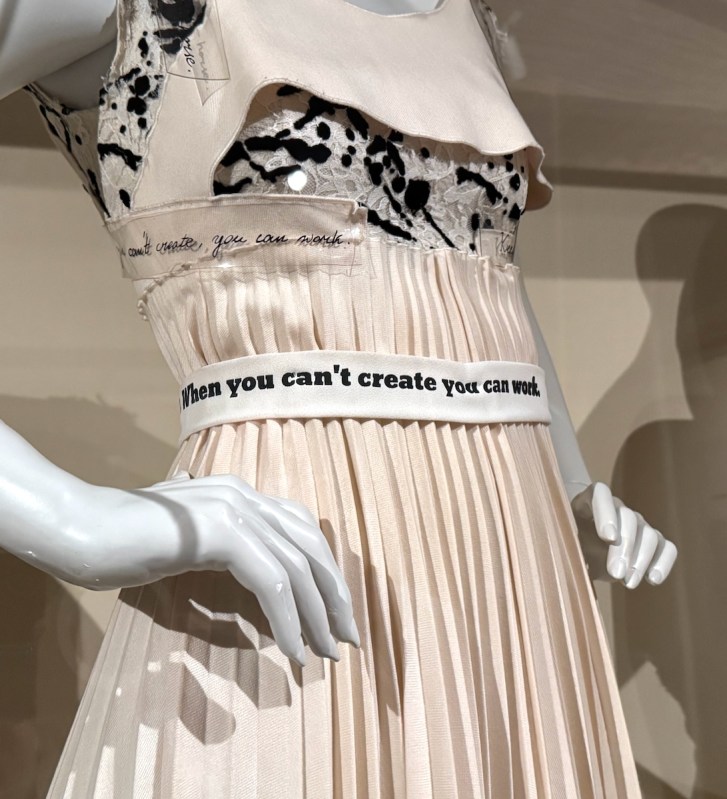
Henry Miller, a writer in the early part of the 20th century, devised a list of rules for himself when writing his first book (Black Spring). I found this whole idea while zipping through an exhibit in Kraków, where a designer tried to incorporate pieces of his so-called Eleven Commandments. One of them, “When you can’t create you can work,” was printed on ribbons and strips of whatever. Of course this phrase caught my eye, and I paused a nano-second to snap a photo then moved on. Tourists! (Look at the end of the post for Miller’s complete list.)
So it’s been that kind of a week, still snowed under by jet lag, I didn’t feel up to creating not one quilty idea. But I could work.
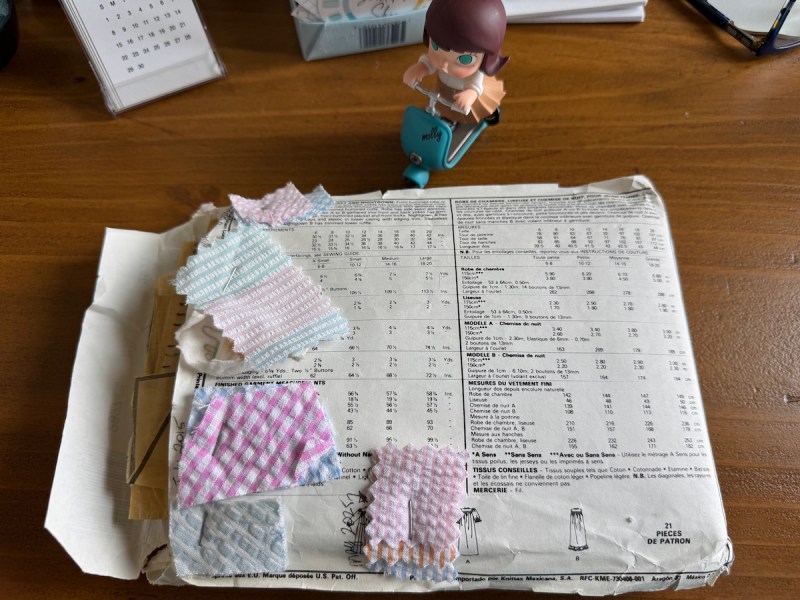
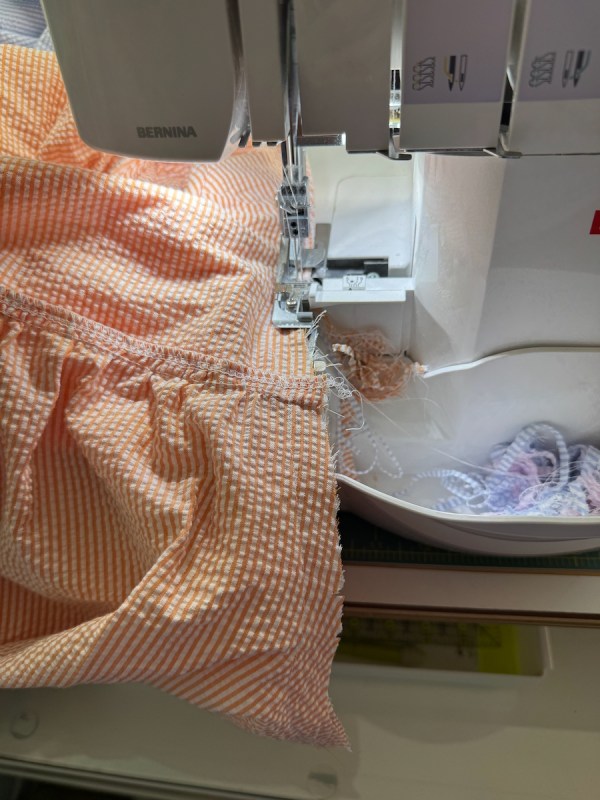
Our weather has started to turn to the hot, dry summer kind of weather, which means that the seersucker that I stashed back in October was going to have to get cut up into my summer nightgowns, using the same pattern that I’ve been using for half my life.
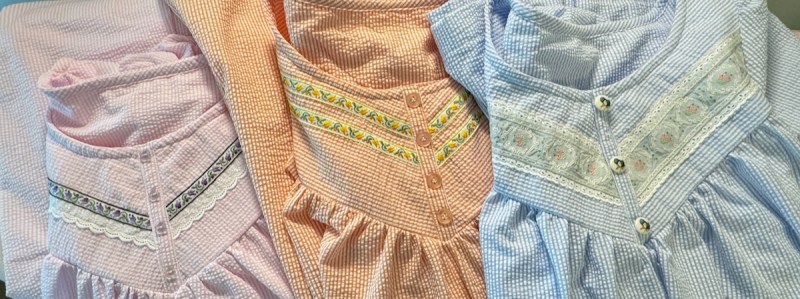
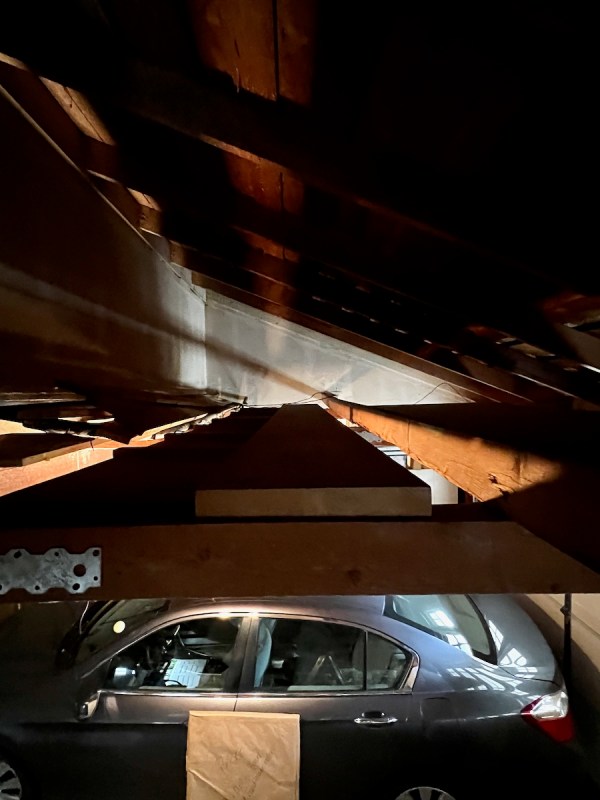
I usually only make two at a time, but this time went for three. I scavenged ribbons, which necessitated digging deep into the garage (more on that, later). The laces bordering the woven ribbon (pink/blue) were picked up on a trip to Austria, a millennia ago. The woven ribbons were purchased when I working at a local fabric store before I had my first child, and when they had wonderful local fabric stores.
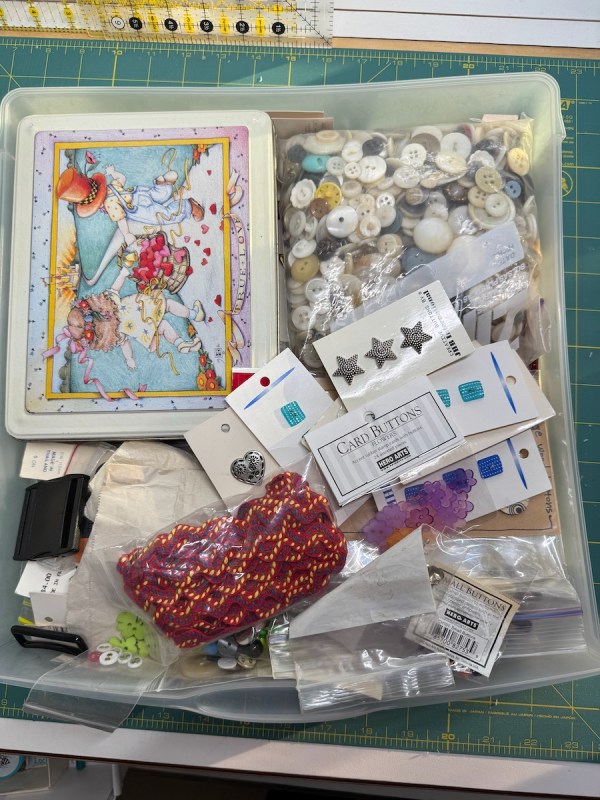
I’d given the Jemima Puddleduck buttons to my mother, which she gave back to me at some point. (Three for only one dollar??!!)
I found them in my button box, still wrapped in the tissue paper the shop lady in Britain had wrapped up for me. Before JoAnn’s closed, I would have felt guilty for stashing away all these treasures. Now I feel sort of proud of myself. We quilters are funny people.
Last time she was here, my daughter said, “Mom, you need to clean out.” Implied was the rest of the sentence: “Clean out before you die so I don’t have to.” Message received; rafters cleared. Working on the rest…later.
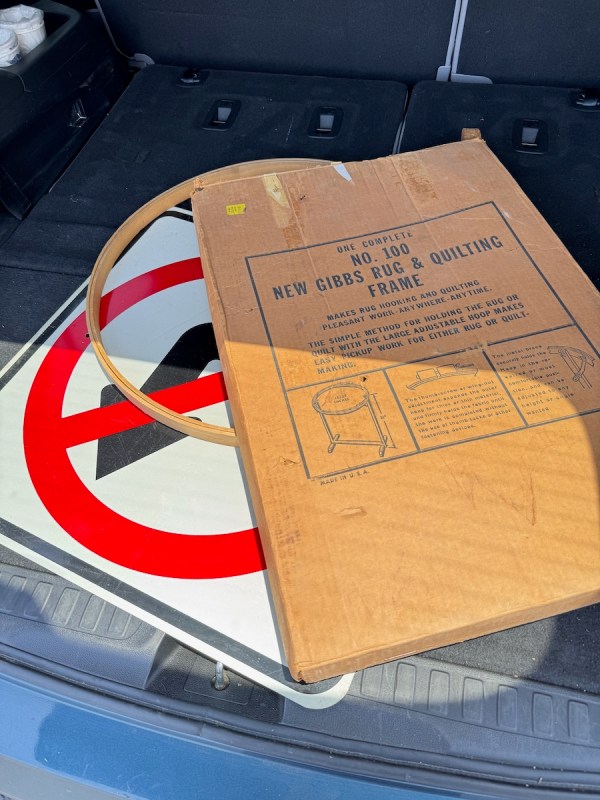
This standing quilt hoop was a heart breaker to leave at the thrift store. The boy taking this treasure from my husband turned it upside, and one side of the stand fell out onto the floor. He kicked it to the side and dumped the rest into the bin. (Perhaps it’s best if we don’t watch what happens to our treasures.)
Sick and tired of podcasts and newscasts, and realizing my stubborn jetlag was still with me — which answers the question about why it took me soooo long to make the nightgowns — I started listening to a new book, recommended by my sister. So far, so good. I will say that I have gotten things put away from the trip, but so much else needs to be dealt with, primarily the emails. Thank you for your lovely notes on the Kraków churches!
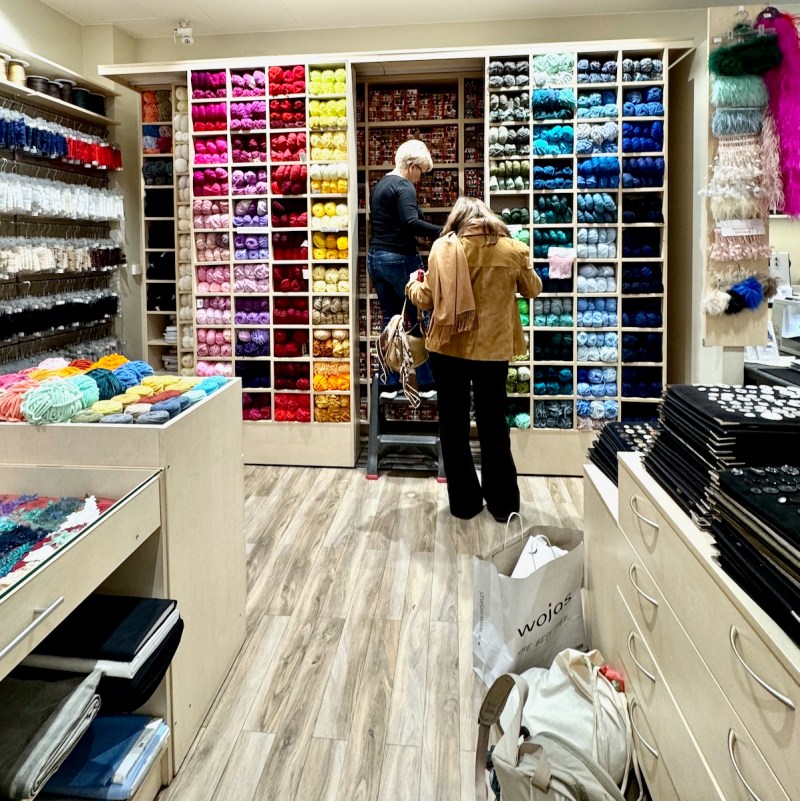
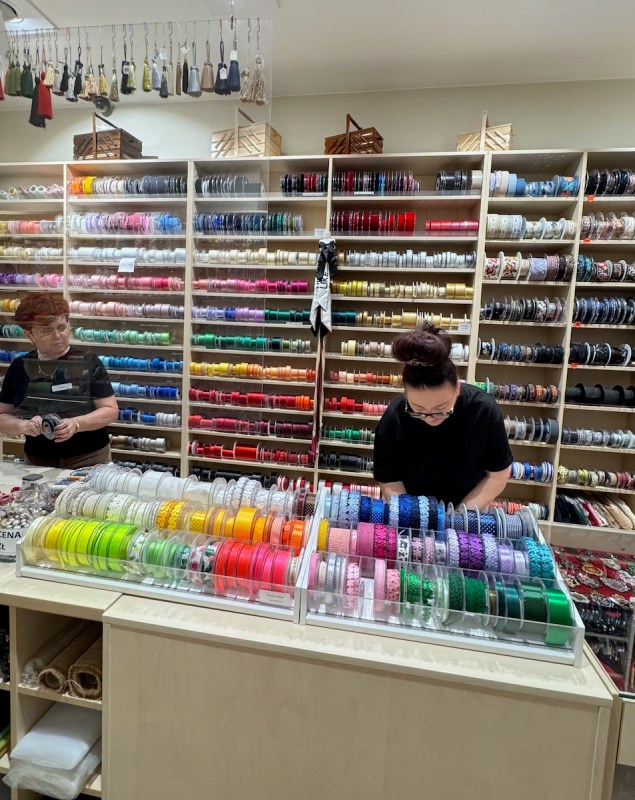
I could have used this Pasmanteria (the word for this kind of a store in Czechia) when I was hunting buttons and trim for the nightgowns. Yes, I found a fabric/notions store while traveling! I purchased the usual: two thimbles.
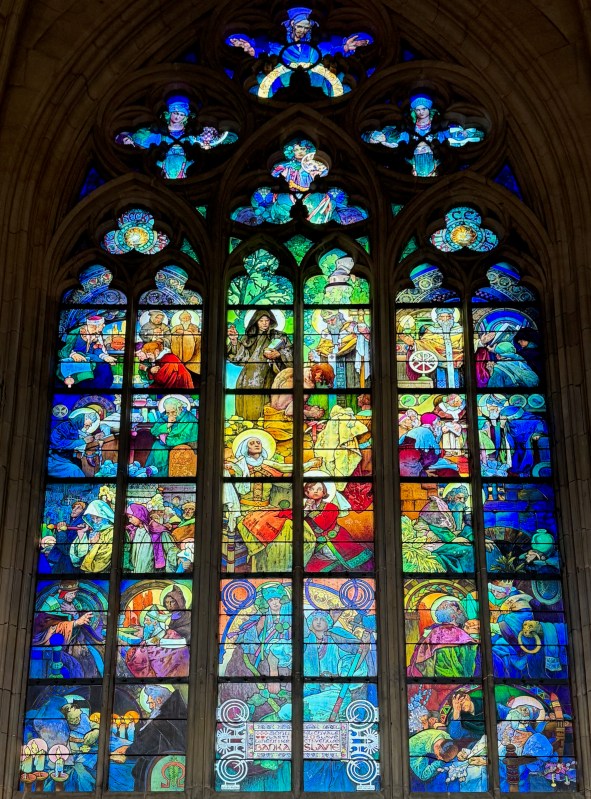
Alphonse Mucha window, St. Vitus Cathedral
I’ll leave you with this two glorious stained glass windows from the St. Vitus Cathedral in Prague, along with (below) this tiny wrought iron work of a woman spinning thread into cloth, from one of the chapel gates:
Happy Working, if not Creating–
Here are the ELEVEN COMMANDMENTS, if you are interested:
Work on one thing at a time until finished.
Start no more new books, add no more new material to ‘Black Spring.’
Don’t be nervous. Work calmly, joyously, recklessly on whatever is in hand.
Work according to Program and not according to mood. Stop at the appointed time!
When you can’t create you can work.
Cement a little every day, rather than add new fertilizers.
Keep human! See people, go places, drink if you feel like it.
Don’t be a draught-horse! Work with pleasure only.
Discard the Program when you feel like it—but go back to it next day. Concentrate. Narrow down. Exclude.
Forget the books you want to write. Think only of the book you are writing.
Write first and always. Painting, music, friends, cinema, all these come afterwards.
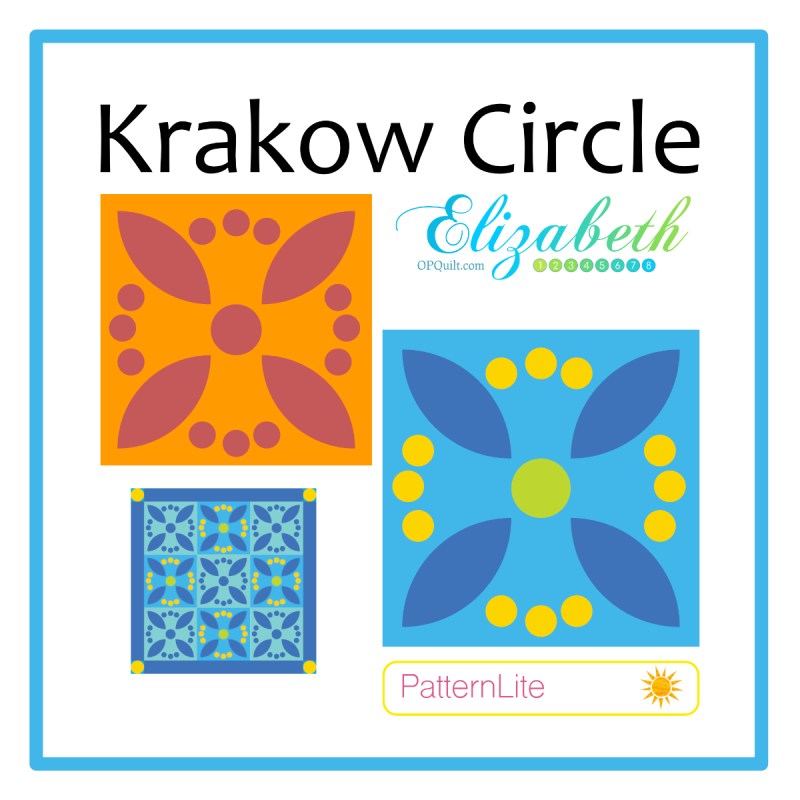
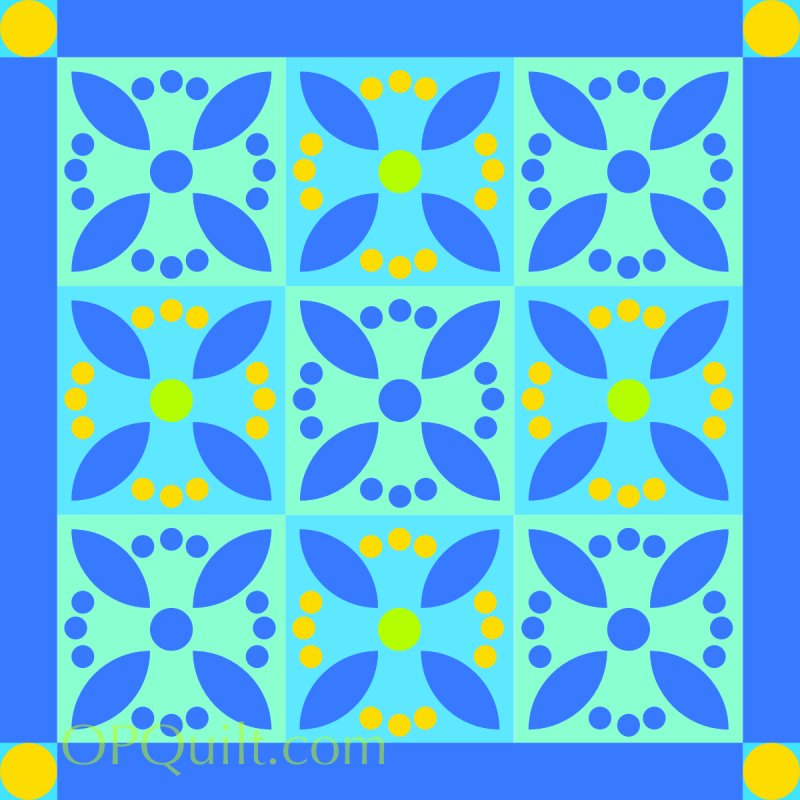
This little PatternLite pattern is a reminder of what we see when we get out of our own town.
Somewhere between the shock of a pandemic shutting the entire world down and its ripple effects, and this month’s realization that this quarantine stuff — if everyone plays nice — will probably go on for another year, I found an article where two creative forces, the designer Iris van Herpen and the choreographer Damien Jalet had a conversation.
It was May 2020, and after holding our breath since mid-March, we slowly began to exhale, wondering how we were going to get through this, would we ever get through this, and how to pick up the pieces of lives, covid-style. And then this article came into view (one in a series from The Big Ideas in the New York Times).
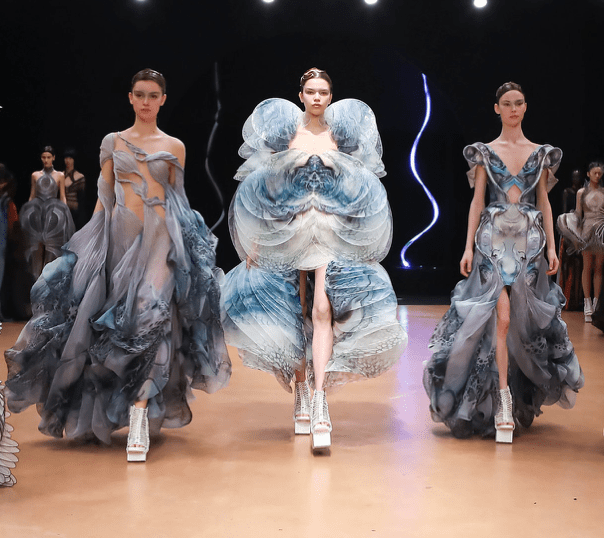
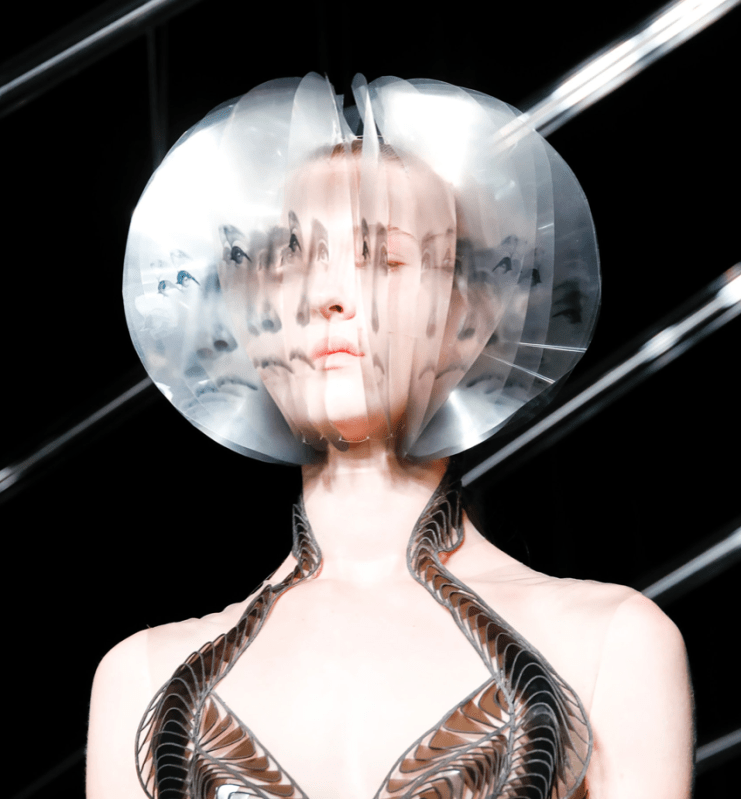
As you can see from van Herpen’s designs, she is not your average fashion designer. So this excerpt surprised me (Damien Jalet, asking the question):
Stanley Kubrick said that some of the artistic failures of the 20th century came from an obsession with total originality, and that innovation didn’t happen through abandoning the classical art form of your own discipline. . . Does the question “Is what I’m doing original?” ever come up in your creative process?
At one point in our quilting world, we quilters spent a lot of time and spilled a lot of ink (figuratively speaking) over this issue. We were rabid with the question of who came up with this idea first? Who was the first one on the planet to draw a particular block, make a particular quilt, yada yada yada.
Nothing comes out of nothing, so the craftsmanship that we master we can attribute to a long evolution of craftsmanship and innovation combined throughout so many centuries. And we are looking at that constantly. So in that sense, I don’t believe at all in originality. But at the same time we are combining it with technologies of today and newer techniques… Without the knowledge of the traditional craftsmanship, we would not be able to integrate these new techniques at all. So they really need each other.
Nothing comes out of nothing. This implies that we quilters, without the history of what has come before us, would not be able to create our designs and our quilts. In her words, “we really need each other.”
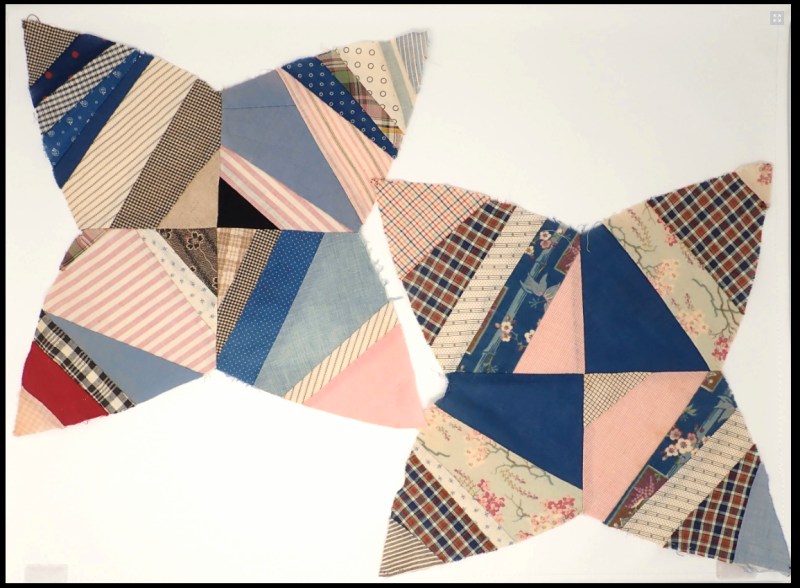
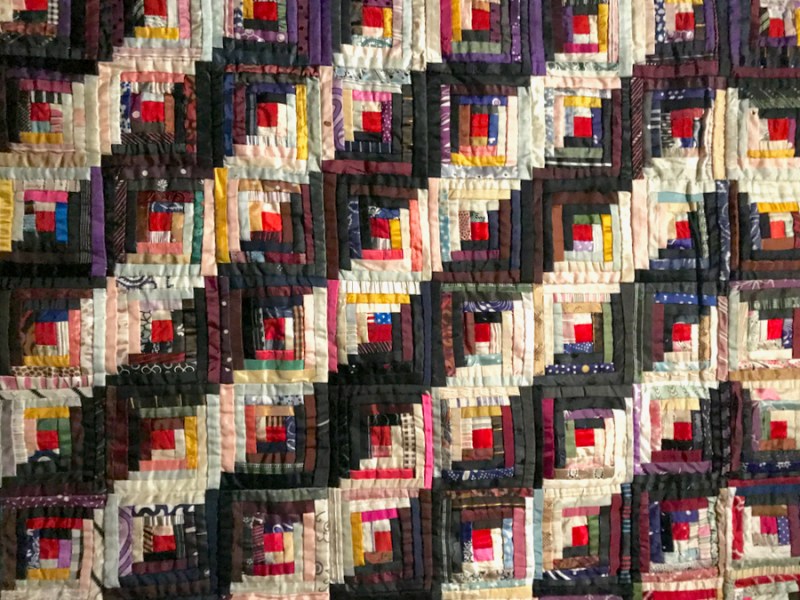
Log Cabin quilt, 1870
Back to Kubrick’s idea. I remember in my earlier days striving mightily to create something totally my own, something that had no origin from anything that we were familiar with. Anywhere. My early attempts were, as he says, “failures” as they “came from an obsession with total originality.”
Slowly I began to remember that when I was in college, in photography class, one of my professors noted that we don’t have to be original, that most of the best ideas are really only 10% new — anything more and they would be too far out of the mainstream to be accepted or enjoyed. An article on The Next Web reiterates this:
There is no such thing as a new idea. One of the most beautiful things about humanity is our ability to build on each other’s ideas, making small tweaks and giant leaps into new innovations. That doesn’t mean your ideas aren’t potentially interesting and even important — just don’t ever call them “original.”
The idea, that I don’t have to be original or new or startling or gee-whiz-bang, and that I can just make a solid quilt with good color choices and a somewhat fresh take, is a relief.
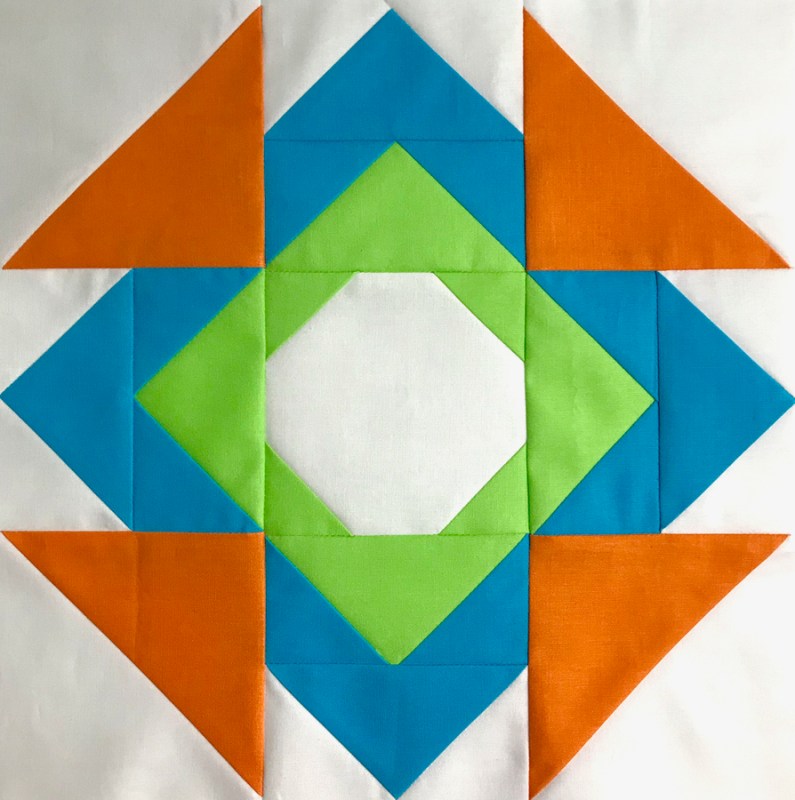
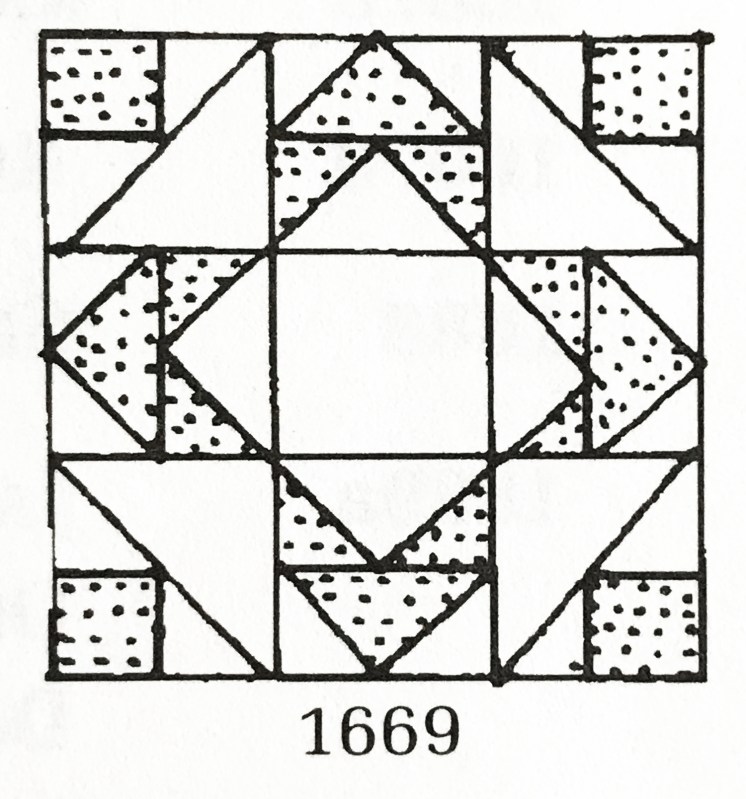
This month’s Gridster Bee Block, chosen by Bette has its origins in a Churn Dash variation, known as Puss in the Corner, from Nancy Page in the 1920s:
I admit, sometimes I doodle around and then hit Barbara Brackman’s book to see what our early quilters did, and often what I think is something I’ve discovered, is actually on the pages of the Encyclopedia of Pieced Quilt Patterns. There’s a whimsical sort of — well, of course — that goes on, but also another link from me to those women long ago. I honor this connection to our “classical art form of [our] own discipline.”












 OccasionalPiece--Quilt!