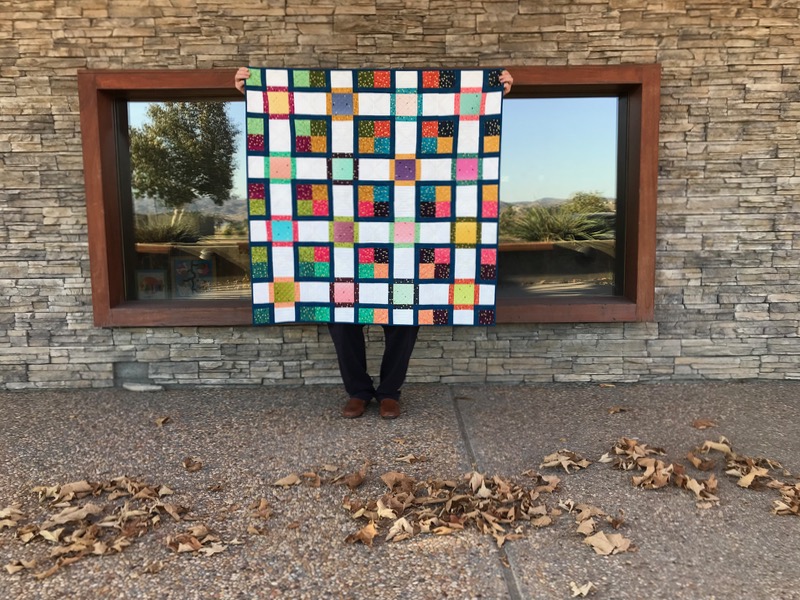
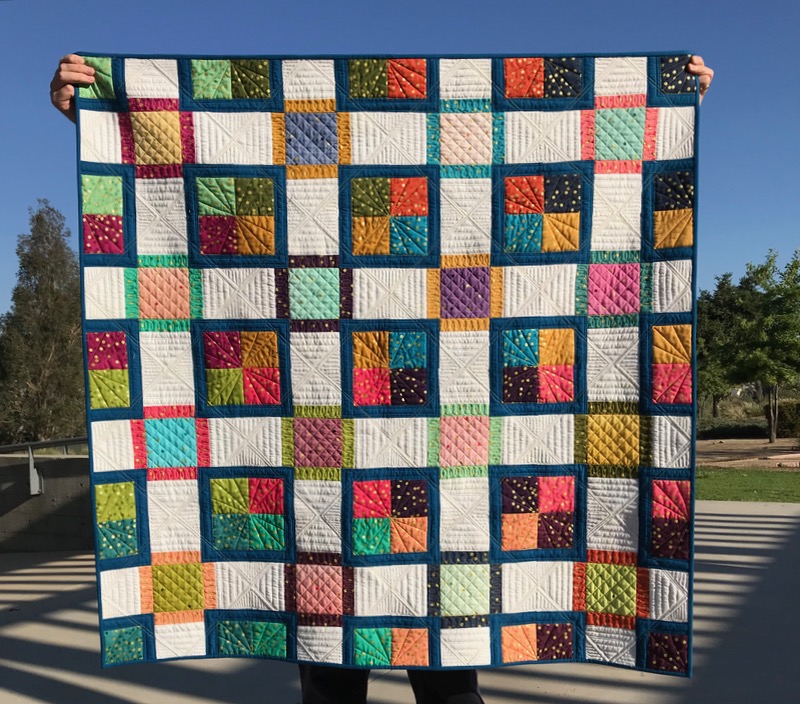
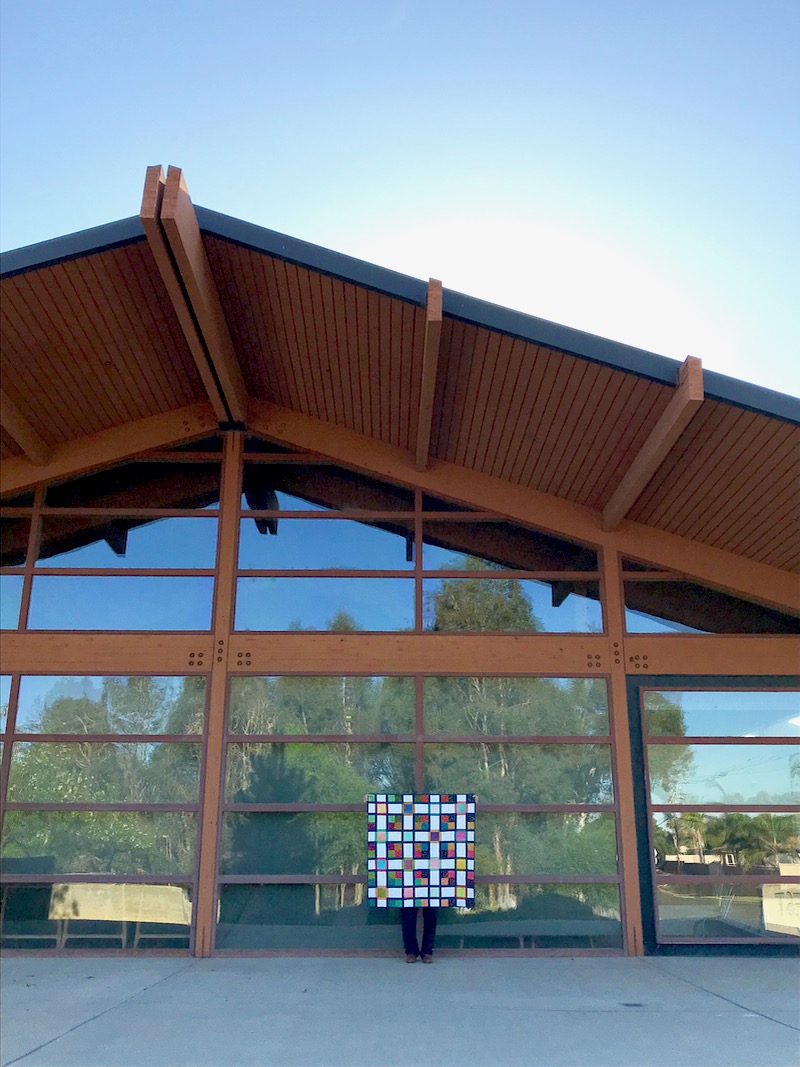
Recently my husband and I took my latest quilt, City Streets, out to a small branch library in our town for some photos. It was a deserted Sunday afternoon, perfect for us to find interesting shadows and backdrops.
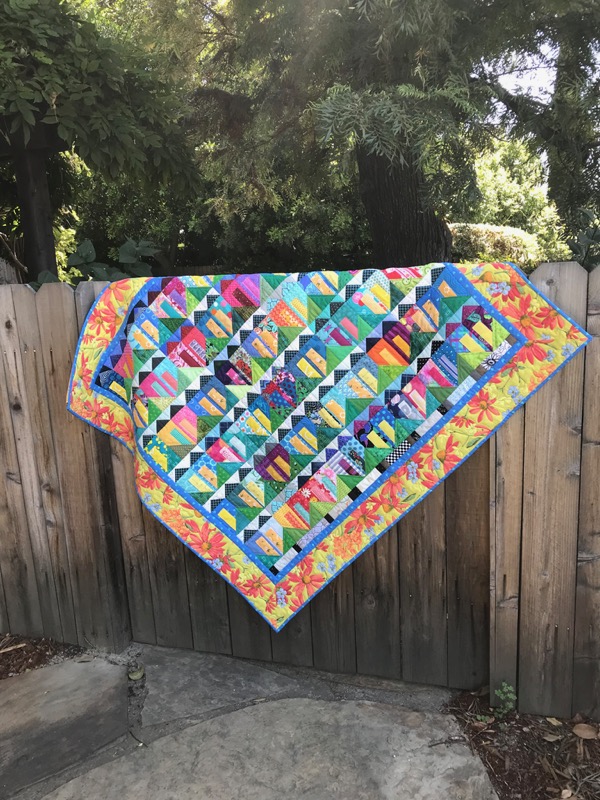
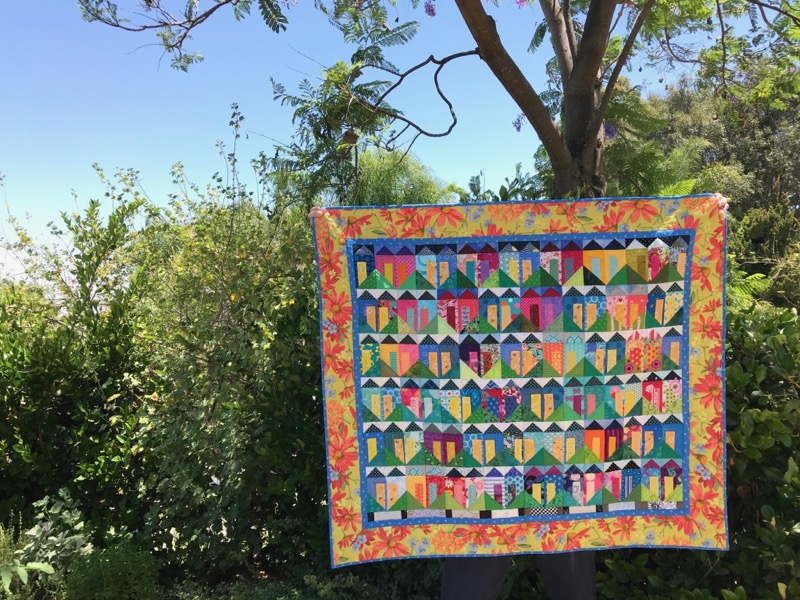
City Streets, 2019 Quilt No. 224, 47″ square
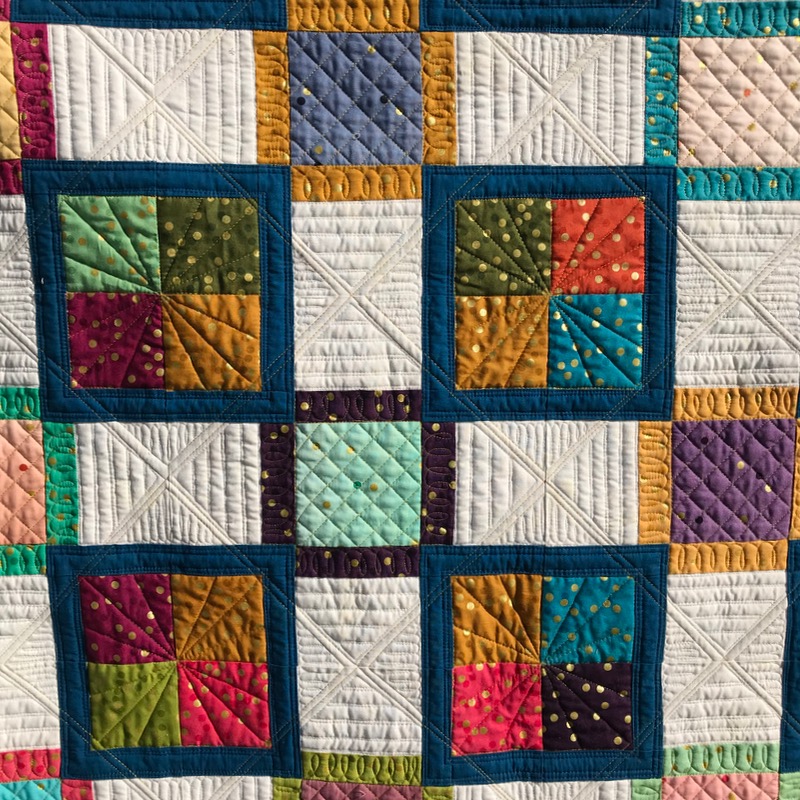
I made this with a fat quarter stack of Vanessa Christensen’s ombre confetti dots: I wanted to see if it was possible for me to work with one line of fabric. I almost made it, but pulled in some white grunge and a solid to offset the colorful squares. I quilted it on my Handquilter Sweet 16 using Art Studio Color 101, which looks like gold, but it’s not a metallic thread. I did the background using So Fine color 401, which is a white, but not stark white hue. I only mention these details because our last guild meeting had a speaker who emphasized this point: we should tell people what thread and fabric we quilt with.
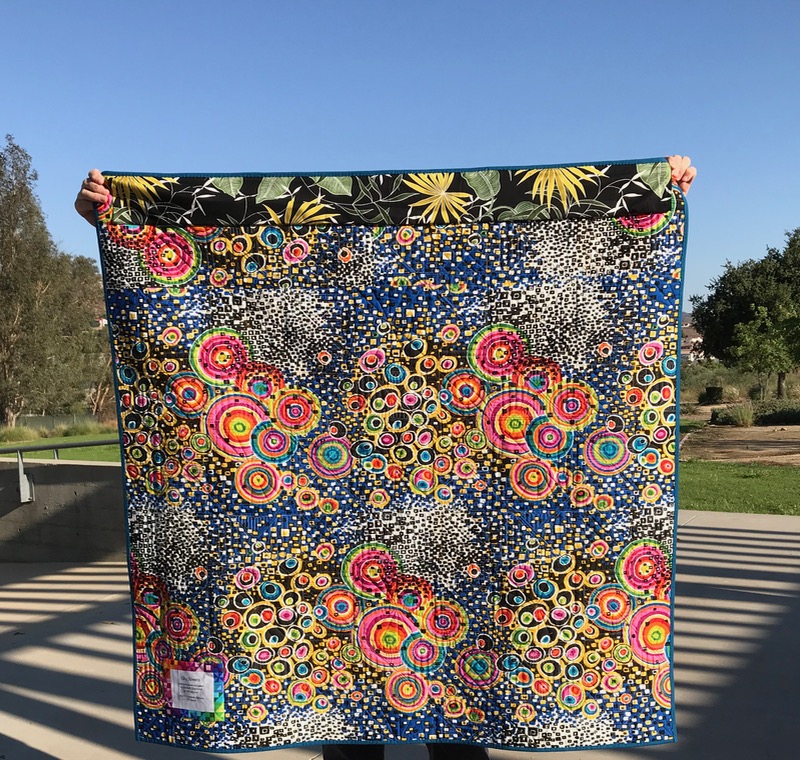
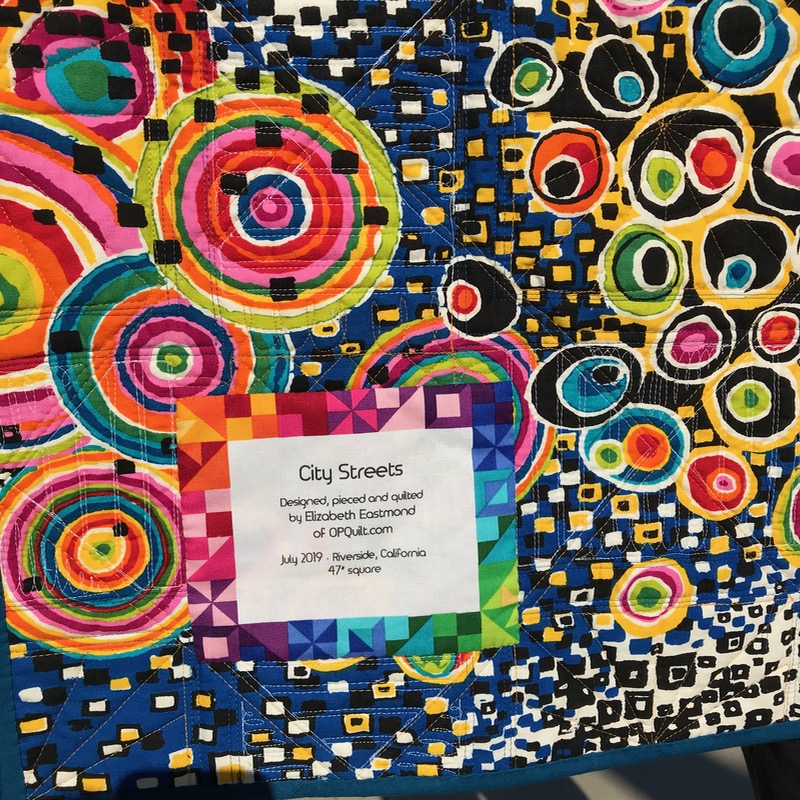
The back, and the label:
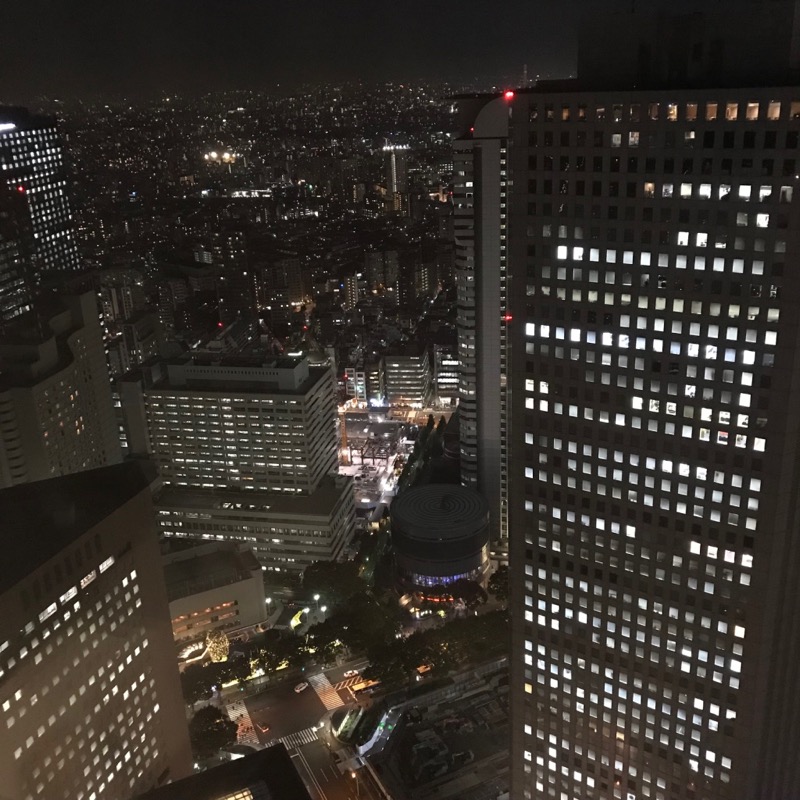
Maybe my original design was inspired by this scramble intersection in the Ginza area of Tokyo, or by this view of Tokyo from the Government Building (below)?
Thanks to my ever-supportive husband for holding quilts, and helping find great locations for photography. Pattern coming soon.
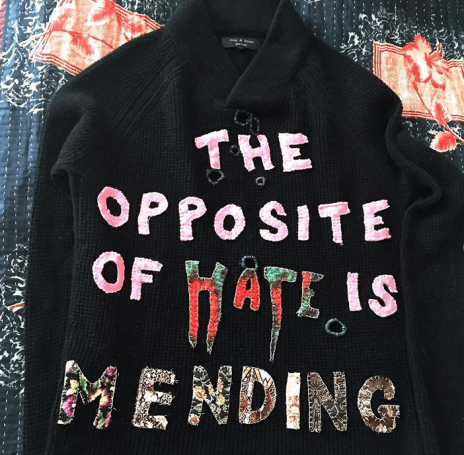
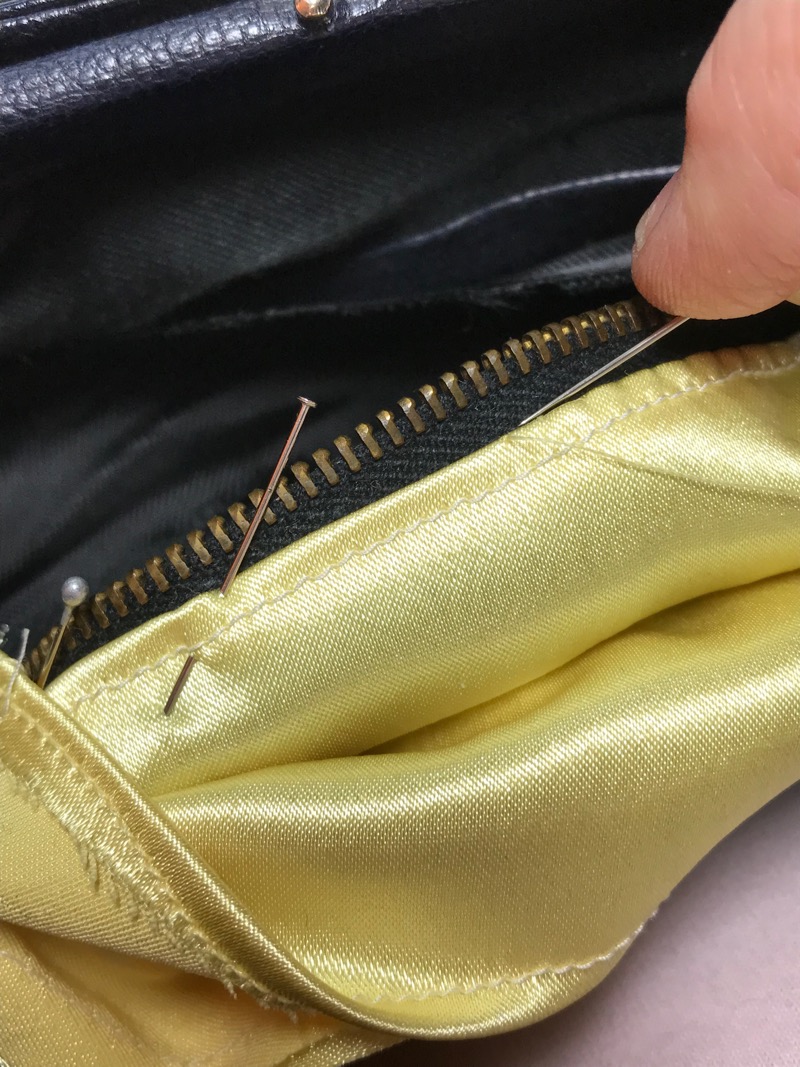
I’m a long-time mender. I recently fixed a favorite purse for my mother, replacing the torn pocket with some vivid yellow lining. I stitched up a few other ripped places, re-glued the lining into the frame and sent it back to her; she was pleased as punch to have her little purse back in working order.
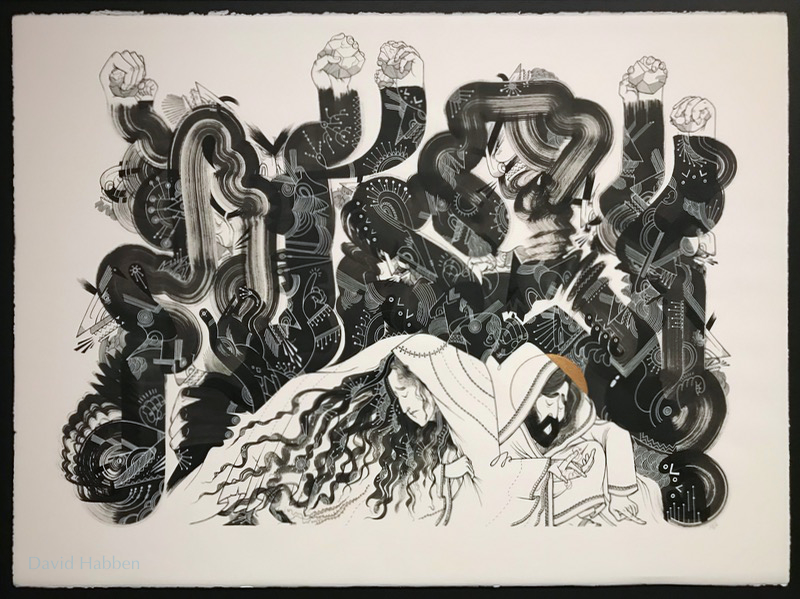
I always look for handsewing in pieces of art, and found it in this image by David Habben, in a recent art exhibit in Salt Lake City. It depicts Jesus and the adulteress with her angry mob of accusers. The clenched fists with rocks, the tortured shapes, and the vile expressions in the background convey the tension in this well-known scene.
In the foreground, Christ kneels and writes on the ground, this thread looping around his other hand. This puzzled me, as I knew it wasn’t in the original story.
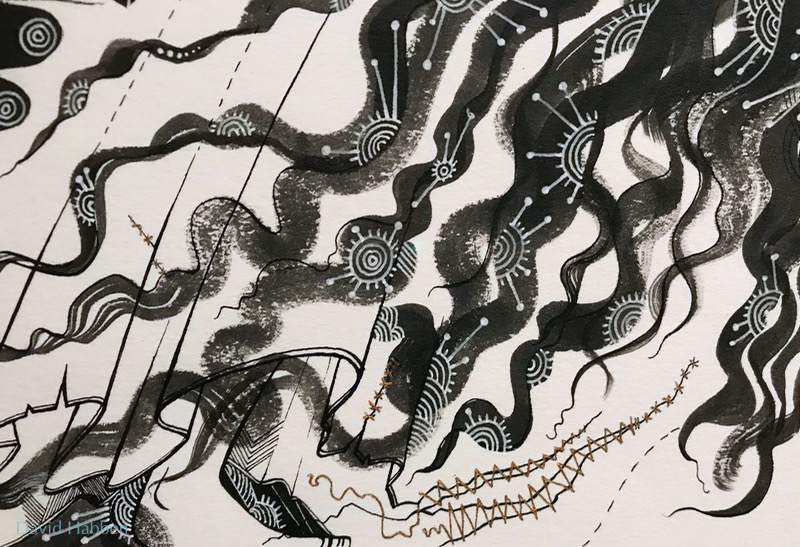
I found gold stitching in areas of the woman’s veil, clues to my small mystery. My sister, viewing this with me, provided the connection: calmly drawing in the dust with his finger, the accusers slinking away after his measured rejoinder, Christ was mending. The accused woman may have stitched her clothing, but now He would mend her soul.
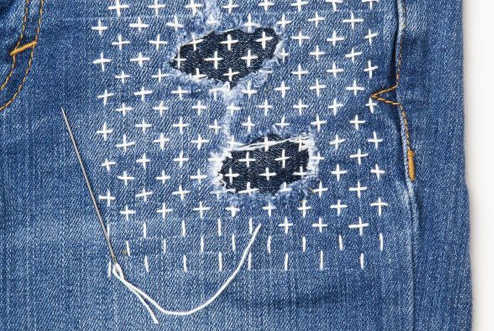
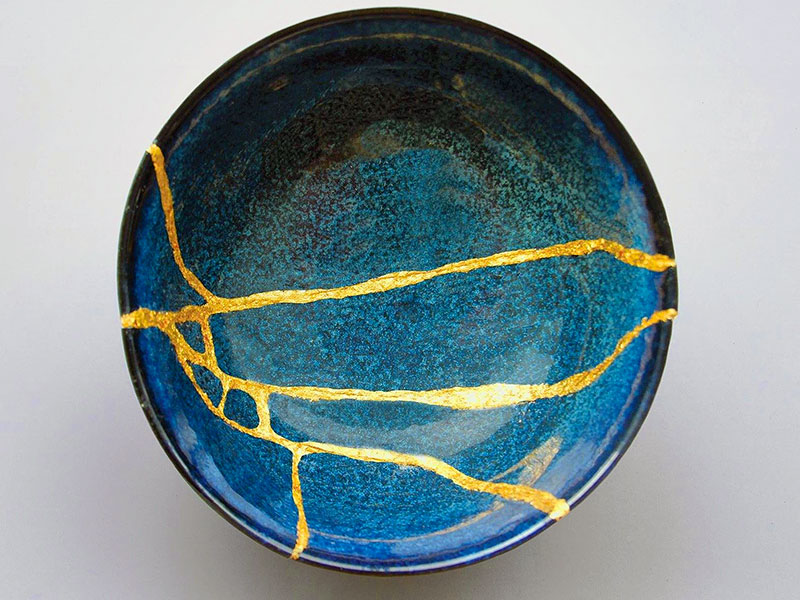
A mended surface can carry a scar. In the case of boro, or of artful kintsugi, we appreciate the addition. But more often that not, we humans don’t want imperfections, or wrinkles, or sadness, death, old age, or any evidence of a rent place. We want happy. We want life to go on with daisies and sunshine and lollipops: no fights or bad diagnoses or mistakes that reverberate for generations.
For years I’ve taken comfort in Eugene O’Neill’s line: “Man is born broken. He lives by mending. The grace of God is glue.” Are we broken? Certainly we only have to the watch unbelievable tragedies of this past weekend trickle in a headline at a time on our screens, to know that broken and torn places are piling up somewhere in a onslaught of rage. I turned away from the yet-again, awful headlines, not knowing what to do.
I take comfort in O’Neill’s wisdom, and Christ’s golden thread. Rather than join the fury, I can fix a torn pocket, a broken heart, work through a quarrel, listen to someone who is trying to heal a shattered life. Whether at the epicenter of the current bad news or in our own homes, we can do our part to draw together the gaping edges, mending them with careful, even stitches.
How do I make nearly 60 wonky, improv-y hearts and not go crazy? Now there’s a challenge.
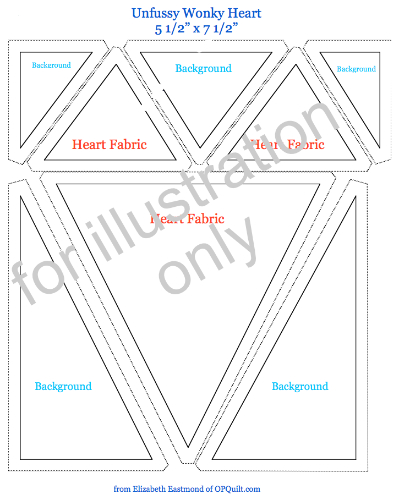
I started here, with a rough pattern of how big I wanted my “improv” wonky heart to be. The free PDF file is available for download. It finishes roughly at 5 1/2″ wide by 7 1/2″ tall.
I started with the heart pieces. I layered up seven pieces of different pink and red fabrics, pinned on the heart pieces and placing my ruler along their outer edge, I cut around them with a rotary cutter: it wouldn’t really matter if I was hyper-accurate…close enough would do. I repeated this nine times.
Then I did the same thing with the background pieces, but was careful with my directional fabrics: I kept the pieces oriented as they would sew into the heart block.
Everything’s stacked up.
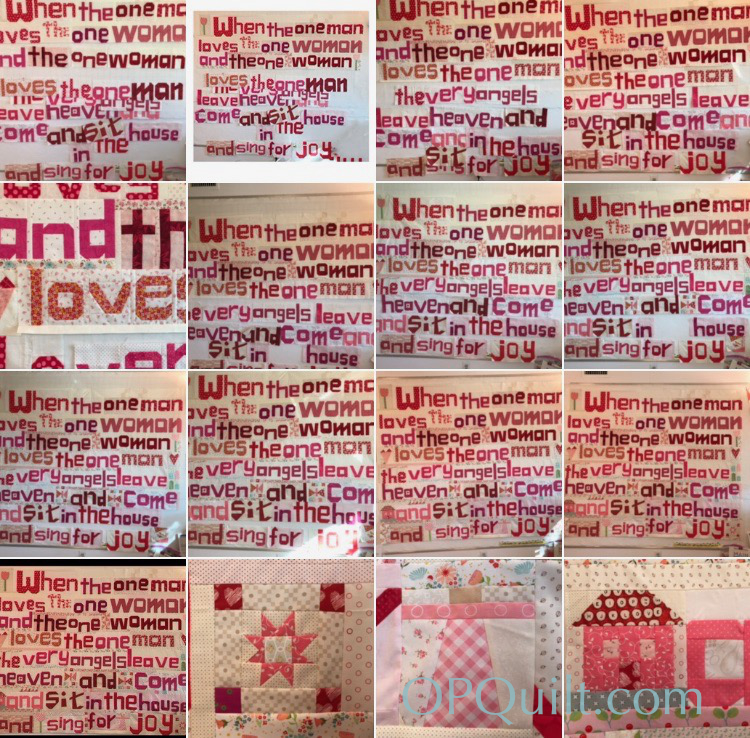
These photos were taken over two weeks’ time, as I tried to fit all the words together. Words were made in The Spelling Bee, from 2016.
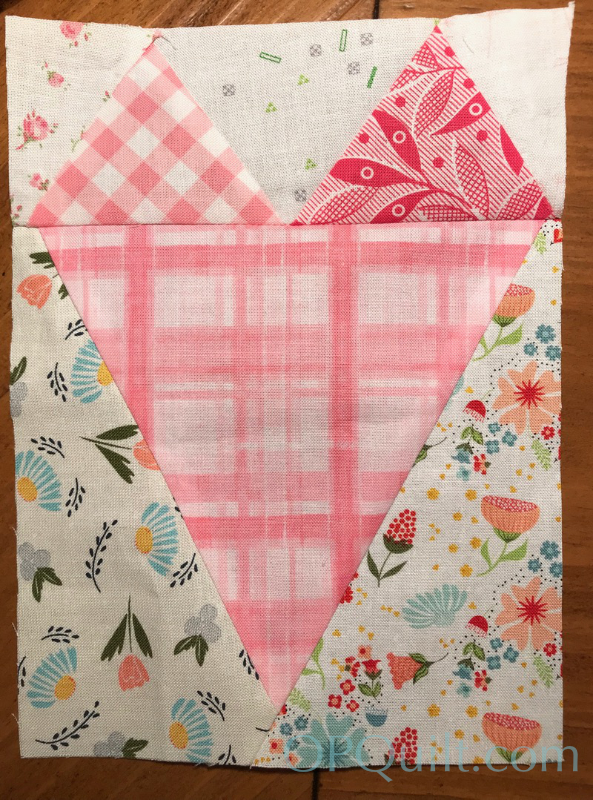
I shuffled the fabrics so no two fabrics would be together, and made a sample heart (at the top of the post). I pinned it next to the quilt of words I’d been working on, closed up the machine, turned off the iron, and enjoyed the sunset:
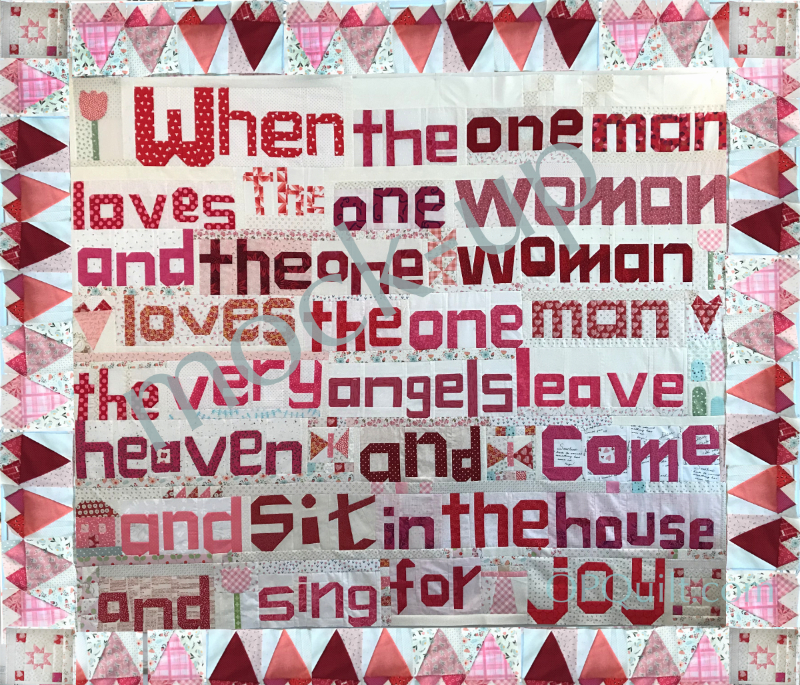
When I woke up in the morning, I decided to try a digital mock-up of the quilt with the hearts as a border, as I wondered if the hearts were too big. I sent the photo to my two of my quilting buddies and they gave me two thumbs’ up. I’ll probably try to sneak in a narrow red/pink border between the quilt center and the outer border of hearts.
I’ve become braver about being wonky and improv-like, skewing seams, overlapping, cutting off points, generally going at it easy, instead of pristine.
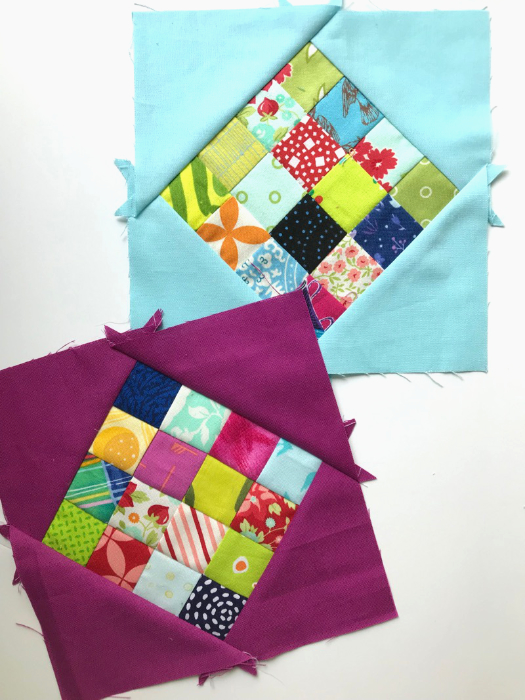
I have a few more hearts, now, and while the widths vary from 5 1/4″ to 5 1/2″ (I just trim them where it feels right), I’m forcing them to 7 1/2″ tall (that’s before seaming). Because I am tired of cutting off the points, I’ll now be cutting about 1/2″ off the bottom heart section before I seam it to the top part.
This is one of two long-term UFOs that haunt me in my dreams. The other one is Small World, which I keep in parts in a basket in my shelves. I do have hopes on finishing that one, too. I signed up for a Jen Kingwell class at Road to California in January; I suppose one goal would be to have it finished so she could sign it? Right.
In other sewing news, I finished July’s Gridster Bee blocks for my beemate Linda and sent them off.
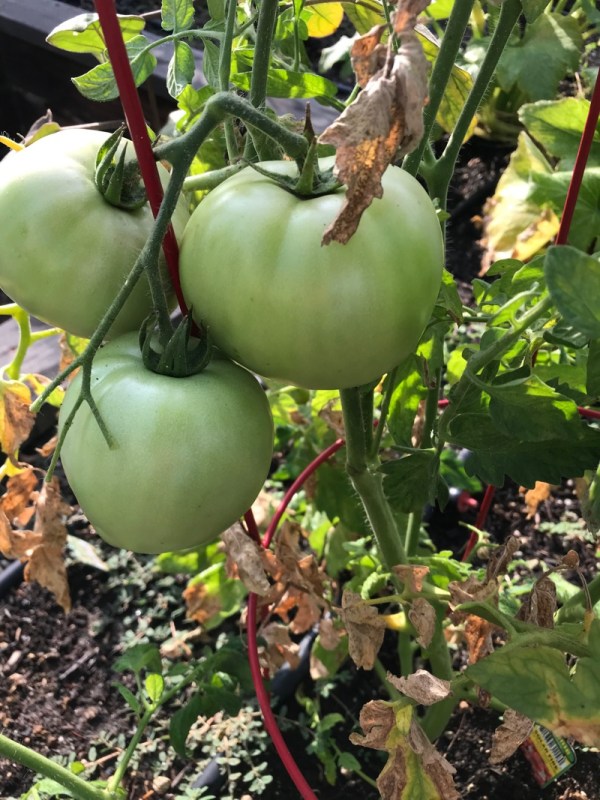
And I’m trying this new type of tomato, developed for scorching temperatures. This year we were almost chilly and foggy until June, then the temps shot up high. I haven’t had good luck with my garden in three years, after a stunning first year of beginner’s luck. But hope is a thing with feathers, said Emily Dickensen, or my case, tomatoes.
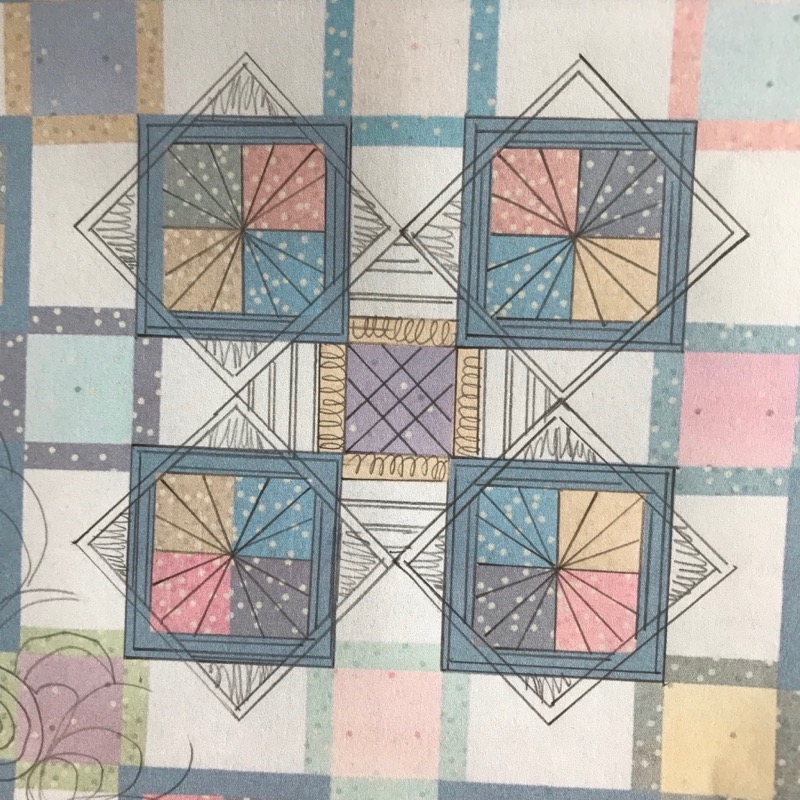
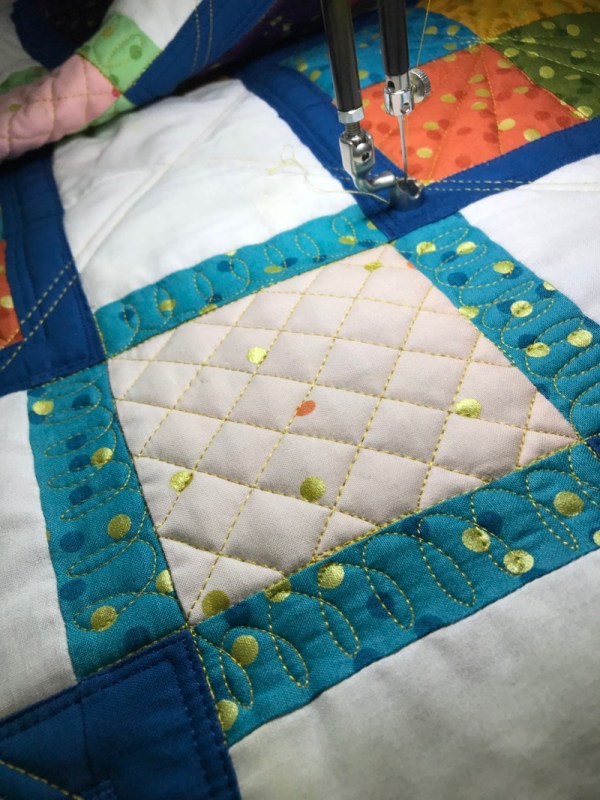
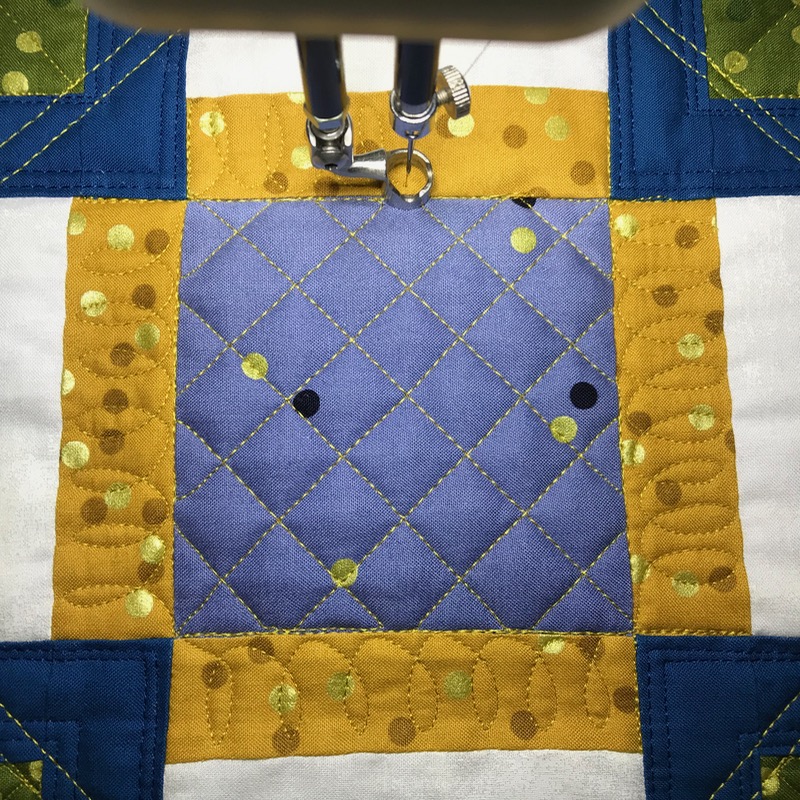
I’ve also started quilting City Streets, a quilt of my own design.
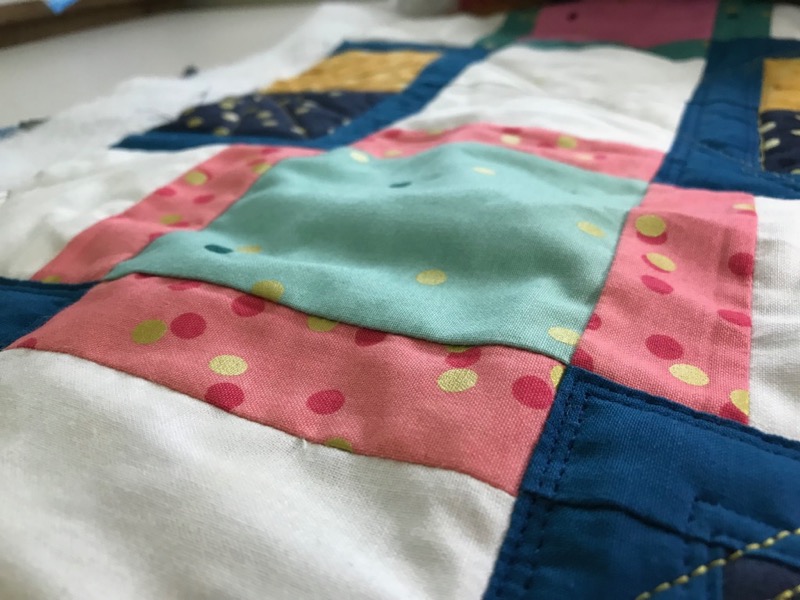
I’d picked up this Magnifico-cousin (same type of thread) when I visited Superior Threads last time. It’s color 101, and it looks like a gold thread, but isn’t a metallic thread:
I hope I don’t run out before I finish this quilt.
Finally, in my discussion about how the internet irritated me, I read a ton of blogs, some of which I can’t quite remember. But I did take a screen shot of this gem, a featured quilter on a truly dedicated quilter’s blog. (Given what he says about his favorite fabric color, I don’t think he would like my gold thread.) However, I leave you with the hope that you, too, have started quilting several times, as well as the ability to make the quilts in your head.
Maybe there is more of the magical in the idea of a door than in the door itself. It’s always a matter of going through into something else. But
while some doors lead to cathedrals arching up overhead like stormy skies and some to sumptuous auditoriums and some to caves of nuclear monsters
most just yield a bathroom or a closet. Still, the image of a door is liminal, passing from one place into another one state to the other, boundaries
and promises and threats. Inside to outside, light into dark, dark into light, cold into warm, known into strange, safe into terror, wind
into stillness, silence into noise or music. We slice our life into segments by rituals, each a door to a presumed new phase. We see
ourselves progressing from room to room perhaps dragging our toys along until the last door opens and we pass at last into was.
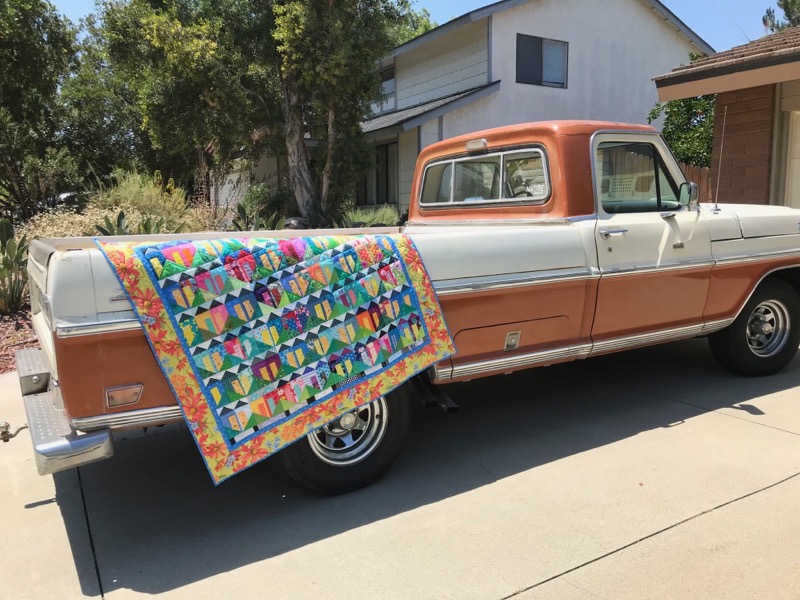
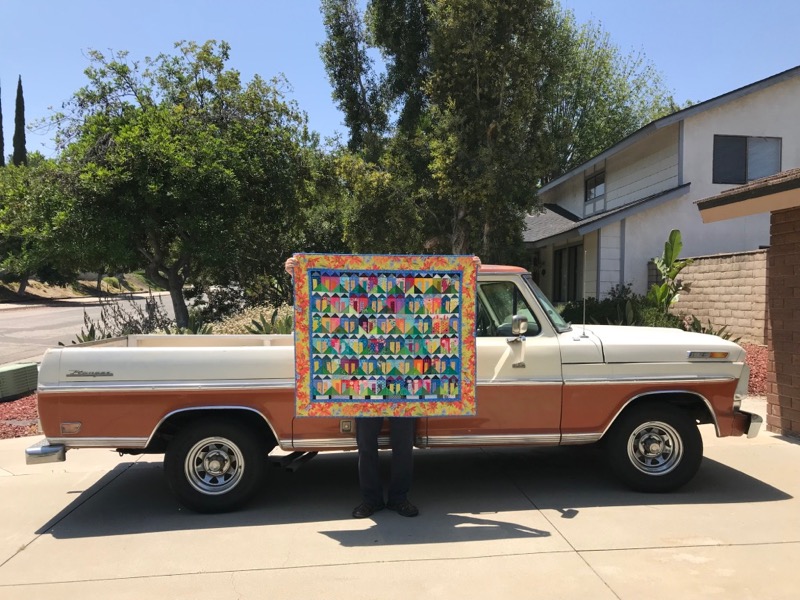
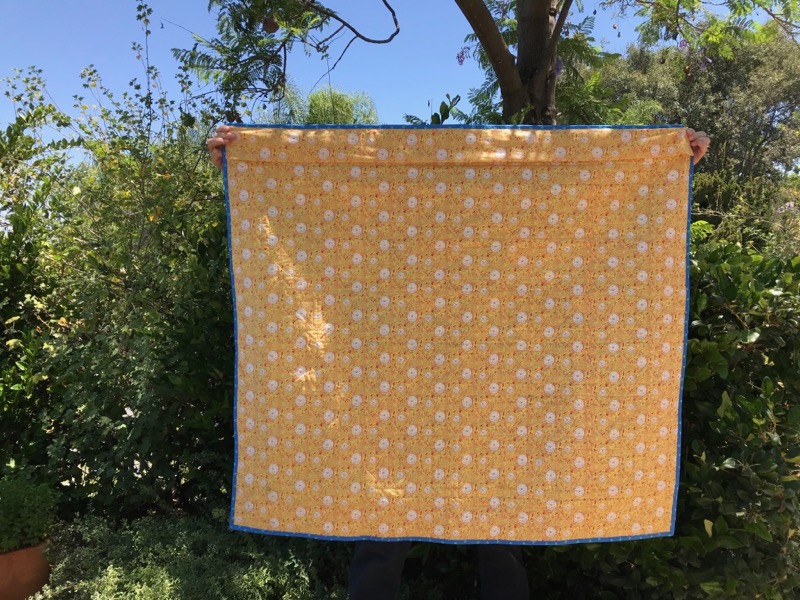
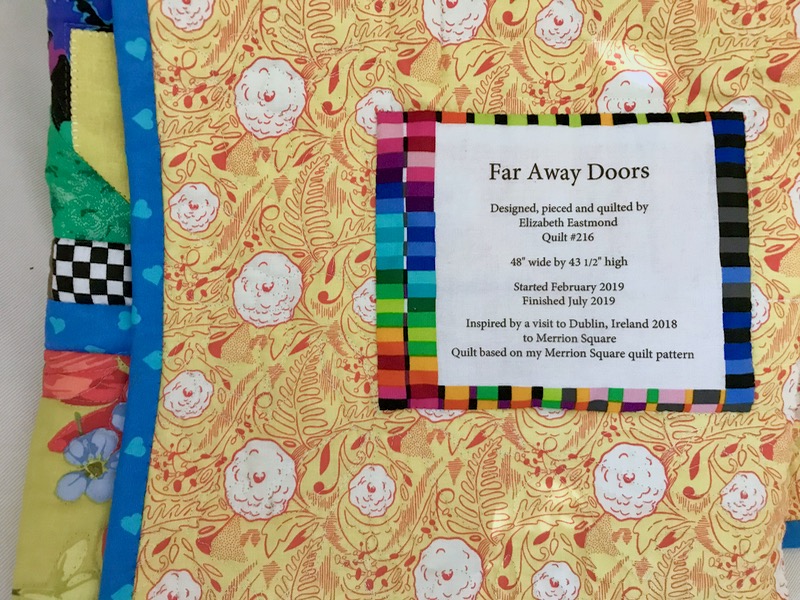
Far Away Doors Quilt No. 216 • 49 1/2″ wide by 43 1/2″ tall Some blocks sent to me by the Gridsters Bee
Finished!
I originally named it “Home-keeping Hearts” but that was just its milk name as it had just been born and I was in a cheezy mood of Hearts and Deep Meanings and All That. Marge Piercy said it best about doors, even quilty ones inspired by far away doors from Dublin, Ireland:
“the image of a door is liminal, / passing from one place into another / one state to the other, boundaries // and promises and threats. Inside / to outside, light into dark, dark into / light, cold into warm, known into / strange, safe into terror, wind // into stillness, silence into noise / or music.”
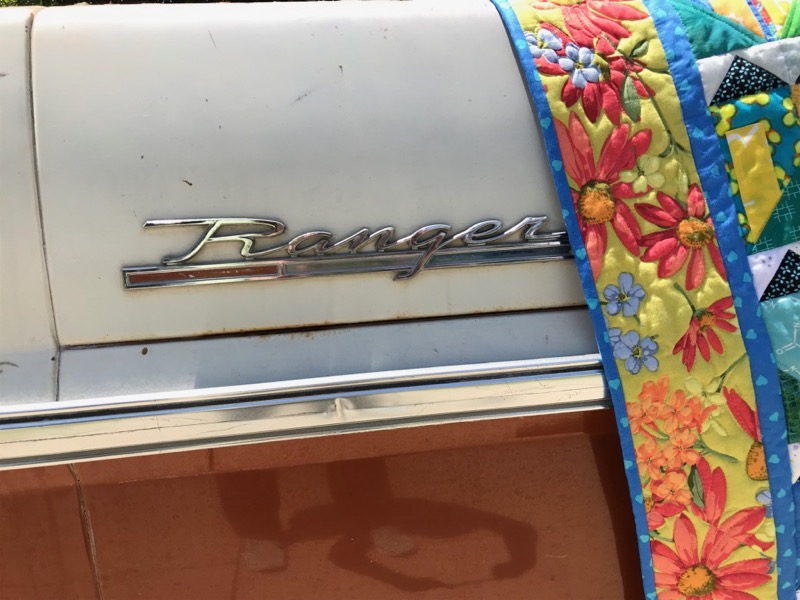
The photograph on the truck? It went like this: on our way to get some Vietnamese bùn châ for lunch, we trekked down to our newest neighbors’ home to ask if we could please pose the quilt on their cool car, and so I knocked on their door and it opened to a crying baby in the other room and a smiling baby in his father’s arms and good-natured parents, owners of a new-to-them truck and the mother’s name was Genesis and the father’s name was Nate and we introduced ourselves and they said yes, of course, and then they headed back inside because it was about a hundred degrees outside, as they smiled and waved and shut the door behind them, the lovely music of a home with a young family and a Ford Ranger just made for quilt posing.
And so, this variation of Merrion Square is finished. I pass out the how-to sheet as a freebie when people take my Merrion Square classes, so hopefully you’ll be in one soon. Check my schedule to see if there’s a workshop near you.
And finally, many thanks to all who entered the giveaway for the ruler. The winner has been notified by email and I’ll get the ruler off to her this week. I am leaving the post up because there are so many great responses to my question. You are all a significantly talented and experienced group of quilters — thank you for your ruler advice!






 I always look for handsewing in pieces of art, and found it in this image by David Habben, in a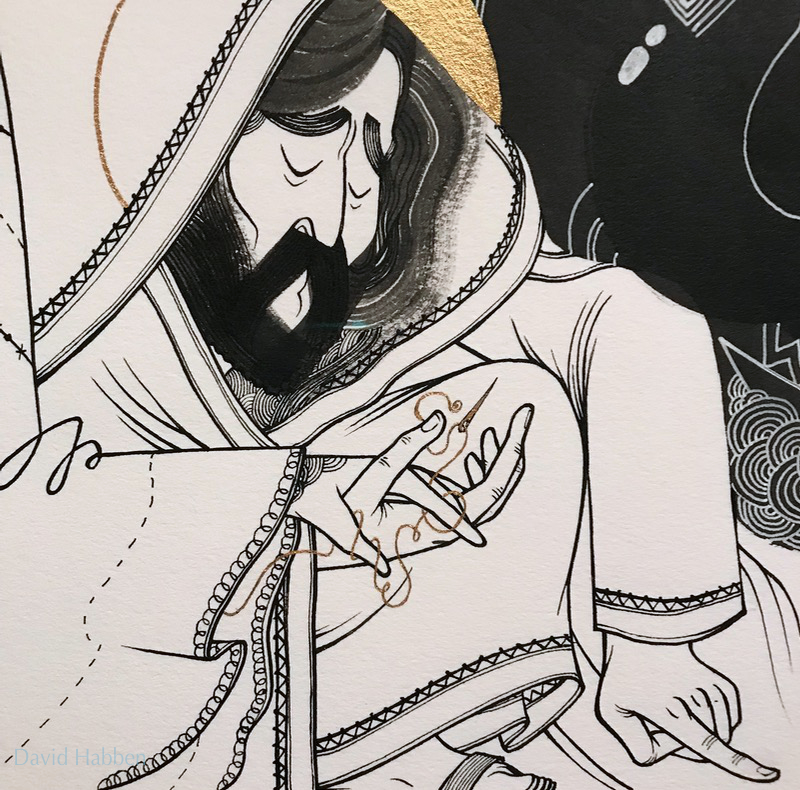








 OccasionalPiece--Quilt!