This is an Emergency Post of the Eastmond Quilting System (with apologies to the radio emergency broadcasts we get occasionally). But I just realized that the deadline for the:
Stay At Home Round Robin
is tonight, and I had to get this posted so I could link up here. I first read about this last year, on Janine’s blog, Rainbow Hare, and loved following along on her progress. She’s doing this again.
And then Yvonne, of Quilting Jetgirl, put up her center block, and it is perfectly wonderful — an Yvonne block through and through.
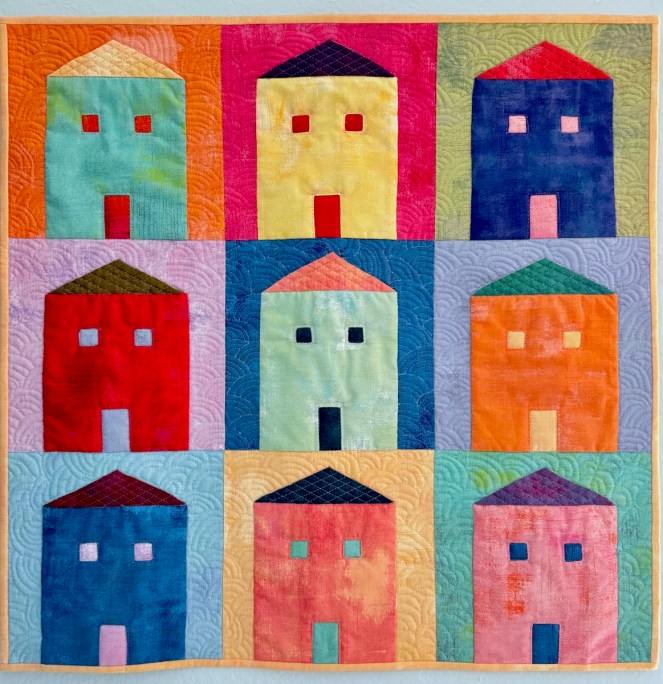
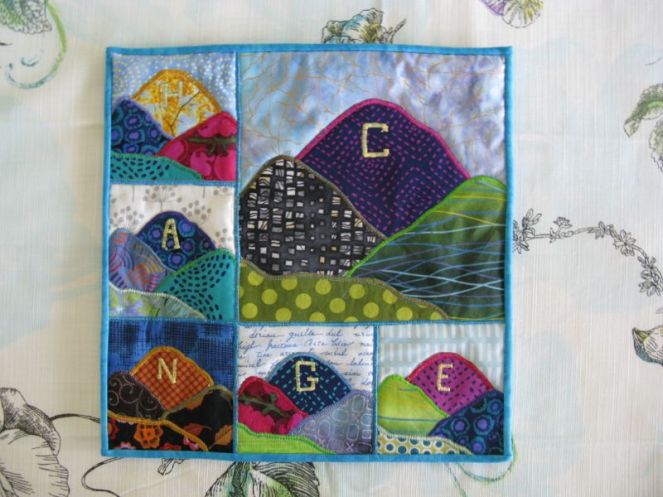
Just last night, as I was wandering into walls, thinking I should just give the quilting all up and become a geneologist or something, this morning, JOIN THE SAHRR! came as a flash of lightning. Or something. Here are my two options:
— OR —
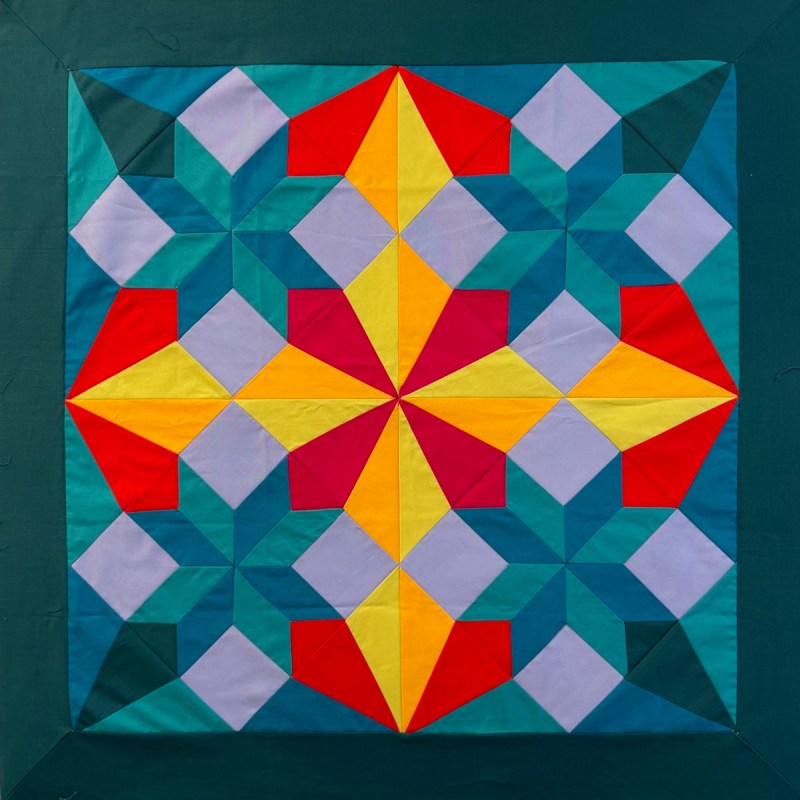
One has a vision for the future, clear, crisp, with the color scheme decided upon. It’s like a supersonic plane flying through the clouds into the distance, or to quote Buzz Lightyear: to infinity and beyond!
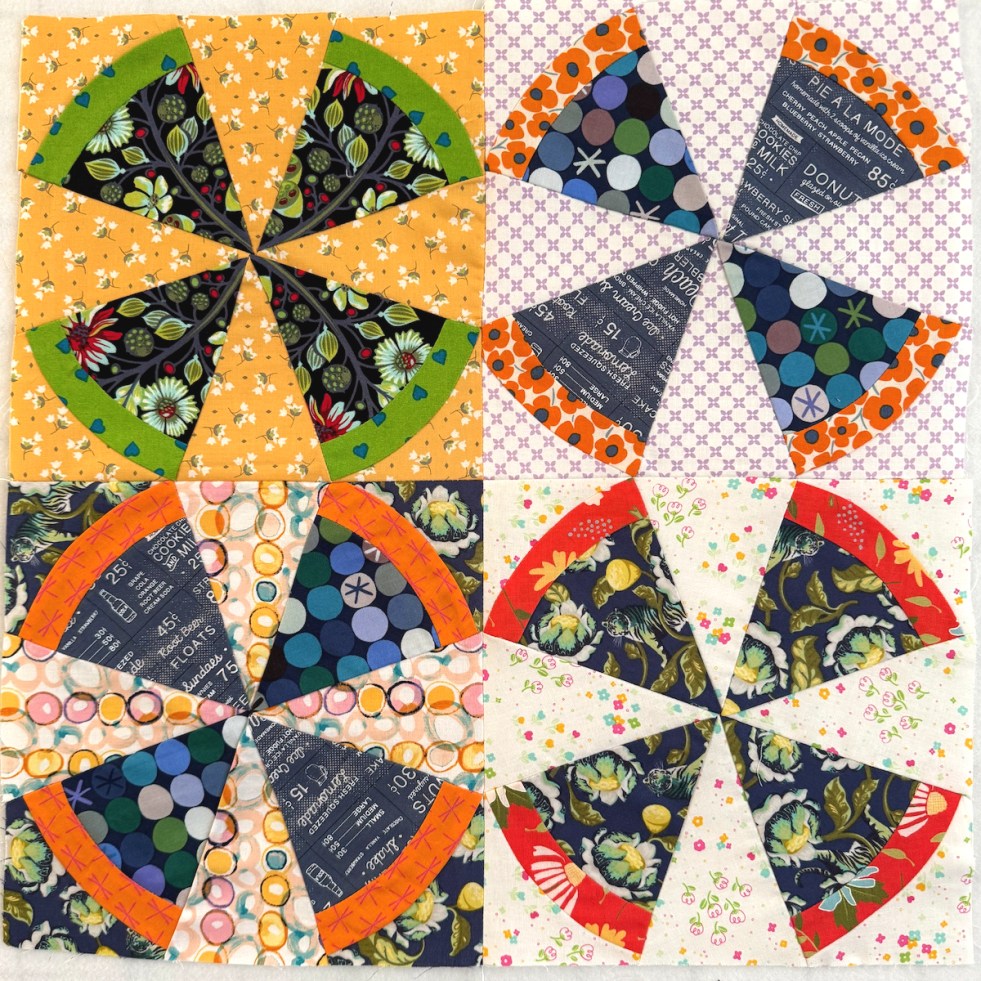
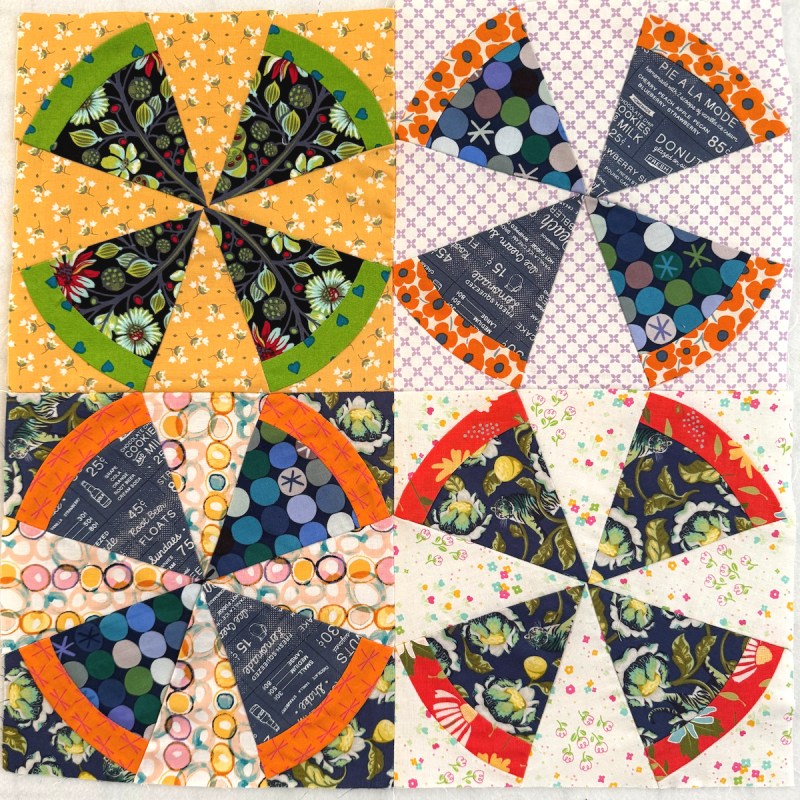
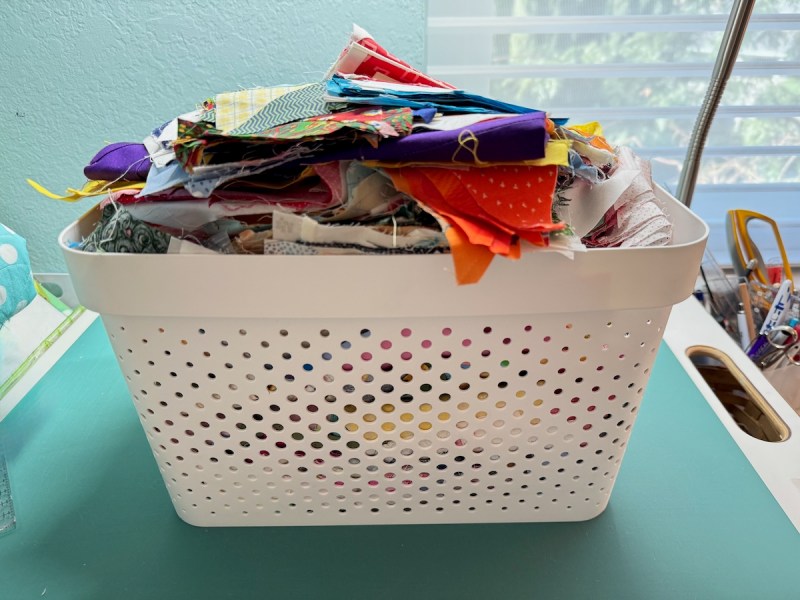
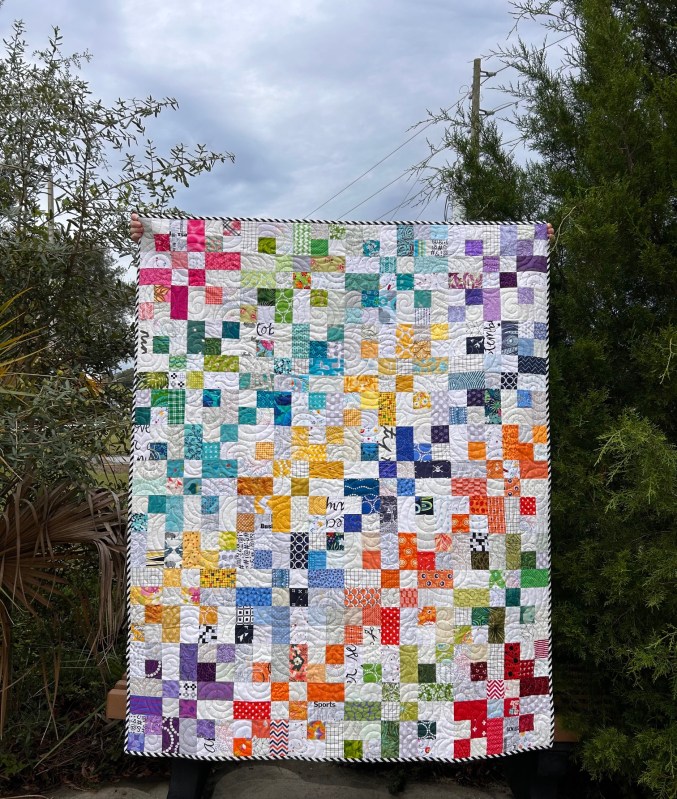
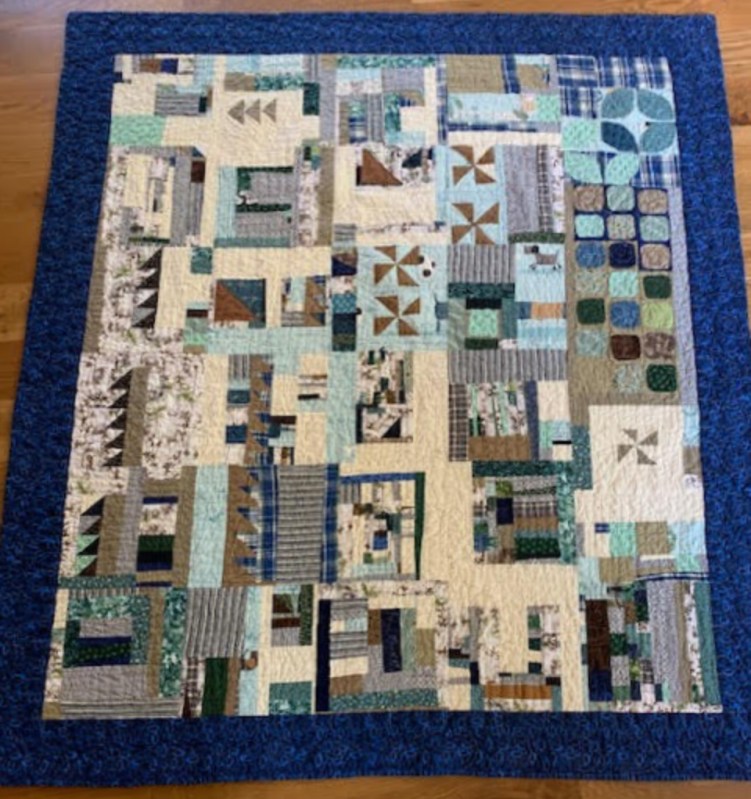
The other one is slightly misshapen, duplicating shapes and colors, with a mix of prints that actually might just allow for more freedom. It’s more of a meander through the meadow, the woods, and possibly, the shopping mall. And it will allow me to interrogate (in the academic sense), the orphan block box:
Sadly, I have another box of orphans, too.
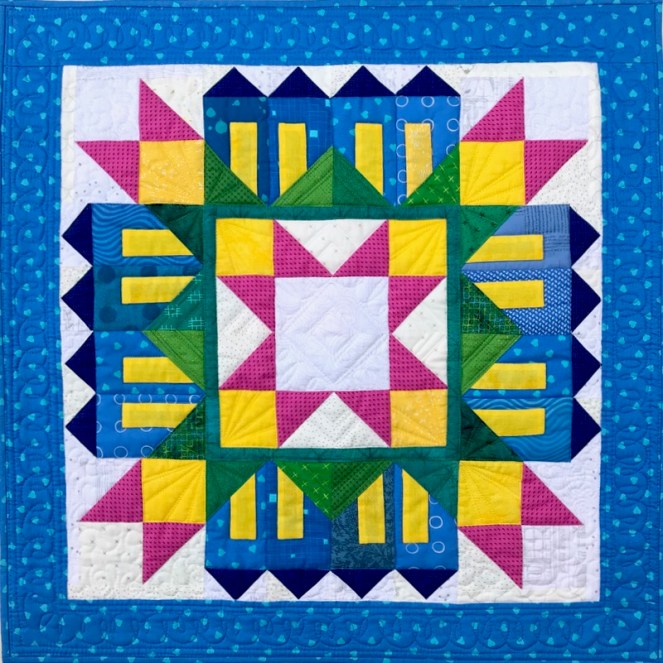
So I’m going with the second one, the four blocks made in a Jen Kingwell class. (Well, started in the Jen Kingwell class and finished at home on my sewing machine.)
Thank you to the hosts and organizers of this Stay At Home Round Robin. It’s the best of all worlds, where we meet new friends, create our own bits for our quilts with their prompts, and no trips to the Post Office. Gail, of Quilting Gail, has more details on her post.
The details, from Gail’s blog:
Here are my blogging co-hosts in the order of what we will be doing and the linky parties we will be hosting each week. (There will only be one linky party each week … and we’ll direct you to it …)
January 14 Each of the co-leaders will be sharing their centre blocks (you will have to visit each of their blogs to see them). I will host the first linky party where you can show your centre block.
March 25: Parade: showing all of your finished SAHRRs!
Now that I’m decided, I’m off to link this up to the beginning post, The Centre Block for the 2026 SAHRR. Deadline is today, Tuesday, January 20 at midnight Pacific Time.
We love to make landscape quilts. We love to make pictures of our pets, our people. We love to use traditional blocks as well as fly far away from our roots and use modern blocks.
But where has it gone? I came across Nic’s blog (from NZ) and they mentioned that so many blogs had shut down or stopped publishing. Recently I was updating my Reading Library (at the very bottom of this blog: just scroll, scroll, scroll and you’ll get there). I had to create a category called Sadly, in Hiatus. I keep their links because I know what treasures are in their blogs, and what great conversations are to be found, and interesting stories to be told, so feel free to stroll that (now, quieter) neighborhood, too. Yes, there are some Instagram pages in the Reading Library from friends who don’t maintain websites and blogs. If you know of a good quilty blog (maybe yours?) that should be there, leave me a comment at the end of this post.
I could mention something wonderful about every blog on my list, both those on hiatus and those that are active, so I don’t really want to single anyone out, but I will credit Flourishing Palms from Linda Hungerford as an inspiration for a quilt on my 2026 Want To do List:
And Yvonne’s Quilting Jetgirl has just tempted me with the SAHRR project, first seen on Janine’s blog, Rainbow Hare, last year. And I also have the Plaidish quilt, from Erica’s Kitchen Table Quilting on the list. I’ve signed up for a few of her QALs, but they always hit at a bad time, but this quilt is sort of her signature quilt. You had a link last week to Gladi’s blog, always with some mention of the seasons. Mary, of Zippy Quilts, always has great ideas of what to do with my orphan blocks…I could go on and on, but I’ll stop here.
I also keep a category called Mercantile, with some more commercial blogs on it. You’ll also find there are some clothing pattern sites and sources for fabrics, as my sister Susan got me more into sewing recently.
What Inspires When the Spark is Gone is a category of frequently updated links, that I read for inspiration when the doldrums hit, or the sew-jo is missing.
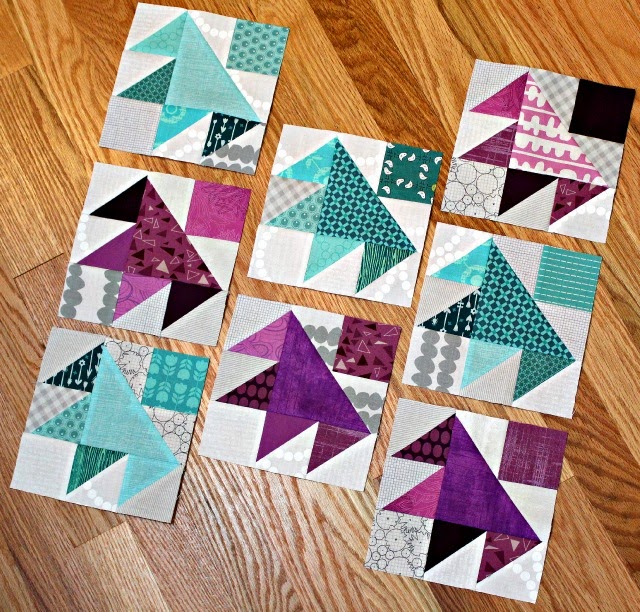
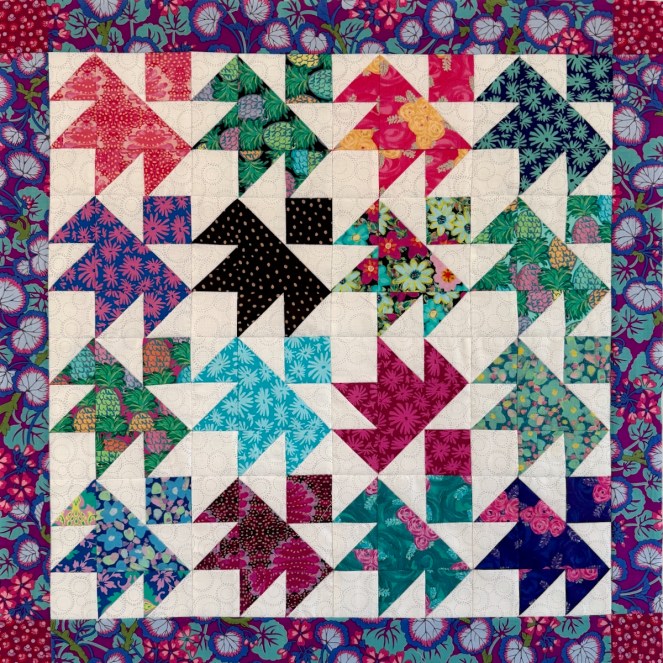
I’ve also asked for recommendations of blogs, and a reader sent forward a vote for Debbie’s A Quilter’s Table, which I’ve read for years, too. We used to be in a couple of bees together, and in strolling through Debbie’s blog, I found this:
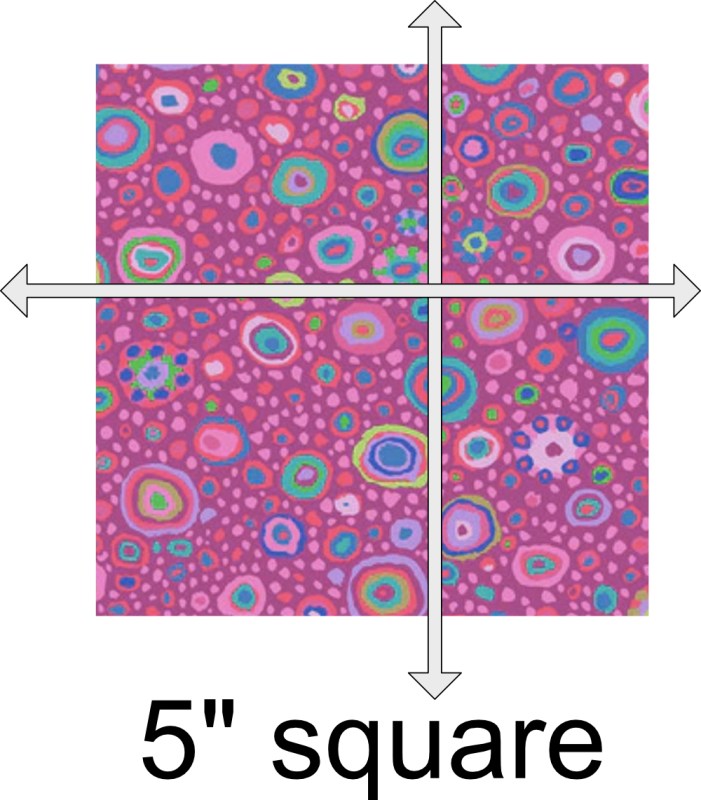
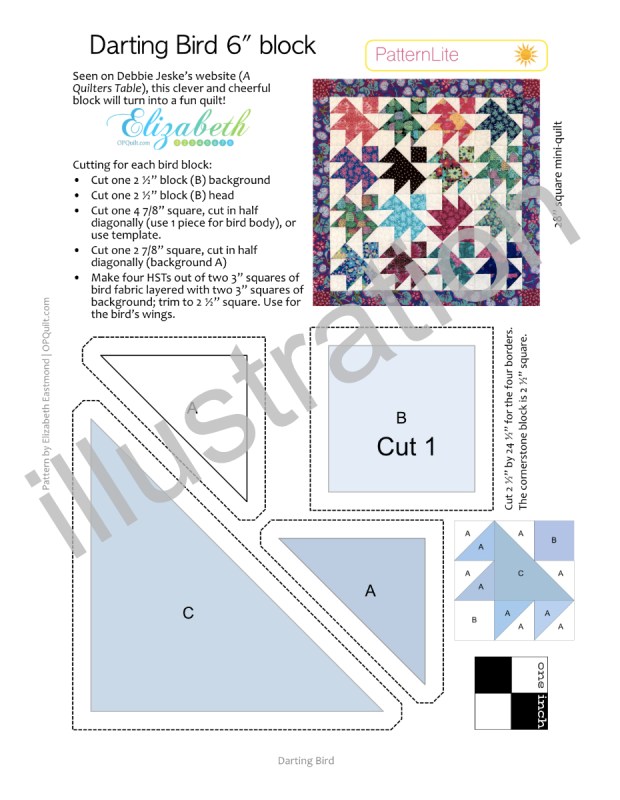
And good news, all these little birds all came from one Charm Pack (5″squares). Here’s some cutting tips:
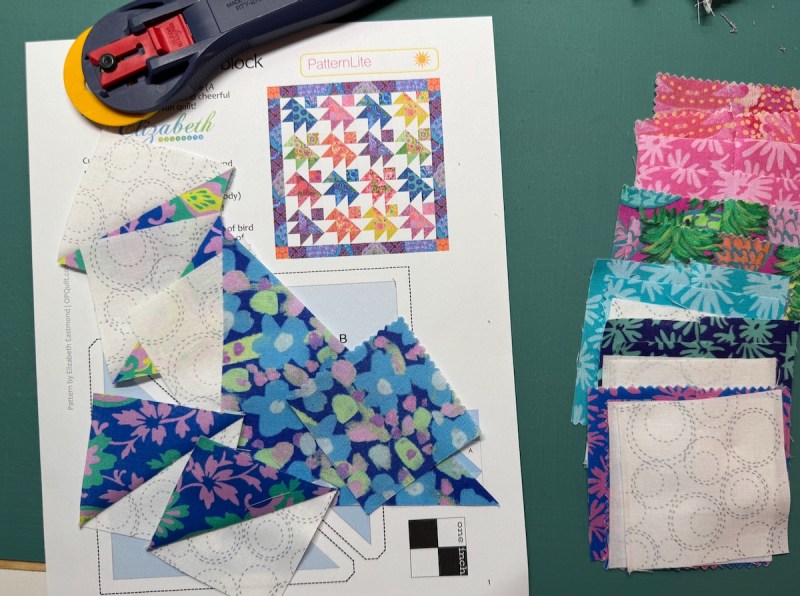
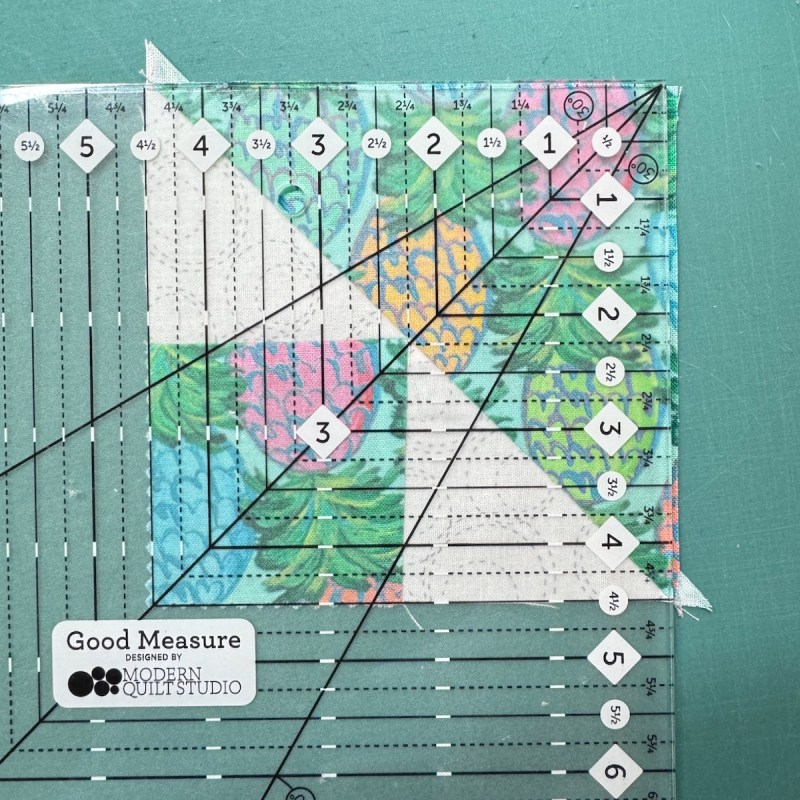
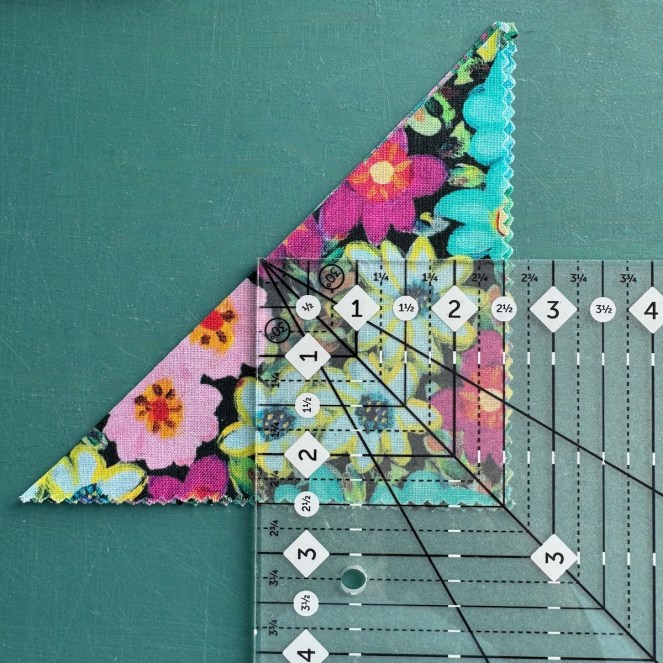
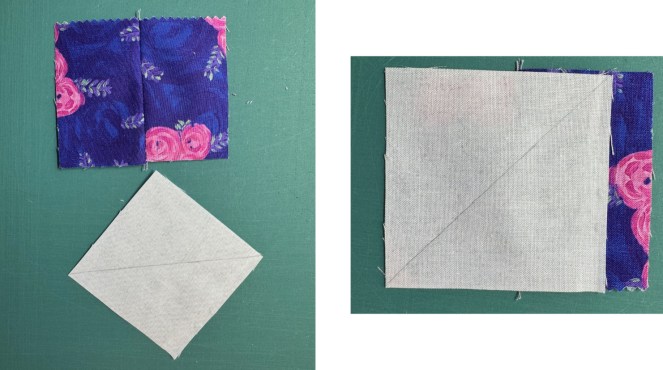
From the charm pack, choose 16 prints you like, and then find their duplicates. Divide them into two equal piles. From the first pile, cut the block in half diagonally, making two triangles. Put one set aside, and from the other, cut the birds’ heads, as shown. You can discard the triangles on the side, or save them for another use. Now pick up the pile with the matching fabrics.
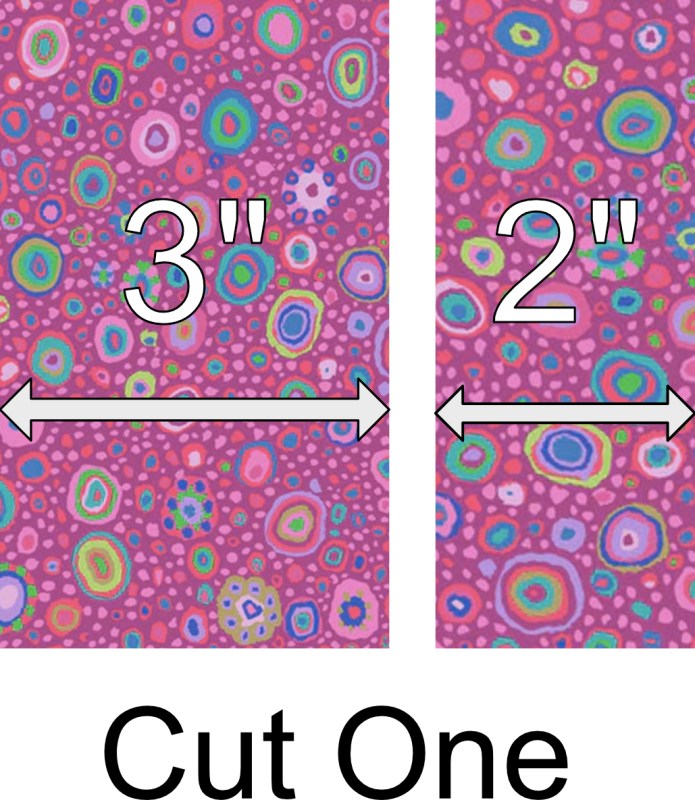
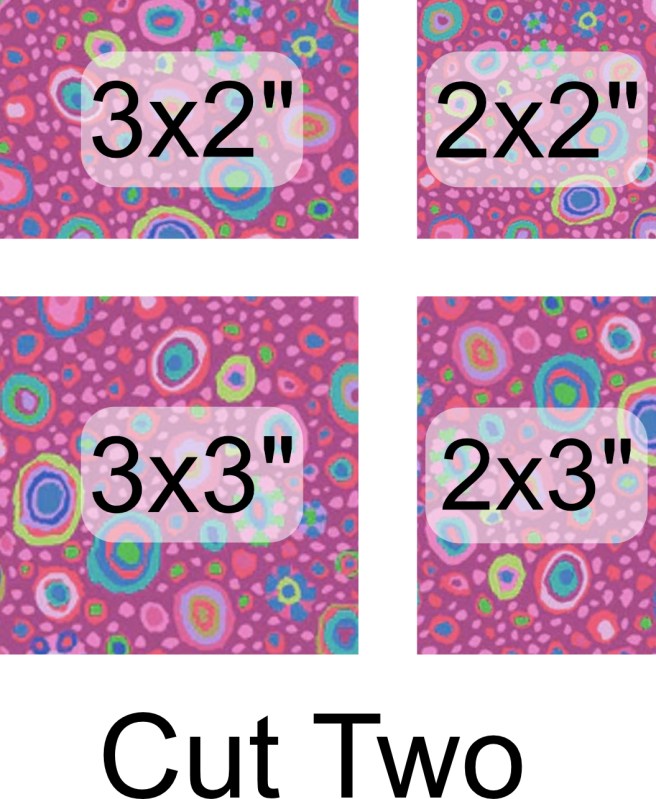
You’ll make two cuts in through each five-inch square. Make the first cut but don’t move them. Then make the second cut, so you’ll have four bits. Keep the 3″x3″ block. Discard the 2′ x 2″ block, or save for your scrap box.
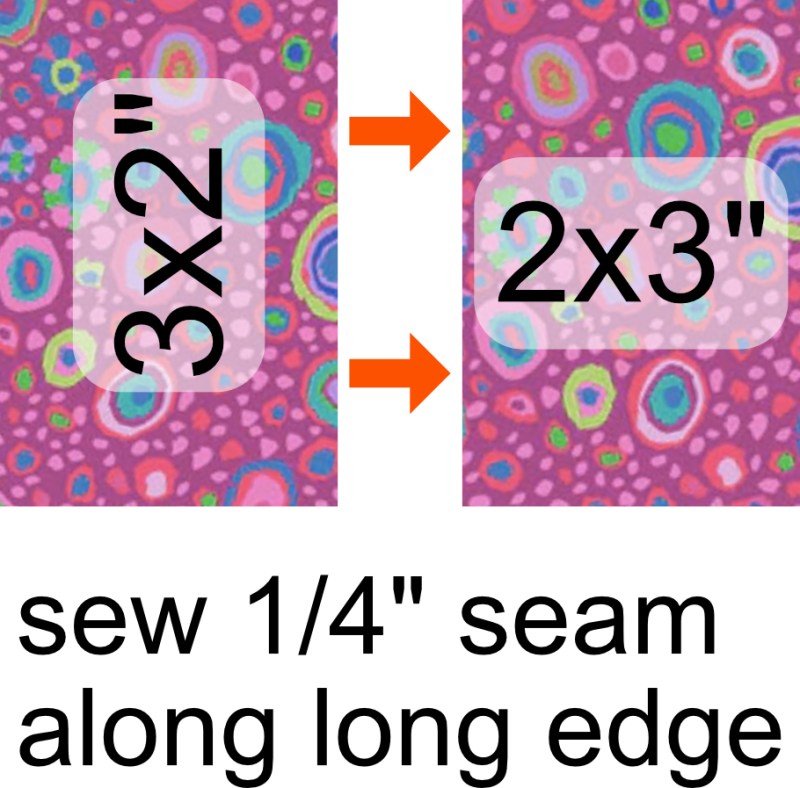
Then sew along the long edge of the 2″ x 3″ blocks to make a larger patch; trim to 3″ square. Or, just do what I do:
Draw a line diagonally across one of your background squares. Plop it on top of the extended square. Stitch on either side of the line, 1/4″ away from the line, then trim off the edge, and cut on the line. Standard HST-procedure except for that blob on the right. Then press to the dark side, then trim to 2 1/2″ square. You’ll need four of these per bird.
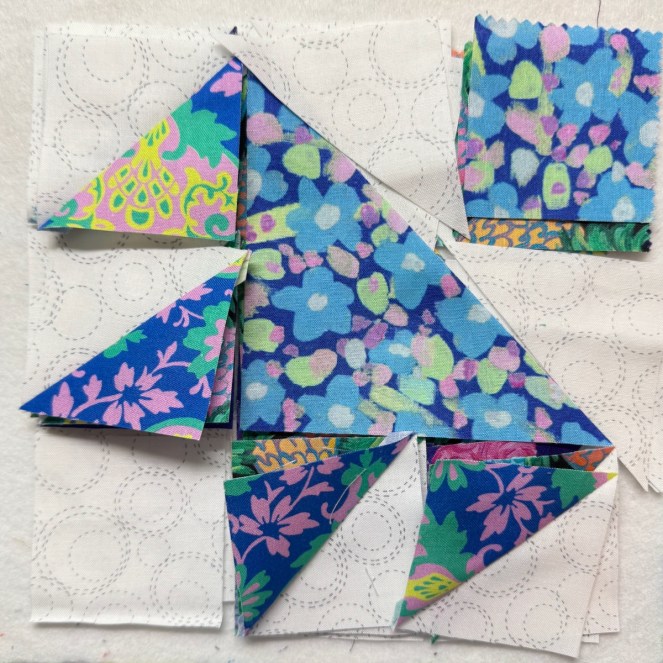
I’ve stacked up a few pieces before I start batch-sewing.
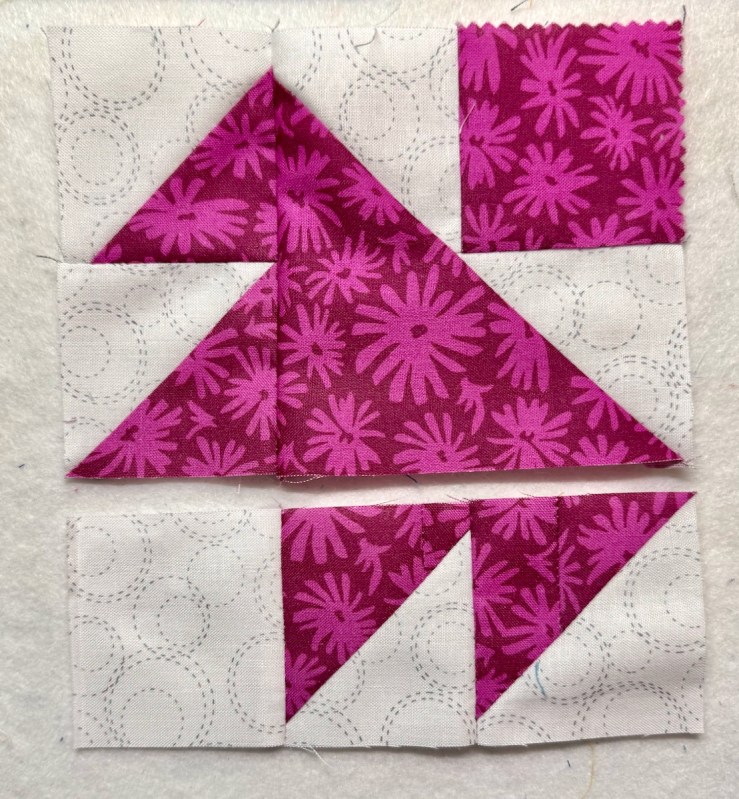
Sew the triangles on either side of the head, then sew to the body. Press, then trim to 4 1/2″ square.
Sew two HSTs together, then two more. Sew the first set to the body. Sew the second set to the white square in the lower left. Stitch everything together. (See photos, above.)
Two Reminders: • Trim the body/head square to 4 1/2″ and then, after assembling, • trim the whole block to 6 1/2″, please.
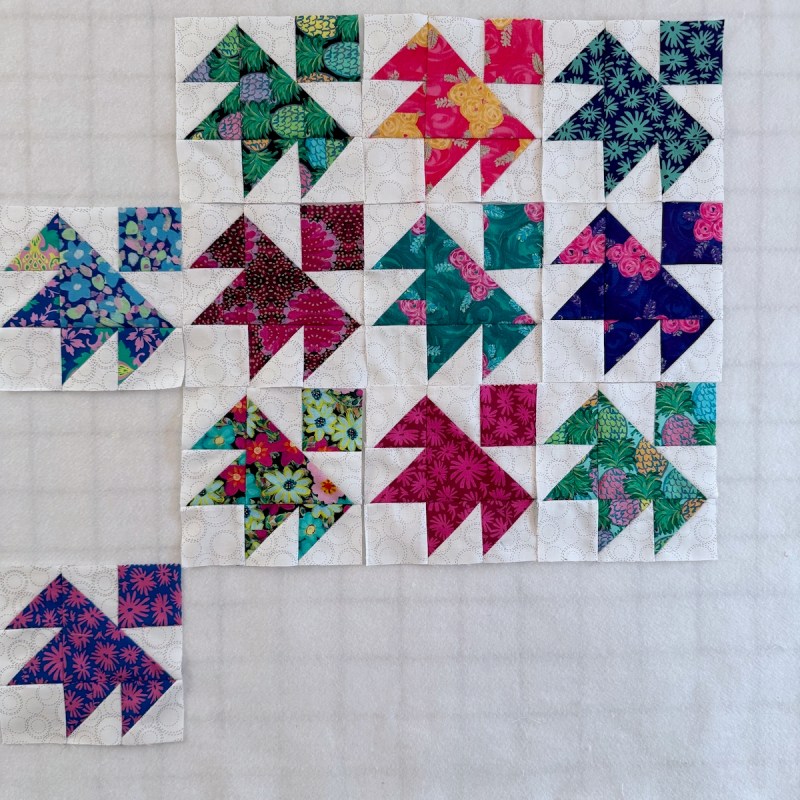
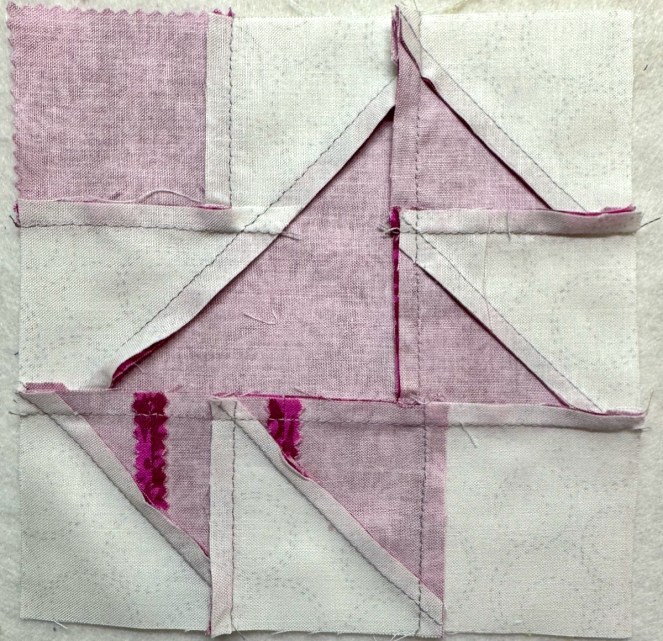
This is what it looks like from the back. On most of them I put one seamed HST in each wing-set, but here I have them both on one side. Now take your sixteen blocks and have fun arranging them.
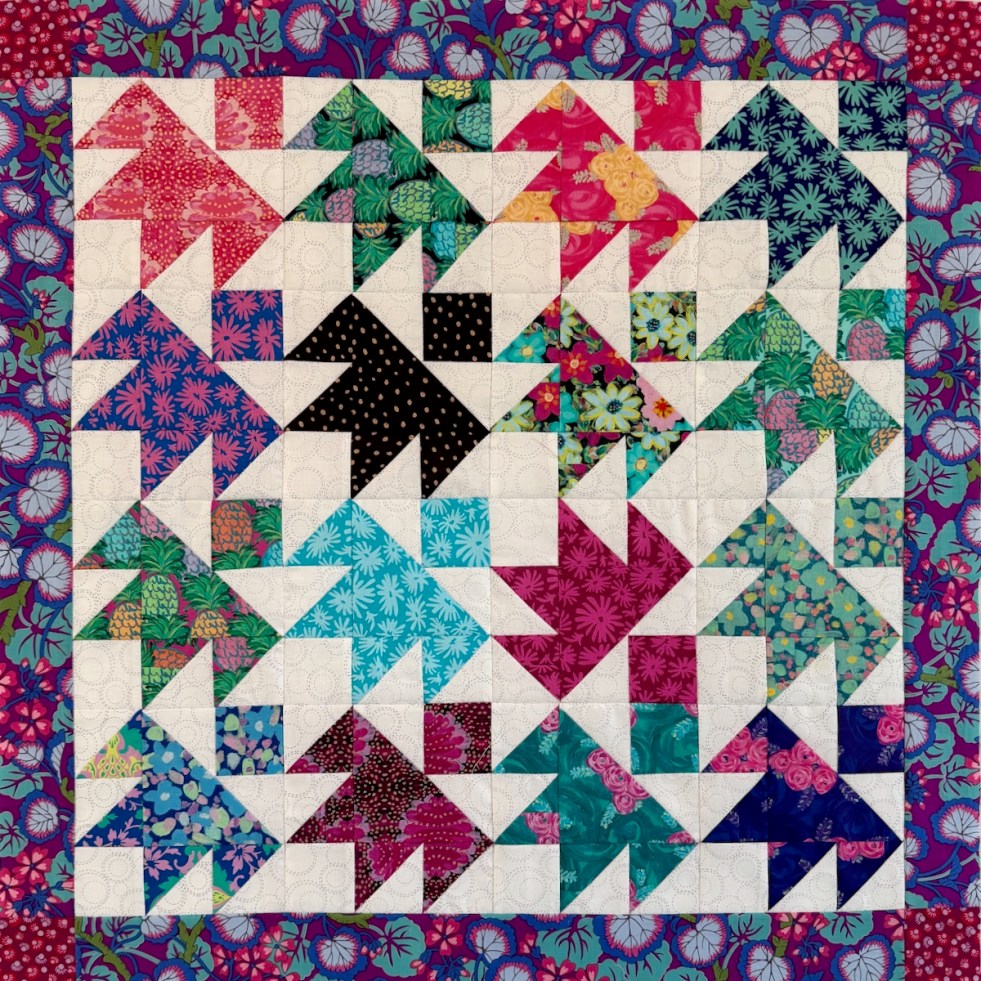
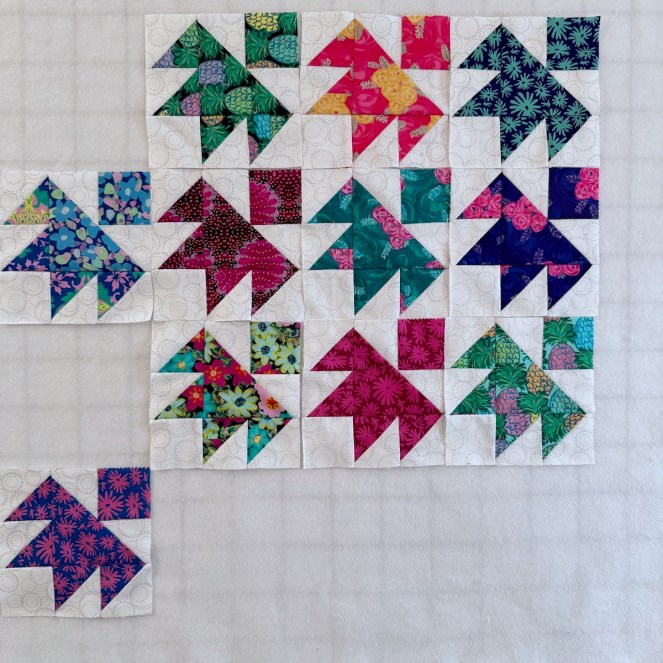
Working Title: His Eye is on the Sparrow. It’s 24″ square, with two-inch borders and cornerstones. I’d been thinking about someone I know who has been having a rough go. I mean, we all take turns at that wheel, but now it was their turn. I had tried turning the darkest bird, but it was too much and too obvious. The pink sparrow, the one we all don’t notice all the time and who is quite possibly having the toughest time, is the one we need to keep our eye on.
I was able to cut and sew this thing in no time flat. I have a huge project I’m about to tackle and maybe I just needed a little something to get my sewing warmed up? I had fun making it, and hope you enjoy it.
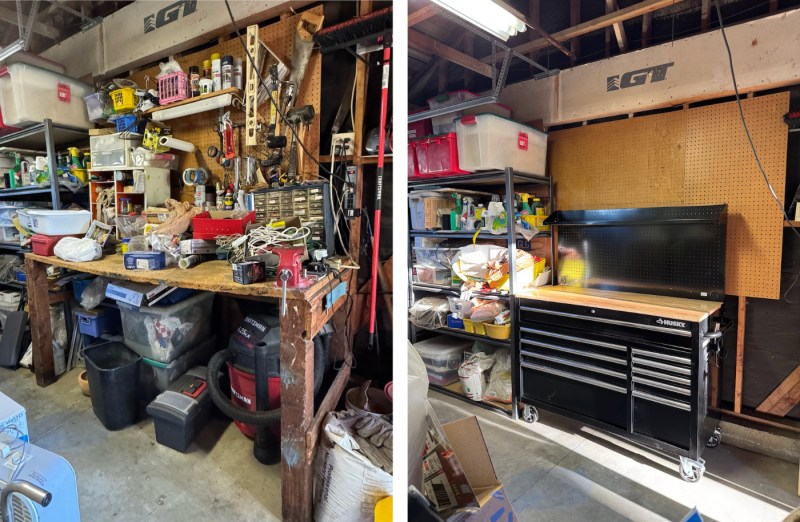
I’ve read some take a Slow January, but this month we threw away the 50-year old workbench in the garage, and bought one of those fancy new rolling ones. We’ve cleared out lots of junk, and my car is loaded for a trip to the hazardous waste facility–who knew what we could accumulate in paint and pesticides over all this time! Happily, we found a new Fixit Guy, and he’s helping us with replacing switches and light fixtures, drywalling and painting. I think it will all be done by the 31st.
But this coming week is Road to California! Even though it is a national quilt show, it’s also our “local” quilt show — only 35 minutes from my house on a good LA freeway day. I’ll be going up several times to see the quilts, find out what the vendors brought, hang out with friends, and then it will all be over for another year. So, no. January is never slow around here, but we do hibernate in the dead of summer. At that point, I’ll be inside with with the A/C on (set to a responsible temperature) and sewing away. But for us Southern Californians, we play our January away!
I used a new-to-me number generator, rolling electronic dice and it came up with number 10. So Karen, you are the lucky winner of the pattern. I’ve already emailed you and we’ll get the pattern sent off. And just like a roll of the dice, we are off and running into this New Year, and I’ll start with a This and That post, as I’ve been saving them up for a while.
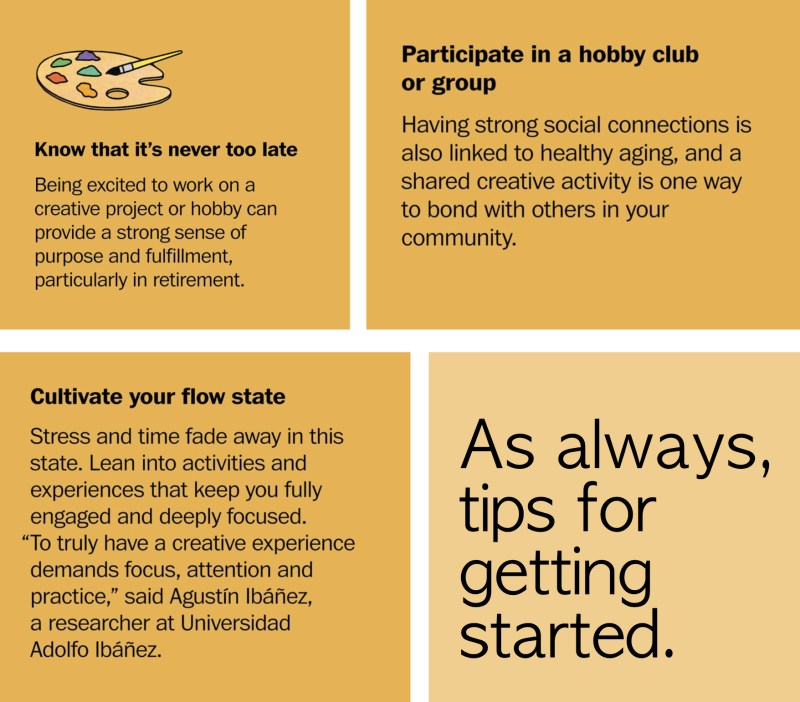
There always seems to be a pile of tips for the New Year, whether or not you are one to do resolutions. I prefer to think of these as tips for getting started on a road trip. How about these:
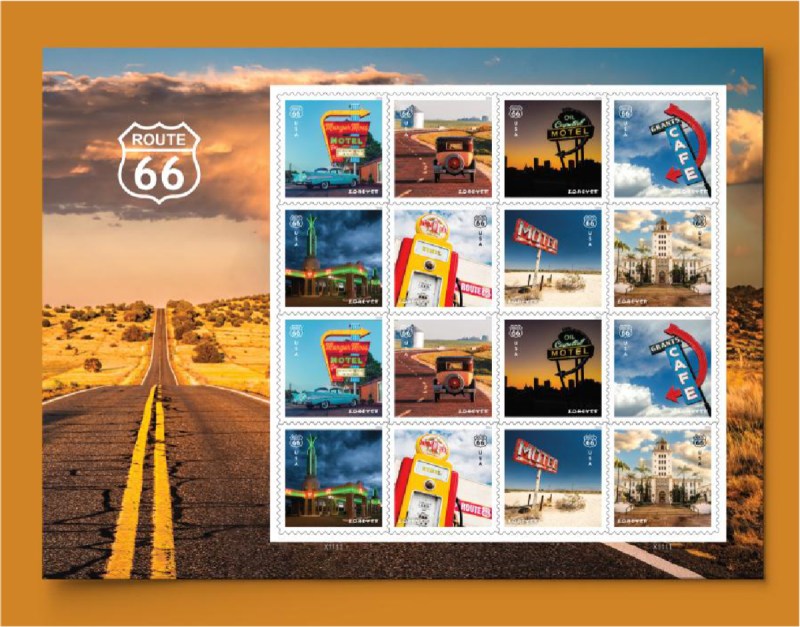
I thought some Route 66 stamps — which will be issued this year in honor of The Mother Road’s 100th birthday — need to join my stamp stash.
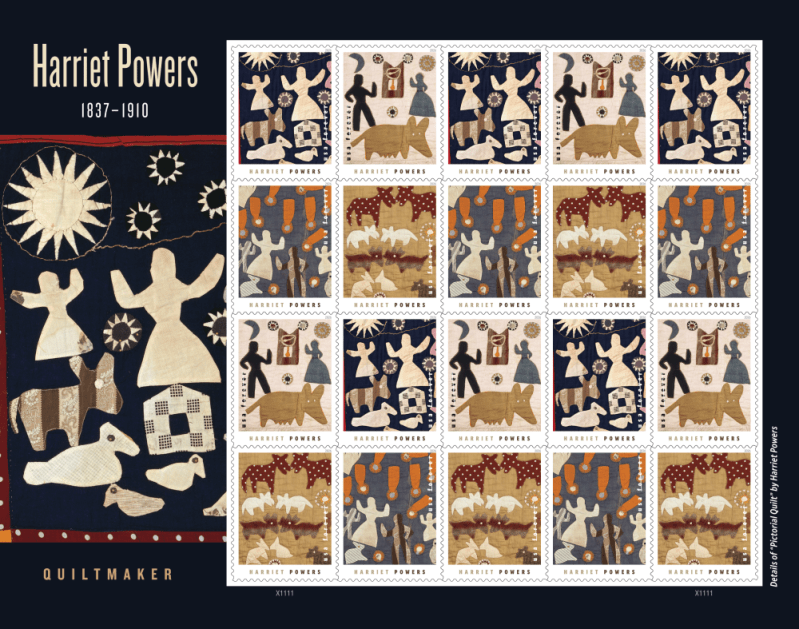
And these! Confession: I like small square things, like quilt blocks, stationary items or stamps. Always in our house we have stamps for about 300 letters because I love stamps. I saw some of Harriet Powers’ quilts when I traveled back to Boston, and met Carol there at the Museum of Fine Arts-Boston. Good memories.
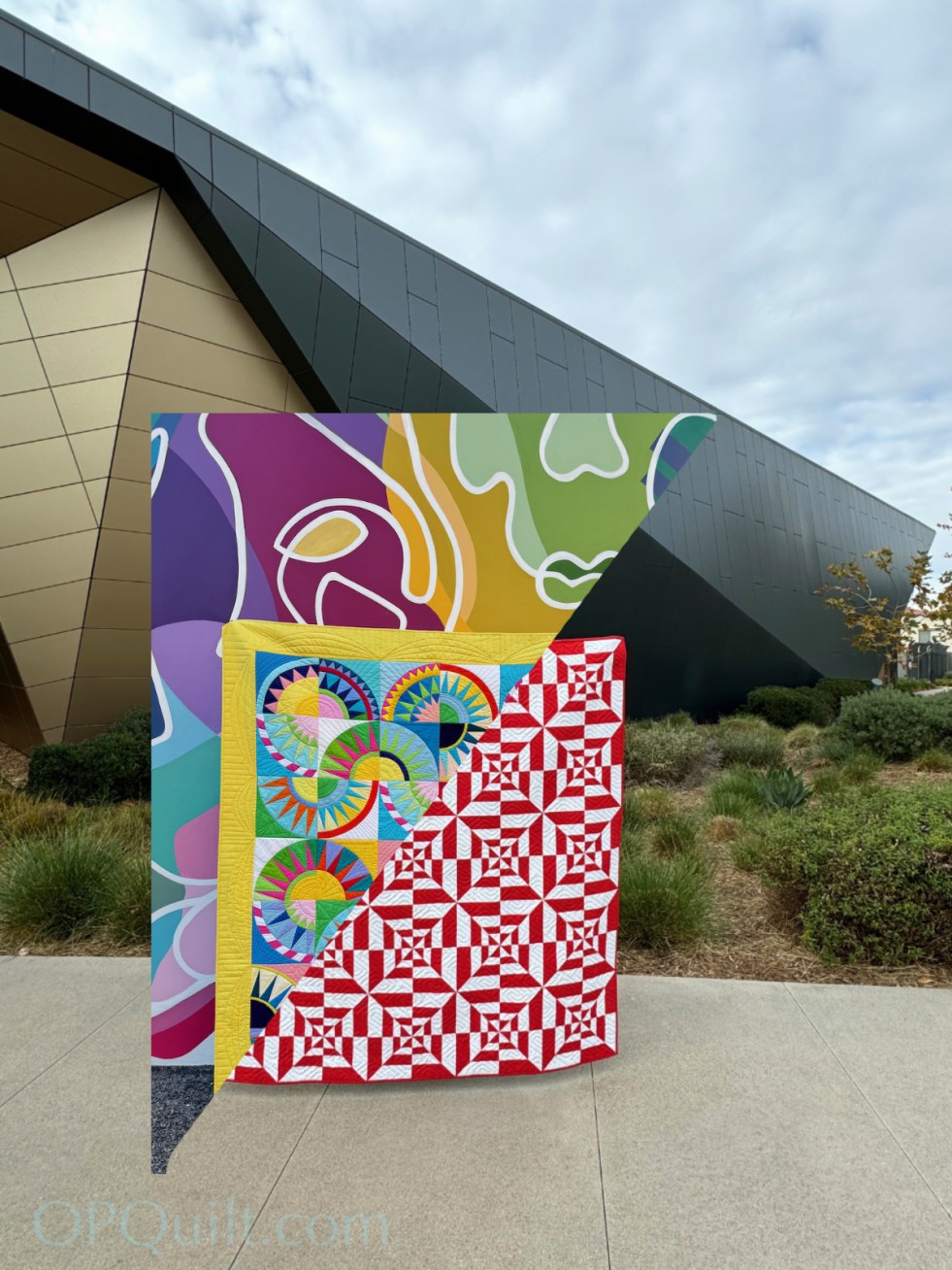
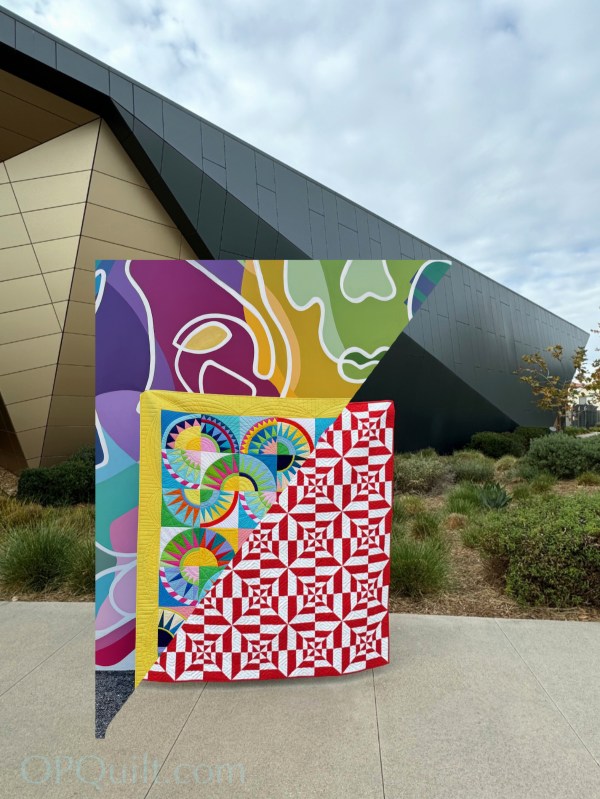
Speaking of roads, did I mention I had two quilts accepted to next week’s 2026 Road to California quilt show? The quilts’ split portrait is above, in front of a local modern building I love.
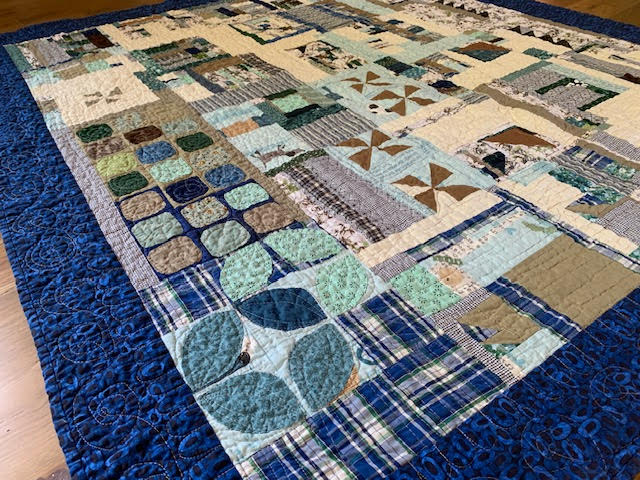
I’ve had some great correspondence with Beth R., and she sent me a couple of her quilt photos, which I really enjoyed. I’d asked about them because she’d done some squircle blocks, and I was interested in her process for her quilt. She wrote:
“One of my favorite new things to do is when I make a more “regular” quilt, like all Log Cabins or all Courthouse steps (albeit wonky improv versions, with lots of scraps) is to make improv blocks at the same time as I am making the “regular” quilt, with the offcut smaller pieces that don’t fit into that regular design, and I just set them aside at the time, each day while I am making that “regular” quilt, to “clean up” the scraps of the day. Then as soon as I get the current “regular” quilt bound, I begin the very next quilt starting from those improv blocks, and add as many more blocks as I need, of the same/similar colors.”
I thought this was a really great idea, and also thought of my stuffed-to-the-max orphan block box, and how much easier it would have been to follow Beth’s ideas. I’m putting this out there for everyone else; thank you, Beth!
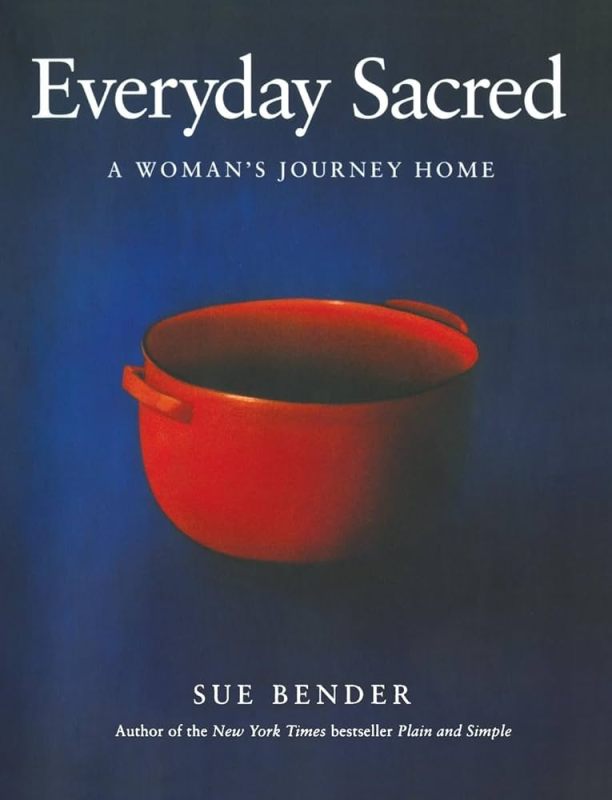
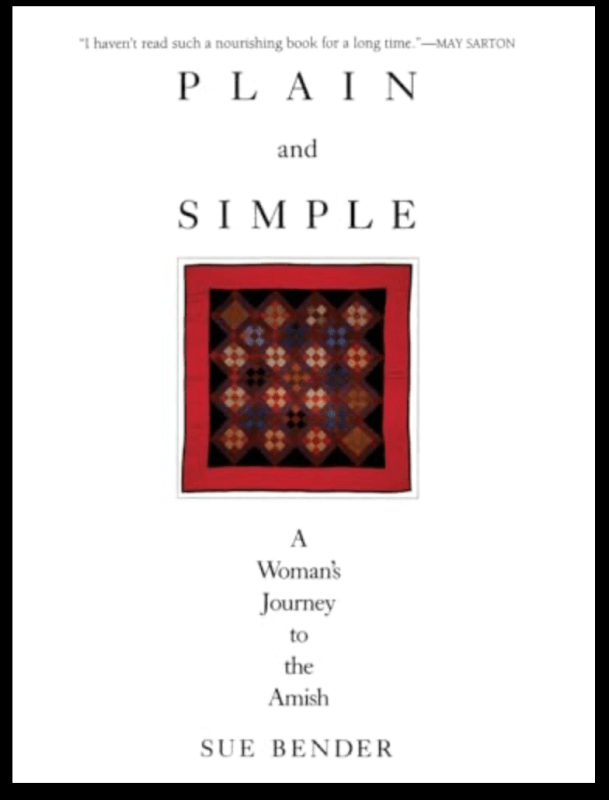
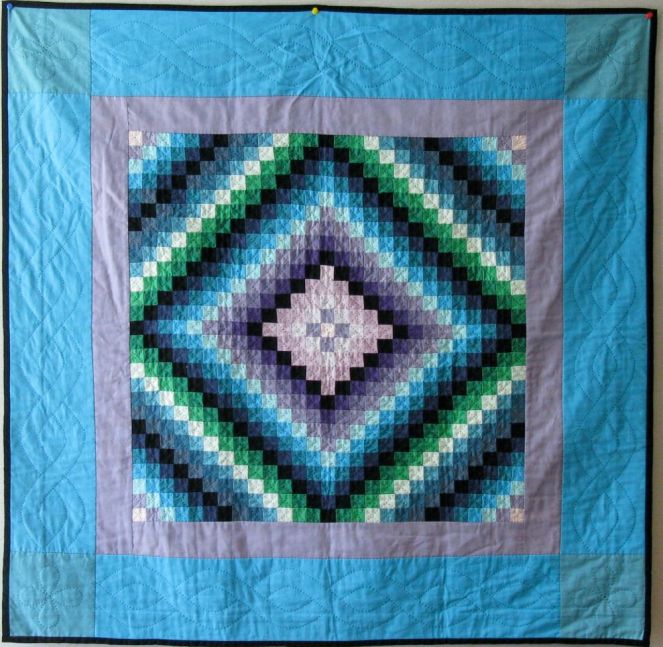
In browsing the news, I came across an article about Sue Bender, announcing her death. I still have both of Sue Bender’s books on my bookshelf. As a quilter who has done her fair share of Amish-type quilts (and recognizes that they were the genesis of today modern quilt movement), we quilters owe Sue Bender a thank you for bringing an understanding of those communities we might not ever visit. I have since ordered the third book in the Trilogy, Stretching Lessons, and was happy to see it was a signed, first edition. I hadn’t looked at Everyday Sacred in a long while, and I had forgotten that it was given to me by my parents, my Mother’s inscription on the fly leaf reminding me.
From the New York Times article (gift link, above): “She wrestled with the tension between being a woman who hated housework and defined herself by her artwork and professional achievements, and her desire to internalize the Amish sense of identity that came from community, godliness and manual labor.”
from Plain and Simple: In writing about her To-Do lists: “I never thought to stop and ask myself, “What really matters?” Instead, I gave everything equal weight. I had no way to select what was important and what was not. Things that were important didn’t get done, and others, quite unimportant, were completed and crossed off the list” (p. 7, Bender). “All work is important. All work is of value” (p. 138, Bender). “What really matters?” (p. 148, Bender)
from Everyday Sacred: ” ‘Art is order, made out of the chaos of life.’ Saul Bellow” (p. 2, Bender)
Maybe a little bit too far back into the past for some, but it is lovely to read IN a time where the author wasn’t living with the instantaneousness of social media and the internet, but took the time to think about what she felt, and how she wanted to work. I find so much of the time I’m reacting to what is going on around me; certainly we live in an era of in-your-face politics and news. But the last few nights I’ve immersed myself in her writing and in her thinking, and it’s helped me cope with the terrible news we’ve been having this week (I’m not linking to it; either you know about it or you don’t).
I was struck by what many of you mentioned when you left comments last week. It was your relationships with your people, for one. Others had ways to keep their proverbial chin up and I especially liked Mary’s: “Look for things to be happy or hopeful about instead of focusing on the parts of our world that are going to hell.” Yvonne mentioned “dark chocolate” (a woman after my own heart). Kit reminded me to “Don’t rush. Enjoy. Life is not a fire drill.” These were just some of the tidbits of wisdom and slivers of your thoughts. Thank you all. (And I just appreciate Sharon’s illustration, even if it is from a couple of years back.)
I found the downloadable chart to be informative. Here’s the link. Thanks, Bob!
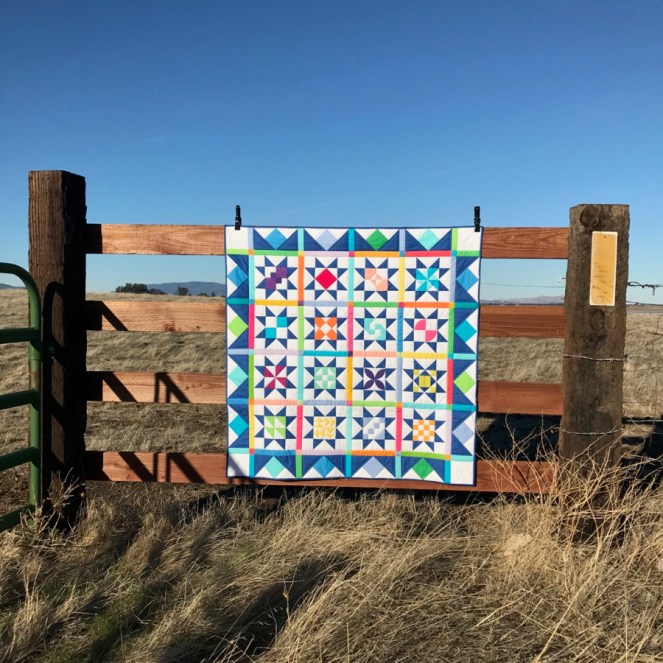
Zeitgeist is one of my favorite words. It’s that description when something is just all around you, and you see it different places, but they are not the same thing. Technically, it refers to history, but I use it more colloquially. Like the following two things. First, mine, from our Covid Year, 2020:
and then what I did with the rest of my ideas:
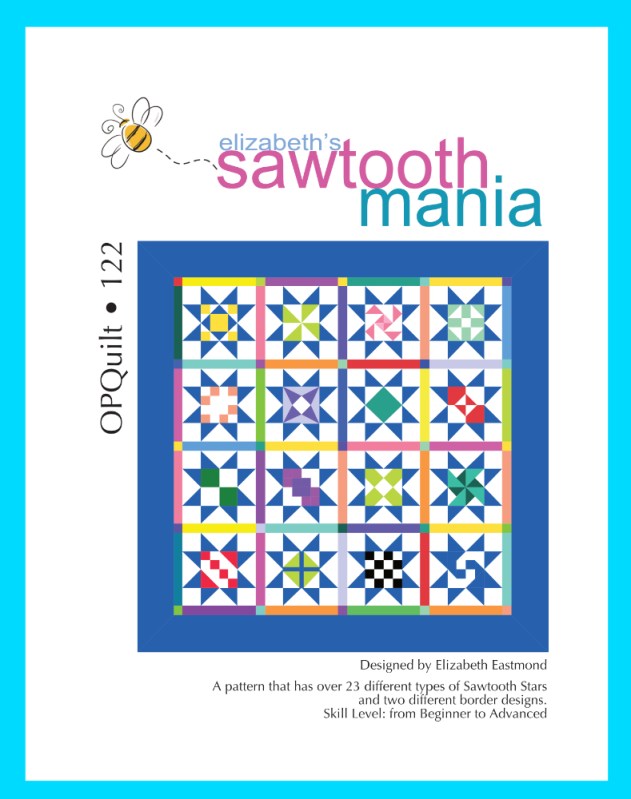
Twenty-three different types of Sawtooth Stars.
Now one from 2025:
Same idea, different execution. It’s in the zeitgeist.
I called mine Sawtoothmania, because it was kind of a like a celebration of Sawtooth Stars. (And weren’t we all a little manic in 2020?) I just put my pattern on sale and you can get it from now until the end of January for 25% off. I had a very nice birthday last week, so consider this my gift to you if you want to make some fun stars. And if you want Leila’s pad of stars, well, you have her name and will be able to find it. (She’s very nice.)
In other construction news, I finally made good on my threat to dump the 50-year-old “workbench” table (left) and replace it with something more modern. Of course, my timing was great as we don’t use much more than a screwdriver and a hammer these days, but hey: we’re equipped. The bulky item trash people have already been called, and will be here shortly to haul a lot of that junk away.
Found this message from the Workbench Gods while cleaning out.
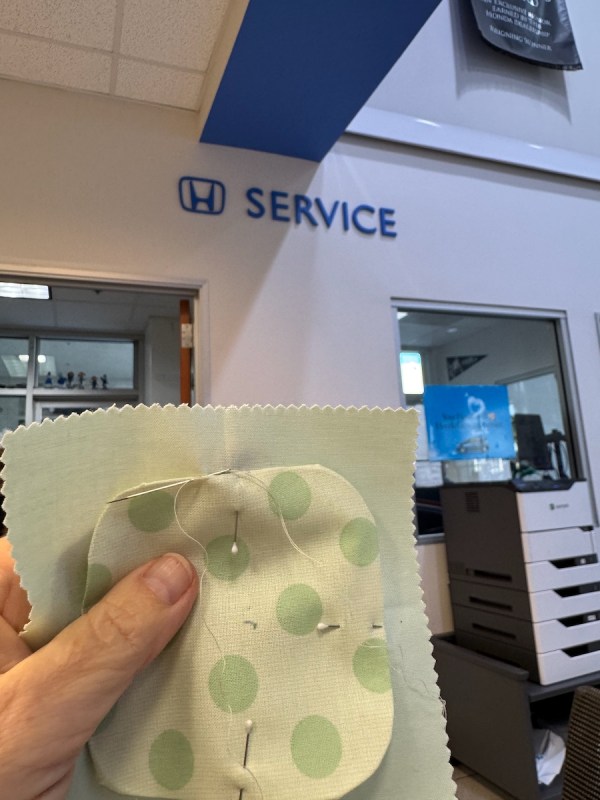
New Year’s service at the local car place. Still working on my squircles. It’s fun to see these on Gladi’s blog, too.
I’m getting together some lists of blogs I like to read–starting to write a post about that. If you have a blog you enjoy, drop me a comment with the name of the blog, and maybe a link to one of your favorite posts. Thanks.
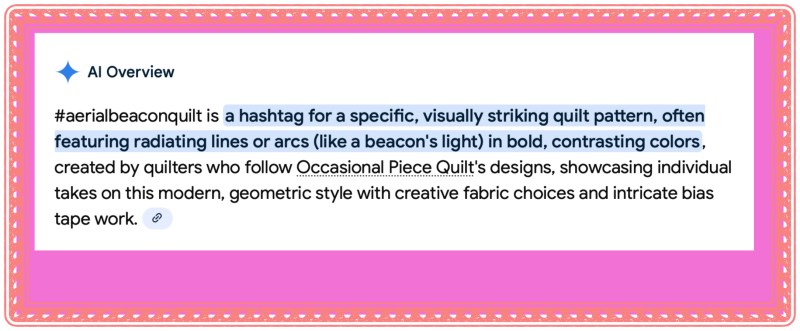
Truly, it was only a matter of time until AI found me; I love how the system just makes stuff up. Hope they enjoy hoovering up all of my blog and creativity! (I am working on my Aerial Beacon pattern.)
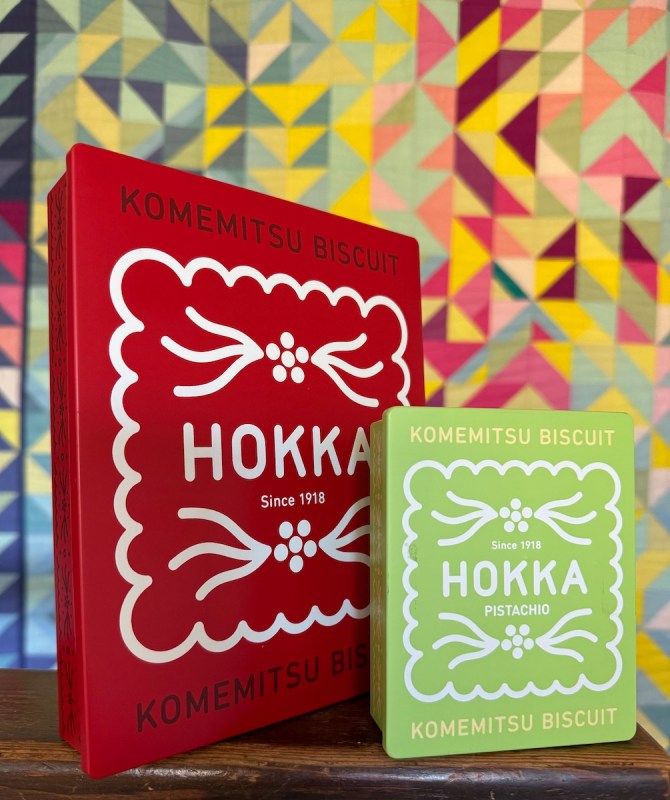
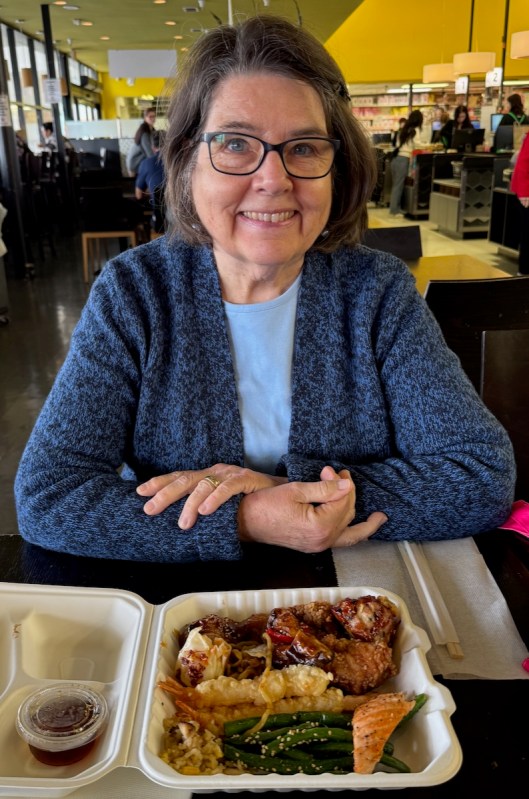
For my birthday, I asked for three things: a trip to IKEA to buy bins, a stop at Tokyo Central to have lunch, and a final check in at Whole Foods. All of these are about an hour away from our house. Do I like Hokka biscuits? (shown above) Can’t say they are my favorite, but since I am a box sort-of gal, I loved their tins.
Happy Birthday! Happy New Year! Happy Great Food at the Tokyo Central Food Court!
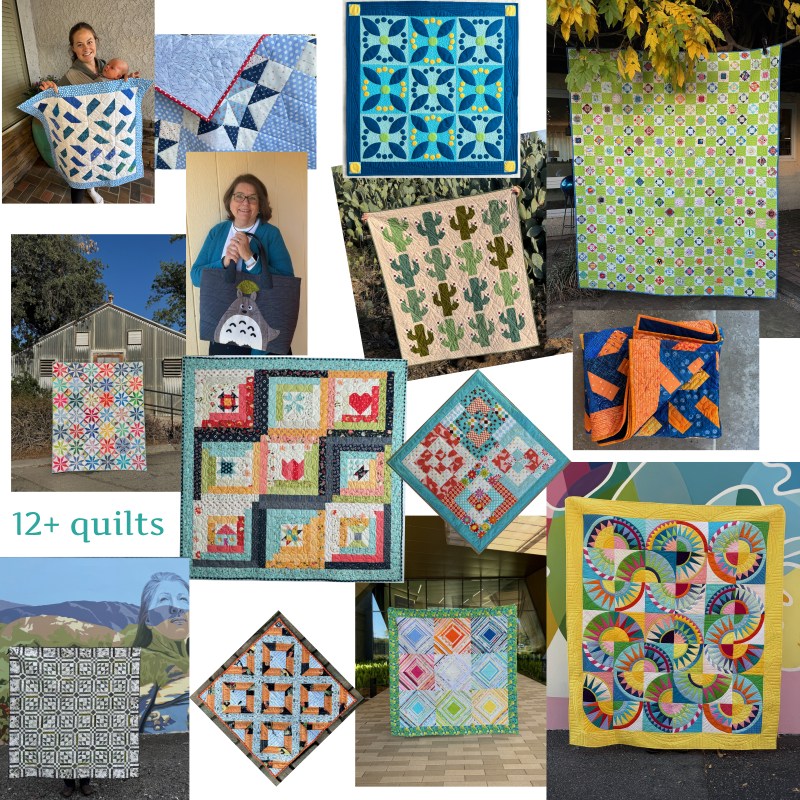
Sharp eyes will have noticed that 12-plus thing. One quilt has not yet had its beauty portraits released, nor the pattern thing settled (I keep adding with new ideas), so while that is officially a 2025 quilt for counting purposes, you’ll see it next year.
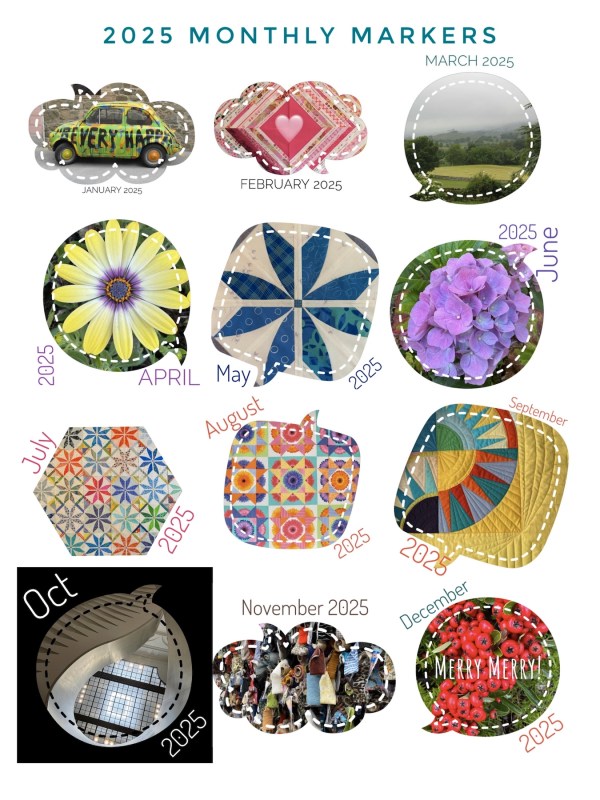
Here, for the record was my attempt at cheerful and interesting Monthly Markers on Instagram, although you all keep telling me that its demise is coming quickly. I’m still there, but sporadically.
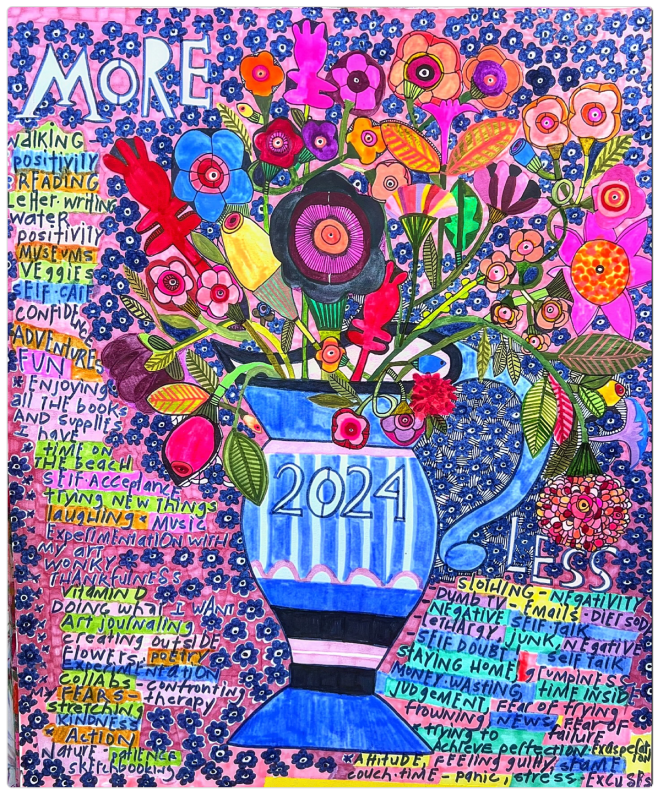
This is also the Happy New Year post, so here are my reflections:
Thoughts on 2025: none.
Wishes for 2026: none.
Things I Learned in 2025: Don’t read too much of the news. Focus on color, nature, a funny meme, poetry, good friends (both in real life and online), art, quilts, books, musicandallthegoodthings and most definitely chocolate. Take a trip. See new sights. Avoid clichés like the ones in this paragraph. Smile at the hummingbird outside your window.
Things I Hope for in 2026: Peace inside me, even if it’s crazy outside me. A new insight here and there. Some good Substack reading (here’s one). Morning walks. Interesting quilts. Happy children and safe grandchildren. New recipes that delight. More of my focaccia. Less distractions from near and far.
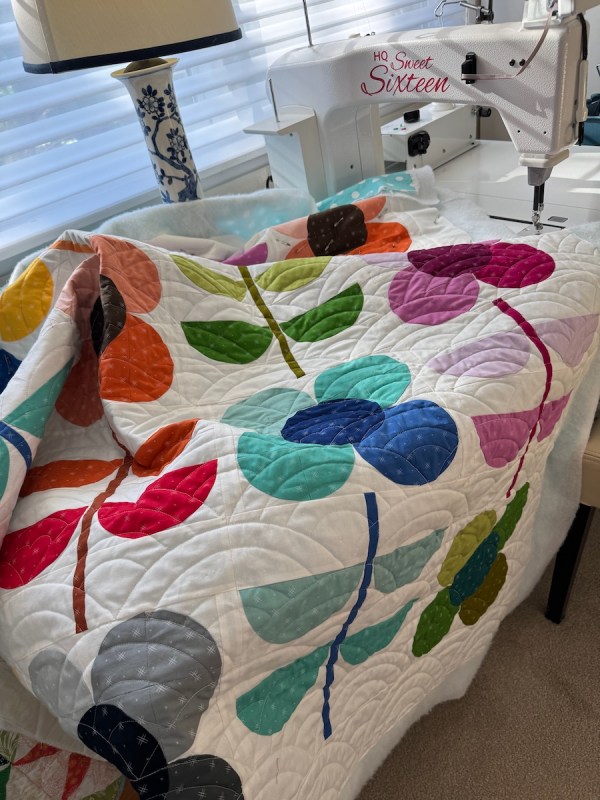
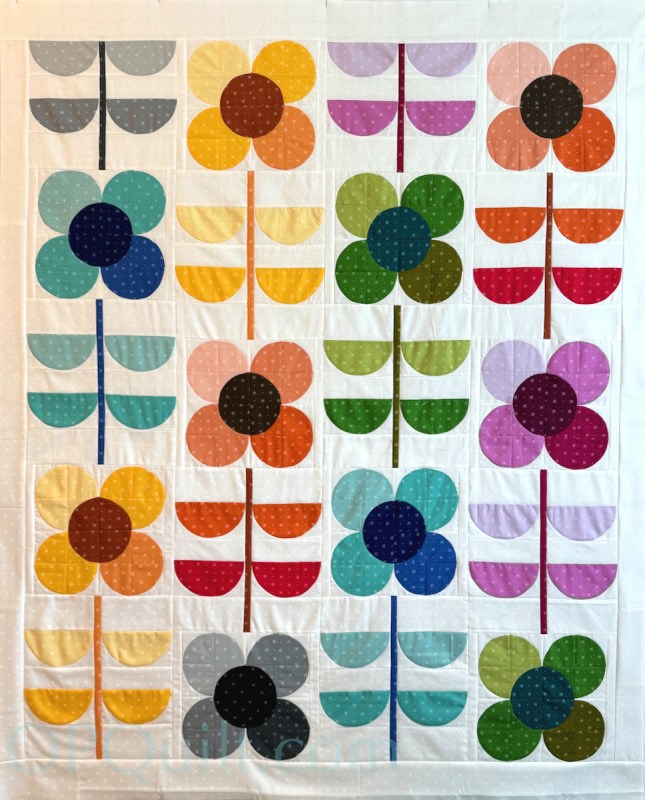
Although my birthday is right around the corner, I’m hopefully not heading towards my demise, but instead can sporadically can crank out a quilt, like this one I finished on New Year’s Eve after just a few days. It really really, legitimately is going onto my 2026 list, as it’s not yet quilted (but I’ve cut the backing…does that count?).
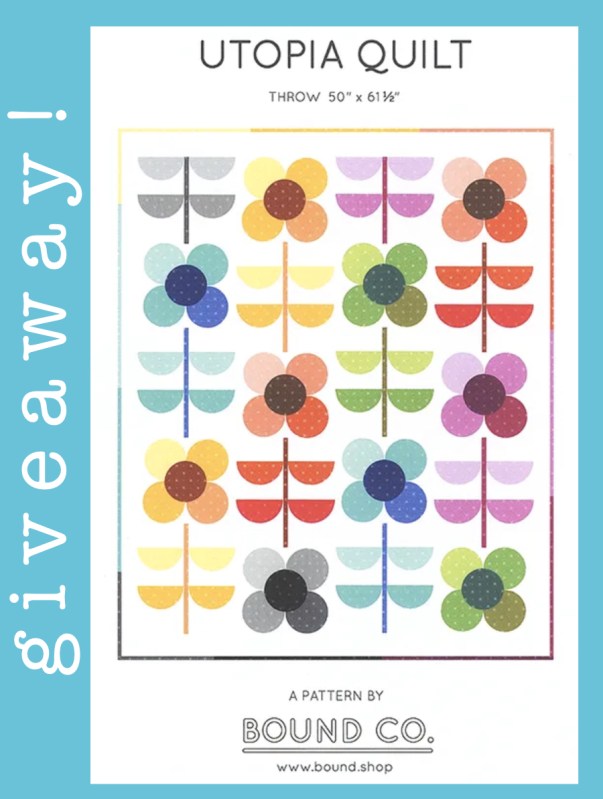
And I had to make it because I’d purchased the pattern ages ago online, and then when I bought the kit it came with a pattern, so I’m offering up the Real Live Pattern to you all. Free, and I’ll pay postage.
Just leave me a comment with your best *whatever* for the New Year. Your best wish, your best resolution, your best un-resolution, your best hope, the name of your best friend (kidding on this one, but maybe the best quality of your friend). Whatever. Be funny, be serious, be thoughtful, as I’ve corresponded with you and I know you are all the smartest quilters. Just write Whatever. But do leave us with something that can help us with our whatevers.
I read on my blog about the time I made 24 quilts in one year, and now the thought seems staggering. Isn’t it funny that even though we lived that past life, we can’t quite believe it? And because of this reason — that you’ll likely forget all the times you un-sewed, or messed up, or got angry, or were filled with frustration — I encourage us all sally forth into 2026, trying to avoid the minefields. Head for the daisies. And if something explodes, I hope it’s your scrap drawer as you are hunting for the perfect color.
Leave me a comment, and a very Happy New Year, everyone!