
You could skip this post like you might want have to skipped Weight Watchers checkins back in the day…it’s a post that charts progress, keeps me honest and helps me admit my defeats as well as my successes. I watched a well-known recipe developer on Instagram bake her own wedding cakes last week, and I was like…I think I need to go and lie down for a while. It all looked amazing, and I wish I knew her personally so I could taste all her layers and fillings and crumbles.
Is making a quilt like that? We have layers and pieces and threads and in the end, we put a binding on it and call it a quilt? Those who aren’t quilters are amazed, but we just smile and pick the threads off our sweaters.
One of the Important Things is to get your machine serviced once a year.
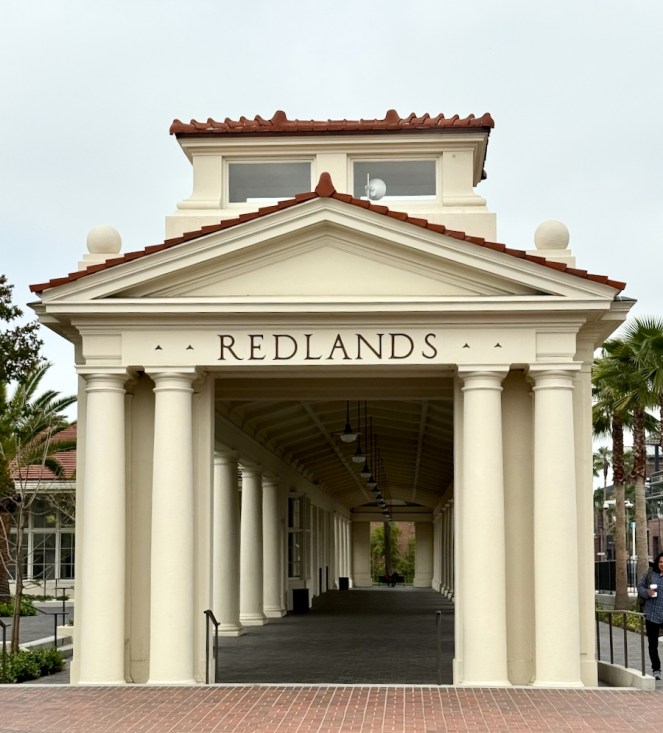
So I drove out to a neighboring city, and dropped off my machine which caused me some grief (it’s how much?).

To recover, I went across the street, where the delightful ladies of this shop made me feel welcomed. They are in the process of moving, and I look forward to their Grand Opening in June, in a new location. With better parking.

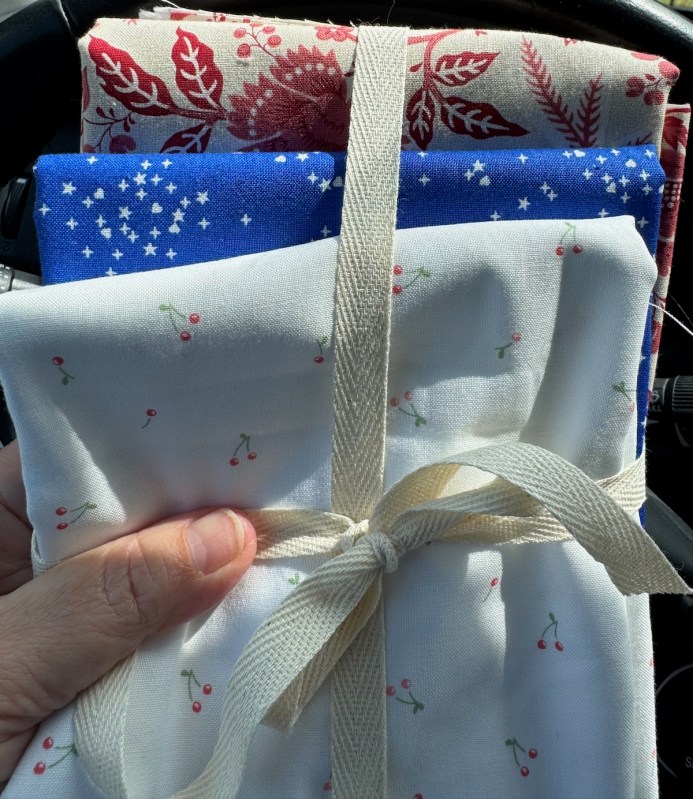
The strawberry quilt was in their back room. Some red, white, and blue fabrics came home with me, and then I popped them in a mailer and sent them to my daughter who is making lots of small, very cute flags. That link will take you to some Stories, and I really like what she says in the last one, that sometimes we have to do a lateral move to keep the creativity flowing. Truth.
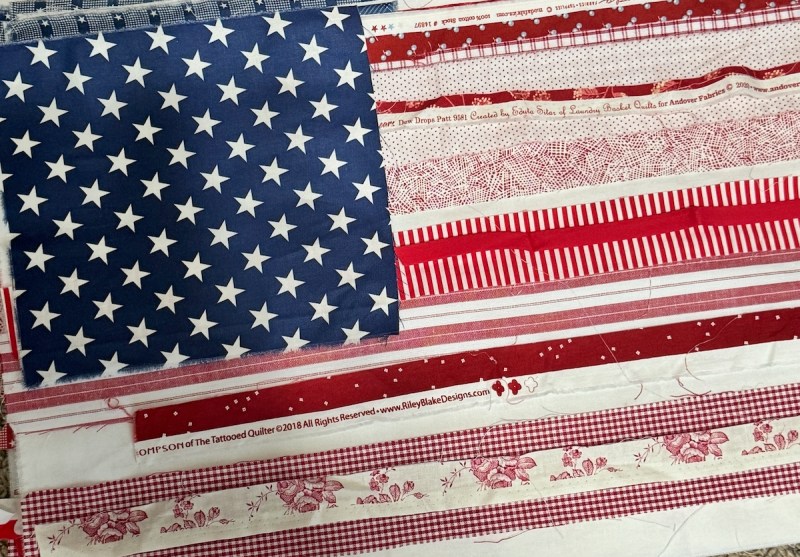
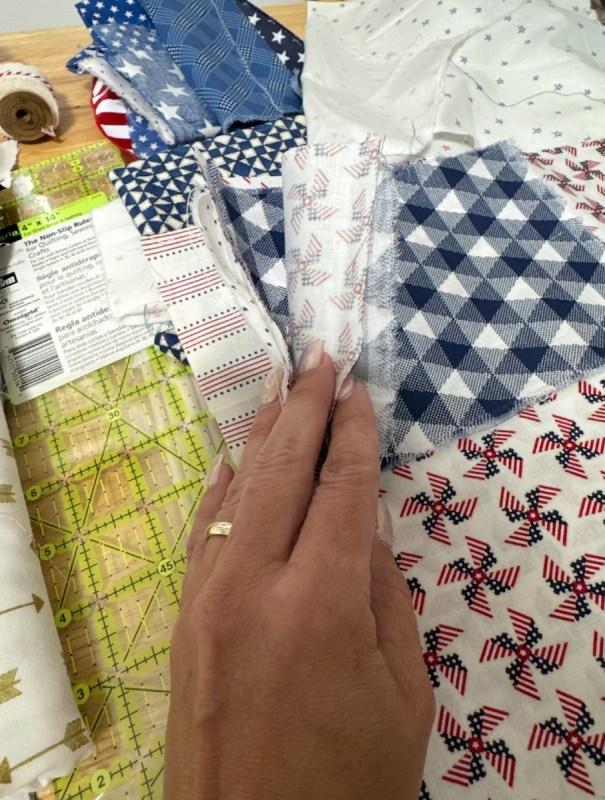
Yes, it cracks me up that she still has the wrapping on her ruler, but if that’s how she rolls, I’m happy. She confessed on another story that she purchased some fabric and then her eyes got really wide and she said, “Fabric’s a mood right now!” Translation: It’s expensive. (I’m loving this.)
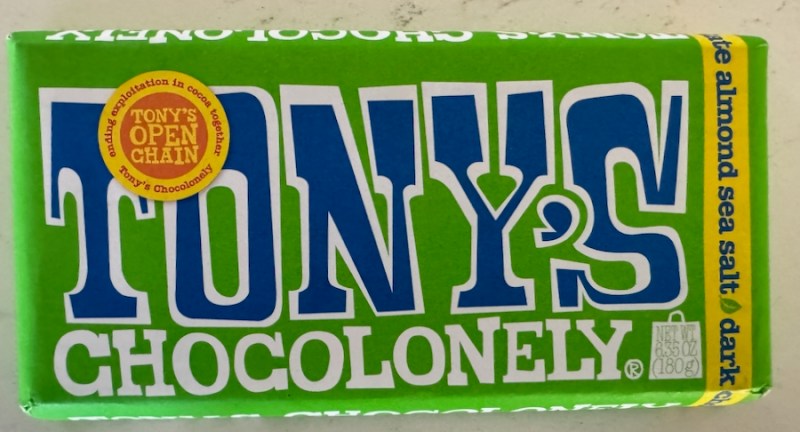

Mary, of Zippy Quilts commented on her Tony’s Chocoloney Bar. Here’s ours. We buy it at Whole Foods, when we go there (rarely), sometimes Sprouts. Sometimes Walmart, but check the expiration date. We chunk it up and keep it in a covered container for an after-dinner treat.
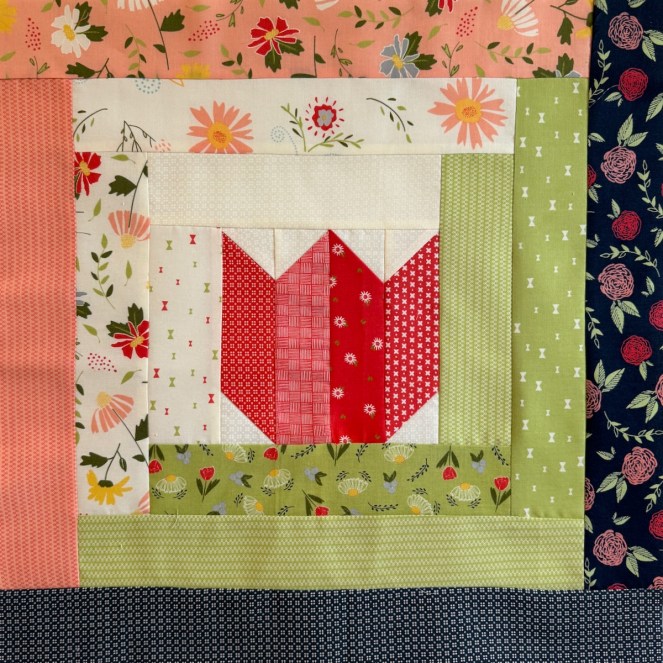
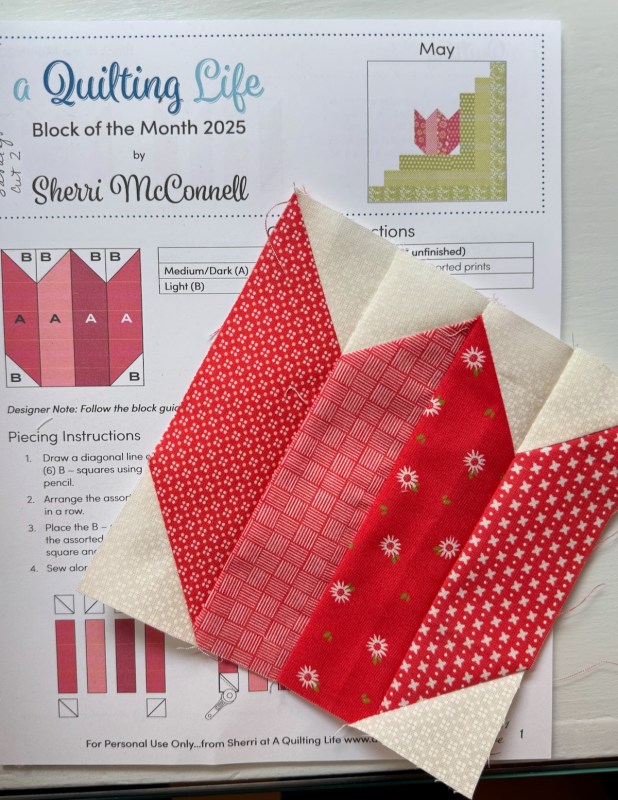
Sherri dropped her free BOM block for May. I’m using an old line of her fabrics, but I love them, so I’m happy.
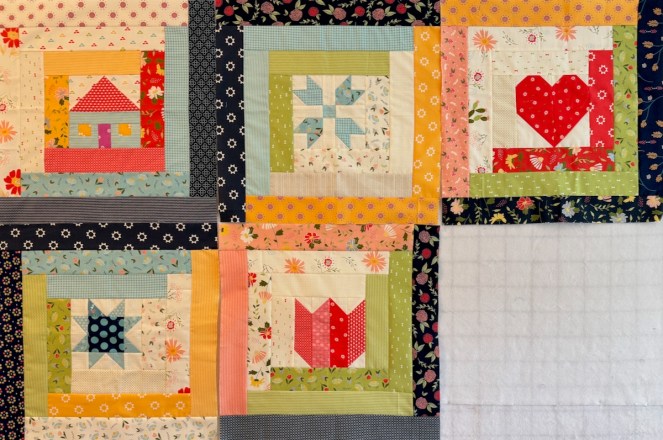
Here are the first five. They are giant blocks, like 18″ big.
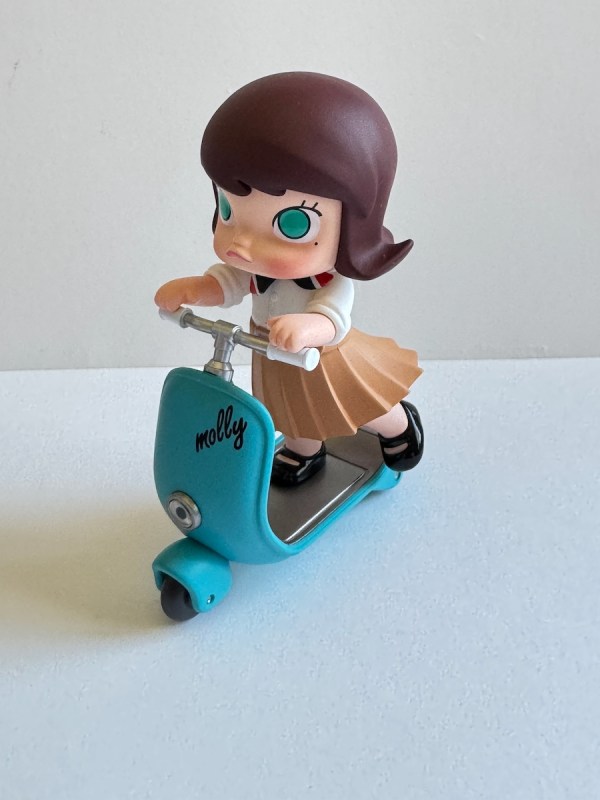
A new Molly arrived…on her Vespa. The price has jumped about 20% in case you were wondering what girls-on-Vespas-from-China cost now that we are having a tariff fight. I’m sadder about the chaos, the destruction, the cruelty — why NPR? Why PBS? According to a poll about the bias in news sources, they come down just about in the middle of the range from right to left. And why the National Parks? Why are they savaging the science funding? The arts funding (including the Quilt Index)? Have we lost our minds? (Yes.)
I fear for my grandchildren’s world.
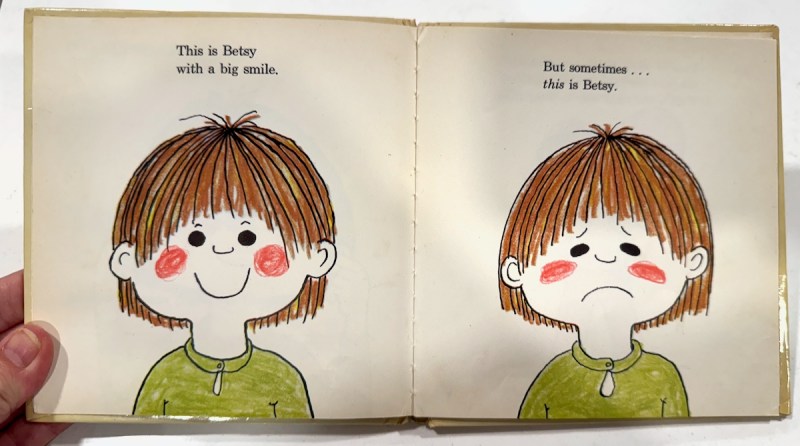
(a childhood book)
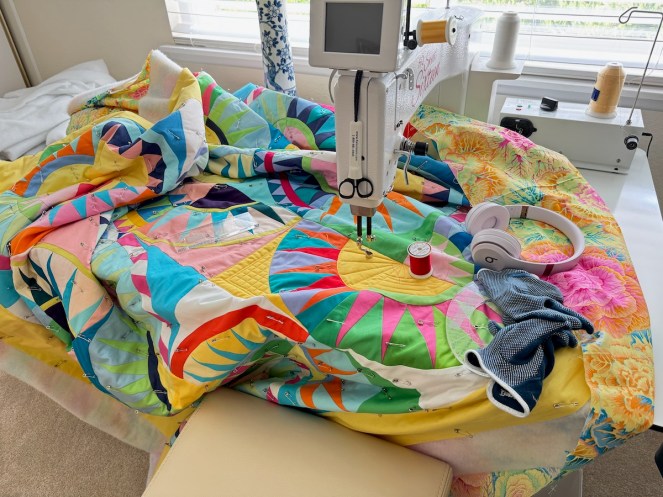
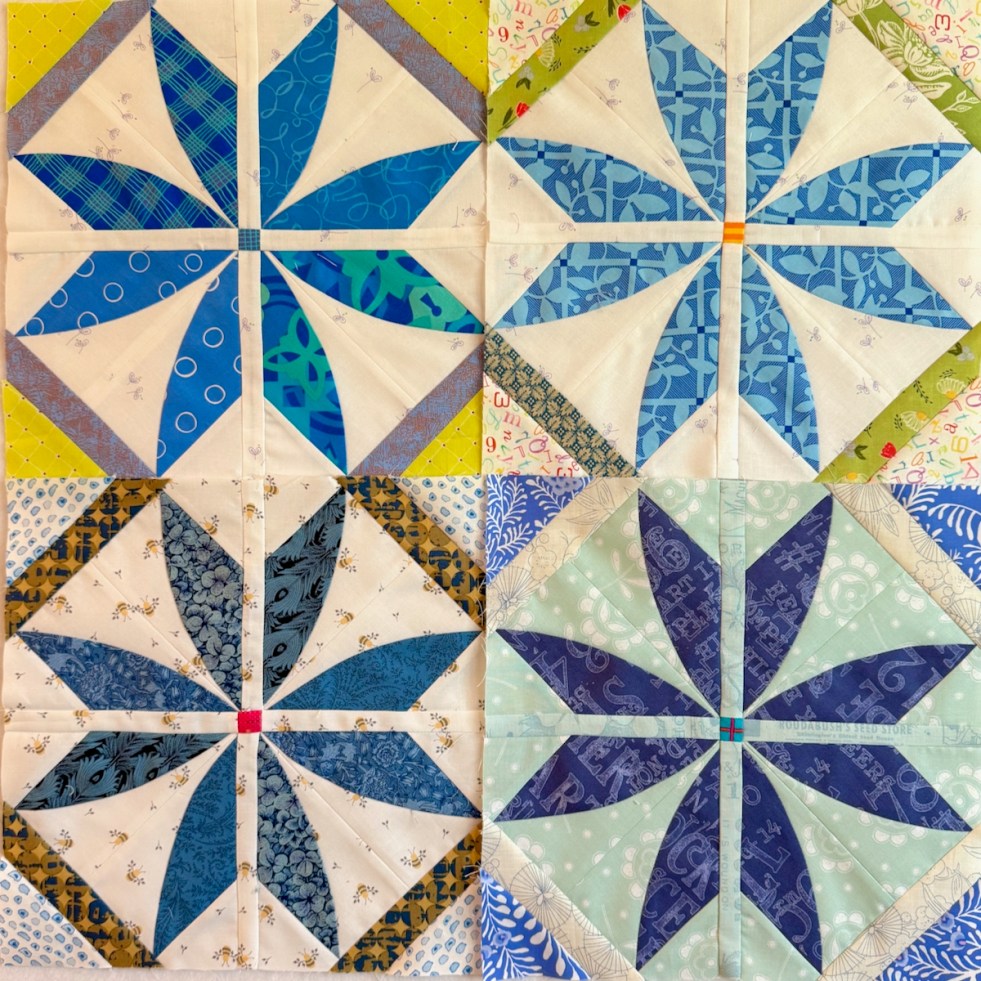
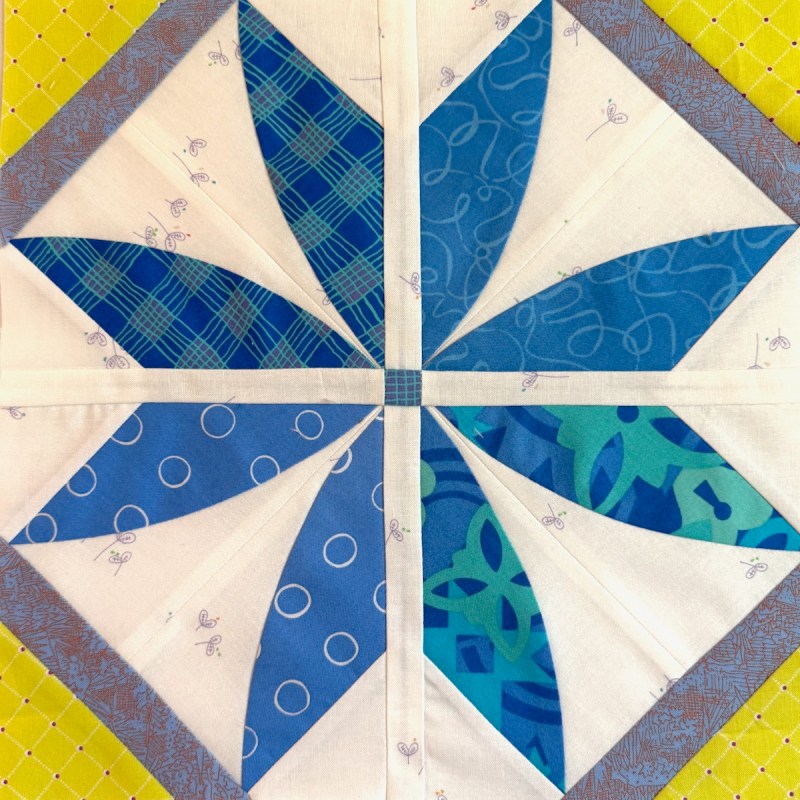
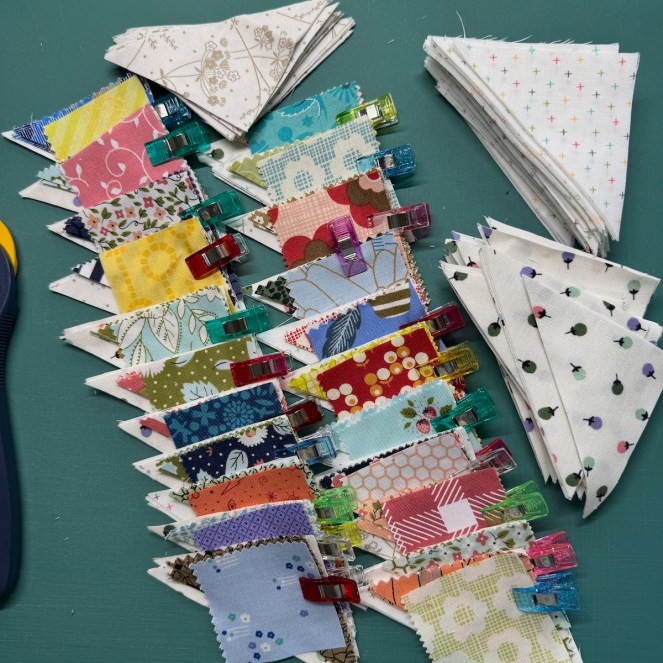
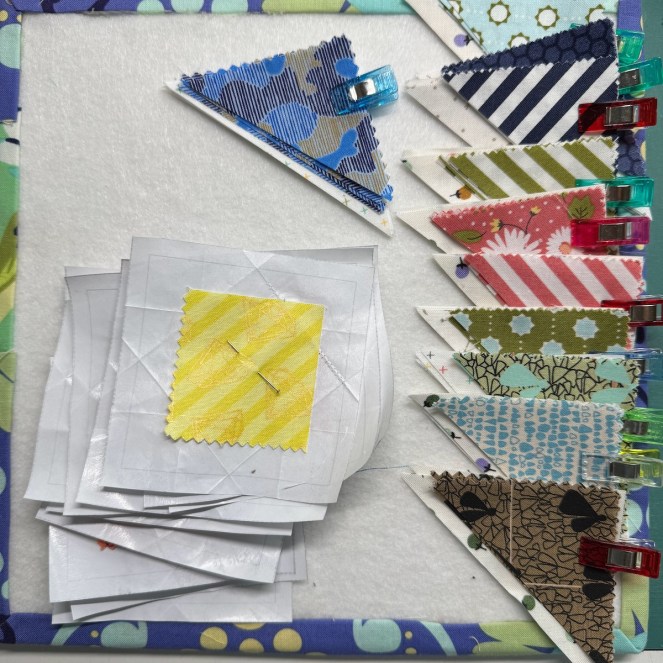
Starting on this to keep my mind off the news. It’s my New York Beauties quilt.

If you are on Instagram, I’m sure you’ve seen that I’m on a trip in another city, so yes, I did all this before I left. I’ll be home soon. No I didn’t visit EnergyLandia, but I’d like to bottle what they have and bring it home. My brain is most likely overloaded with new sights, new sounds, and all the quilt projects are waiting for me back home.
Well, all but one.
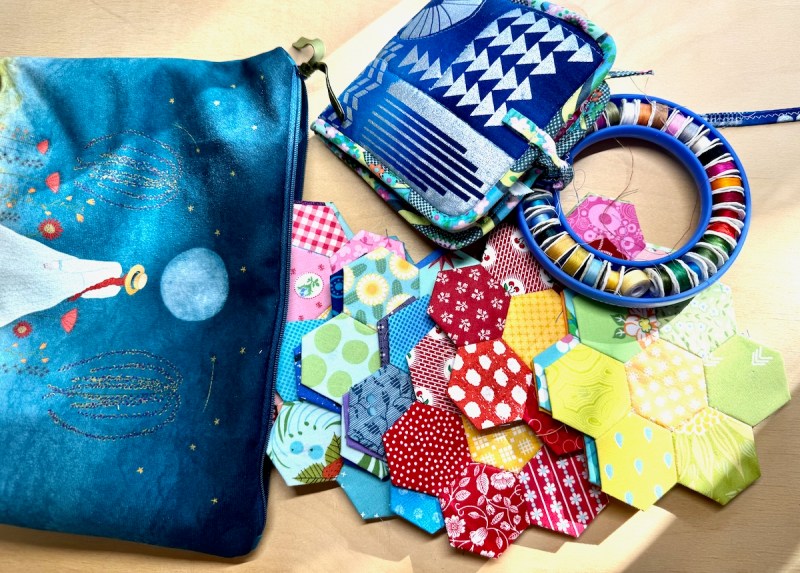
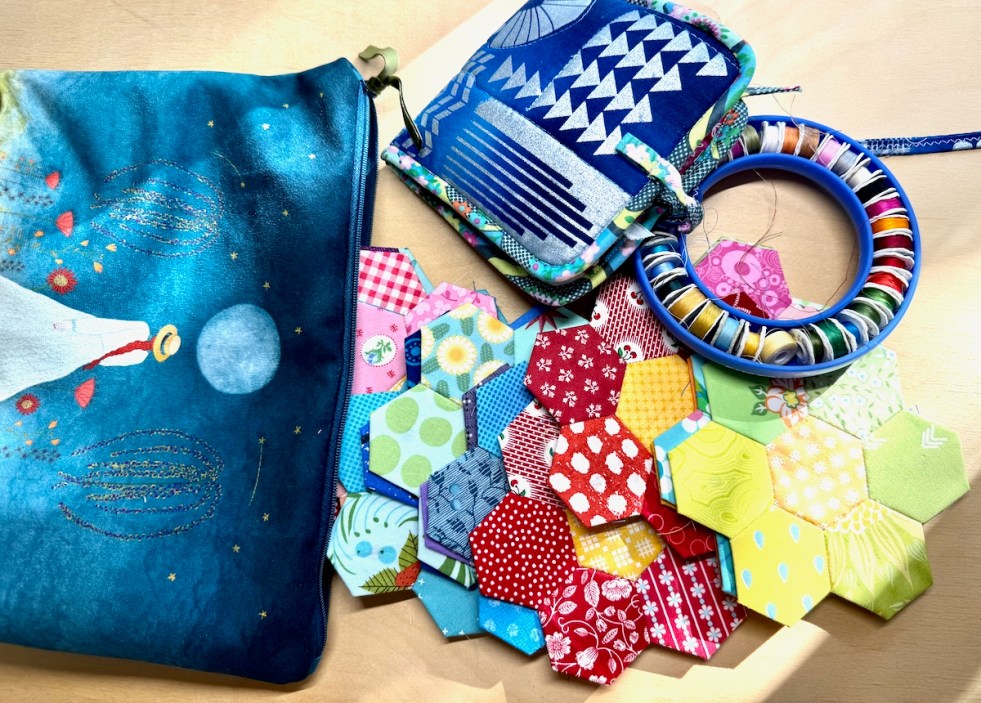
I read this one post on Bluesky where a quilter she said she would just stumble around until she figured out what direction she was going in, and boy did that resonate. I started sewing hexies because I was on a car trip; yes, that’s the whole reason. But this week, I stumbled into the next idea, and what colors I want to use.
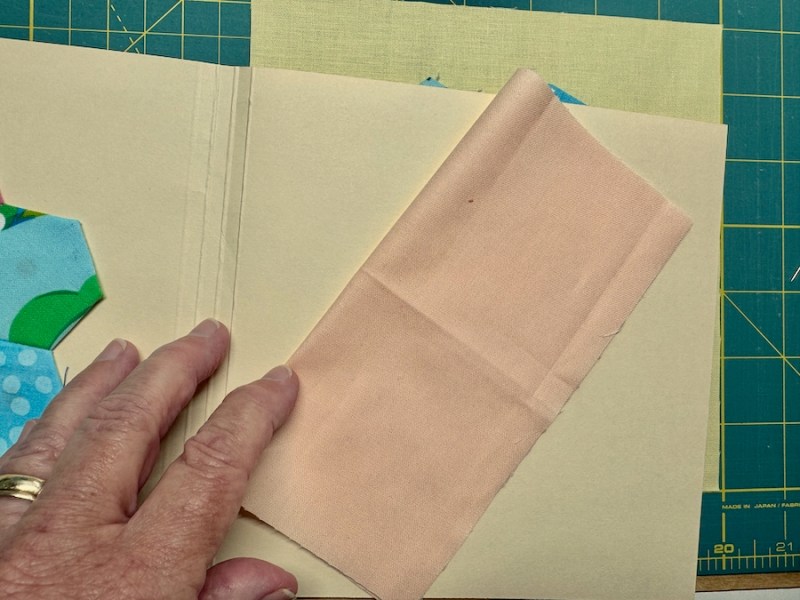
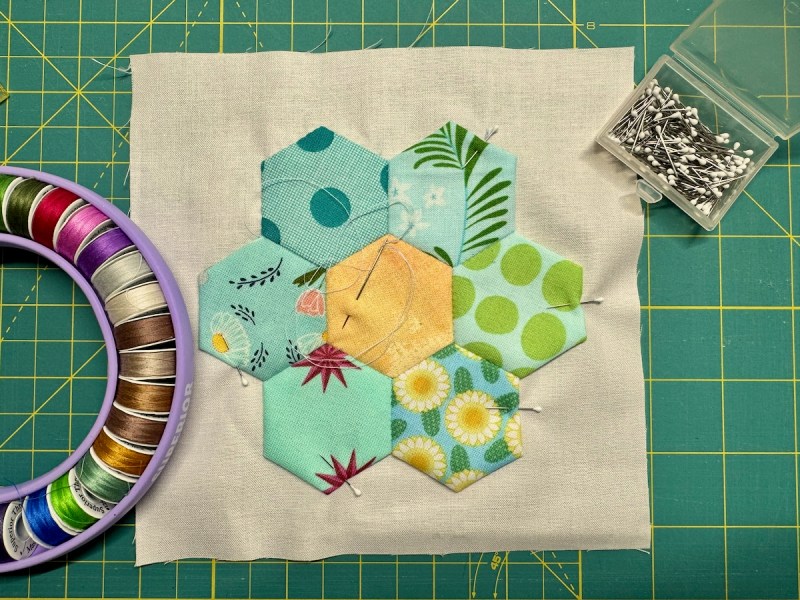
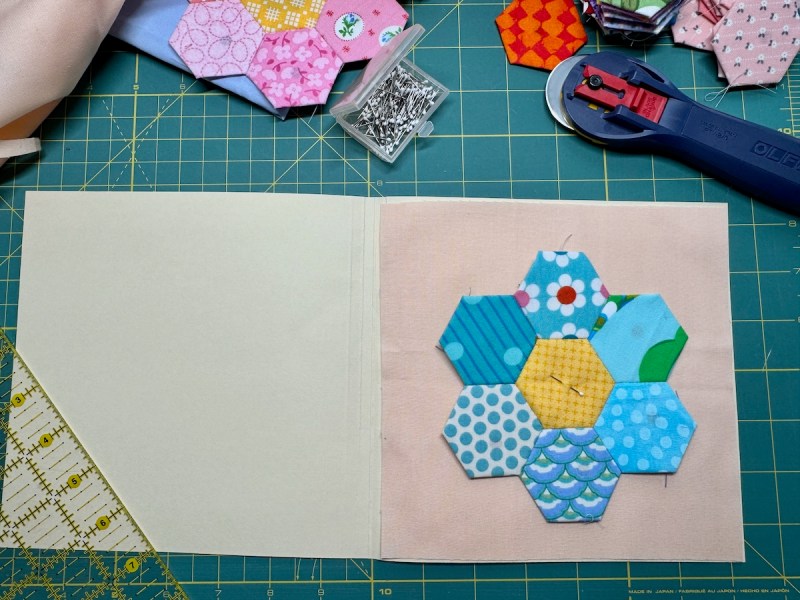
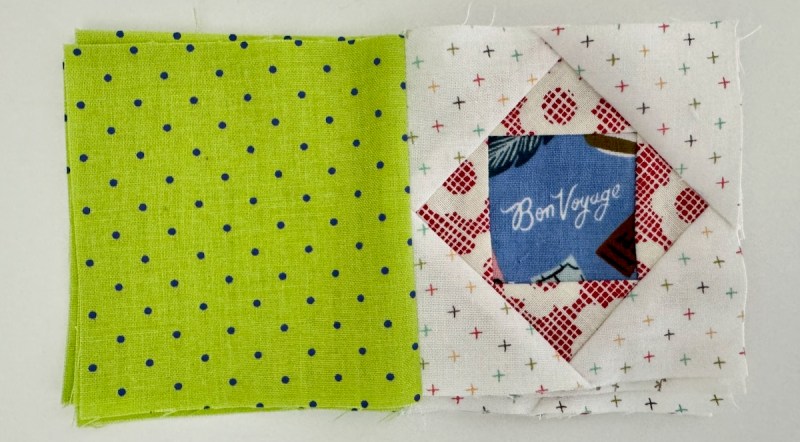
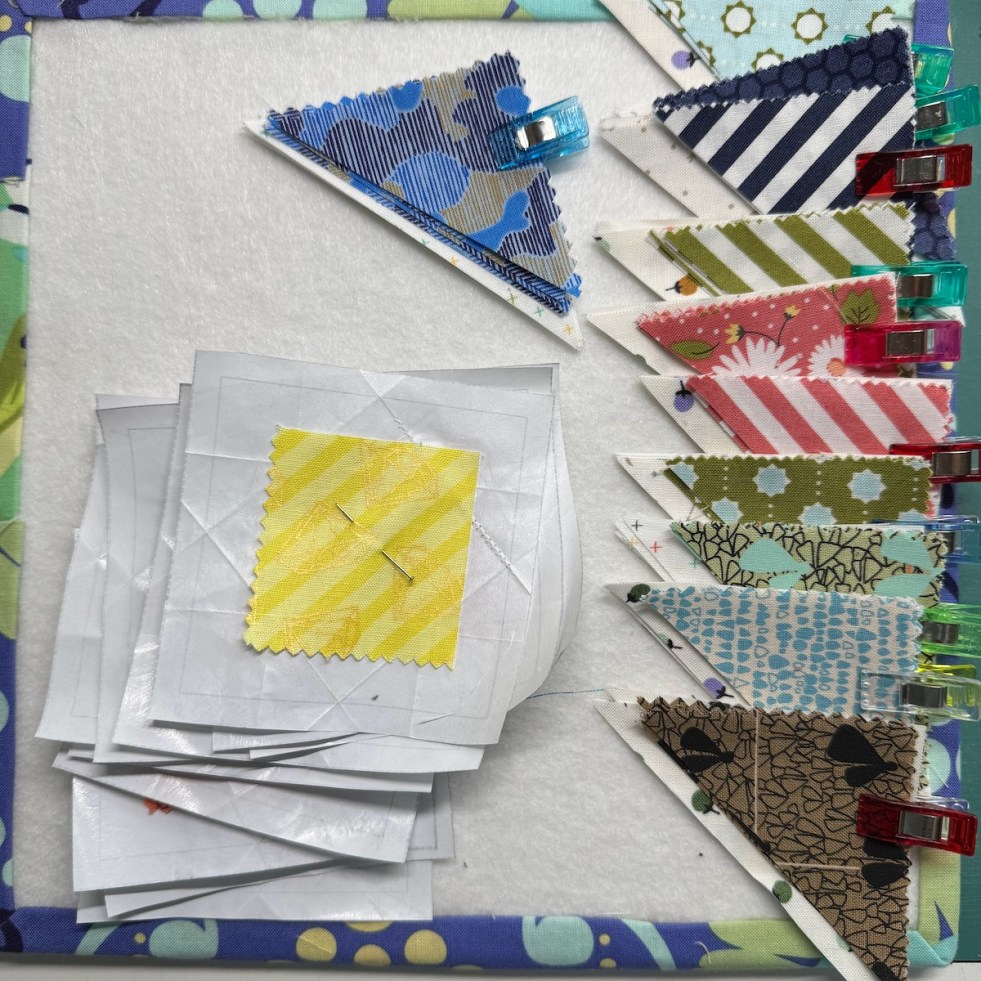
I cut some squares a bit bigger than my hexies. I’m using Painter’s Palette solids in lighter colors. Then I creased the fabric square lightly to get them centered, put a small appliqué pin in the center to hold it, and stacked them up.
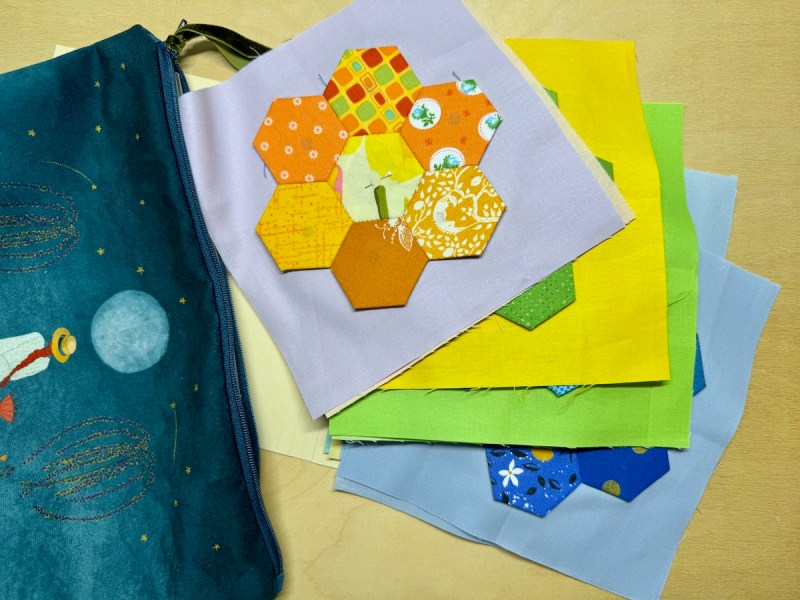
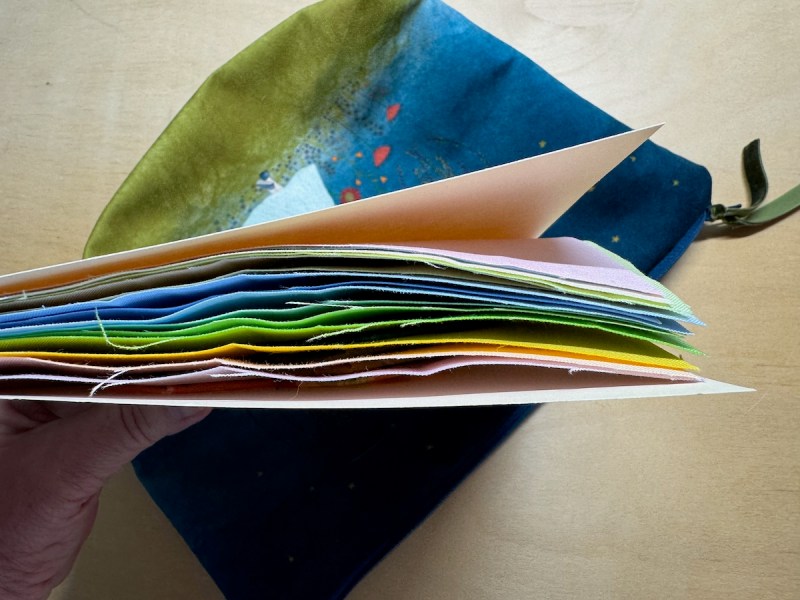
I cut a manila paper folder to size, as I have to be able to transport them and use this set-up in a small space, like a seat-back table on an airplane or a train. The mini-folder fits right into that blue bag. I’m taking this for a hand-work project on trains and planes, and to help me keep my sanity when everything I own is in two small bags and I’m trying to shove in more. (I modified this idea from Becky Goldsmith, who uses a slightly different folder set-up to transport her pieces for appliqué. She explains it thoroughly in this video or more simply in this post.)
Just so you know it’s me, here’s what I went through to cut hexies to sew:
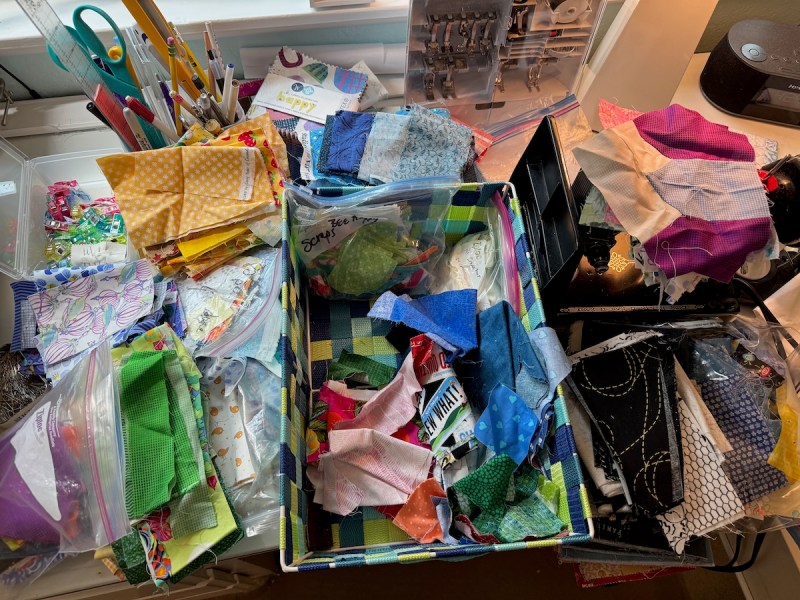


I exploded my scrap basket, but in the last photo — having gone through it all — I stowed it all nicely back in the bottom drawer where I keep my scraps. I’m cutting one last yellow, below (and no, I’m not taking the tin box — too bulky for overseas travel):

See you in a bit–


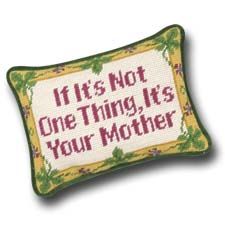
If you are in the States — Happy Mother’s Day!

















 OccasionalPiece--Quilt!