300 and Beyond · Free Download · Free Quilt Pattern · PatternLite · Quilts

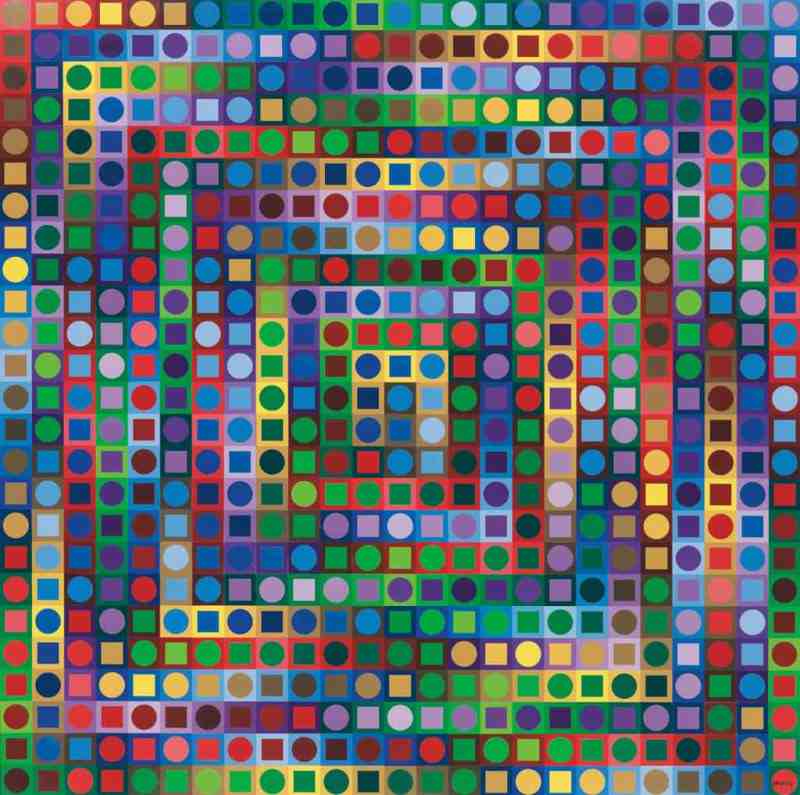
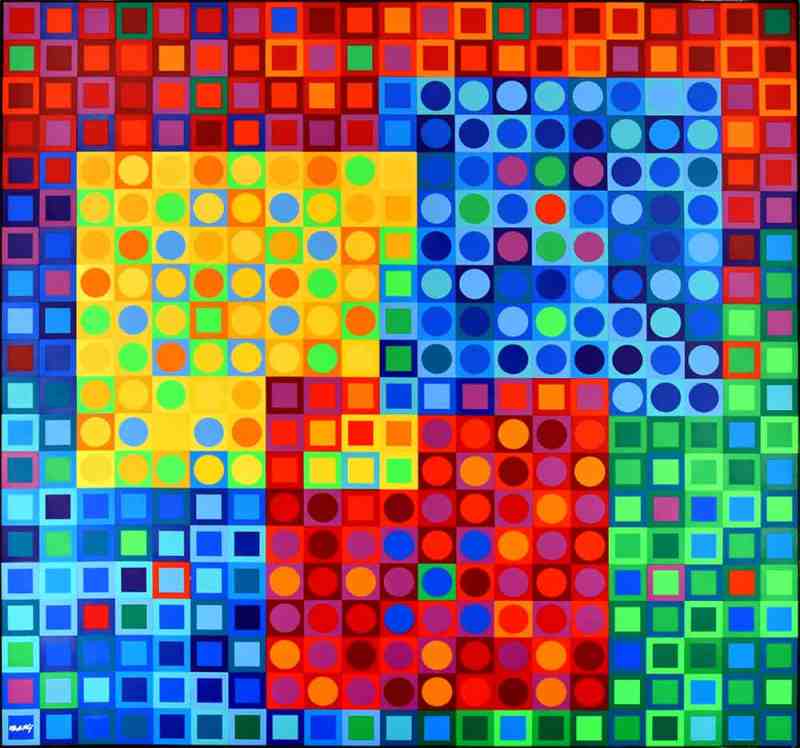
Did Vasarely get there first?

Maybe. Maybe Victor Vasarely got there first in the art world, but I’m guessing the origin of circles on squares, or even squircles on squares, may have come from all the mending the first woman did on her children’s clothes. Just a hunch. I really have no way of knowing this, but when my friend Dot mentioned the artist Vasarely as being reminiscent of our #backtosquircles project, I believe she was on to something. Have fun looking at his art.

My Tips and Tricks

Caveat: If you would rather fold laundry or scrub out the bathroom than do hand appliqué, I have a post on how to do nearly invisible appliqué on machine, using monofilament thread. It’s quick! It’s easy!

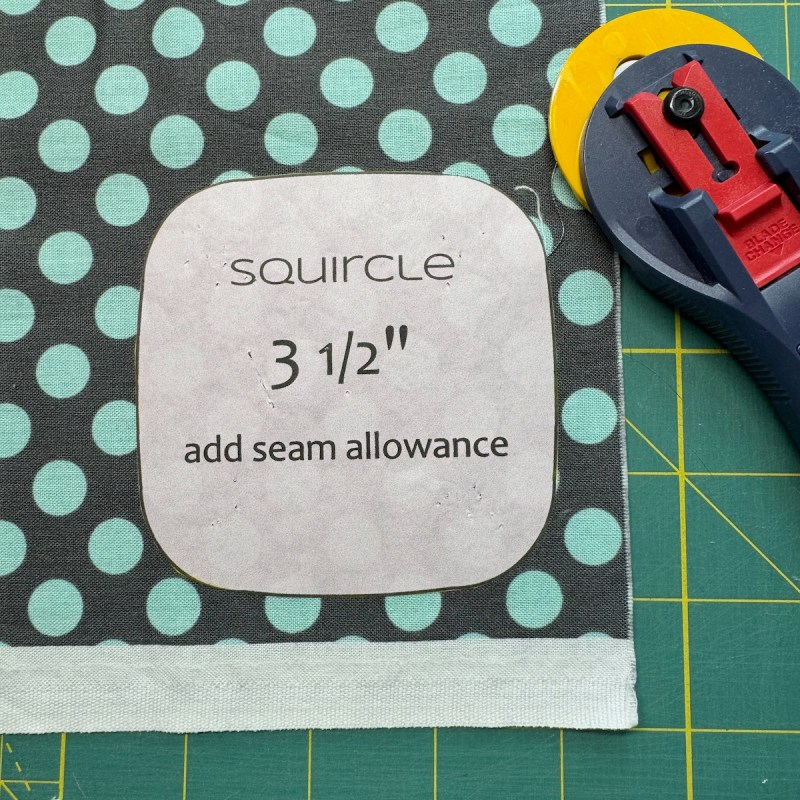
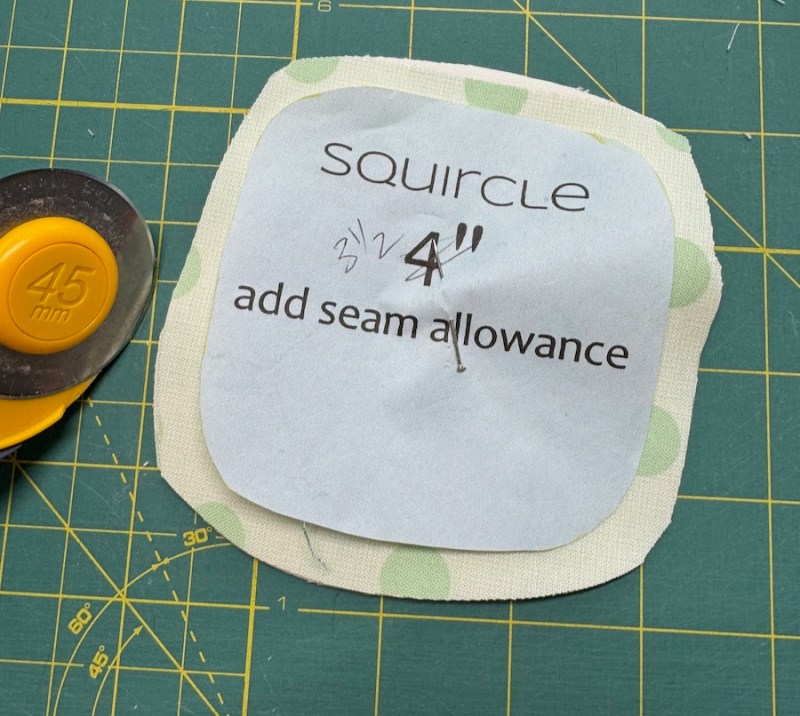
To cut out the shape: I would often iron on my freezer paper version of the pattern (I just printed it directly from the pattern). Other times I would just use a pin. Always I used my rotary cutter to slice around the fabric, and usually I was working with four layers of one polkadot fabric. (I learned in this project how many many many polkadot fabrics I have.)

In my past appliqué lives I have always cut out a bunch of the shapes out of freezer paper and pressed the fabric onto that. I would place shiny side up, and nudge the edges onto the shiny stuff and they would generally stick. When it was cool, I would take the pattern out and use it again.

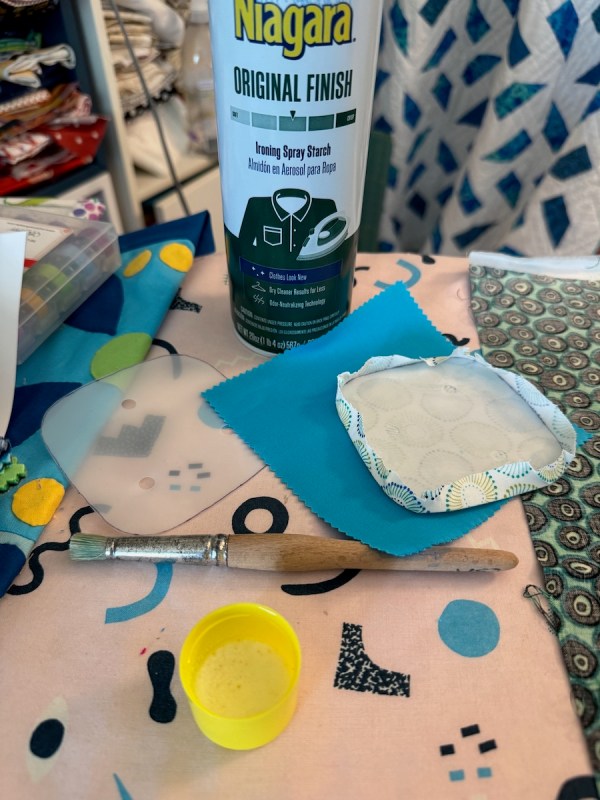
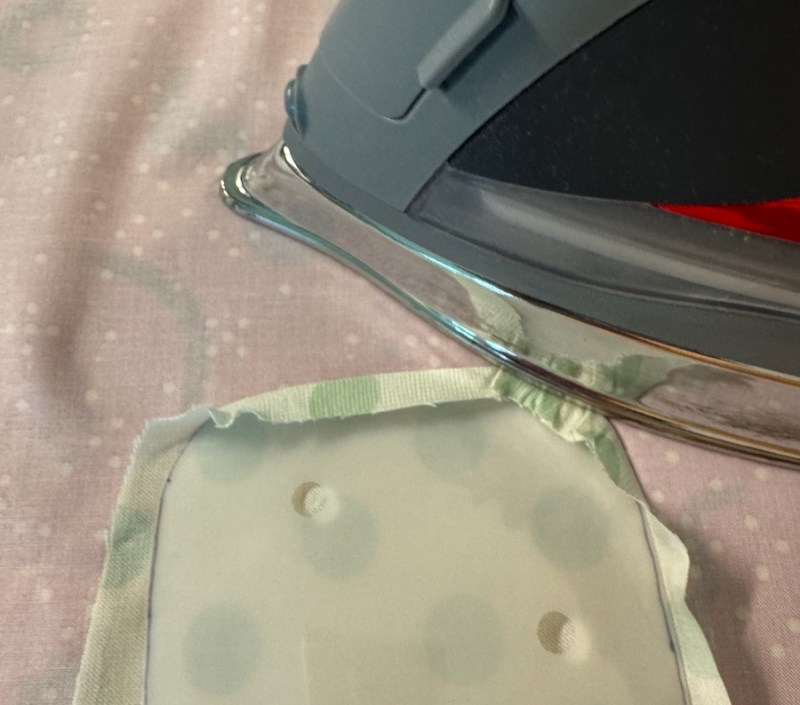
This time I tried Old School Methods: spray some spray starch into the lid, and using a small brush, stroke it around.

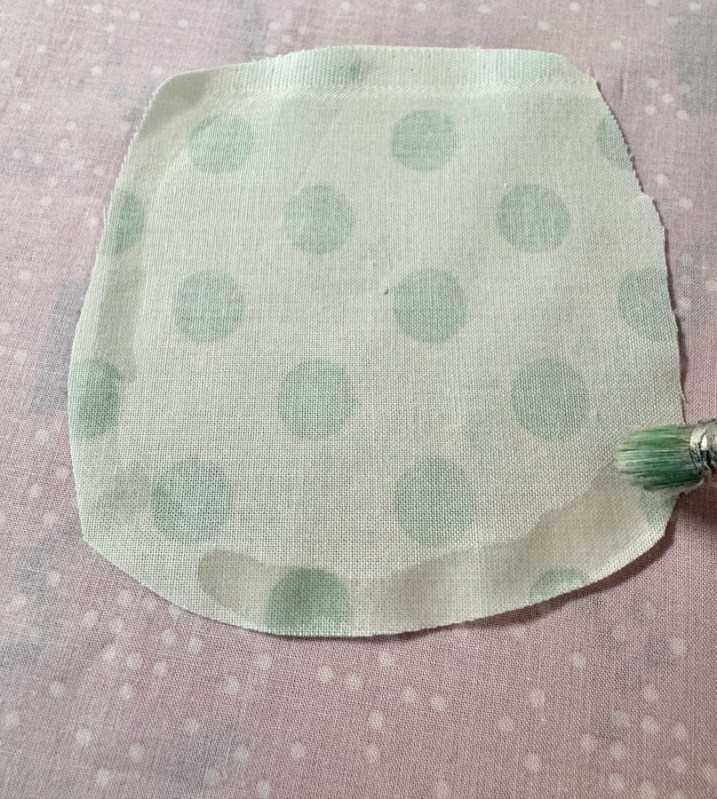
Like this.

You can just see where it’s damp from the starch. Don’t use too much. I always lay down a piece of cloth on my ironing board to catch the dribbles.

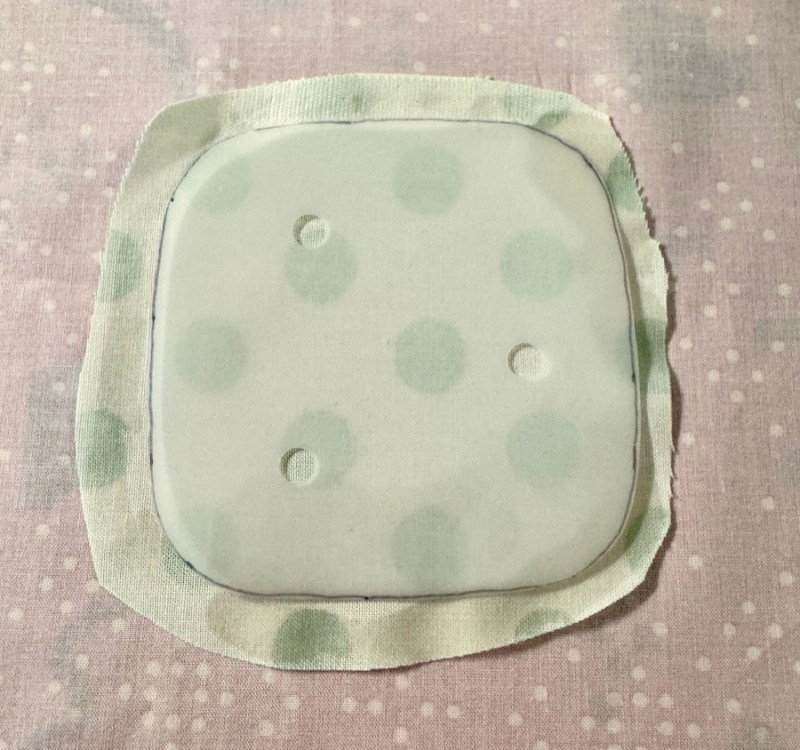
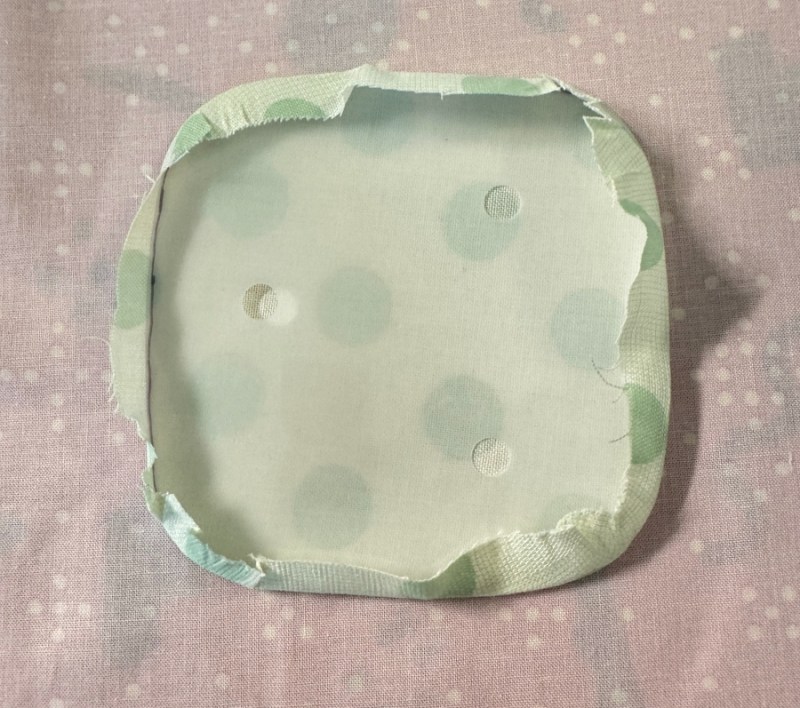
Place a template (here I used mylar and punched holes in it — more on that later), pressing the corners and sides up over the template. The starch should dry and hold it in place. Let it cool, then remove the template. Duh.

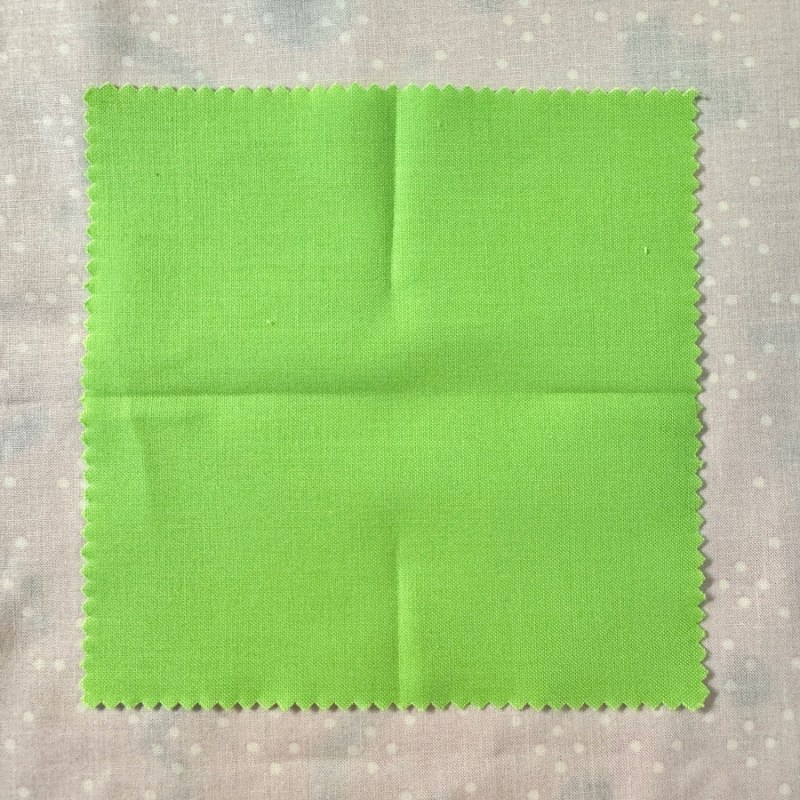
I finger press some marks at the centers.

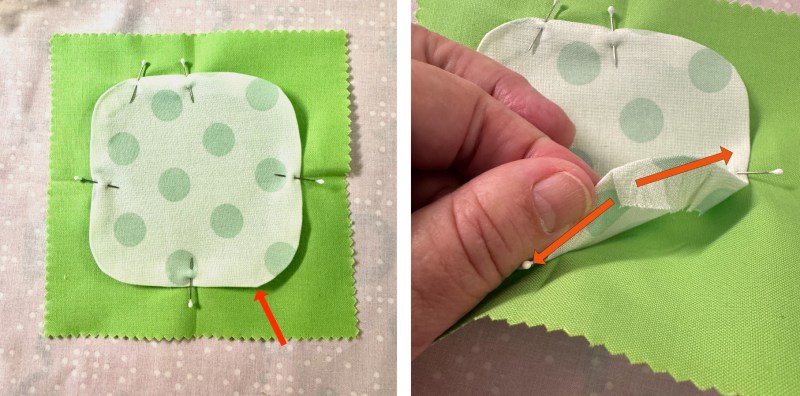
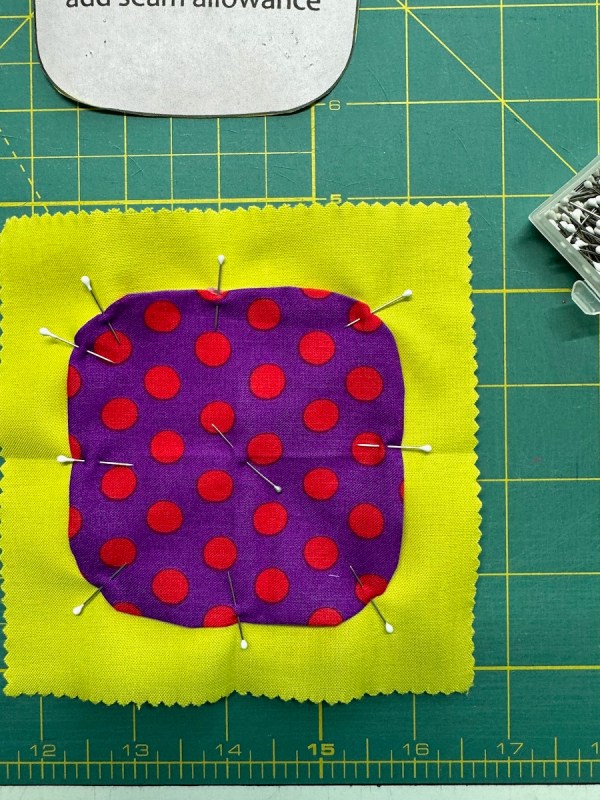
Then I arrange the cooled, pressed squircle by eye and pin it down. Sorry if this is repetitive for you experts — feel free to leave a comment if you have more tips; this is always helpful!

Sometimes you’ll get a little bump out. That just means underneath the seam allowance has its knickers in a twist. As you stitch along to this spot, with your needle, sweep the seam allowance away from the bump (in the directions of the arrows) and it should ease up and smooth out.

Sometimes I just put four pins.

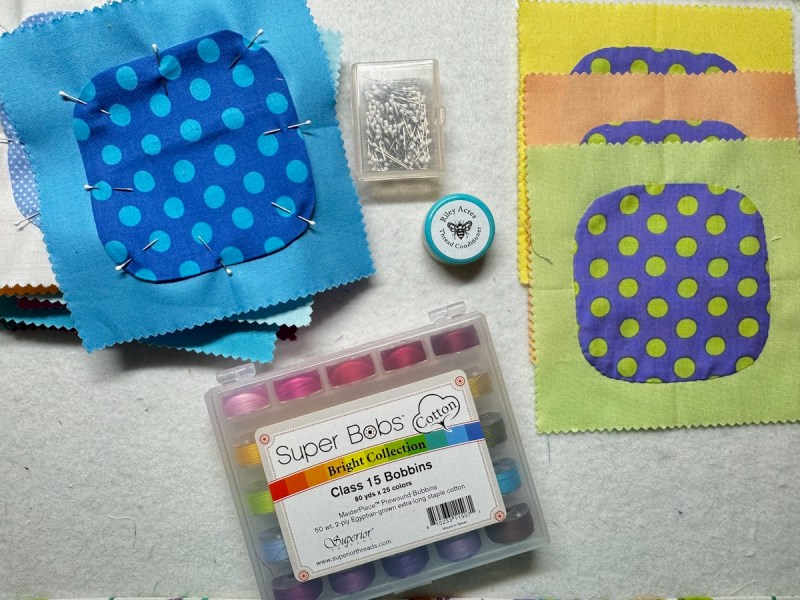
Other times that squircle isn’t going anywhere.

I use the Thread Conditioner from Riley Acres, and I like the Super Bobs Bright Thread Collection. Rachel uses her own bees’ beeswax to make the conditioner, and I like how it feels, and it never gets hard.
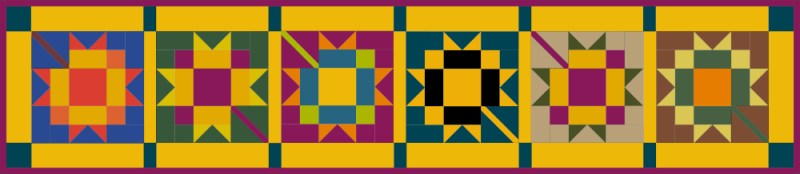
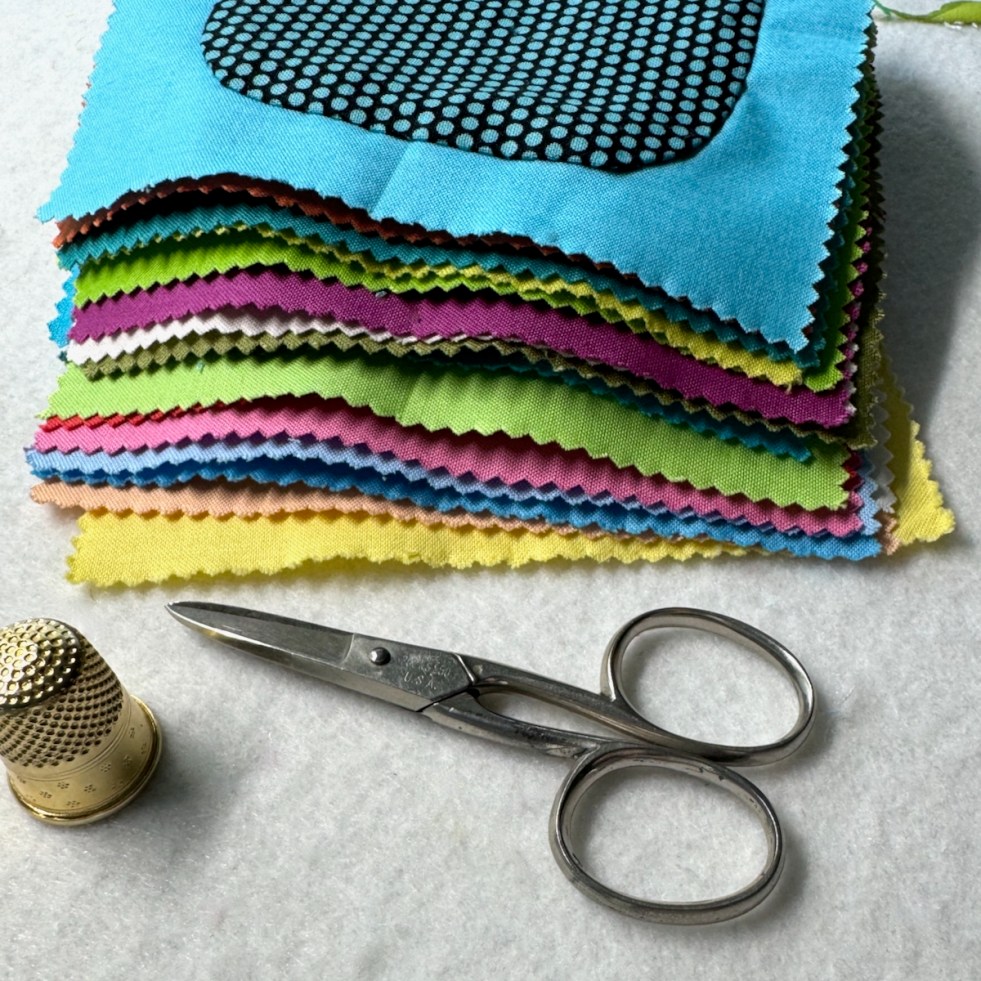
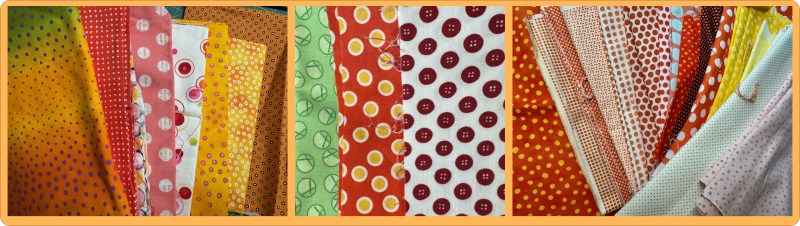
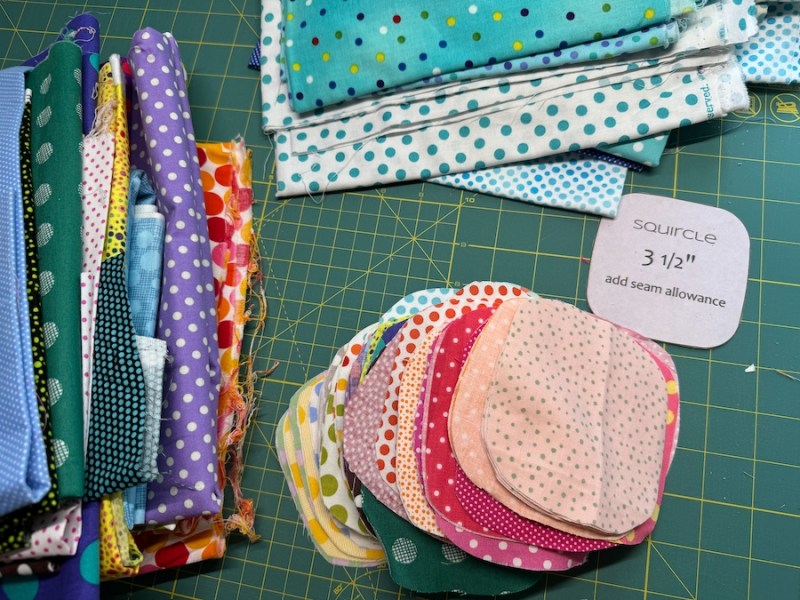
I’ve sort of started evaluating my polkadots for this project. The ones on the left are rejects. The ones in the middle I was thinking about, but in the end, I only used the ones on the right: regularish-shaped dots, with not too much else going on.

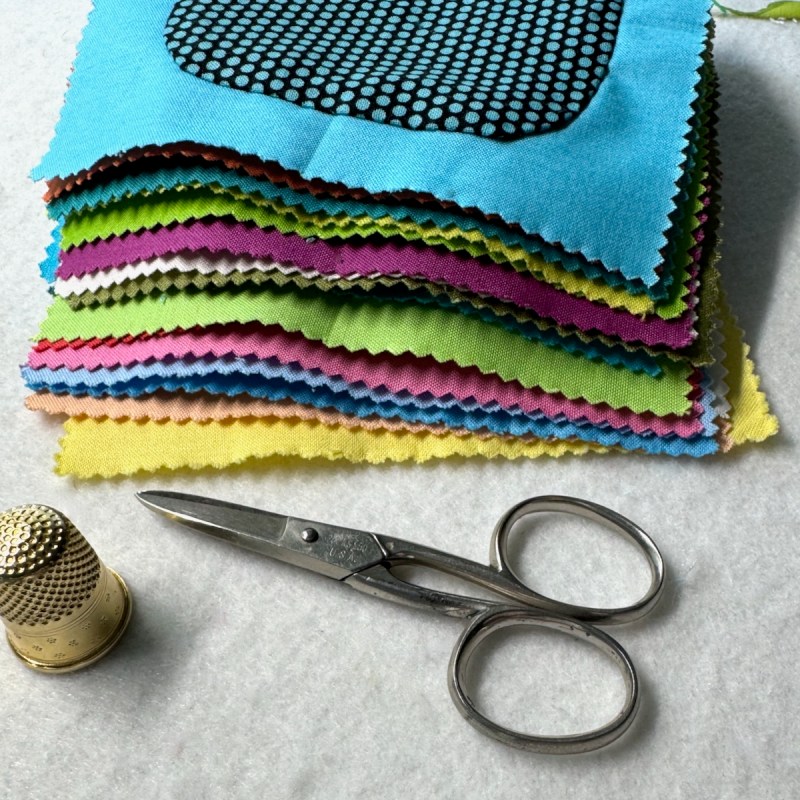
Twenty-two done. I’m ahead of schedule, happily.

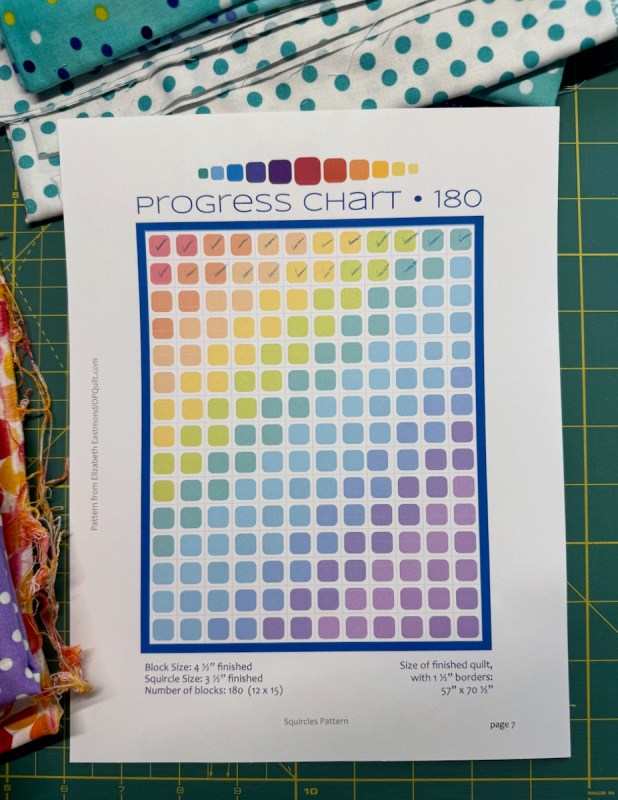
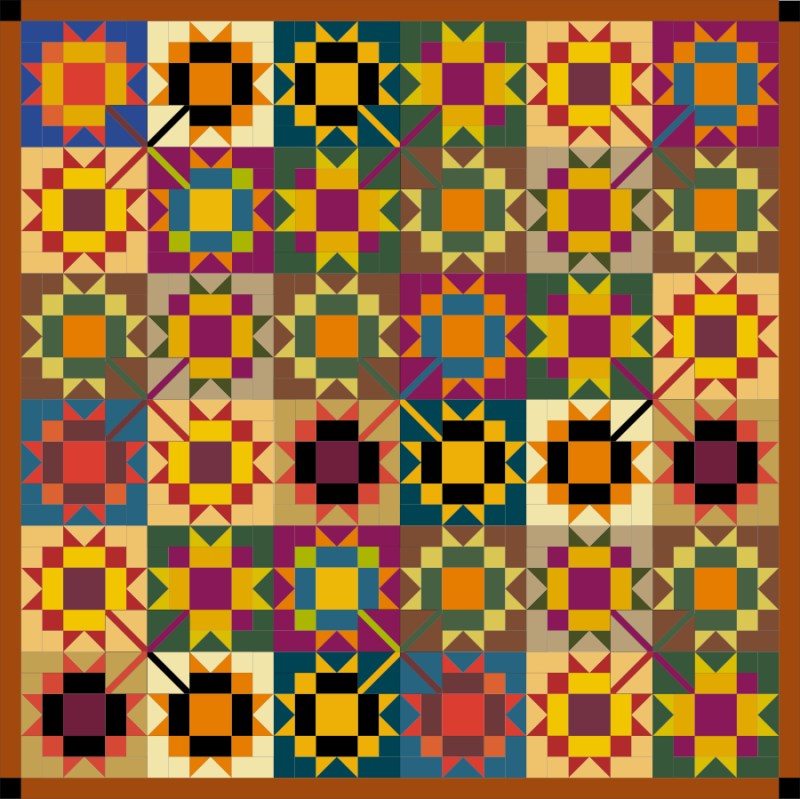
I made you a chart to keep track of our squircles. I added it to the pattern, and tweaked the pattern a bit, if you want to download it again:

Okay, that’s it for my squircle tips and tricks.

The mylar sheets can be found on the Great Store in the Sky, and I just slipped the pattern underneath and traced it off with a fine Sharpie marker. The Mylar cut easily with scissors. I punch holes in my Mylar so the steam doesn’t build up and warp the template. Although with the starch, I didn’t use steam this go round.

This little project will sink into the background for a while, so I promise, no more squircles posts for a while. But the pattern (free!) and the tips and tricks will stay here on the website for your use.

keyword search term on this site: squircles
hashtag on Instagram: #backtosquircles

I could listen to Rose talk about her job in the hardware store every day.

Free Quilt Pattern · PatternLite · Patterns by Elizabeth of OPQuilt

Spiders, Quilty-Style • Free Pattern

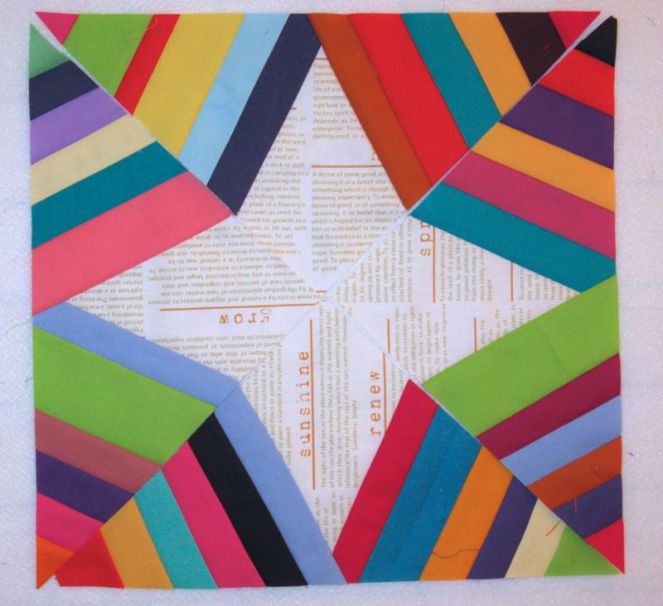
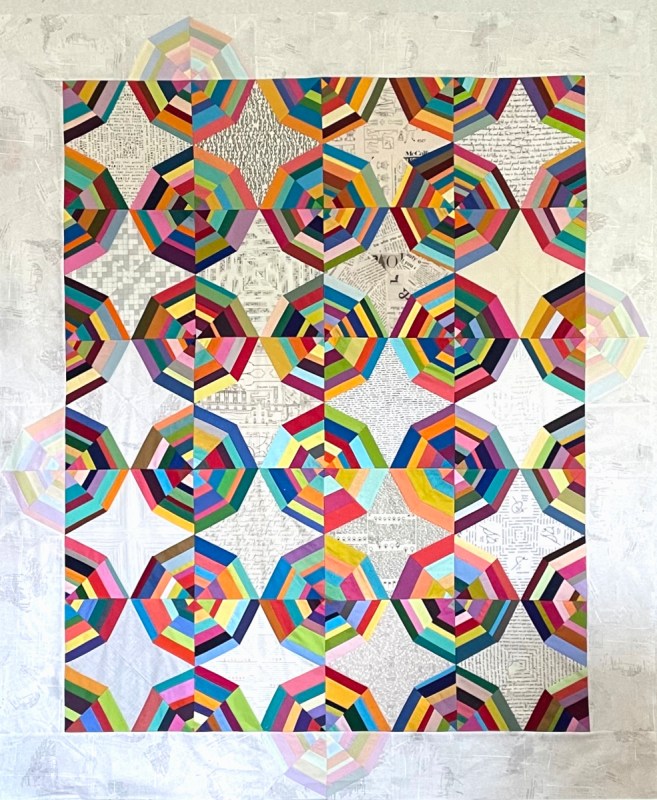
Sometimes we know of a block that is a familiar patchwork pattern. Cindy of Liveacolorfullife and I chat back and forth occasionally and we happened to strike up a conversation about this Spider Web block, from our March 2015 Mid-Century Modern Bee:

This image has an empty alt attribute; its file name is mcm-march-2014.jpg

We were trying to remember how we made these blocks for Cindy’s turn as Queen Bee in the Mid-Century Modern back in 2014, but when we headed to the linked blog that had the instructions — it was No Longer in Service. She was trying to finish up her quilt, so we tried another place. No Longer in Service. Somehow I think of the internet as being eternal, like a good book, but obviously the joke is on me for that one.

This image has an empty alt attribute; its file name is wiens-web2.jpg
Beach Umbrellas made by Cindy Wiens of LiveAColorfulLife

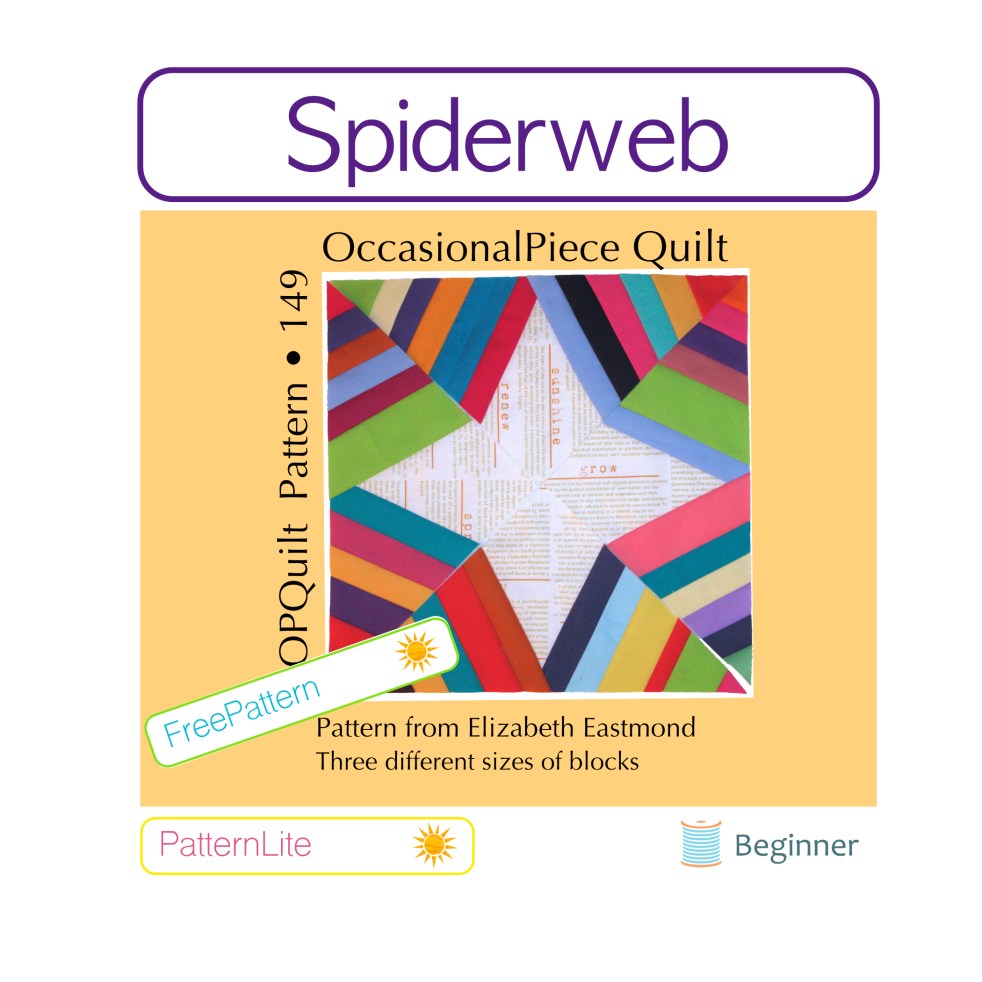
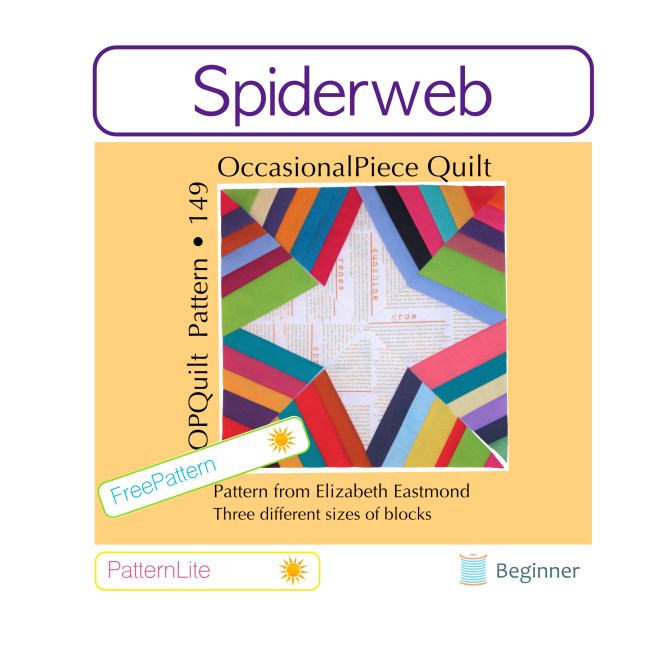
So I started drafting things in my Affinity Designer, then I dug up an old handout for the small quilting group we had Before Covid, and combined them. So I have another free pattern for SpiderWeb for you, but since it’s under the PatternLite series, it will be found over in my Pattern Shop. I’ll have it on 100% FREE! until the end of the month, where it will be my usual PatternLite price: less than a fancy drink at Starbucks. It’s still free!!

While it is for free, consider clicking on Follow as a thank you, and to keep up with my shenanigans. Cindy and I are doing this in tandem, so she’ll also have it on her blog, LiveAColorfulLife — so head over there and read about her goings on and follow her, too. Cindy is an amazing quilter, and has done the hard work and compiled a visual list of all her quilts. Number 219 is one of my current favorites, but there are others that have caught my eye.

To find the free pattern: click on link below.

Click! SpiderWeb block pattern in three sizes, on PayHip (my pattern shop).

But from Spiderwebs, we must move on to October’s beginnings, which includes these two motifs: black cats and pumpkins. These are pillow tops that I’m sending to another DIL, who loves Halloween. I hope she likes them. She has a nook in her upstairs bedroom that we would all covet: a large Palladian window with a loveseat, filled with cushions and pillows. I was thinking about those when I made these, two from my collection of Riley Blake Pillows from last year that I saved for her.

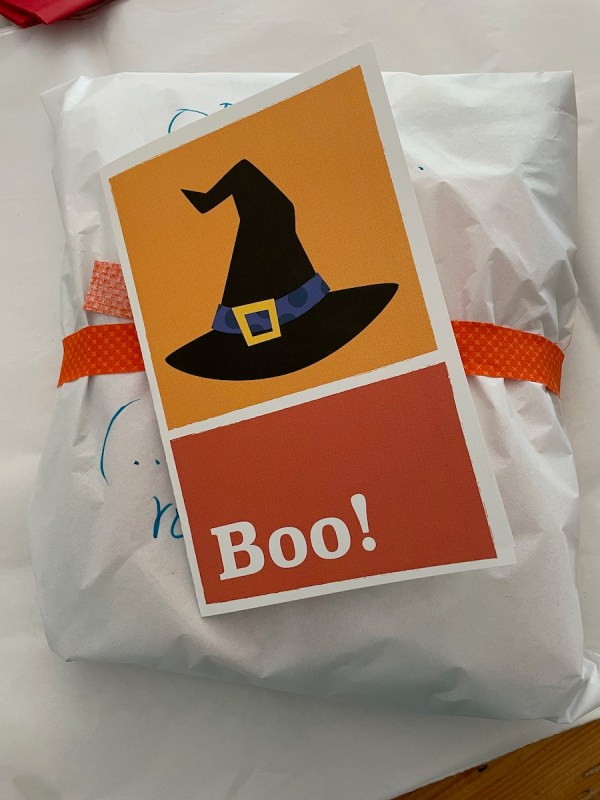
I included this homemade card. Download the blank and send some to people you love:

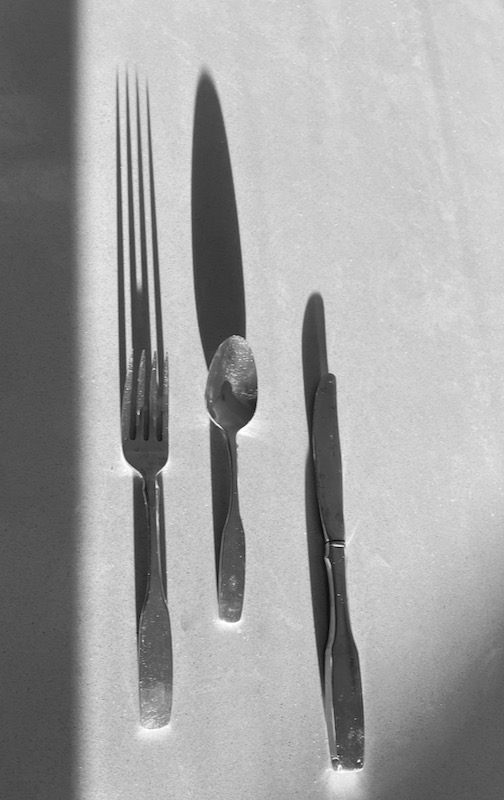
Lastly, we passed the Autumn Equinox on September 22, so the days are getting longer. So are the shadows of my silverware.

Happy October, everyone!

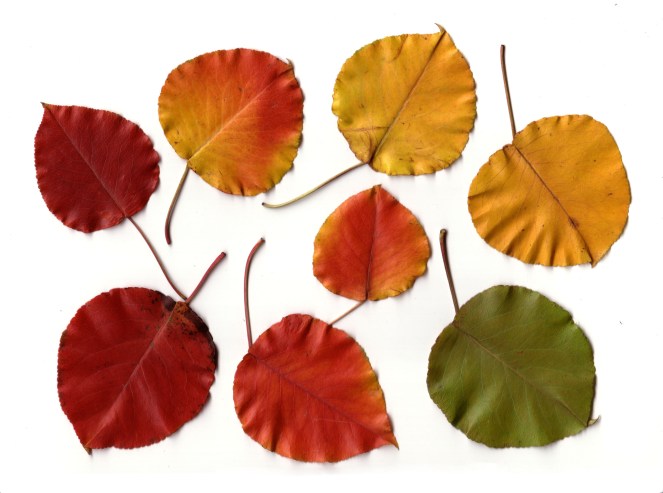
P.S. One year we lived in Alexandria, VA and the leaf colors that year were spectacular. I would bring home fistfuls of beautiful leaves, lay them out on my flatbed scanner to scan and save them. These are some my husband brought home one day. No–we don’t have gorgeous fall color here, but come January — we have a few trees that will turn red. All of you who live in fall color territory are so lucky!

PatternLite · Patterns by Elizabeth of OPQuilt · Something to Think About

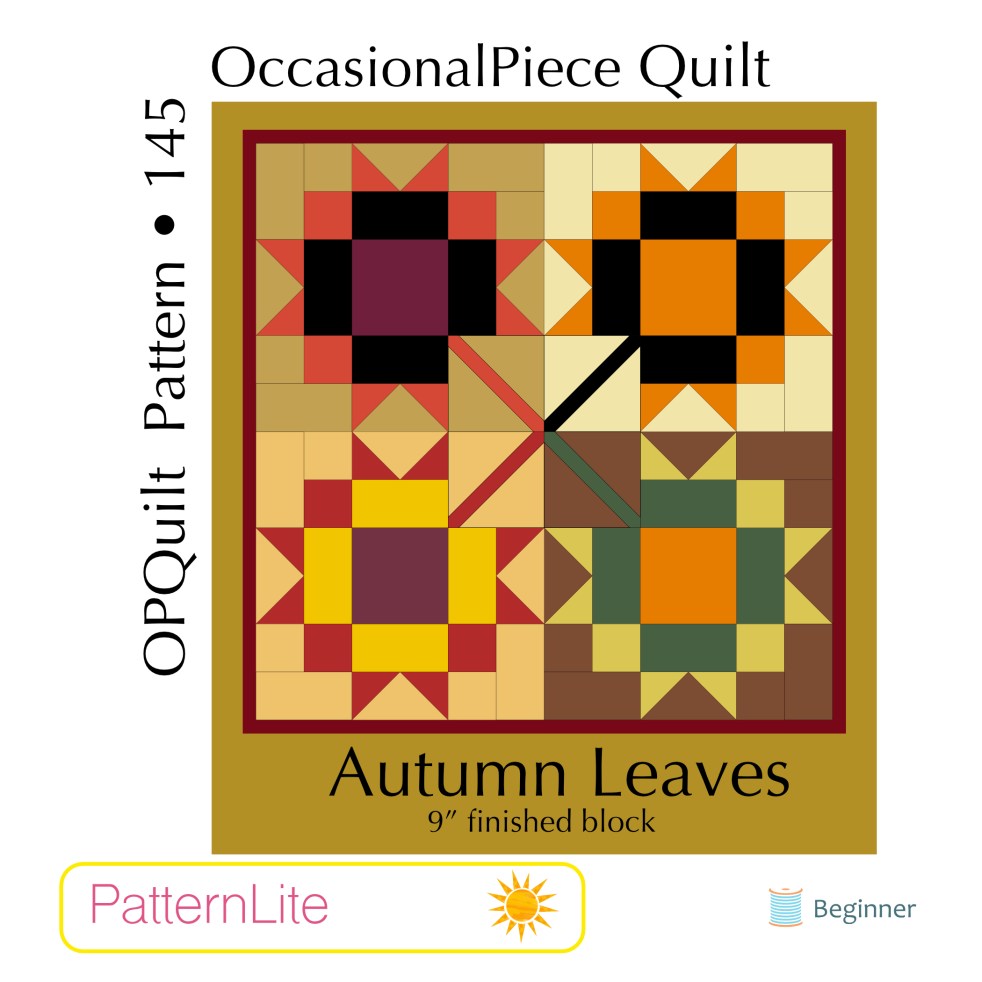
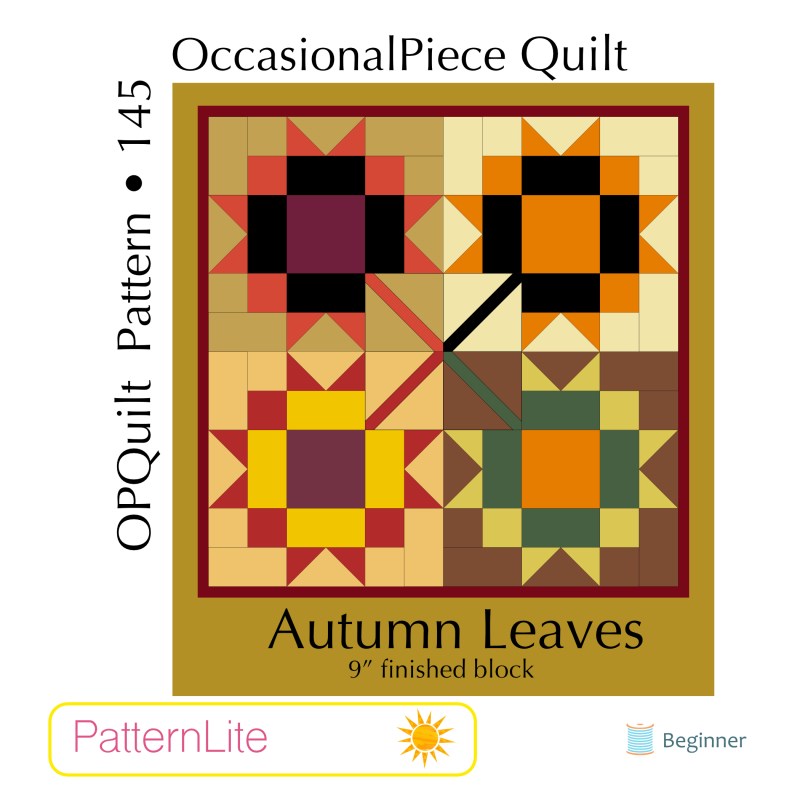
Autumn Leaves • PatternLite

Confession: I got caught up in Fall Color. A few particular trees in Southern California and even the leaves on my wisteria arbor are turning yellow, getting ready to drop. In addition, we put together another round of Gridster Bee, and those of us who were experienced thought we should get sample blocks up on the spreadsheet as an example.

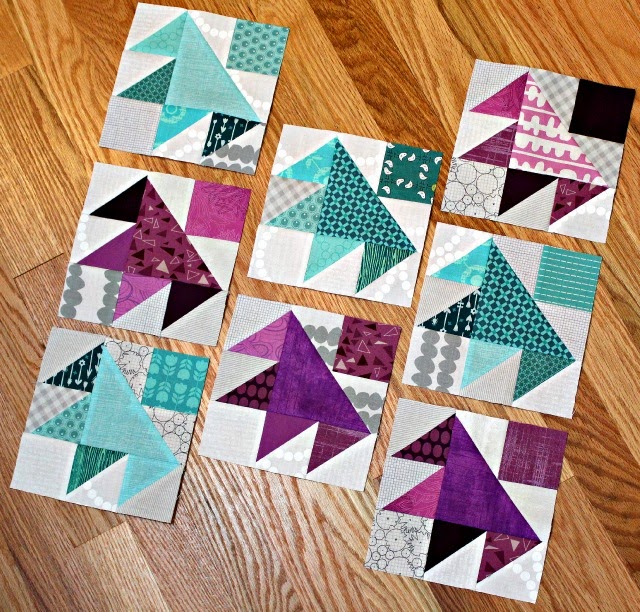
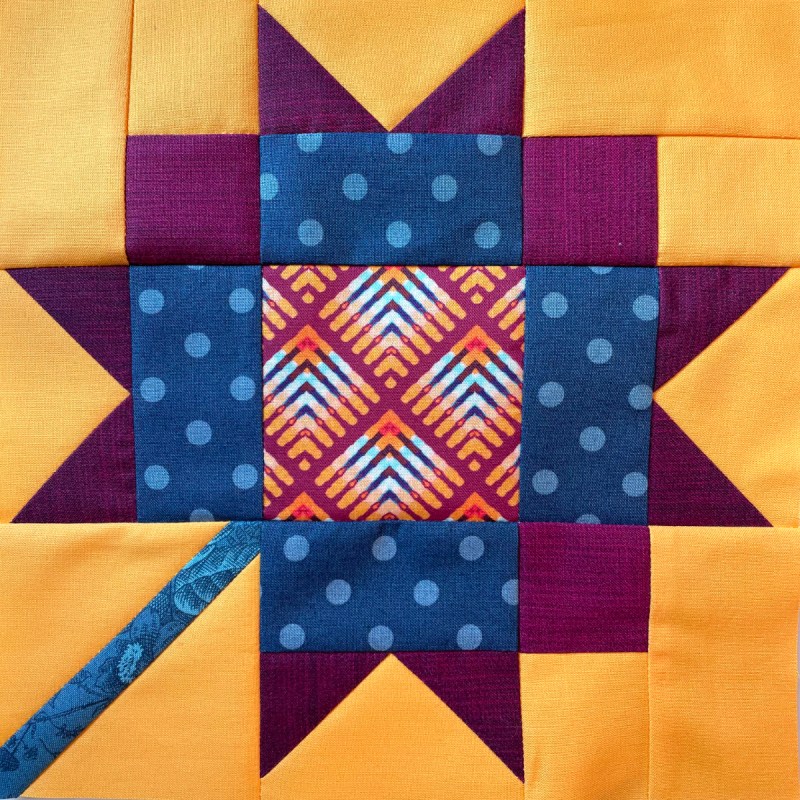
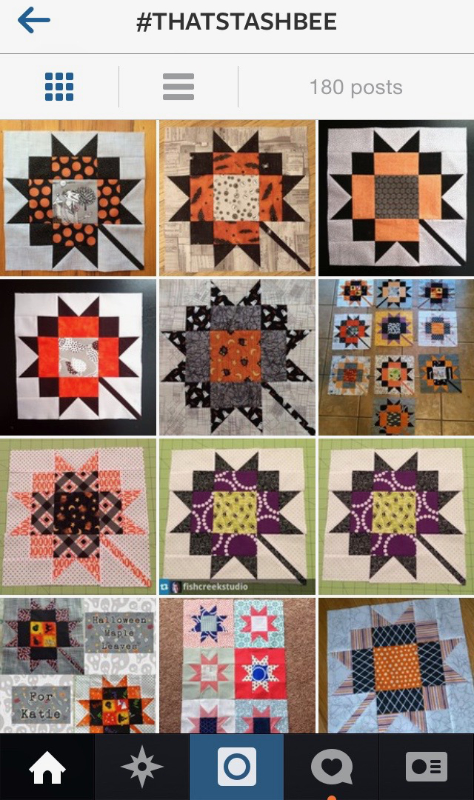
I have been hanging on to this screenshot (see how old those IG icons are?) for some time, as I’ve always wanted to do it in a bee. The pattern is a variation of Maple Leaf:

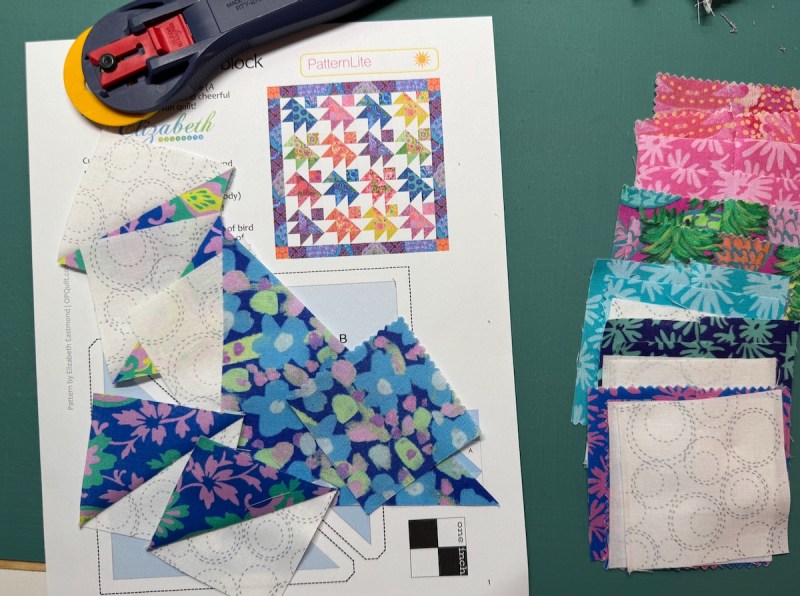
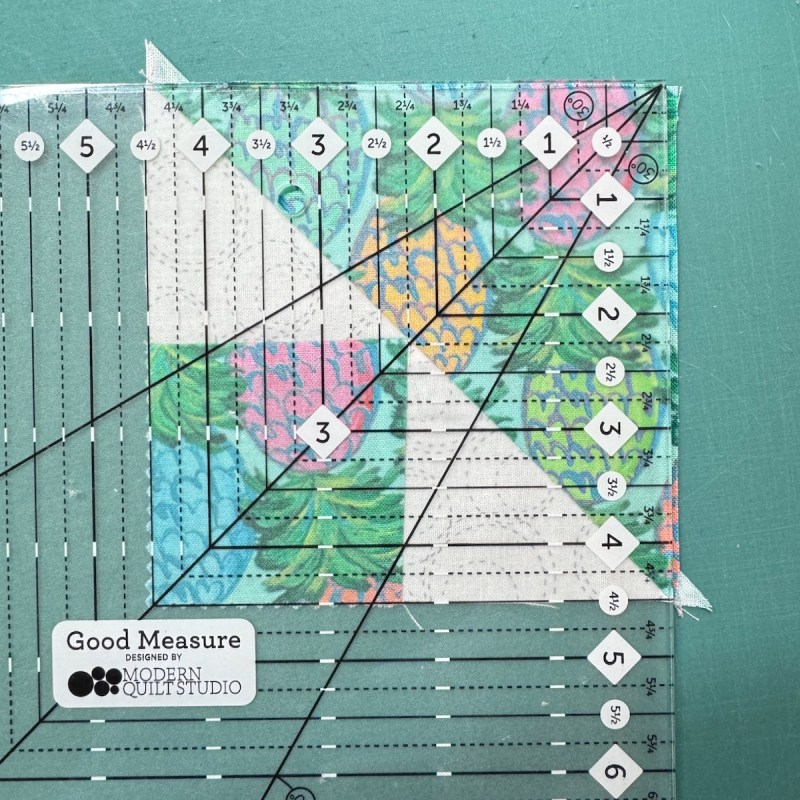
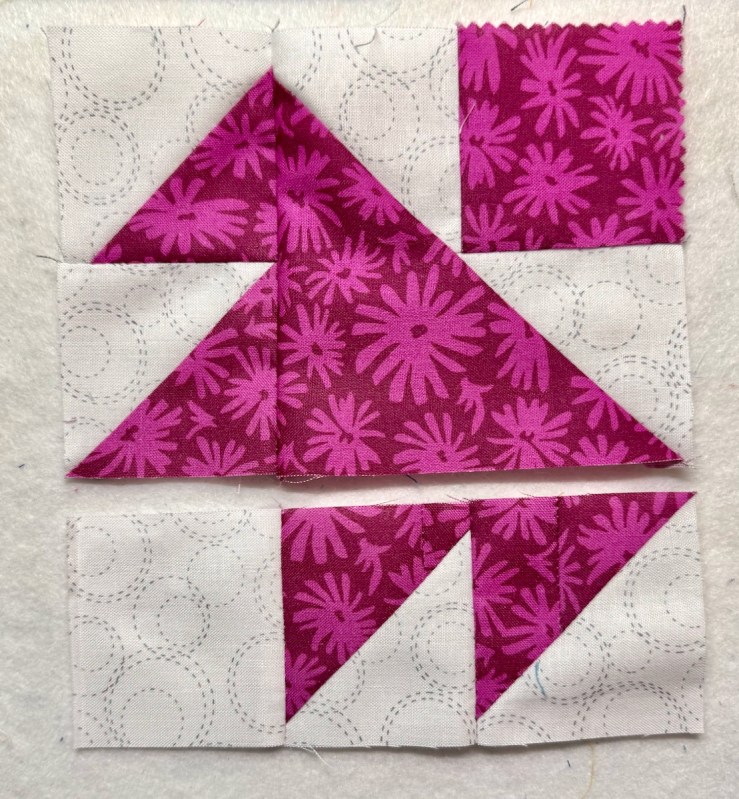
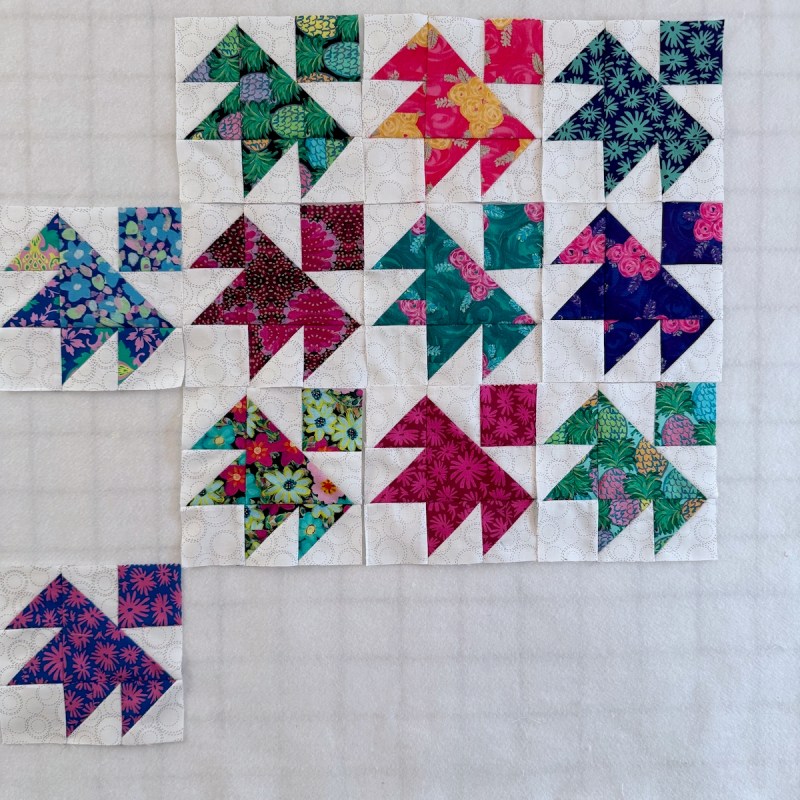
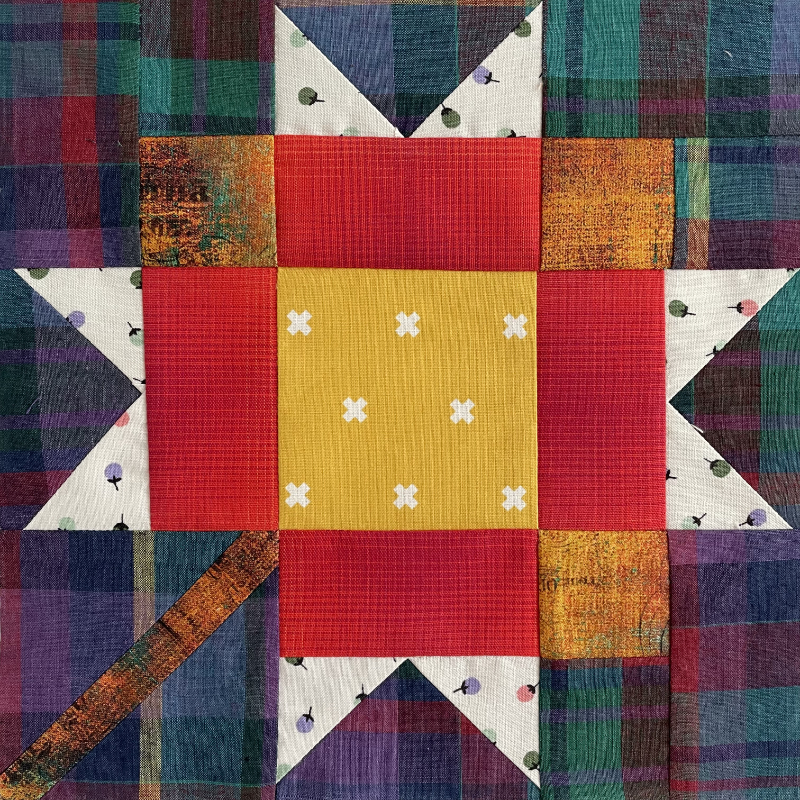
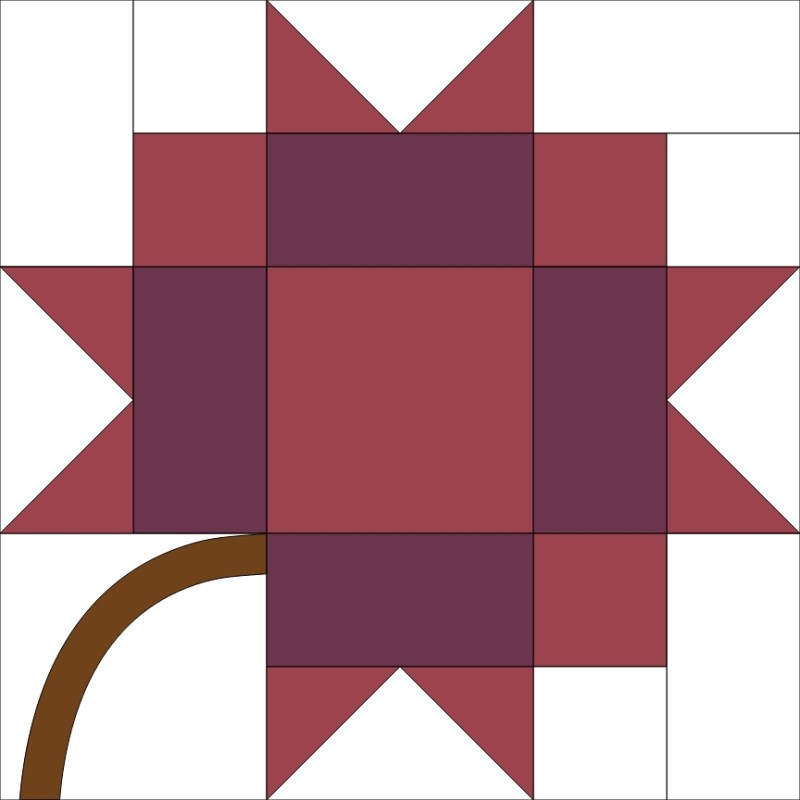
To be precise, it’s Maple Leaf–Brackman #1740, which originally debuted in Aunt Martha’s booklets in the 1930s. Like the Flickr group, above, I changed out the stem so it could be pieced. And is my wont, I wondered if anyone else was interested in this block. I certainly I had a few words to say about how to make up a leaf in autumn colors, so I put it all into a PatternLite, and then up in my PayHip Shop. I also included how to make a Four-at-a-Time Flying Geese block, giving away the secret formula, freeing you from charts forever.

PatternLite Patterns, if you are new here, are not-quite-all-of-a-pattern, for not-quite-all-of-the-price. They are less than a fancy pink drink at Starbucks. They are cheaper than a slice of pizza from that place around the corner from you. They are for those quilters who can see a block and take off with it in their own way, and don’t need comprehensive instructions on construction. But I did do up a couple of sketches for what can be done with this block:

How about a table runner for your holiday table?

Or a quilt? It’s there now in the shop, if you want to grab it.

I had some other ideas, but I will let time work them out for me, or sleep as John Steinbeck noted:

“It is a common experience that a problem difficult at night is resolved in the morning after the committee of sleep has worked on it.”

This may take me more than a few nights, I think.

And then there’s this, that’s been rattling around in my head:

“Creativity is just connecting things. When you ask creative people how they did something, they feel a little guilty because they didn’t really do it, they just saw something.” (Steve Jobs)

Lately, I’ve been concerned with sameness, or the inability to make connections between two different things, because so much is all the same.

an “un-same” landscape

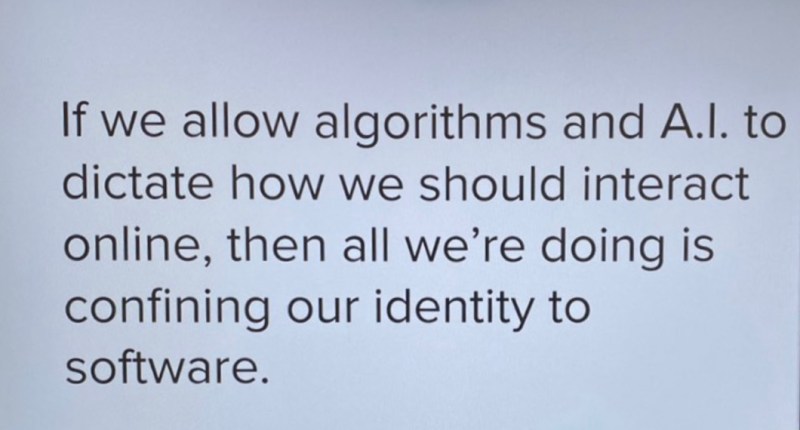
If we are mostly in our houses, with our same stashes, in the same room, making those same projects we dreamed up some time ago, where are the differences that allow us to make connections? I think many of us get it through social media, but beware:

from a recent Honors symposium my friend attended

I had been sort of dependent on my Instagram feed for variety and for seeing new things, until I realized that over time the random things I had selected had become more of “the same”–repeating back to me the images I had selected precisely because they were new and different. What with the algorithm changing how we interacted with that media, and the selectivity with which it feeds us our friends’ posts on our feed, what had once fed my need for new and novel things just came unraveled.

When you are traveling in a new space, trying to juggle all that’s coming at you, you make new connections. Perhaps you discover a different way to think about a dilemma, or even how to navigate physical space:

I did eventually make it to TechnoPark-ro, and enjoyed all that I saw. This has been on my mind because of what I’ve noticed in my correspondence, that there’s been a refrain of not feeling enthusiastic about what you used to do. Some describe it in that time-honored way of “lost my sewjo.” I could also describe it as longing for the thunderbolt of a new idea, one that just grabs you and has you on the run to try to express it.

Because I feel like drowning in sameness is a situation to escape, my tactic of late has been to look for old quilt blocks to explore in new ways (hence, Autumn Leaves). I also like seeing new fabrics, other than the same three designers carried by my quilt shop, so recently I went to Fat Quarter Shop to their pre-cuts and read ALL 38 pages of it, learning about what’s coming. I vary my walks around my neighborhood, cook new recipes:

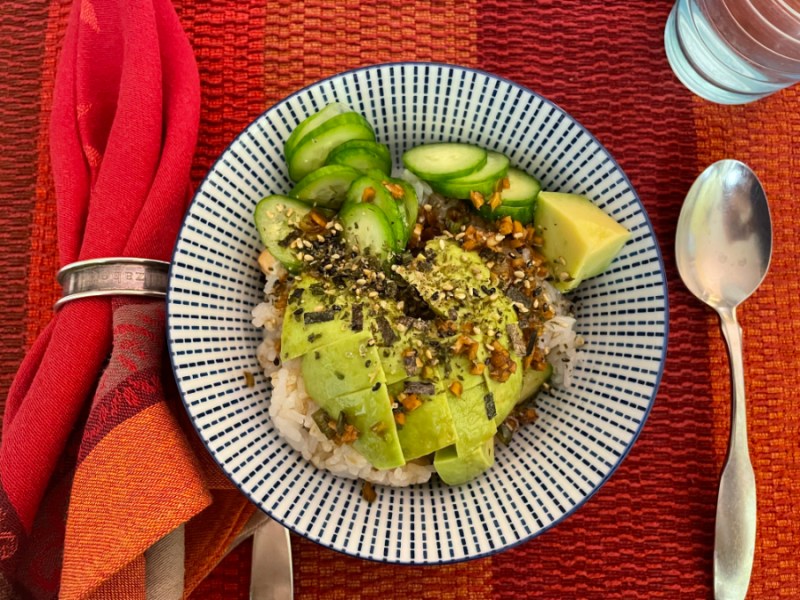
What I call Sushi in a Bowl: sushi rice, salmon, cucumbers, slaw, avocado and dressing

Three reasons why people are motivated to be creative: 1) need for novel, varied, and complex stimulation; 2) need to communicate ideas and values and 3) need to solve problems. A scholarly listing of thoughts about creativity can be read here.

Right brain? Left Brain? Anna Abraham begs to differ: “The brain’s right hemisphere is not a separate organ whose workings can be regarded in isolation from that of the left hemisphere in most human beings. It is also incorrect to conclude that the left brain is uncreative. In fact even the earliest scholars who explored the brain lateralization in relation to creativity emphasized the importance of both hemispheres.” A high level Q & A with her is here.

“As strange as it sounds, creativity can become a habit,” says creativity researcher Jonathan Plucker, PhD, a psychology professor at Indiana University. “Making it one helps you become more productive.” Read about it here.

A quote from an article from my favorite resource, 99U: “Creativity is a skill that allows you to draw understanding of the world around you, connect those observations to your existing knowledge reservoirs, and imagine new applications of your knowledge on the world.” Read it here.

Keep at it, find the new and novel, and keep quilting!

(More info on this one, coming soon!)

PatternLite · Patterns by Elizabeth of OPQuilt · Pillows

Mister Pumpkin

Sometimes I really don’t like our season-less world. I walked through Target last week, looking for some orange Halloween lights. Okay, I know some of you are laughing hysterically out there. Halloween Lights? They were gone by the 4th of July! Swimsuits come in February, and it used to be a rule not to put out Christmas until after Thanksgiving. Used to be.

And this year, with the Great Supply Chain Disruption working its pandemic magic (would we expect any less?), good luck. The lady at Target told me they “weren’t getting much Christmas” so if I saw “something you like, buy it.” The section was pretty empty, as they were doing the switchover from witches to elves.

One of my favorite holidays, Thanksgiving, I now call the Invisible Holiday: so desperately needed, yet nearly imperceptible. But if you aren’t yet hanging the Christmas garlands and putting up the Santas, here’s one more little fun thing for you to stitch up in an afternoon: Mister Pumpkin.

It all started because my monthly Riley Blake pillow arrived and I was just sort of meh about the design of it. I’d done some shapes for my daughter’s Fall Tag Tip Sheet, and made the pumpkin, and remembered the photo on the lower left, a detail of a quilt I’d seen at a quilt show. I had purchased the little ornament on our trip to Utah last month. I loved them all and combined them to make my 20″ pillow. Which I have now made up into a PatternLite Pattern, but because it’s like…the middle of the month...I’m giving you a coupon to get it for a deal of 25% off:

Since PatternLite patterns only cost a tiny amount, you are getting a Mister Pumpkin Pattern Lite for less than a large Coke and fries at McDonald’s. Or a slice of pizza at the mall. And WAY less than a bag of Halloween candy. Coupon good until (when else?)…Halloween night.

He’s now resting comfortably on our bed, and I may keep him there for the first part of November, too. So have fun–enjoy your grinning 20″ Mister Pumpkin pillow before you have to nestle it under the Christmas tree. And he doesn’t get made this year, well, there’s always next year! (That old baseball phrase is meant for consolation for the Giants, who lost their pennant race to the LA Dodgers; if you are a sports watcher, you know about this.)

Happy Quilting!