Quilts

Resolutions vs. Being the Best Self I Can Be

resolutions-web

from *here*

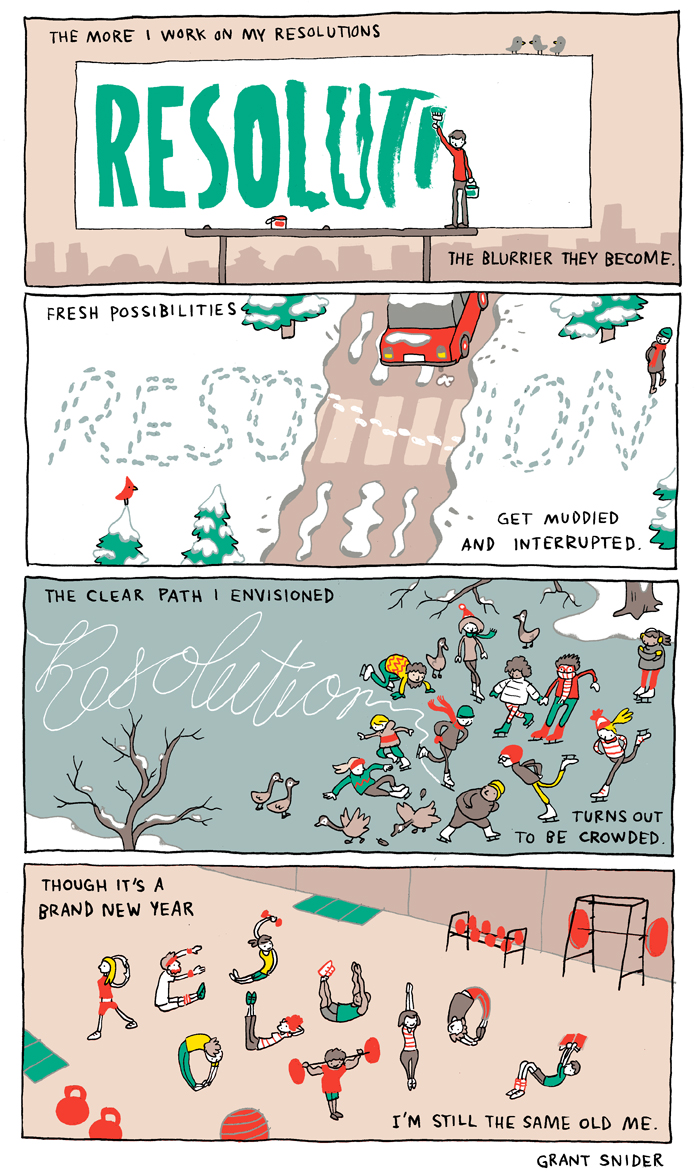
 I read this article, “Resolving to Create a New You”  in the New York Times last week.  I cut it out, kept it by my sewing machine and read it all week long.  I read it again today and finally, finally, I think I understand it (the author, Ruth Chang, is a professor of philosophy at Rutgers University).  It helped that I listened to Ms. Chang’s TED Talk about  “How to Make Hard Choices” (take the time–it’s enlightening).

SeptDec2014 Goals

Resolutions, even those quilting resolutions of Finish A-Longs and their sort, have a problem because basically we are trying to (as Ms. Chang put it) “to steel our wills to do what we already know we should be doing.”  Yes, I know I should finish Quilt XYZ and yes, I still make myself a list of quilts every quarter and hang them on my cupboard door.  Sometimes they are helpful, like when I don’t feel like doing much.  It can give a goal and a direction.  But I have two quilts I have had on that list every quarter for the past two years.  They are hard quilts.  I don’t quite remember what I want to do with the “Good Luck Quilt,” one that I dreamed up but now have no idea what I mean, nor do I know what I want to make with the fabric that I spontaneously bought in a stack from an online quilt shop one summer’s day (and which I call “The Mexcian Day of the Dead Quilt”).  Each quilt has its appealing qualities.  Each is a quagmire.  And every quarter I resolve to finish them.

Layer Cakes Jelly Rolls

Ms. Chang says instead of looking at resolutions as just another set of  Things To Do, we should view these as opportunities “to create ourselves anew.”  Each of those hard choices between two sets of alternatives, gives us a chance to “make ourselves the authors of our own lives. Instead of being led by the nose by what we imagine to be facts of the world, we should instead recognize that sometimes the world is silent about what we should do.”  Nobody cares if I ever start my Good Luck Quilt.  Or cut into that layer cake or jelly roll.  And even if you do make it and post it on some blog and someone has rounded up prizes for what you finish, you aren’t winning a prize because a quilt has taught you a new skill.  You aren’t winning a prize because you spent more time on the borders that you did on the quilt (like my current tortuous creative project).  You are only winning a prize because you finished something and your name was selected by Mr. Random Number Generator. And if you ask me,  an online app that can “lead us around by the nose” is probably NOT the best way to develop yourself as a quilter.

Instead, Ms. Chang suggests, by making hard choices, “we not only create value for ourselves but we also (re)create ourselves. . . . to reflect on what kind of person we can commit to being when making those choices.”  So whether it be challenging yourself in a new quilting endeavor, or resolving to become the kind of person who would rather go on a walk than eat a brownie, or the kind of person who can set aside the digital screens of her life in order to concentrate on the small people near her, if we can commit to that task, generating our OWN reasons for choosing that direction, we “make ourselves the authors of our own lives.”   We won’t just make another “Scrap Vomit” quilt because everyone else is.  While we might choose to use up our scraps, we’ll do it in a way that suits us, that refines us, that contributes a little bit of something to the inside of us.

She ends her article by saying: “So in this new year, let’s not do the same old, same old; let’s not resolve to work harder at being the selves that we already are. Instead, let’s resolve to make ourselves into the selves that we can commit to being.”

Dive into the quilt quagmire and make that hard quilt.  It may take you three months or three years, but you will have become a different and better self for having tried it and finished.  Use that pattern in the drawer, but make it up in fabrics you envision.  Go ahead and make a quilt that mimics the one online, but make it better.  Make it different.

Make it yours.
Colorwheel Blossom_inner quilting

Quilts

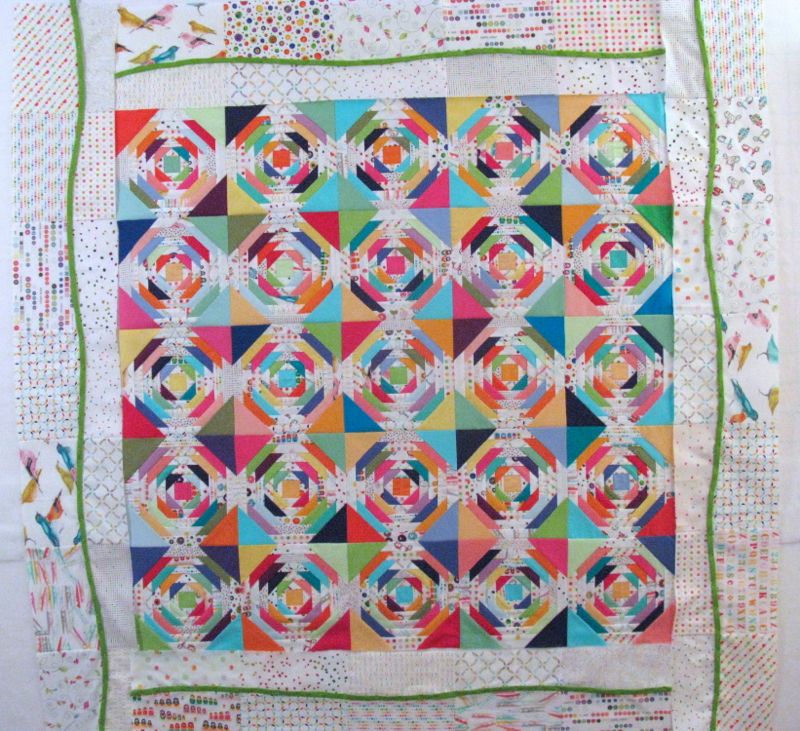
Pineapple Quilt Borders: Progress?

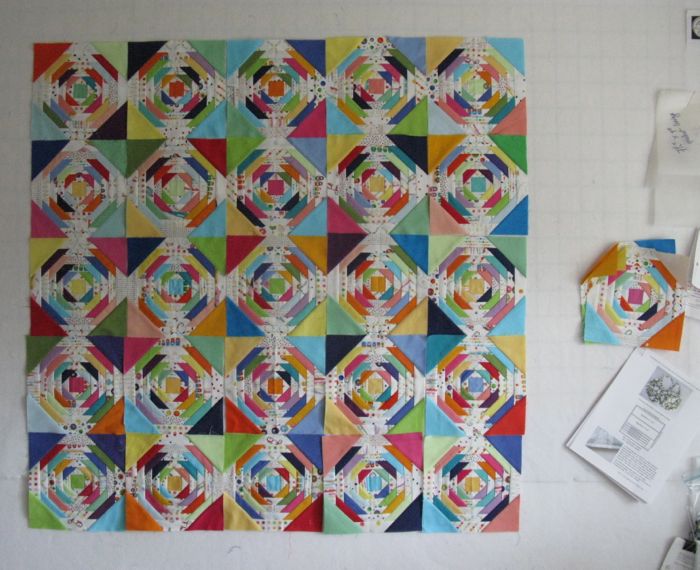
Pineapple Blocks laid out

I laid out all the pineapple blocks on a grey, cloudy, rainy day, but their brightness and color made them fun to work with (Yucky photographs, though.)  I thought about all my bee mates and was sending out Good Karma over the universe, thanking them for their work.

Pineapple Quilt Borders

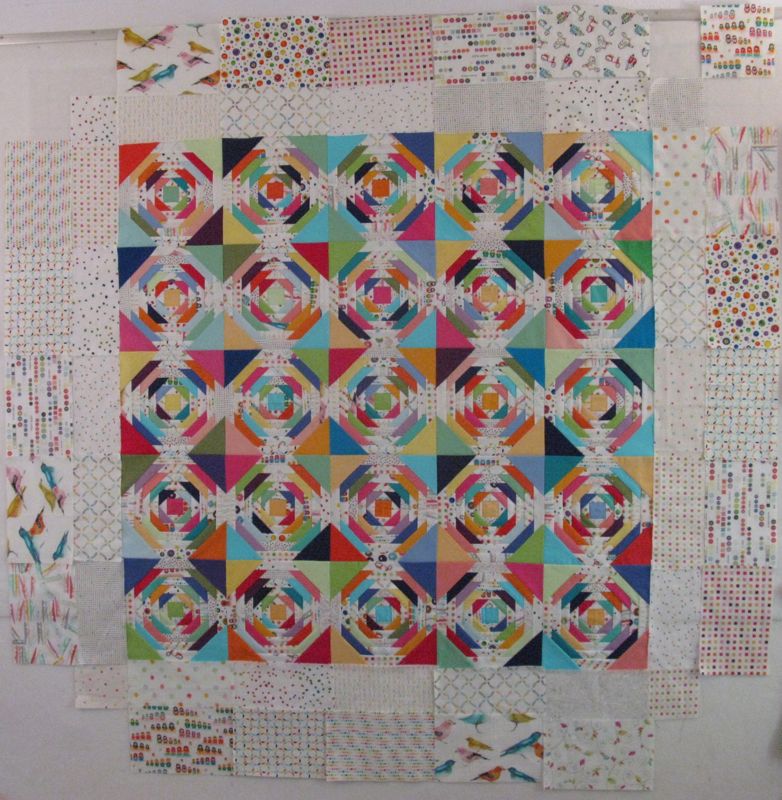
But how to get a border on this thing?

Come A-Round, full SM

I remembered my other quilt with a bold colorful center, Come A-Round, and decided to mimic that idea.  This quilt, designed by the Piece O-Cake ladies, is one of my favorites.  I remembered that they have terrific border ideas, so after a Google search, found Daisies and Dots, a free pattern, which also had a great idea for a border.

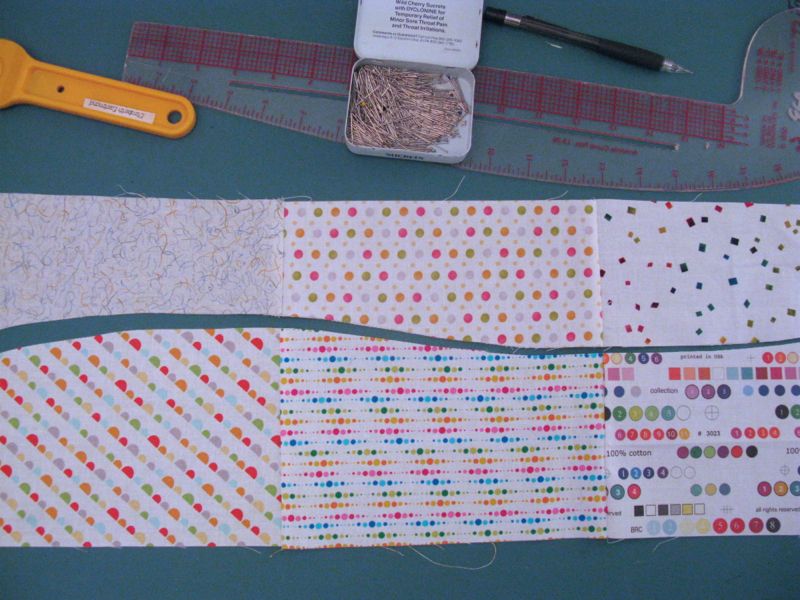
Cutting Wave Border

I sewed the border pieces together in two sections, then overlaid them and cut a wavy line with my rotary cutter, freehand.  I tried to make sure the seams were kind of matched up.

Wave Border

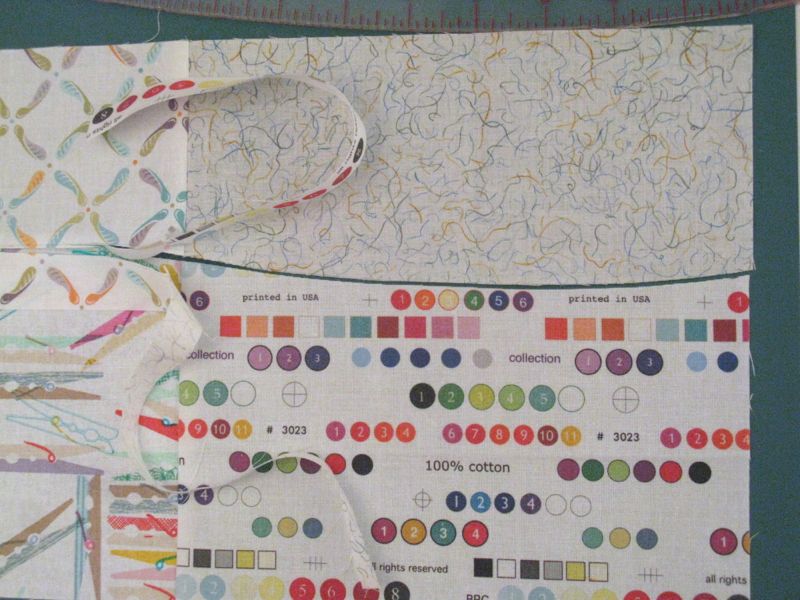
I put RST and matched up those seams and sewed a 1/4″ seam.

Bias Vine on Wavy Quilt Border

I made gallons of 3/8″ bright green bias tubing and pinned it over the seams.

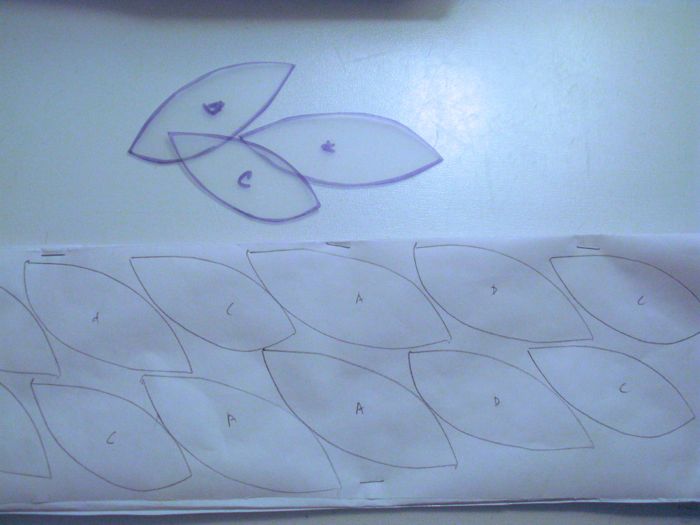
Leaf shapes on Freezer Paper

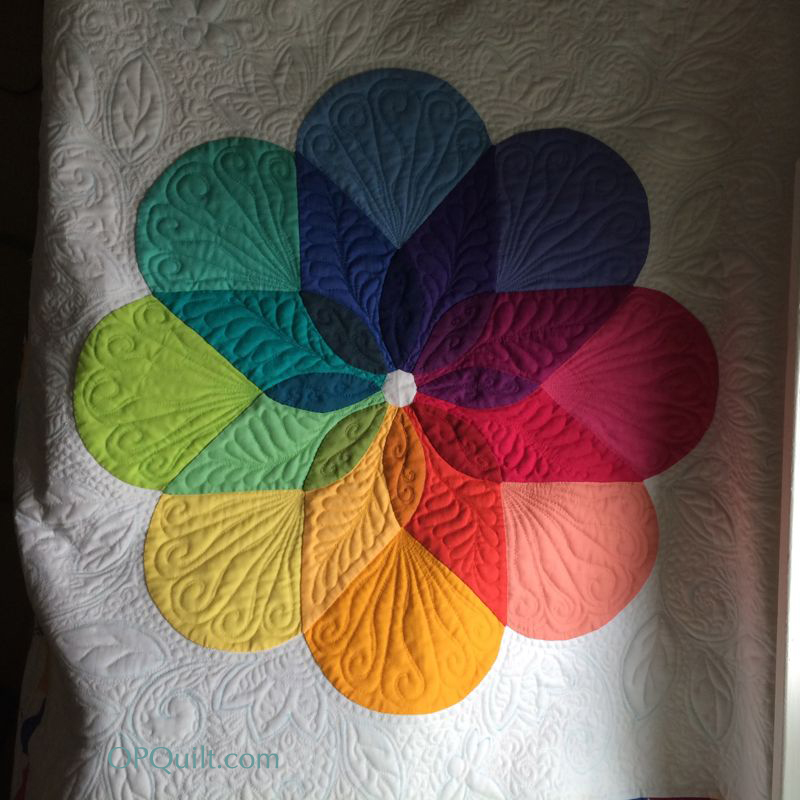
Now to cut the leaves.  I thought the free pattern looked a little small for what I wanted.  Besides I already had a baggie full of reject leaves from the center of my Colorwheel Blossom quilt, so I started with that leaf, and morphed it down to make five shapes. (I don’t throw away appliqué shapes.  Well, hardly ever!)  I traced that shape onto plastic, cut out and traced the shapes onto freezer paper, doing it in batches.

Laying out leaves2

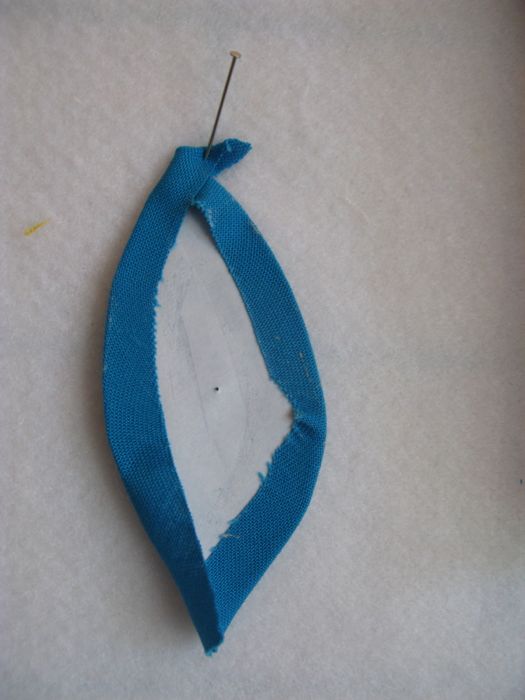
Applique leaf freezer paper


Then I cut out many colors, using the templates for tracing, and am now ironing the leaves to the freezer paper (shiny side up).


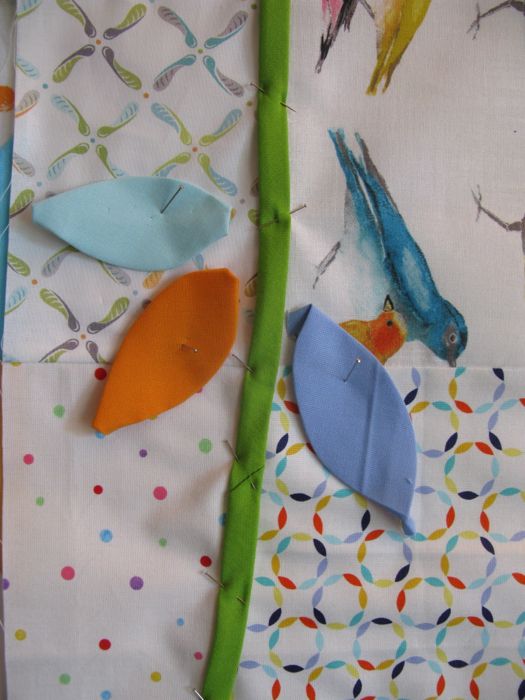
Laying out Leaves in Quilt BorderAnd here’s where I am this morning.  I had to actually do school work all day yesterday, so didn’t get time to work on this.  I am just throwing them up there now for “cluster placement,” and plan to do some fine tuning of color, shape and arrangement later.

Simone Wins

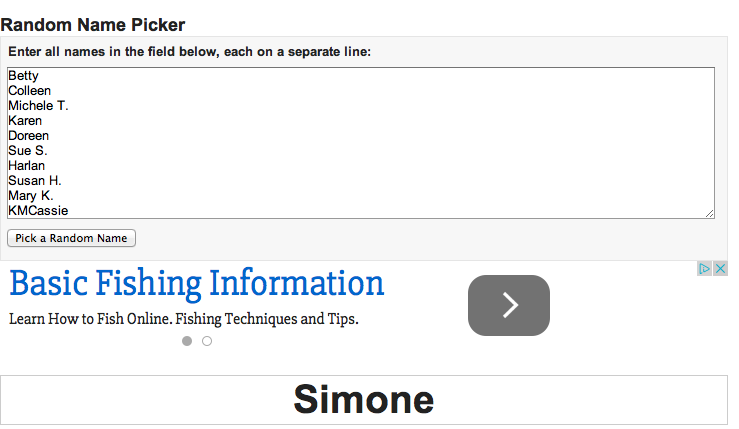
So as you all well know, the Random Number Generator hates me and I hate it.  So I went to a different website and entered in all your names, and hit “Pick a Random Name.”  Which it did.  Simone, I’ll be in touch–you are the winner!  And thank you all for entering and all your lovely comments.  I’m working my way through my email notes and will get them off to you this weekend, after school orientation, syllabus writing and plotting my Course Calendar.  I feel like this quilting community is my real joy and delight in life, in terms of an occupation.  The other one is to get quilt fabric money.

Just kidding.  I love to teach, and this gearing up at the beginning of the semester is a pretty normal thing for us all to be doing.  Hats off to my other teacher-readers out there!


Quilts

False Dawn (and a Giveaway!)

False Dawn_front

False Dawn
Pieced and Quilted by Elizabeth Eastmond
#138 of 200 Quilts
41 1/2″ high by 36″ wide

Made for the Modern Quilt Guild Cotton Couture Classics Challenge

Cotton Couture Solids QC
MMillers fabrics

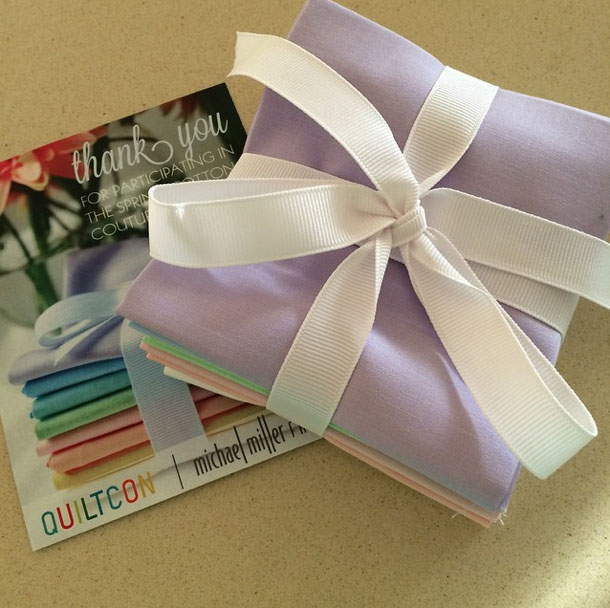
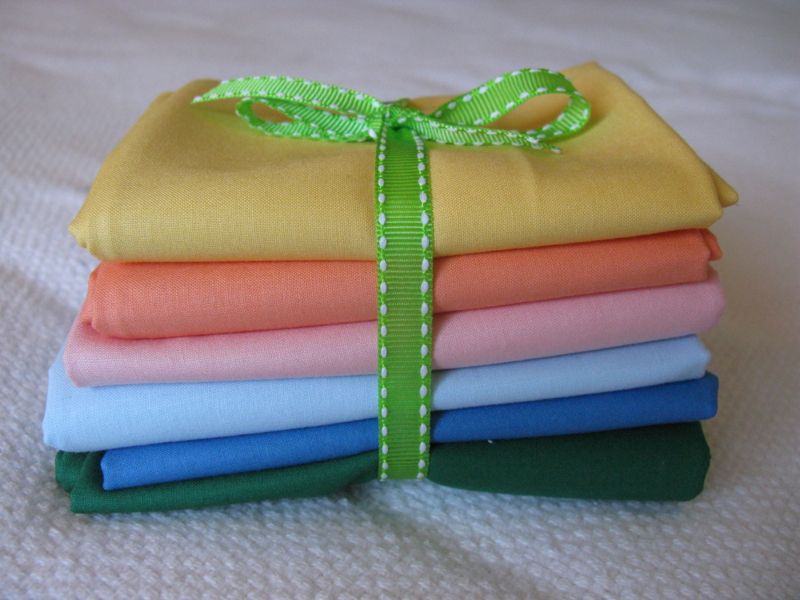
Michael Miller, a manufacturer of fabrics, sent members of the Modern Quilt Guild a packet of fat eighths in pastels, for their challenge this year, and to try their line of solid fabrics.  I know that pastels only makes a dull quilt, with no contrasts, so I reciprocated MMiller’s kind gesture by buying some darker colors in their fabric line.  I had one design all laid out, but then re-read the contest rules and it said it had to be predominantly made from the packet they’d sent.  I decided to obey, but in scanning the IG feed of those quilters who had submitted in this category, I noticed most ignored this rule.  Maybe I should have too?

Beginning False Dawn

This is how it started.  This line of solids is lightweight and would be perfect for making French-sewn dresses, or smocked clothing for children. The weight is more like a batiste than a broadcloth, but it is strong and has a lovely finish and hand.  Since I’m used to working with Kona Cottons, a more mid-weight line of solids, I had some challenges working with the Cotton Couture line.  I found that even though I pressed it and starched it, it was still more prone to wrinkling.  The quilt, however, weighs next to nothing when finished, so it would be a perfect line for a lighter quilt, or those in hot climates.

False Dawn_quilting detail

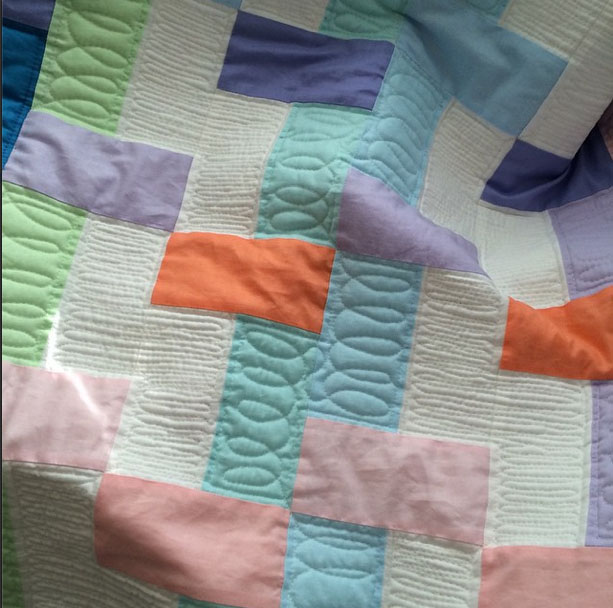
Because of its lighter weight, it quilts up easily so I had fun layering on thread in narrow zig-zags and loopy-loos.

False Dawn_back

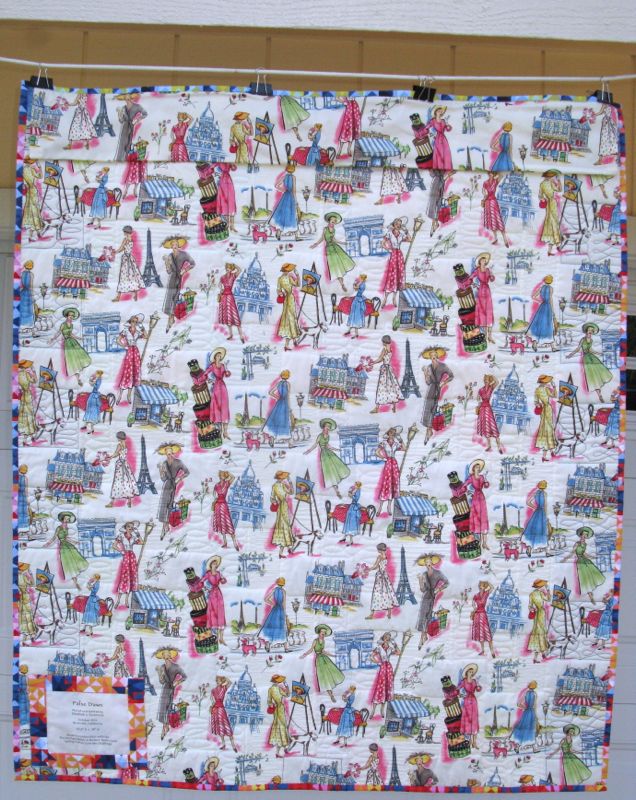
We also had to use Michael Miller fabrics for the back, and I had enough yardage of this Parisian print, choosing a jewel-like print for the binding.  I named it False Dawn, hoping to bring to mind that luminous light before the sun rises.

False Dawn_labelWhile I did enter it into QuiltCon’s Challenge, it was not accepted.  Even though I have no way of knowing what the criteria were, other than “predominant use of the Cotton Couture Pastels” and all Michael Miller fabrics, I’m not that put out.  I followed the only rules available to me, I finished a quilt made with gifted fabric (and purchased some more) so I figure I fulfilled my part of the bargain.

Giveaway Banner

MMiller Solids GiveawaySince it’s my birthday this week, and I think that’s a terrific time for gifts and presents, would you like some of these fabrics?  I know that many quilters love this line, and like I said before, it has a lovely smooth hand.  If you would like my leftovers (about 2 yards in a variety of colors), please leave me a comment below, making sure I have your email address.  Since we are all recovering from Christmas, I must limit it to domestic (USA) readers this time around.  Maybe your New Year can be welcomed in with a new project?  This will close Wednesday night, the 7th of January.  I’ll announce the winner in the next post.

EPP · Shine: The Circles Quilt

SHINE Circles Block 7, EPP Sew-A-Long

Circles EPP Button
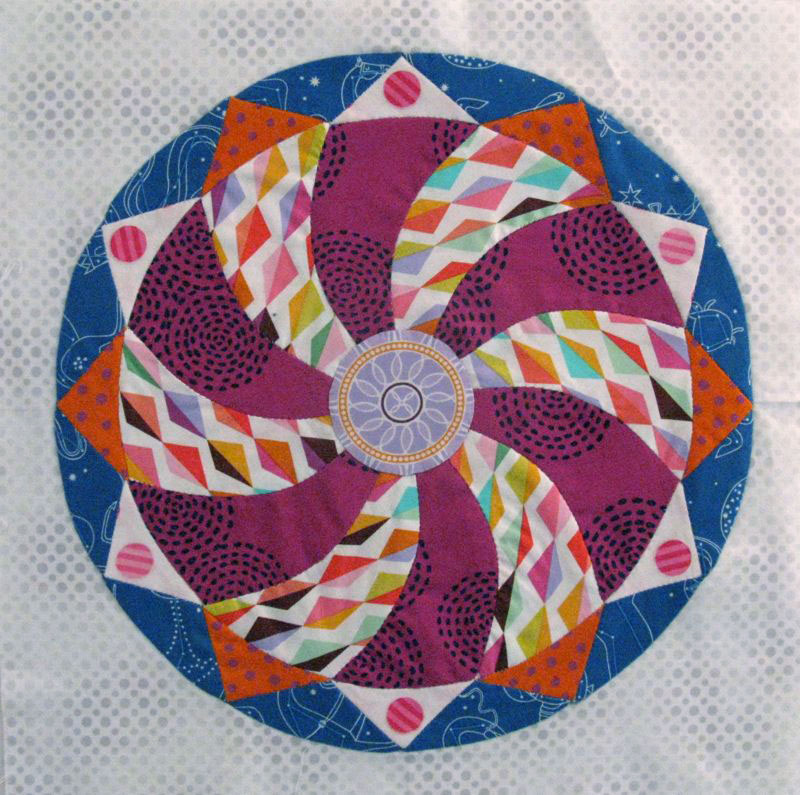
Circles Block 7

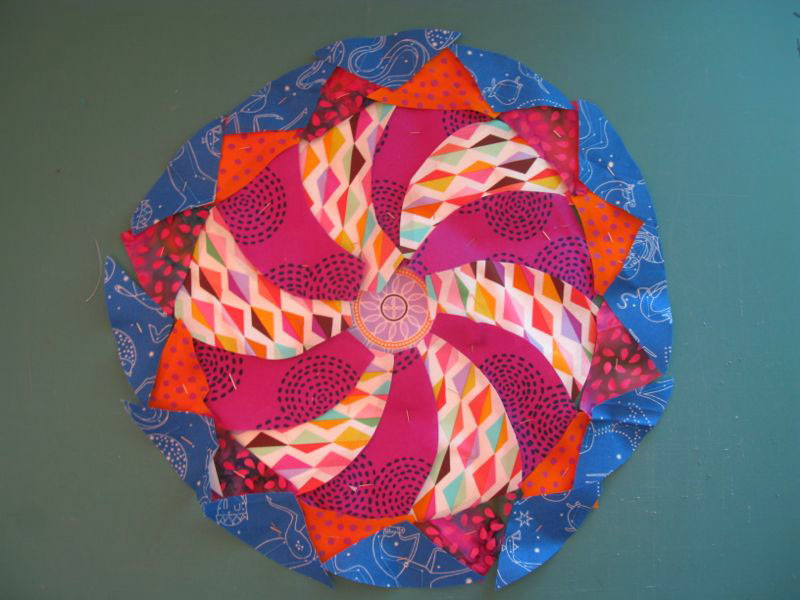
It’s a new year, and with our new circles block #7, we’ve turned the corner and are more than halfway done.  Yes, this does look remarkably similar to Block #1, because it is–only I’ve blocked in the spaces between the points for a different look.  The complete collection of Circles Blocks, all done with English Paper Piecing (EPP), is found on the tab above titled Shine: The Circles Quilt EPP.

As always, the updated patterns are free, downloadable PDF files. And as always, please do attribute the source of this to Elizabeth at OccasionalPiece-Quilt  (or OPQuilt.com) and do not print off copies for your mother or your friends.  Please direct them here to get their free copies.  Many thanks.  

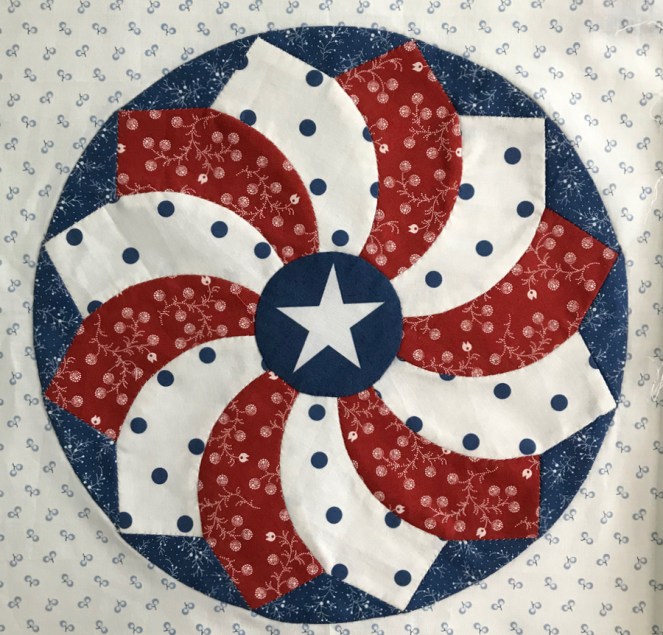
The free patterns are now returning (Red, White & Blue version is above).  Again, I request that you not distribute them, but send people here to this website to get them.  Click to download a PDF file:

Please remember to set your printer settings to 100% and check the little scale square included on the pattern.  It should measure 1″ in size. Illustrations below are with the OLD version of the pattern, so it may vary from what’s included now.

EPP7_cutting
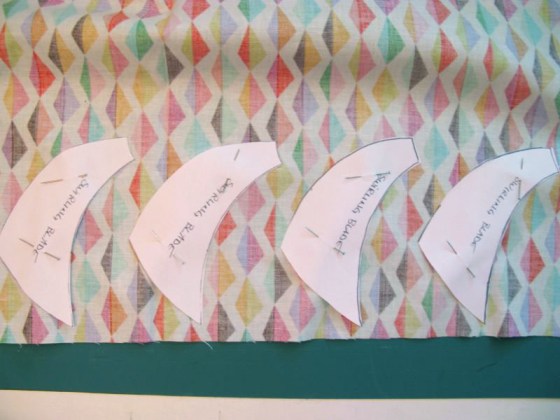
EPP7_swirling blades word UP2
EPP7_swirling blades words UP
EPP7_sample layout
Circles Block Seven_layout options
Circles 7_assembly1
Circles 7_assembly2
ladder-stitch
Circles 7_background

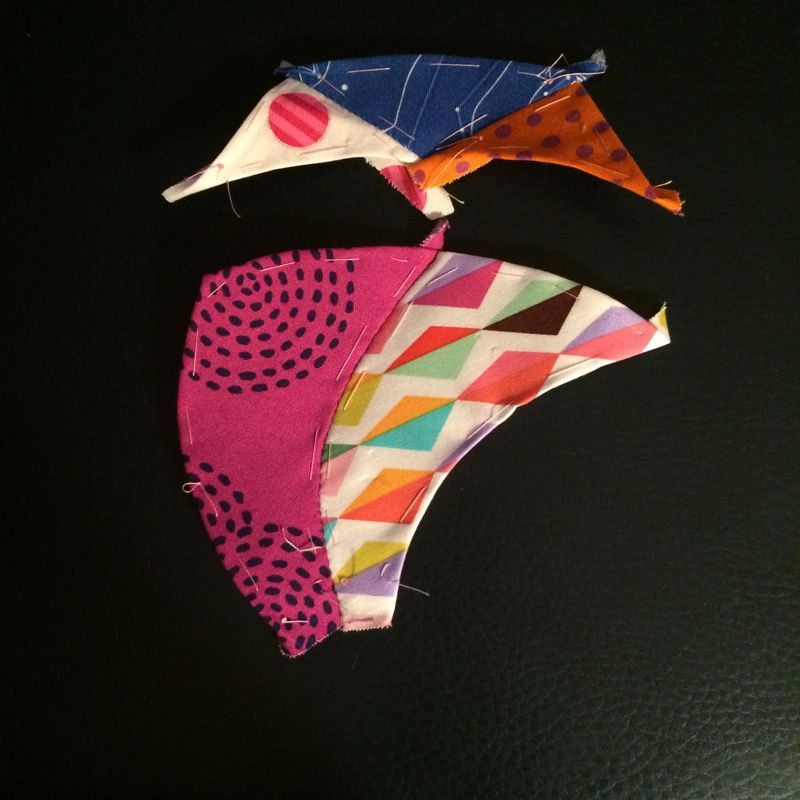
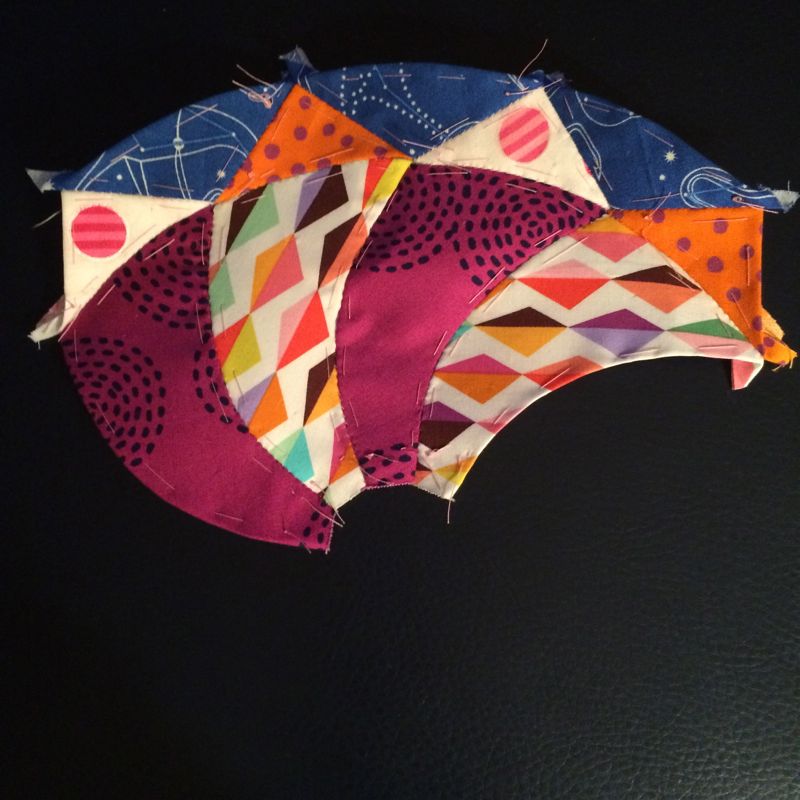
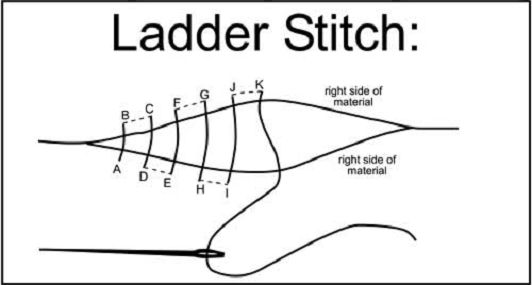
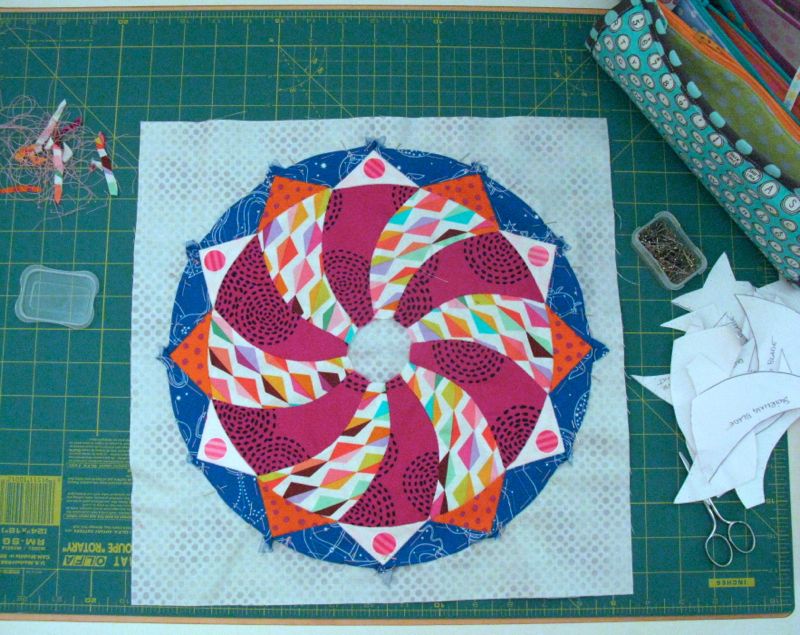
Playing with the patterns in the fabrics can be interesting.  In the above, I liked the bigger, bolder, polka-dots so I clustered my points through that section. I also decided I wanted to repeat the high contrast swirling blades, so chose fabrics that brought out that aspect.  To get the blades to swirl the opposite direction of Circles Block #1, place the pattern with the words visible, or facing up, as shown above. I’d originally thought a fabric that coordinated with the magenta-y purple blades and the orange points would be interesting.  Here I’m trying it in the cut-fabric stage, before I’d basted it onto the papers.  It looked all right, so I proceeded. But something just didn’t look right once I had the pieces basted.  So then I cut out and basted the points with the pink dots.  I fussy cut those to get the dots in the center.  As always, I tried out my block in multiple ways, and decided on what I wanted.  Most often I do this at the cutting stage, before I have basted them down, because, wow, it’s too much work to baste and then not use the pieces.  But this block didn’t reveal itself until this stage, like a sulky teenager or something. I start by joining small pieces together. Then those small pieces get joined to become larger sections, and so on (and sew on?). I read on Instagram last week a discussion of how much the stitches show.  However, please don’t re-do any of your stitching until you remove the papers, as one commenter noted.  With all the papers in, the stitches have a “tension” on them and tend to show more.  I thought that was great advice.  Of course, because we are moving between strong colors, you can’t always get a thread that will match both sides of your seam.  I’ve heard people sewing with Bottom Line, a very fine thread from Superior Threads, almost silk-like, and that would certainly that would help.  Another commenter said she used a “ladder stitch,” taking a small “bite” of fabric on one side and running her needle through the fold, then the other side, alternating.  At the end she would pull her thread tighter and the stitches nestle in.  Here’s one illustration of that: And here’s a video, sort of showing the same thing.  I use an overcast stitch, taking tiny bites of fabric, and just don’t worry about it all.  You can see close-ups of my stitches in other Circles blocks posts. Cut a 14 1/2″ large square of your background fabric, fold it into fourths and press in the folds so they’ll serve as guidelines for centering your circle.  Remove all but papers except the ones in the outer blue wedge-shaped pieces. I also trim off any wild or excessive seam allowances at this time, too, so as to remove bulk.

Circles 7_Cutting away backing
First Six BlocksSM
Circles Block 7
4-in-art_3

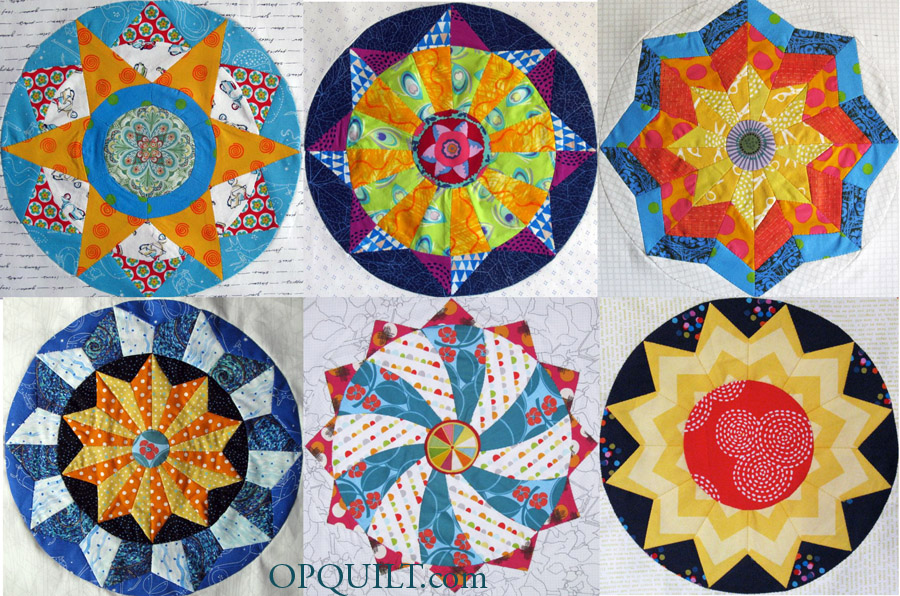
Pin down your circle, using small appliqué pins (so you won’t get stuck so much), and then stitch your circle onto the background, removing the papers, tucking under the points as you go.   Turn it over and cut away the background fabric 1/4″ away from your appliqué stitching.  Then stitch on your center circle, again using an appliqué stitch.  I’ve done the EPP method on this part, and believe me, it’s easier just to appliqué it down.  Like always, I auditioned several different centers (I’m getting quite a collection) but decided to go with this one.  Not every center is a home run.  The idea is to get them to play together, like the six shown below: Now there is one more!  While I give tips and trick about the stitches in this post, every circles post talks about something a little different, while going over similar ground.  Please refer to the other circle posts for more specifics, with all of them found on the tab above.  Circles Block #1 mentions the basic method of English Paper Piecing.  Circles Block #2 talks about fussy cutting your fabrics to yield a certain design, as well as joining the background via EPP, rather than appliqué.  Circles Block #3 shows a cheater method for sewing together your fabrics on your machine before cutting them out, then proceeding with EPP.  And so on.  Have fun and we’ll see you the first part of February. It won’t be on the first day, because that’s the day for our reveal for the Four-in-Art Art Quilts, but shortly after that.  Have fun sewing!