Books · Giveaway

Book Reviews & Giveaway

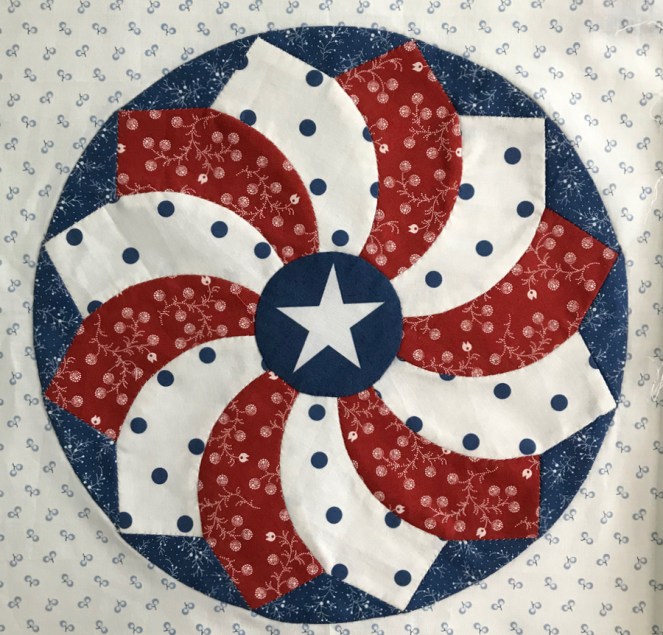
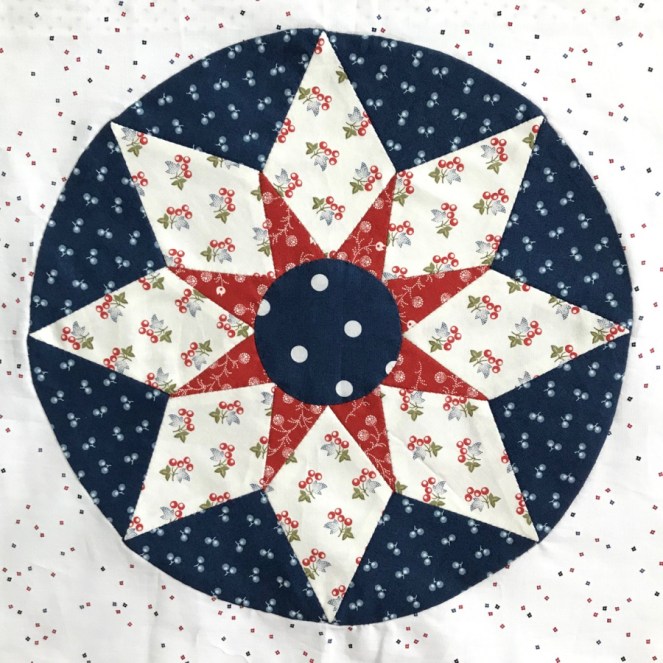
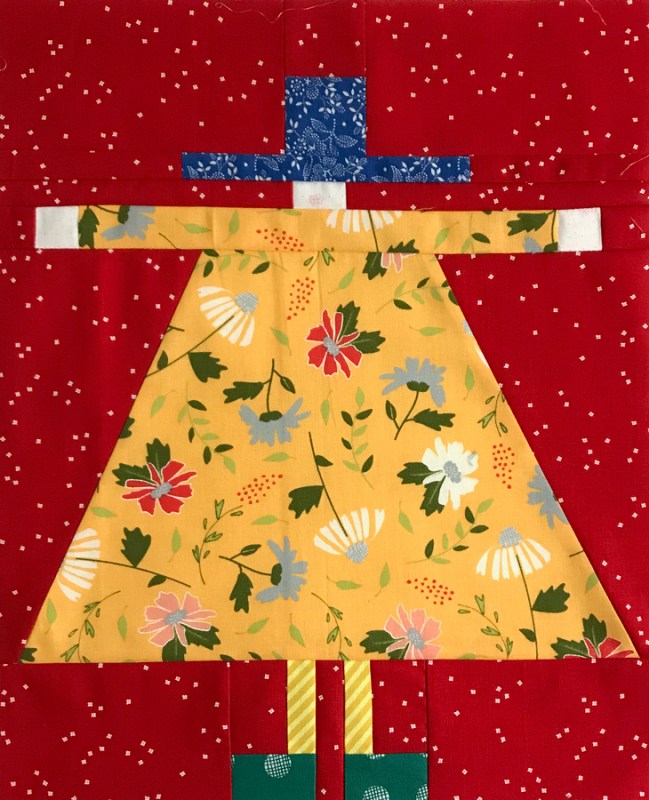
The linking went like this: teaching at Surfside Guild –> looking at their website to get to know them –> finding their Block of the Month page –> jumping up and down because now I could make a Freddy Moran quilter lady block –> to making one –> hunting down a couple of Freddy Moran books (one in the bookcase in the family room, and the other one online).

This has a lot of Freddy’s style in it, from bright intense color to more bright intense color and how to play in that paintbox. I really enjoyed it.
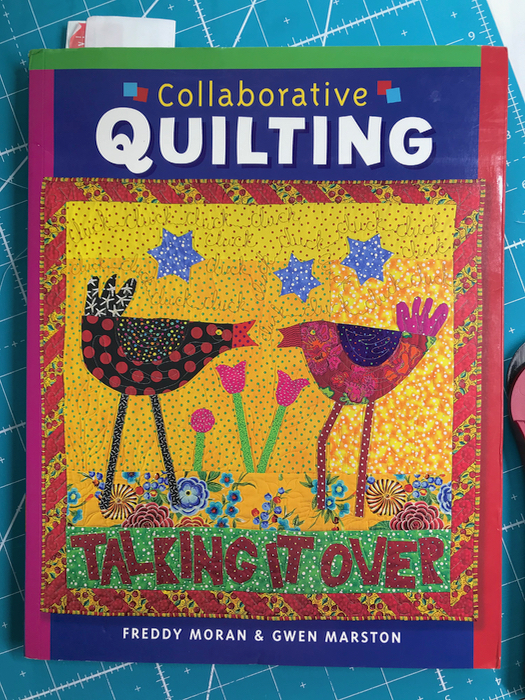
I’m not finished reading this, but right off the bat, I have to tell you it’s like getting two books for the price of one, because it has both Freddy Moran’s and Gwen Marston’s philosophies, which make you wish you’d could have been a part of the conversation they are having in this collaboration book. I had to hunt for this online, but am so glad I did.
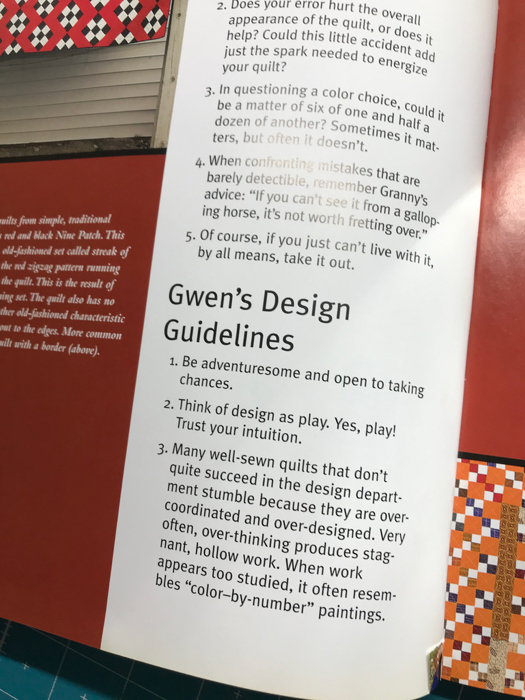
Seeing these guidelines was worth the price of the book. It answered for me that question I always had when I see a perfectly produced and designed quilt in a quilt show, but for some reason I just walk on to the one that is less perfect, but way more interesting (see #3, above).

I used to have this book, but I lent it out somewhere. I watched her lecture at QuiltConTogether and once again recognized what a genius she was in her designs and vision for our humble walking foot. So I bought another one.
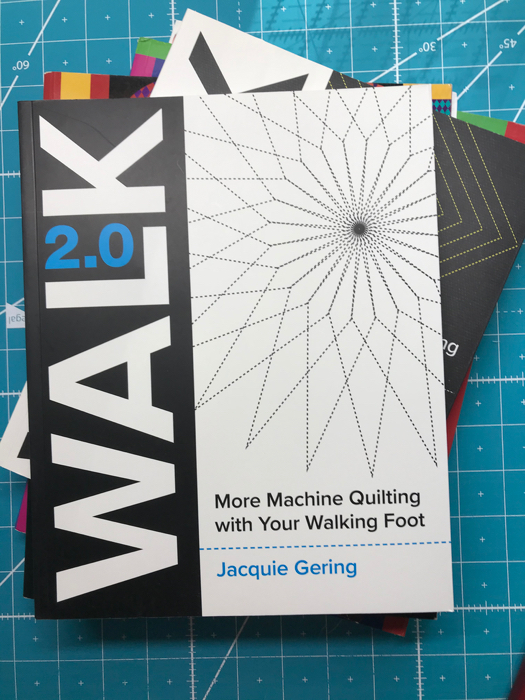
And I purchased this one, which I hadn’t had before. The review on both of these books: a good idea to have in your bookcase. I have probably purchased way too many books over the years, but I tend to like books that can spark new ideas for me, or give me a new technique or vision on using tools or fabrics that I already have. So yes-absolutely to the collaborative Gwen/Freddy book. And yes-absolutely to both to Jacquie Gering’s books.

I like my books unsigned (it’s a Creative Writing thing–you don’t want to know) but one of my books arrived signed. I contacted Jacquie and she immediately sent out a new one, and said I could do a giveaway on this signed book. So….if you don’t mind having an “Elizabeth” in the front of your book, and you’d really like to have a Walk book (her first one), I’ll use the Random Husband Number Generator to choose someone.
Leave a comment telling me what your favorite part of Spring is: the flowers? the rain? the weather warming up? the promise of summer? the mud? the shifting to daylight savings time? (If you say this, I won’t pick you because I hate Daylight Savings Time: you’ve been warned.) Easter candy? Eating chocolate bunny ears? Easter? Easter dresses? (I think I’m in a rut here.) Mother’s Day? Your birthday?

[For those who need a definition: Spring begins sometime after Valentine’s Day, and ends when the hot days of summer blow in and school gets out.]

Okay, that’s enough blathering–time to go. Or, as Jacquie says, “Walk on!”

Leave a comment!

UPDATE: Comments closed now. The next post will update you on the giveaway.
Covid-19 Times · Quilt Finish

Memorium: Speech Acts for a Dying World

Speech Acts for a Dying World
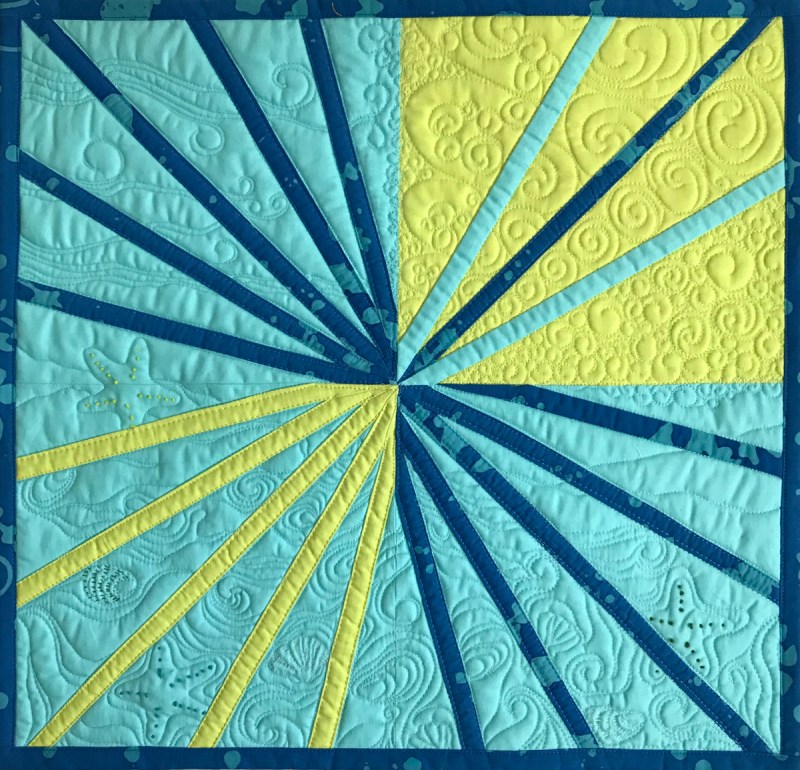
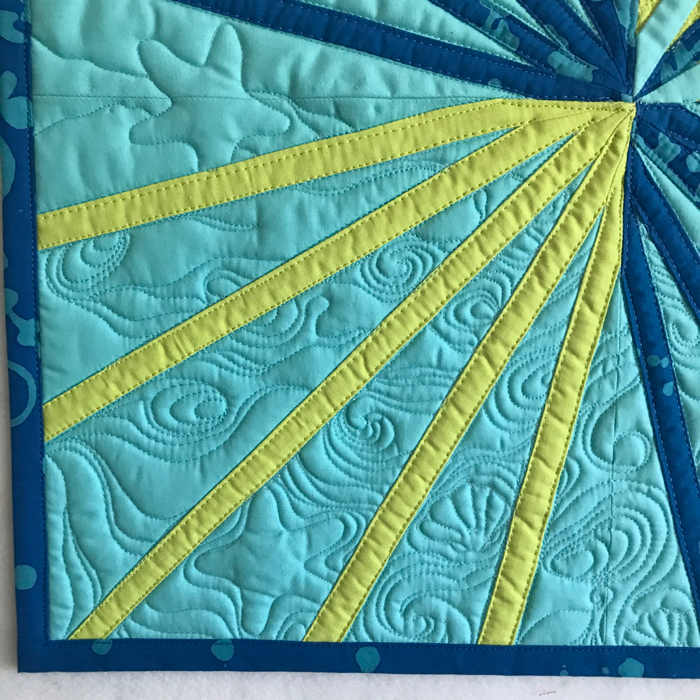
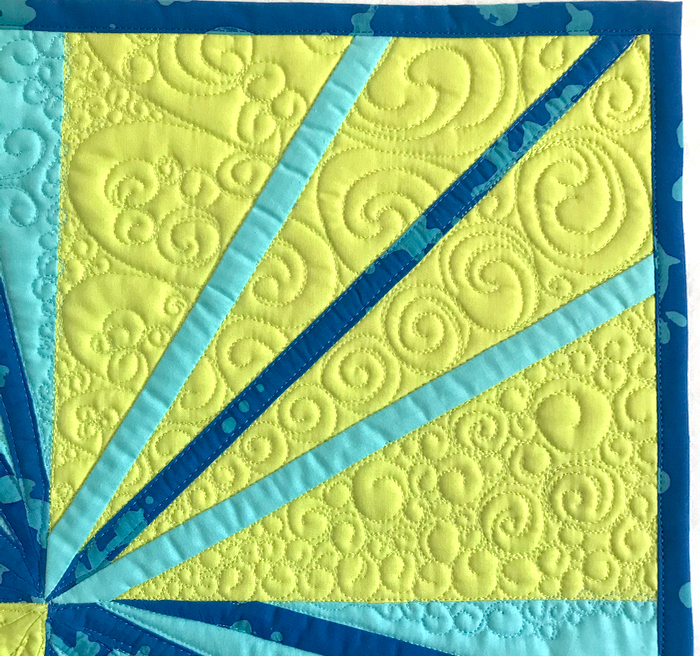
19″ high by 20″ wide

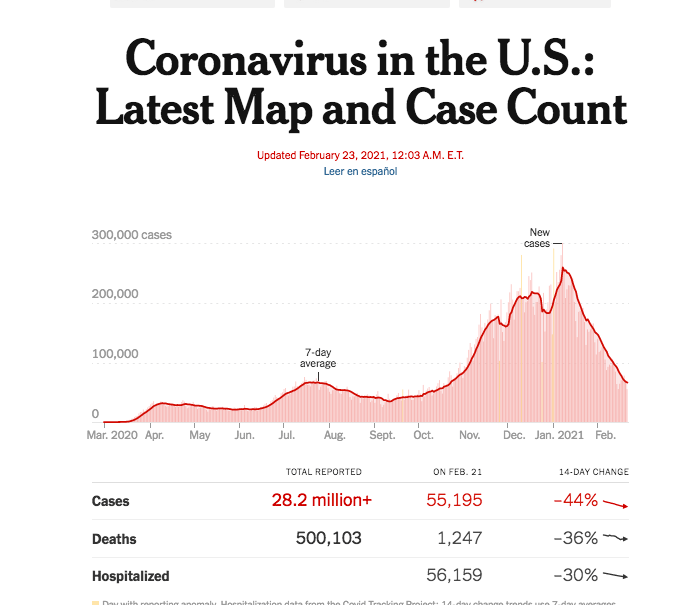
I thought a long time about whether to alter this quilt’s perfect original symmetry of twenty inches square. The design, by Yvonne Fuchs, called out for such a premise: neat, ordered, tidy, structurally sound. Even-keeled, if you will. But with the advent of 500,000 dead Americans from the covid-19 pandemic, our world was none of the above. We were not even-keeled, neat, ordered, or even structurally sound, given the riots in the Capitol in January over the continuing big lie of the election. I feel this keenly.

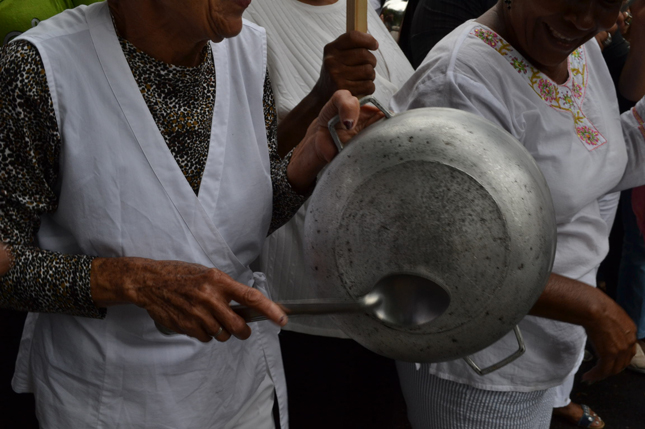
When our guild proposed a challenge, calling it Sounds and Voices, I was all ready with a design in my head of a vision of people beating pots and pans in solidarity with the essential workers in New York City, a rite that has its origins in the protests in Chile years ago: women in the streets beating pots and pans, protesting in what was known as a cacerolazo. These sounds and voices of a cacerolazo have spread to Spain, to Mexico, to many other cities around the world, but coming home to America as show of strength for those in the early days of this pandemic. Knowing now the roots of this sound, I wonder if it wasn’t also in protest: protest against our inability to take our American-made gumption and beat this thing soundly. But the virus is boss, no matter what we think, no matter how many pots we bang.

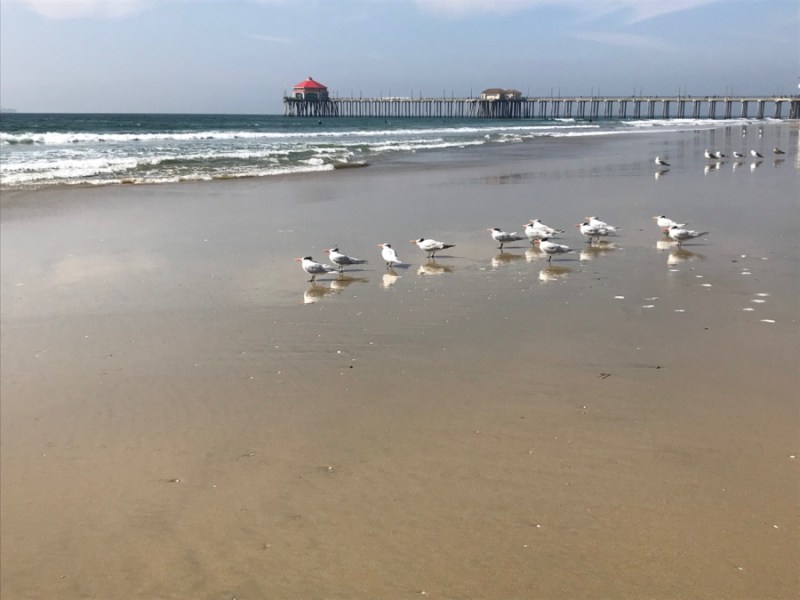
After too many weeks inside and of not traveling more than five miles from our home, I got up from the computer where I’d just seen the image above, and said, “We have to go to the beach. Today.” My husband and I had tossed the idea back and forth many times, but all of a sudden we just had to go.

We took some photos of a grandson’s quilt, had a burger at a local shop and even grabbed a few groceries at a new-to-us store: in other words, we refreshed, just for a few hours. Back home, in looking at my ideas for the challenge quilt, they too, had to change.

Less than two weeks after our trip to the beach, this awful number came into the news around me. You all know the statistics: how many more dead than our wars or combined wars, how many families with that proverbial empty seat at the table, how this number will not stop here, but keep going. And now I realized that I would change the quilt’s dimensions and purpose, making it 19″ high (for Covid-19) and 20″ wide, for the year 2020, when our pandemic started.

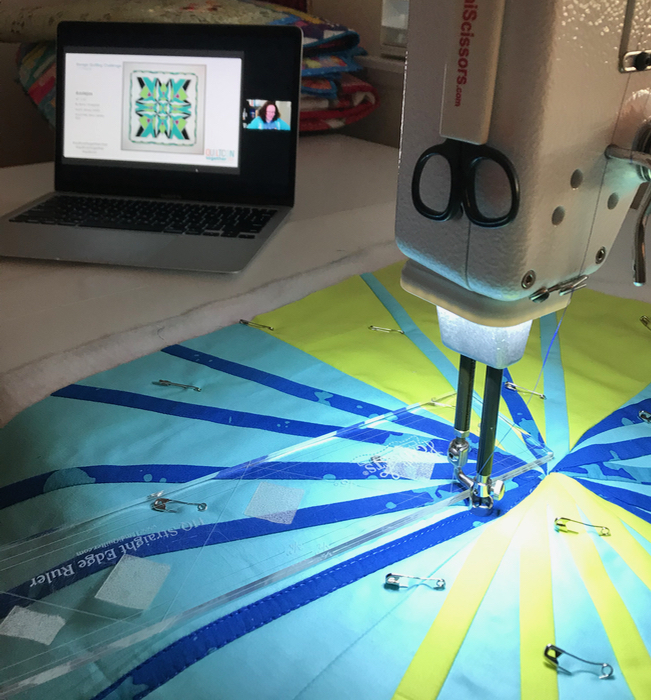
I started quilting while watching QuiltCon lectures.

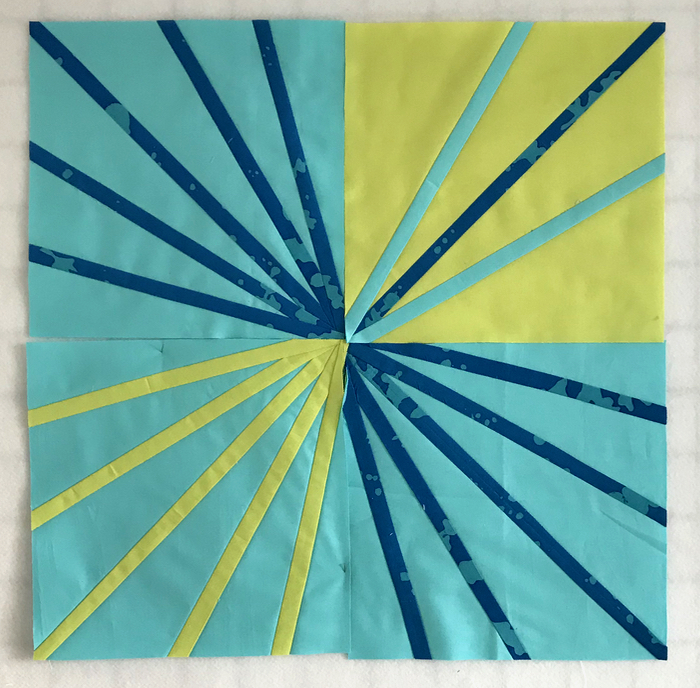
This quadrant is about the noise: sounds, voices, getting larger and more obstructive. It’s the daily statistics, the numbers, the news, the anxious waiting for vaccines.

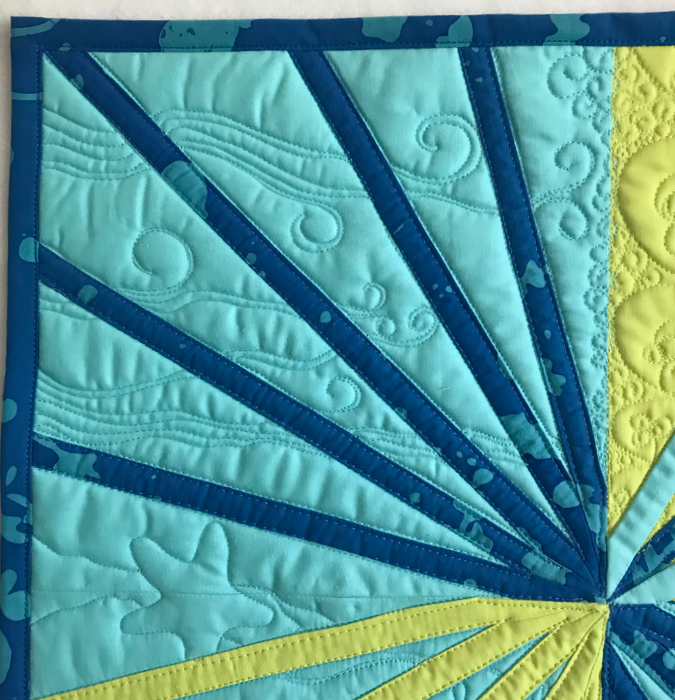
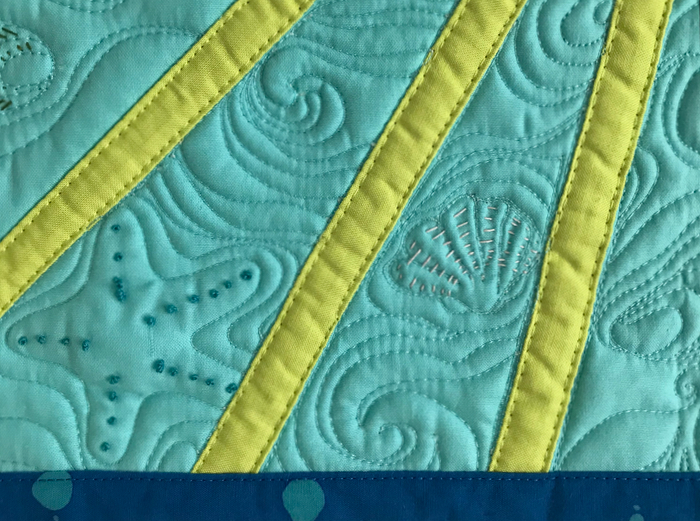
This quadrant has the wind, clearing my mind, corralling the noise and sounds into a restricted space, even though they try to expand. The starfish is on the beach, a transition between the offshore refreshing winds, and the ocean calling out a rhymthic hushing of the clenched ennui in our world.

Beach at the top, descending into the sea, with lots of shells, some of which I brought home with me.

I thought I was done at this point, but I kept thinking about all the references to hand-work and stitching at QuiltCon this year and last. How do I stitch a shell? A starfish? Questions with no answers are my needle and thread.

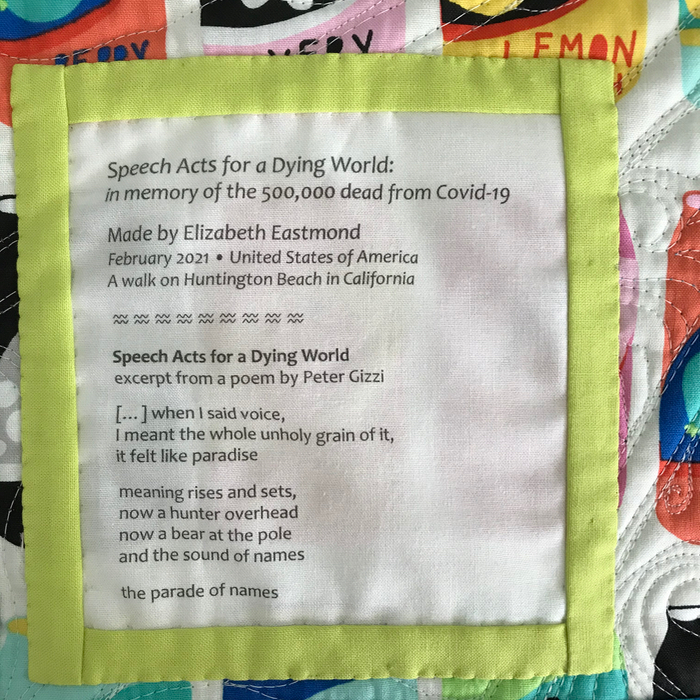
This quilt is in memorium to those who have died, and the title is taken from a poem by Peter Gizzi. I spent a long time with this poem, using all my rusty creative writing/reading skills to tease out the meanings from his words. This section shown is the final set of stanzas. It references voice with its “whole unholy grain” and I took grain to mean the quality of it, the chorusing of voice, but then he cuts to an allusion of paradise, that place where the dead will congregate after death. Grizzi carefully charts the passing of time with his naming the constellations in the sky: a hunter, a bear, all undergirded by the “sound of names,” calling out for the dying, the naming of those who are sick, or gone, or merely absent in a rest home or a hospital.

He ends the poem with the line “the parade of names,” a bell-like tolling, a constant recitation in our obituaries and our news stories, a clear marking of those leaving this world for the next. It’s this era’s verion of John McCrae’s classic poem In Flanders Fields, a short poem about the dialogue between the dead and the living, a reminder of those buried there, keeping watch yet battling onwards, wanting us to

Take up our quarrel with the foe:
To you from failing hands we throw
    The torch; be yours to hold it high.
    If ye break faith with us who die
We shall not sleep.

While their enemy was about territories, and the next war’s was a horrific grinding of ideals and democracies under the hand of one small man, we must catch the torch, and not break the faith, no matter what our foe. Death is death. Those who are gone can never come back, yet are alive in memory and stories, fragments of lives told with the sound of our voices.

Gridsters · This-and-That

Rounding the Corner into Spring: This and That for March 2021

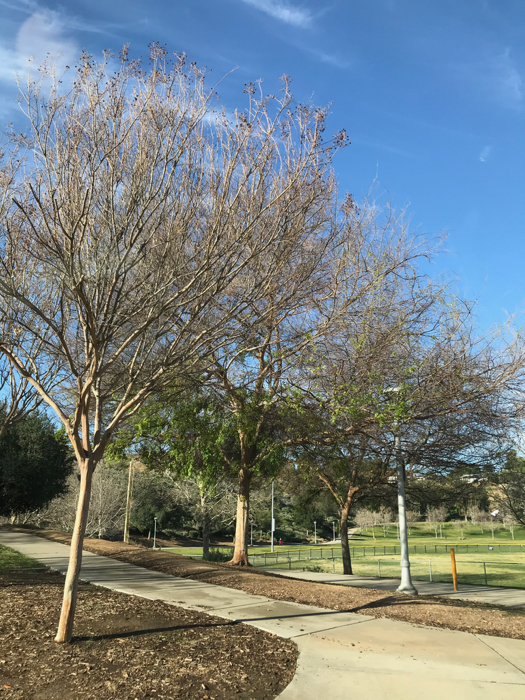
I’m leading with this photo, the green leaves just beginning to bud out on the airy branches at the park where I walk most days. It’s three laps, 2.2 miles, almost 4 km, then a stretch of the legs and I drive back home.

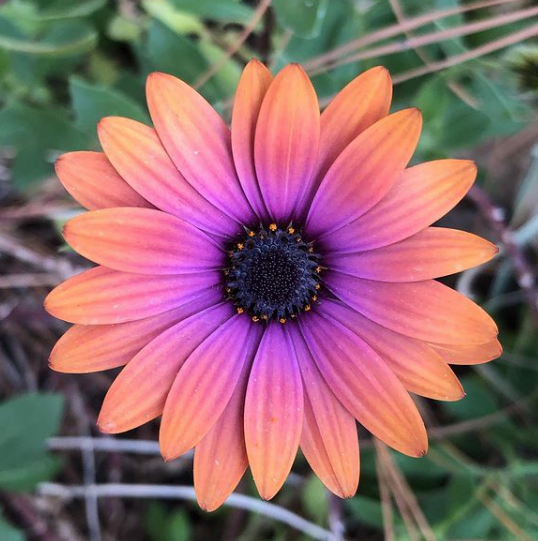
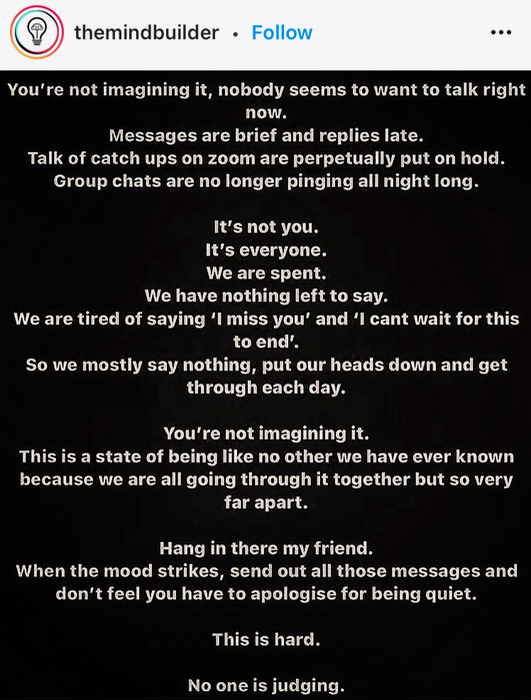
Sometimes I walk around the neighborhood, like my husband, who loves to photograph flowers (above). But this Spring, so many are tired:

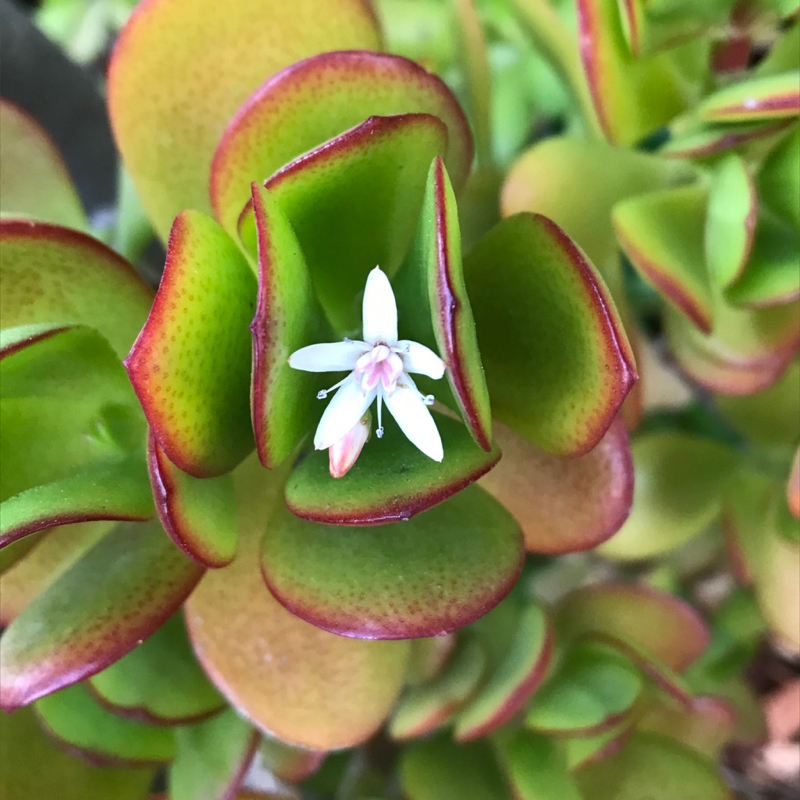
So I am happy to bring you this one, that I found on an walk.

I also saw this sticker on the ground. I didn’t get a sticker. Did you get a sticker?

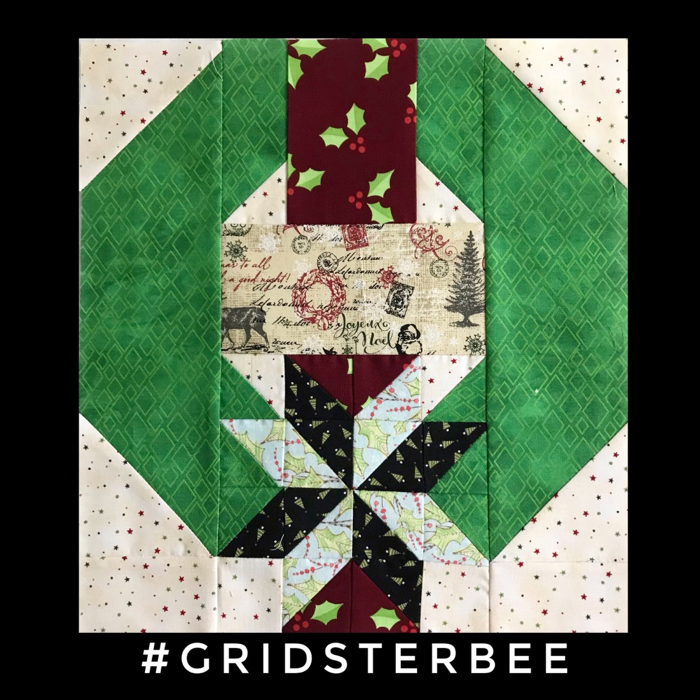
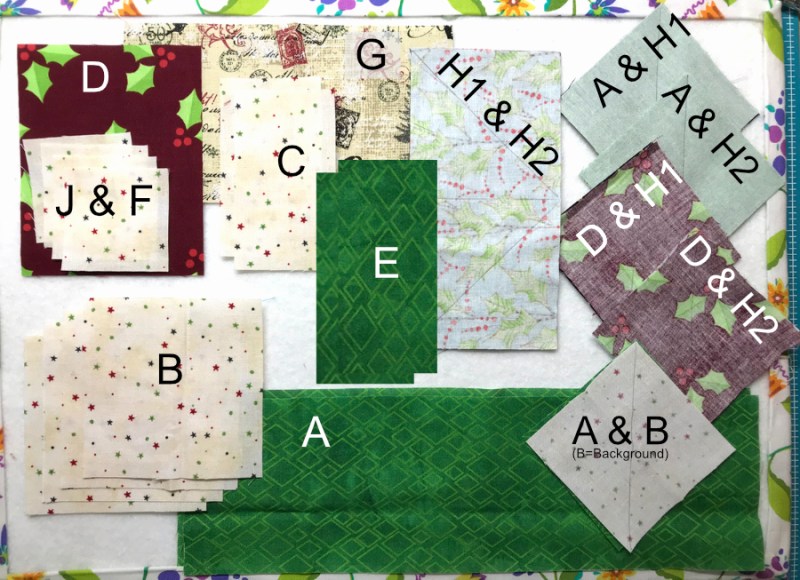
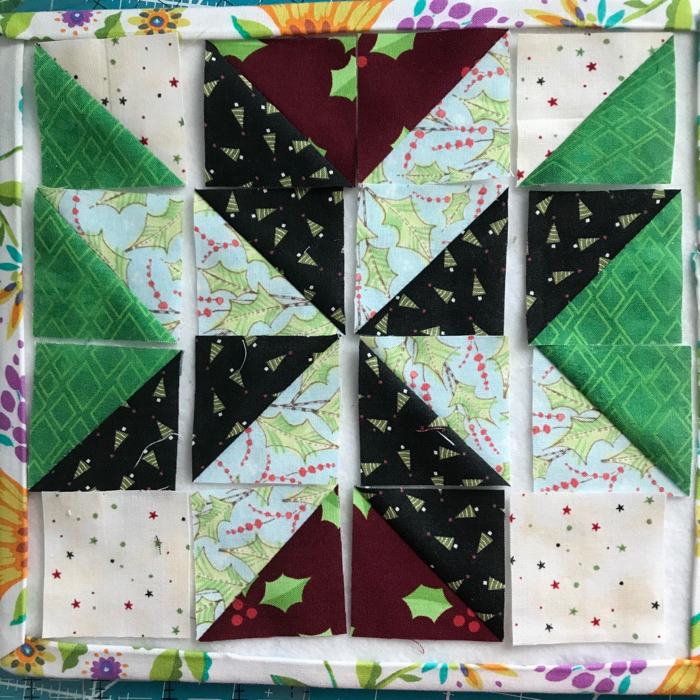
To thoroughly give you seasonal whiplash, this month Marsha had us rummaging around our Christmas stash to make her block. She found the free pattern online from a fabric manufacturer, but I morphed it into a handout for a single block. You can download a free PDF of the directions ifi you want to make a wreath block:

She determined the overall tonality of the fabrics we would use, as she sent us the fabric for the banner across the wreath, the ribbon and the background. Then we could choose what we wanted to for the rest, staying within traditional colors.

I became confused when figuring out what to cut, as there are a lot of moving parts, so I wangled up this schematic to help me keep track.

It really didn’t take that long. I read about one of the quilters in the BeeSewcial group this month who spent twelve hours on her block for their group (it’s stunning–I always love her blocks). In our GridsterBee, we kindly request to keep it under a few hours. I’ve done a block once that took me 12 hours in a bee, and I swore never again.

Three more SHINE blocks have come back home. They are free EPP downloads, if you are interested. Start HERE.

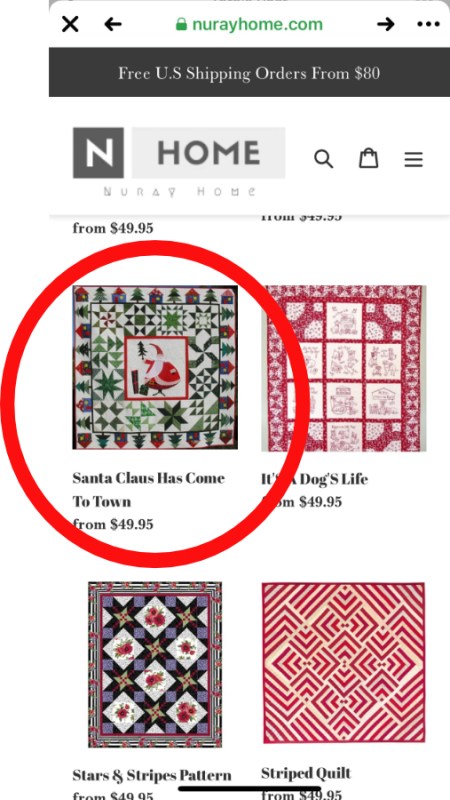
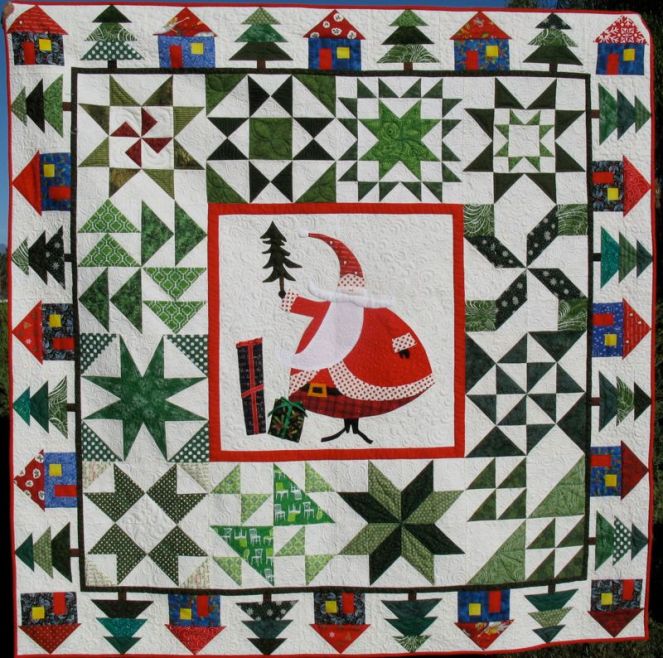
My friend Cindy, of LiveAColorfulLife who found this photo, says “You have arrived. You have been ripped off.” Oh, boy. Here’s the original quilt:

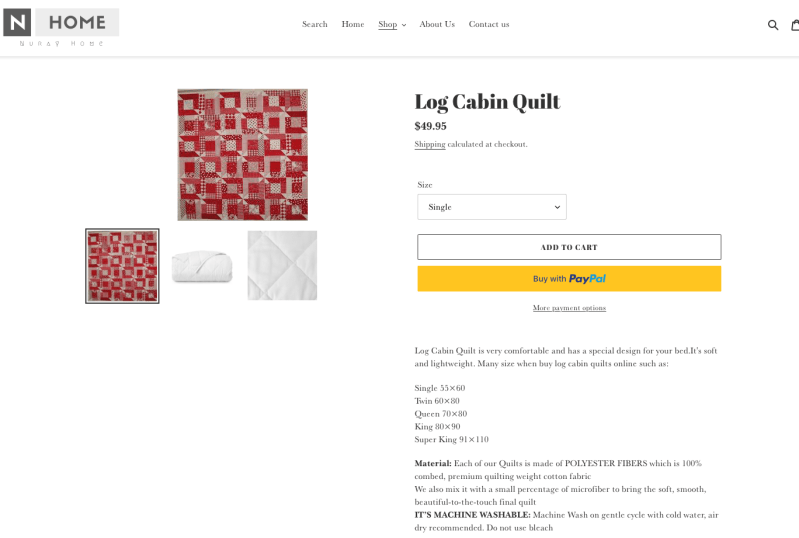
I laughed because it looks like they used this EXACT PICTURE on their website. Not only are they thieving the quilt design, they are thieving the picture, too.

UPDATE: The website actually has two of my quilts. Go and see if any of yours are there, and then write them a letter telling them off, or something. So what do you think? I imagine that they just print the picture on a square of polyester, then quilt it. Interestingly in this second one, they rotated the photo and didn’t make it very large, so it’s a bit hard to see. The original is here.

Almost done clearing out the This and That box. Two things left — hang on for the finish.

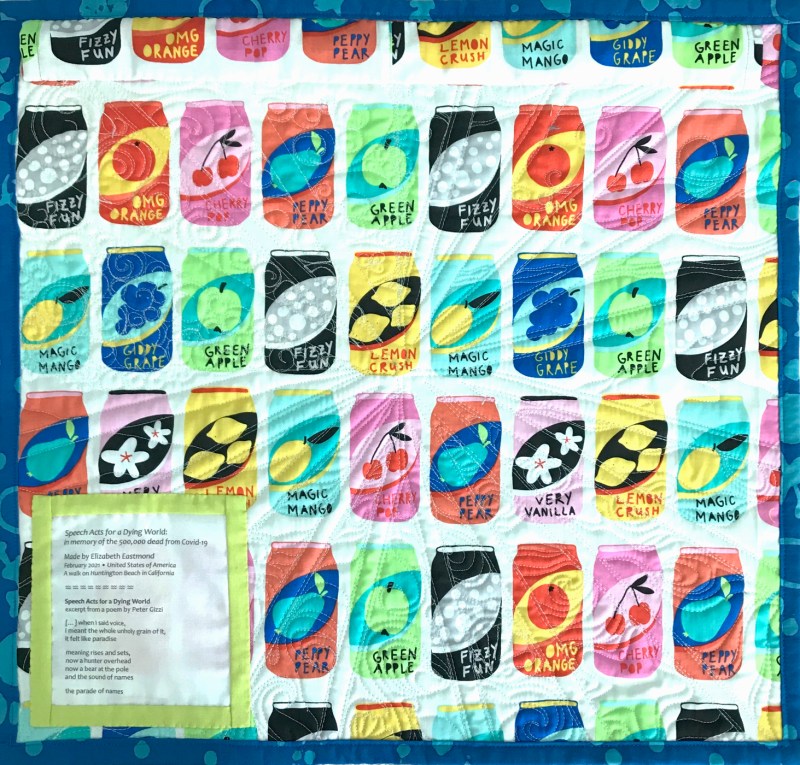
I’ve been asked to keep making the graphics for the Inland Empire Modern Quilt Guild. The top one is the general info graphic about how to follow us and get the news. The lower one is the announcement for our Guild Challenge: Sounds and Voices. My entry is all done and submitted, so I’m looking forward to our meeting on Saturday to see the other entries. Here’s a teaser:

I had gifted one of my other small quilts that had the pop cans on the back, so when I put this one together, I used some more of the pop can fabric. It’s a favorite. I’ll show that in the next post.

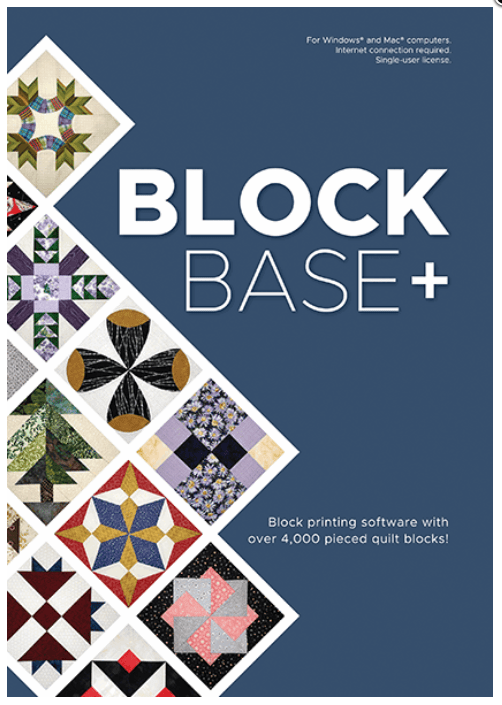
Okay, I promise that this is the last thing. The fine people over at Electric Quilt have been revamping and changing and making a whalloping good piece of software to go along with the Encyclopedia of Pieced Quilt Patterns by Barbara Brackman. I was able to be a beta tester, and will be doing a giveway of the software (both Mac and PC) the week of April 18th, as well as a couple of my observations (and a handout for a pattern) about the software (I love it) and how it can be used. Just wanted to give you a heads up.

And that’s it! Thanks for staying for the This and That Show, and thank you all very much for your comments on my last post. I loved reading about what you think about Craft (both noun and verb), and the assurances that you will keep riding your craft horse into the sunset.

Looking forward to this tomorrow!
And yes, I need to get this quilted.
Also: notice the watermark, bolder than I usually plant on my photos, thanks to the theives, above.
300 Quilts

Wealth of Days • Quilt Top Finish

As a culture we are in danger of falling out of touch, not only with objects, but with the intelligence they embody: the empathy that is bound up in tangible things….A well-made object is informed by thousands of years of accumulated experiment and know-how. Whenever we make or use an everyday tangible thing, or even when we contemplate one seriously, we commune with this pool of human understanding. ~Glenn Adamson, from the book Fewer, Better Things

I’ve been reading Adamson’s book, Fewer, Better Things, and have underlined quite a few different passages. Not everything in the book is a home run, but I love having books on craft, on quality, or on making available around my house, for just a few lines here and there can re-center my quilting universe. Like this one:

“William Morris, the great craft reformer of the late nineteenth century, was one of the earliest writers to espouse environmentalism, over a century ago. ‘Surely there is no square mile of earth’s inhabitable surface that is not beautiful in its own way,’ he wrote, ‘if we men will only abstain from willfully destroying that beauty.’ He also famously asked his contemporaries to “have nothing in your house that you do not know to be useful, or believe to be beautiful.” This sentiment still rings true today, particularly if we add the idea that objects should be meaningful. Let’s not think of things as ends in themselves, props to put on the mantelpiece. Rather, let’s consider them as points of contact between people.”

Last week I was in the overwhelmingness of QuiltCon, a series of “mores.” More color. More shapes. More wokeness (this got to be a little bit much, frankly). More quilts. More ideas. More fame. More longing. More more more, until it was just more exhaustion. I loved it all, and am so glad I went to this virtual presentation (Karen and her crew did a fabulous job), but by the end, I was kind of glad they took it all down, freeing me to escape that blotto-in-the-brain feeling for a few days. Sorry I missed you all last Sunday. It’s sort of like this:

Like the moon, we go through phases of being full and we through phases of being hidden.

And then I got an idea.

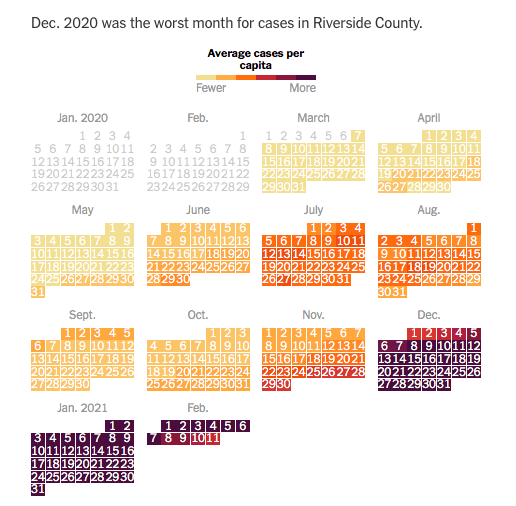
This idea has been preceeded by a long slow couple of months, as I was worn out by allthecovidstuff, and my bandwidth to accomplish or do things, or even to reach out was limited. So my idea was to set a goal to finish up at least one quilt from the past — and I chose my temperature quilt, newly renamed Wealth of Days (I’ll explain in a later post).

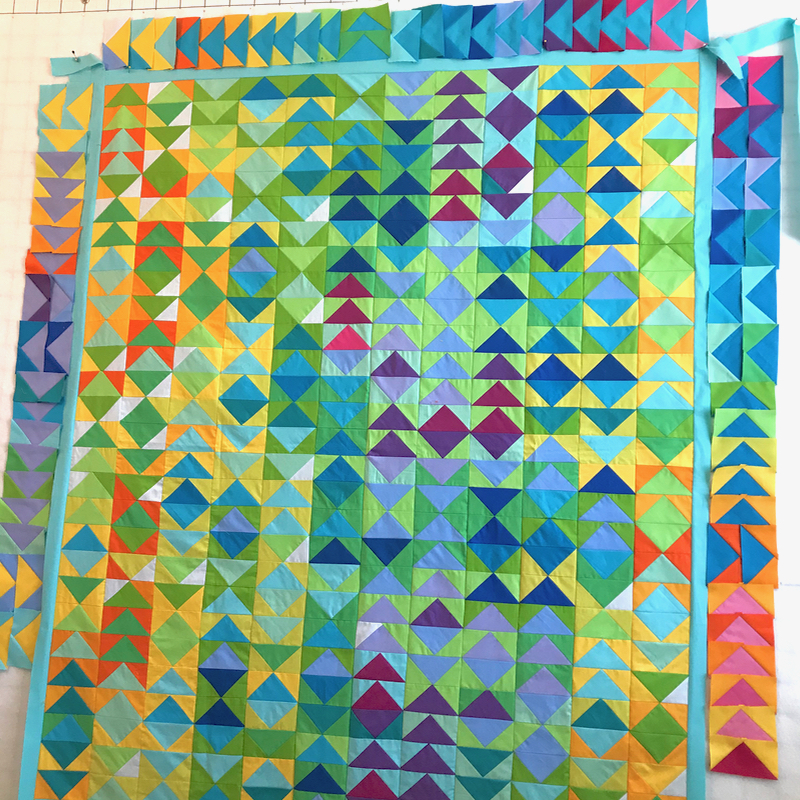
And my next idea was to use up all those triangles that I’d cut and were leftover from piecing together the quilt top, and turn them into a border somehow, because I felt like just the triangles in the center weren’t enough. So I just sewed and sewed.

And began to realize I had some problems.
I’d started making this way back in 2019 (obviously) but it was right after my second shoulder surgery. Rotary cutting is pretty much out of the question after a surgery like that, so in the beginning everything that was cut was scissor-cut. And this little imperfection of scissor cutting had — as quilty problems do — spread throughout the quilt. Some of the problems I could fix on this go-round, as I squared up and trimmed little slivers off the new flying geese to get them straight and true (above).
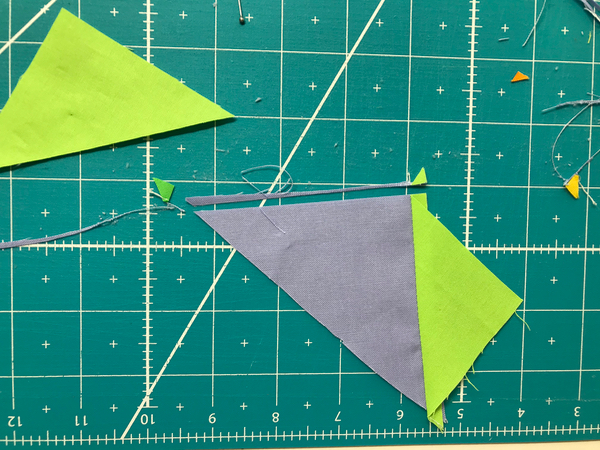
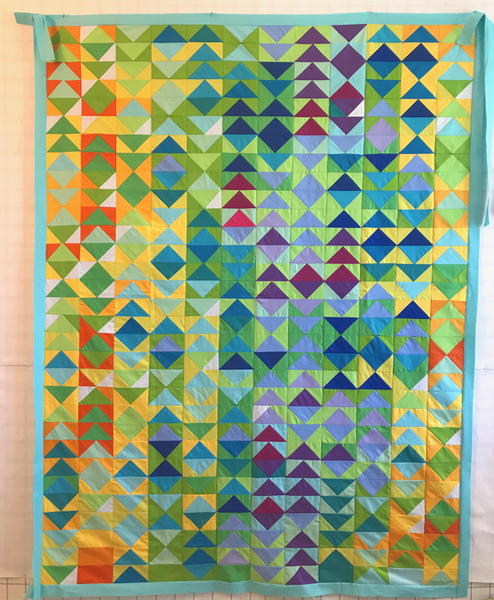
The center is the original series of triangles from my 2019 temperature quilt.

But…it started to look like the gimpy triangles in in the main quilt weren’t going to match up with the new, refined flying geese in the border.

Color placement planning.

Nevertheless, she persisted — and then decided to re-think some things.
It became obvious after all my sewing that I really could not fit the borders to the quilt. I started sewing the slivery-est of seams over and over along the outer edges of the inner section of the quilt, trying to ease in the extra fullness of those out-of-shape geese. I took off that lovely aqua skinny border, and cut a darker one:

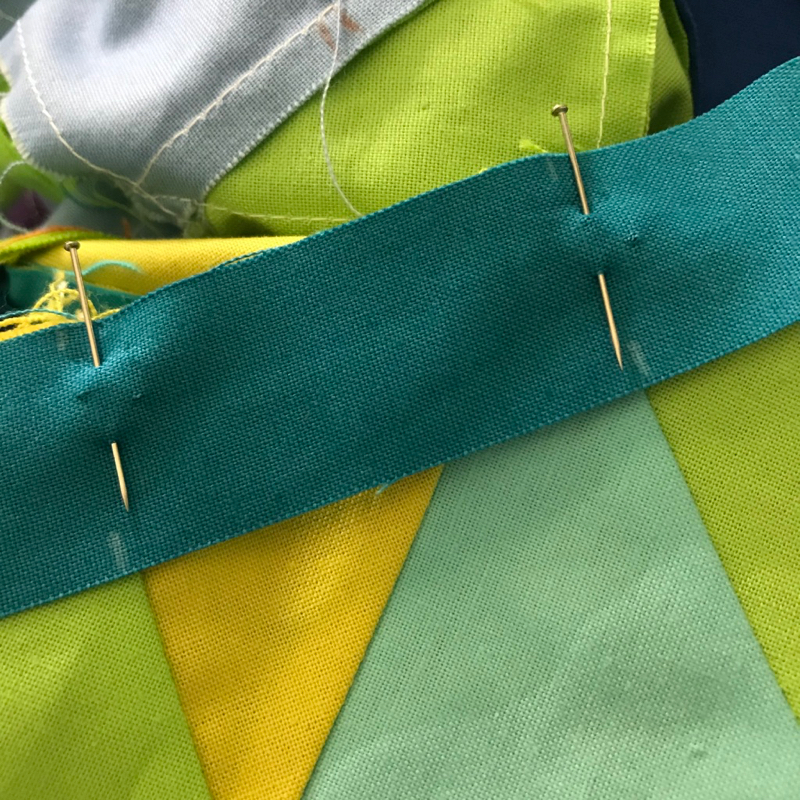
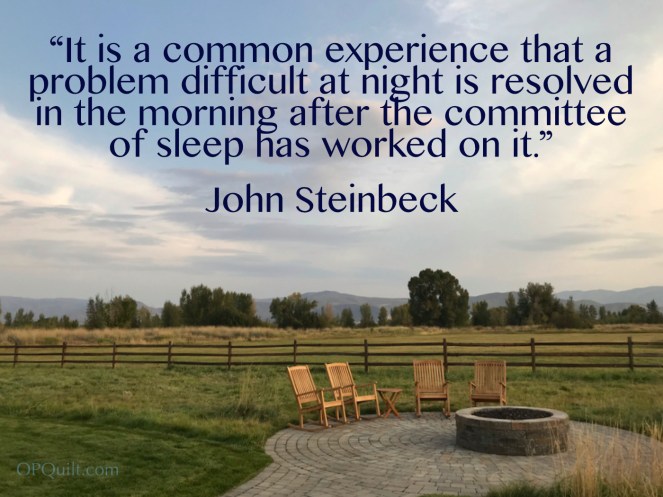
I marked the new darker border strip every 2″ as I was going to force this quilt into submission, which of course…never really works. (I’m hoping my quilter can quilt out some of the bulk that shouldn’t be there.) I then retooled the inner border to make it really really skinny, and kept sewing those triangles into geese. But then. The corners. What to do? I fiddled and sketched and browsed, but when I couldn’t come to a solution, I took Steinbeck’s advice:

This is what the committee of sleep came up with. I’m happy with it.

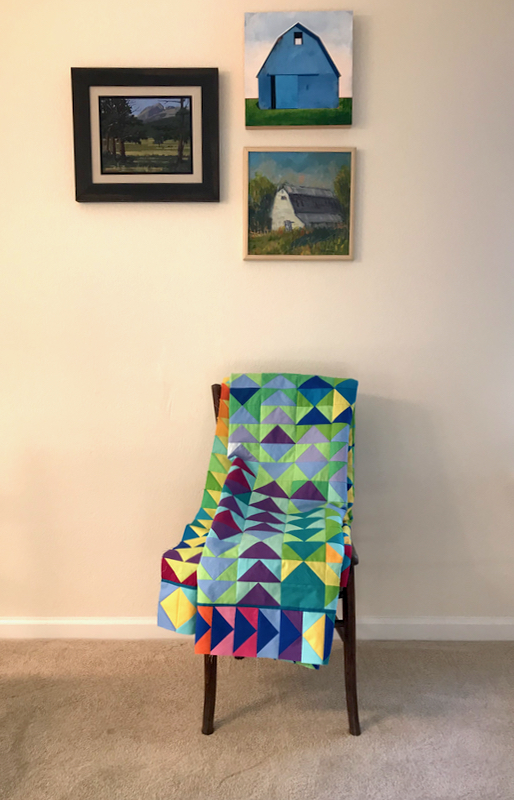
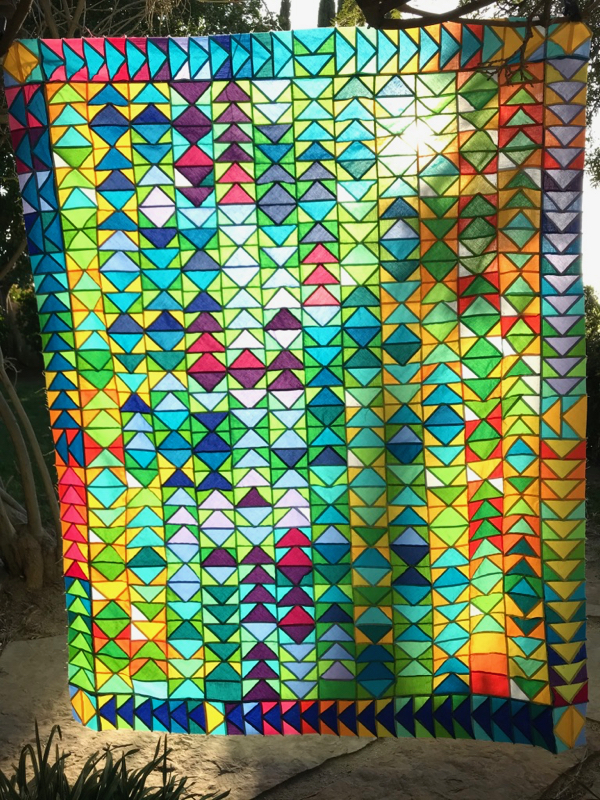
So here it is. Wealth of Days quilt top all completed. I have a few moving parts for the backing, then I’ll call my quilter and hope she can work miracles with the limpy-gimpy triangles, evidence of my craft at that time. I will explain the quilt title when it is finished, and I can do a proper showing off with the fun stuff for the back, too.

stained glass version, taken from the back of the quilt

I did a search for #temperaturequilt trying to see how people finished off their quilts. I came to the conclusion that not too many have finished off their quilts, but I want to finish mine. Working on this quilt this week, remembering my physical self in January 2019 and allowing that woman’s imperfect making to be a part of this quilt, made me realize how vital making quilts is to me. It is not only a noun — as Adamson notes below — but a verb.

When we casually dismiss craft as a vital factor in our lives, however, we miss out on many satisfactions….When many people hear the word “craft,” they think of humble, decorative things: pots, baskets, or macramé plant hangers. But if we consider “craft” in its active form, treating it as a verb rather than a noun, we immediately realize it is much, much broader than that.

When we say that someone crafts an object, we mean that they put their whole self into it, body and mind alike, drawing on whatever skills they have acquired over the course of their lives. This is a deeply meaningful human activity, which can be observed not only in suburban garages and hobby shops, but also in factories (where people craft machines and prototypes) and fine art studios (where people craft paintings and sculptures). All these process-based experiences imbue materials with associations that resonate far beyond the act of making itself. ~Glenn Adamson, from the book Fewer, Better Things

Happy Quilting!