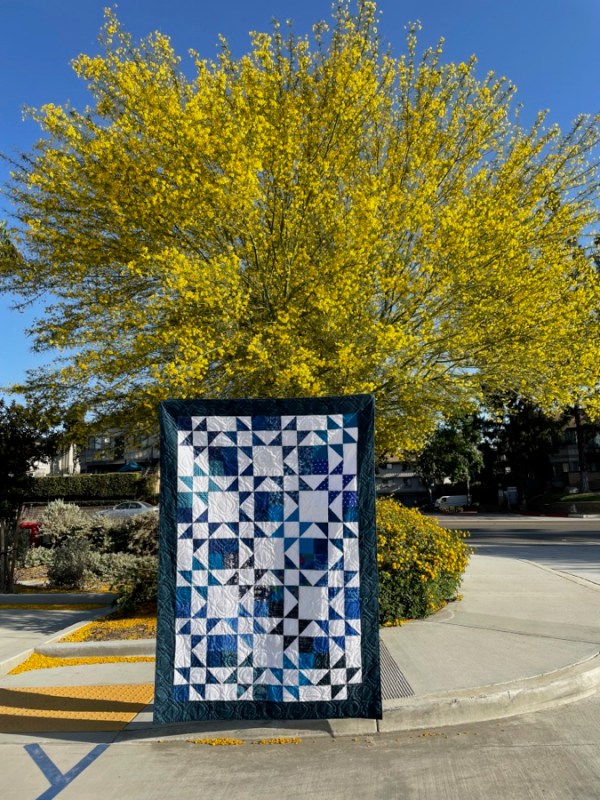
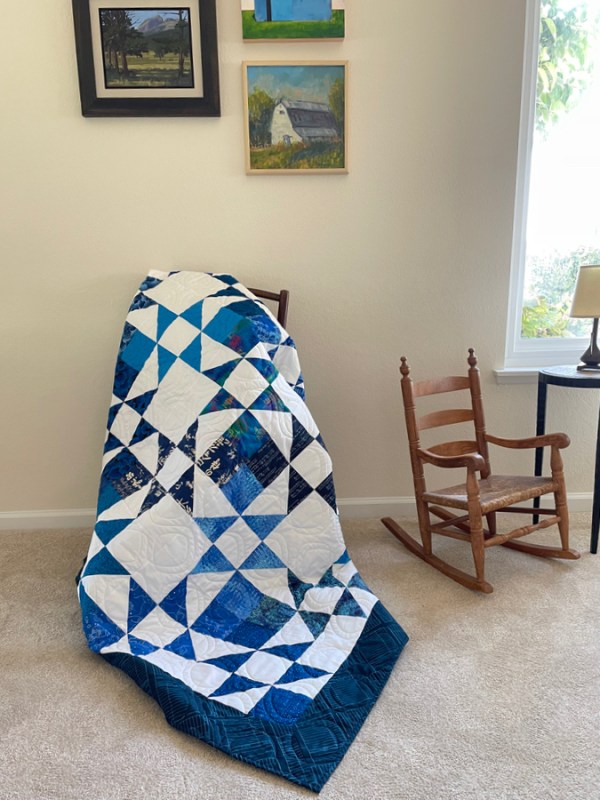
This quilt started on Zoom. Several weeks ago as our family was having their weekly Zoom get-together, my brother hinted (strongly) that he wouldn’t mind having one of my quilts, you know, in blues–lots of them. He just loved blues.
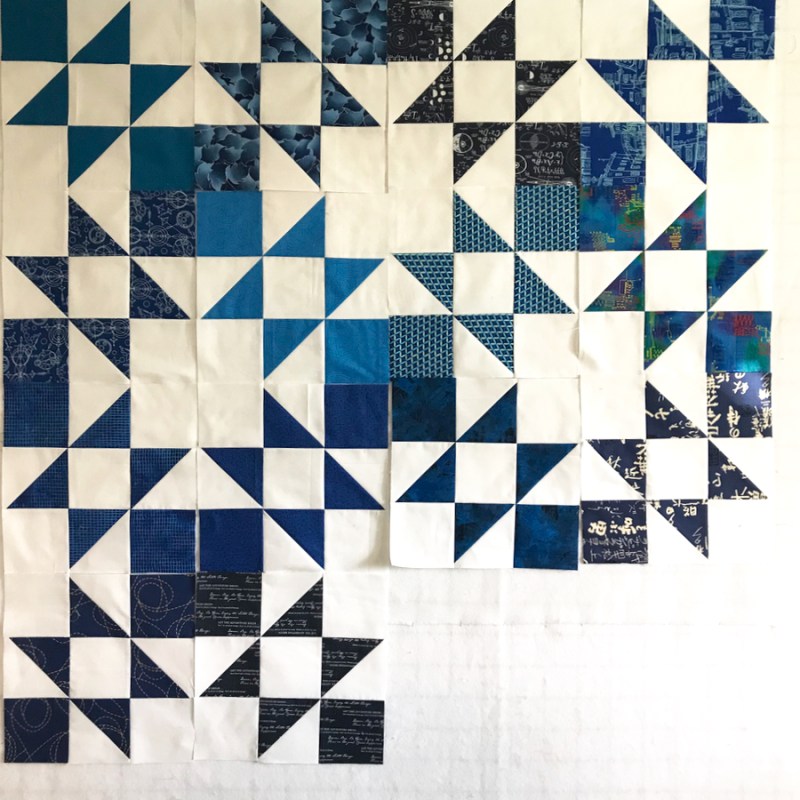
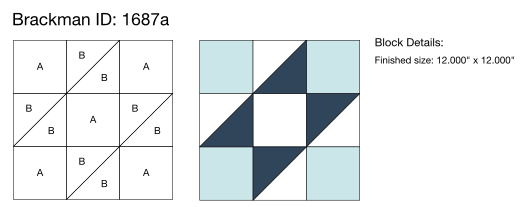
It began with a block writ large. I used a basic nine-patch (see details below) that measured 12″ per block, so 4″ parts. It was a joy to work with blue and white, a favorite.
I have the above blue and white currently on the bottom of my bed, and must admit to having a lot of blue in my stash, so it was easy to pull fabrics for this quilt.
We’re lucky in June, out here in California, to have two flowering trees at the same time: the purple jacaranda, and the yellow Palo Verde. And I wanted photos with both.
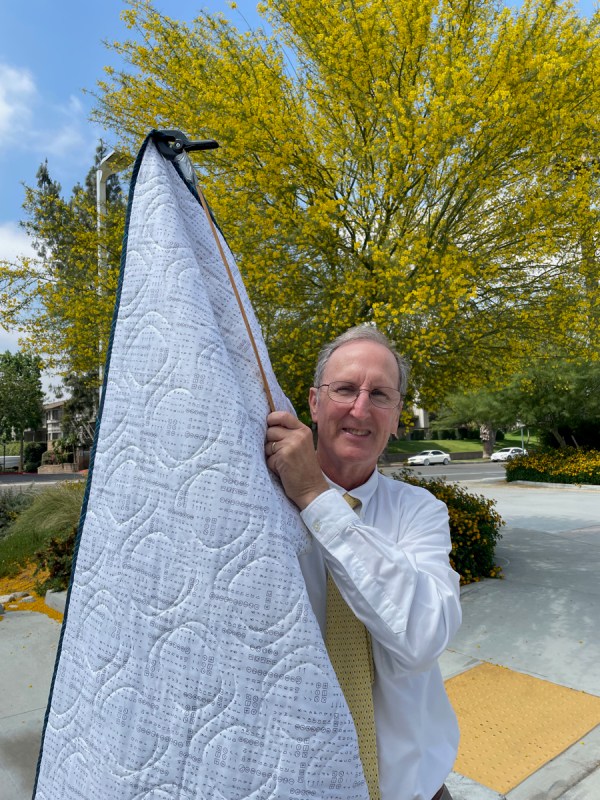
My quilt-holding husband obliged. We stopped on the way home from church, and here you can see our nifty quilt-holding contraptions: a clamp duct-taped to a sturdy stick (you could use a dowel).
He received it yesterday and is thrilled to have it.
The Details
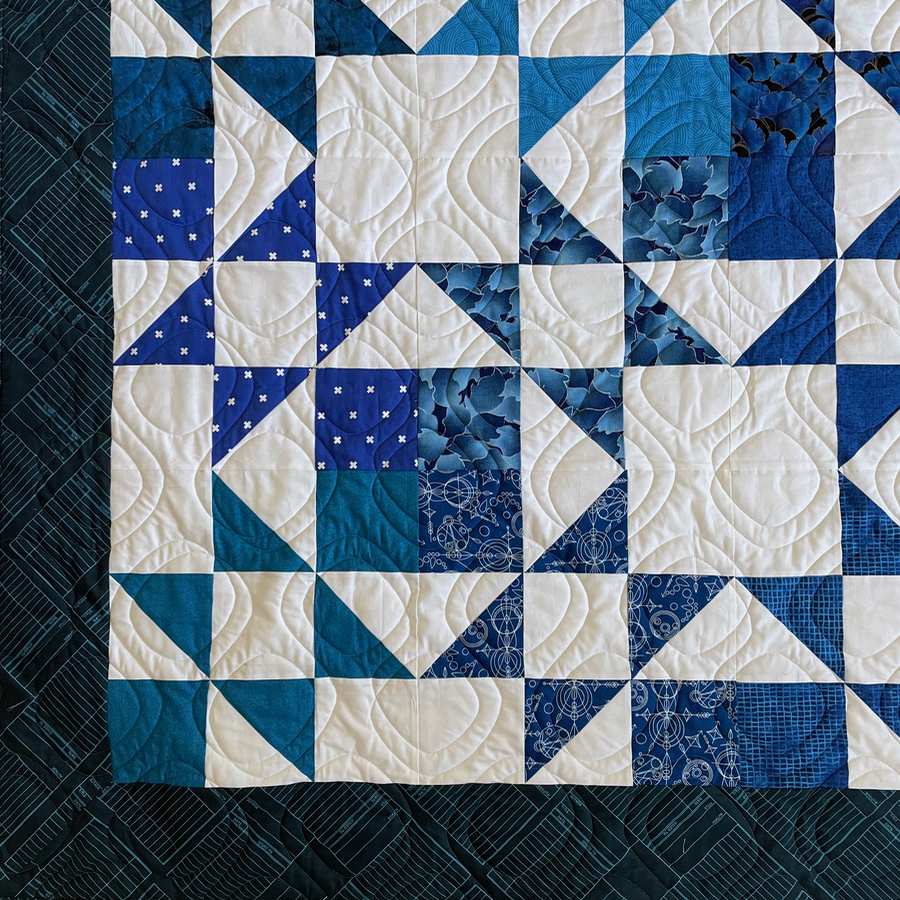
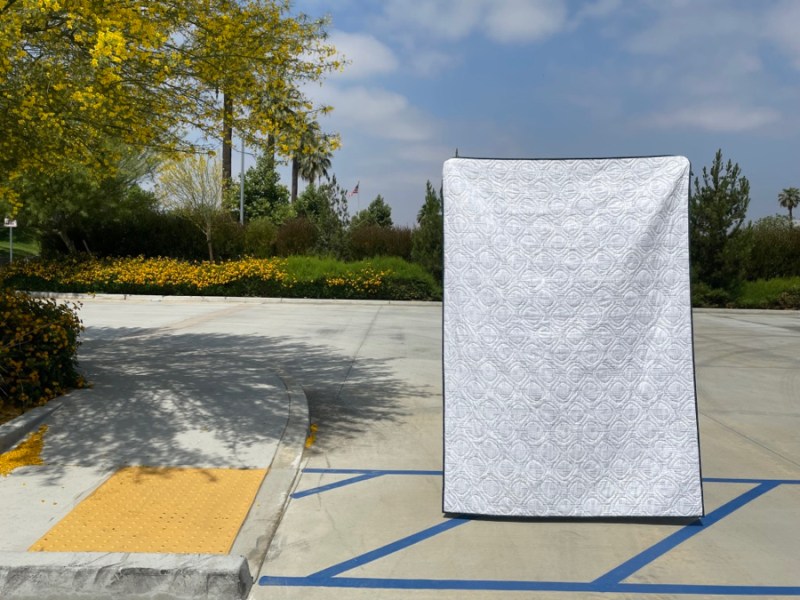
The block, pulled from my BlockBase+ software, is the Double Hour Glass block with a bit different coloration. I enlarged it to 12″ size, then went to town piecing it. The quilting pattern is Belly Bop, and my quilter Kelley used a silver Microquilter thread (#7007) on the top, and barely off-white 401 So Fine in the bobbin. Both threads are made by Superior Threads. The batting was Soft and Bright, by The Warm Company.
This is Quilt #249 in my Quilt Index of finished quilts.
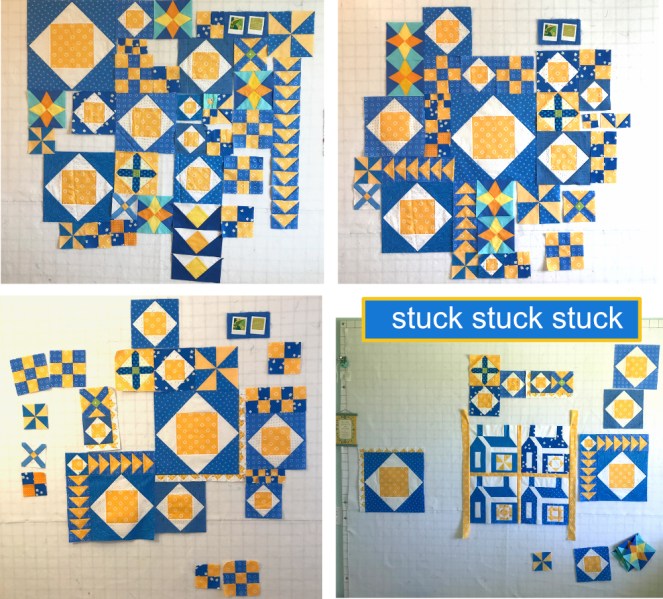
When you are stuck, it is. I love those houses, but…No.
New favorite. I ordered two more yards.
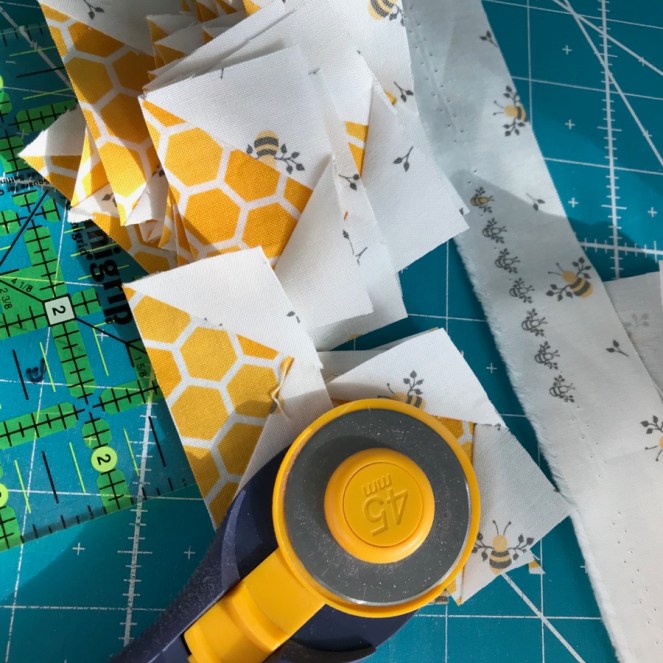
I love having scraps of batting that are just the right size.
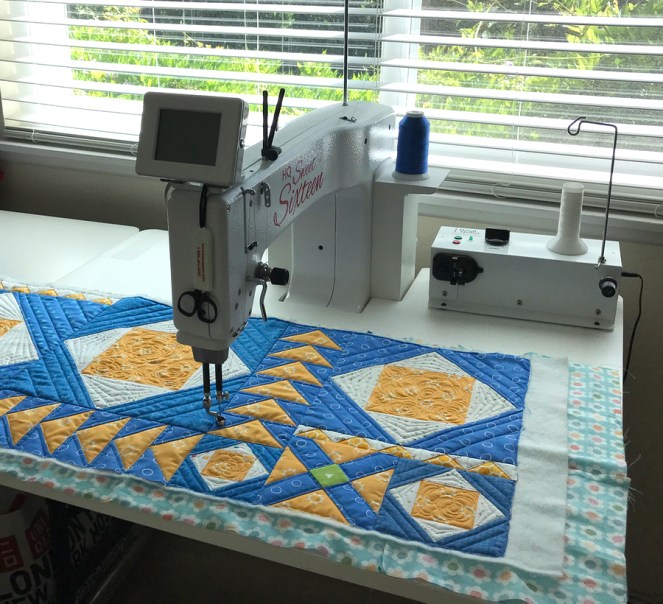
Letting us both rest after a few hours of quilting.
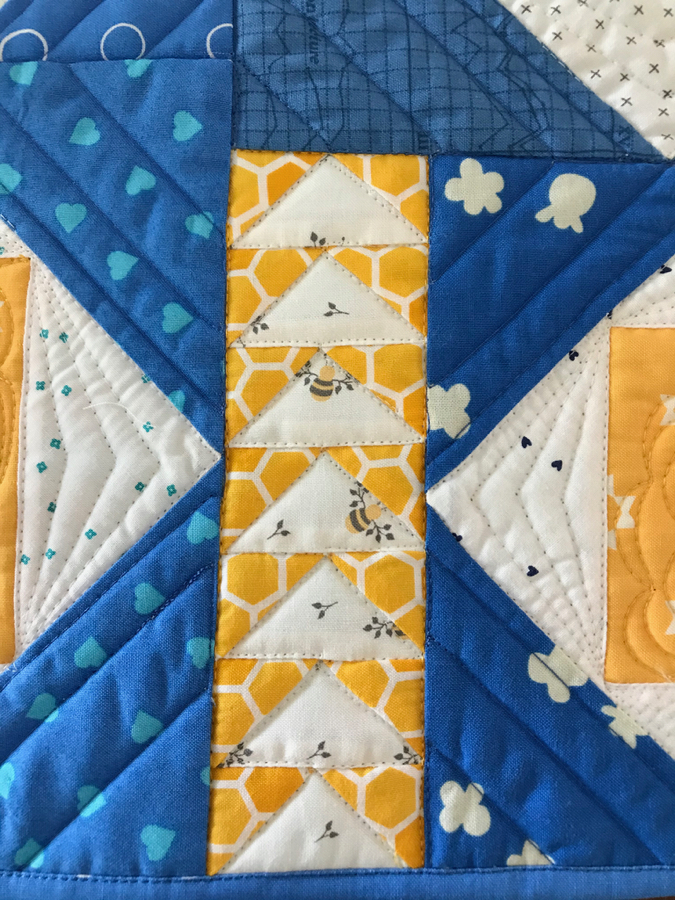
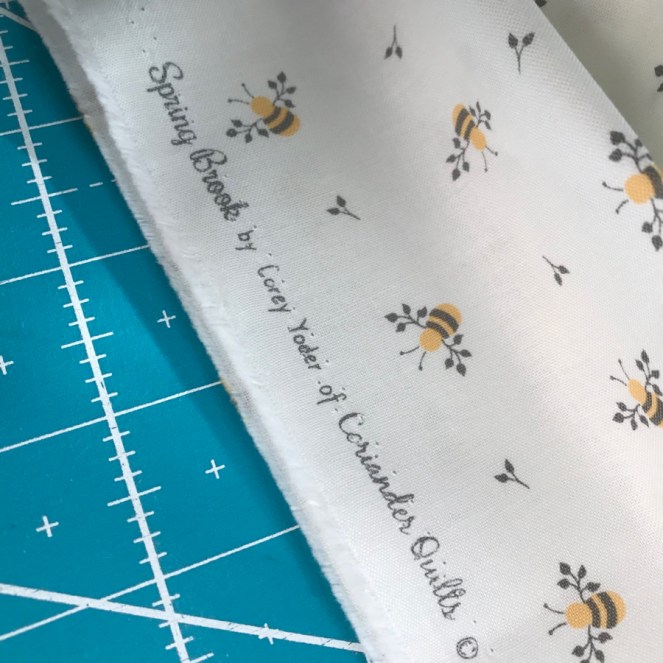
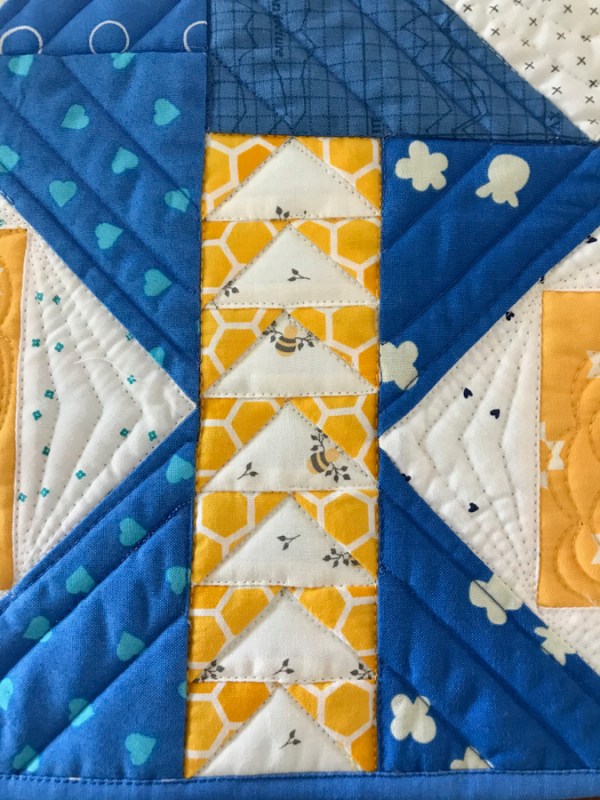
Here come the beauty shots. (Isn’t that little bee with the branch arms the cutest?)
I quilted whatever came into my head.
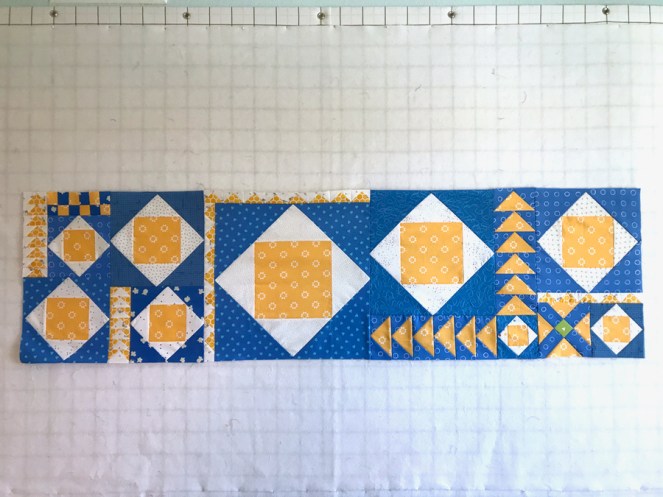
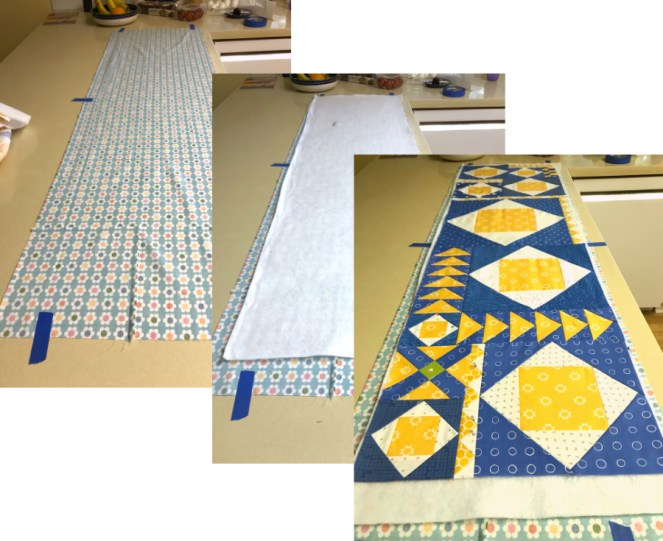
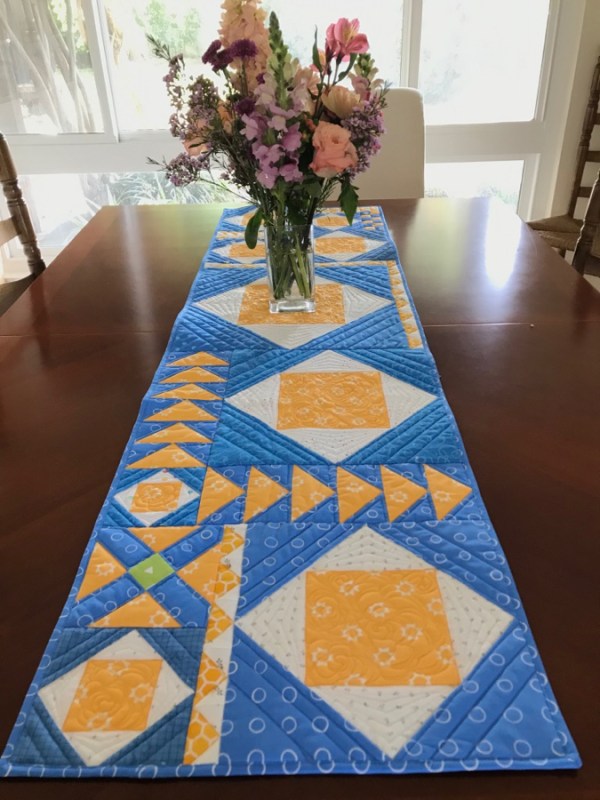
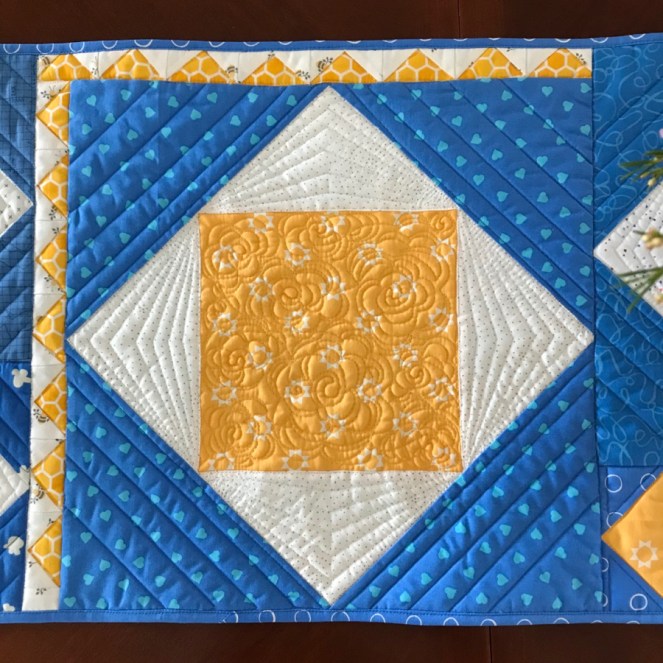
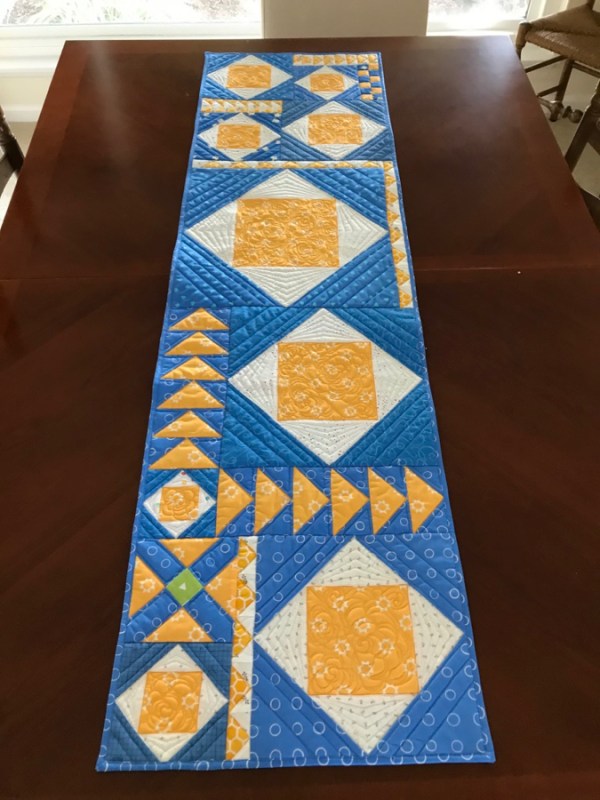
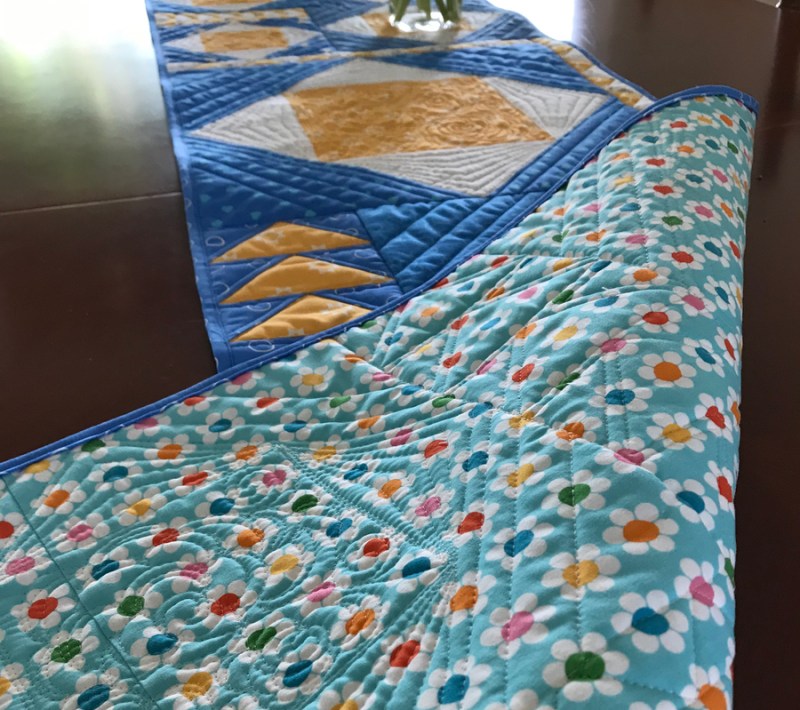
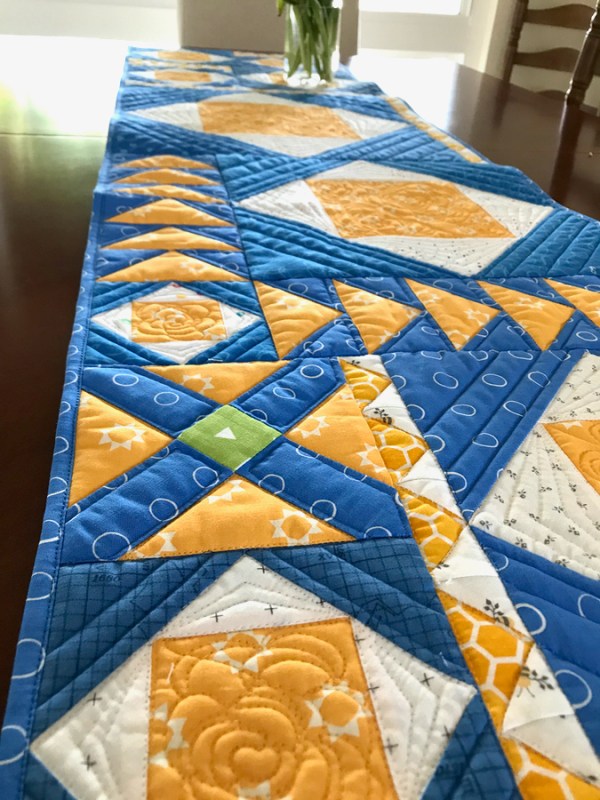
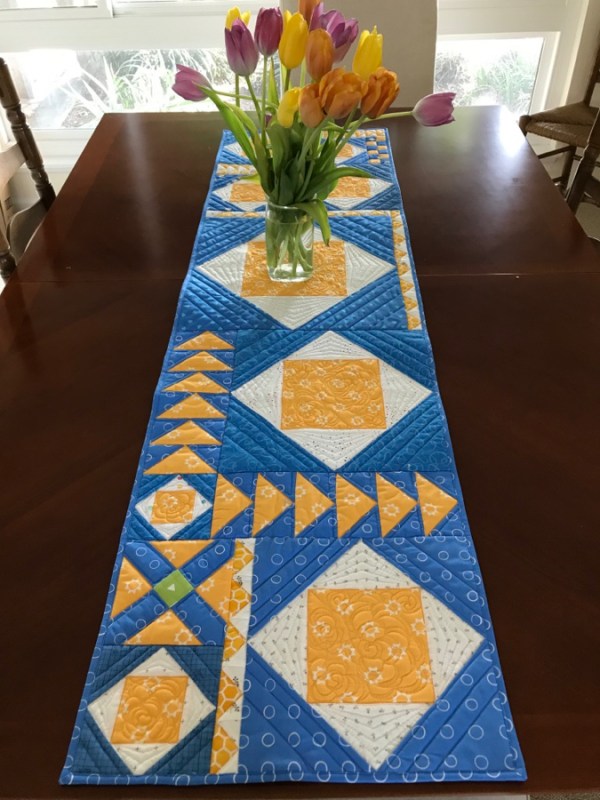
I haven’t measured it, I haven’t labeled it, but the saga of the Orphan-Blocks-into-Table-Runner is now complete. I’m sorry to say, it didn’t empty out my orphan blocks bin much. Now I have to think up another way to use some of those up. And I have to think up a name. These orphan blocks came from when I taught the First Monday Sew-day class of beginners about Square-in-a-Square, or Economy blocks.
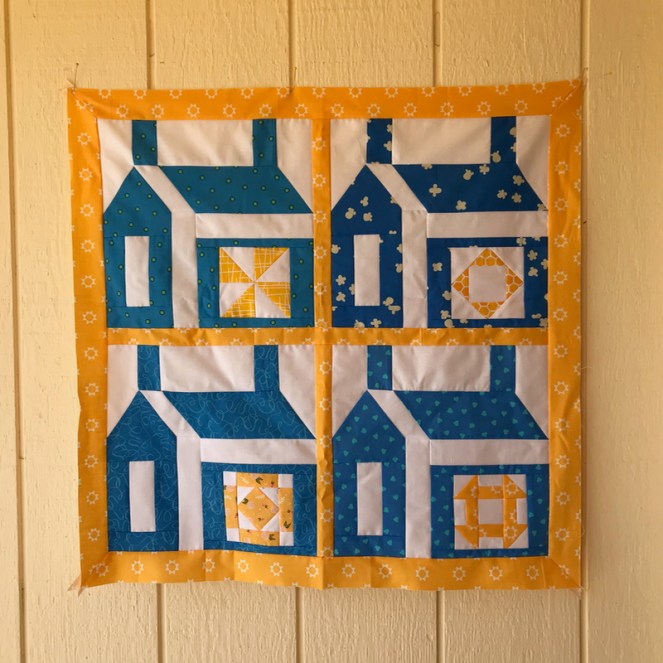
I still love these little houses. Now I have the beginning of another quilt! Get the Pattern Lite here.
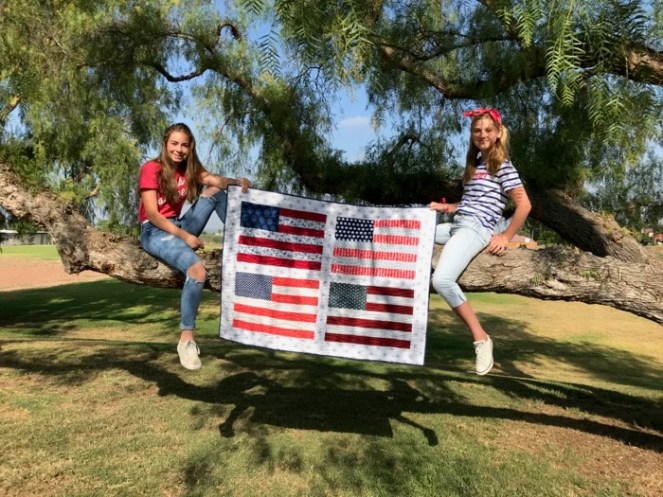
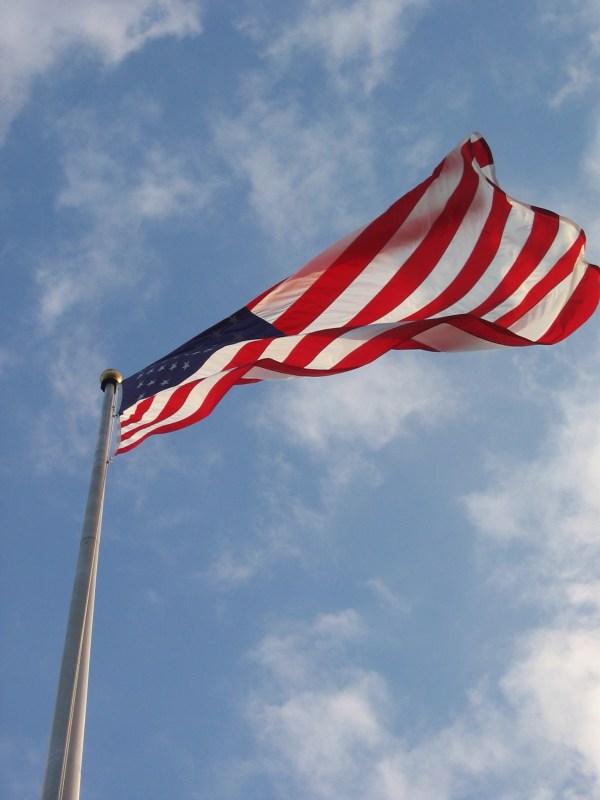
Happy Memorial Day Weekend.
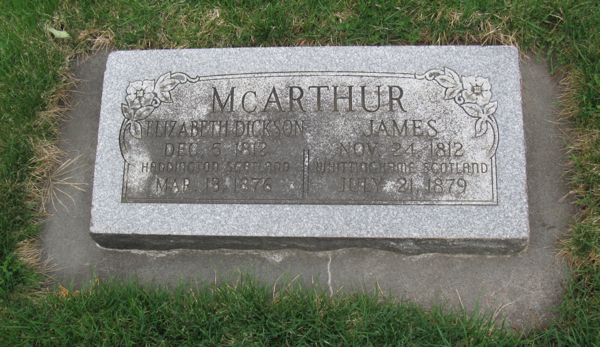
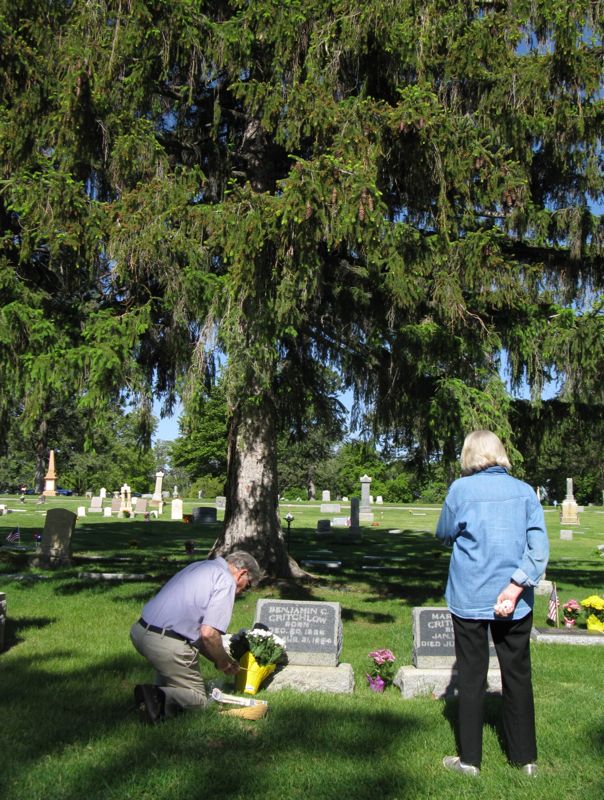
Or, as my mother would say, Happy Decoration Day (some fascinating reading in this link). The weekend before Memorial Day, my mother and father would go out and decorate the graves of their grandparents and great-grandparents with flowers, the cemetary made beautiful with pots of mums everywhere. This is the gravestone of my Scottish gr-grandmother. I have two namesake gr-grandmother Elizabeths and I remember them both on this Decoration Day. While the origins of Memorial Day are generally thought to be about the war dead, because of my mother, I remember it also as a day to honor those long gone.
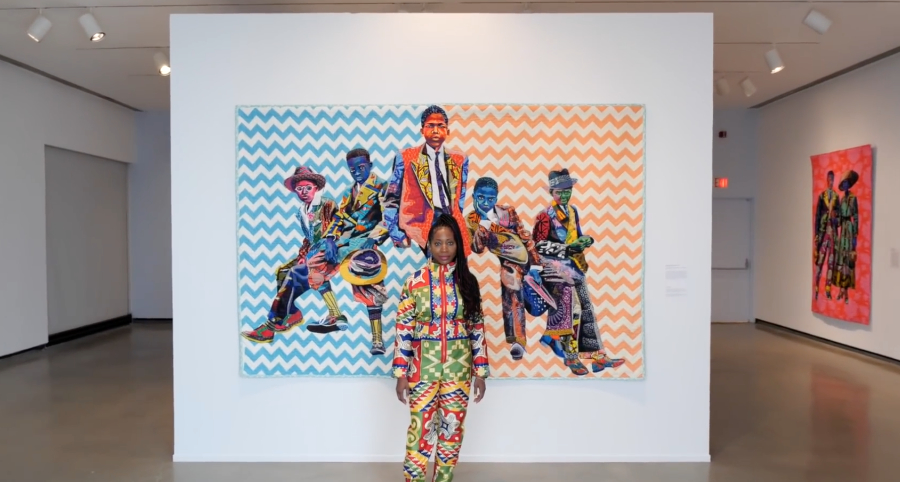
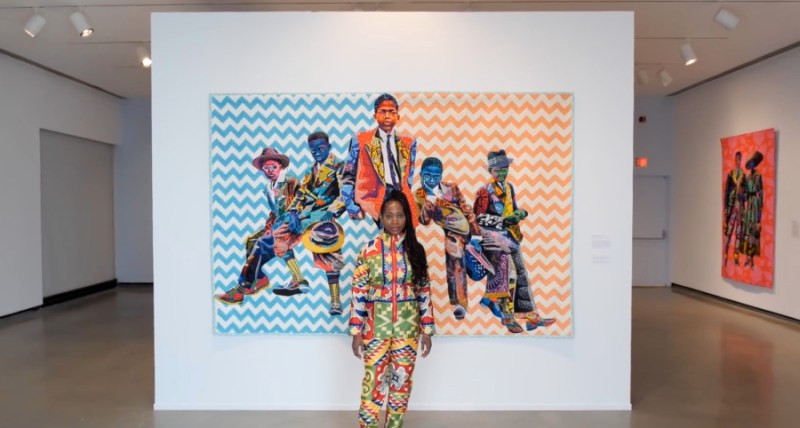
Bisa Butler recently mounted her first museum exhibition at the Art Institure of Chicago and “surmounted biases in the contemporary art world against both people of color and fiber arts” as Deborah Brehmer puts it in an article in Hyperallergic. This recent article was sent to my by my artist sister, Christine Petty, a screenprinter, who, when her studio was shut down, made her way through the pandemic by learning the art of natural dying, and diving into the world of seeds, flowers and yards of softly hued cloth. My sister and I talk art, the drive to make art, and color. I’ve been sent links to Butler’s art from several sources, but the link from my sister sent me to the blog so I could share it all with you.
I created The Safety Patrol while in my last year of teaching high school and simultaneously preparing to debut my artwork with the Claire Oliver Gallery. I was constantly thinking about my career change and at the same time having strong feelings about my students. It was during this time that Trayvon Martin was killed while walking home from the store by a vigilante. Trayvon’s killer had just been acquitted under the Stand Your Ground law in Florida, and I was distraught. I couldn’t reconcile my emotions about the future well-being of my children and my students in a society where their lives are expendable.
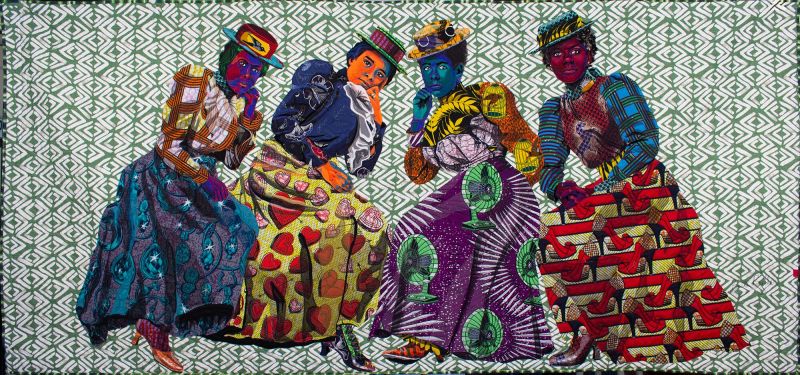
Many quilters use color in their work. But Bisa Butler’s floating figures are drenched in color, not only from multiple layers of fabrics, but also by the use type of fabric: African Dutch Wax prints, which bring not only color, but texture. She artfully cuts and combines her fabrics and includes bits such as the key around the young girl’s neck and the patrol boy’s belt made of carefully fussy-cut kente cloth.
The skirt on the left: earrings, and the skirt on the right: high heels, chosen by Butler in honor of Michelle Obama’s trip to Ghana.
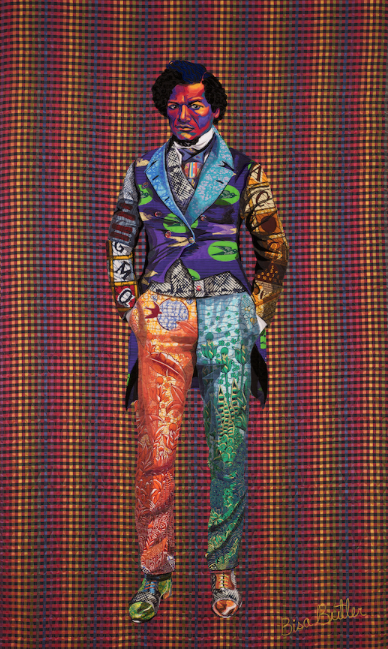
Bisa Butler, The Storm, The Whirlwind, and The Earthquake, a portrait of Frederick Douglass, from here
In this article in Juxtapoz Magazine (another article worth reading), her migration to cloth from paint is described:
“as an art student at Howard University, she began using fabric to avoid paint, which made her nauseous while pregnant. But she realized something deeper was at play, her actual dissonance with paint. “I could follow the rules technically but I didn’t have the voice. The paint didn’t connect to me.” Butler was introduced to textiles by her mother and grandmother, both dressmakers, who taught her how to make her own clothes. “Fabric was of my family, so using kente related to my heritage. When I made the portrait of my grandfather whom I’d never met, I realized I needed to use all African fabrics, and I used my grandmother’s fabrics that were old because I wanted to assert that this man lived before,” she said.
Reading the Juxtapoz article, I was fascinated by the history and meanings of the Dutch Wax prints and kente cloth, especially the names given to the pieces in Douglas’ portrait, or those in the I Know Why the Caged Bird Sings, above.
In the Hyperallergic Magazine article, Brehmer notices some women who gather around one of the quilts:
“I watched a group of three white women take in a piece called “Survivor” (2018), which addresses female genital mutilation. They discussed the technical aspects of quilting. One explained what a “long-arm” sewing machine is. They shared observations regarding the meandering lines of stitching and the way Butler layers transparent lace, silk, and tulle over opaque fabrics to create depth and shadows. They were in awe of the technical mastery of the work.”
Brehmer has noticed how we quilters often interact with many quilts as we notice the technical aspects: “How did she quilt this?” “Is there a pattern?” “Where can I buy that fabric?” I’ve seen it happen at quilt shows and so have you, when we get so involved with “how did the quilter make this” that we forget to notice (in Butler’s case) the joy, the history, the placing of historical figures in our time, asking us to put human lives and needs and challenges at the center of of our gaze. We want to own or borrow that particular quilt artist’s approach and those questions come from that impulse, I’m convinced. While my quilts will never be on par with Butler’s, and my subject matter is — oh, so different — I can learn from how she comes to the work. I can learn to let art climb in and infuse the making with joy and meaning, and yes, with color.
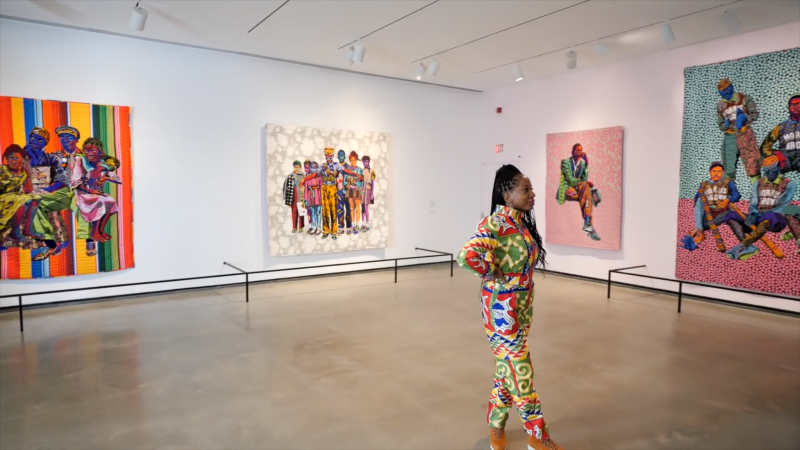
On the Art Institute site, in a short video interview with Butler, we see her studio, get a sense of how she works, and listen to talk about her education and guiding principles in her art. I pulled the images above from that video, and loved the two above of her obvious delight in seeing this exhibit of quilts, of textiles, of history, of her vision in such a storied place as the Art Institute. I think we are all familiar with the Gee’s Bend and Amish quilts, both earlier exhibits in major national museums. I view this exhibit as another break-through show, intended to showcase the art and craft of quilts.
This has been a busy week, with zooming and teaching at the Orange Grove Quilters Guild, but I’ve managed a few things around the edges.
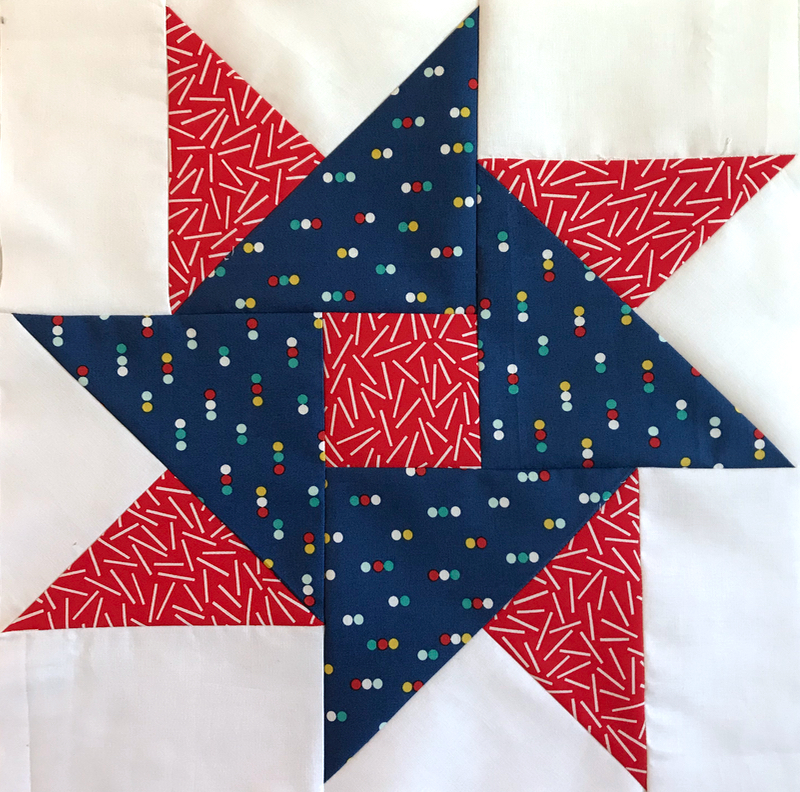
This was April’s Gridster block, requested by Nancy. She sent out the blue fabric, and we chose the other, with her guidance.
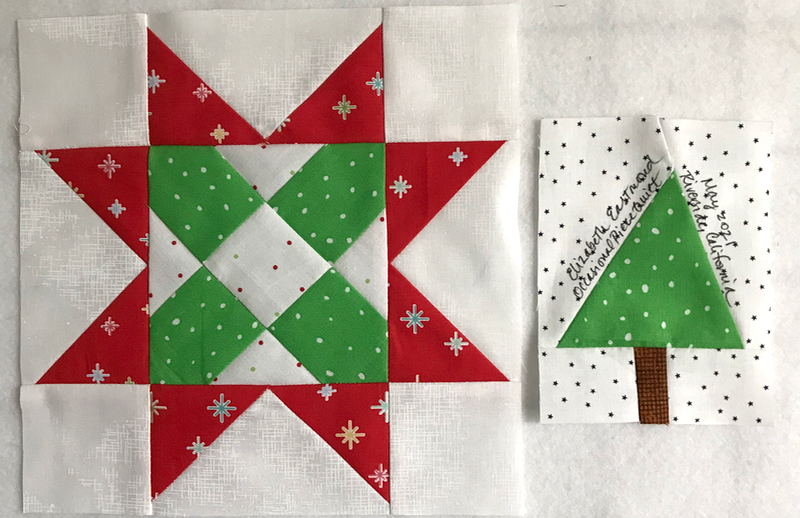
This was May’s Gridsterbee block, chosen from my Sawtoothmania pattern by Allison. She also sent out fabric, but we provided the center color patches.
She had us do a wonky Christmas Tree. Allison asked for the one from another quilter, but I also have a free tutorial sheet on making little Christmas trees, too. Such a clever idea!
My husband brings me flowers every day…well, photos of flowers. This one measures about 1 inch across in real life.
I finished Vesper Flights, and went on to this one: The Midnight Library. I listen to them at the same time my mother does, but this is one I wish I had in print, so I could underline things that caught my heart and imagination. Now I’m deep into Obama’s A Promised Land. It’s moved much faster now he’s been elected, and hearing about the 2008 economic meltdown, as well as the hog-trading of politics has been interesting. I am SURE I never want to be a politician. I’m sticking with quilting.
This is a close-up of one of the panels I used on my Wealth of Days quilt backing. I was stoked that it had our city on it. I tell most people, “we are between Palm Springs and LA,” but here we are!
Fabric receipts? Now the fabric just shows up in my mailbox, like magic, or something.
Occasionally, when writing this blog, or trying to color in a design, I can’t quite make the program give me the color I want (like this background). That’s when I turn to this no-frills site which shows a ton of colors with all their hexadecimal codes. I always start with the Blues page, which is what I’ve linked you to. I just copy the #code, pop it into my software or blogware, and I’m good to go.
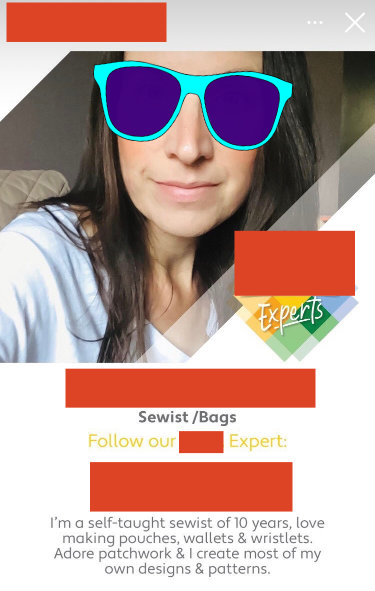
I love following people who know what they are doing. I love reading their blog posts, their Instagram posts, and while I’m not a total fangirl of them all, I have several favorites (there are too many to list here; see my list at the bottom of my blog). I appreciate their sharing what they’ve discovered and learned. However, recently a famous maker of absolutely necessary quilting supplies popped the above Instagram ad up on my feed. (I’ve blocked out all the identifying marks to protect the marketing department.) She may be qualified, but is she an expert?
Shouldn’t she be referred to instead, more appropriately, as an Influencer?? I like Aurifil’s word for their influencers: “Ambassadors,” which my macaron-making daughter let me know, is also used in her industry. Rather than the previous ad campaigns of simple extolling of excellence of product, we now use people for that. (In my English classes of yore, this was a type of logical fallacy, using celebrities to sell products; however, we’ve morphed from random celebrities to using established personalities in the field to sell products.) Carolyn, a sewist/sewer who I’ve read for years, knows her stuff and has an excellent post on the rise of Influencers. I love this part of the post:
My criteria is based upon: – Can they actually sew? – Are they learning to better their craft? – Do their garments fit well or are they just photographed well? – Do they have any actual fabric knowledge or are they just taking stuff because it’s free? – Do they understand why notions are important and why they’re needed to perform a task? – Is all of their knowledge YouTube/Internet based or have they actually read a sewing book? Not all YouTube videos show you the correct techniques. – Is this just a way to make them Social Media Famous?
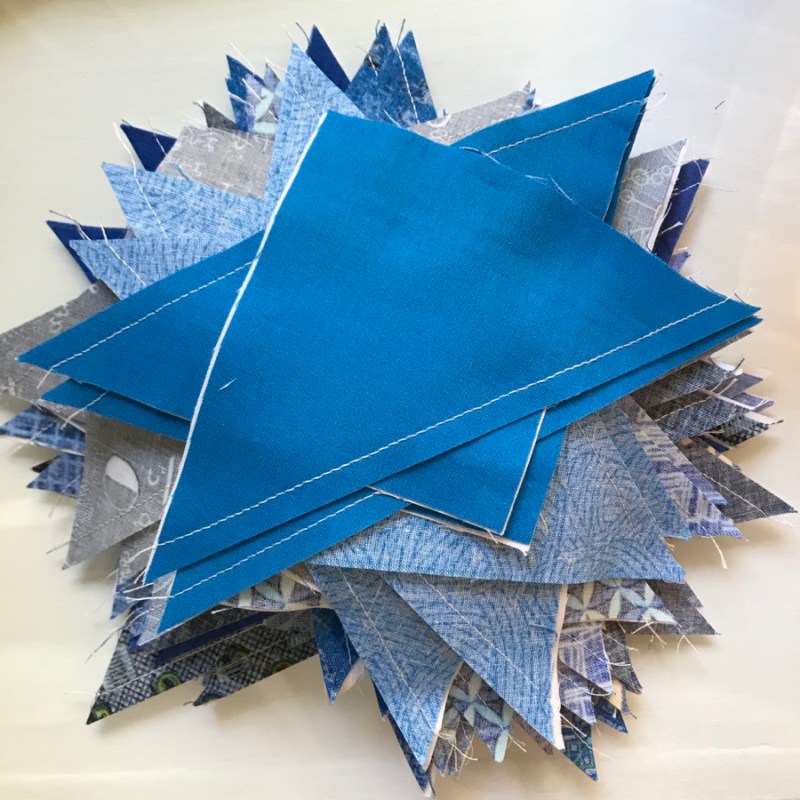
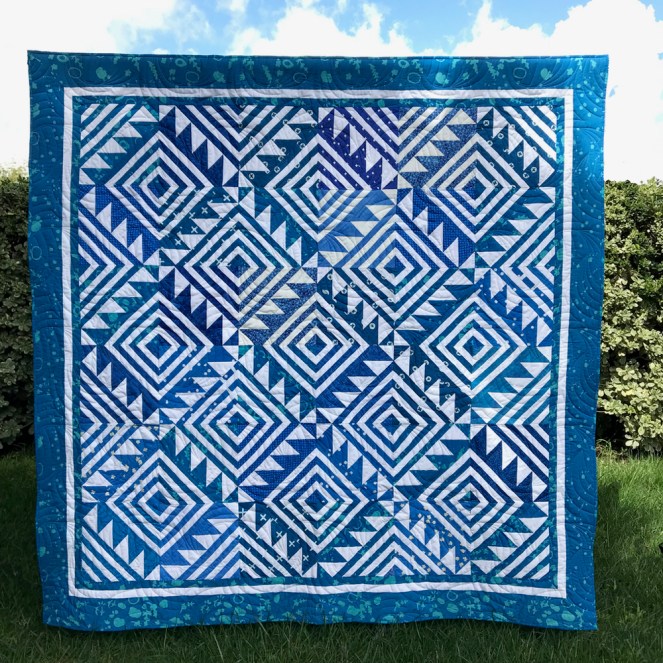
And lest you think I just sit around, I am working on a scrappy blues quilt, but it’s pretty shy right now and I just can’t coax it out from underneath the bed. I’ve even tried leaving spools of thread and colorful scraps to lure it into the daylight. Maybe later I can get a photo of it.
This is a quilt for a college-girl’s bed. My granddaughter shyly asked me last time I was at her house, “Grandma, will you make me a quilt for college?”
Me, inside:
Me, outside: “Absolutely!”
We traded designs and pictures back and forth, but I quickly discovered that she is a minimalist, and likes gray. She knows I hate am not a fan of gray (generally), but she told her mother she thought I would come around after working on her quilt.
The red line in the drawing above is to approximate her queen-sized bed. I ordered yards of Painters Palette solids from Pineapple Threads, and they arrived last week. Between the shy scrappy blue quilt hiding out of sight, and this one, I’ll be keeping busy.
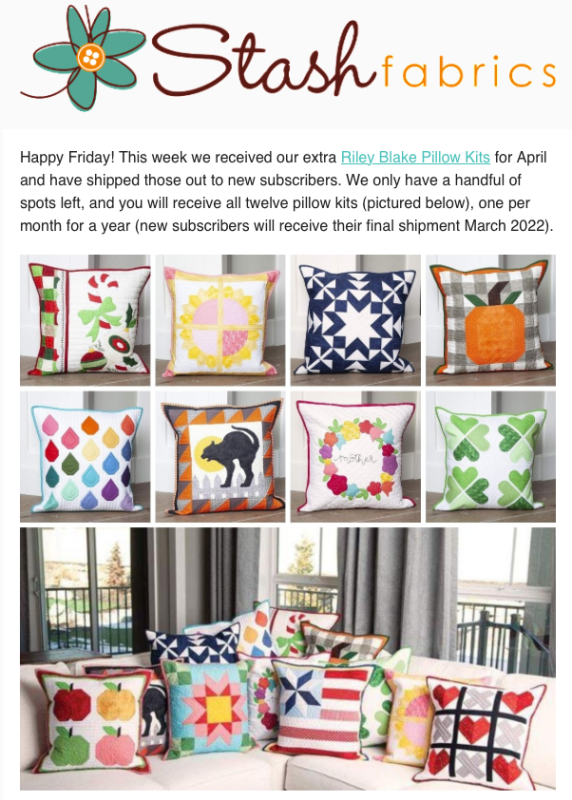
I can’t believe I signed up for this, but I swear it was because they come in cute little boxes. I do have some undressed pillow forms around her that need some clothes, and these seemed to call out to me (although if you know me, it won’t surprise you that I’ll be changing up some of the designs…looking at you Miss Christmas). But I’m excited to get a little fun package every month in the mail. (Guess this means I’m in covid-recovery–that I’m actually planning into the future.)
Lastly, I listened to/watched this show about the writer Amy Tan, called “Unintended Memoir.” It gave me so much to think about as I worked on the shy scrappy quilt, and now I want to go back and read her books again from her first, Joy Luck Club. She speaks movingly about her mother, and Tan chronicles their relationship as well as the writing of her novels. It lasts about 90 minutes; I recommend it.















 OccasionalPiece--Quilt!