Quilts

Conducting an Image Search While Avoiding Pinterest

I love Pinterest.

pinterest-addict

But I also hate Pinterest when I’m trying to do an image search.  I recently was searching for “wonky row quilts” and everything took me right over to a Pinterest page, which is a crazy way to try to find something. You have landed on this interminable page of images and then you have to search the page again, without the benefit of Google’s search engines. So this is now what I do.
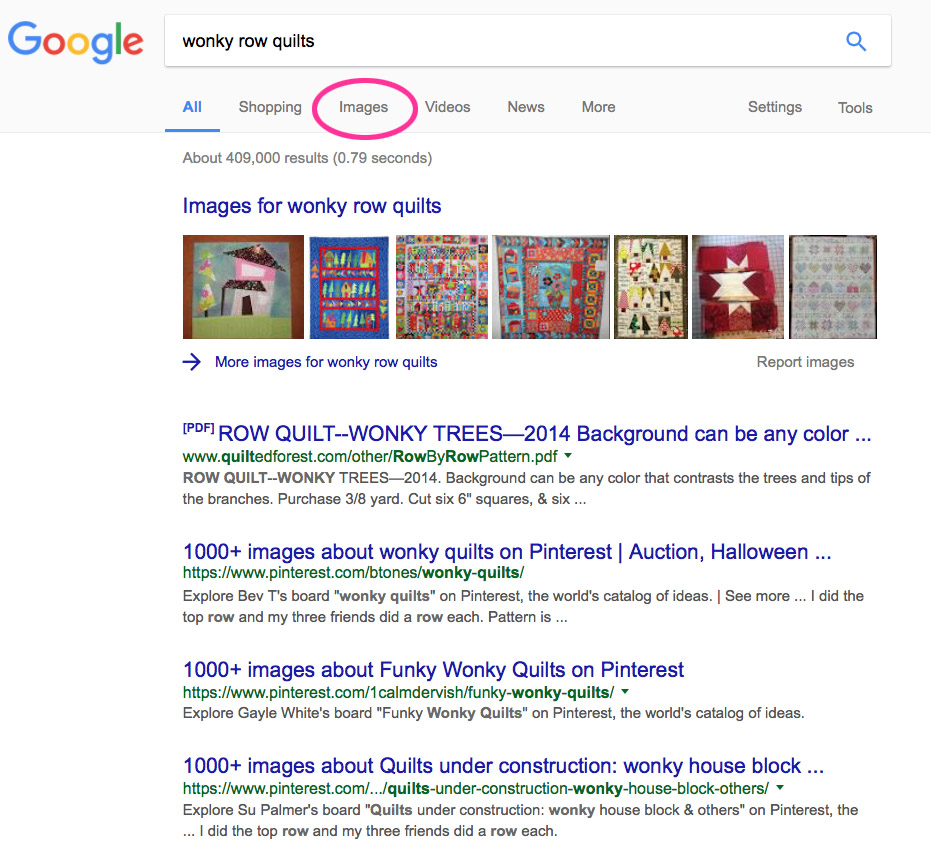
image-search0a

Your type your key words into the splash page (the first page in a website) that looks like either the one above or the one below.

image-search0b

You are used to the above two views, where you can find your way to an image library.  I included the first view so you can see how maddening it is to get all those Pinterest results (and no, I don’t think the Pinterest’s search engines are better than Google’s, but then that’s another post).
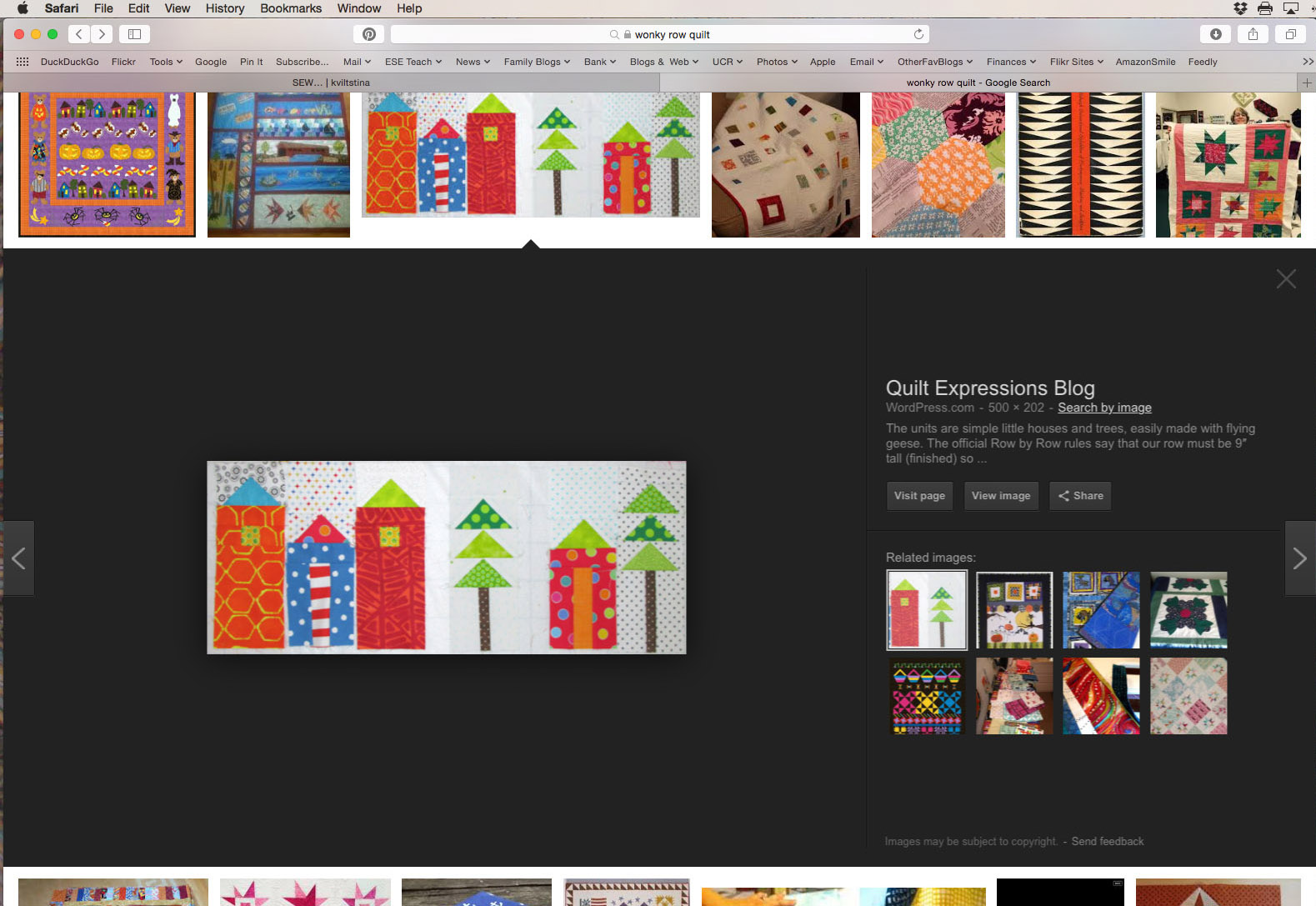
image-search1a

You’ll see lots of images, and when you click on one, the screen will split to highlight your choice.

image-search2

Head to that link up there at the top, the one that says “Search by Image.”  Click on it to be taken to this page:image-search3

There are several basic subdivisions of this page, and they can be helpful, at times, but I’m looking for a source that doesn’t refer me back to Pinterest.  These results are usually in the “Pages” section.  Avoid any Pinterest listings, and head for pages that have an address that starts with “https.”  You may not need to drill down like this, but in the case that you are looking for the origin of a specific image, these tips may help.

Want to find out if something has been posted from your blog?

image-search6


In Google Image Search, click on the camera.image-search-7

From the desktop, drag into the box a photo (or paste in the photo’s URL if you know it).  I’ll do my Christmas tree skirt, which I know has gone a lot of places.image-search-8
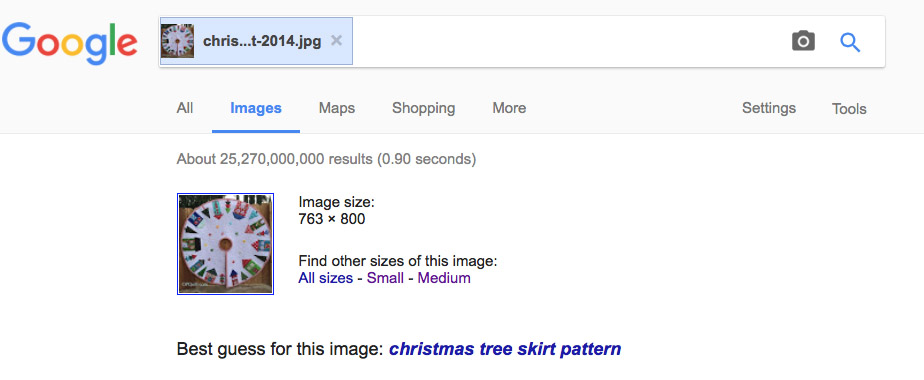
This is the result.  While there are multiple results, most of them were for other Christmas Tree Skirts.  image-search9

But in the Pinterest results below, I did notice it’s been pinned nearly 3,000 times.  (This photo gets around.)

Another reality of the Google Image search is for personal security.  Say you want to find out where an image of your grandchild or child has gone to? Pop in their picture.  Many images are lifted from Facebook, so please be careful about what you post, and never post a child’s image without their parent’s permission.

Hope this helps in your searches.

UPDATE:  If you know how to use Boolean Operators, you can also add -Pinterest.com to your search terms.  (That’s a minus sign before the term you don’t want to show up in your search.)  I have mixed success with these, so I didn’t write them into my post, but one of my commenters mentioned it.  Try it, to see if it works for you.
Quilts · Something to Think About

The Grid, the Gridsters (and a wee bit of news)

usa-grid

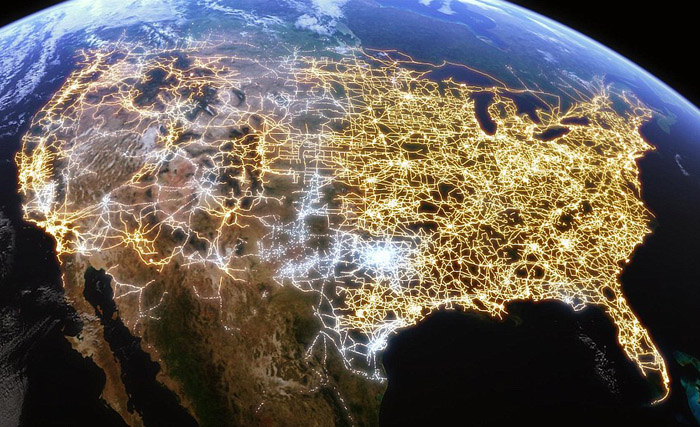
When I say the grid, you probably think of something like the image above: a rendition of the electrical grid in the United States.
dc-street-grid

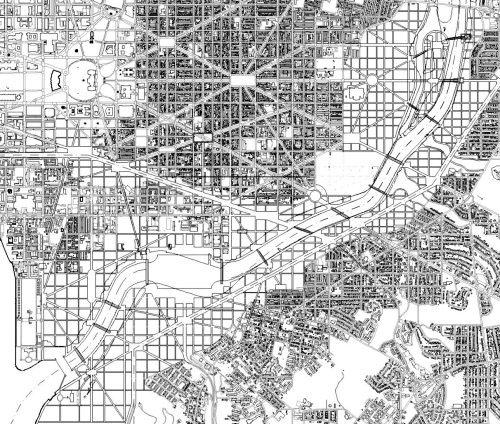
Or you might think of a street grid, or the computer grid, or any other type of connected web.

Is it This? Or That?

I also think of the grid we use in making our quilts.  Above is my example of a regular grid, using a 9-patch variant.  This style of quilt — that of using repeated blocks set in a grid — didn’t become popular until the 1840s, as earlier quilts were more whole-cloth, medallion, or broderie perse styles.

gridsters-250-buttonx

The name of our Gridster Bee is a nod to the idea of the grid, and since I’ve had some non-sewing time, I did some research about the grid, finding its origin in the way that text was laid out on the printed page.  (Note: Where the quotes are unattributed, I could find no source for them.)

grid-quote1

grid-page-frame2

This method of intersecting lines and angles, known as the Van de Graaf canon and used medievally, was popularized by Jan Tschichold in his books discussing classical book design, and became the standard for book layout.  You can see the proportions at work in the magazine layout (above) on the right.

grid-quote-2

Some myths about the grid:

  • Grids are a design trend
  • Grids impede creativity
  • Grids are confining, and can only be used for certain designs
  • The grid is a static, even, regular subdivision of the surface both vertically and horizontally

types-of-grids

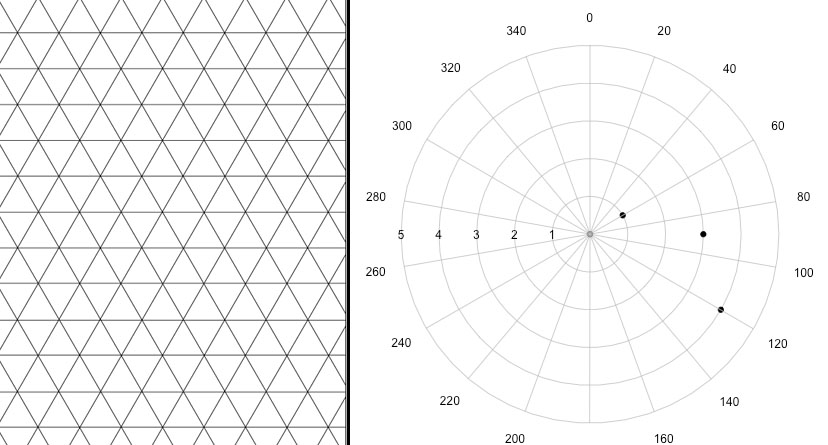
grid-radial-triangle

There are all types of recognizable grids, such as those above, and in the images below:

grid-quilt1
Patricia Walker Rusk’s Sunset Gardens
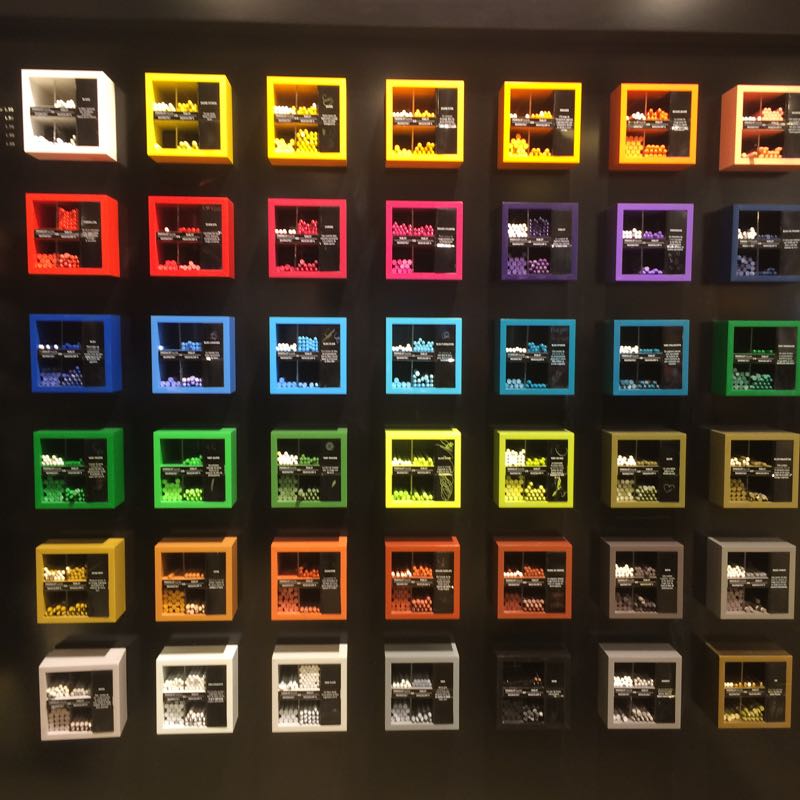
grid-quilt1b_pencils
pencil cubbies in a shop in Switzerland
grid-quilt2
Bullseye by Vicki Ruebel
grid-quilt3
Upward Modbility by Stephanie Ruyle
grid-quilt4
Christa Watson’s Square in a Square
grid-quilt5_tile
Lisbon Subway Tiles
delta-breeze_wiens
Cindy Wiens’ Delta Breeze
grid-quilt7
Three versions of my Neighborhood Quilt, by my students

grid-quilt8_umana

grid-quilt9_tile

grid-quilt10_tile

(more designs from Spain and Lisbon)

grid-quote-4

grid-quilt11
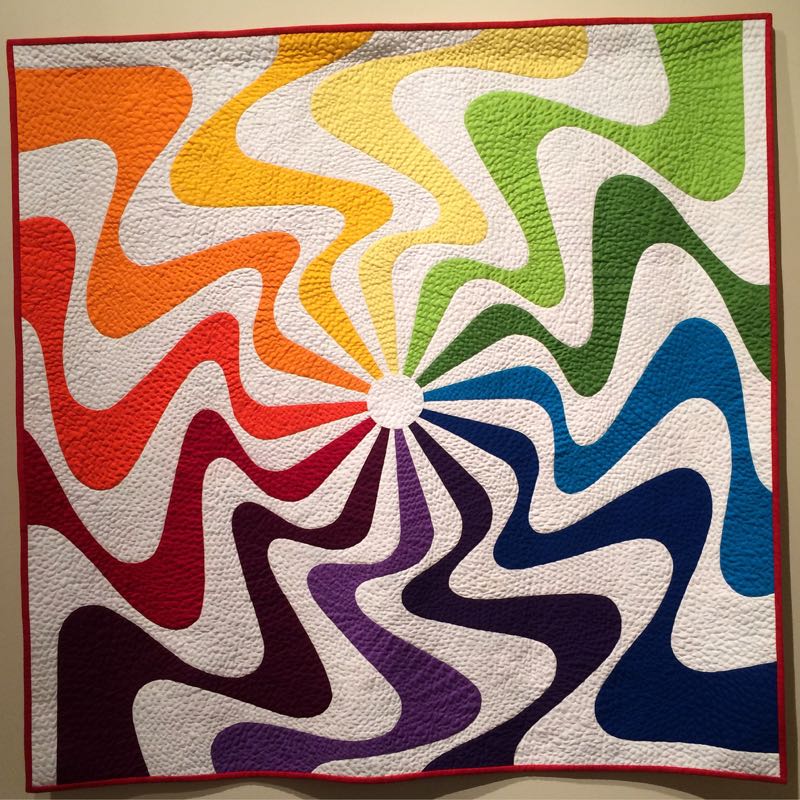
Velda Bowen’s Fractured Rainbow

(circular grid used, both above and in combo with a regular grid, just below)

shinecirclesquilt_frontl
Shine: The Circles Quilt

golden-spiral(Golden Spiral • from here)

grid-quote-5

grid-quilt13
Beth Shutty’s Cut Diamonds

(A diagonal grid, both in Shutty’s and Van Orman’s quilts) )

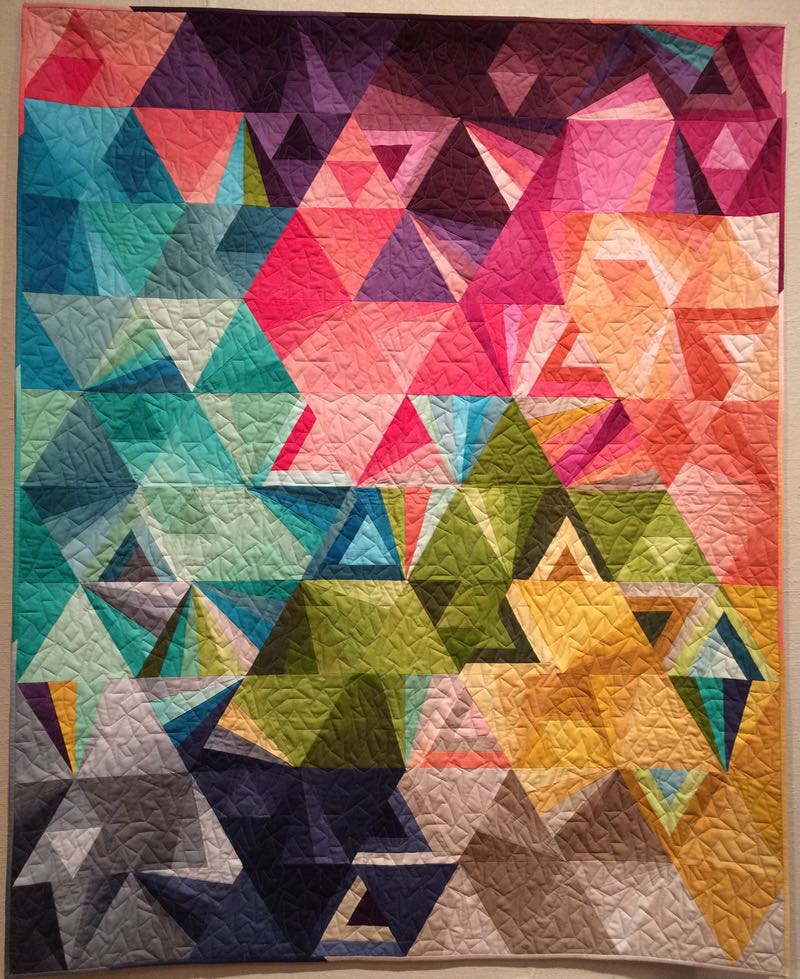
grid-quilt14
Tesselation by Jenn Van Orman
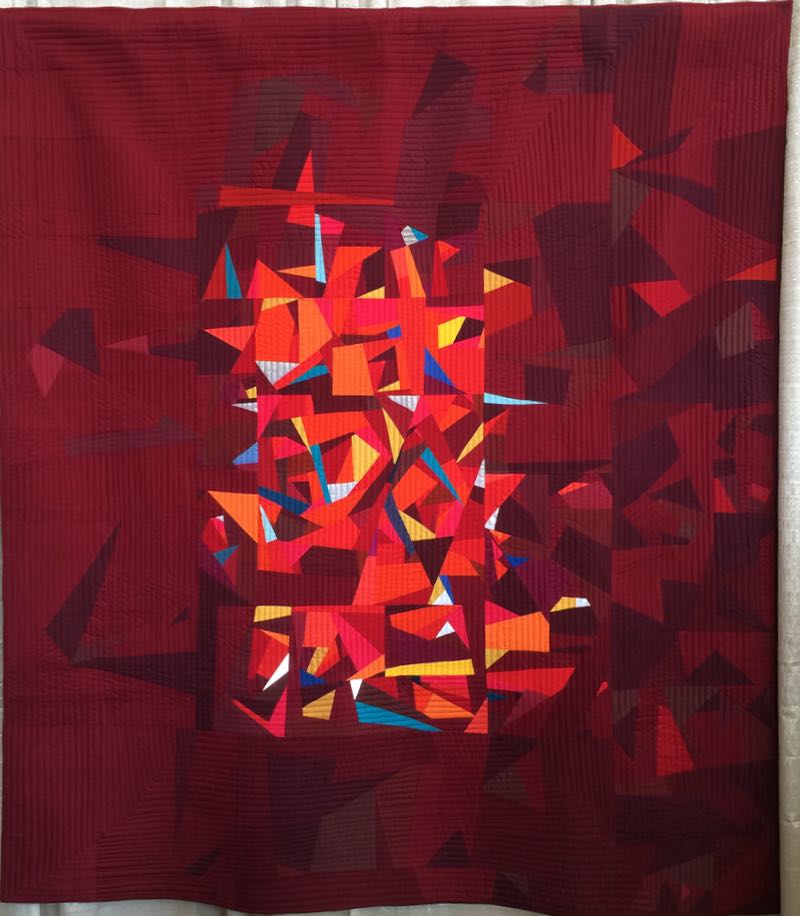
grid-quilt15
Stephanie Ruyle’s Embers

I love the grid, as ultimately, the function of the grid is to help determine and define proportion, such as the last two quilts, which seem to have some unseen glue holding them together. That’s why some quilts that seem to use no grid at all can either make us shake our heads in confusion, or can capture our gaze.

gridsters-250-buttonx

And that’s why we’re the Gridsters — not just those in the bee — but all of us in the quilt world.

tiny nine patches

And a little bit of news.

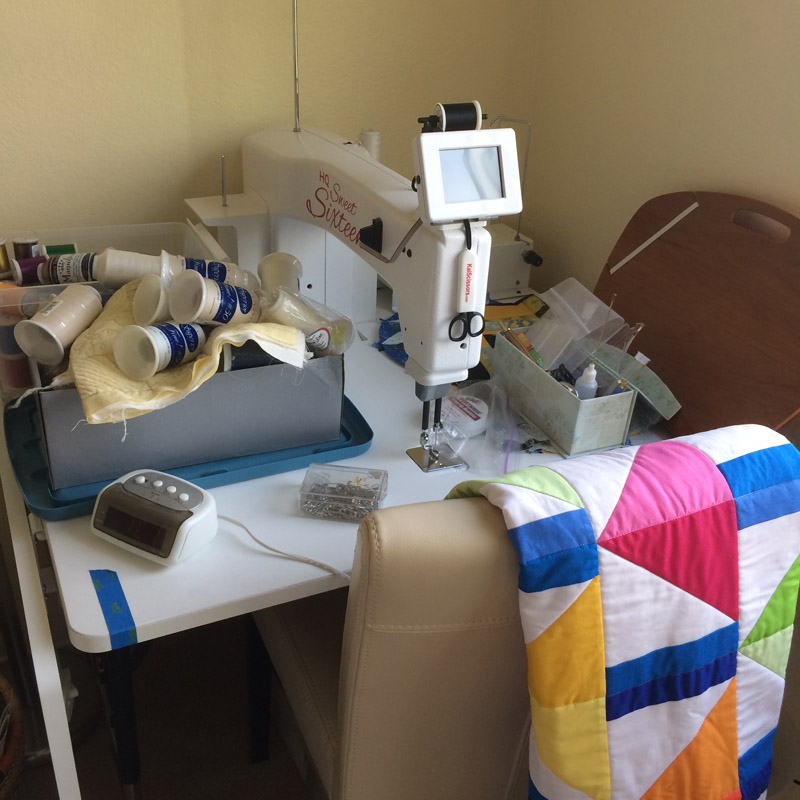
I wake up everyday and see this:

sweetsixteen-in-hiatusOn some of my harder days, it has crossed my mind that I won’t ever sit there again, happily stitching away, and I feel so far away from the quilting world that I love.  Cue the tears and the Sturm und Drang.  And then I received this:

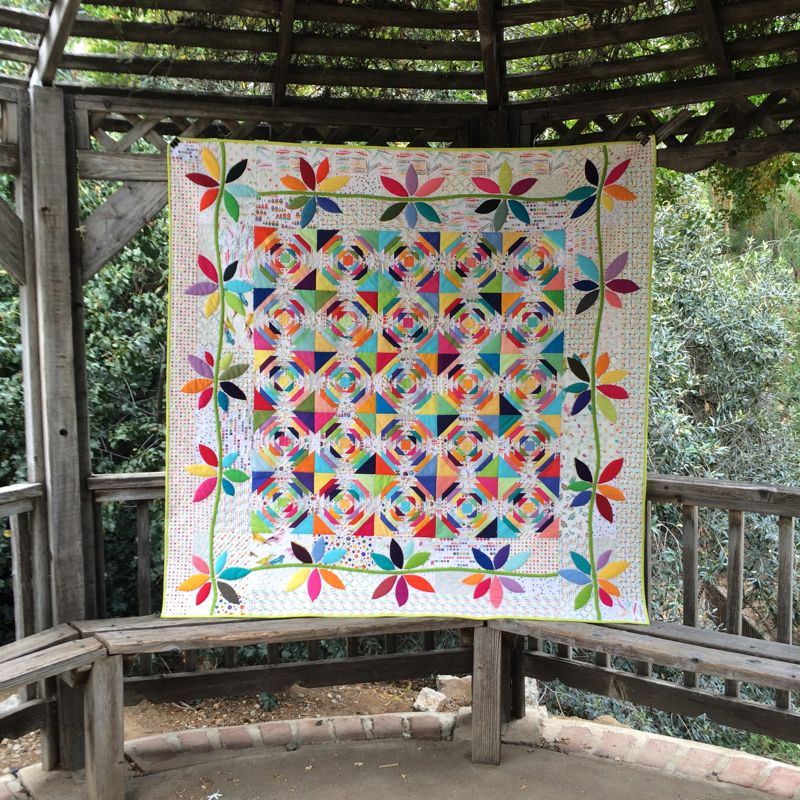
quilt-entry-announce2017Pineapples and Crowns_front iphoneGuess the universe doesn’t want me to give up yet.  (If you’ll be there at Quilt Festival-Chicago, please take a photo of my quilt, and tag me on IG [occasionalpiecequilt].) And I was also asked by our guild, The Raincross Quilt Guild, to present a Trunk Show on May 16th.  I’m pretty excited about this, and have been working on my program notes.

So…guess I’ll be a good girl and keep all my Physical Therapy appointments so I can get back to quilting.

sewing-valentine_8

100 Quilts · 200 Quilts · Quilts

Be My Valentine • 2017

sewing-valentine_1

mini-love-quilt
Mini Love Quilt, 2012

sewing-valentine_2

be-my-valentine
Be My Valentine, 2012
Spelling Bee Words, 2015

sewing-valentine_7

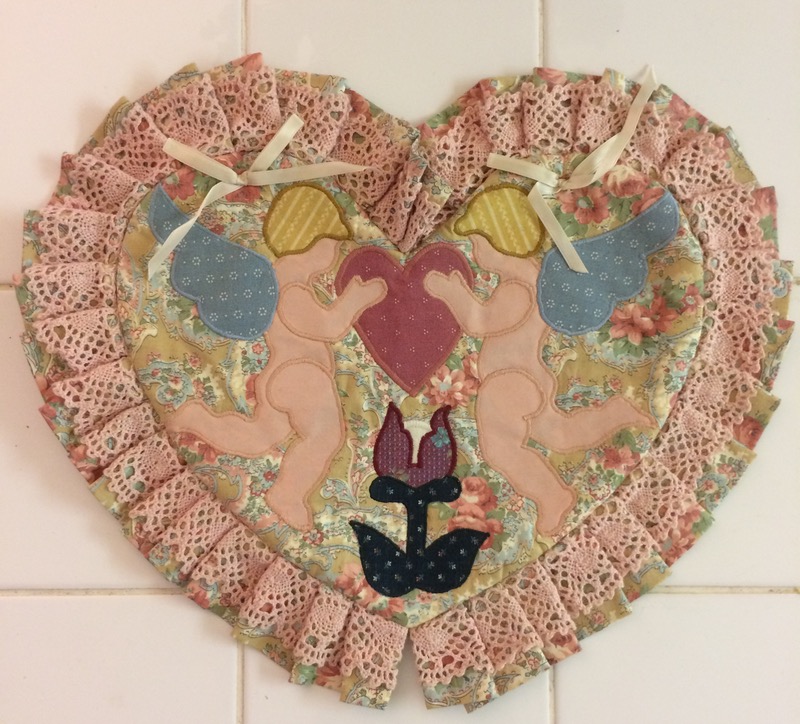
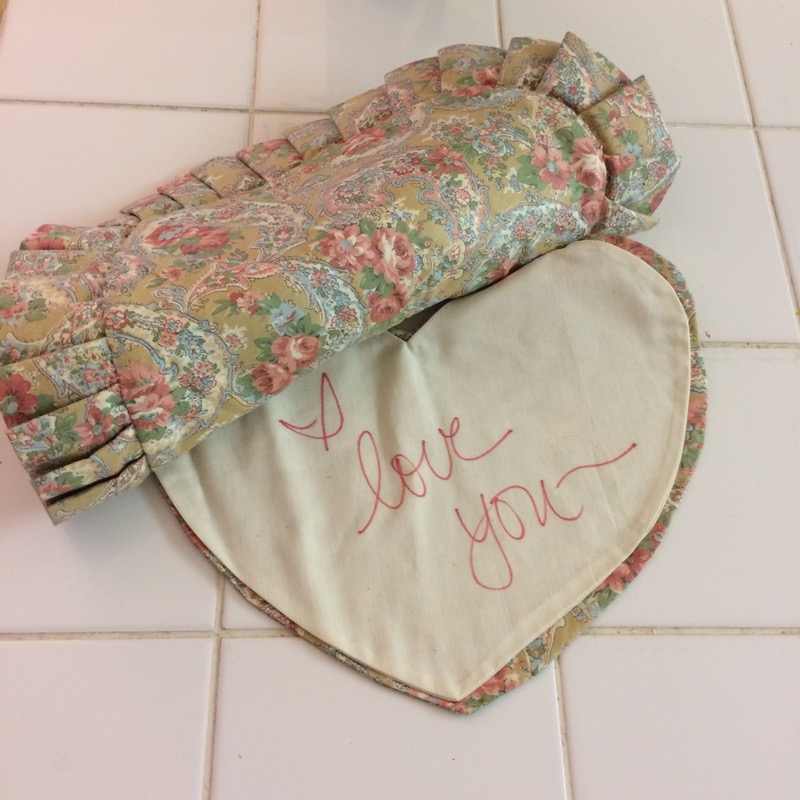
peacebailey-valentine1 A creation from Way Back: a florid appliqué heart Valentine designed by Elinor Peace Bailey.peacebailey-valentine2

HeartsPinesQlt_Front
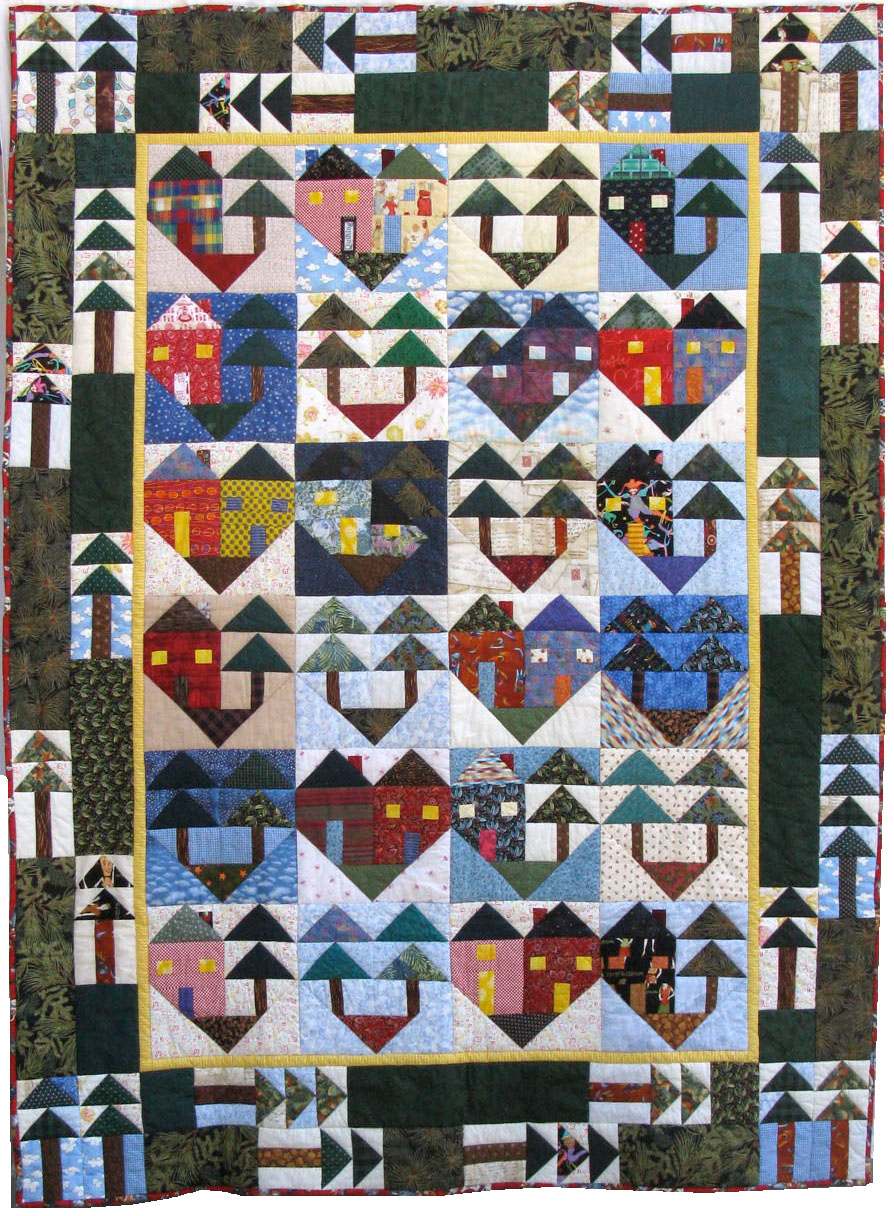
Hearts in the Pines, 2007

(Pattern for heart blocks on this post.)valentine-heart_1

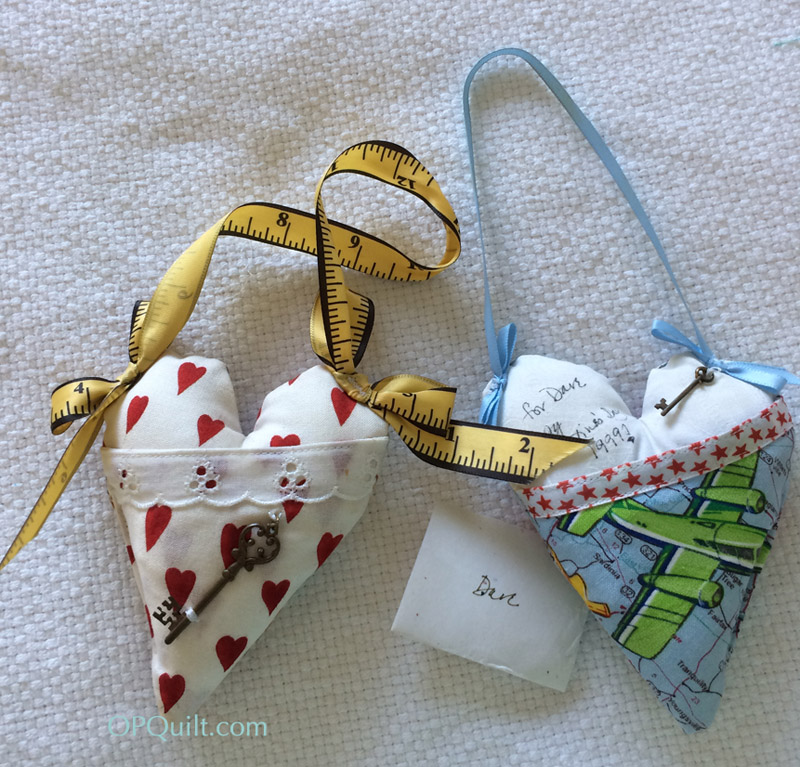
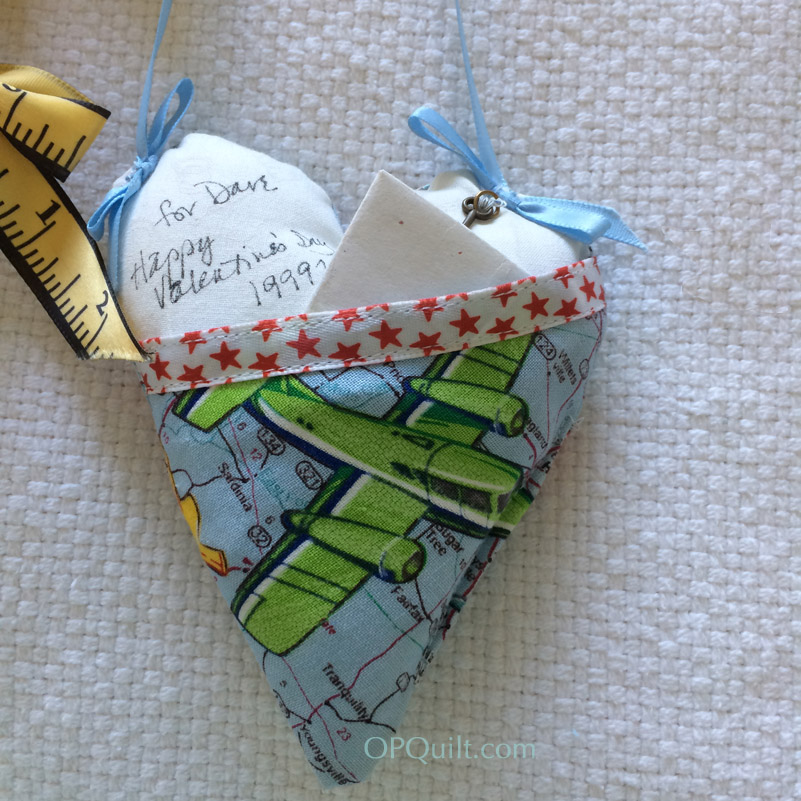
Valentine Hearts, with a wee pocket with a wee Valentine note tucked in.  The hearts themselves are about 4″ tall, with attached ribbons and keys.valentine-heart_2

twined-threads_front
Twined Threads, 1997 (first quilt I ever quilted by machine)

twined-threads_label twined-threads_label-interiorsewing-valentine_5

Free Quilt Pattern · Mini-quilt · Quilts

Liberty USA Mini Quilt, 1 (along with some “slow quilting”)

liberty-usa-quilt1_stars

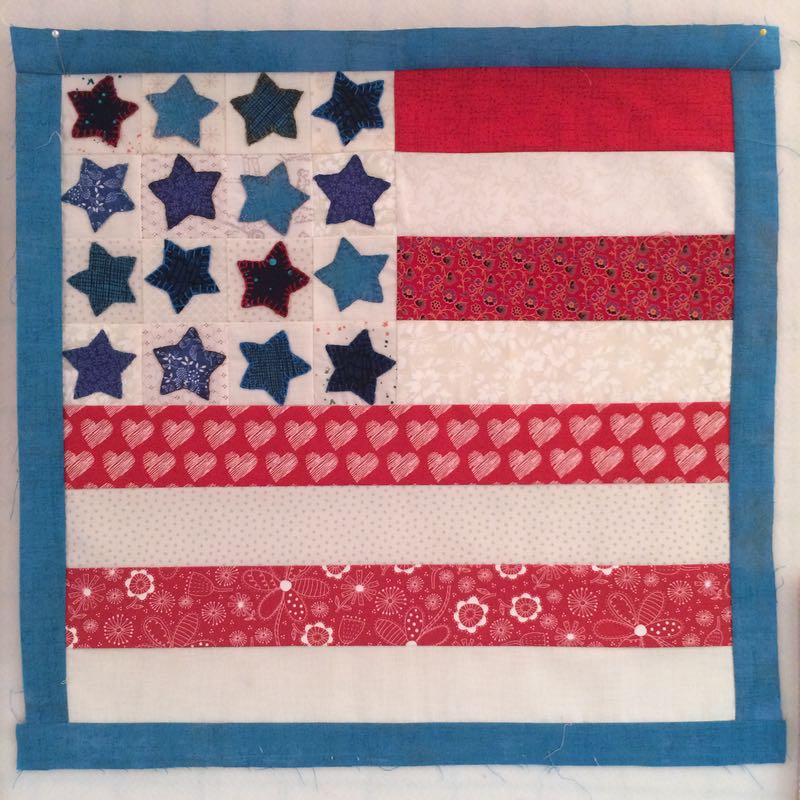
I have always wanted a patriotic mini-quilt, so before surgery, I prepped up these little stars, fused them down to 2 1/2″ squares of fabric and stitched them together in a block.  I figured I could stitch on them while healing.  I would use some of those pearl cottons I’d collected while doing Oh! Christmas Tree, and blanket stitch around the shapes.
liberty-usa-quilt2_sewing-stars

The first day, all I could stitch was ten minutes.  liberty-usa-quilt3 I came back to it a week later and over a few days, finished them up. Now what?liberty-usa-quilt4

I taught my husband how to rotary cut, and we got some stripes together (short is 8-1/2″ x 2-1/2″; longer is 16-1/2″ long x 2-1/2″).  I swapped out my big machine for my teeny Featherweight, and stitched them together, one-handed.  At my first check-up the doctor gave me the go-ahead to do stitching, as long as I wore my sling, saying it would be “therapeutic.”  Oh, yes.liberty-usa-quilt5

Putting on these scissor-cut  1-1/4″ borders was not easy (finish at 3/4″).  I’m so used to man-handling the fabric for speed, I’d forgotten how to slow-stitch, or slow-quilt, or whatever you want to call it.  Before, I would grab the strip in front and in back and put some tension on it, floor my foot pedal, and force that fabric into place.  Since I only have one hand available to help guide it through the machine, this wasn’t going to work.liberty-usa-quilt6

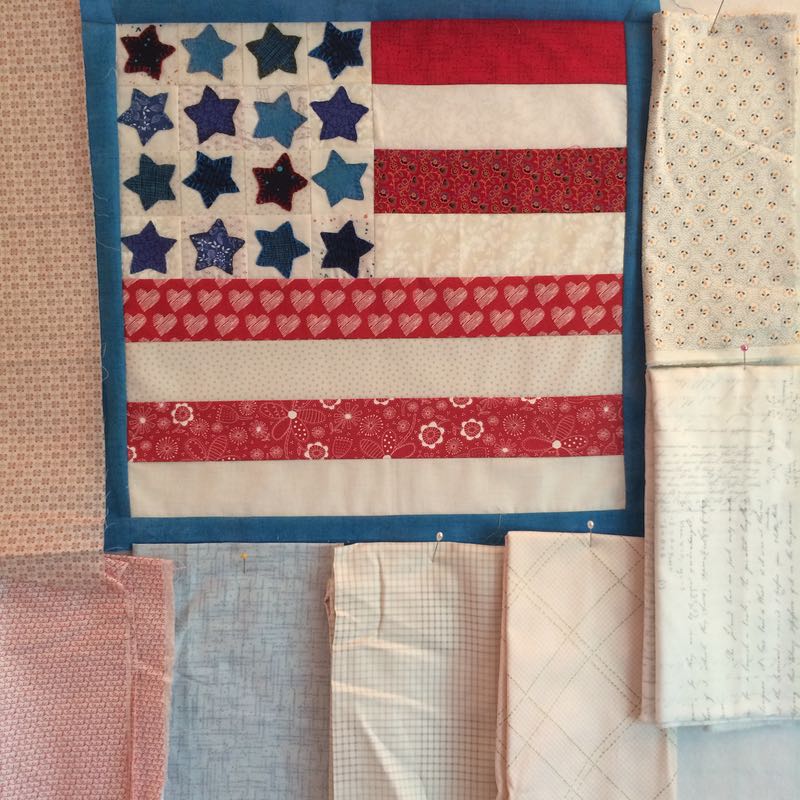
Auditioning the next border, with the realization that there is no driving, either, so no running to the fabric store if I don’t like what I have.  I scissor cut the borders, laid out the little mini quilt face-up on the ironing board, and gave it a good press and smoothed it out.  Next I laid the border face-down on top, and again pressed it.  Since I can’t force these pieces together, I have to coax them.  I pinned them together in many places, and fed the seam slowly through the machine.  Flattest border I ever put on, with no puckers anywhere.liberty-usa-quilt7 liberty-usa-quilt8 liberty-usa-quilt8a_word

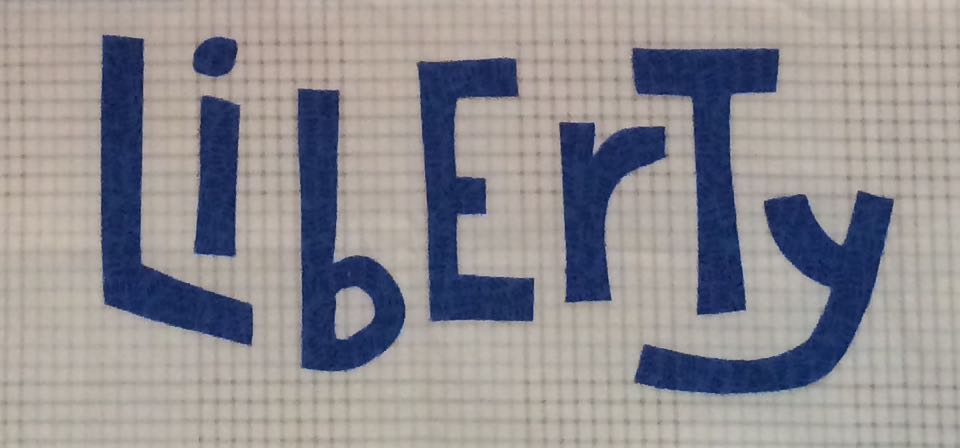
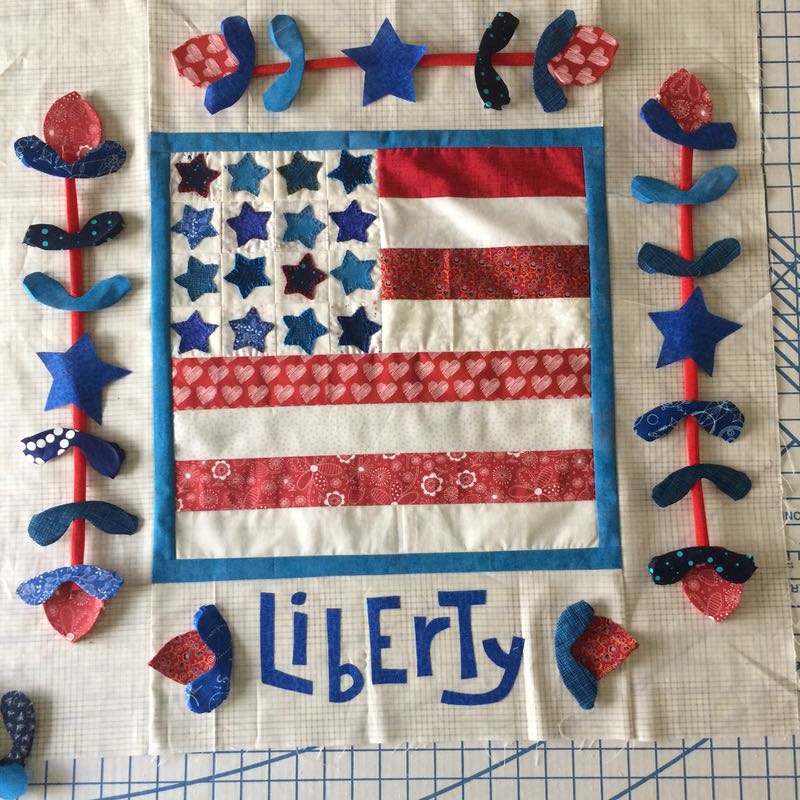
I had an old printout from the internet (couldn’t find the source when I went back to reference it) that had this word,  so I drew two lines, 5″ apart, then another guideline 1″ inside the top and bottom and freehanded the letters. I fused them on to the quilt.  They are about 5″ tall overall, as that outer border was 6″ scissor-cut.liberty-usa-quilt10

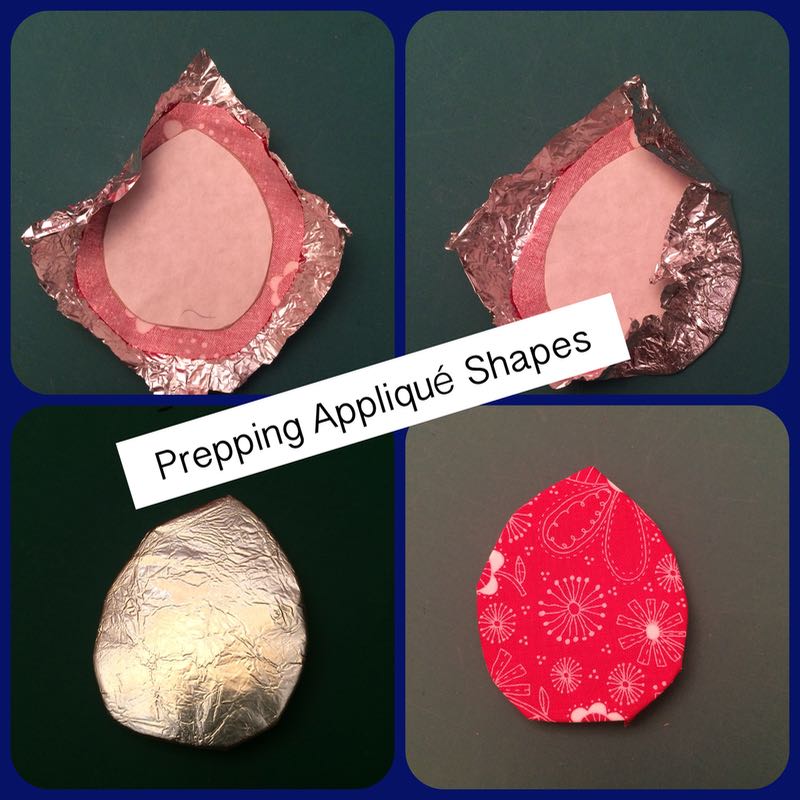
I sketched out a bud, figured out some leaves.  I drew joined leaves, inspired by my love of samaras, or those joined helicopter seeds from maple trees, but also inspired by this photo [PDF of pattern shapes is at the end of this post].  Above, I am trying Sarah Fielke’s method of prepping up shapes for appliqué.  It worked fairly well.

liberty-usa-quilt11 liberty-usa-quilt11a

I laid  out all the parts: leaves, byds (small and large), tubing for stems and more cut stars (on the pattern sheet), trying to decide if I like two leaf sets next to the word Liberty, or one.  I’ll appliqué or blanket stitch down everything…then decide.  Since I work in small segments of time, and ever so slowly, I might make my goal of July 4th.   Here’s the pattern sheet in a PDF document: liberty-usa-quilt-bits
liberty-usa-quilt-printingPlease be sure to set your printer’s settings to 100% so the large star will measure 3-1/4″ where noted. It contains: large flower bud (top and two sides), small flower bud (next to Liberty), joined leaf shape and the large star.  You can either shrink this star for the 16 stars in the central star section, or look for a star online that will measure about 1-3/4″ to 2″ across.

liberty-usa-quilt12
My set-up is a pattern-cutting board laid out on the extra bed, a chair pulled up to it.

Keep stitching, however s l o w l y !