Quilts

More Copyright: It’s My Quilt and I’ll Name It What I Want To

Questions

Okay here’s a tricky one for you copyright fiends, experts and fanatics:

1–Famous Quilter (who you have revered in the past) gives you permission to teach a class using a block of her own design, last published in a book in 1983, thiry-one years ago. (It’s my understanding that current copyrights remain in existence for the lifetime of the author plus 70 years, up from 25 years in times past.)

2–Famous Quilter then requests you name your full quilt after her block name, even though you have a tradition of naming your quilts after rhymes, famous and pithy quotes, and verses.  You demure, saying you use Famous Fabric Designer’s Fabrics and they don’t insist the quilt be named after THEIR fabrics, but that you would be more than happy to include the name of Famous Quilter’s block on your label.

3–Famous Quilter writes back and insists, saying if I won’t name the whole quilt after her block name then I can’t use the name anywhere, nor can I teach a class from it, and implies that I can’t even write about it on my blog. I can, however, call the quilt what I want to within the walls of my own home.

Okay, Copyright Enthusiasts–GO!

Is Famous Quilter within her rights to deny me naming rights to my own quilt?  Notice the only time I would be making any money would be if I were to teach a class.  (Which I won’t be now, even though I wrote up the directions for this block, right after Famous Quilter gave me permission, before rescinding said permission.)  Writing up the directions, buying and choosing the fabric for it, cutting it out, sewing it, quilting it, binding it would all be on my expense (not to mention the purchase of her out-of-print book).

Is Famous Quilter within her rights to deny my ability to write about it on my blog? In my defense, I thought I would be giving a boost to a design of hers that at this point is not very much in circulation. (I know.  I did a Google search on it.  It’s practically invisible, except on Famous Maker’s website, buried one level deep.)
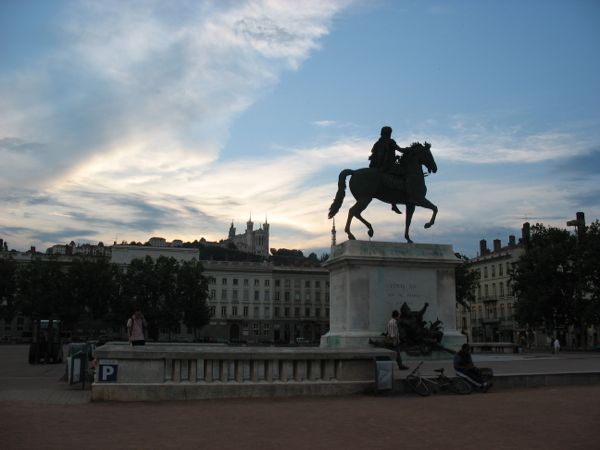
Pedestal Lyon FranceHas Famous Quilter fallen off her Famous Quilter’s Pedestal?

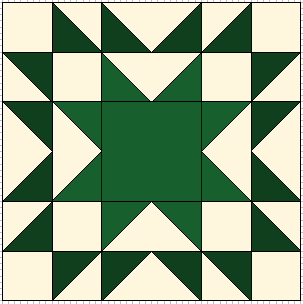
The block is fabulous, but I won’t divulge the Famous Quilter’s name, nor the name of the block, nor tell you anything about the provenance.  Here’s a picture of the quilt as I first saw in another Equally Famous Quilter’s book, published in 1990, some 24 years ago:
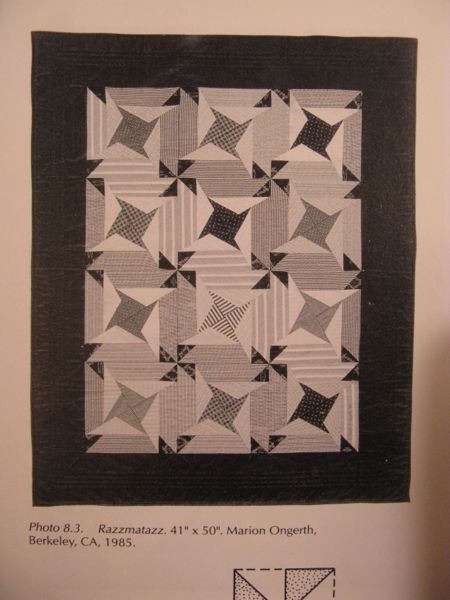
No Name Block Quilt

This is NOT the correct name of the block, nor the correct name of the Famous Quilter.  Forgive me, but now I have a dilemma.  What do I do with:
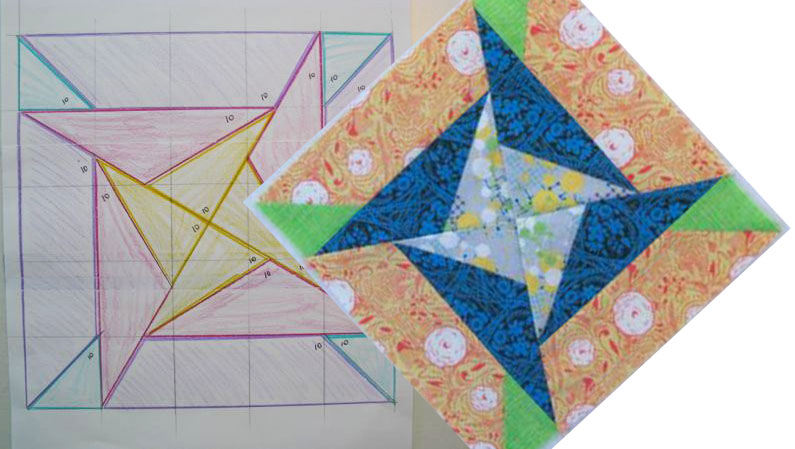
NoNameBlockSketchPrototypeMy carefully drafted sketch?  And the sample block?  And the several days I took to do all this?  And what do I do with:

No Name Block Pieces

All the cut pieces for the making of a quilt which, according to her, I can only call it by it’s True Name in the confines of my own home?

I followed some Interesting Copyright Links and in red, in the middle of a post (Tabberone’s post on Quilting and Blogging and Making of Quilts) is this:

There is no such thing in US Copyright Law that gives a copyright owner the authority to impose restrictions upon the use of copyrighted material once it has been sold or given away by the copyright owner.

They also linked to an Article on the “Hot topic among quilters: Copyright” about a quilter from Iowa who was suing another quilter for “stealing” one of her designs.
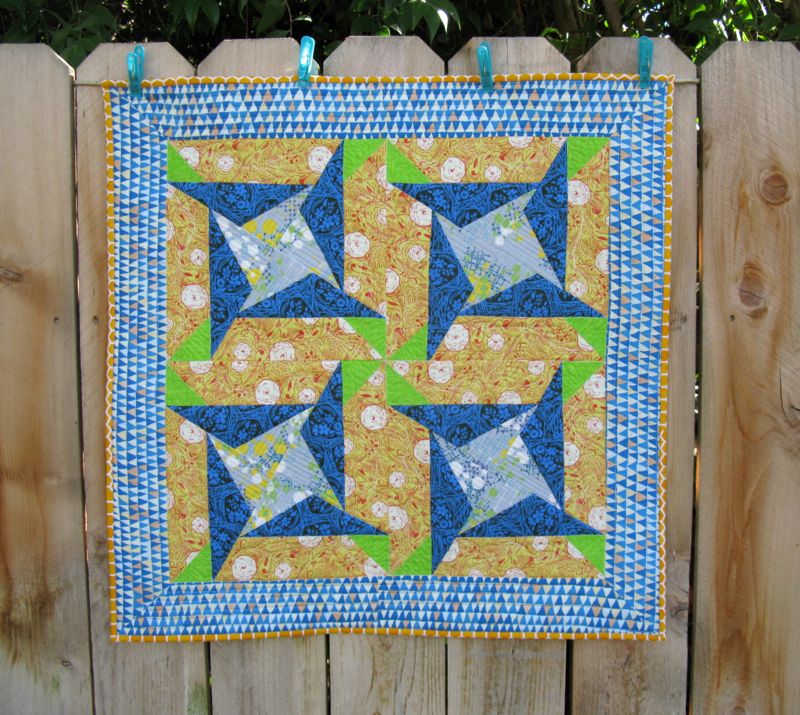
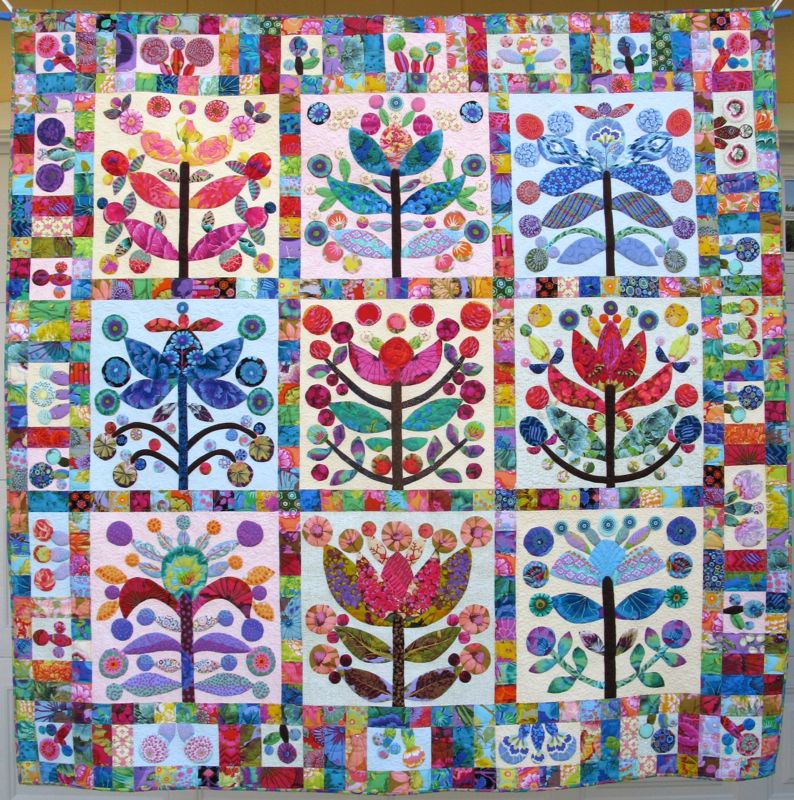
I'll Call It What I Want To quilt_frontI went ahead and finished the quilt. (#133)

I recognize that quilters who are in the business need to earn their money, and I try to oblige, purchasing patterns that are unique and interesting.  (I do draw the line at purchasing patterns that are basically squares, as I’m not a beginner, I have quilt software and I can figure those out.)

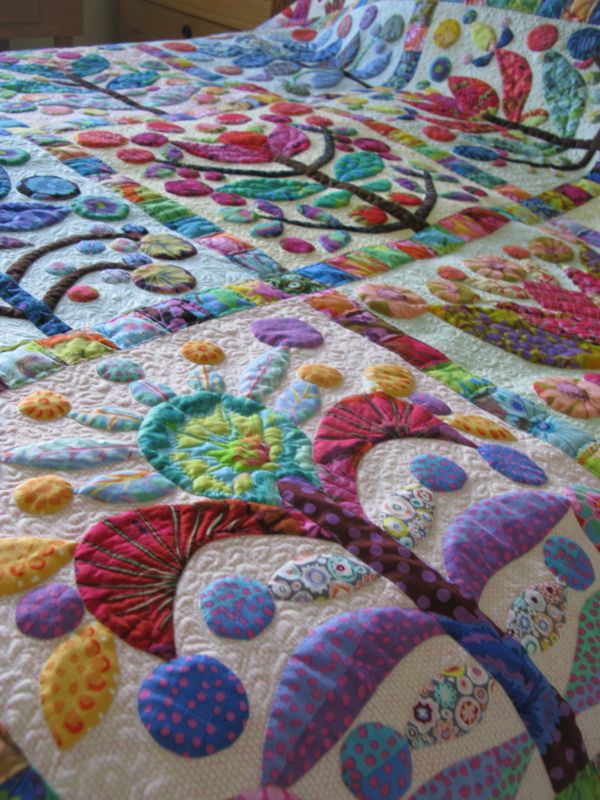
I'll Call It What I Want To quilt_front detail

I truly believe Famous Quilter believes she is well within her legal rights to insist on my naming my quilt the name of her block, even though when I looked through her book, she had not followed the same naming protocols (which I pointed out to her most respectfully).

Some questions: Do copyright squabbles make us more strident in our need to claim our turf?  Or is this typical of a small business, working hard to protect their product (regardless if  I consider it moving past a reasonable boundary)? If you are a quilt designer, would you expect (insist) on the maker naming the quilt after your block?  Final Thoughts: if you comment (and I hope you will, especially if you are a quilter in business) please resist dumping personally on the Famous Quilter, but you are welcome to give me your opinion of this mess I find myself in.
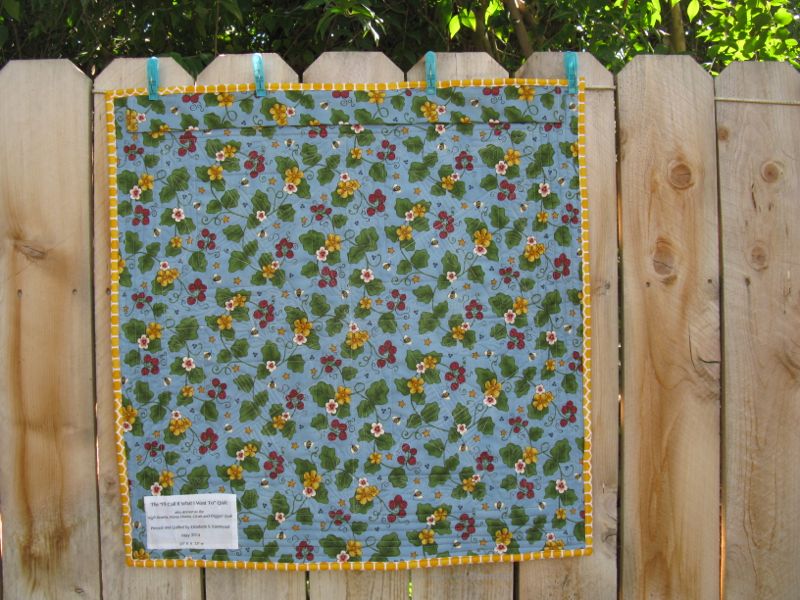
I'll Call it What I Want To quilt_back

I'll Call It What I Want To quilt_label

©©©©©©©©©©©©©©©©©©©©©©©©©©©©©©©©©©©©©©©©

Here are some more links for reference, if you ever find yourself corresponding with a Famous Quilter:
What I Think Is the BEST Commentary on the Issues of Copyright Facing Quilters (by Leah Day)
The more I read, the more I think Leah Day (and Austin Kleon) have it right: Attribution in our day and age is the grease that keeps the creative wheels turning.

Brave Little Chicken’s Excellent Series of blogposts on Copyright Law and Quilters
SAQA (Studio Art Quilt Associates)
Circular from Copyright Office
“Chapter One” from the Copyright Office–see sections 106, 106A and 107
Website of the Copyright Office–which makes me believe that some have said that we should have no copyrights on quilted articles, but use the Fashion Industry’s model
Raisin Toast’s Blog Post (reprint from Tabberone.com)
“Useful Articles” from the Copyright Office–Quilts are considered “useful articles”
AQS page on copyright questions for exhibited works
Copyright Quiz for Quilters
Tabberone’s Theft of Images or Text webpage

And finally, an interesting rebuttal of the claims I hear about all the time, again from Tabberone’s website

Quilts

Keeping the Brain Alive

Yes, my brain is pretty dead after grading a stack of 10-page research papers, but after seeing all the twenty-somethings at school today, I have to say that their brains are pretty dead, too.  We had a hard time stringing words together, but we got through it by watching a video of a David Mamet play (Spanish Prisoner, if you’re interested) to go along with our Drama Unit.

d8b89-christine2527squilt

Christine’s Philadelphia • see original post for more info

So today, while I held my last office hours at school and the internet went out (Panic in the Library!! Panic in the Library!!) I resorted to that old-fashioned entertainment device: a newspaper (having tucked a couple of sections of my New York Times in my bag).  I read from their Education Life issue from April 13th (yeah, I’m a little behind in my reading), about  “Ten Courses with a Twist,” where I found this diagram:

courses-chart-image-tmagSF-v3

This is from a course from Carol S. Dweck of Stanford University whose “groundbreaking research has helped shape current wisdom about success and achievement — that failure and recovering from it are more valuable than sticking with what you already know how to do. Dr. Dweck tells students to tackle something “they have never had the guts to try.”  Her research shows that mind-set is critical at times of transition, and those “with a ‘growth mind-set’ see that struggles can be overcome with effort, strategy and good instruction.”  Hey, if it’s good enough for incoming Stanford freshmen, it’s good enough for me.  By the way, anywhere from 140-200 people try to get in the 16 spots in the class.

Amish Sunshine and Shadow

Why I do bring this all up, especially at the end of the semester when all the teachers/parents/students want to do is find a good beach, a cold drink and go slightly comatose for several hours?  Because after listing to NPR’s report that quilting is good for aging and combating memory loss, I thought could learn something. (LISTEN *here*)

Quilting keeps us on our toes because, as Denise Park, the Neuroscientist who was interviewed said, “people who learned a new skill – quilting, photography – had significant brain gains [in memory] – which held up after a year.”  She continues to say: Quilting might not seem like a mentally challenging task, but try it. If you’re a novice, you’re cutting out all these abstract shapes, you are trying to piece them together in reverse order and manipulate the images. It’s very demanding and complex.”  

And now you know what neuroscientists think about what we do all day.

Memory

So when I’m stuck on a project and it’s giving me fits, I should remember Dweck’s advice and try to cultivate a “growth mind-set” all the while knowing that the manipulation, cutting and sewing my patches is keeping my brain active and healthy.  Or take it from my friend Lisa, who hosts our Summer Quilt Retreats in her home. . .

Lia

Quilting! It’s a Win-Win!

 Now go cut some abstract shapes and piece them together in reverse order.

Quilts

Elizabeth’s Lollypop Trees, final

Lollypop Trees Quilt_final Front

Elizabeth’s Lollypop Trees
began May 2011 • finished April 2014

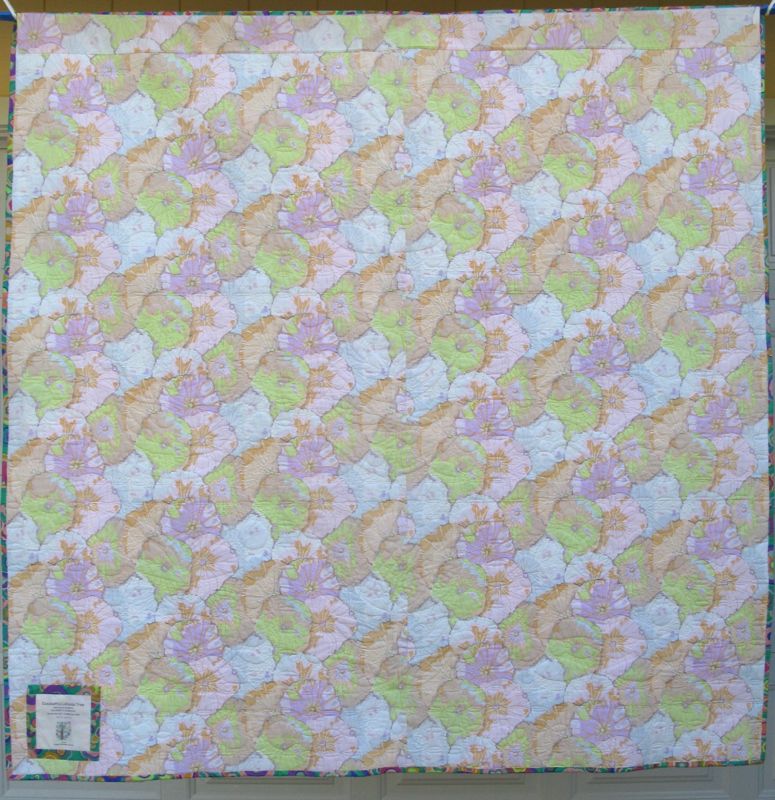
Lollypop Trees Quilt_final BackA Kaffee Fassett Lotus Blossom print for the back, and I am finally done.  I know you’ve seen an overabundance of photos of this quilt, so this is just a simple, abbreviated post to say I’m finished.  (Or should I say: I’m FINISHED!!!)

Lollypop All Quilted

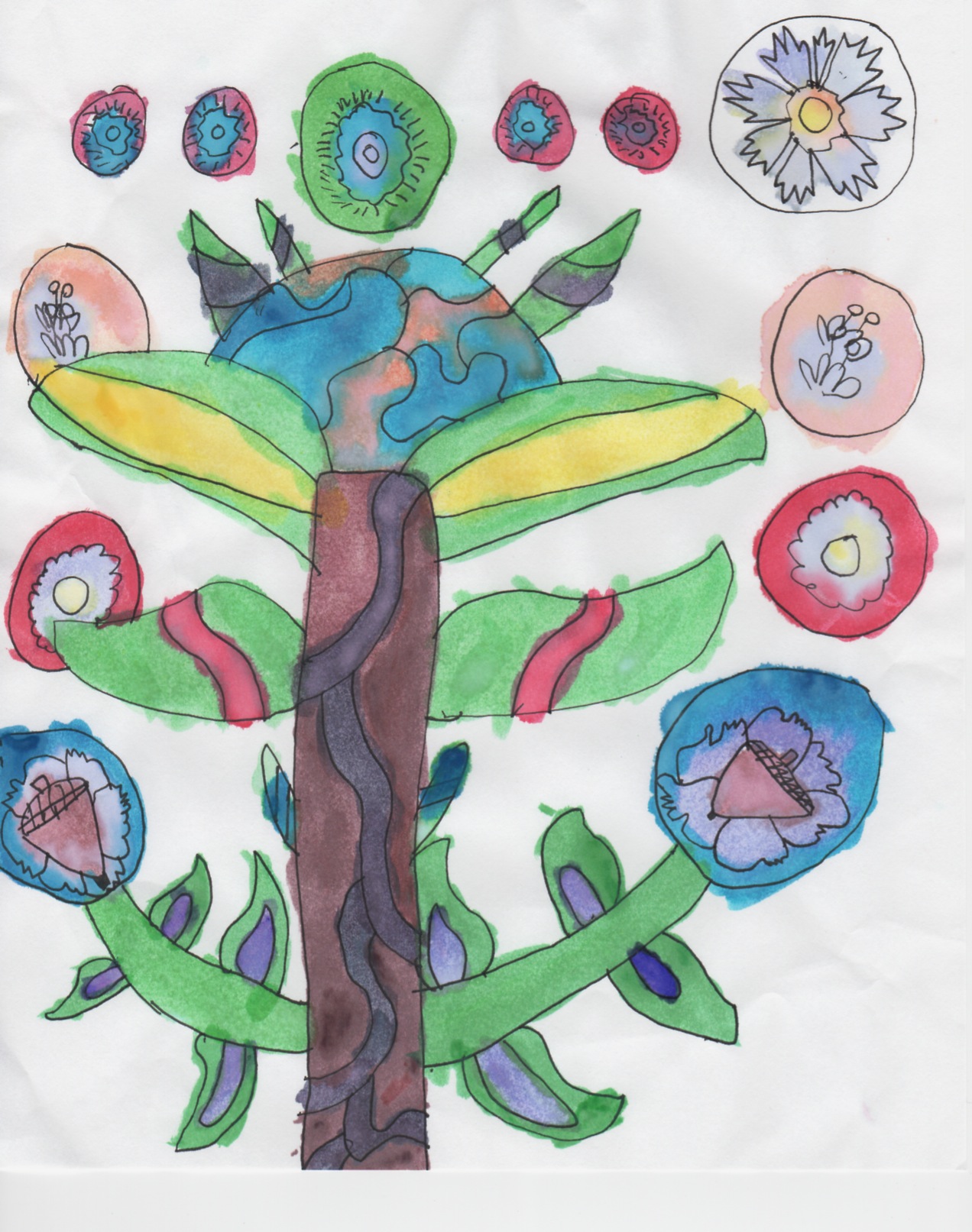
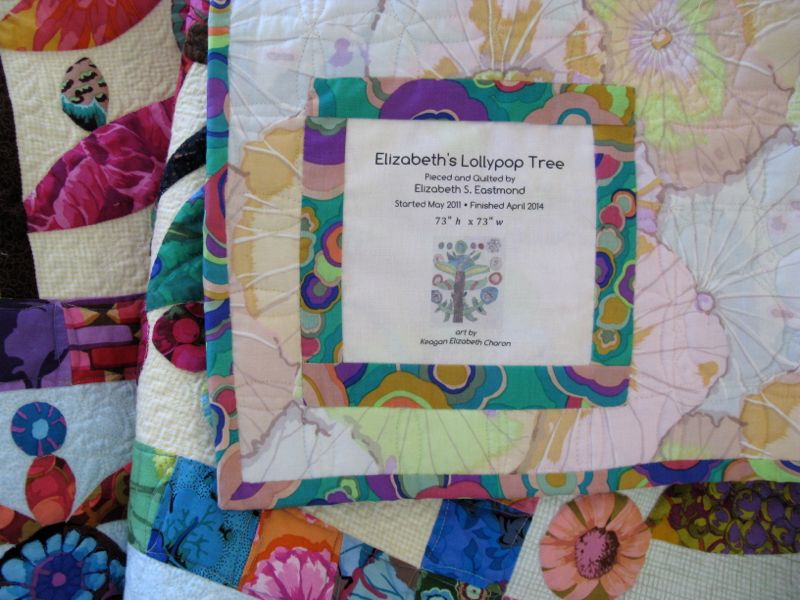
Lollypop Tree 1Some time ago, my granddaughter Keagan saw my blocks up on my design wall, and quietly made a picture for me of what she saw. (I think it’s the block in the lower righthand corner of the quilt.)  I love it, so I put it on the label.

Lollypop Trees Quilt_labelQuilt #132 on my 200 Quilts list
73″ square

˚˚˚˚˚˚˚˚˚˚˚˚˚˚˚˚˚˚˚˚˚˚˚˚˚˚˚˚˚˚
This blog software has an excellent search engine box.  If you want to see details about this quilt, type “Lollypop Trees” in the search box to the right, and you’ll get more posts than you know what to do with.  If you have specific questions, feel free to leave a comment and I’ll get back to you.  Thank you to all who cheered me on and kept me going, in spite of days of wondering if I’d ever finish.  It’s very satisfying to see that quilt, to run my fingers over the quilting, and to know that I did it.

That’s three finishes in two weeks.  Now to grade research papers until my brains fall out and my fingers fall off.

Counting Down

 But look!  Only four more days of teaching in this semester!

Quilts

Change, a Four-in-Art Quilt

Change Art Quilt_front(2)

Change
#3 in the Urban Series, Landmark Quarterly Challenge
Quilt #131

Y Mountain Provo(Y Mountain.  Photo courtesy of Judy Cannon)

This is the landmark I grew up with, a letter on a mountain in Provo, Utah.  Known as the “Y,” there are annual hikes, and a lighting of the letter on Homecoming.   I thought everyone had a mountain with a letter on it, but as I grew up and moved around, I found out that most of the world, and certainly the East Coast of the US, doesn’t.  Since I chose this idea for my landmark, I found there’s a whole Wikipedia page about these hillside letters.  Also known as “mountain monograms,” as one professor wrote in an article about the origins and the spread of these letters, I discovered that University of California-Berkeley was the first. And here’s a map of these letter landmarks, mostly in the mountain west.  (Maybe because we have mountains?)

529px-Mountainmonograms

RS Mountain with Town

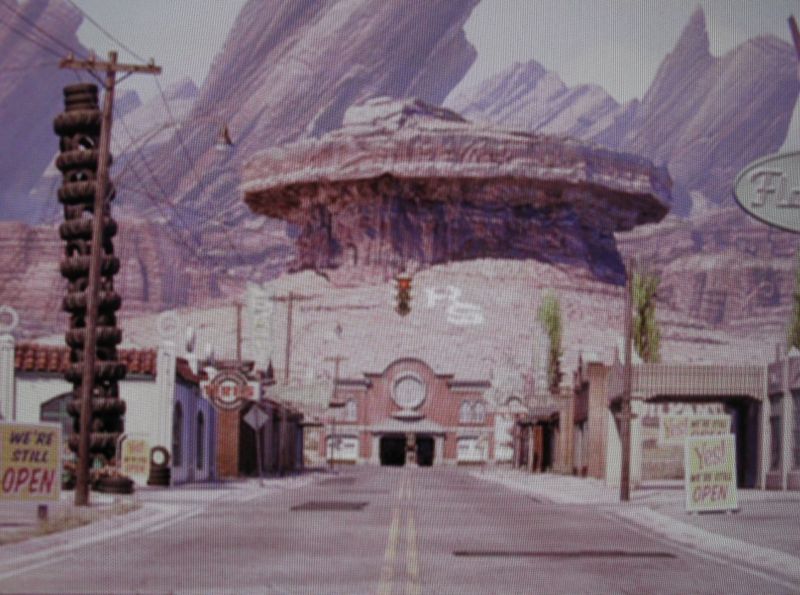
The movie Cars even used hillside letters on the mountain above Radiator Springs, the fictional small town in the movie.  The RS is just to the right of the stoplight.  (Sorry for the weird image, but I had to take a photo of my computer to get this shot.)  The mountain from another view:

RS Mountain

Columbia University in New York does have a “C” painted just above their boathouse on the Hudson River:

NYC_Hudson_Bridge_C_rock

Yet most people think of this when I say hillside letters. . .

800px-Aerial_Hollywood_Sign

. . . but to me, neither of those counts.  A letter needs to be embedded on a hillside or a mountain to count as a landmark.  So that was the genesis of the quilt.

BigC_Box_Springs_Mountain

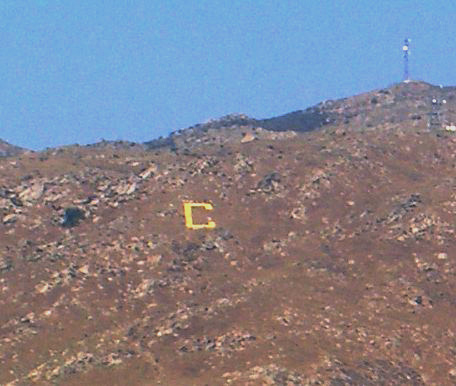
Our landmark hillside letter is a C, an imitation of that first University of California-Berkeley letter, which was set onto a hillside about 1905, the granddaddy of all the other mountain monograms.  This is a blurry image from Wikipedia of our local mountain (our letter isn’t really yellow).  I tried to photograph it, but couldn’t get a good vantage point, so this will have to do.

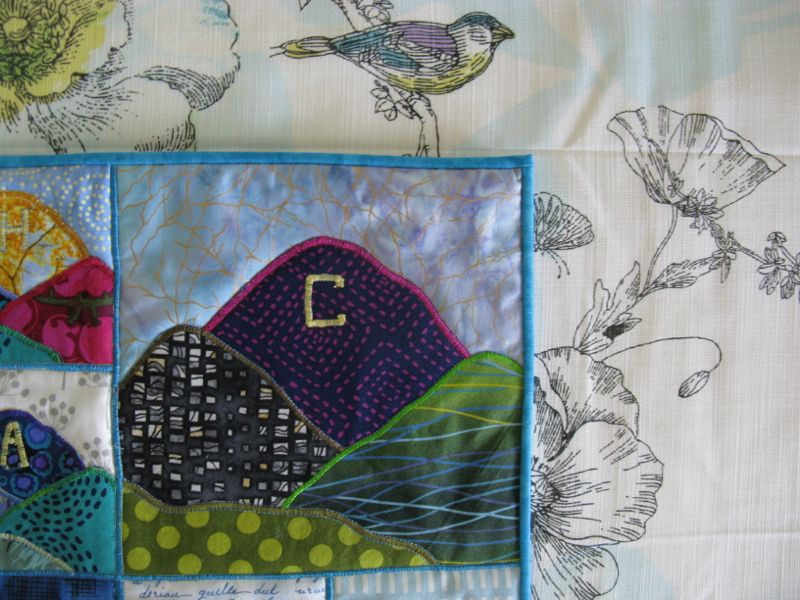
Change Art Quilt_Big C block

Here’s my little art quilt with its C on its mountain.  (Note: although I like to photograph outside, today we are having raging Santa Ana winds, so inside it is.)

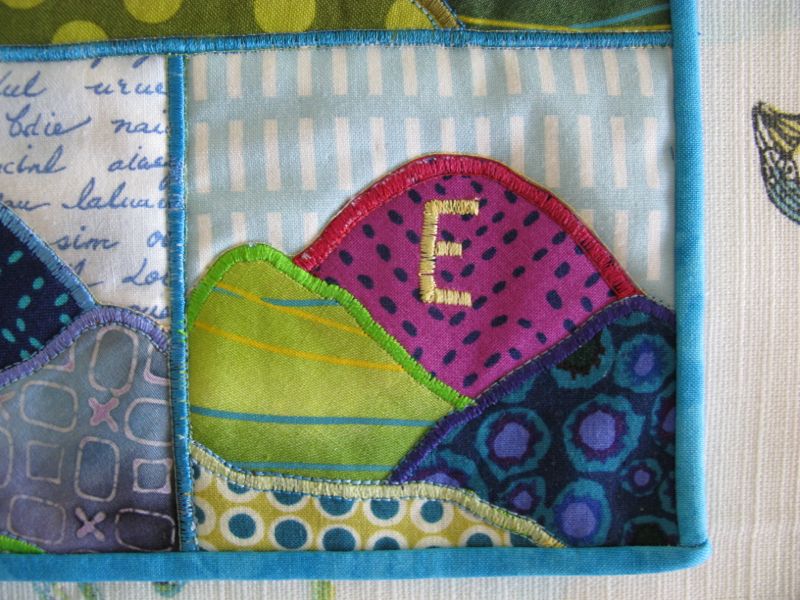
Change Art Quilt_E block

What is the significance of these other letters, spelling out the word C-H-A-N-G-E?

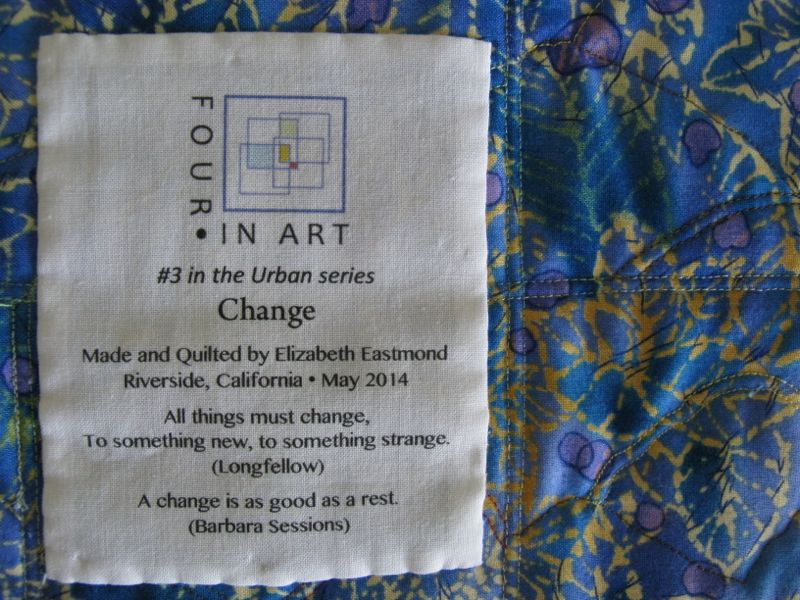
Change Art Quilt_label detail

As Longfellow observed, “all things must change.”  And I keep my mother’s advice that “A change is as good as a rest” close to my heart, for that’s a truth as well.  But the C-for-Change  linkage came to me one weary night, when I had to go and do one more pick-up and one more errand when teenaged children were still at home.  It must have been during our University’s Homecoming Week, for when I rounded the street corner at the base of the Box Springs mountain, I could see the “C” all lit up. I pulled over and gazed at the glowing letter with that tired-behind-the-back-of-the-eyes fatigue, wishing that that I could go home and be home, like I could when the children were little and weren’t off at some activity that required me to be out and about picking them up.  I thought back to the “easy days” of tucking them in after a story and prayers and a drink, and about how wonderful those times were.  Why did things always have to change?

But I realized that change is the law of the universe, and instead of being at war with that constant mutability towards “something new, something strange” I should just accept it.  Change and I are now uneasy companions.  I know it won’t always be like that, for experience has taught me that change can come in steep cliffside drop-offs and hair-raising turns on a winding road.  But for now, I’ll be content gazing at my quilt where it hangs in the corner of my kitchen.

Change Art Quilt_on wall

4-in-art_3button Please visit the rest of our Four-in-Art group, and see how they’ve interpreted the Landmark Challenge:

Amanda  at whatthebobbin.com
Betty at a Flickr site: http://www.flickr.com/photos/toot2
Elizabeth at opquilt.com (you are here)
Leanne at shecanquilt.ca
Tiny Nine-Patch
And come back for the next post, with instructions on how you can make your own little art quilt.
Change Art Quilt_back