I was struck by the idea that: “…all thinking is an act of memory in some form. That includes imagination, creativity, innovation and other variations of ‘new’ thoughts. That means the components of the thought are not new. Only the combination is new.” I read this in an article in the New York Times by Peter Coy titled “If There Are No New Ideas, How Do We Keep Innovating?“
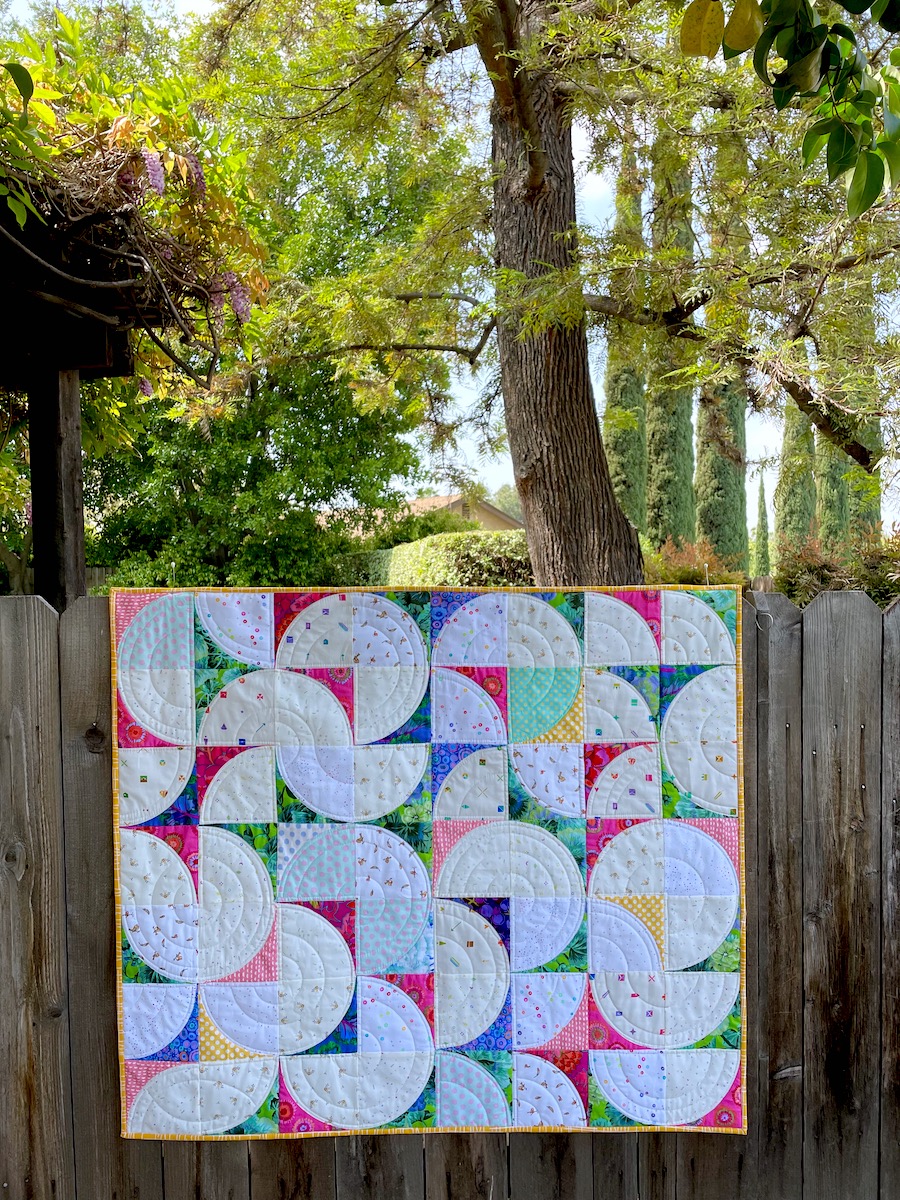
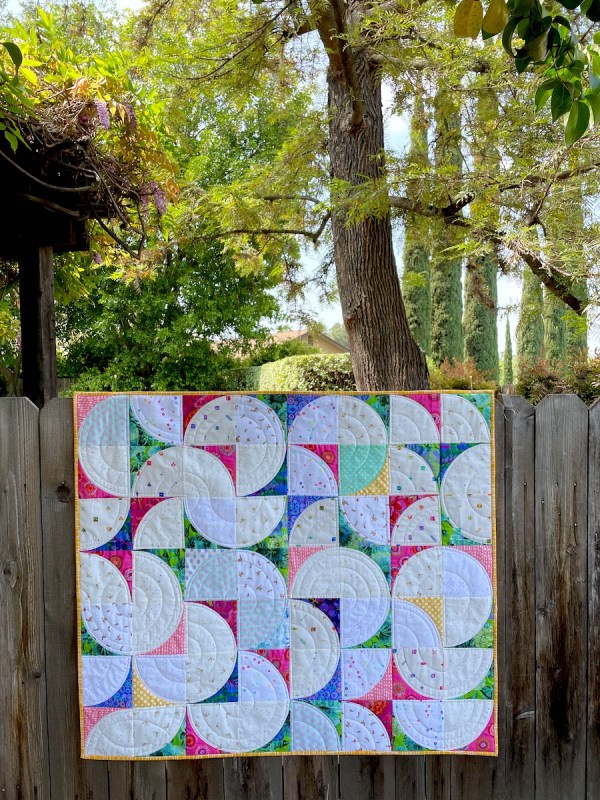
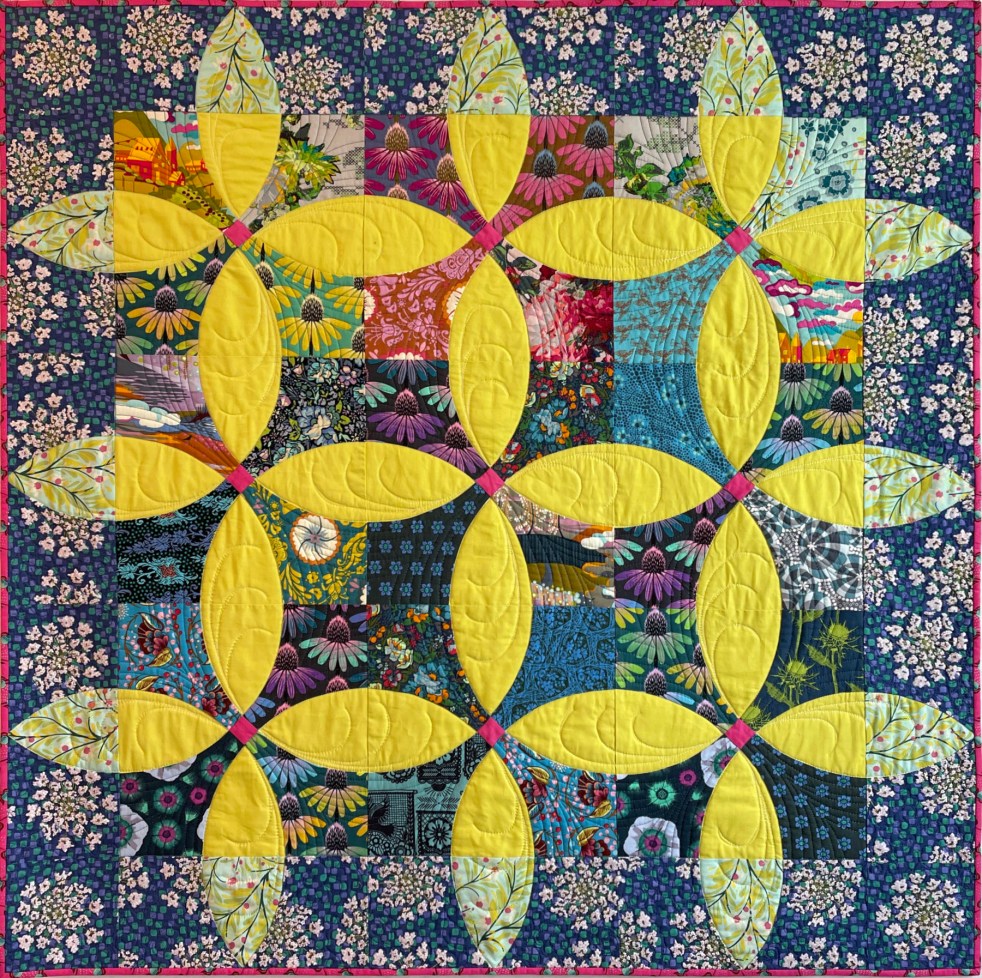
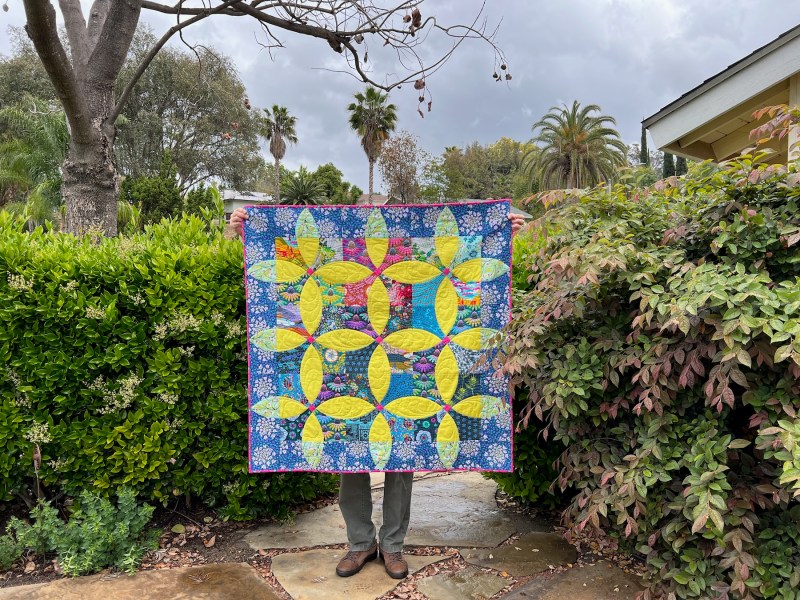
This quote came from Sheena Iyengar who just wrote a new book called Think Bigger: How to Innovate. In the case of this newest quilt top, which I’m calling Time Let Me Play (more on that in a minute), I went smaller in size, but bigger in the idea of it, which is what I think she is referring to. The idea that there is nothing new under the sun is an old one, but I wonder if she’s trying to get at a new way of thinking about creativity, an “act of memory in some form.”
Coy also notes that Mark Twain believed that there was nothing that is truly original when he wrote to Helen Keller:
“It takes a thousand men to invent a telegraph or a steam engine, or a phonograph, or a telephone, or any other important thing–and the last man gets the credit and we forget the others. He added his little mite–that ninety-nine parts of all things that proceed from the intellect are plagiarisms, pure and simple; and the lesson ought to make us modest. But nothing can do that.”
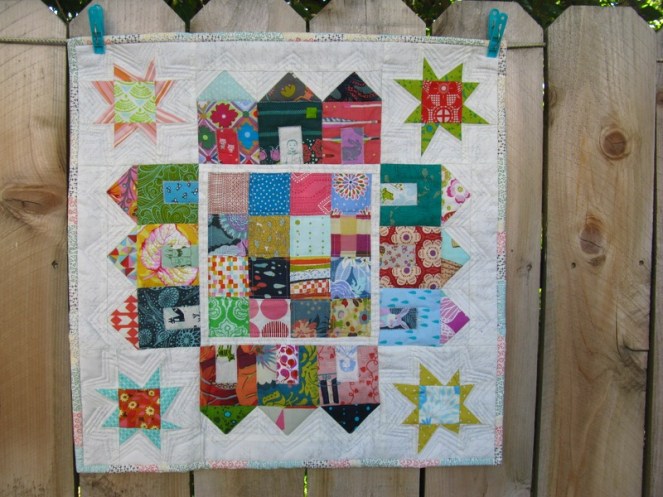
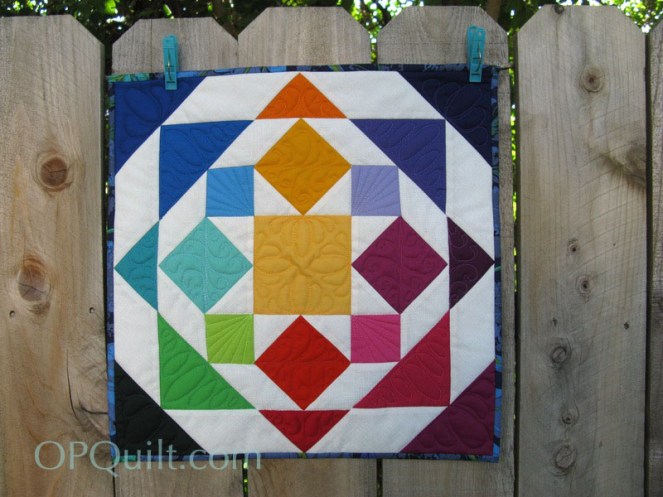
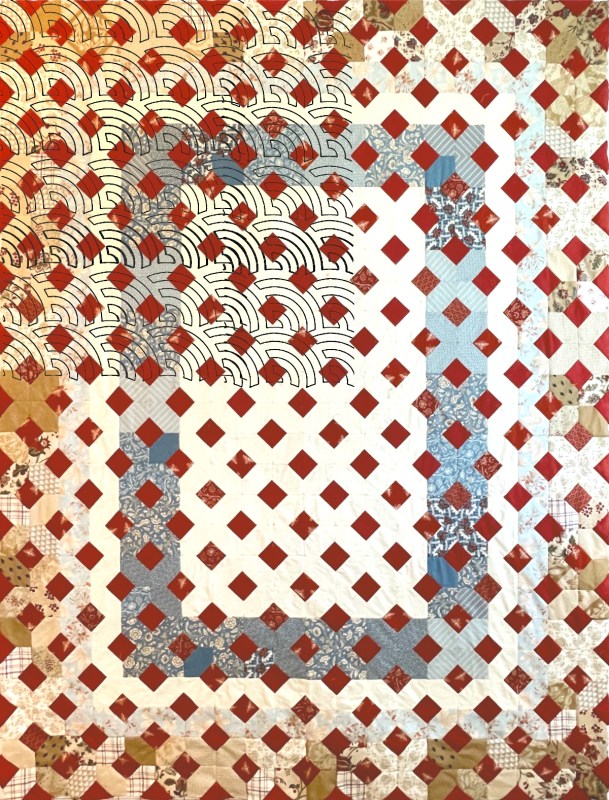
In this case, the memory came from a photo my friend Lisa had given me, and I went on to make a large quilt in cream and black:

How many times have we quilters seen a new “original” quilt, and recognized a well-loved quilt block? How often has a traditional block been seen in a recent quilt, and the maker claiming it an original creation? I am always trying to spot new patterns, new shapes, new ways of thinking about things, but I do like Iyengar’s thinking that it’s memory driven. This motivates me to fill up that memory: to keep reading and adding new things to the mind’s hallways and closets. Museums, anyone? Books? A moderated dose of social media? Quilt shows? A visit to the mountains?
Iyengar writes that thinking bigger is about assembling old ideas in a new way… [S]he writes that all successful innovators are “strategic copiers,” who “learned from examples of success, extracted the parts that worked well, imagined new ways of using those pieces, and combined them to create something new and meaningful.”
Peter Coy, New York Times
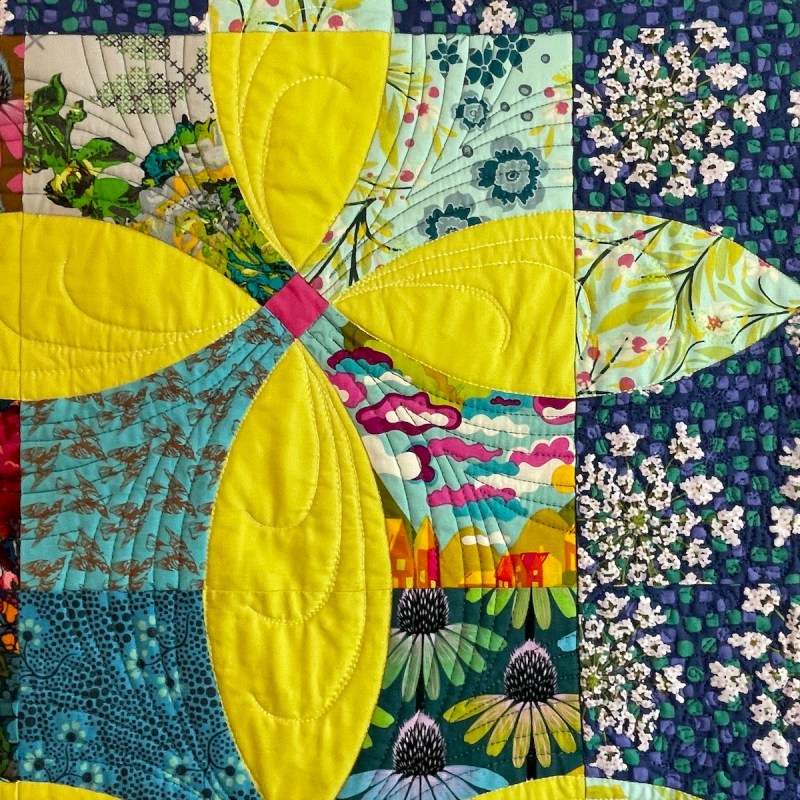
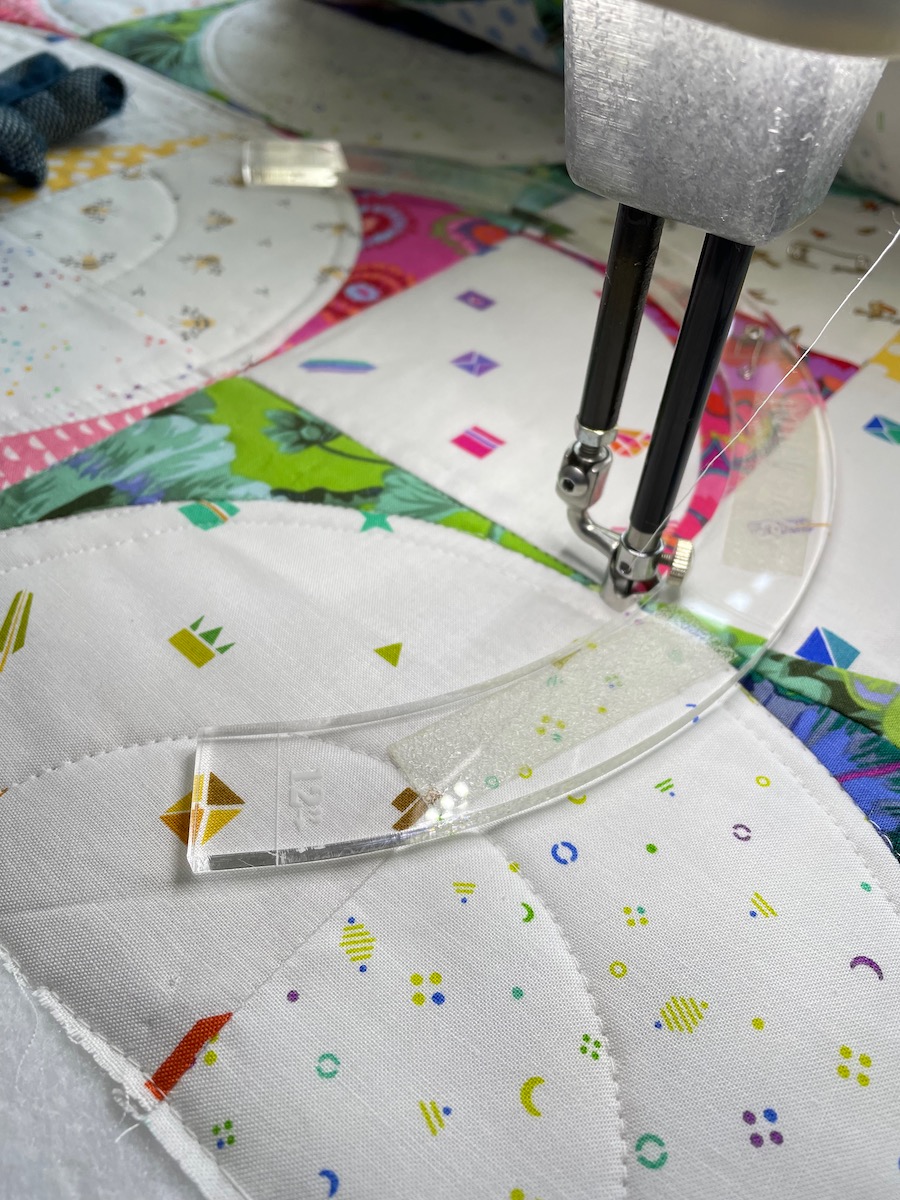
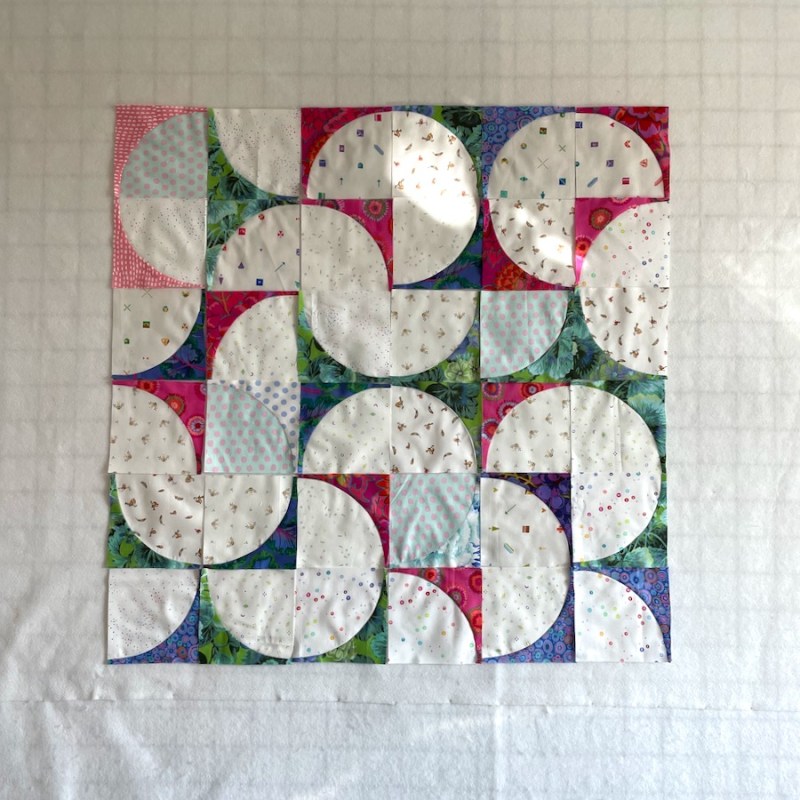
So as I was working on the pattern (coming soon), I first called the cream/black quilt SunShadow. <Bleh.> Then, Starfriends, which is what I called it when I sent it up to my quilter. I’m still not there yet. But the colorful version? Here’s the deal: It’s been a long, long winter over here, with a significant death, the remodel of a kitchen, gobs of rainstorms (which I loved, but the grey skies are not a usual thing), too many small things which added up to bigger things. When we were able to get back into the kitchen, and everything was put away (and the glass lampshade I had accidentally clocked with a pan was fixed), I found a tiny bit of extra energy that no one had claimed. I started playing around with color and put the shape of this quilt into a drawing…
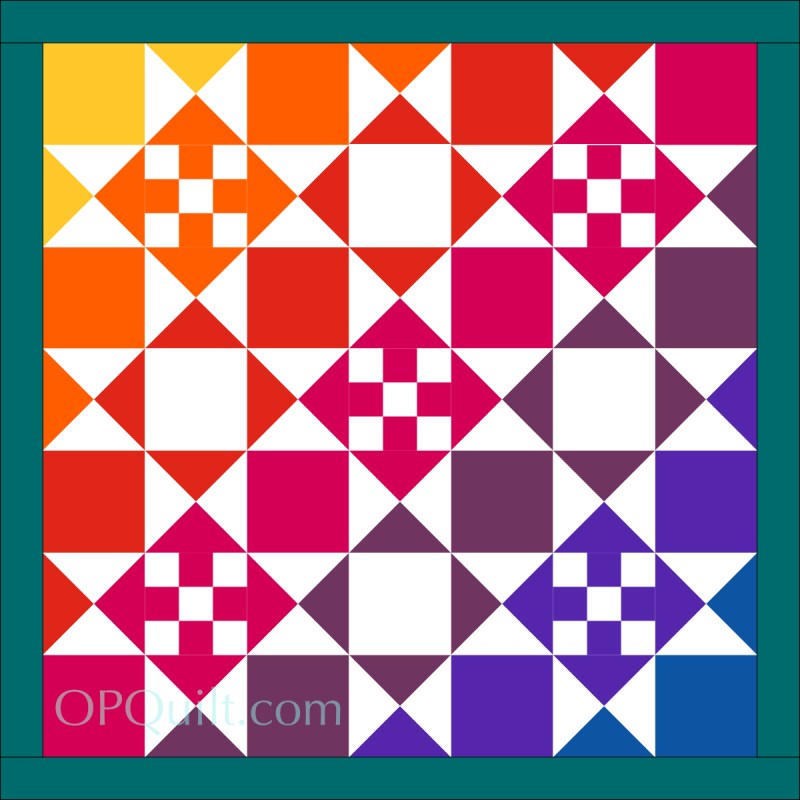
…it was like Time had opened the window a little bit and found time for me to play. Of course, that phrase could also be read as a plea: Time! Let me play! but I prefer the idea of all the tumblers falling into place to let a person find a memory, a space, an interval not yet filled up in order to play.
Last thought from her book: “Henri Poincaré, the great mathematician and physicist. ‘Invention consists in avoiding the constructing of useless combinations and in constructing the useful combinations which are in infinite minority,’ he wrote in 1913. “To invent is to discern, to choose.” So keep trying. That quilt you want to make is almost here.
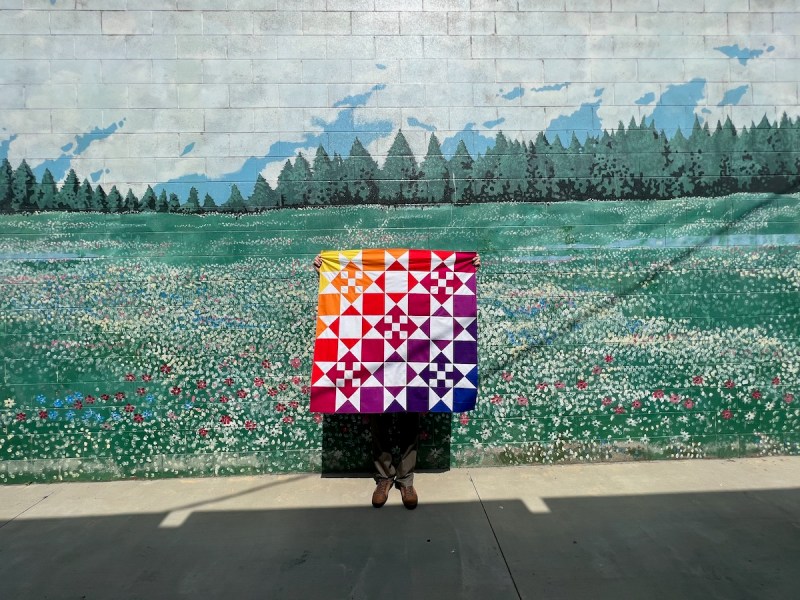
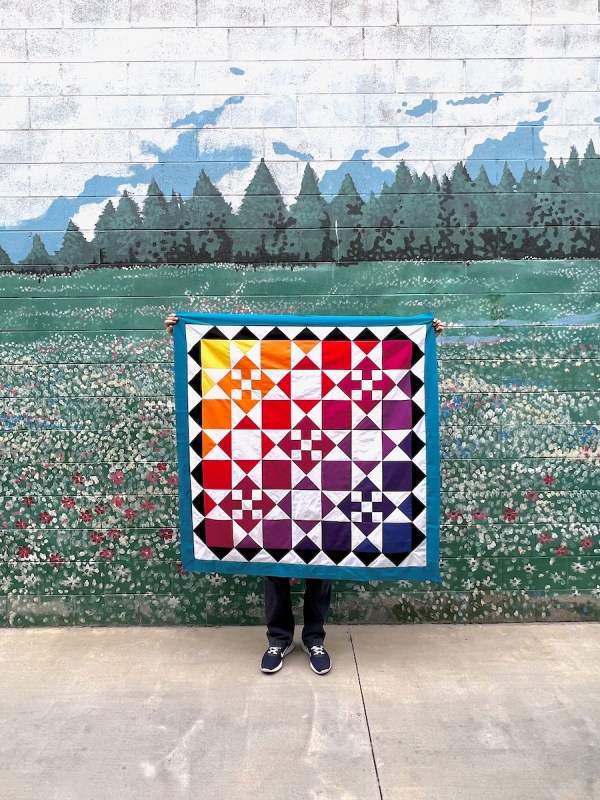
Our initial run at this photographing this quilt against the mural wall brought the lady out of the office next to us, with the scold “What is that? Some kind of flag?”
“No,” I replied. “I’m a quilter. This is my quilt.”
She went on to say we were on private property and generally wanted us gone. A flag. A flag? I puzzled about that long and hard until Dave made the connection that June had PRIDE connections, and rainbow flags were being washed over every advertiser’s website.
“Oh,” I said. “She thought my quilt was a flag???”
In her forming memory, seeing this quilt meant rainbows meant Pride Month. In my beginning memory, I was standing in a field of flowers, with pine trees ringing the valley with my quilt in the midst of it all.

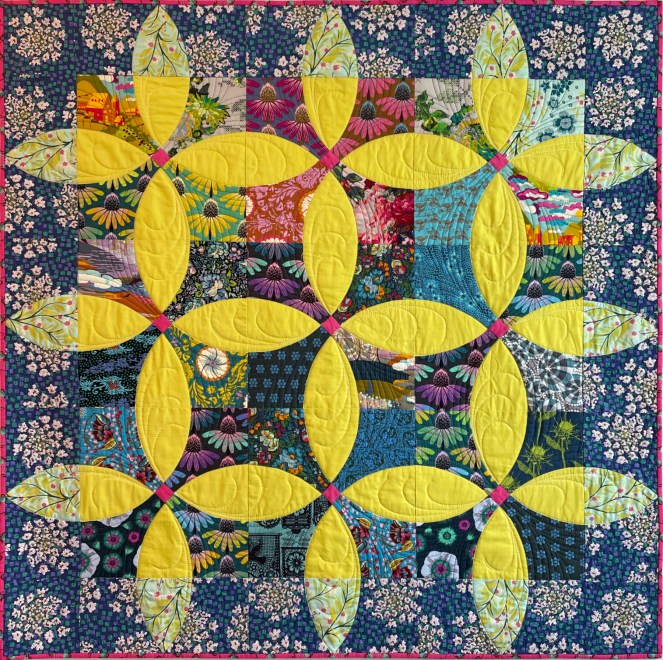
But after seeing it, I did think it needed a different border, so added one. And we went back for another round, but asked her permission first. The woman is somewhere behind those mirrored windows. I’m sure she thought we were nuts.

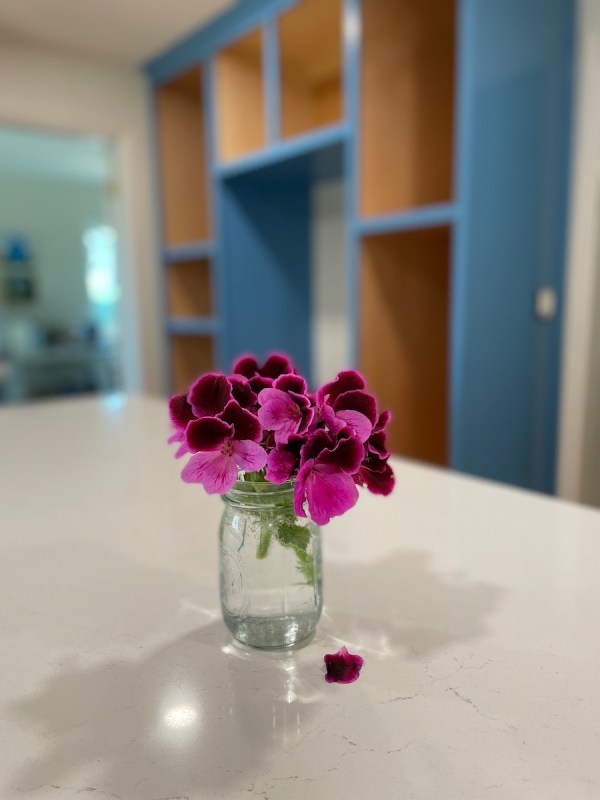
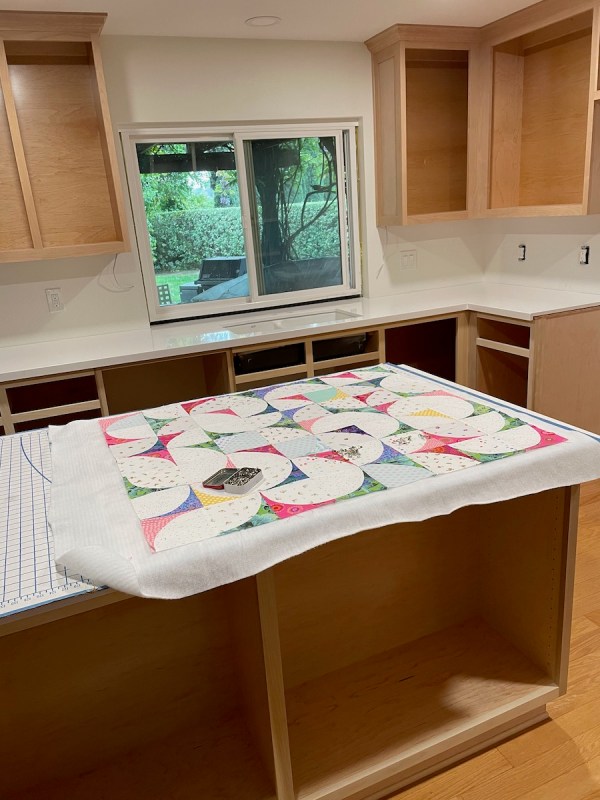
More play time that night, pinning the quilt in my new blue kitchen.
In the deepest parts of this hard winter, I couldn’t write, I couldn’t answer emails, I.just.couldn’t. But Time is working its eternal magic on me, helping me heal and recover and find myself again. I think my Mom would like this quilt, with its bright colors, and I hope — if heaven has a window that can be opened — that she could peer down and catch a glimpse of me letting this quilt top wave to her. Thank you to all who have reached out and understood, thank you to all who have had patience with me.
Now, let’s go play!