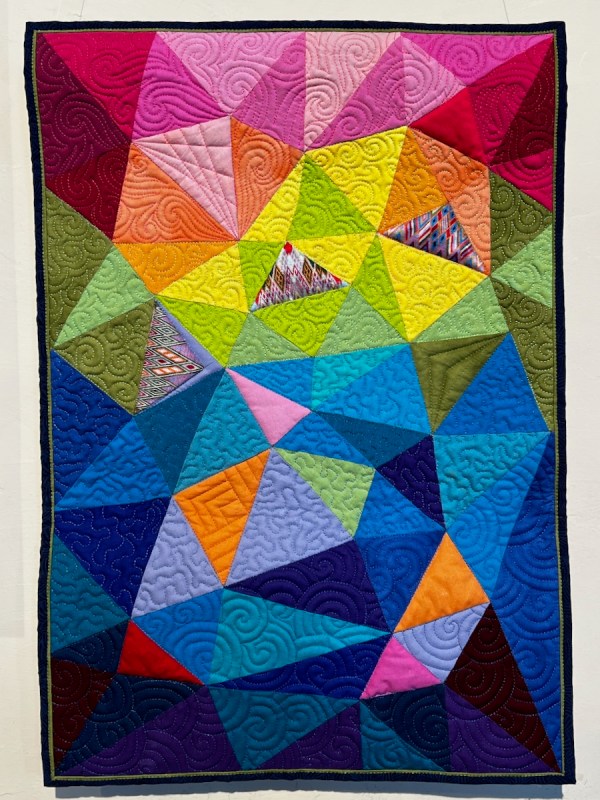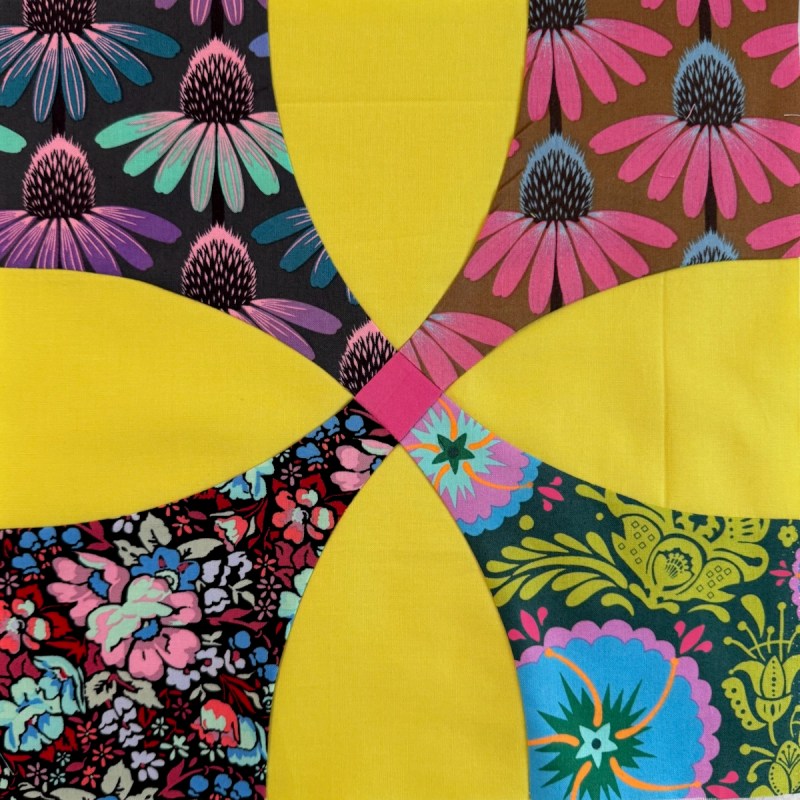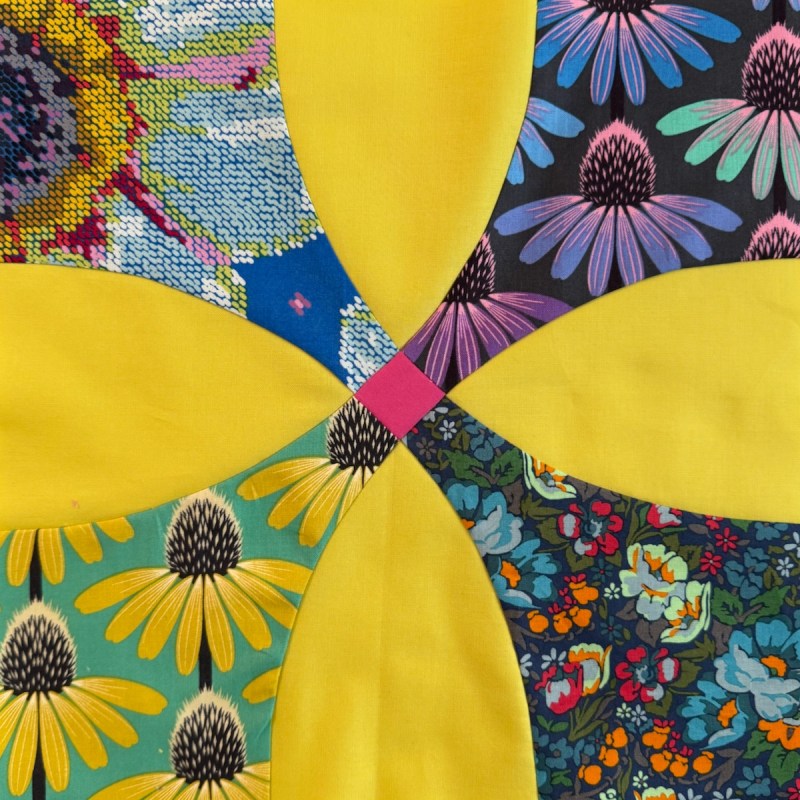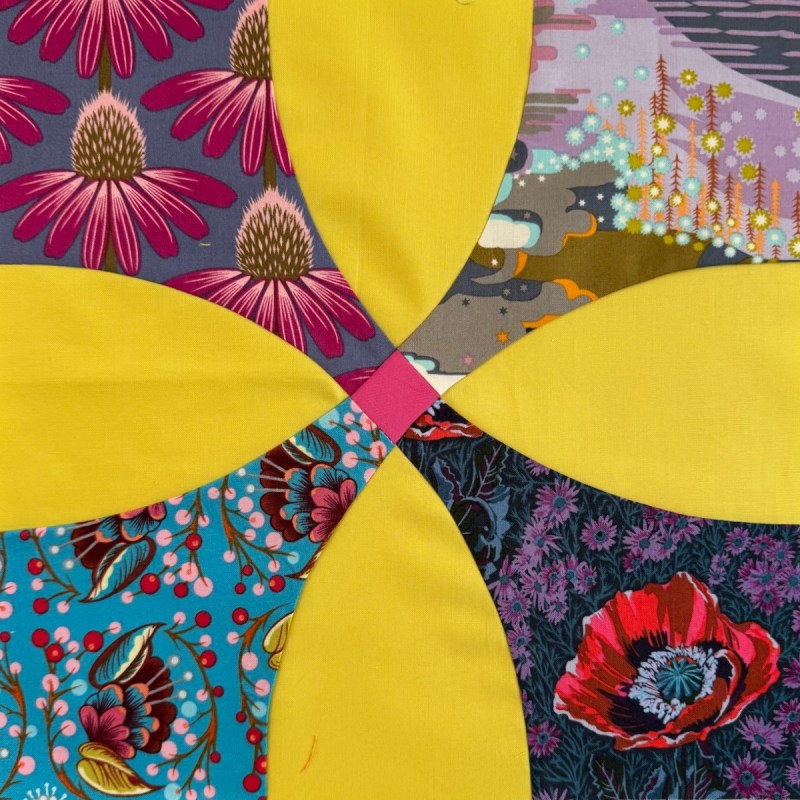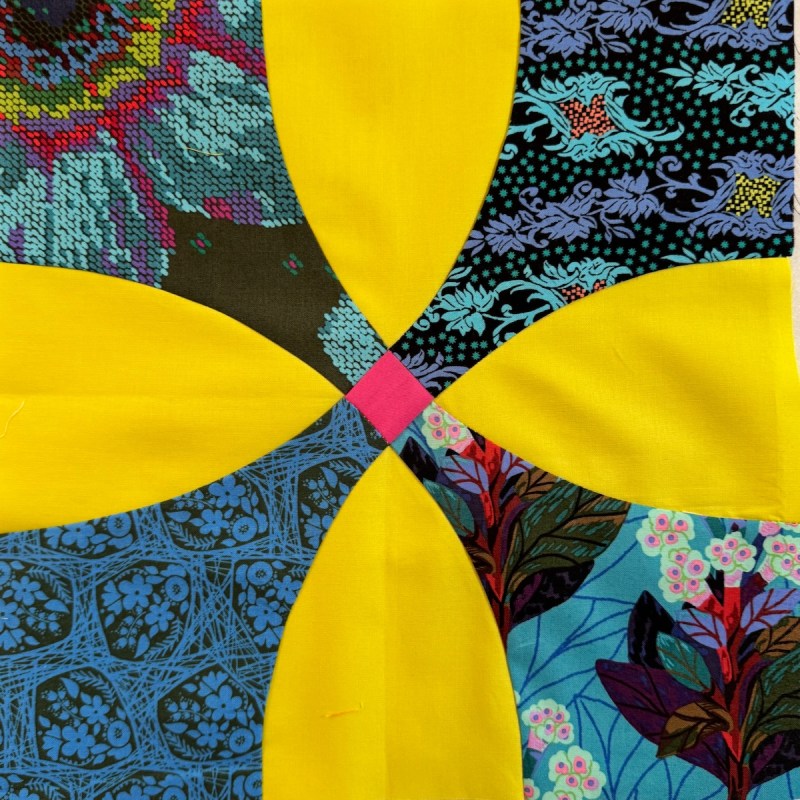
Digital/Virtual World · eQuilt Universe · New York Beauties · Quilts

This and That • August 2025

Since today is the 30th, I slid August’s This and That right under the wire.

For those who are new here (and thank you for subscribing) I often do a “This and That” post that contains a lot of small bits, updates on projects and pieces that don’t warrant their own post.

In other news…this is post number 1300. I started writing this blog in January of 2007. Thank you all for reading. And for your comments. And for being a part of my life for many quilty projects!

First up, on America’s Labor Day Weekend (Happy Labor Day, everyone!): a cool and calm photo my husband took near our home. He has a fascination for the flight of herons, and I loved this one, with all its blues.

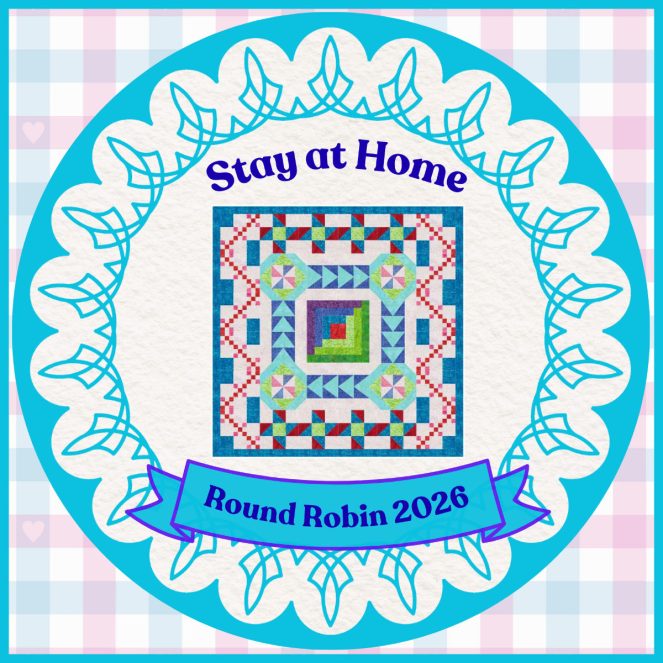
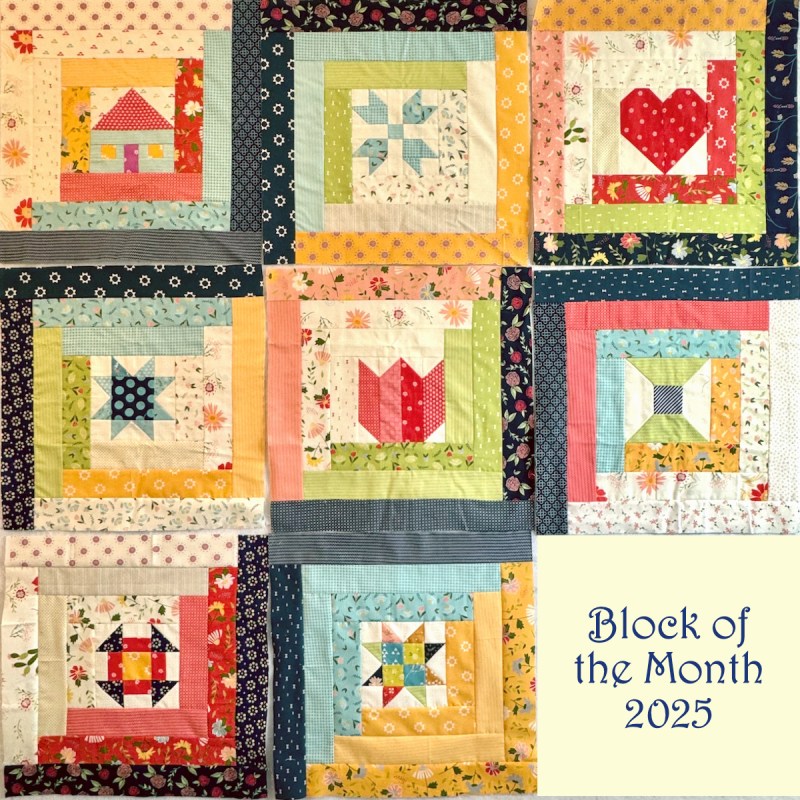
I made my July block (churn dash, lower left) and August (star), both in this month. I’m using all my collected Sherri & Chelsi fabrics, some from her first lines. Sherri has started putting her quilt together, but I’m not sure how I’ll want to do mine.

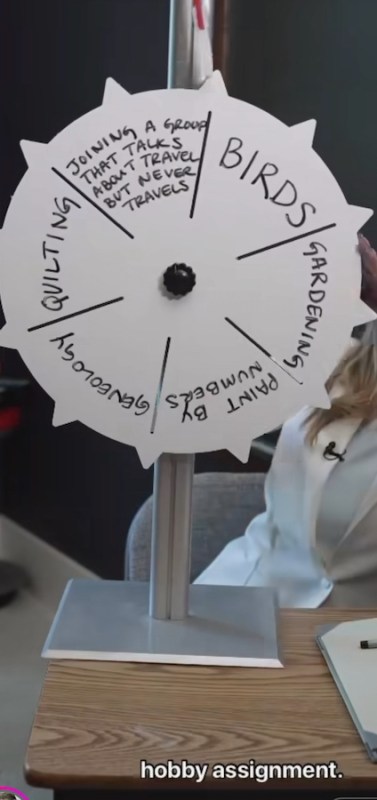
I saw this while scrolling through some reels. As she tells it, when you turn 50, you are assigned a hobby.

I am so glad I was assigned Quilting, although I’m getting more and more interested in Geneology. And that group about travel actually sounds sort of interesting.

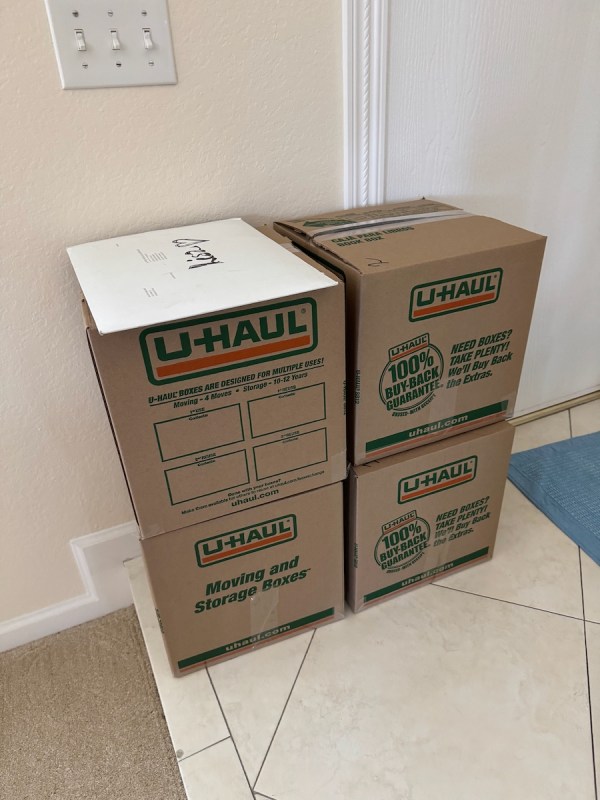
I went through my house and packed up four boxes of quilt books to send up to the Utah Valley Quilt Guild. My friend Lisa is the Librarian, and she said they’ll keep some and put others up for sale in their fundraiser.

Happy to for them be put to a good use.

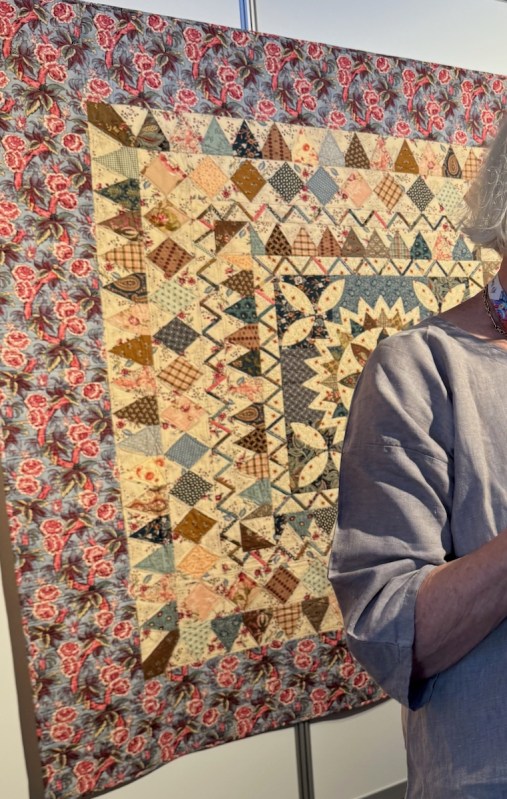
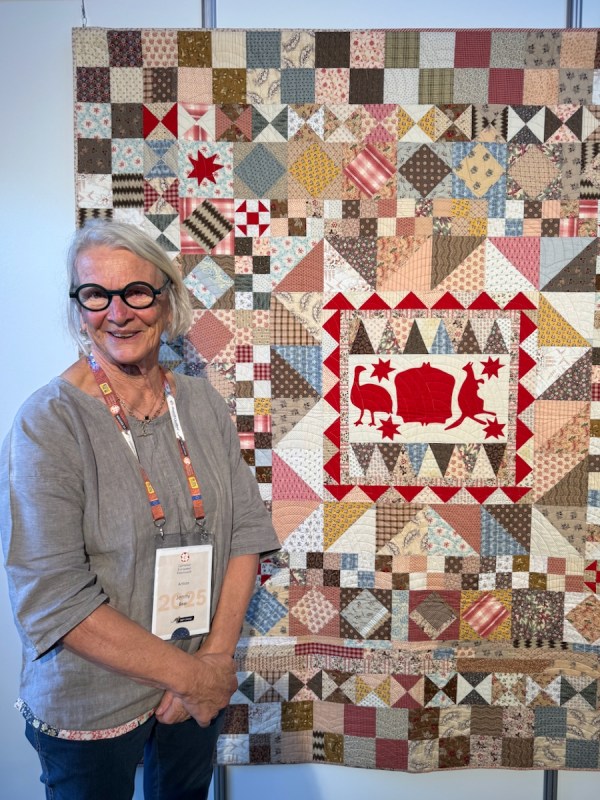
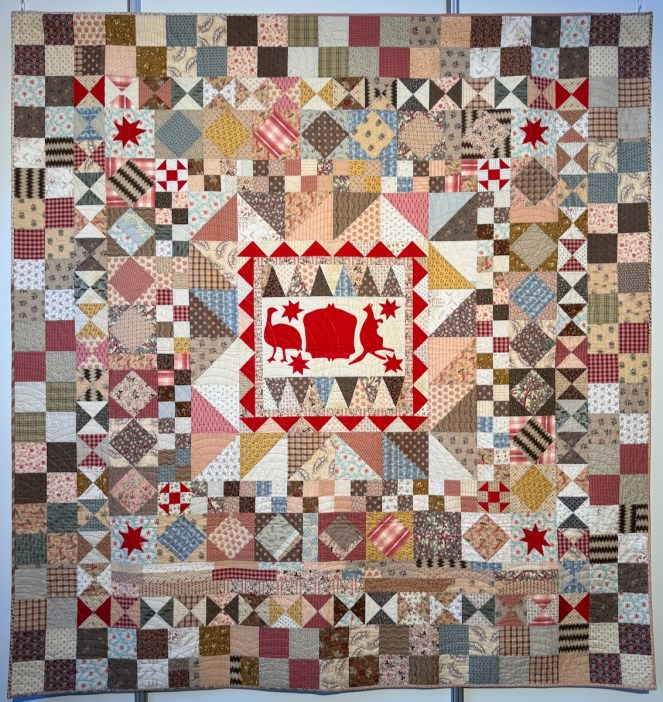
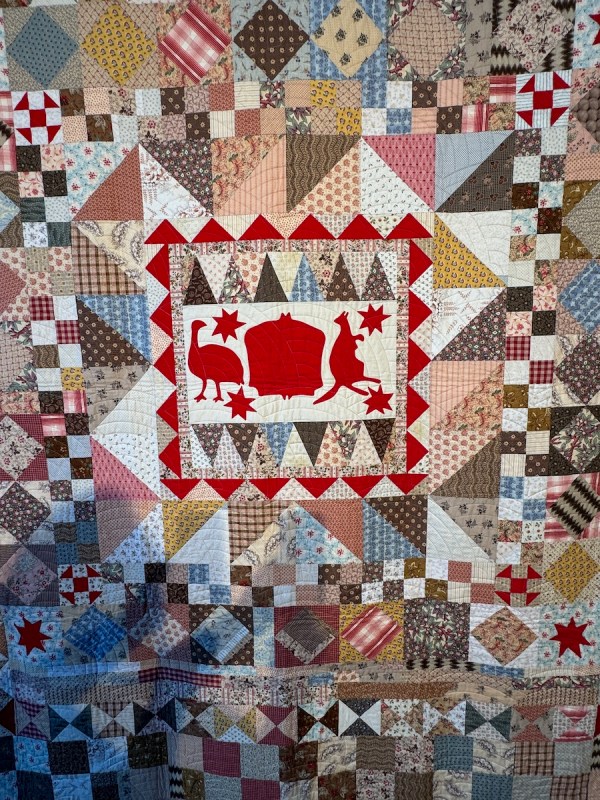
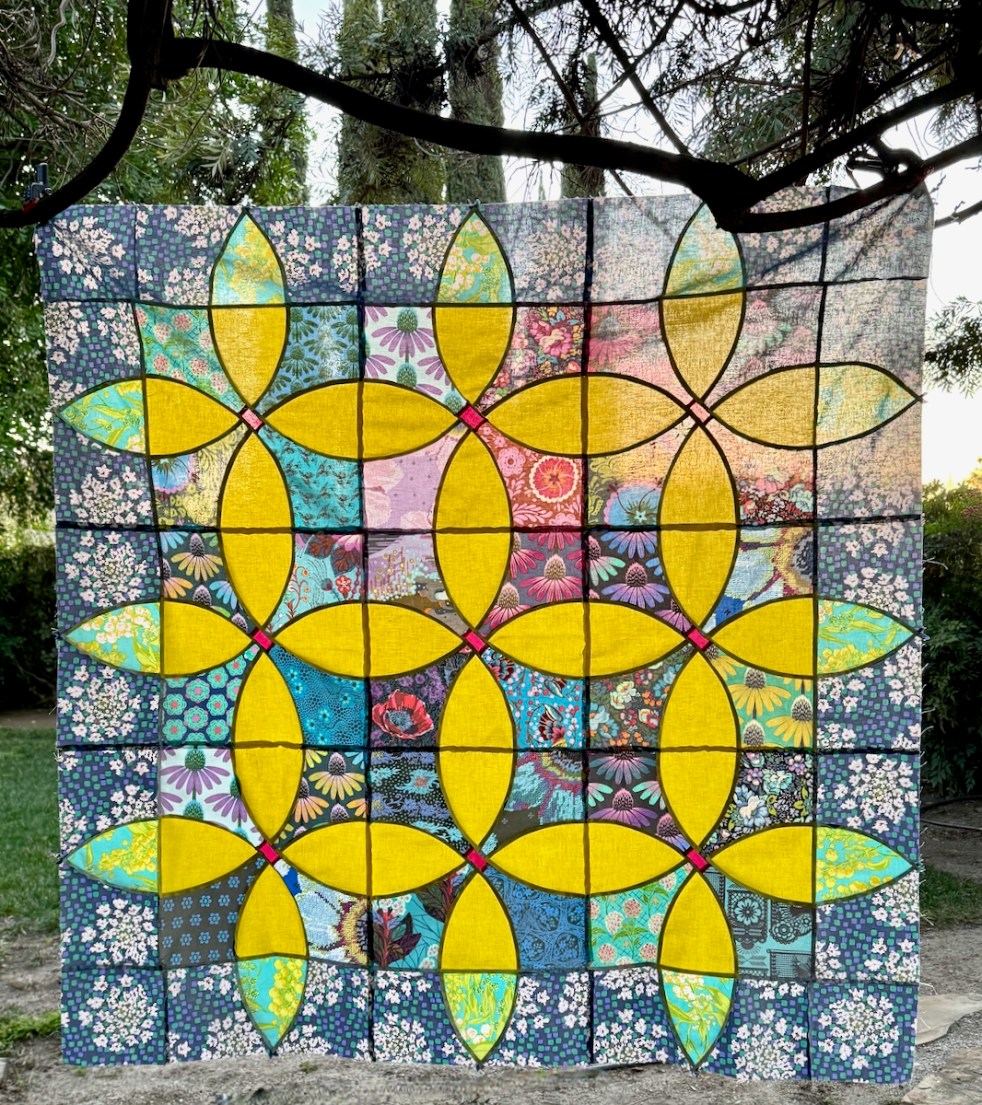
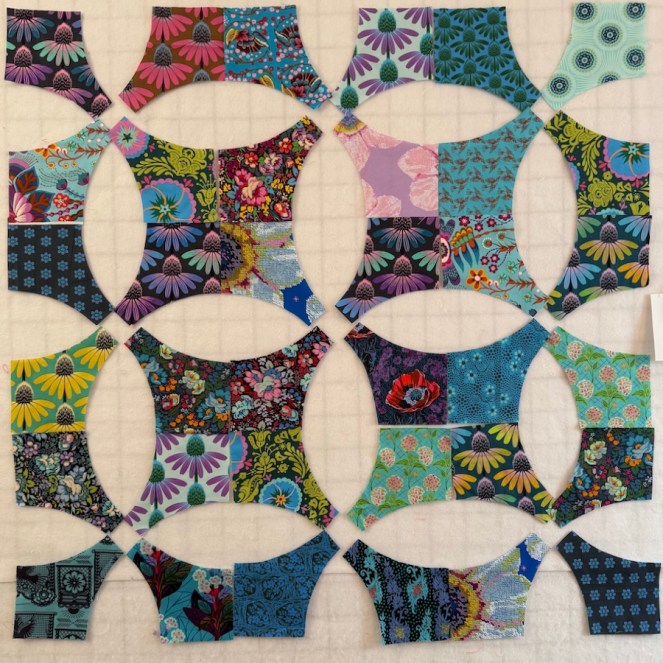
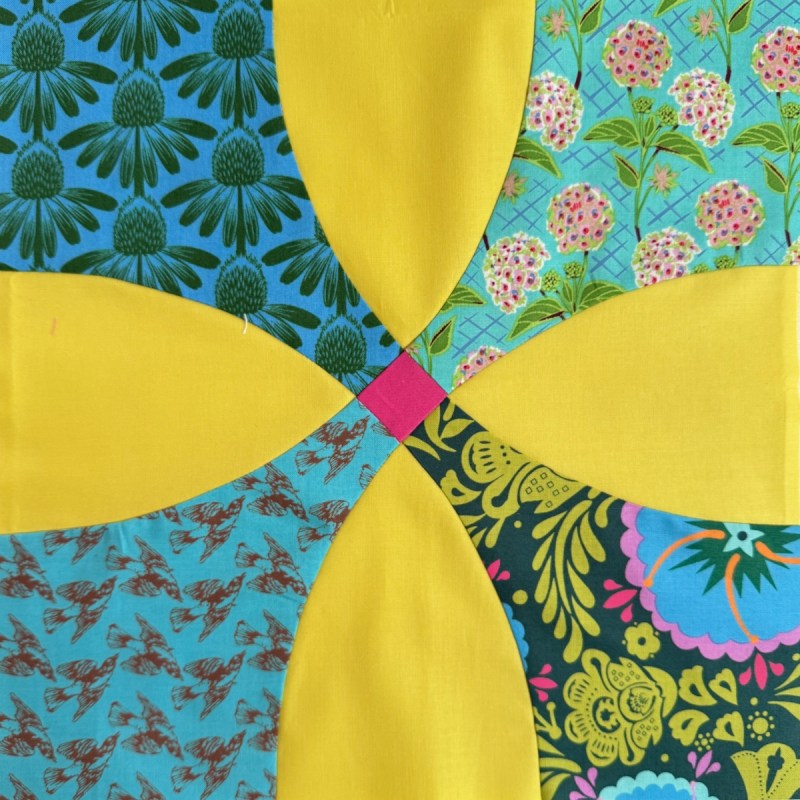
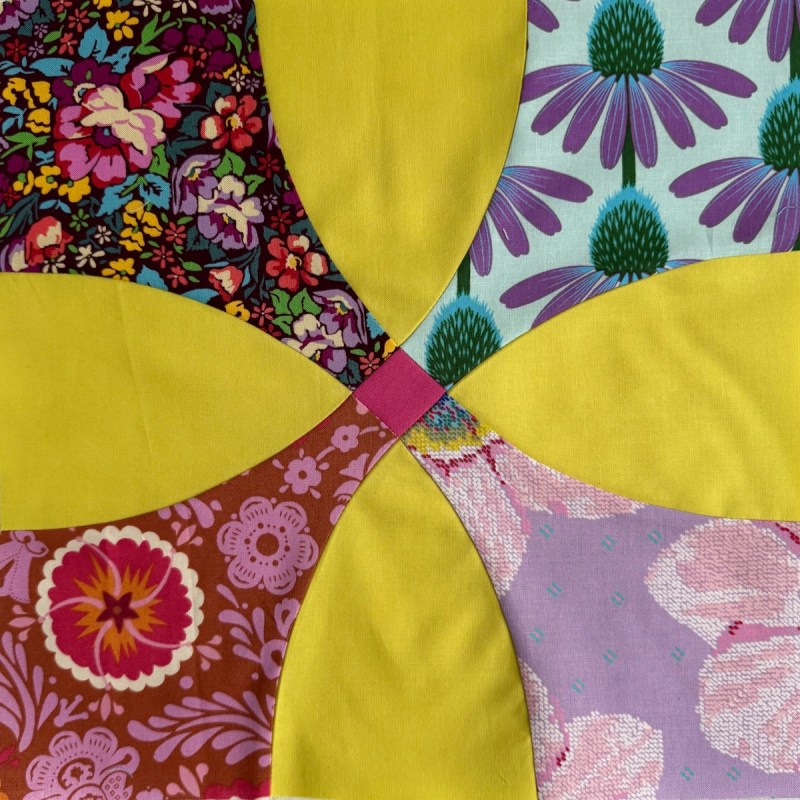
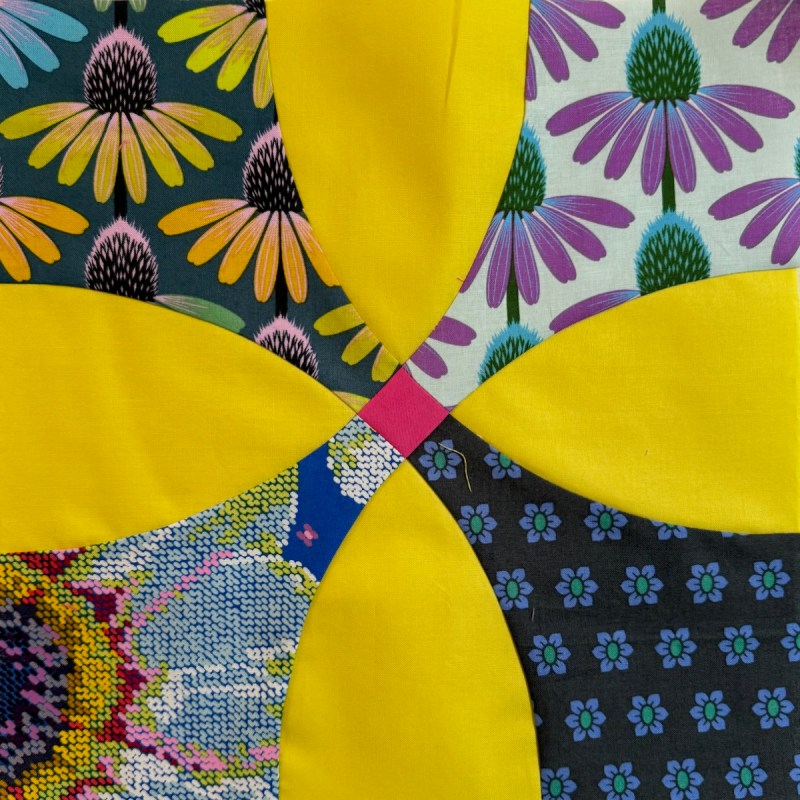
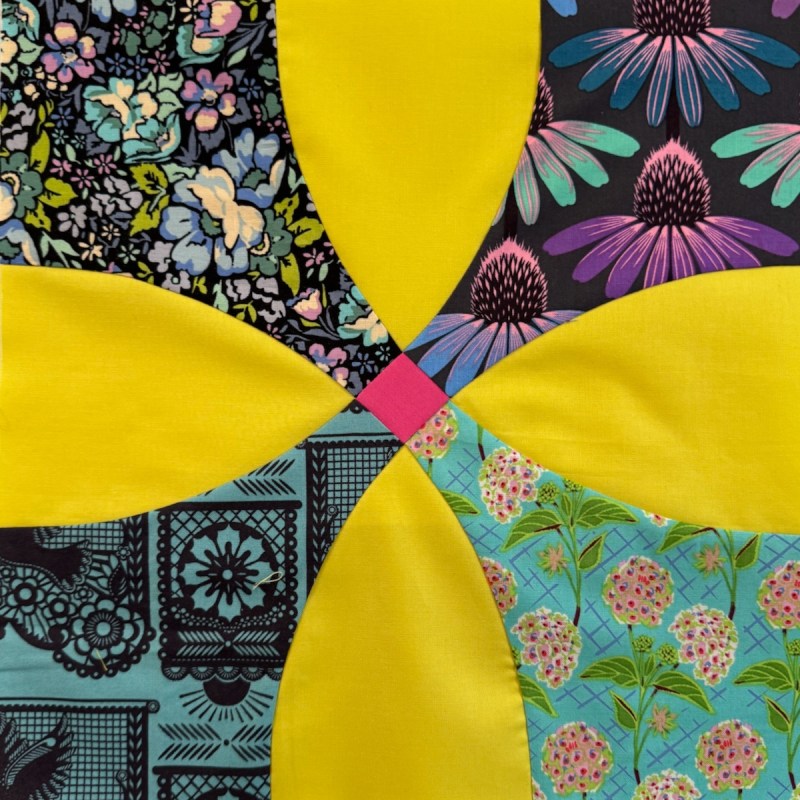
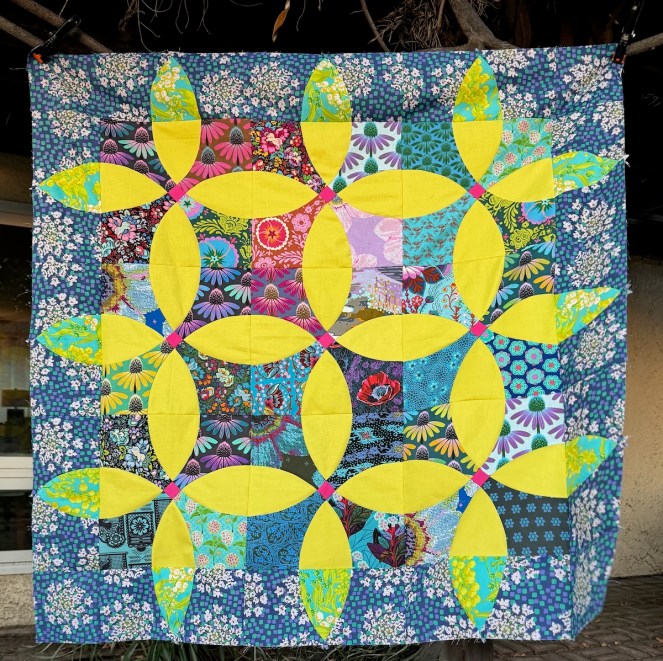
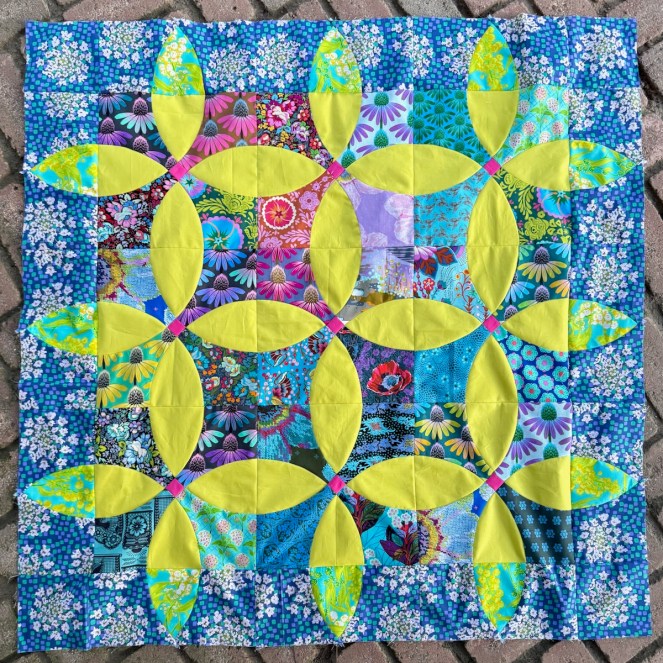
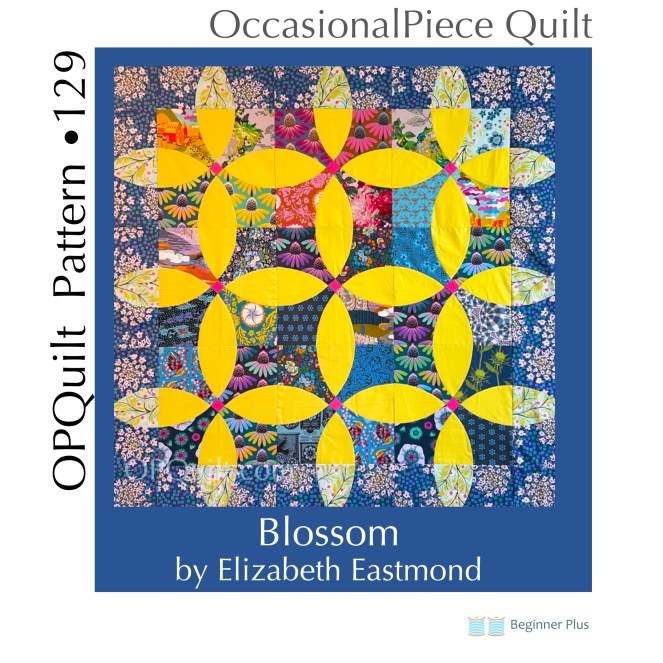
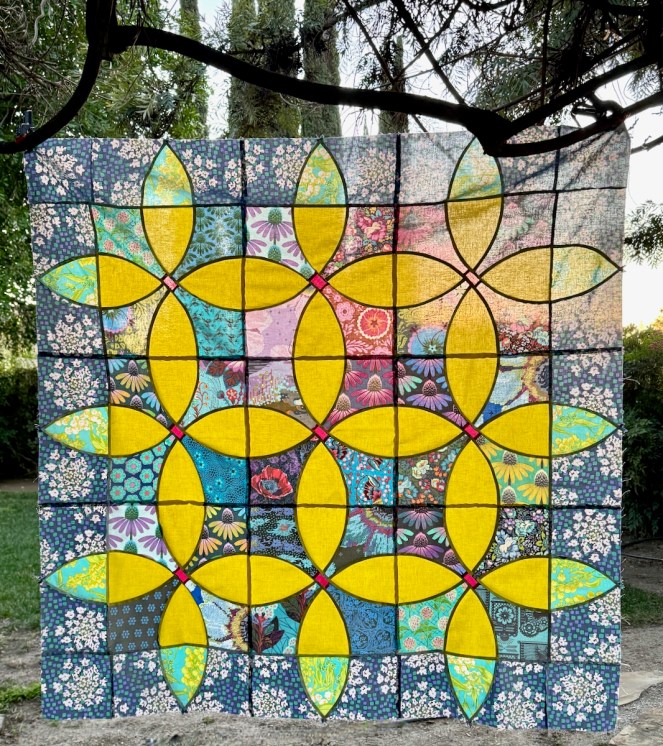
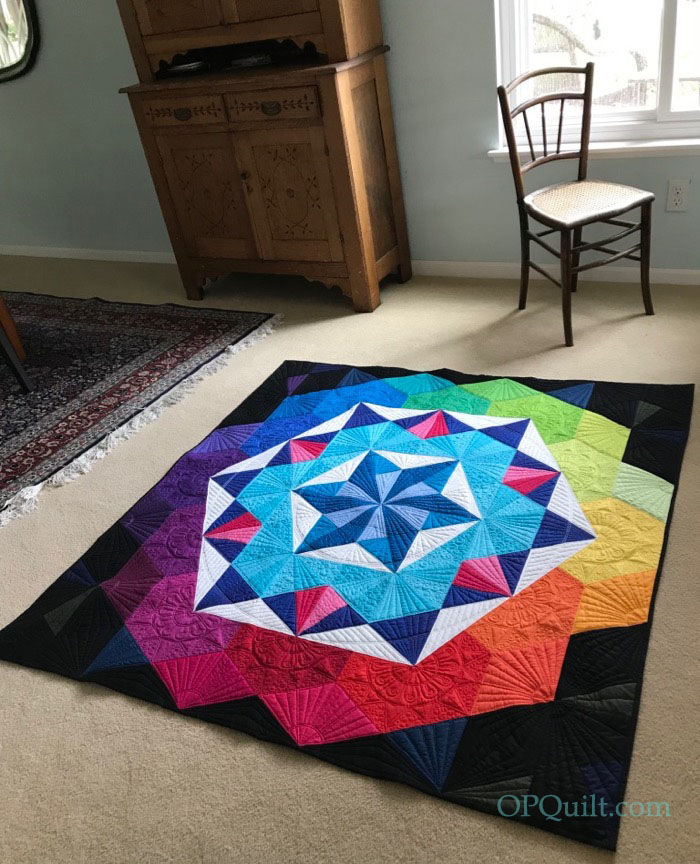
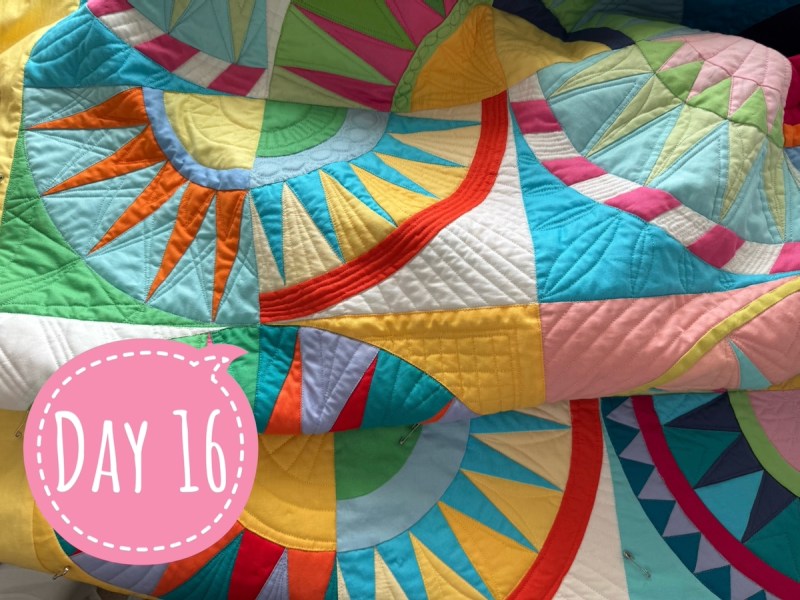
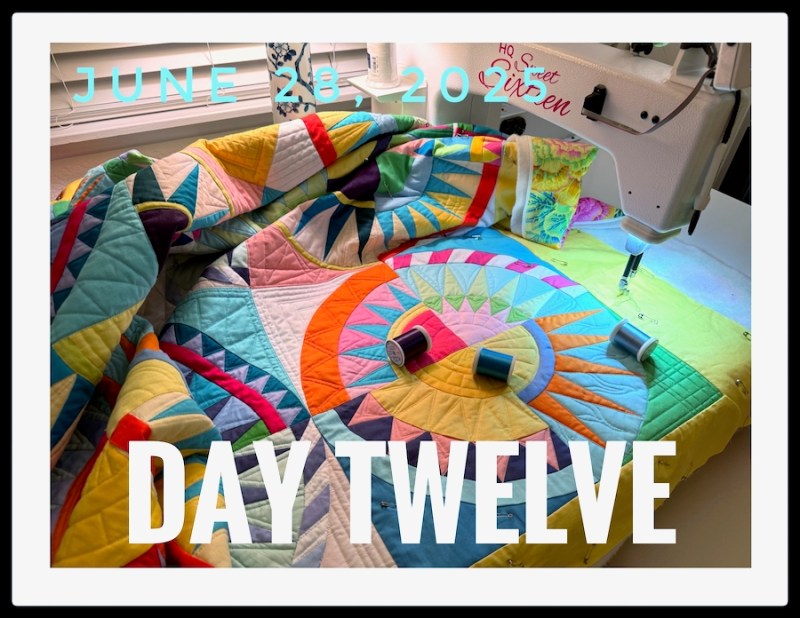
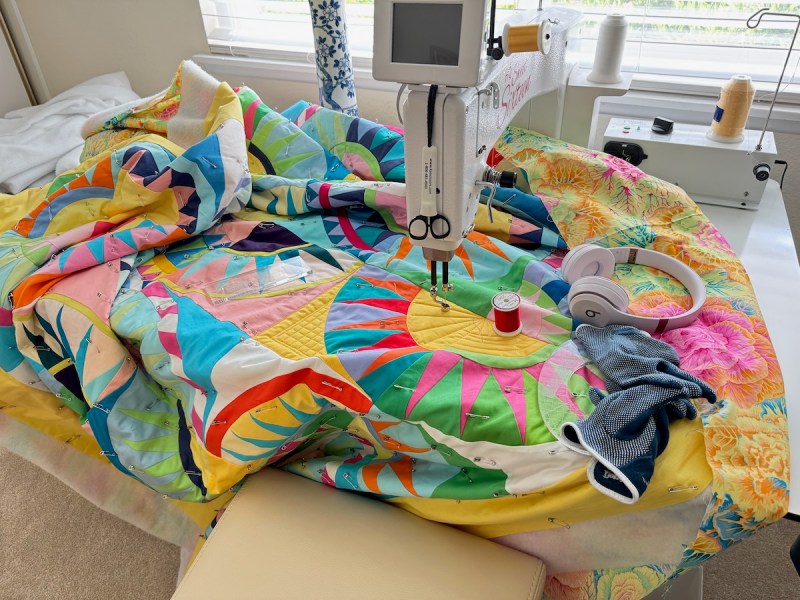
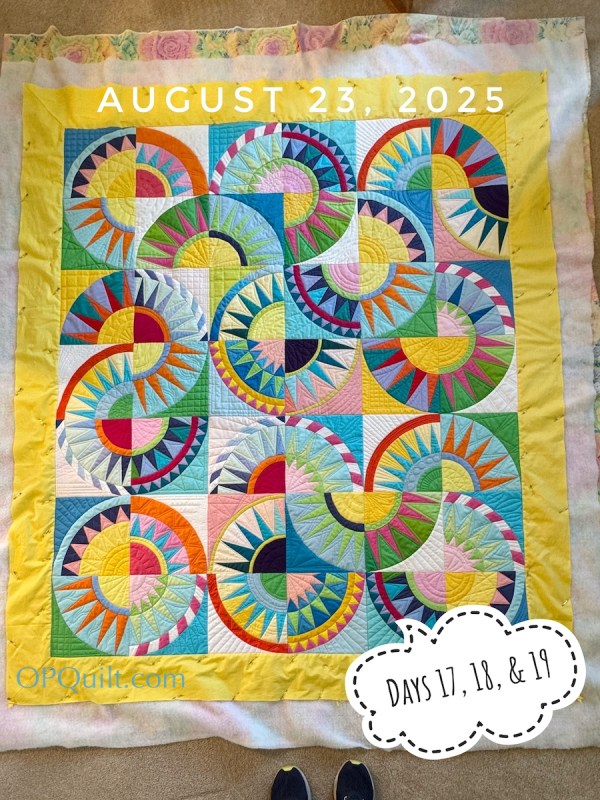
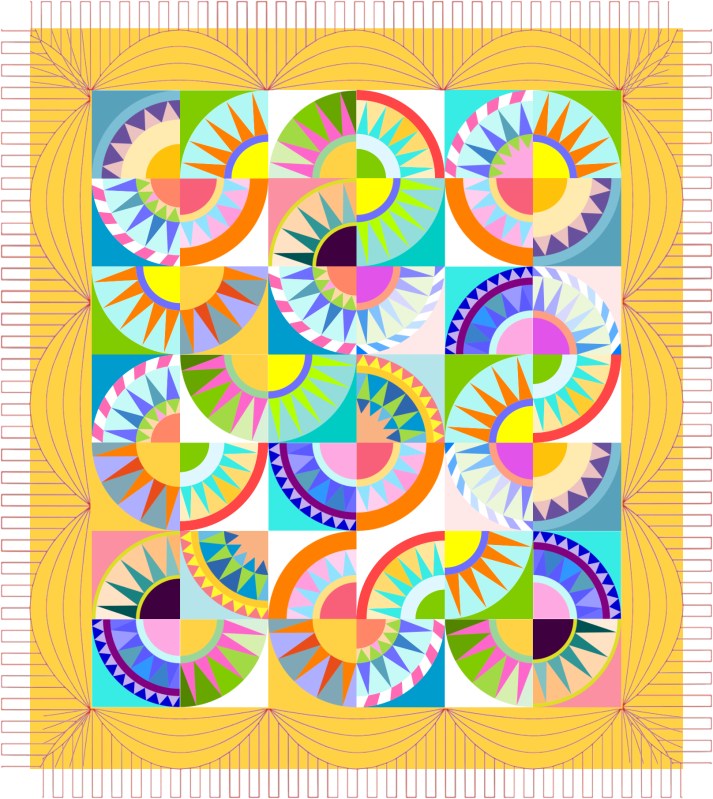
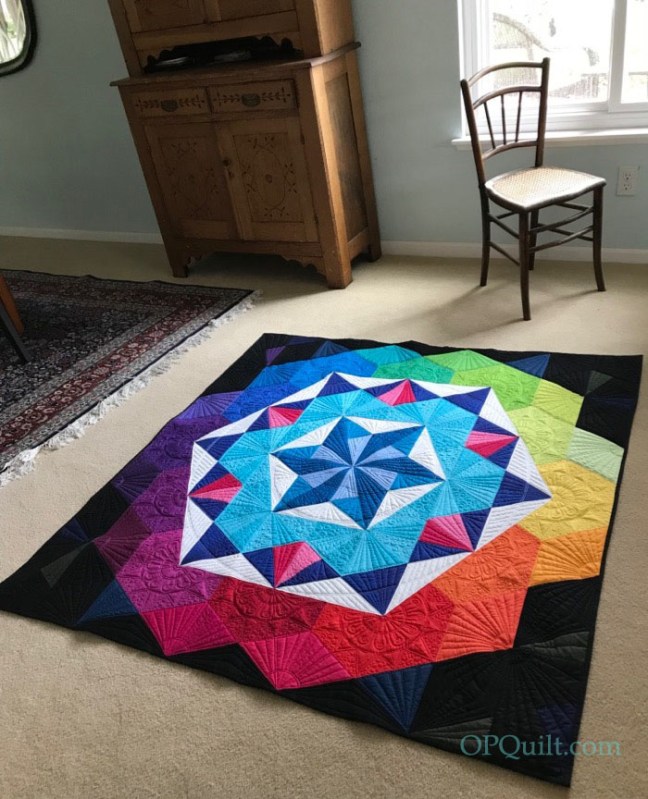
And I’ve been putting these up for far too long. With this last one, I am at the end of the quilting on the center. And this is what I’ve sketched out for the borders of this New York Beauties quilt (yellow thread on the yellow border): We’ll see.

I’m sure I’m not the only person in the world that decides to (1) clean out a drawer or (2) lay on the sofa or (3) start a new project or just (4) doomscroll when there is a task awaits that is larger-than-my-tiny-brain-can-handle. After running out of things to procrastinate with, I finally started quilting the border this week. Big sigh, big relief.

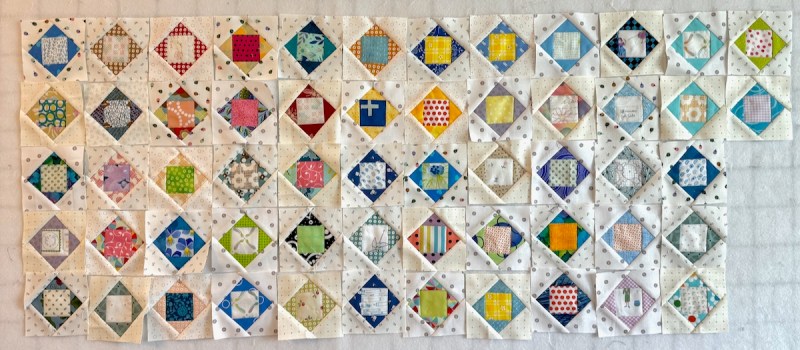
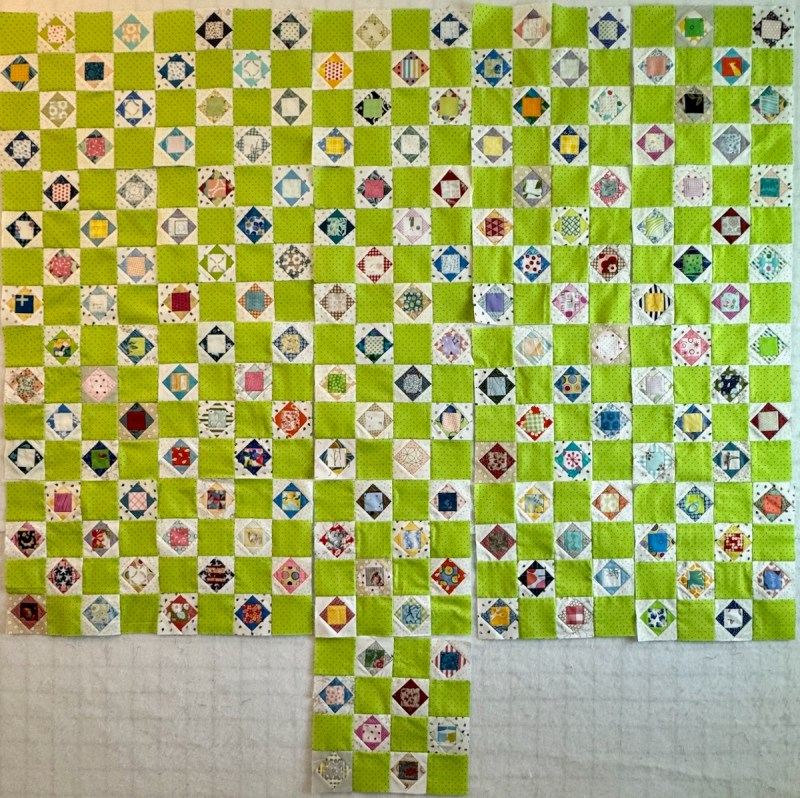
The #ScrappyMeetsThriftChallenge soldiers on, with this installment. Or as I call them, my Economy Blocks.

I created a new page dedicated to this quilt so its easier to find the free patterns to make this. You can see “Economy Quilt” in the header, above.

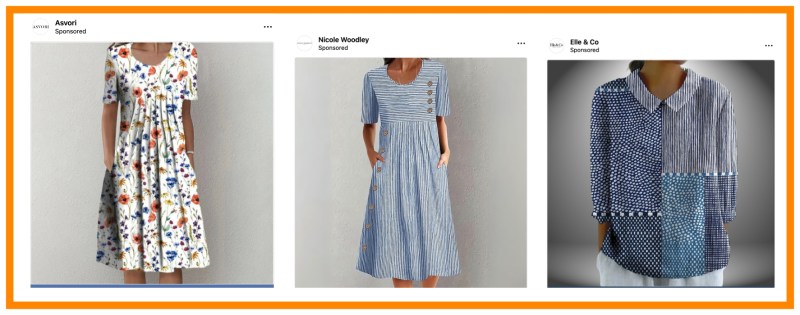
Now here’s a random topic for you. I’ve been reading a lot about AI, and present here some clothing examples of bad photos, with arms that look like they were cut-out paper dolls, weird colors of skin, same model in same pose, clothing that fits oddly around the neckline. This is what they call AI Slop.

“Slop, at least in the fast-moving world of online message boards, is a broad term that [is] in reference to shoddy or unwanted A.I. content in social media, art, books and, increasingly, in search results,” wrote Benjamin Hoffman in a recent article in the New York Times.

While that article focused on searches done on a search engine, I found Kristian Hammond’s comment interesting: “You search for something and you get back what you need in order to think — and it actually encourages you to think. What it’s becoming, in this integration with language models, is something that does not encourage you to think. It encourages you to accept. And that, I think, is dangerous.”

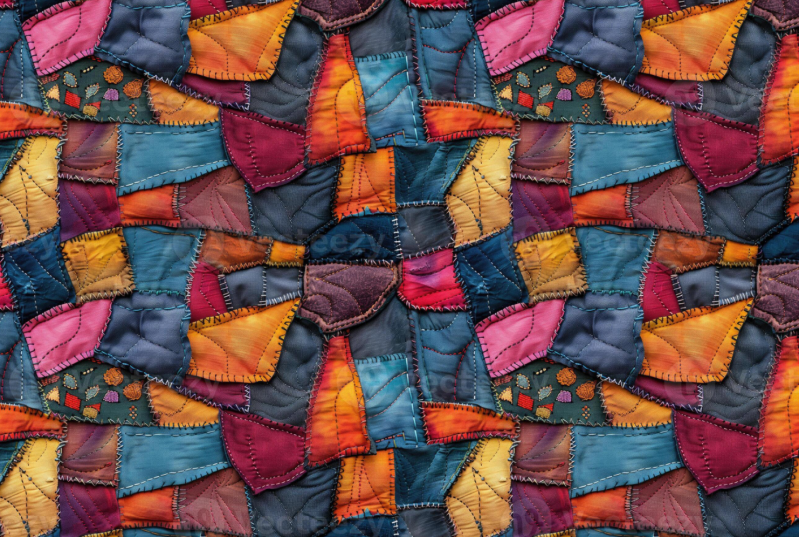
AI Quilt, from here

Like we’re supposed to accept that this illustration above is a quilt? Hardly.

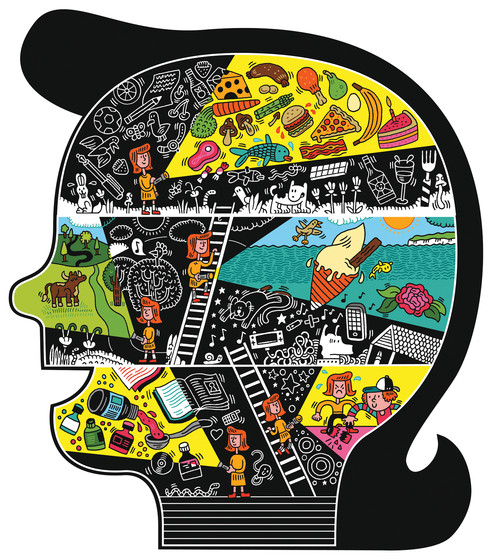
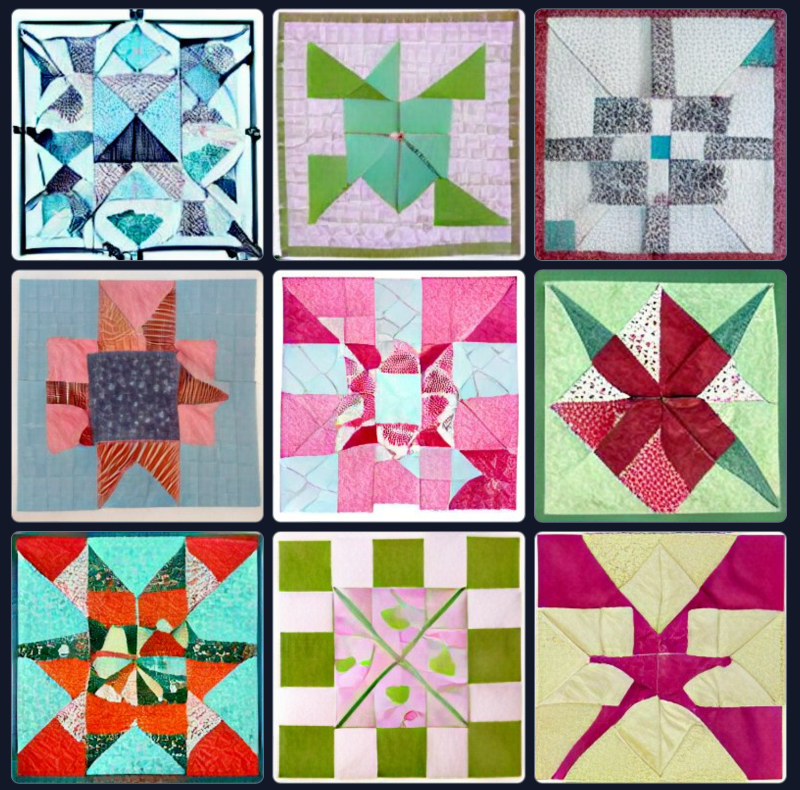
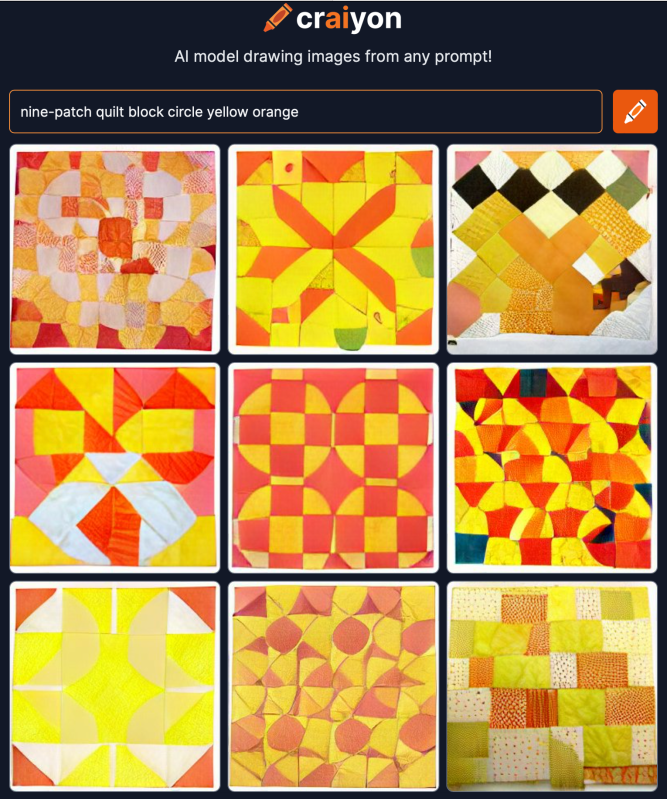
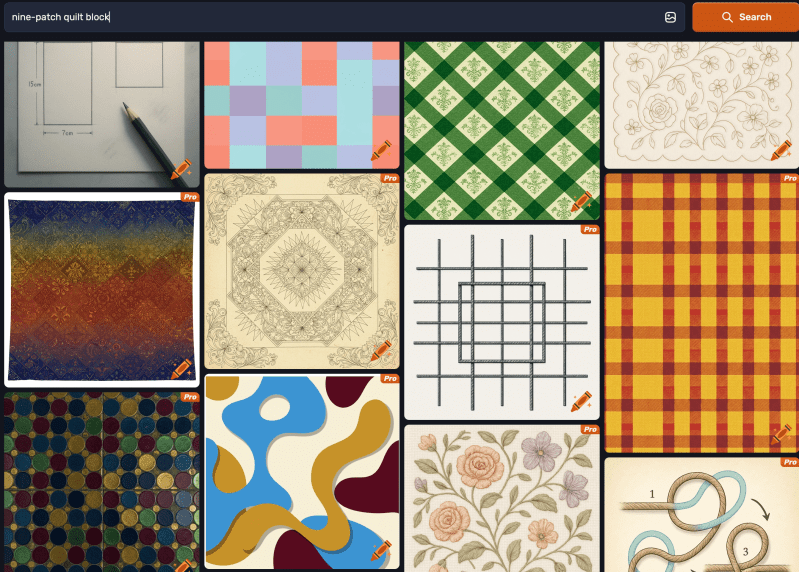
When an AI visual-creation platform first landed in 2022, I tried to tell it make a nine-patch block (on the left). That was a joke. I wrote in the email to my friend; “My first one was pretty weird, but I tried to improve my text commands, and the illustrations got a bit better.” My commands are in the text box, above. I tried it again this week, even though I’m sort of basically opposed to the use of AI these days (keep reading). The command was “nine-patch quilt block.” The results:

AI-generated

Nope. Couldn’t find one nine-patch in the mix. This is a serious illustration of AI Slop, which is pretty ubiquitous these days.

AI-generated

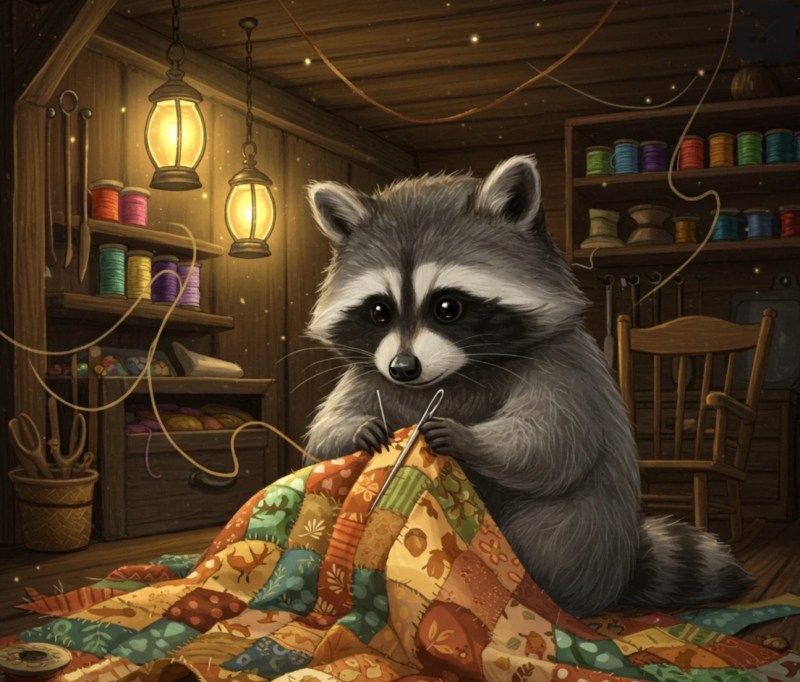
Like what is this??? (Also from my “nine-patch” prompt.) Love the “quilting needles.”

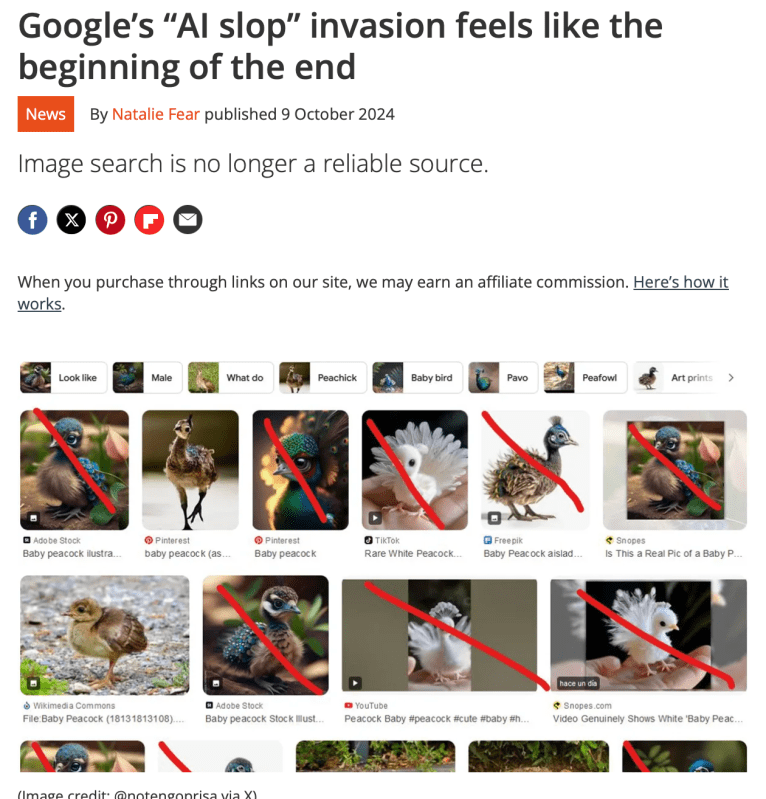
According to Natalie Fear, “A Google image search screenshot has ruffled feathers online after it showed more AI-generated results than real-world examples of baby peacocks…[T]he screenshot has sparked mass debate online, with many creatives calling for stricter rules for AI-generated search results to mitigate the spread of misinformation.”

This was published last year, and it’s only gotten worse.

Because of AI slop, I rely less and less on Google search, and type in -ai at the end of my search query quite often. I don’t want to be just “accepting” what is served up to me. And I use DuckDuckGo a lot more now, and even Reddit, as search engines.

Again, use -ai if you want a cleaner search.

Commenters on Reddit had this to say about AI Slop:
1) Slop is just a slur that you say after “AI” to show that you don’t like AI.
2) [Slop] refers specifically to AI generated creations that are clearly low effort engagement-farming spam.
3) Some people call everything that’s AI-generated “AI slop” as an insult, while many other people only use it to describe low effort, low quality content.

And lately, we’ve been hearing more and more and more about the downsides to AI.

The problem is that AI, a general term, is integrating itself into our world.

For example:
• I like the clean-up tool on my iPhone photos. Is this AI?
• Doing a search on a search engine. Is this AI? (It is, if you don’t type the three digits -ai after your search terms.)


• Reading on social media and liking that picture of a young woman at a sewing machine. Is this AI? (from here. Be sure to read Weeks and Ringle’s text on this Instagram post.)
I think AI will slide in all around us, whether we are cognizant of it or not, and whether we need it or not. And might make mistakes that could be hard to fix. I love Kyla Scanlon’s recent post about how people feel about AI.

For me, it’s mixed.

Is AI all bad? Perhaps not. Genealogy research is putting it to good use. Here in the quilting world, we already have an “AIQuilter.” I enjoyed reading Sherri’s take on this subject, on her SherriQuiltsALot blog. Julia Wachs, on her website, also does an analysis of a few AI “quilts” and how to avoid purchasing AI-generated quilt patterns, which are sketchy at best in the instructions aspect. But to balance it out, this blogpost goes all in on the AI-design concept.

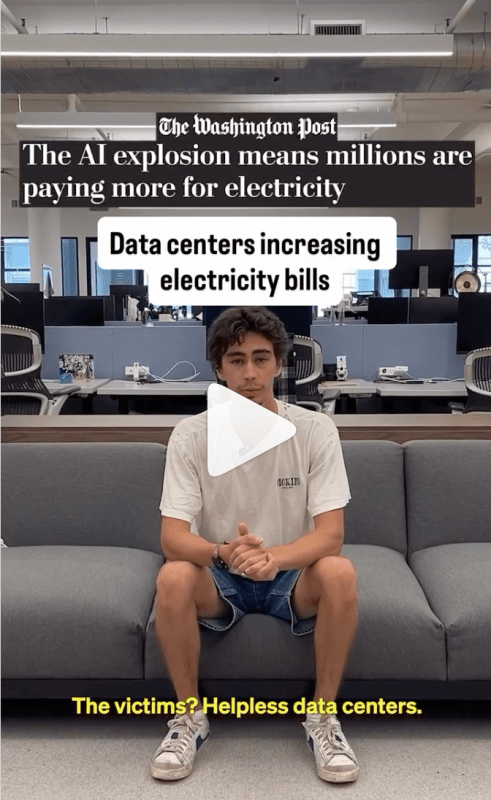
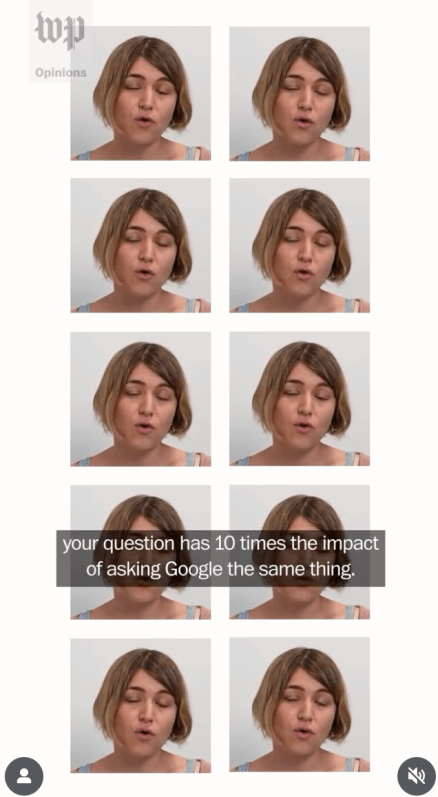
I just know that when I sit down to design, when I open up my Affinity Designer software, I’m not using 10x energy. Or 10x water.

Finally, Lastly, CanWePleaseStopTalkingAboutThis, my favorite definition of AI’s LLM (Large Language Models, such as ChatGPT) is that it’s “just a bag of words,” so no need to make it your friend, or take it seriously. I’m sure it does have its benefits, which we will discover as time goes on, because whether we like it or not, AI is here to stay.

When my brain is futzed out from all of this, I return to earth, to retreat to the fascinating brilliance of this real world. I return to the human level of making. Like quilts.

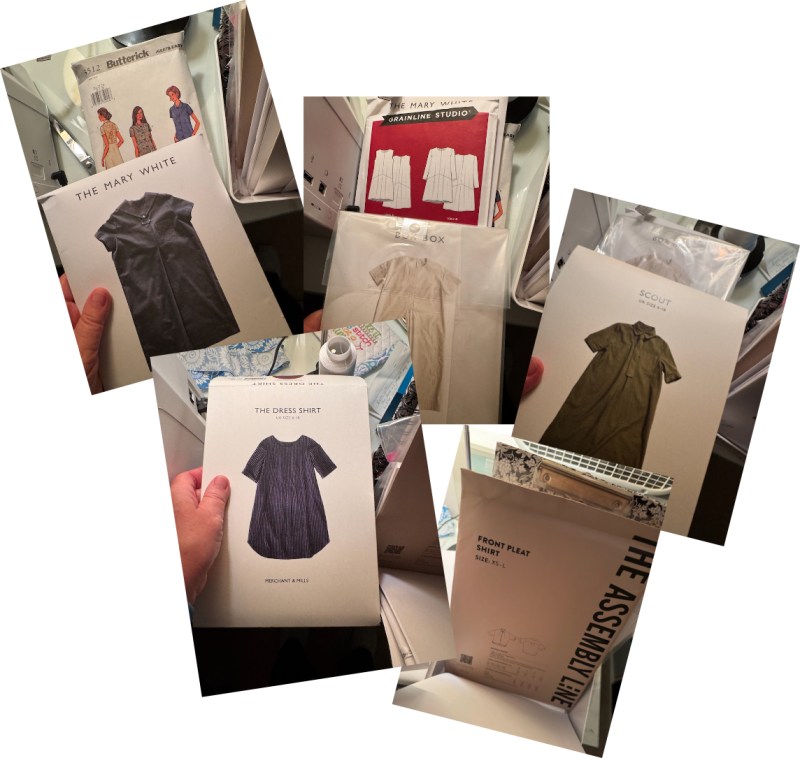
Or like a dress, or something. My sister’s been hot on this clothes-making for some time (inspiring me) and you know I’ve been sewing, too. But now I have a couple more pieces of fabric and want to make something else. Oh, what to choose? Hart’s Fabric has an extensive pattern collection, as does Oak Fabrics in Chicago (plus they both have fabric). Another place for both fabrics and patterns is Harmony, a fun shop in Provo, Utah.

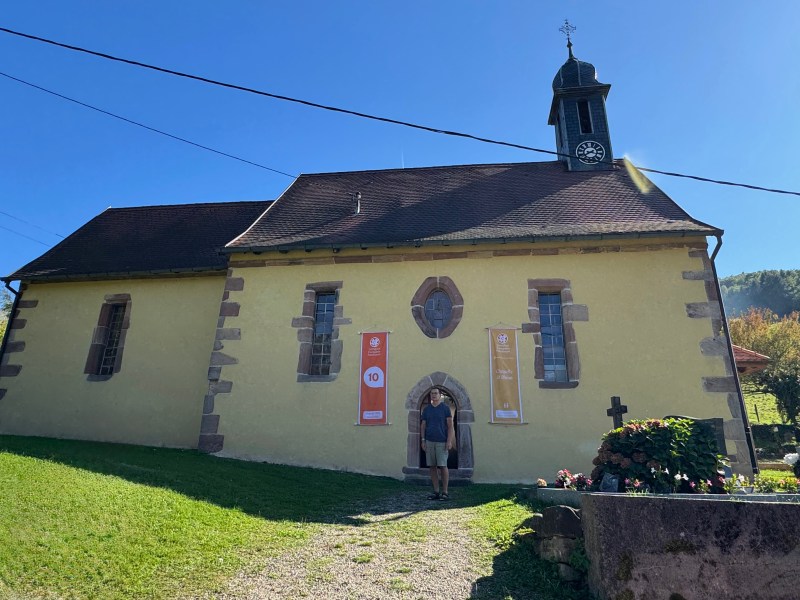
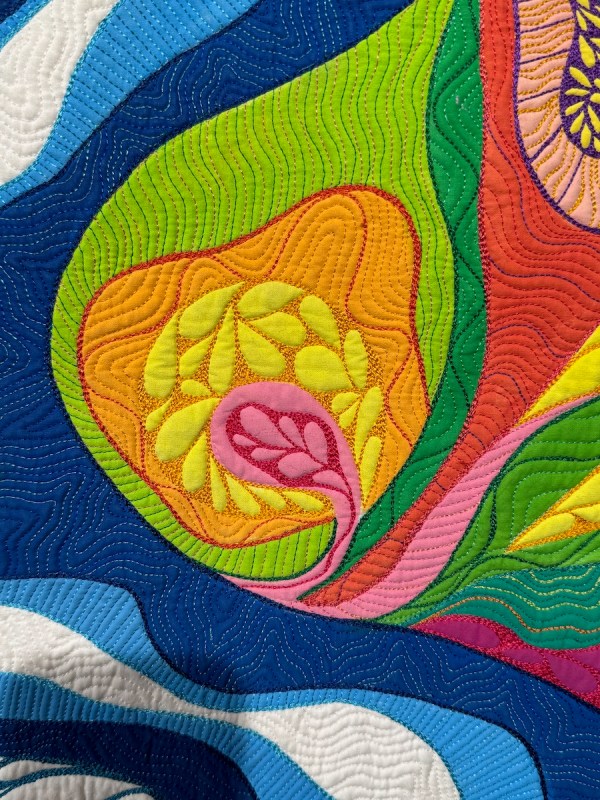
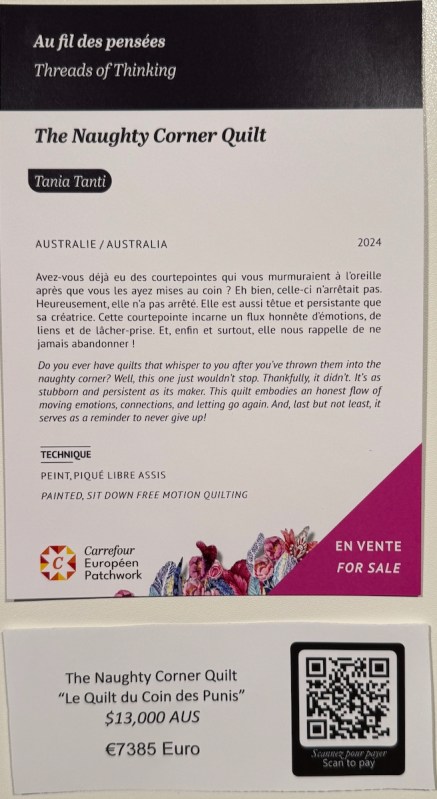
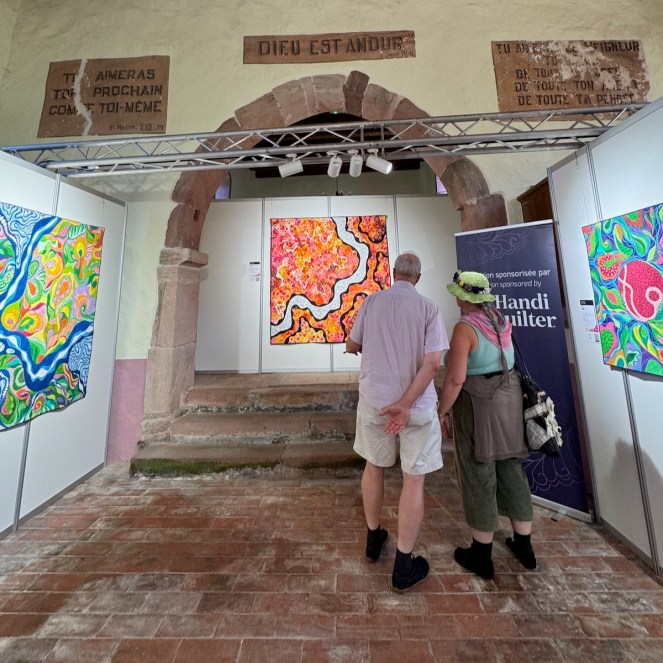
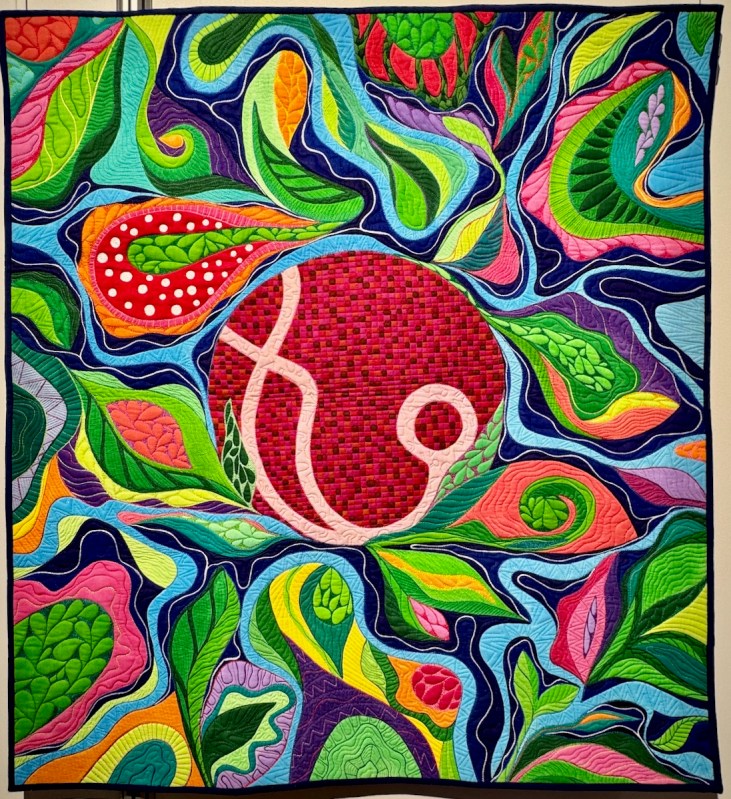
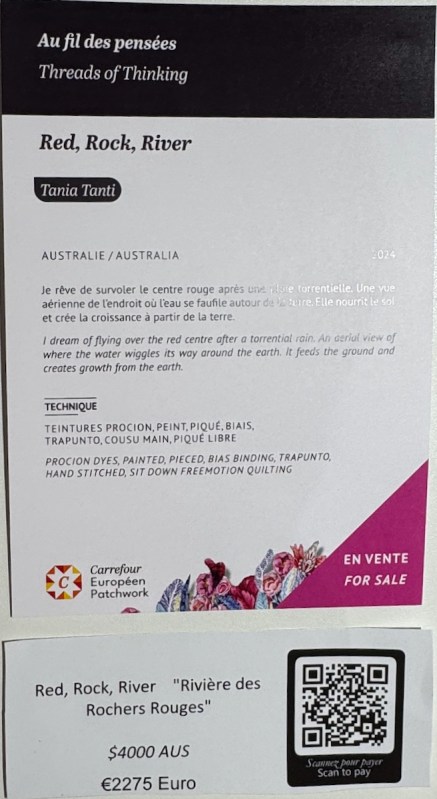
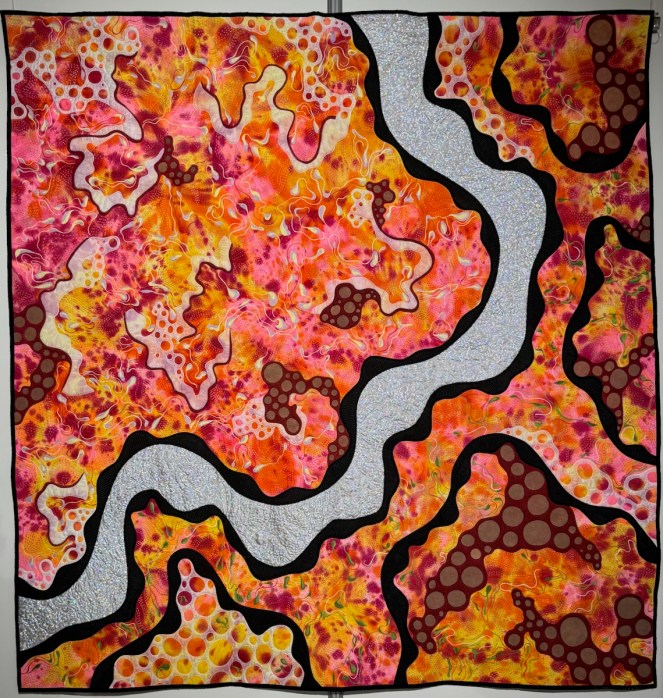
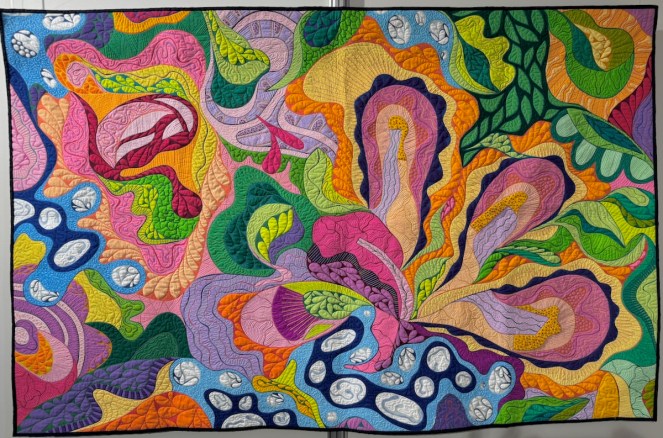
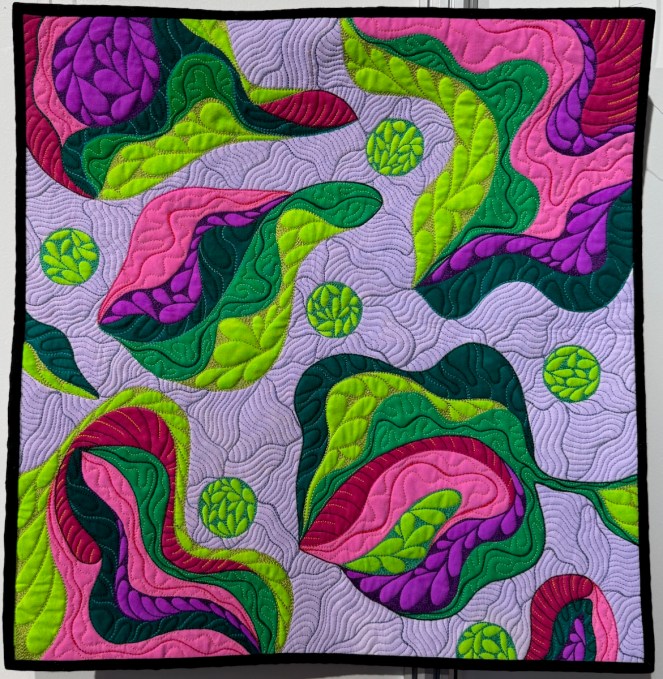
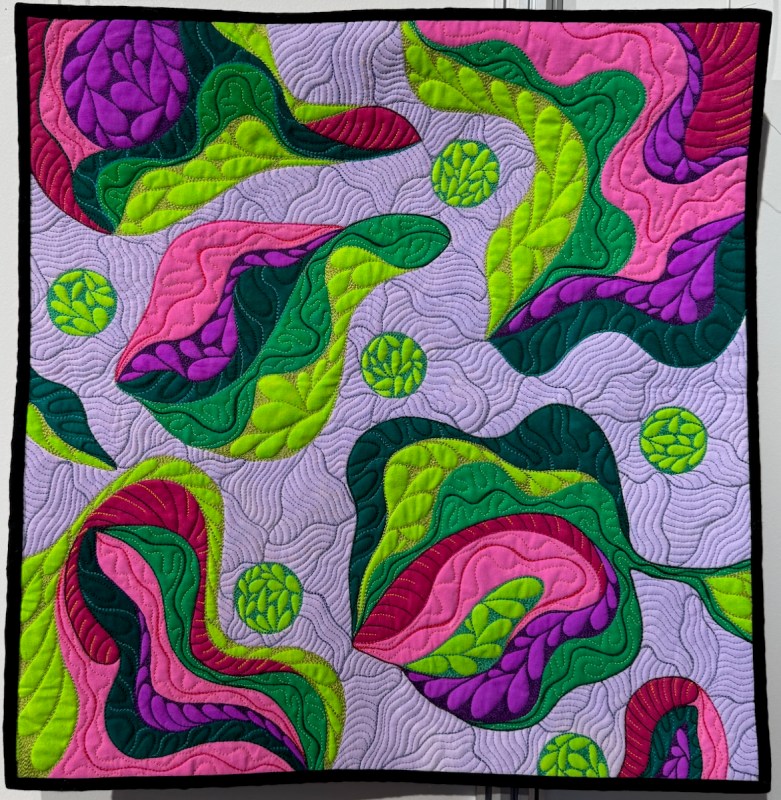
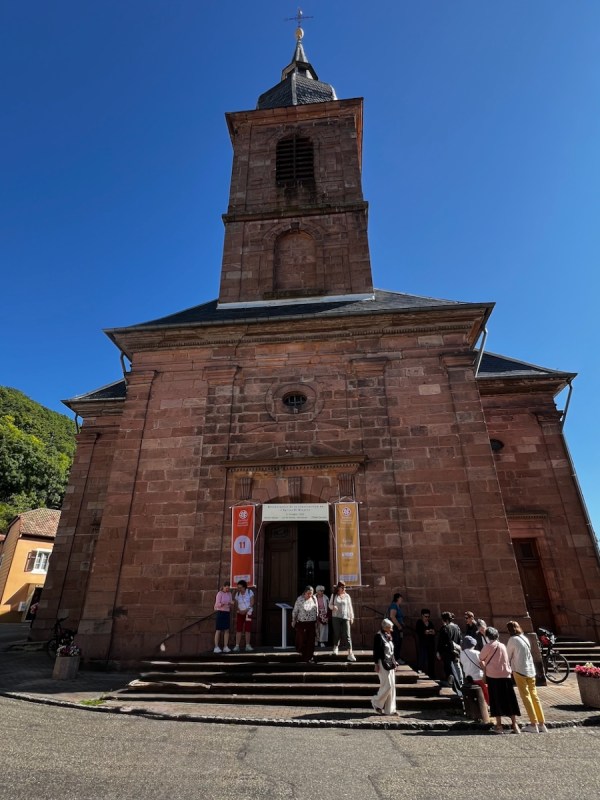
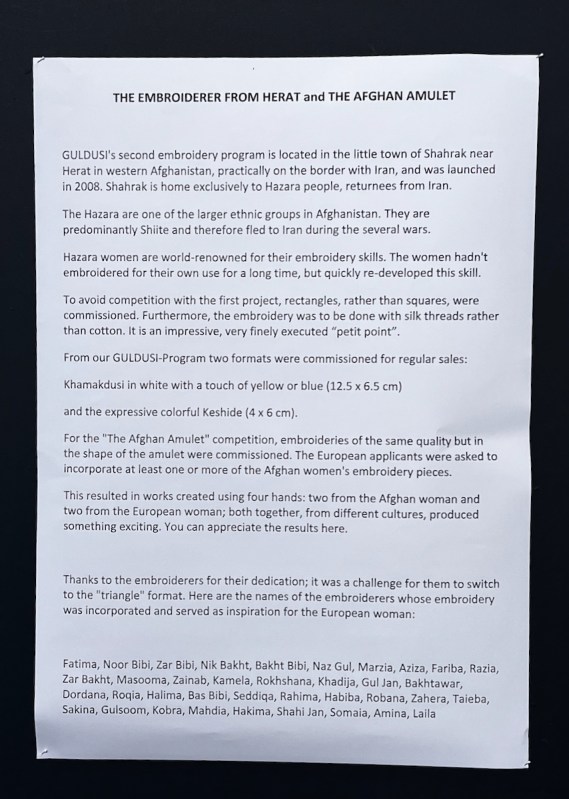
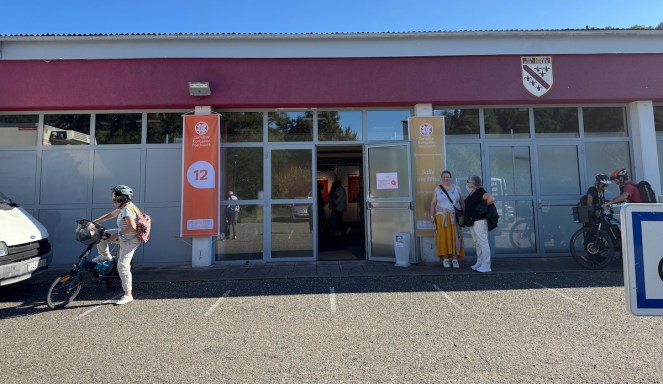
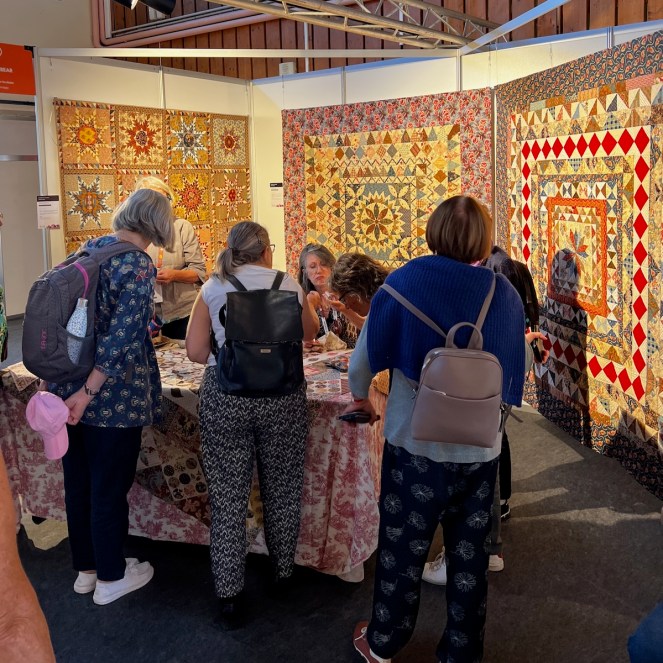
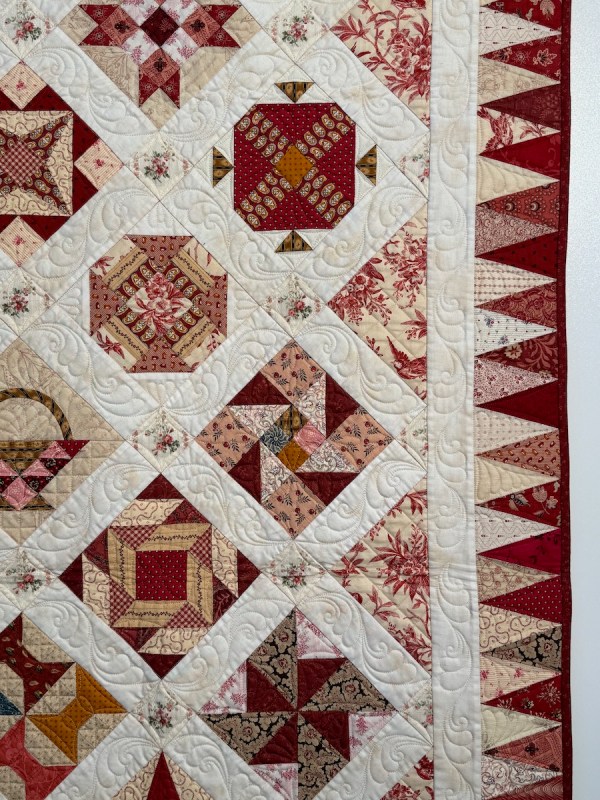
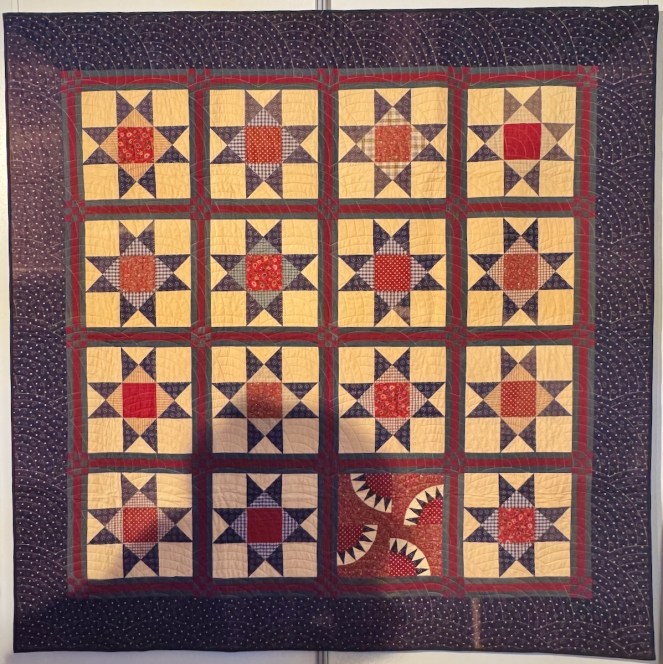
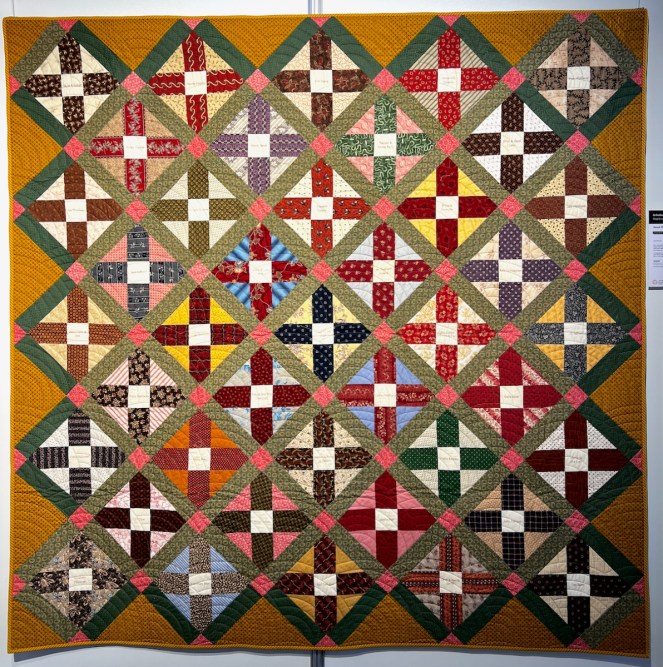
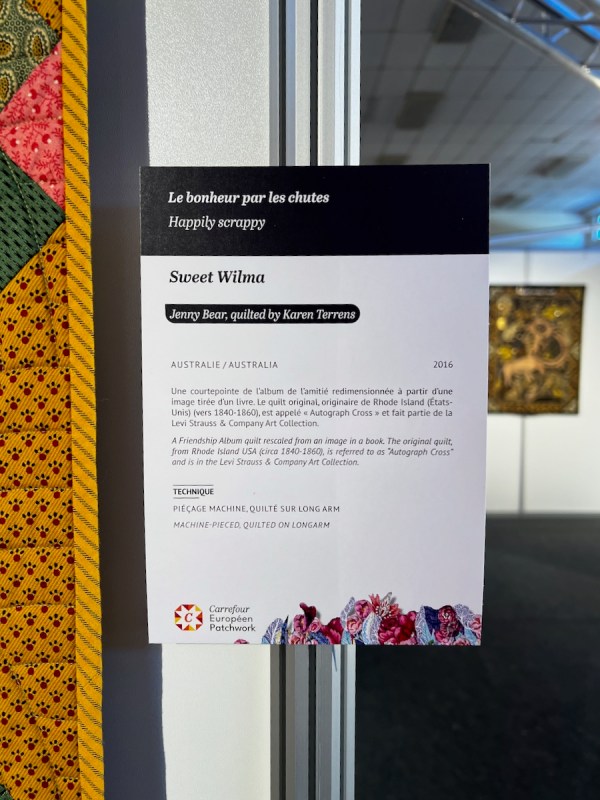
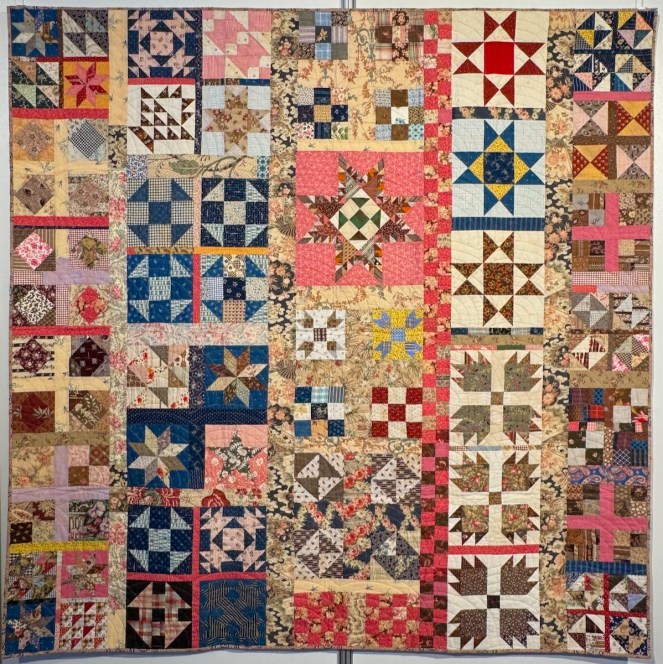
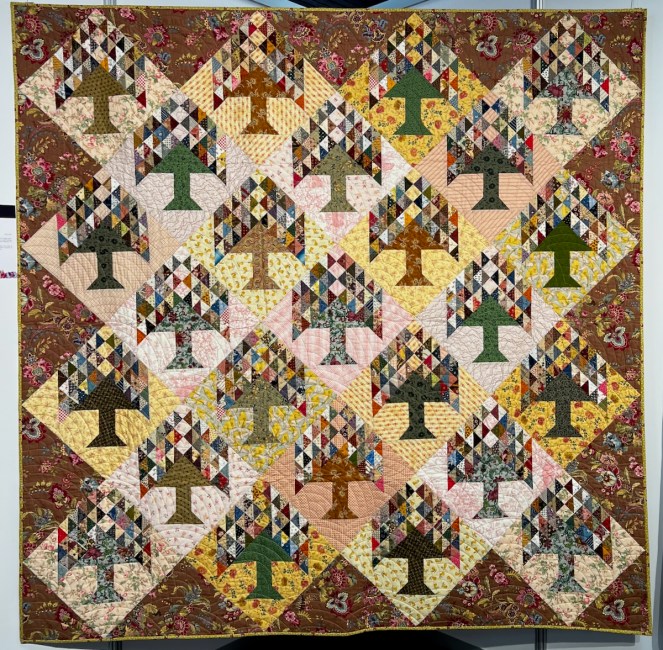
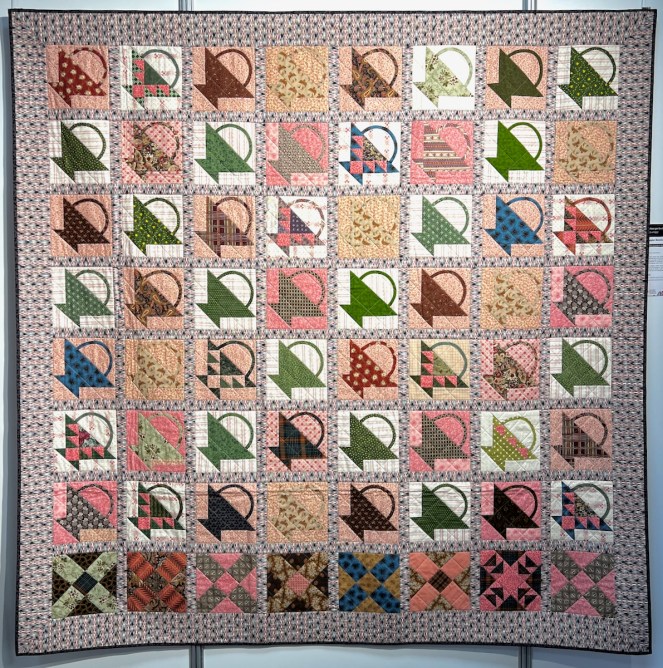
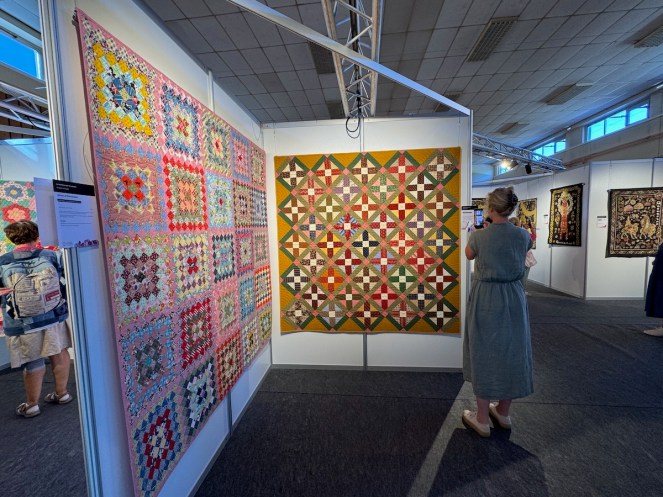
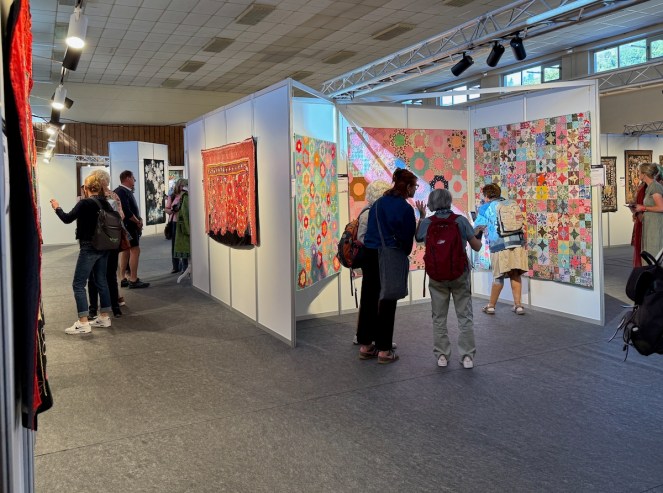
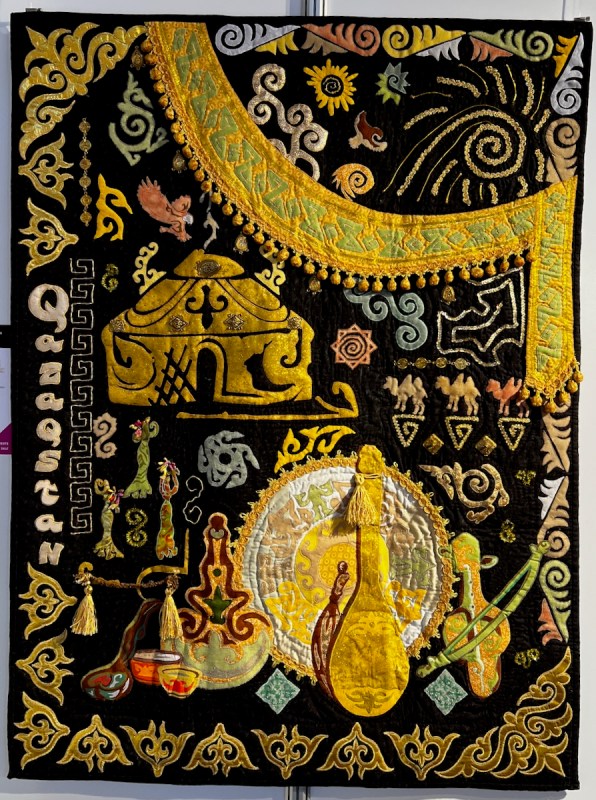
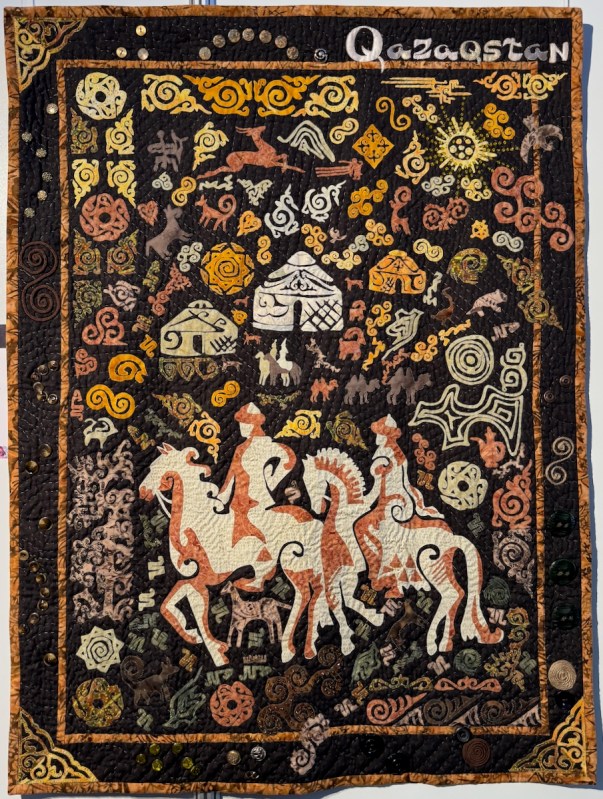
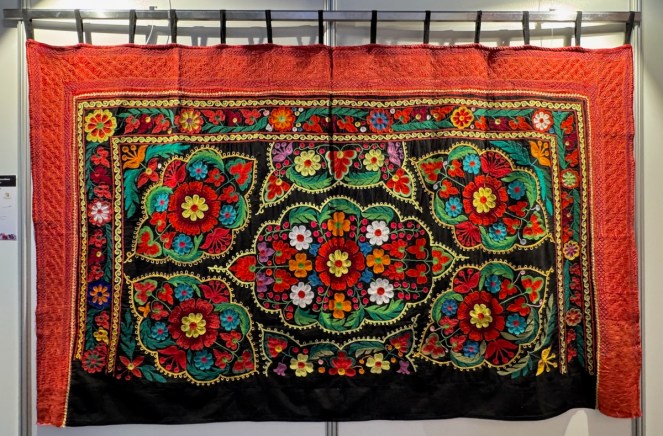
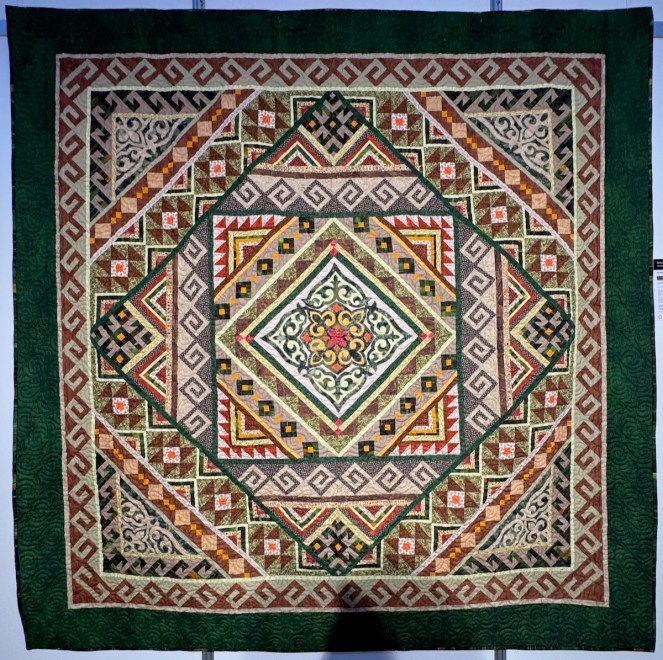
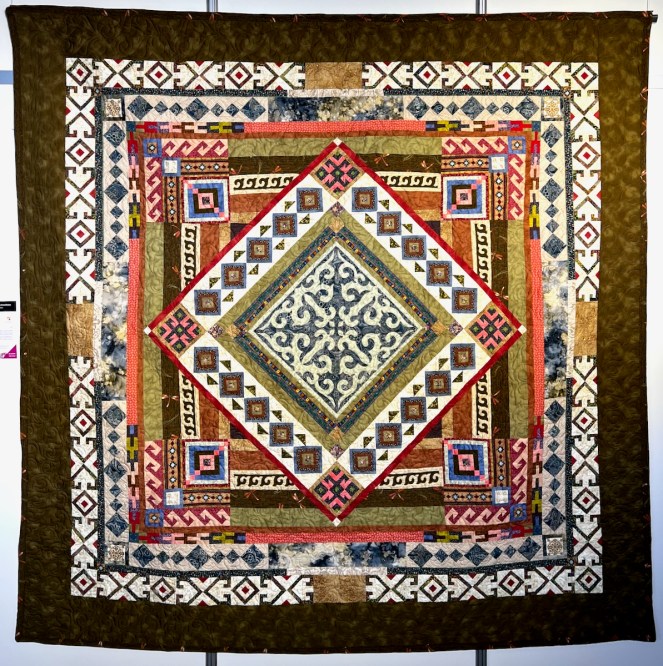
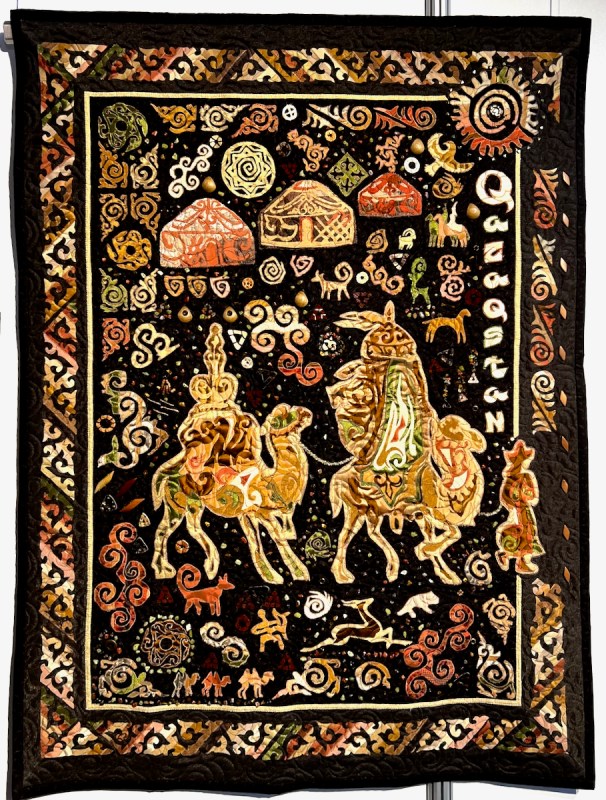
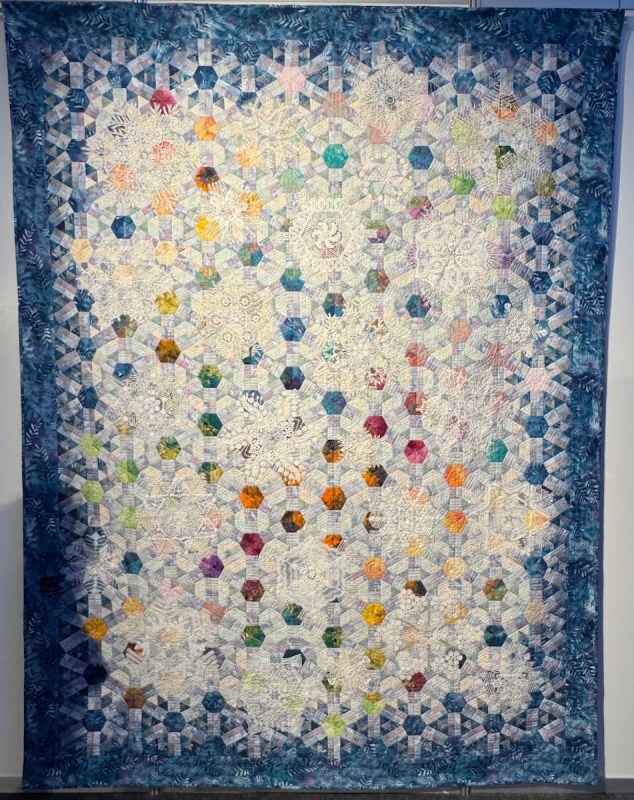
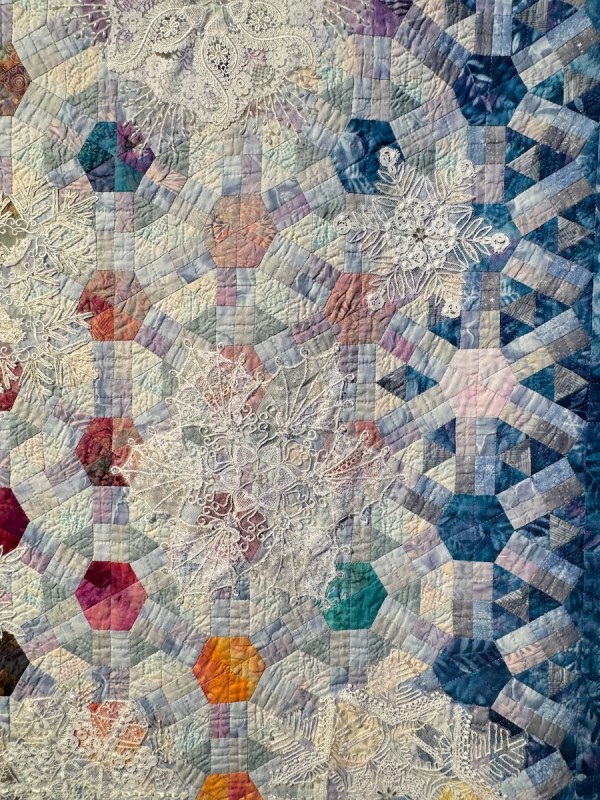
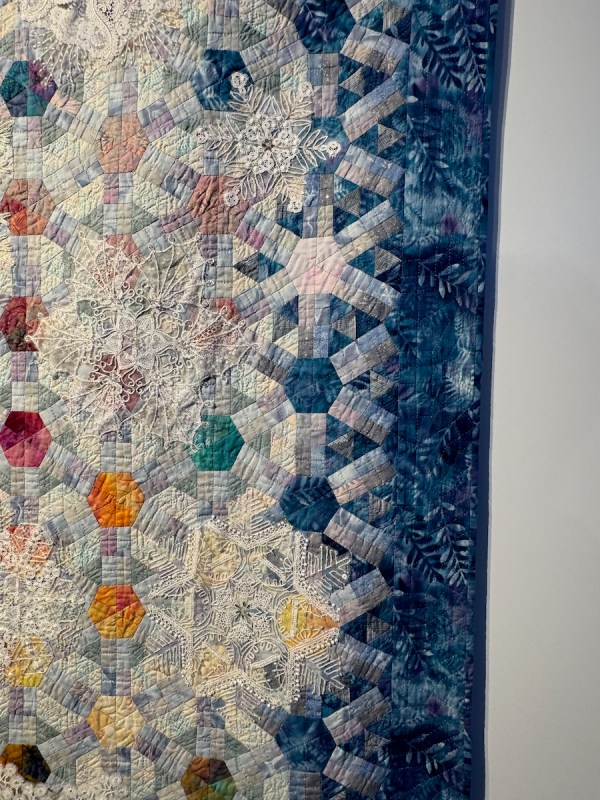
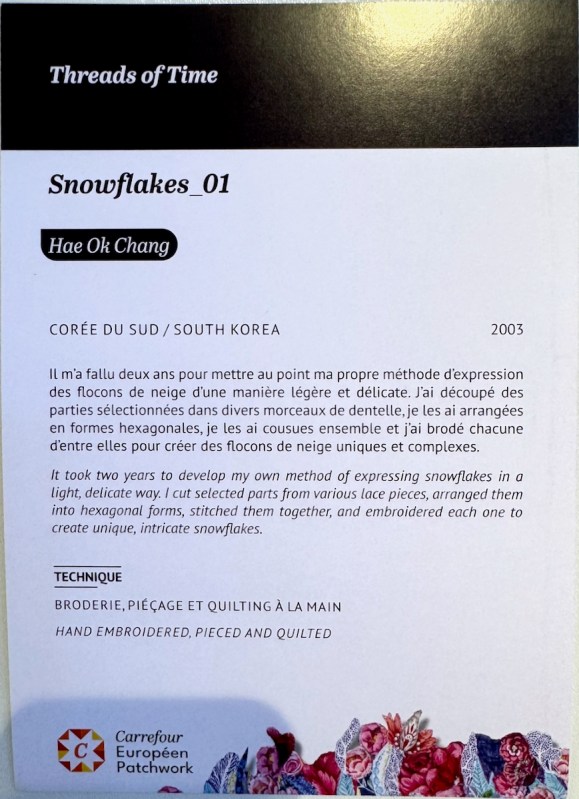
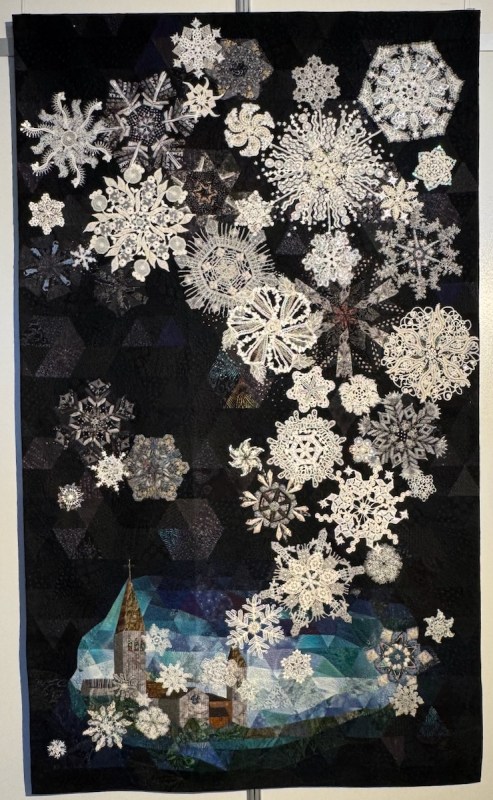
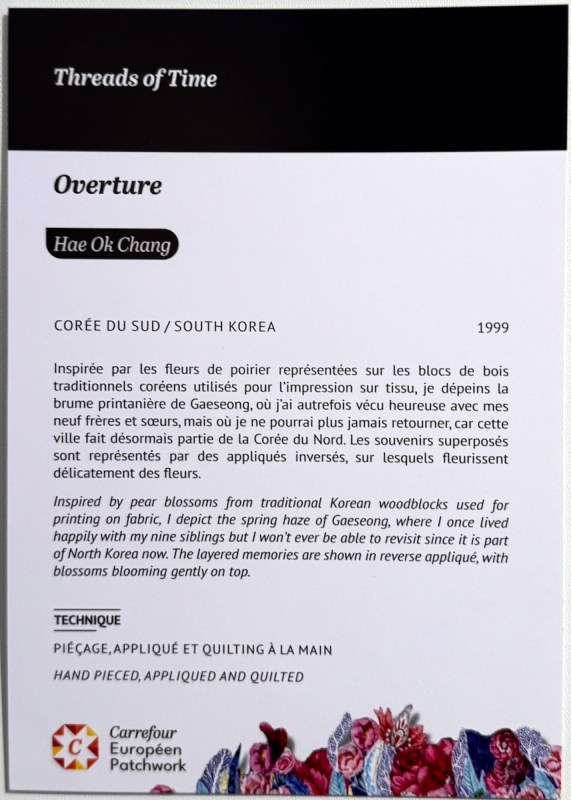
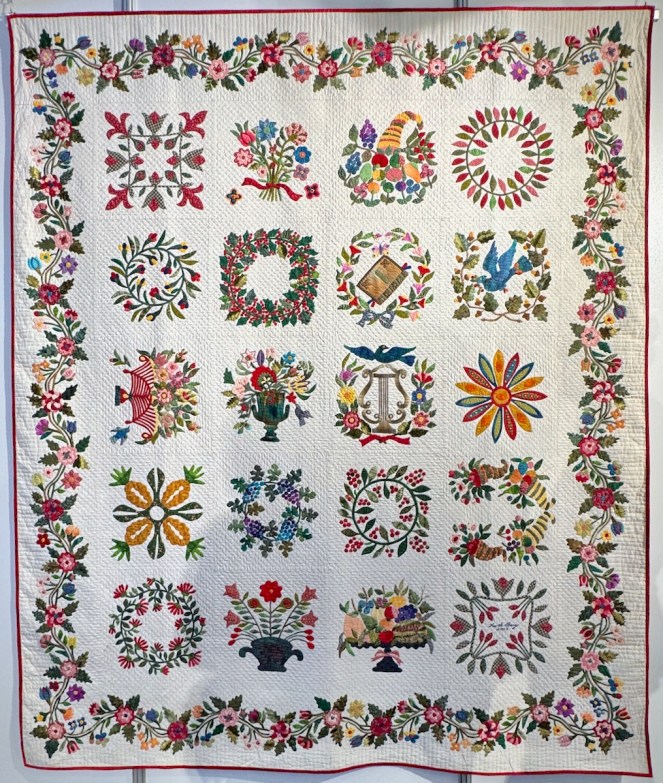
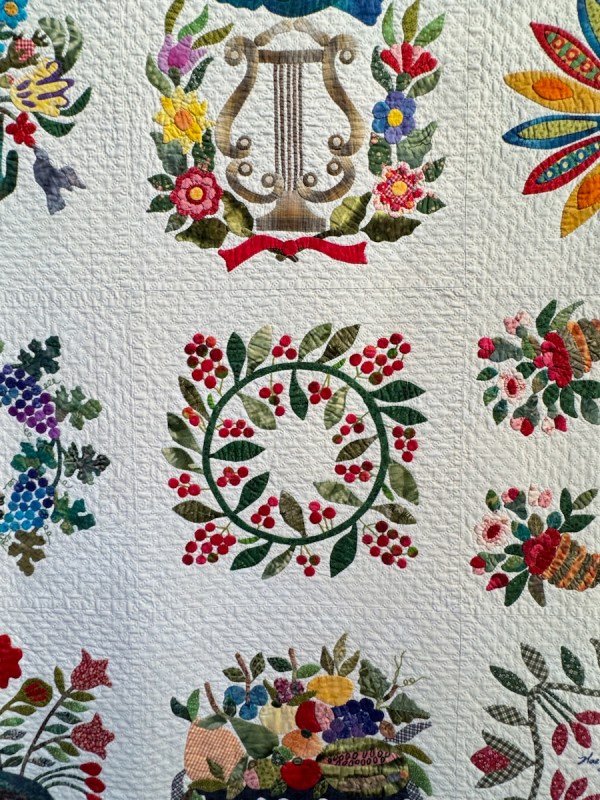
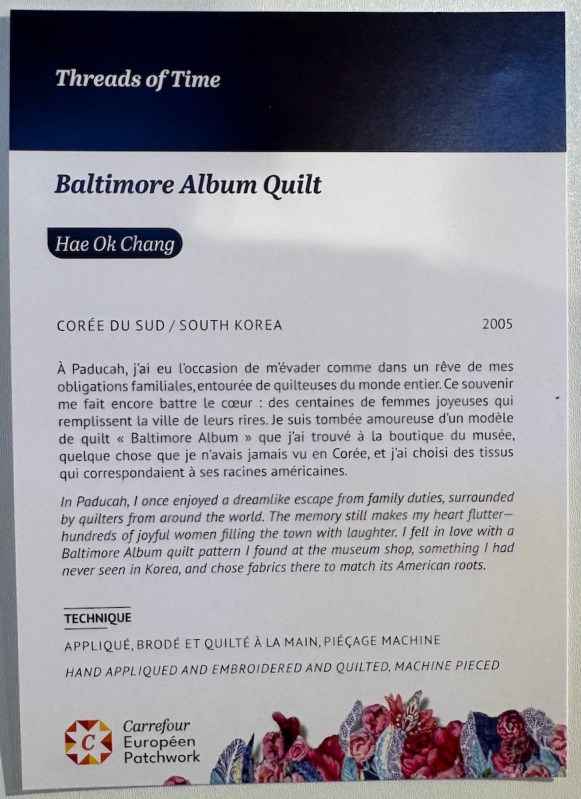
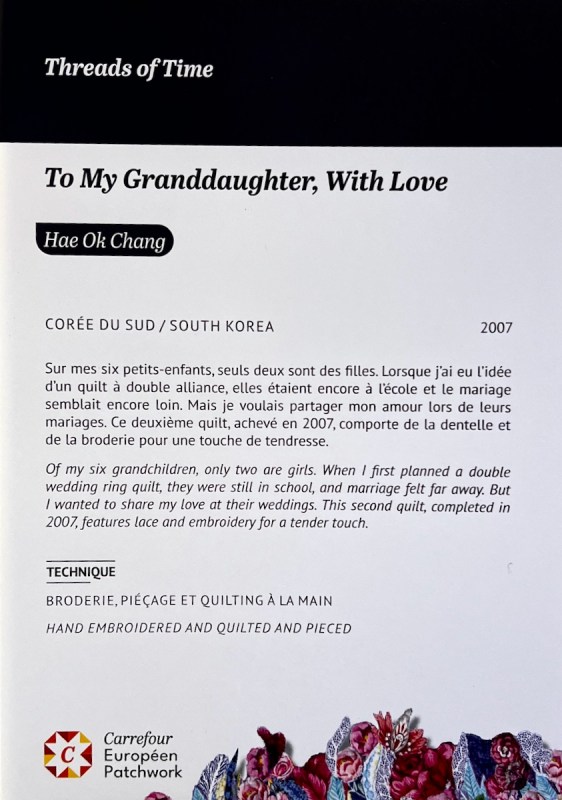
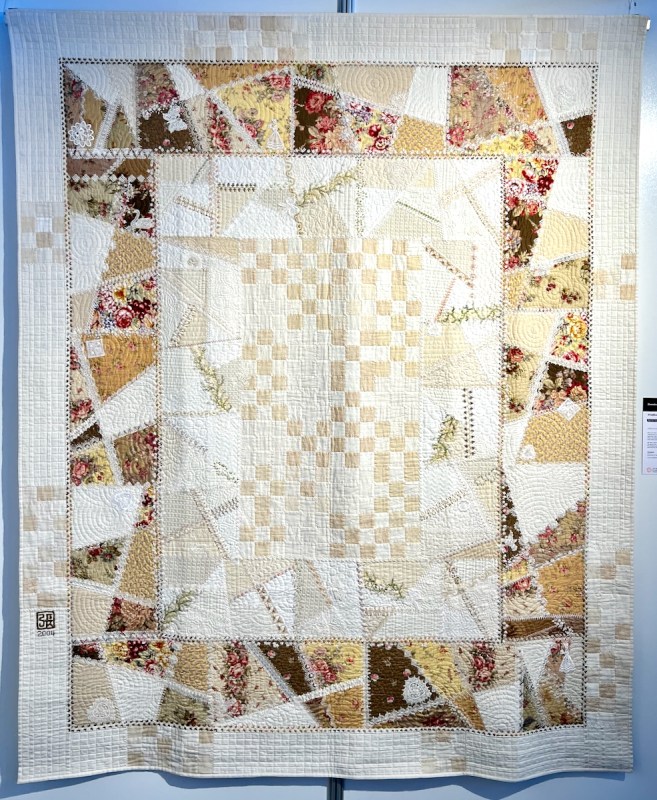
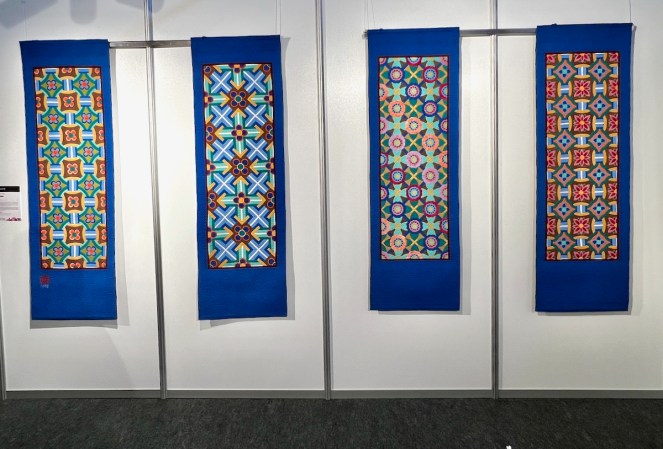
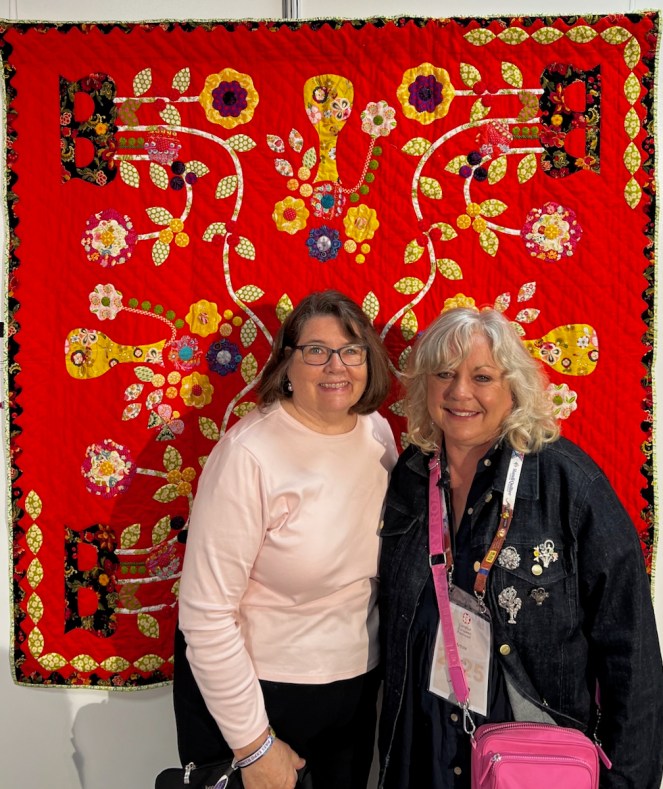
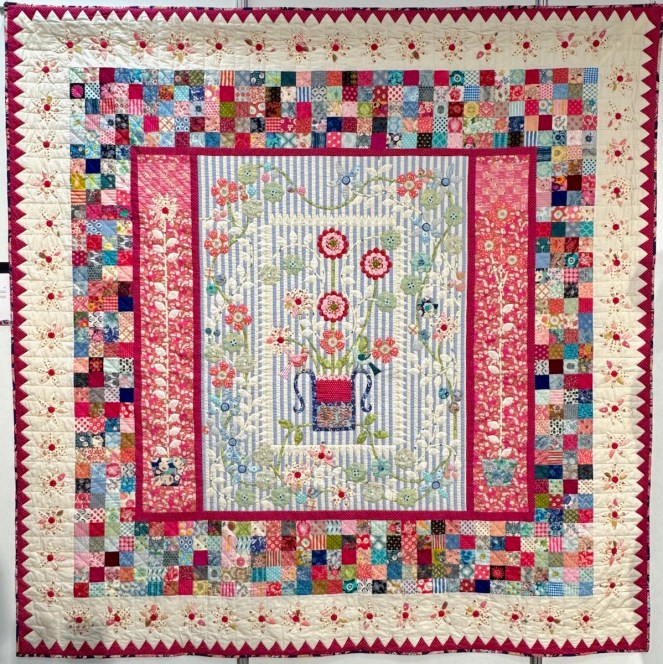
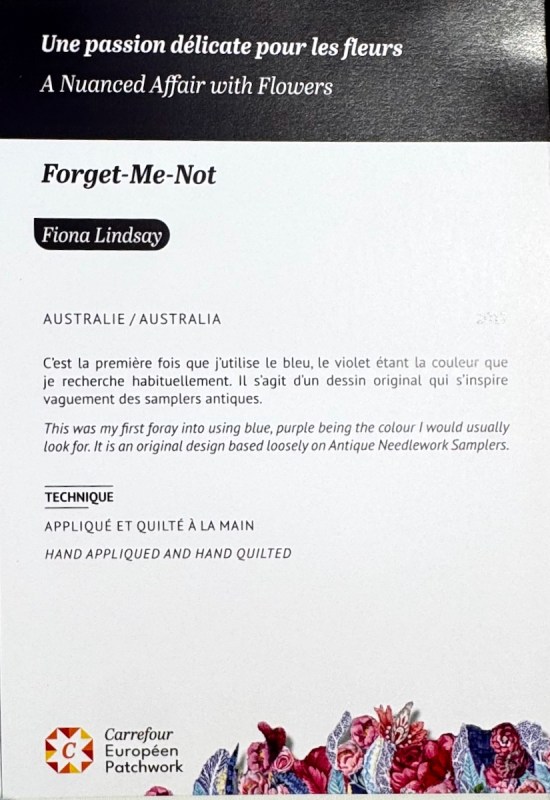
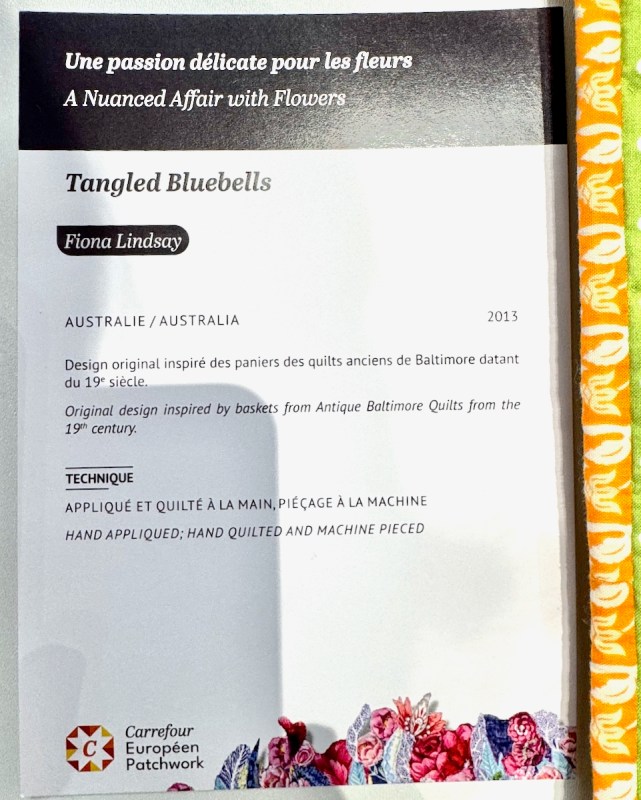
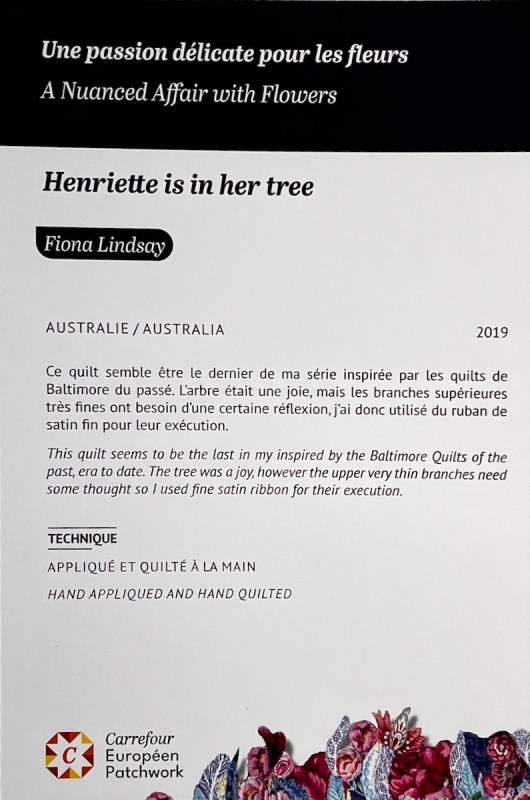
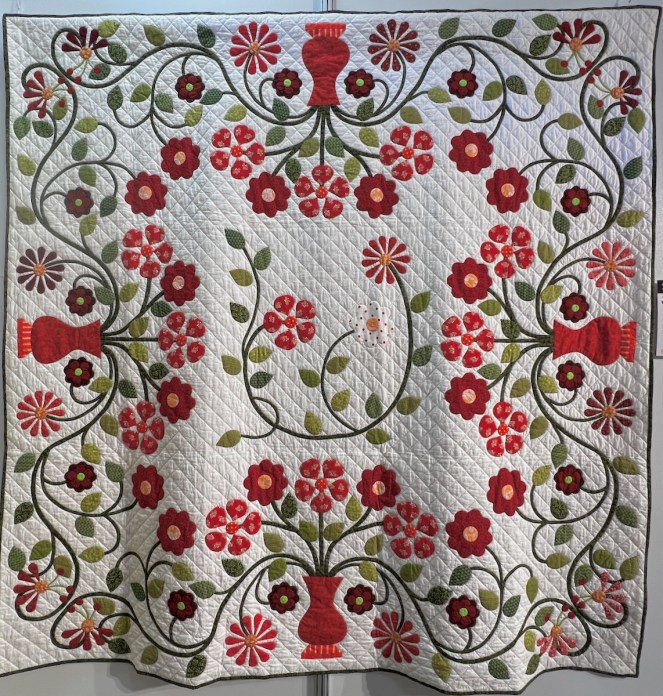
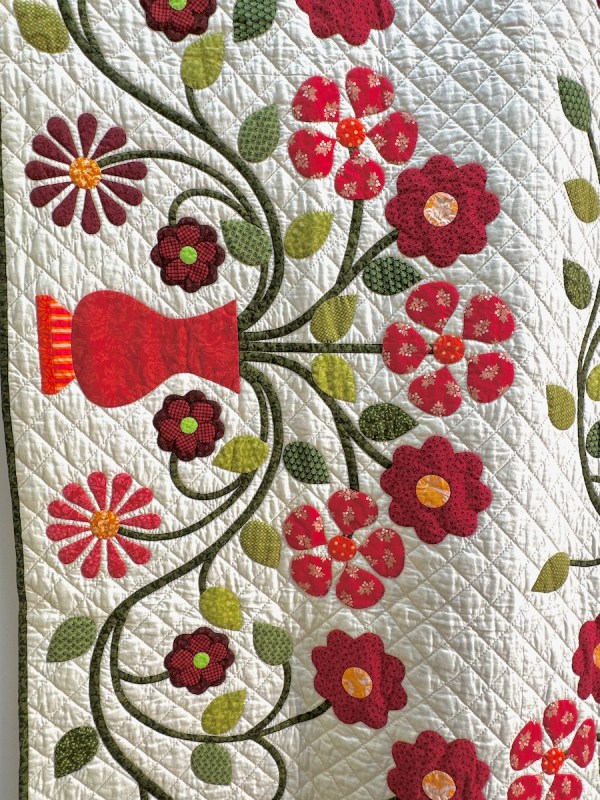
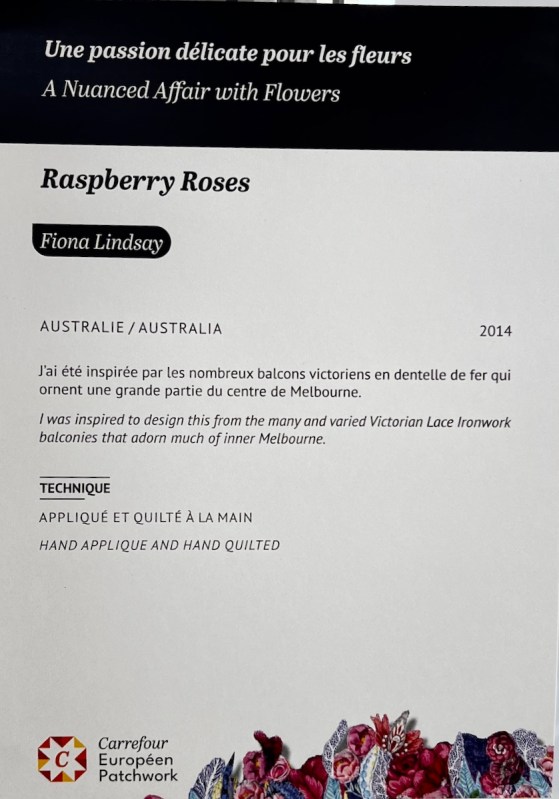
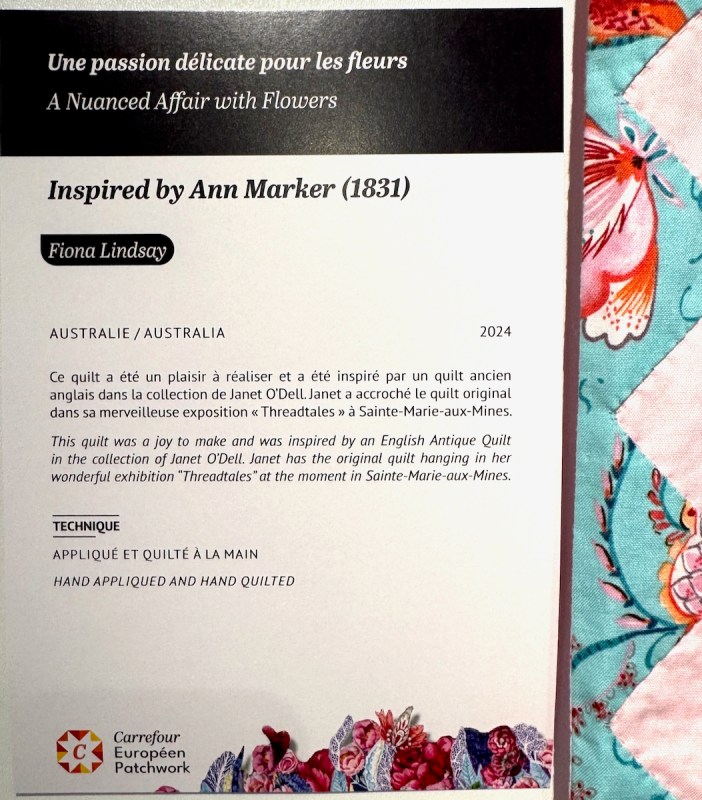
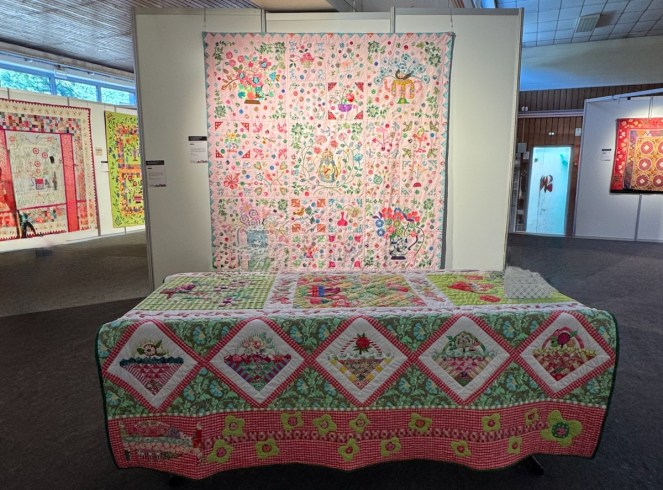
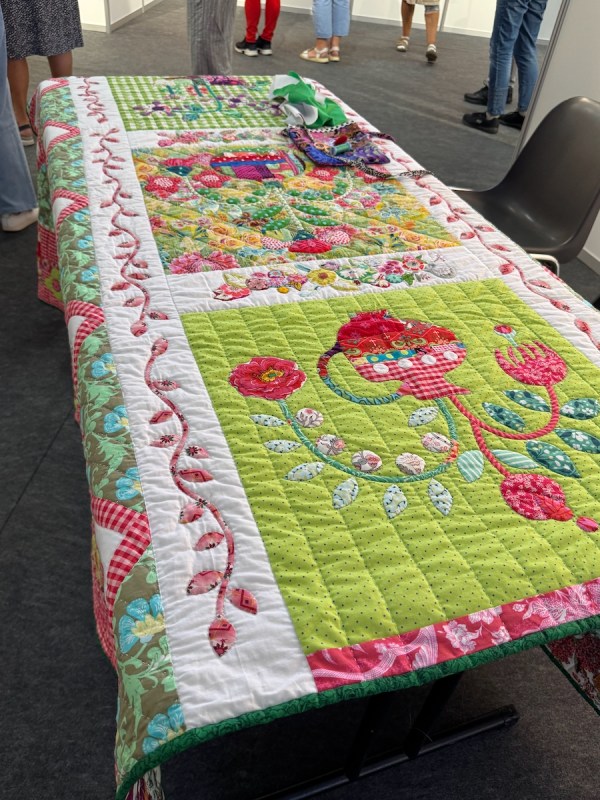
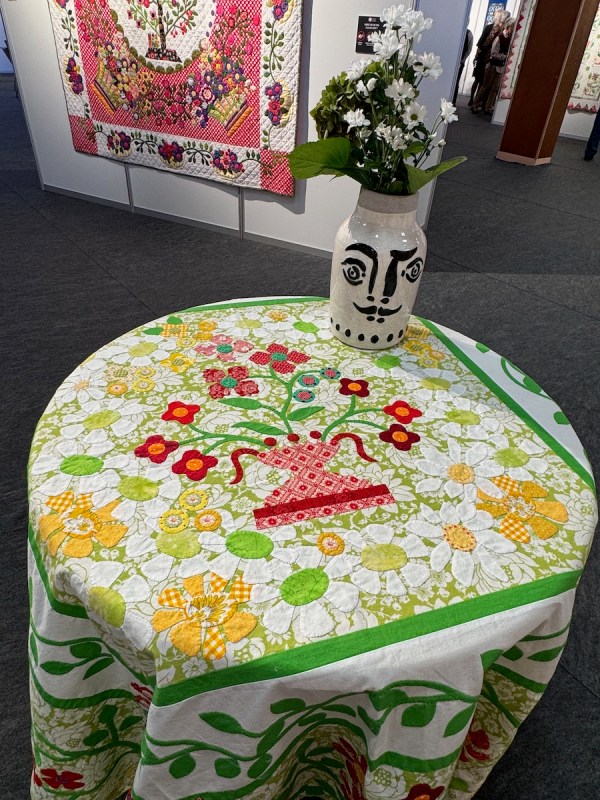
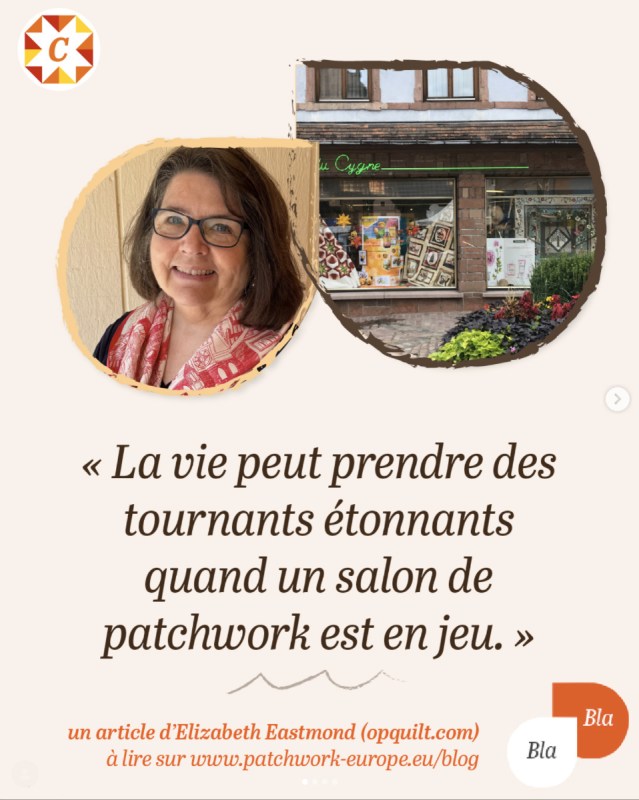
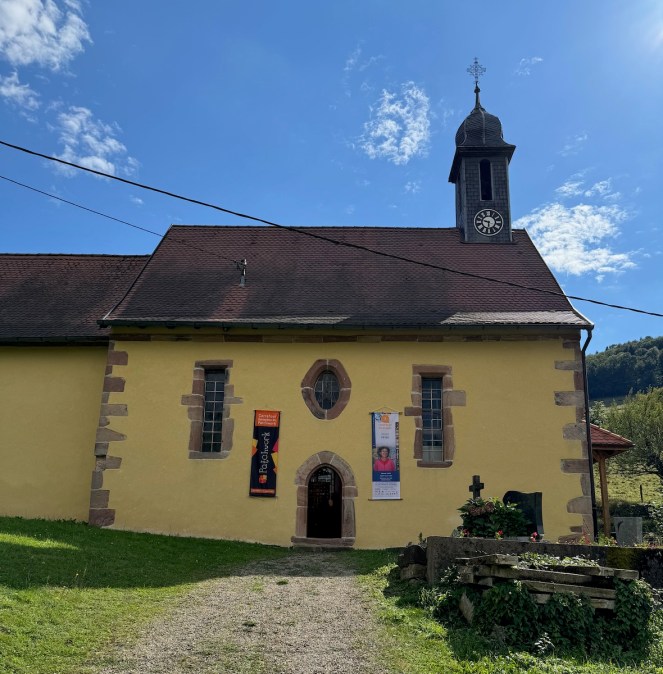
Or a piece of writing for the Carrefour Quilt Show? It is being held next month in the Alsace region of France. This year is their 30th Anniversary, and since I’d written about it here in this space, they contacted me to see if I’d like to write something for them. I would! and I did. You can find the first post on their blog.

It’s in English, as well as French and German.

Maybe I’ll see you there?

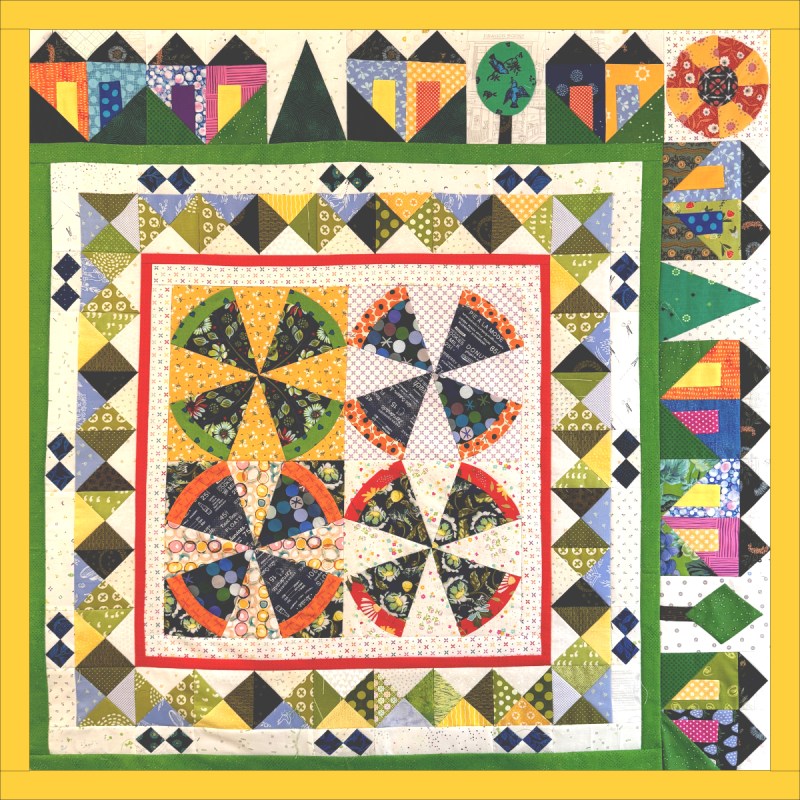
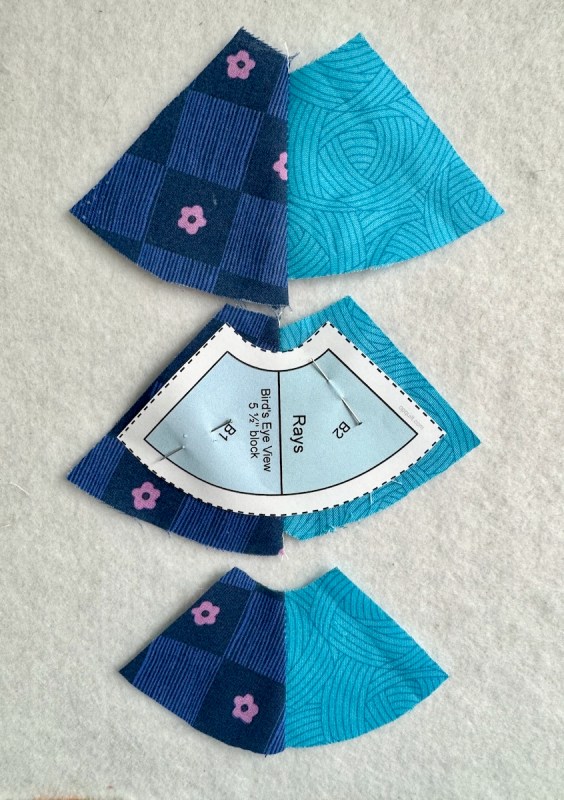
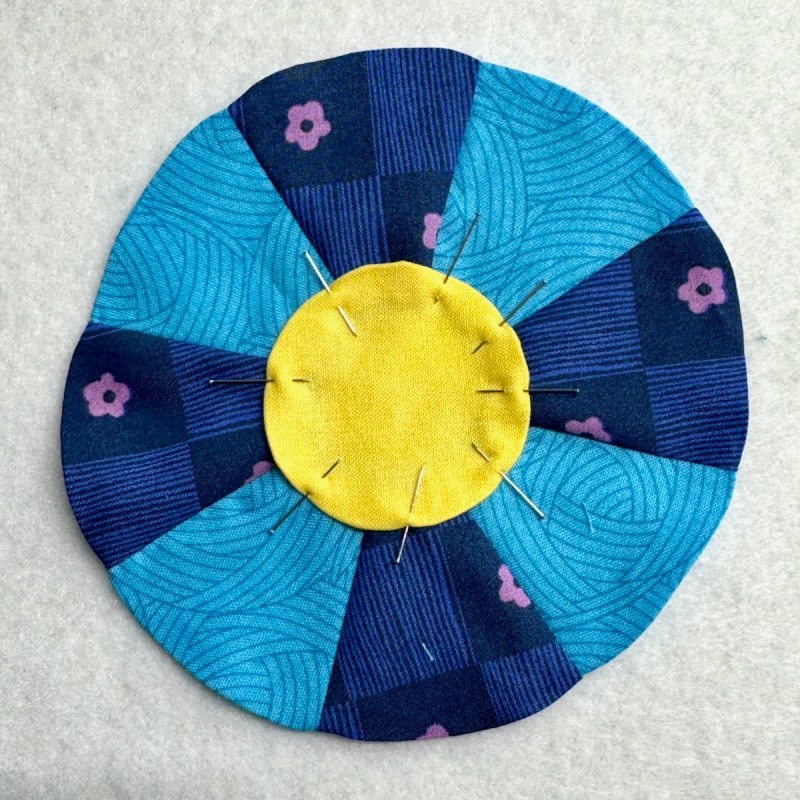
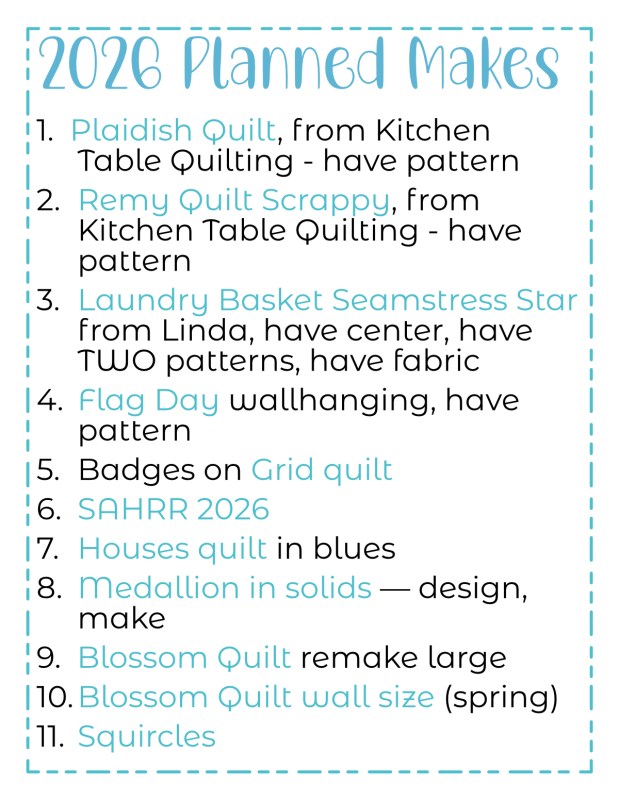
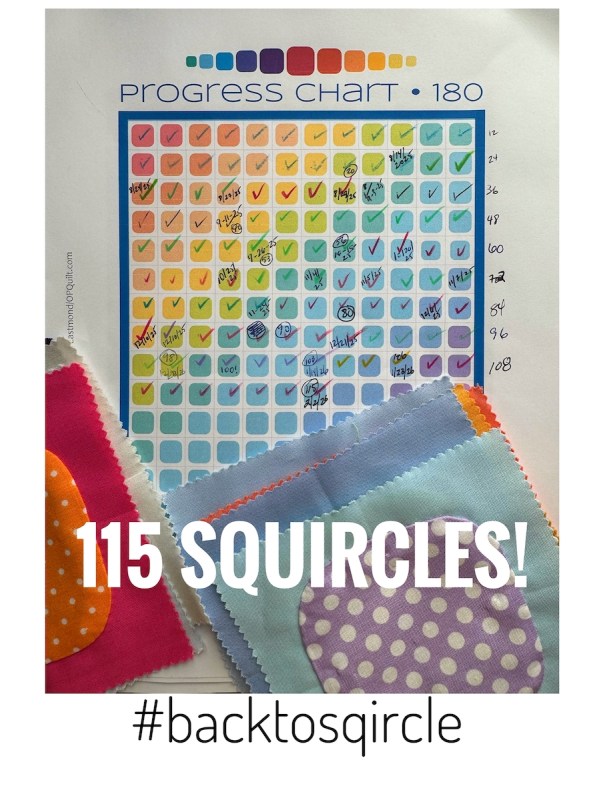
In the meantime, I’ve got a border to sew, squircles to prep, and everything in between. And I’m not using AI for any of it.

Happy sewing!

NOTE: None of the illustrations or photographs you’ll find on this blog are AI, UNLESS I LABEL THEM AS SUCH (like the silly raccoon, above). None of my quilt designs or patterns are AI, either. It’s all home-grown, here!

eQuilt Universe · Museums

Bisa Butler • World of Color and Artistry

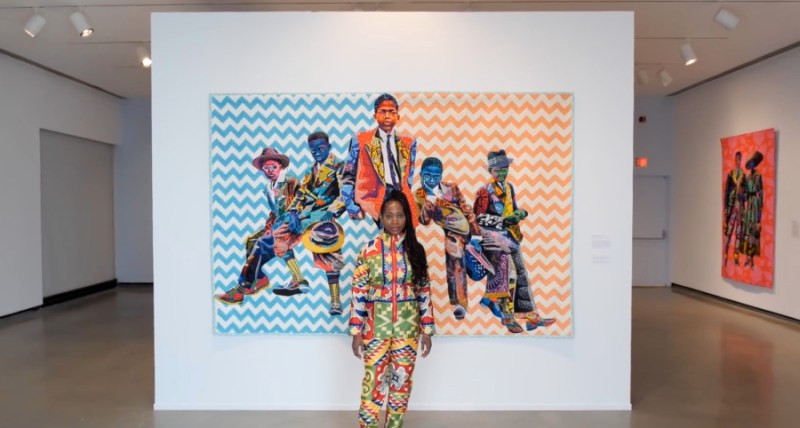
Bisa Butler, The Safety Patrol (2018) Cavigga Family Trust Fund (© Bisa Butler)

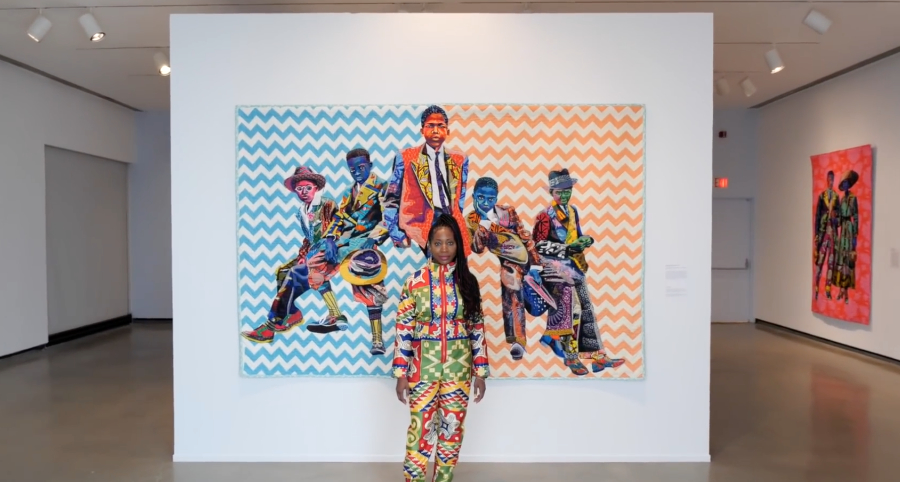
Bisa Butler recently mounted her first museum exhibition at the Art Institure of Chicago and “surmounted biases in the contemporary art world against both people of color and fiber arts” as Deborah Brehmer puts it in an article in Hyperallergic. This recent article was sent to my by my artist sister, Christine Petty, a screenprinter, who, when her studio was shut down, made her way through the pandemic by learning the art of natural dying, and diving into the world of seeds, flowers and yards of softly hued cloth. My sister and I talk art, the drive to make art, and color. I’ve been sent links to Butler’s art from several sources, but the link from my sister sent me to the blog so I could share it all with you.

detail of Bisa Butler’s The Safety Patrol (2018) Cavigga Family Trust Fund (© Bisa Butler)

I created The Safety Patrol while in my last year of teaching high school and simultaneously preparing to debut my artwork with the Claire Oliver Gallery. I was constantly thinking about my career change and at the same time having strong feelings about my students. It was during this time that Trayvon Martin was killed while walking home from the store by a vigilante. Trayvon’s killer had just been acquitted under the Stand Your Ground law in Florida, and I was distraught. I couldn’t reconcile my emotions about the future well-being of my children and my students in a society where their lives are expendable.

To keep reading, artist’s statement is from here

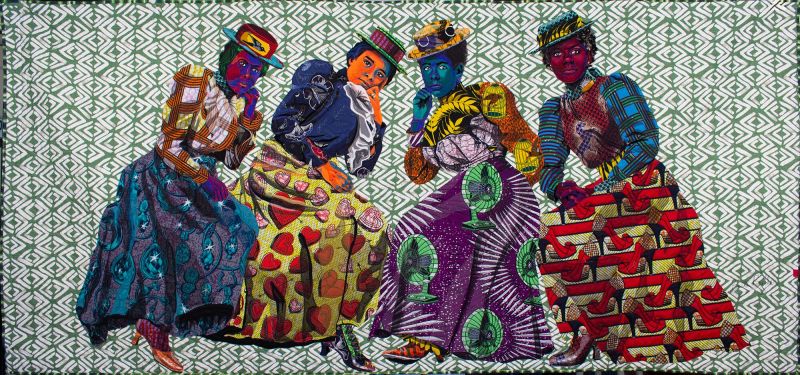
Many quilters use color in their work. But Bisa Butler’s floating figures are drenched in color, not only from multiple layers of fabrics, but also by the use type of fabric: African Dutch Wax prints, which bring not only color, but texture. She artfully cuts and combines her fabrics and includes bits such as the key around the young girl’s neck and the patrol boy’s belt made of carefully fussy-cut kente cloth.

I Know Why the Caged Bird Sings, 2019
Minneapolis Institute of Art; Promised gift on long-term loan from a private collection. Photo by Margaret Fox. © Bisa Butler

The skirt on the left: earrings, and the skirt on the right: high heels, chosen by Butler in honor of Michelle Obama’s trip to Ghana.

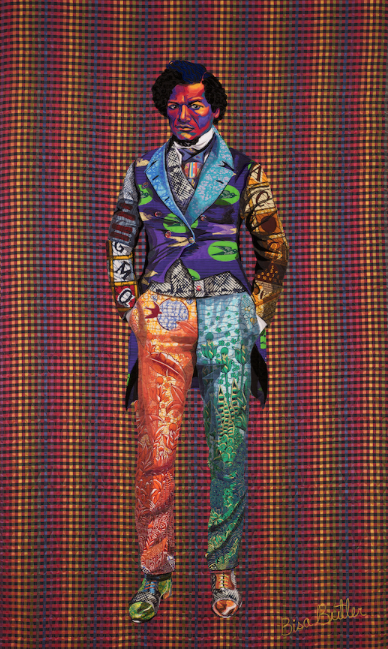
Bisa Butler, The Storm, The Whirlwind, and The Earthquake, a portrait of Frederick Douglass, from here

In this article in Juxtapoz Magazine (another article worth reading), her migration to cloth from paint is described:

“as an art student at Howard University, she began using fabric to avoid paint, which made her nauseous while pregnant. But she realized something deeper was at play, her actual dissonance with paint. “I could follow the rules technically but I didn’t have the voice. The paint didn’t connect to me.” Butler was introduced to textiles by her mother and grandmother, both dressmakers, who taught her how to make her own clothes. “Fabric was of my family, so using kente related to my heritage. When I made the portrait of my grandfather whom I’d never met, I realized I needed to use all African fabrics, and I used my grandmother’s fabrics that were old because I wanted to assert that this man lived before,” she said.

Reading the Juxtapoz article, I was fascinated by the history and meanings of the Dutch Wax prints and kente cloth, especially the names given to the pieces in Douglas’ portrait, or those in the I Know Why the Caged Bird Sings, above.

In the Hyperallergic Magazine article, Brehmer notices some women who gather around one of the quilts:

“I watched a group of three white women take in a piece called “Survivor” (2018), which addresses female genital mutilation. They discussed the technical aspects of quilting. One explained what a “long-arm” sewing machine is. They shared observations regarding the meandering lines of stitching and the way Butler layers transparent lace, silk, and tulle over opaque fabrics to create depth and shadows. They were in awe of the technical mastery of the work.”

Brehmer has noticed how we quilters often interact with many quilts as we notice the technical aspects: “How did she quilt this?” “Is there a pattern?” “Where can I buy that fabric?” I’ve seen it happen at quilt shows and so have you, when we get so involved with “how did the quilter make this” that we forget to notice (in Butler’s case) the joy, the history, the placing of historical figures in our time, asking us to put human lives and needs and challenges at the center of of our gaze. We want to own or borrow that particular quilt artist’s approach and those questions come from that impulse, I’m convinced. While my quilts will never be on par with Butler’s, and my subject matter is — oh, so different — I can learn from how she comes to the work. I can learn to let art climb in and infuse the making with joy and meaning, and yes, with color.

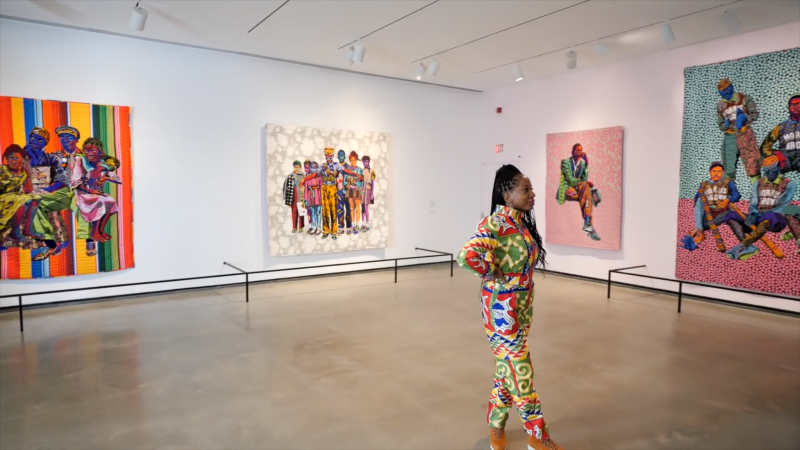
On the Art Institute site, in a short video interview with Butler, we see her studio, get a sense of how she works, and listen to talk about her education and guiding principles in her art. I pulled the images above from that video, and loved the two above of her obvious delight in seeing this exhibit of quilts, of textiles, of history, of her vision in such a storied place as the Art Institute. I think we are all familiar with the Gee’s Bend and Amish quilts, both earlier exhibits in major national museums. I view this exhibit as another break-through show, intended to showcase the art and craft of quilts.

Happy Quilting!

eQuilt Universe · Quilts · Textiles & Fabric

COVID-19 Face Masks

Not Social Distancing
Not Social Distancing!

NOTE: There are some updates to this post below.
(Sunday, April 5, 2020)

Our Inland Empire region of California hit print yesterday (New York Times), when speaking about the many quilters and sewists who are making facemasks:

“Sewers, we’ve always stepped up and done this thing,” said Denise Voss, the head of the Inland Empire chapter of the American Sewing Guild. “We’re made for this time. We’re happy to stay home and sew. And we all have stashes of fabric.” Her group, with about 130 members in Southern California, is making hundreds of face masks at the request of the Riverside University Health System Medical Center.” (New York Times)

Today I’m here to pass on information about face masks.  I mentioned I was going to use the mask pattern from Dora of Orange Dot Quilts, as I think it seals up higher on the cheeks and nose. I see so many mask posts on Instagram, that I’ve started a Favorites tab for them.  I’m most drawn to the stories of people who are making them, as I’m sure you are too.

Tamara, who commented on my last post, alerted me to JoAnn Fabrics’ kits for making face masks, also detailed in the publication Business Wire.  An examination about whether or not we should even be sewing face masks came across my feed; The Craft Industry Alliance article says proceed, but with caution, making sure you have a place to send/bring your facemasks in this time of social distancing.

Face Masks France
Even sewists in France are being asked to help.

Our efforts as sewists across the nation were also covered in a couple of national news outlets:

Face Masks NYTimes.png

The New York Times covered it from a more human interest viewpoint, telling the story of an army of sewists, from nearly-out-of-work costumers to those who have chosen to set aside their regular work to make masks:

“But the D.I.Y. pieces — generally stitched together with a few layers of cotton, elastic straps and, on ambitious designs, a flexible bridge over the nose — offer at least some protection. “Better than nothing” has become a popular phrase in the tight-knit sewing community. Some doctors are wearing the homemade fabrics over surgical or N95 masks, trying to prolong the coveted masks’ limited life spans. Other masks are being handed out at health clinics and nursing homes.

“It frees up the surgical masks for the people who are the highest risk,” said Dr. Nicole Seminara, a doctor at NYU Langone Health who is volunteering in the coronavirus ward. Dr. Seminara started a social media campaign, Masks4Medicine, to solicit homemade masks from the public.

“Are they effective like an N95? No,” she said. “We’re not claiming they are. If we had all the N95s in the world, it would be wonderful. But there’s a shortage right now.”

Face Masks
Source: New York Times

The Huffington Post covered Face Masks For Personal Use, and Face Masks For Medical Use, listing sources and quoting experts.

Generally it seems to be that we can make masks for those who don’t have direct contact with patients, perhaps front office workers who still could use the masks — thereby saving the short-in-supply N95 masks for critical care use.

One last thing: please write to your senator/congressman as well, telling them how you feel about the fact that we are tasked with providing masks for critical care usage.  While we all are happy to do our part — as we have generous hearts — I’m sure we’d prefer that our nurses and doctors on the front line are well-protected as our nation struggles through this horrifying disease.

UPDATED NEWS ARTICLES/SOURCES:

  • Some hospitals are not collecting masks, some are.  Should we be sewing them?
  • Deaconess Hospital list of Where to Donate Face Masks  Use the filter for your state, and scroll down.  It’s not always apparent to me that they are wanting home made masks, as some list N95s as their request.
  • Liz wrote in with these tips: “Using a modified Deaconess pattern, starting with two 7×10.5″ instead of 6×9, and stitching seam binding across the top and bottom of the mask (40″ piece for top, 36″ for bottom). Also very important to make an OBVIOUS FRONT and BACK side to the mask, by using two different fabrics or the reverse side of the main print on the back/inside portion.”  I think her caution to make an obvious front and back side, if you are using the Deaconess pattern, is a great idea.  If you are using the Orange Dot Quilts pattern, the shape of it denotes a front and back already.
  • PBS broadcast a segment about all the mask makers. (new!)

Face Mask Vermeer
One of many COVID-19 memes on Instagram

Below is a little graphic I found while browsing IG.  I have no source on it, but it looks believable and makes me feel better about our efforts.  While it does say that fabric masks do not filter viruses, they may offer some protection against the droplets that carry the viruses (according to other sources).

face masks filtration.png

I saw one video where the maker cut up a HEPA filter to use in the mask.  I have no info on that one!  I’ve also seen people suggest lining them with coffee filters, nonwoven interfacing and used dryer sheets.  That last one sounds pretty dubious, however I do like this one:

Face Mask Antivirus.jpeg

Kidding!  But looking at all the humorous memes has helped my mood a lot (my daughter posts a ton of them), as did all your very kind letters from the last post.  I still seem to be distracted a lot, and my mood goes up and down too much, but in hearing from other friends I realize I am not alone.  Finally, my sympathies go out to those who all of a sudden have children home.  Here’s a meme for you:

covid19 working from home.jpeg

Carry on, quilters.  You are awesome!


eQuilt Universe · Something to Think About

Irritated by the Internet

Map of the Internet
classic visual map of the internet, image can be attributed to artist Barrett Lyon

Lately I’ve been irritated by the Internets.  And by blogs, although I’m someone who still reads them, someone who still writes them, and still thinks the longer form is useful.

Blog
This post is divided into parts.

All is not well in Blogland, and like the song from Music Man where he sings about Trouble and it means the new billiard table in town, our trouble is the concept of “monetize.”  It can be lucrative to place ads on blogs, and I have no problem if  a blogger wants to make some cash.  Money is always good, and hey, it’s their blog.

But I do get irritated when some of the ads have positively gotten out of hand, so much so that ads pop up on top of pictures, intrude on the blogger’s writing, and blink and pop across content. Some of the ads are disgusting (see below for examples), with that creepy crawly worms thing the worst.  Because of this, I had stopped reading some blogs, but in the end, I liked the quilter and what they did, so had to find new ways to read.

Blog

Using a Reader to read blogs

So I started by using a reader. I subscribe directly to some blogs, and their post notifications come directly into my emailbox.  But I don’t want all my blogs to come there.  A reader will gather all your reading into one list, and can categorize the blogs (I read both ways).  One well-known reader in quiltland is Bloglovin’ but I have moved over to Feedly.com.

I used to use Bloglovin’ a lot, but  I found it frustrating at how many clicks I had to use to get the blog to leave a comment (I love a good conversation).  And then I started noticing this:

Bloglovin ID blog

They won’t send you to the blog, they send you somewhere in their universe, which as a blog writer, is not helpful news.  It means a reader might might never actually visit a blog, to see the layout, the way the blogger has designed their space. Some writers believe that Bloglovin’ has taken content (without permission) for their in-house blog, broadcasting it on their website.  The blogger-who-wrote-it will not see any of these comments.  Yes, this has happened to me, and frankly, it’s kind of weird, like somebody stole my content.  They will link back to me, but it’s after the fact, so that if I’m not on top of it backstage, I will never know it happened.

Waving goodbye

So I said, I’m done, and left them for Feedly.

Feedly4
opening pages

I never log in with Facebook, instead setting up an account using my email.

Feedly Screeshot

This is what I see when my Feedly page pops up, with the category Fabrics/Quilting highlighted. I chose the magazine view, but you could also choose a list view.  It allows me to read the first few lines of any blog post, and then decide if I want to expand it.  I find I am actually reading more of my colleagues’ posts this way, as I also don’t lose them in the deluge of emails.

The blogs I added (see the very bottom left: +ADD CONTENT to add the blogs you want), I arranged by categories.  The numbers show the unread blogs.

Feedly2

Here’s Afton’s Quilting Mod, as an example.  I clicked on it from my list and the full blog shows up.  I scroll through and read it, then decide I want to leave a comment.

Feedly3

At the bottom of the page, I click on VISIT WEBSITE, and I’m sent to her blog in a new window in a new tab (although this preference can be changed).  Notice the address that shows up in the lower left — I’m referred directly to Afton’s blog to leave a comment, a real plus.

Blog

Using the Reader View in your browser to make posts easier to read.

Reader View 1

Sometimes I’m not in my Feedly, and have clicked on one of my ad-filled blogs. So I use the Reader View.  Safari has always had this, and now Firefox has it too.  First, Safari.

There is an icon of stacked documentson the left in the address bar.

Reader View 2

Click on this, and you’ll be taken to the above view (compare them).  All you are getting is the writer’s content, plus their photos.  All animations, ads, colors, and videos are removed (although you will see placeholders for them).  Click on the stack icon to go back to their website.

Reader View Firefox

I just downloaded the newest version of Firefox.  Above is the webpage without the Reader View.

Reader View Firefox1

The webpage with Reader View.  Click on the little grey page icon on the right of the address bar to be taken to their Reader View.

See also those little greyed icons at the upper left?  Those are also new.  I’m quite interested in the third one, the soundwave icon.  My mother is mostly blind, and now I can now have my Dad set up the webpage for her in Reader View and it will read it to her.  Hooray for easy accessibility for webpages!

Blog

Ads placed to drive the blog writers to pay.  It worked!Quilt Abecedary title
I’d developed an alphabet of improv letters when I ran the Spelling Bee blog some time ago.


quilt-abecedarysm

Knowing that if I put them down somewhere in my Sewing Room, they would disappear, I documented how I made them and put them up on a blog.  For a while, WordPress and I had a bargain: they could put up an ad on the bottom of my post, and I’d keep using their stuff for free (I had converted this blog over to a paid blog some years earlier).

Then I started seeing this:

Bad Ads

The dreaded creepy crawly ads I hated were now in between my text, obliterating the the instructions for my wonky and fun letters and words (see the one in the box in the upper left).  I didn’t want to pay a yearly fee to have them keep the ads out (and I suspect — just a little — that some of the more obnoxious ads were designed to encourage me to pay), so I did the next best thing: I moved the entire blog.

Quilt Abecedary New 2019

It’s now back in Google’s arms at: https://quiltabecedary.blogspot.com.  I have links from this blog, above, so you don’t have to remember the address.  But if you ever need some wonky improv letters and words, don’t forget that it’s there.

Blog

White I spend a lot of time on Instagram, I still think that there is a place in our lives for blogs: it’s where we put up tutorials, we comment on the state of the world, we have space to write about quilts and things that interest us (by the way, congratulations if you made it this far).  I don’t want to see blogs go away, so I hope this post will make your reading easier.

NOTE:  If you want to start making your own Feedly list, I’ve put just about all the blogs I read way below, in the footer, but like anything, it’s a work in progress and subject to change.  I update it about every quarter.