Museums · Quilt Shows

Judging a Quilt Show • July 2022

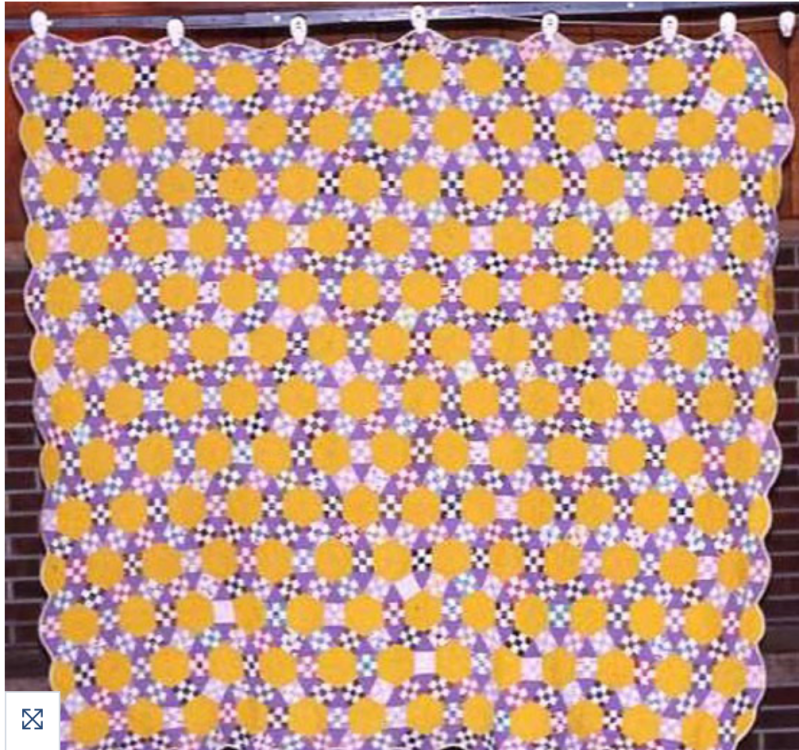
It starts like this.

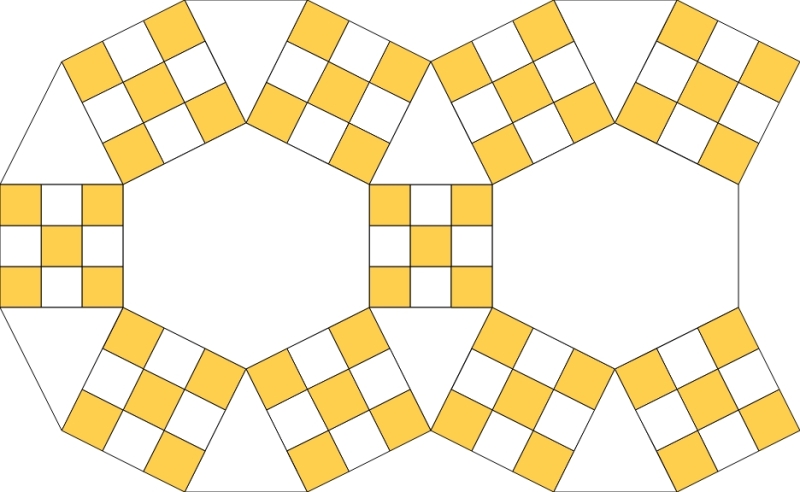
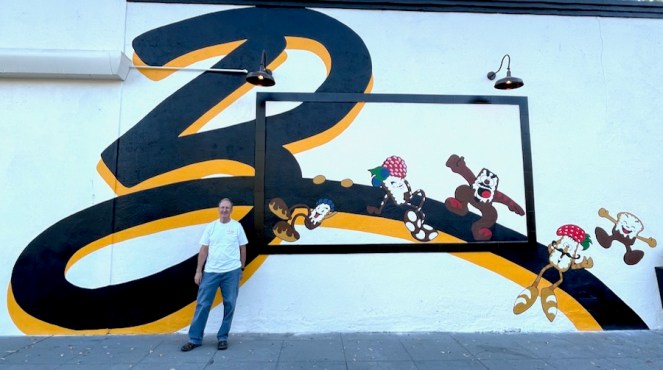
Or this.

Or really, it started with an email from the Quilt Show Committee asking me if I would consider judging one of my favorite small shows: the Springville Art Museum Show. The quilt show is put on by the museum, but the Utah Valley Quilt Guild provides the bulk of the volunteers, the manpower to get it all put together. According to Wendy, the chair of the Quilt Show Committee, I would be there all day, and they would provide lunch (which was delicious!). It was a 9-5 job, in other words.

Yes, I was a bit nervous never having done this before, so I did pretty extensive reading before I went, carrying copies of the NQS guidelines, and other references I found. In reviewing them the night before, I thought: “After nearly five decades of quilting, I either know this…or I don’t.”

What I wasn’t always aware of was how to compare quilts that are quite dissimilar in style, execution, materials, etc. According to NQS guidelines, it often comes down to the number of design decisions made by the maker. I let that be a guide as I worked through the quilts.

Wendy (shown here at the end of the day when she was relaxed) was my first scribe, and Lani (on the right) was my “interim scribe” when Wendy went to assemble lunch for us all. In the morning, I met my other two judges, Pamela and Chris (our bios are at the bottom of this page), along with our the other scribes. The Museum Curator, Emily, and Wendy gave us instructions.

Each quilt was to be judged twice, but each judge was to only judge a portion of the quilts (roughly 60). We would look at the quilt, check off the items on the scoring sheet, leave a comment or two about the overall impression of the quilt, then the scribe would leave the paper upside-down under the quilt, to be picked up later.

The scoring sheet had the usual items dealing with construction, design, quality, straightness, buckling or cupping of edges, tension of stitches, and so forth. Having participated in larger shows, I was suprised that they didn’t have two categories for machine: stationary head or moving head (long-arm), but instead lumped them all together (I will compose an email to the curator, later). And I was surprised about the fixation with binding on the score sheet — was it straight? was it even? was it filled? I dutifully did my inspection, but thought this was a minor detail overall. I’d heard about this from others, but still roll my eyes a bit.

The fun part was getting to put my hands all over the quilts. I kept them clean, washing them often, but it was necessary to determine — in one case — whether the tiny circles were appliquéd or painted onto the quilt (painted). I had to pull at design motifs to figure out if it was a panel or appliquéd (panel), and check other various parts of the quilt.

I’d read the phrase in my studying, “If you can see it, the judge can see it.” Yes we can. I spent a lot of time picking off threads only to find they were attached, like this one, above. We had about an average of 3-4 minutes per quilt. I’d read that some shows are judged “flat” and other shows are judged “hung.” Ours was obviously hung, so we couldn’t really examine the top corners, but could do the rest of the quilt pretty well. I spent a lot of time running my fingers down the bindings, picking up corners to check for construction.

My scribe dutifully wrote what I dictated. I soon learned that I was better about commenting about the design right off the bat, then could address the “needs improvement” comment after I’d gotten up close and personal. I think that what I said about those first few quilts were a bit clunky, and wish I could go back and re-do some of them, but we had pretty hard and fast deadlines, so I pressed on.

All three of us.

In later afternoon, after we had all judged the quilts, the real discussion began back at the table. We needed to fill out the top winners, settle our differences about what quilts should be elevated to awards, and choose our own Judge’s Choice. I thought we worked really well together as a team.

There were three major awards, with Best of Show being one of them. Then a few more Awards of Excellence, then Honorable Mentions, along with Sponsor Awards, Museum Awards and others. We had a lot of norming of the score sheets to do, which meant running off to see the quilts yet again, discussing them among ourselves. I liked this part of the best, as I felt we each had different tastes and approaches and this gave a good evaluation of which quilts should get an award. I could point out details in the quilts I’d judged, and they could point out details in the quilts they’d closely looked at. Finally our awards lists were complete and we handed them in…early!

Here I am holding my Judge’s Choice ribbon in front of the quilt I chose. There were some specifications for what we chose, but generally we had free rein. Notice the two judging sheets on the floor (we each had a different color), and the paper pinned to the corner of the quilt with the barest amount of info: no names, no stories of the quilt. It was just us and the quilts that day.

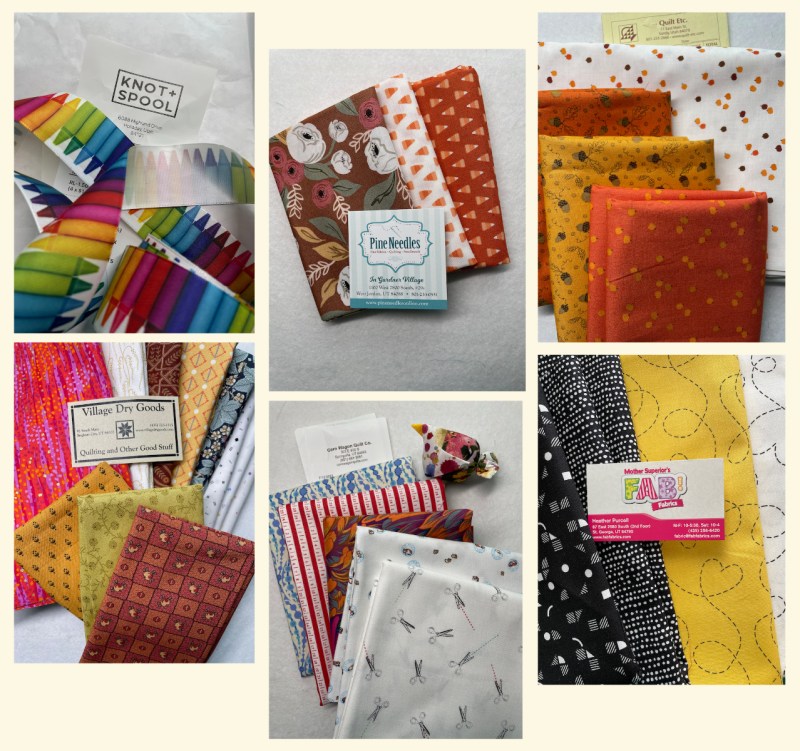
I was surprised that they gave me an honorarium, so I promptly went across the street to Corn Wagon Quilts (one of the sponsors) and went shopping. The Circle of a Quilter’s Life, right? I spent the night at my sister’s house in Provo, and over dinner, she dutifully listened while I talked about my experiences. She also had listened to me years before, after I’d gone to Quilt Market; I’m glad she was there.

So, in the end, did I “know it?”Confidently, I can say yes. Do I want to judge another show? Yes. Do I want to judge a show like Quilt Market or Paducah? Heaven’s no! But many small regional and guild shows need judges, and I feel I could do this. Like every quilter, I’ve made a lot of stitching mistakes in my life which brings one kind of education, but being able to go to — and participate in — some of the shows such as Quilt Market, Houston, Atlanta, PIQF, Road to California and other large national/international shows has given me another kind. After participating all these years, I was happy to be able to give back.

If you haven’t entered a Guild Show, or a regional or national show yet, give it a try. They can only say no, and you might be surprised about getting in!

Happy making–

Next post: Many quilts from Springville. Sneak Peek:

Quilts

Blooming Scrap Quilt & Progress

But first, some fun photos arrived in my mailbox this week!

Susan, of PatchworknPlay blog, and also found on Instagram posted this in her Instagram feed this week. I have always loved her colors and especially how she subdivided the center (I changed the pattern because of her design!). Susan’s blog posts are always like a good visit with a far-away friend (we’ve known each other for ages, but have never met since she lives in Australia and I live in California); she makes such beautiful things.

I know that Linda is working on Heart’s Garden and Joan is nearly done as well. Lisa’s almost done, too, but then her daughter decided to get married. When they send their photos to me, I will post them.

Polly, who is on Instagram at Piecing Hope, sent me this photo, saying that it was just the right small project she needed during a move. She enjoyed the free patterns I have in my shop for the New York Beauties. Her feed is filled with lovely wonderful things. Mary S. has made some blocks as have others. You can see their work on Instagram at #newyorkbeautiesquilt.

Mary, of ZippyQuilts, really got in the spirit of New York Beauties, and is now making some more of her own to join these (I backed them with black). I like Mary’s blog, as she’s so inventive and is a champion of creating quick quilts in clever ways. Like Susan, I’ve never met Mary, but feel like she is a good friend. If you make one of my patterns, or something I said on the blog triggered something creative for you, send over a photo! I love seeing your beautiful blocks and quilts.

I started sewing up these blocks in earnest this week.

from here

It reminds me of the Meadow Quilt from the designer Lizzy House (shown above) back in the day, a quilt which doesn’t have a released pattern and was taught for several years only in workshops. I have always loved this quilt, but when I saw this Blooming Scraps pattern, I knew it would be a good one to keep my hands busy while my mind explored all the ramifications of the world we now live in (translation: the J6 Hearings and SCOTUS decisions).

This past Thursday, I finished all 100 blocks. Like the original pattern, I did it in ombré. Now to sew it together and get it sent out for quilting.

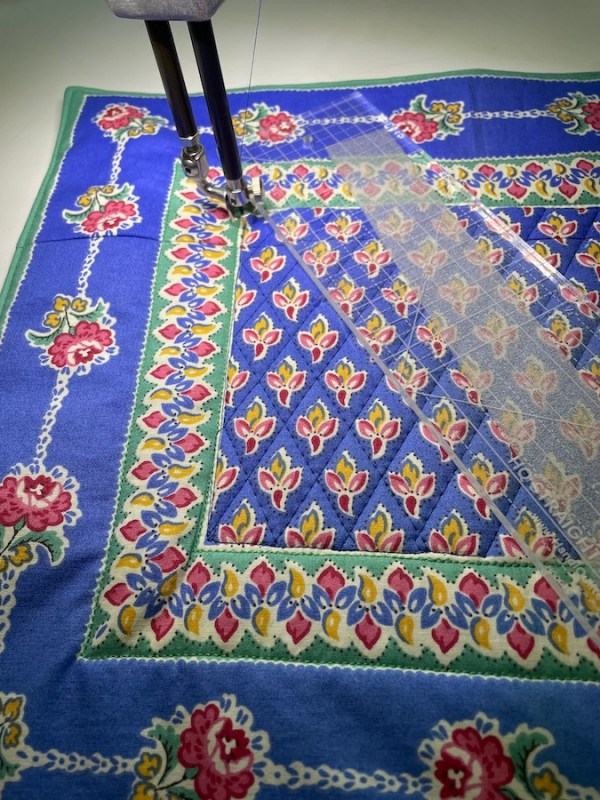
I have a whole post on rulers, written when I was teaching, if you want an overview. But this week, I pulled this one out and really found it great for cutting 2 1/2″ blocks and 1 1/2″ snowball blocks. It’s a pretty slimmed down ruler, and sometimes that makes it a lot easier.

I went to my Modern Quilt Guild meeting for the first time in ages on Saturday. I usually participate online, but the covid numbers were down (however, I wore a mask) and it was Just Time. The hybrid meeting was incredibly confusing, but we saw quilts, we saw each other and showed our “Roundabout Challenges.” You can guess what I showed:

Patterns are still free on my pattern shop, for those who are looking for them. And I showed my version of Heart’s Garden for the Show and Share:

It still needs more buttons and some embellishments, but July is bringing me a long car ride, where I can get to work.

Speaking of Get to Work, I packed away my 2021-2022 Get To Work Book, and prepped up my new 2022-2023 book (I like them to go from July of one year to June of the next). I had saved some stickers, acquired others as I like to decorate a bit. I added in events for July, wrote in birthdays, but it’s a blank volume full of possibilities that greets me now at the side of my desk.

As Elise (the maker of the calendar) always says: Big Things Happen One Day at a Time. Think 100 blocks big– Think Making a Democracy big, just like our earliest founders did.

Happy Independence Day!

free handout on making this quilt, found here

As I write this, the (illegal) fireworks are already being shot off, so we’re getting in the mood for the 4th.

(Belated) New York Beauty Notes:

Karen Stone was the one who kind of put the New York Beauty block on the quilting map, when she wrote her well-known book in 2004. You can get a copy now for $50, if you want one. Others have explored this block and written books. One of the more recent writers was Carl Hentsch, who combined the Beauties with Flying Geese blocks in his book, published in 2017. I purchased the book immediately, thought I’d lost it, and bought another. (typical)

Dora, of Orange Dot Quilts, and Rana, of Sewn Wyoming, are doing a summer-long NYBeauty quilt-a-long this year (2022), making a version they call Almond Country Beauty Quilt. Kits are available, as are patterns.

I’ll probably come back with the final four blocks of my New York Beauty series, after I take a break. I want to try out this quilt I sketched up!

Gridsters

Queen Bee for Gridsters • July 2022

I’m Queen Bee! I’m Queen Bee!

My month for choosing a block for the Gridster Bee is July 2022. I’ve been in love with this block for ages, even way back to the Flickr times, when I saw it on someone’s photo stream where they had done it for their Bee Block, too. Here it is on an earlier Instagram (when we all liked IG). Their blocks were Halloween oriented, but I have quite enough Halloween quilts.

But not nearly enough Autumn Quilts.

So I organized all my thoughts on color and put them into Autumn Leaf PatternLite. It’s color that will make or break this quilt. Take a look:

So many colors: purple, red, scarlet, yellow-green, burgundy, yellow, gold, yellow-orange, deep blue, brown, taupe just for starters. The biggest color trick that Nature does for autumn is bringing out these colors, but making them blend. Our favorite landscapes are all of sudden alive with color, but they are ALL BLENDED. You can pick out the colors, but when taking the scene in all-at-once, they work together. So that means, probably no fussy cut center squares that are objects/cute I Spy bits/cat fabric, as nothing should stand out. (More info is in the pattern.) If you notice in the block below, I did fussy-cut fabric, but (again) no objects/cute-I-Spy-bits/animals.

I wrote about this block and pattern a few whiles ago, if you want to go and read about its genesis.

Once you get the elements of the block constructed, it’s basically a nine-patch in sewing it all together. Yes, in the pattern I also give you the measurements for the four-at-a-time Flying Geese blocks, as well as the secret calculus to figure it all for yourself, if you ever want to make differently sized geese.

And like a good girl in QuiltLand, in that earlier post I also give you its heritage, and how I morphed it a bit. In the above block, I am following the Roberta Horton Rules for plaids: it’s okay if they are slightly off-grain, as that gives the block more motion.

For a signature block, I slipped a little leaf FPP block into the pattern; please make it in either size: 4-inch or 6-inch. Again, please use the fall colors and sign only what’s seen: name, IG handle, city/state.

Thank you to all my Gridster Beemates for making me autumn blocks in July!