Something to Think About

Flame-out? or Creative Spark?

If you are anything like me, there are multiple ideas in your head, lurking in the fabric you’ve purchased, or photos on your phone of projects to make. And if you are really really like me, there are some old magazines piling up — perhaps dragged home from your Guild, or pages ripped out, or maybe even a filer drawer somewhere with the label “Future Projects.” You like to browse your favorite on-line shop web-pages, you happily accept emails from your favorite designers and your Saved to Quilts tab on Instagram is ever-expanding. All of this doesn’t even begin to address the folders on Pinterest, or the patterns you’ve acquired, or the drawers stuffed with new tools, new rulers, or quilting notions.

The term flame-out has multiple meanings, but the one I’m referring to is “lose power through the extinction of the flame in the combustion chamber.” My sewing room is my combustion chamber, so to speak. I bring lots of fuel there (see first paragraph), but somehow things can flame-out. I’ve noticed a healthy amount of January blahs in Instagram, but maybe it’s just that the projects your Past Self wanted to do are not the projects your Present Self thinks are worth tackling.

Laura Entis wrote an interesting article about the getting back the “flame in the combustion chamber,” or turning that creative spark into something that can help you fly. She lists several components: 1) paying attention (done…see first paragraph), 2) write it down (see first paragraph), but it was her third idea that caught my attention: 3) put a stake in the ground. She interprets that to mean going public, and many of us do (see our Instagram accounts), but I think for quilters there is a further aspect. It might mean washing/drying/pressing the fabric and putting it with its pattern in a drawer or a box. It might even mean cutting out some of the basic units before even one stitch takes place, like we do when we have a Mystery Quilt we’re making; they always want us to prep with this step. But any way you do it, putting a stake in the ground can mean committing to sparking that project into life.

I also liked her Step 6: Map it Out. At the end of last year, I became immersed in a project that overwhelmed me. It didn’t help during this time, Mom was dying in a state far away, or that I got really sick in December, and January has me battling a painful sciatica (can hardly wait to see what February brings…not!), but the project felt overwhelming. I should have mapped it out, so I could envision the flow, the places it was going. She got that idea from Kelli Anderson:

When Anderson embarks on something new, whether it’s for a client or a self-directed project, she sets a final deadline, and then breaks down the project into stages. “I draw it out visually,” she says, sketching out each phase in proportion to how long it should take. Next, she maps the visual sketch onto an actual calendar, translating periods of time into numerical blocks. Even the best laid plans can go awry, however. “The schedule is just a suggestion,” Anderson says, one she regularly refines. “If you are indulgent and you spend too much time on one part you can oftentimes make it up later at another stage.” (from here)

So, here are some of my “stakes in the ground”:

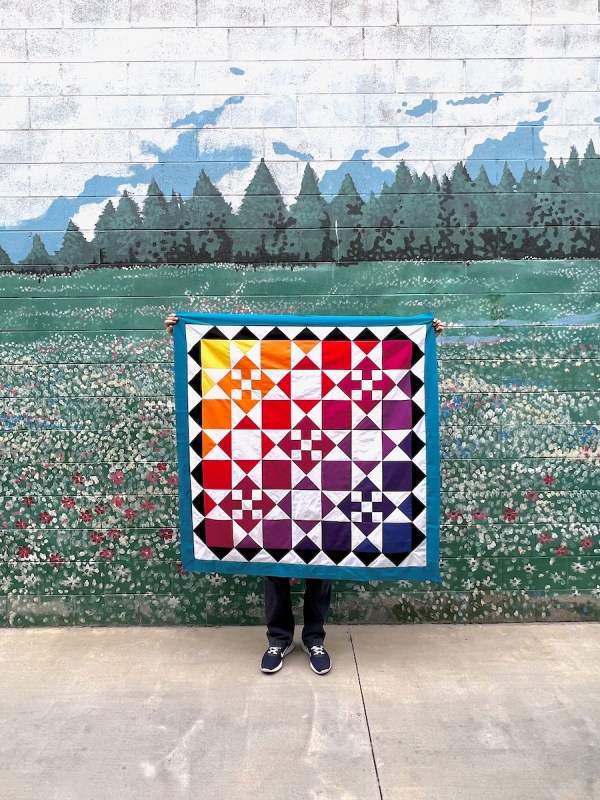
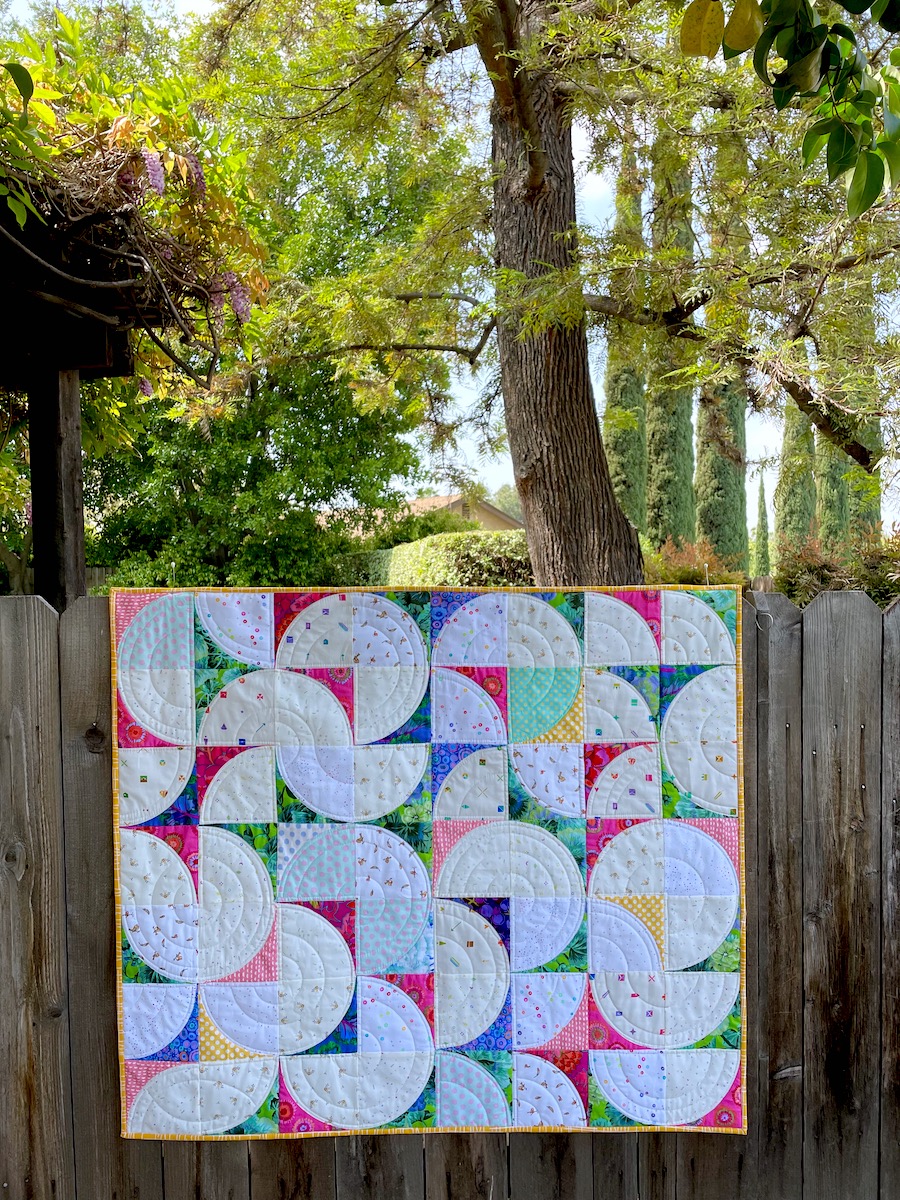
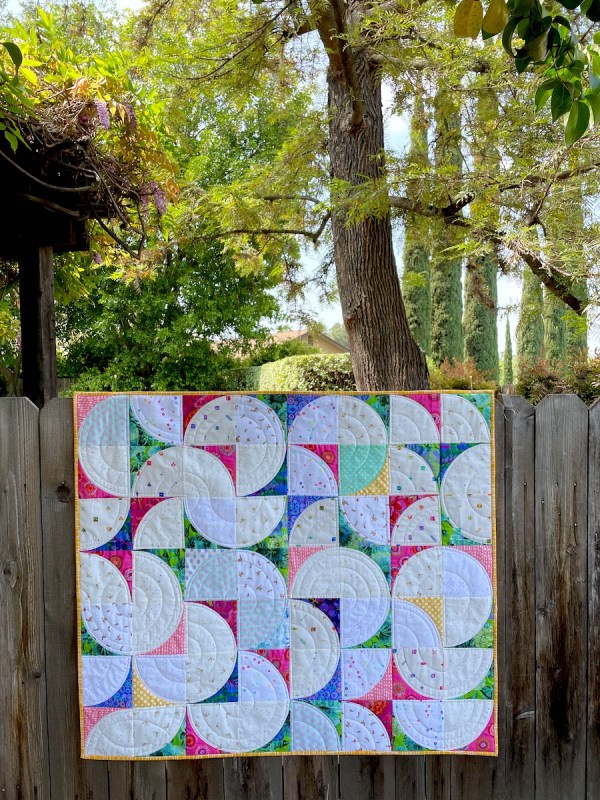
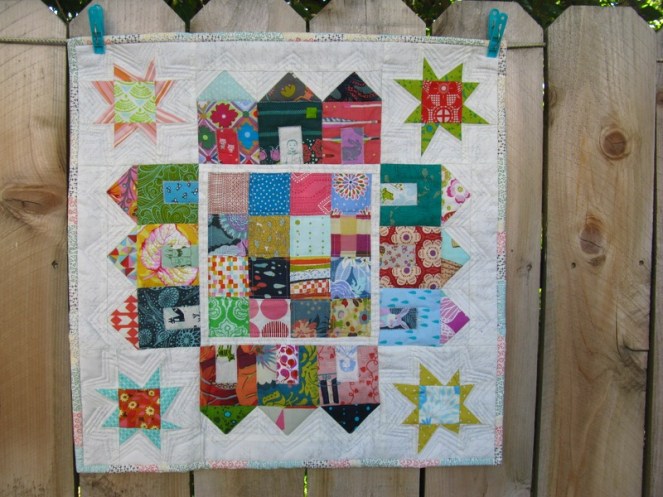
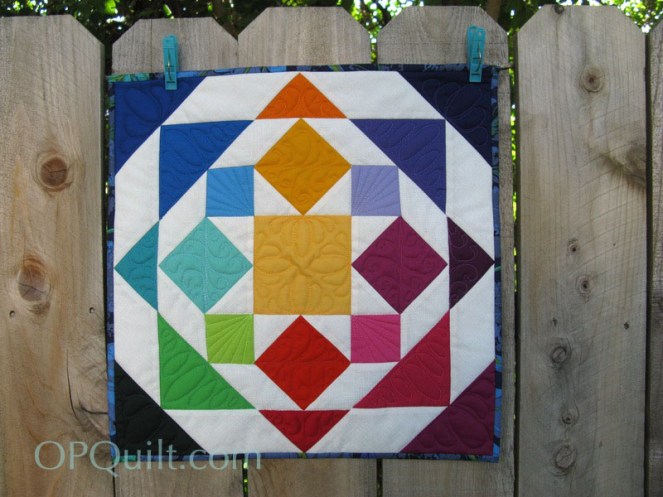
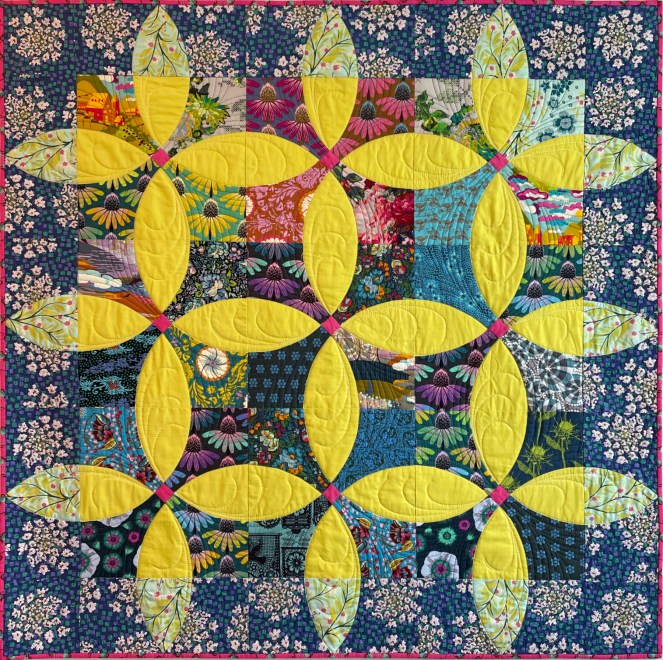
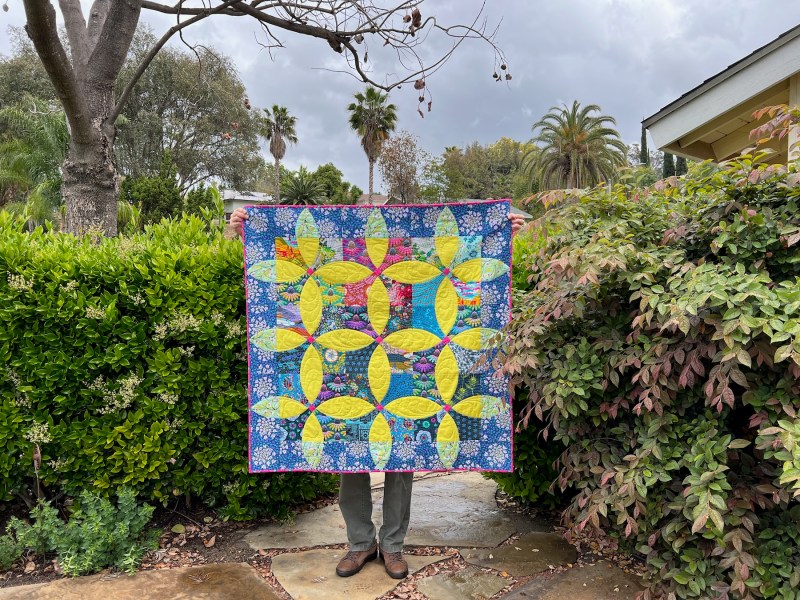
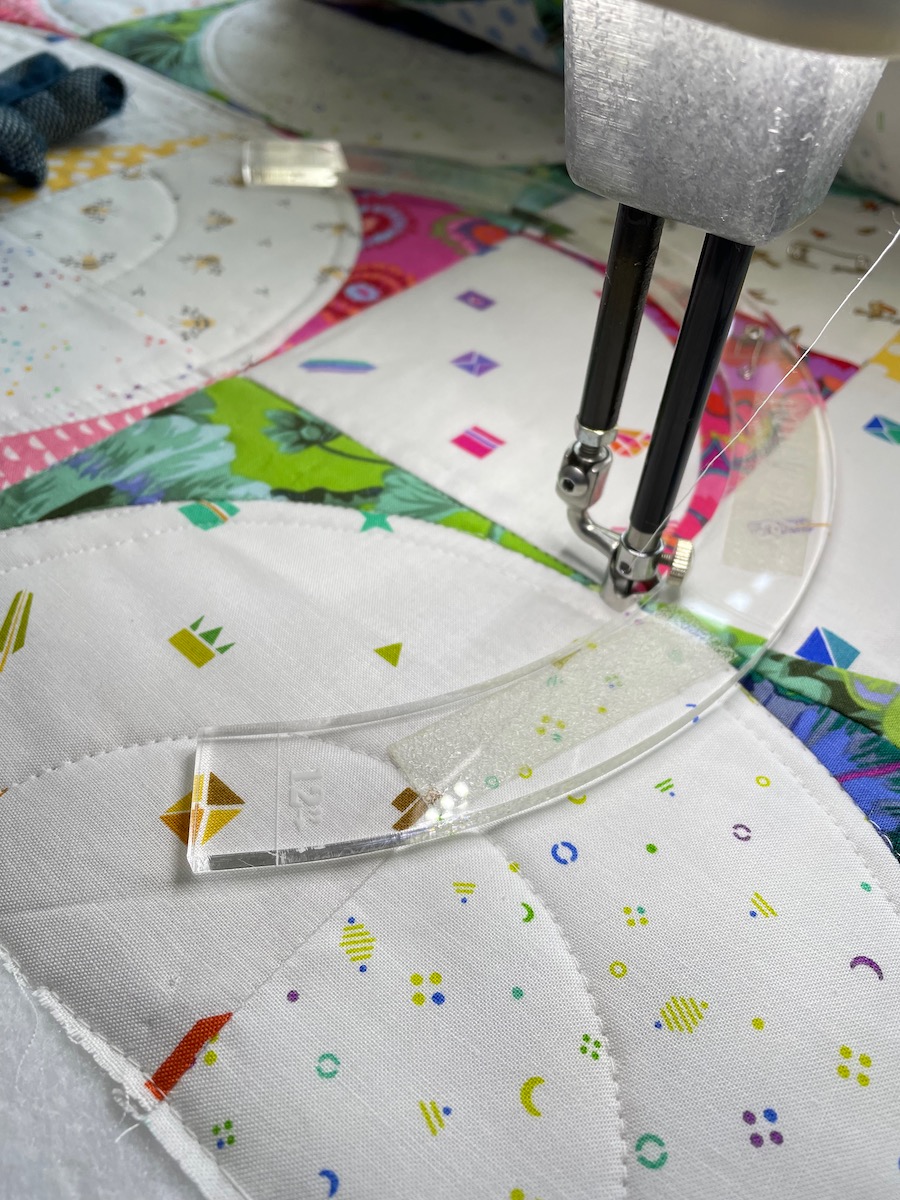
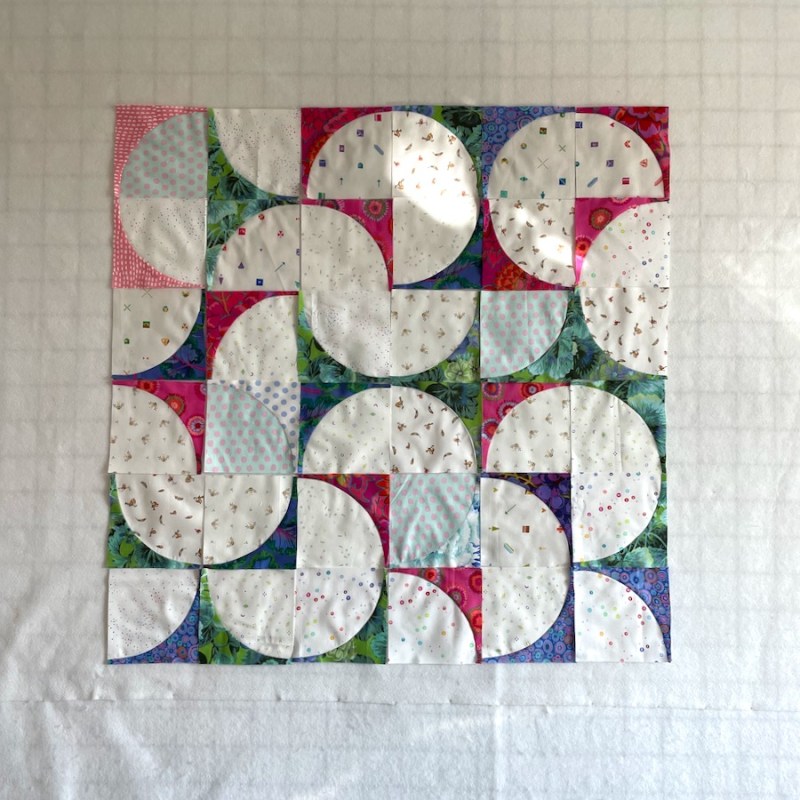
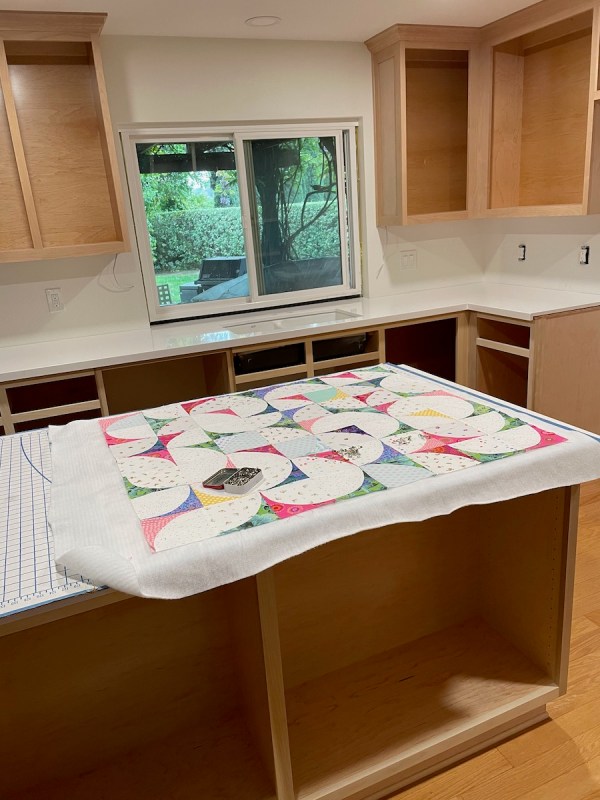
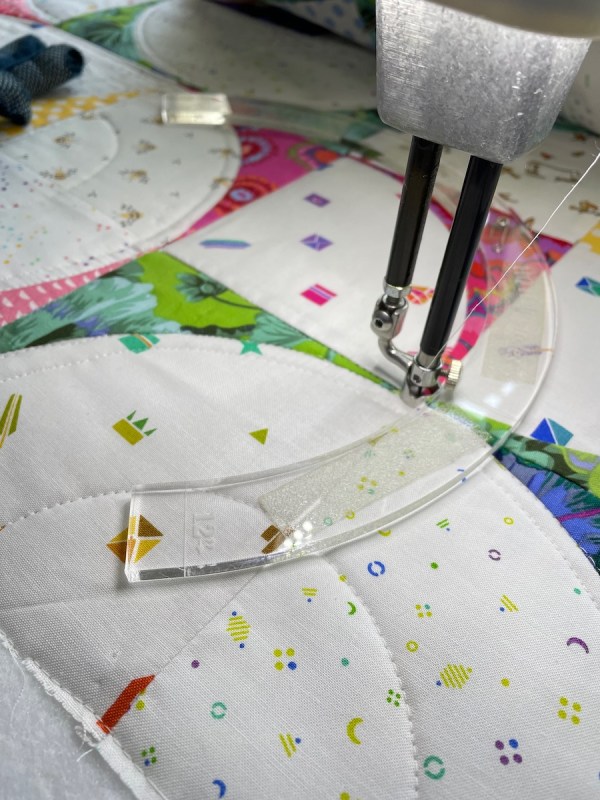
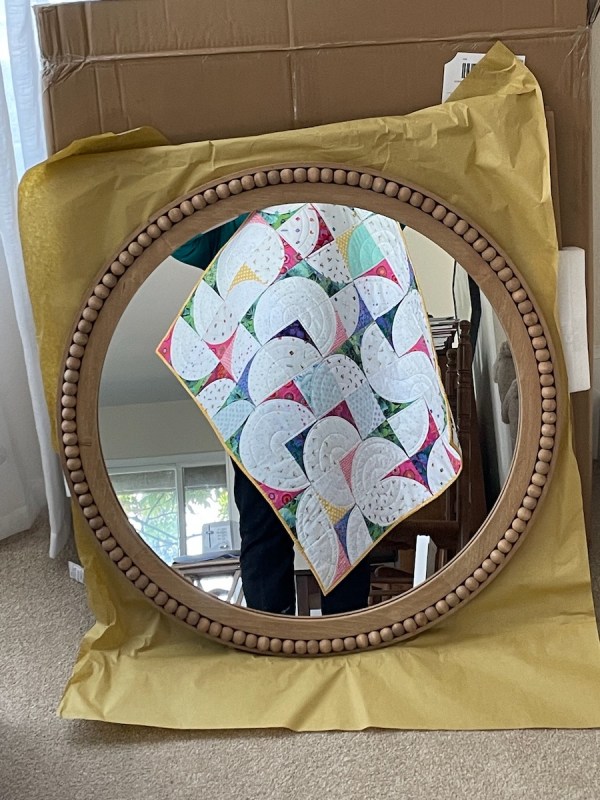
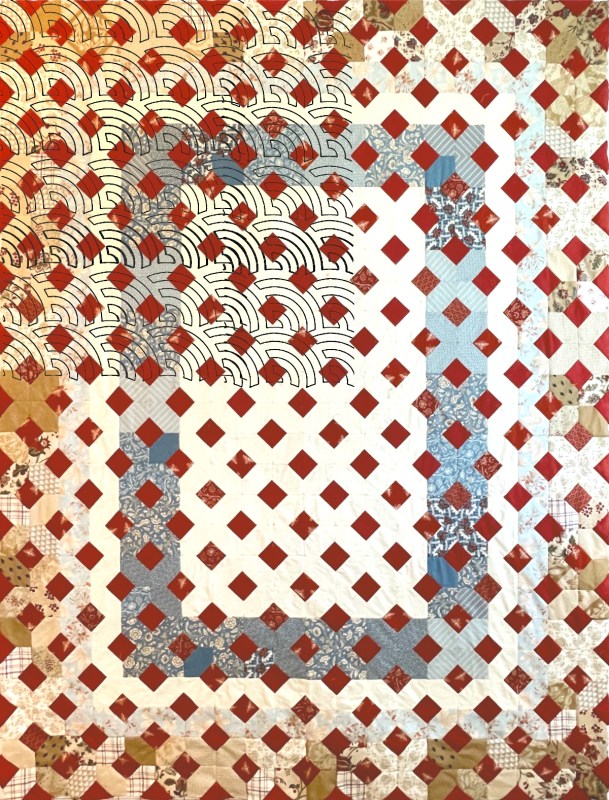
My latest quilt is back from the quilter, who did a wonderful job; now I need to trim it and get it bound. The thing that bogged me down was writing the pattern, but I ended up selling a different version of this to a magazine, so come fall, I’ll let you know where and when. (The pattern for the above quilt will come a year after that publication.)

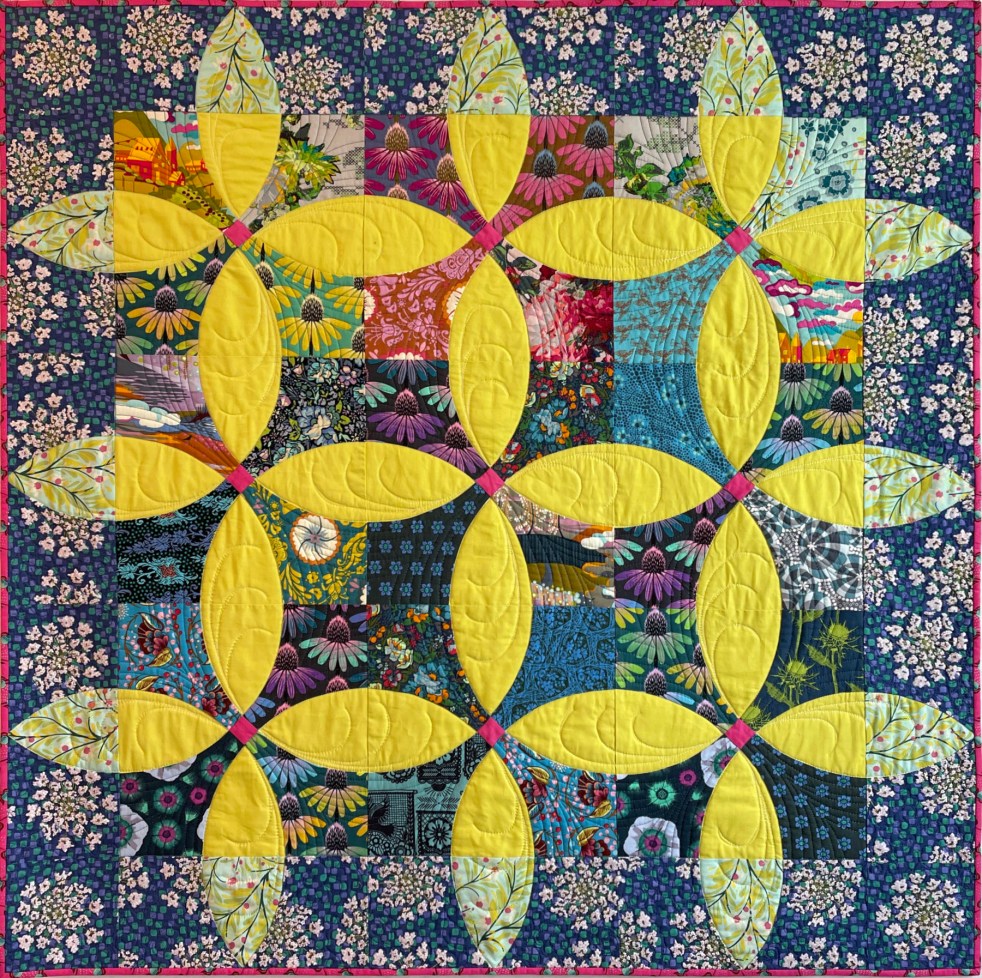
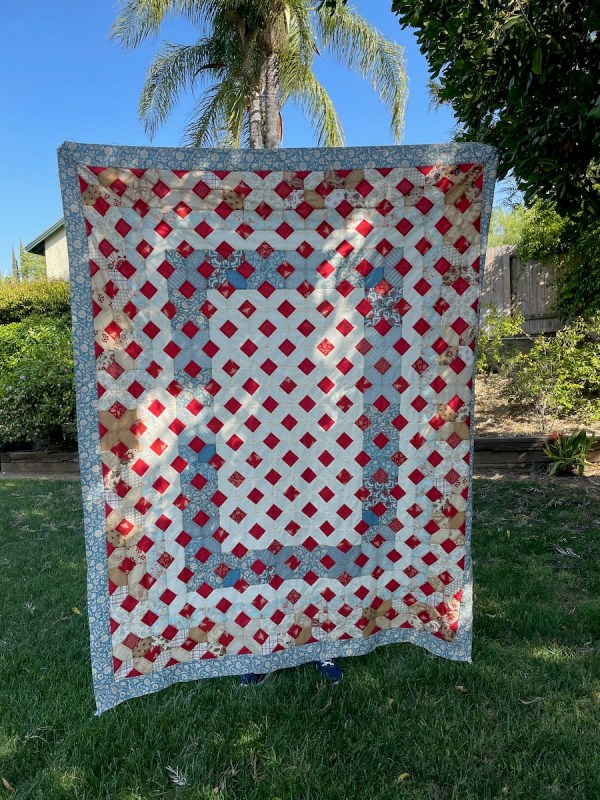
Chris’ quilt. I made a quilt for my grandson when he came to my son’s family (he was a boy) and within about 20 minutes he out-grew it. I’ve promised him one forever and decided a large format quilt would be fun to make. It has been.

I’ve even mapped it out, as Entis suggested, in a book that helps me break down all the steps. I’m so pathetic I’ve even listed <wait> while it’s at the quilter. I’ve made you a PDF of this format so you can map out your projects, too. Click on the DOWNLOAD button below to get your copy.

Last, and okay-I-know-how-I’m-spending-my-February:

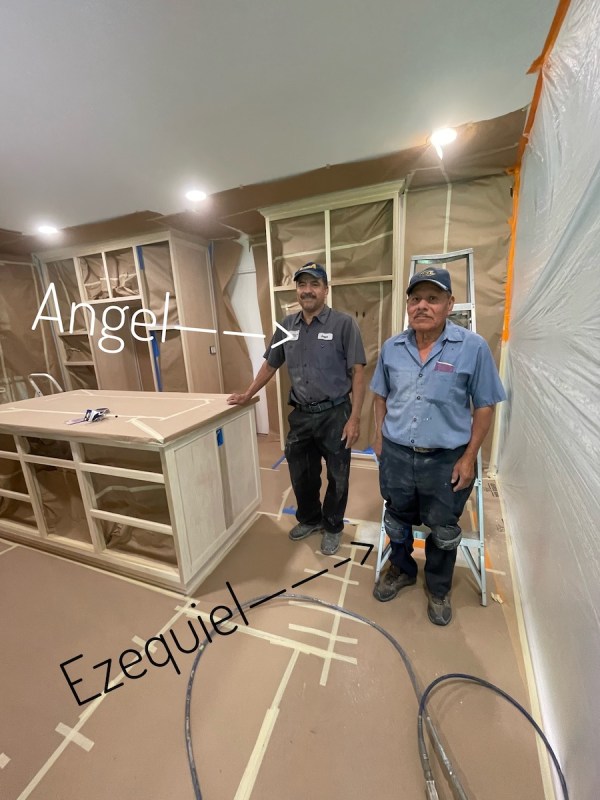
My house is nearing fifty years old. We’ve done some cosmetic updates to the kitchen, and bigger updates to the house, but it’s time to really get serious and update the kitchen. So we’re fridge-counters-cooktop-stove-vent-hardware-sink-etc. shopping. We feel pretty fortunate to be able to do this at this time, and keep wondering if we are too old for all of this. I was encouraged by all the comments left on my Help-Me-I’m-Remodeling post on Instagram. If you have any tips, let me know. I’m really leaning heavily towards an induction cooktop as I think it’s the way of the future. And double ovens? Yes? No? Who Cooks This Much? Leave me your ideas in the comments!

PS: Yes, I was able to attend a bit of Road to California, and saw my quilt, Eris, hanging there (happy dance!):

Clothing · Sewing

The Sublime and the Mundane

The Mundane

That is, if making a Wild Geese quilt block can be considered mundane, which makes me think back to the Days of the Babies, when the only time I could find to sew was about a 45-minute block once they went down for naps (and only if I weren’t taking one, too). But those minutes might be considered sublime, don’t you think?

You can read my Instagram post to find out why I was trying to beat the blahs, but in a nutshell…it’s January. Need I say more?

73 years ago. Nice to know I’m not the only one — thanks for all your nice comments on IG.

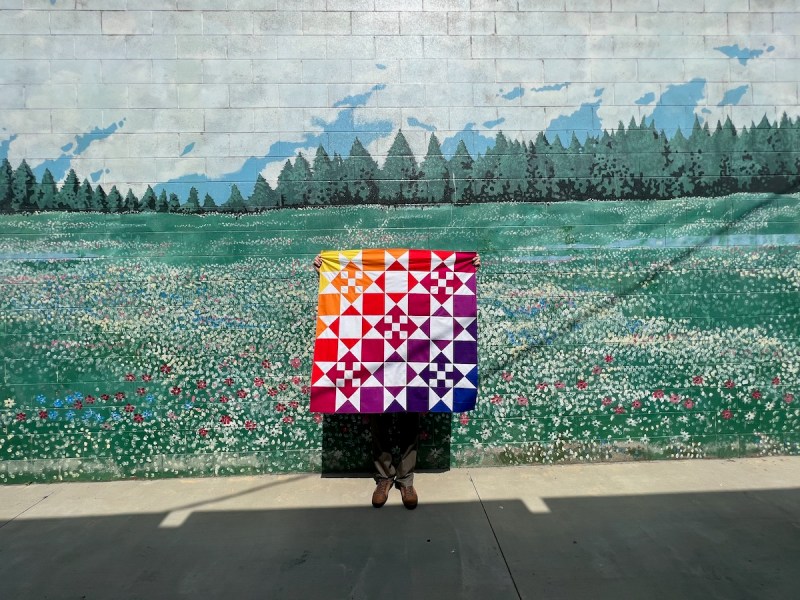
Because I was inspired by this beautiful quilt made of half-square triangles, and because I’d promised a grown grandson a quilt long ago in blue and white, I drew this one up in EQ8 and thought “Gosh, I could do a block a day and have it finished by the end of January.”

Yes, that goal is a far cry from barely being able to drag yourself out of bed, but it’s that thing about small steps, about sticking with a task, about creating. I listen to most episodes of the Ezra Klein podcast and found that a recent one, on “Sabbath and the Art of Rest” contained so much great advice for me personally. I learned a lot about the idea of the Sabbath, of taking a rest, of leaving space, of joyfully getting together. The guest, Judith Shulevitz, was fascinating, the conversation sublime and at one point she said this nugget:

“[I]t’s like anything else. It’s like writing, for example. You sit down, you don’t want to write, but you got to write. And there will be three hours when it’s a slog and that one hour when your mind opens up, and you’re in the flow, and you get it. You get why you’ve created the schedule where you have to sit at your desk from 9 to 1, or whatever it is, as unpleasant as that may be, as many conflicts as there may be. And nothing good is easy….You have to work to get to the experience of flow, to get the experience to the experience of God, to get to that what Émile Durkheim…called effervescence, which is that collective joy.”

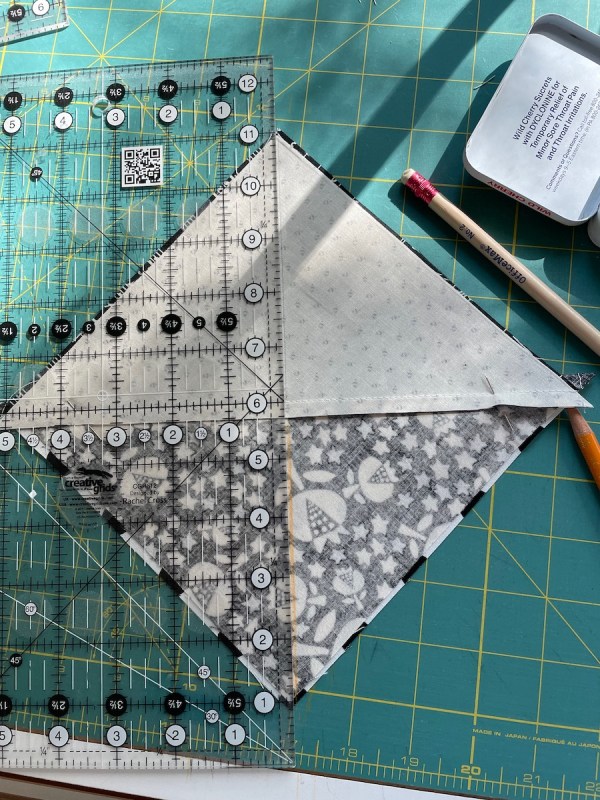
I made the 5″ finished triangles from my stash, using the 8-at-a-time method, then made one more HST to get nine. This quilt will finish as a large lap size. The first two large squares (white and blue) were cut at 12″ square, then marked as shown. I sewed on either side of the diagonal lines, cut on all drawn lines, then pressed and trimmed to 5 1/2″ square. It went very fast. Just what I needed for January. Was I in the flow? Did I experience effervescence? Not really, but it was a mood lifter, for sure, to see my progress pinned up on the design wall.

The Sublime

My husband asked me what I wanted for my birthday, and after we crossed off the yacht, the furs, and the jewels from the list, I said I wanted to go the Bowers Museum in Orange County and see Guo Pei’s exhibit of her couture clothing. So who is she? If you remember back to the Met Gala in 2015, when Rhianna wore that gorgeous yellow dress…that was Guo Pei.

Many of these dresses took thousands of hours to make, and are heavily embellished. The shoes can be outrageous, too. This is not the clothes you wear for schlepping around to the grocery store, but they are the clothes that are admired, that ideas come from, maybe even a bit of effervescence. Enjoy. {Click on an image to enlarge it.}

So many of the clothes were made from man-made materials, a huge departure from our quilting world insistence on natural fibers. I loved this fringed dress.

My sister Susan came down for my birthday weekend, and she, my husband Dave, and I all liked this grouping the best. This was from a collection she titled Chinese Bride 2012. These were made of silk, with gold and colored threads used for the embroidery of “standard and shaded satin stitches.”

I’ll put some video up on Instagram and link it in a couple of days.

A movie was made about her (here’s the trailer):

Thank you, Guo Pei, for your beautiful clothes.

Look what we found when we came out: a very fancy quinceañera dress!

P. S. This was fun to see. It’s all my Instagram monthly markers for 2022.

Quilts

Happy New Year 2023

“Time is draining from the clock,” says 2022 and Mary Oliver. Your loss, my gain says 2023. And here we are again, in a quote/poetry slam. (Quoted works are at the end.)

I made a few quilts, but not as many as usual. I think I made a lot more small makes, like a purse, or pillow tops, or patterns. Or maybe my “time is draining from the clock” and as someone who once had a “confident and quick” walk, I may be slowing down. Or distracted. Or sad. Or really happy. Or on a road trip. Or maybe it’s something else. Maybe it’s like Oliver Burkeman says, that “The world is bursting with wonder, and yet it’s the rare productivity guru who seems to have considered the possibility that the ultimate point of all our frenetic doing might be to experience more of that wonder.”

Or making quilts. Or immersing in creative endeavors. Or writing a thank you note to someone who doesn’t expect it. I took this last one from another book I read, where the author’s mother noted that we should be thanking everyone for everything.*

So, thank you for reading. Thank you for your letters. Thank you for the conversation that allows me to know people from all over the United States, and from all over the world!

QUOTES/POETRY

*THE GIFT by Mary Oliver

Be still, my soul, and steadfast.
though time is draining from the clock
and your walk, that was confident and quick,
has become slow.

So, be slow if you must, but let
the heart still play its true part.
Love still as once you loved, deeply
and without patience. Let God and the world
know you are grateful.
That the gift has been given.

TO BEGIN WITH, THE SWEET GRASS by Mary Oliver (excerpt)

The witchery of living
is my whole conversation
with you, my darlings.
All I can tell you is what I know.

Look, and look again.
This world is not just a little thrill for the eyes.

It’s more than bones.
It’s more than the delicate wrist with its personal pulse.
It’s more than the beating of the single heart.
It’s praising.
It’s giving until the giving feels like receiving.
You have a life—just imagine that!
You have this day, and maybe another, and maybe
still another.

What I want to say is
that the past is the past,
and the present is what your life is,
and you are capable
of choosing what that will be…
(excerpt from MORNINGS AT BLACKWATER, by Mary Oliver)

Arguably, time management is all life is. Yet the modern discipline known as time management—like its hipper cousin, productivity—is a depressingly narrow-minded affair, focused on how to crank through as many work tasks as possible, or on devising the perfect morning routine, or on cooking all your dinners for the week in one big batch on Sundays. These things matter to some extent, no doubt. But they’re hardly all that matters. The world is bursting with wonder, and yet it’s the rare productivity guru who seems to have considered the possibility that the ultimate point of all our frenetic doing might be to experience more of that wonder. (from Four Thousand Weeks: Time Management for Mortals, by Oliver Burkeman)

“We all owe everyone for everything that happens in our lives. But it’s not owing like a debt to one person—it’s really that we owe everyone for everything. Our whole lives can change in an instant—so each person who keeps that from happening, no matter how small a role they play, is also responsible for all of it. Just by giving friendship and love, you keep the people around you from giving up—and each expression of friendship or love may be the one that makes all the difference.”
from Will Schwalbe. The End of Your Life Book Club. Knopf Doubleday Publishing Group. Kindle Edition.