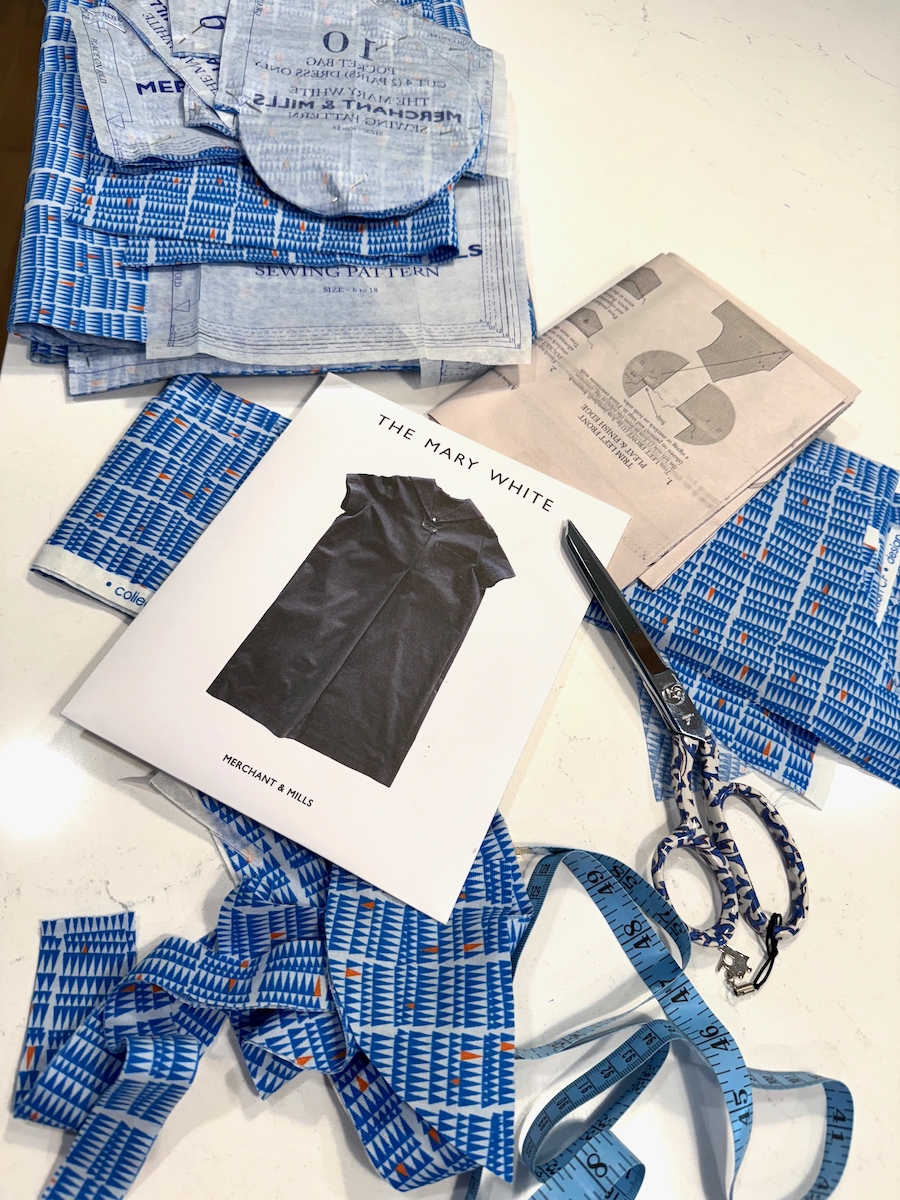
Clothing · Free Download

The Dress Does not Make the Quilter

Well, actually Rabelais said “The dress does not make the monk,” but since I’m not a monk like Rabelais — although I do sit monk-like day after day at the sewing machine — I prefer my variation for the title of this post.

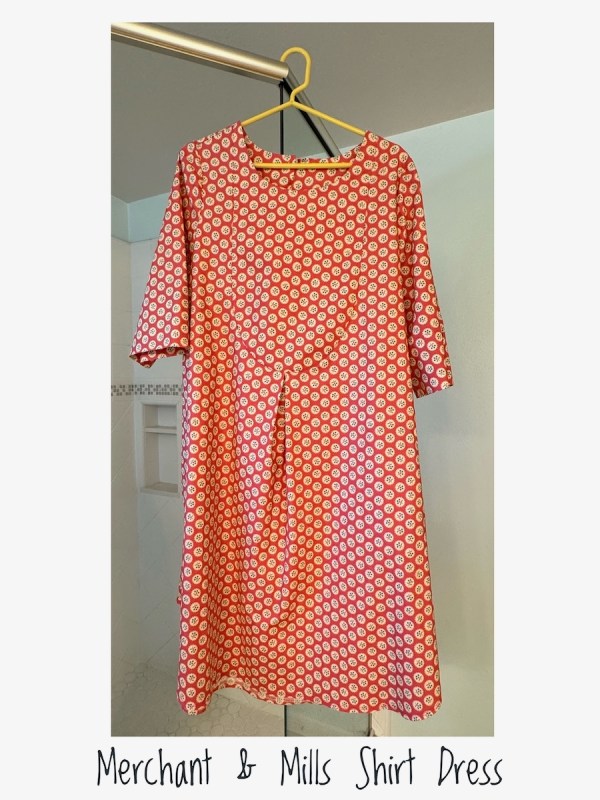
There comes a day when an occasion arrives and even though Thoreau cautioned us to “Beware of all enterprises that require new clothes,” it was time for a new dress for a granddaughter’s wedding, even though I’m aware that I’ll be mostly on the sidelines as this newer generation Does Things Differently so I need to get with it and adjust. But still, maybe it’s that I wanted a new dress? And that my sister had been making a lot of outfits from Merchant and Mills patterns and I Wanted In On The Fun.
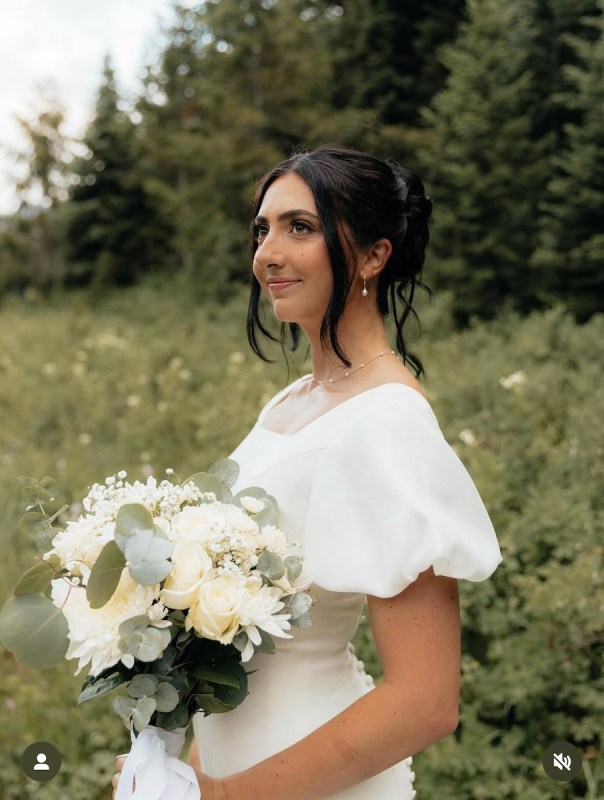
The Beautiful Bride, from her IG account. Her mother is a photographer, so they snapped the bridal portraits early.

IDK how you feel about me sliding a dress post into a quilting blog, but this is what I’ve been doing with my sewing machine and time. The idea was to make a wearable toile out of each of the three patterns I was auditioning. Which meant that the dresses made from the flat folds picked up for cheep at M & L fabric shop probably wouldn’t fit me as well as I would want them to, which is why I’m not modeling them in this post. I also remember why I leapt over to quilting long ago: The Fitting Question. I remember at age 20 feeling like I was as large as a barn. And at 30, I thought I was zaftig. Oh, honey, I now want to say. You looked fabulous. The problem is that I was trained to sew on that 20/30-yo person, and now this person (some years down the road) is not who I know how to sew for. But I’m trying.

Dress Number One
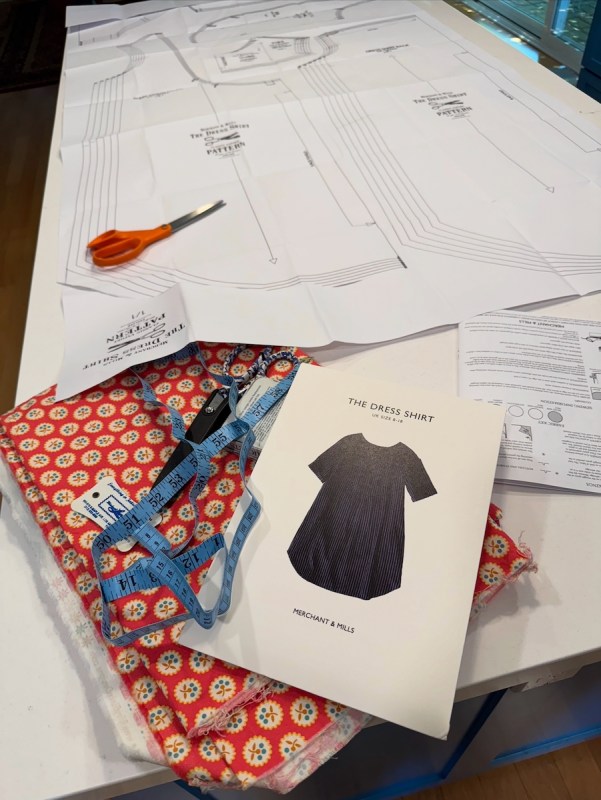
I need to take out most of the extra ease I put in, but I wore it out anyway, along with beads from a quilt show. Jewelry rights a lot of wrongs.
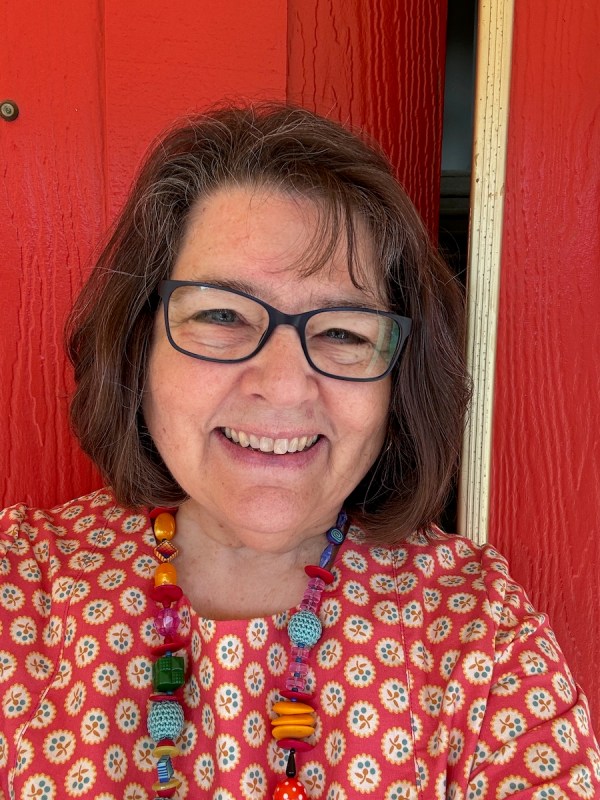
Dress Number Two

Again, I put too much ease into this wearable toile (again, struggling with fit), and if I choose this one to make for the wedding, I’ll make it more like the pattern. I got all my patterns from Hart’s Fabrics in Santa Cruz, California and they came lickety-split, especially considering that Merchant and Mills patterns are from England.
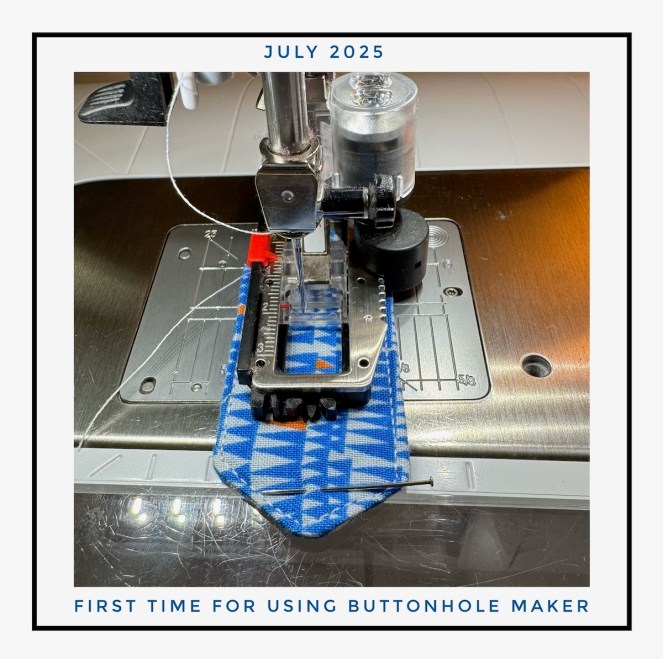
In five years of owning my sewing machine, purchased in December 2020, I’d never used my buttonholer. I had to watch a video online to figure out how, but it worked like a charm the other night.
Dress Number Three
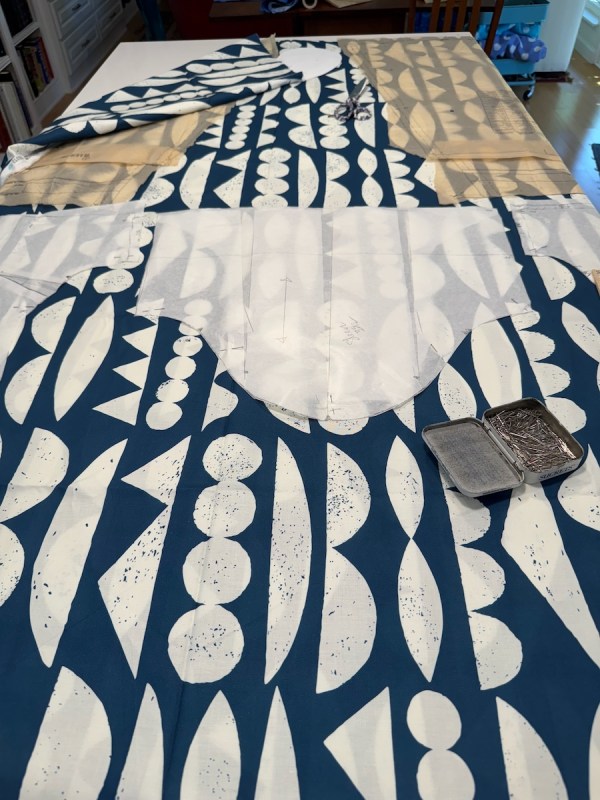
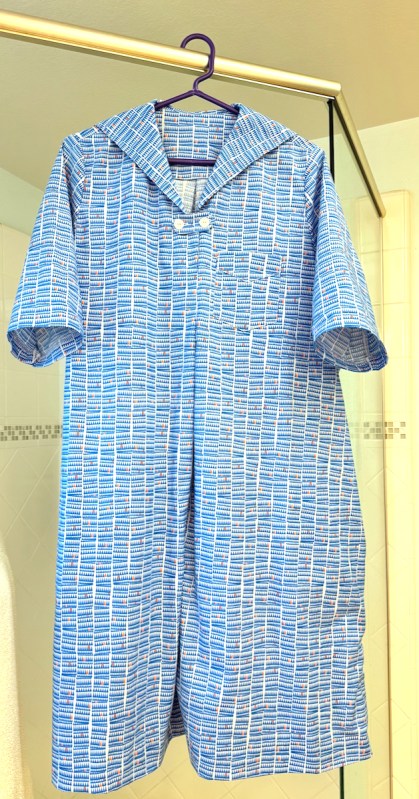
I’m still in the middle of Dress #3. It’s a Simplicity pattern I’ve had forever, and is a plain-Jane shirtwaist dress. I found two lengths of this blue-and-white fabric in my stash. Guess I forgot and ordered it twice, but it came in handy when I needed to make one more wearable toile. I’ve re-cut the sleeve piece twice; I like my sleeves a little longer — like to my elbow — but we’ll see how this turns out.

Pockets
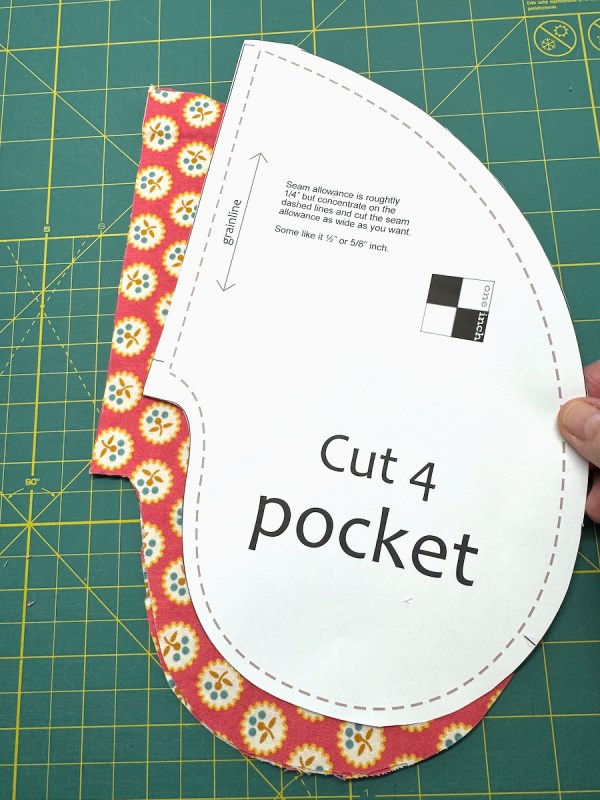
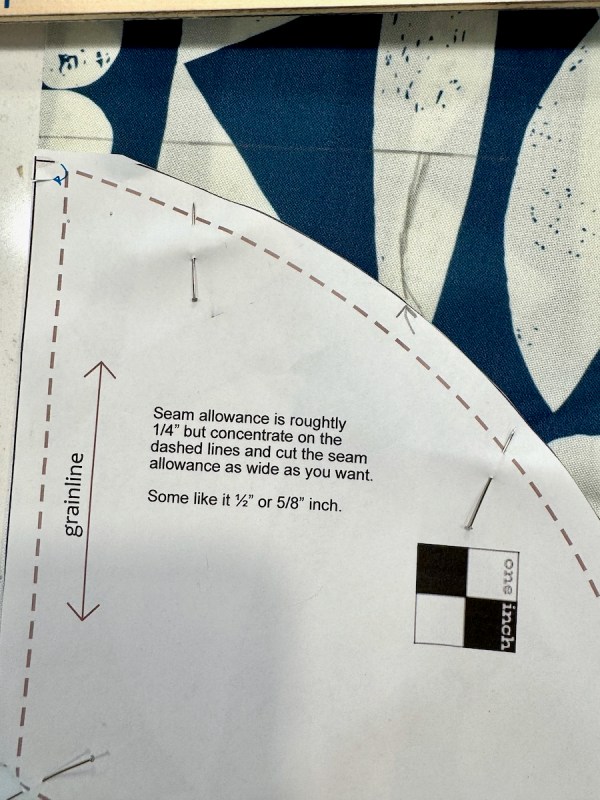
I don’t know about you, but to me a good pocket is mandatory. I traced off an old pattern to make myself a basic pocket pattern, and here it is for a Free Download:

It basically looks like what’s in the photo, above. I used fat quarter-inch seam allowance on the outside edge, but you can cut it larger, if you want.

For placement on your dress, when holding up the main section of your pattern to your body, bend your elbow and figure out where you’d like your hand to slide in. Think also about where the bottom edge will be; you don’t want to be reaching down to get the car keys out of your pocket. Then mark that.
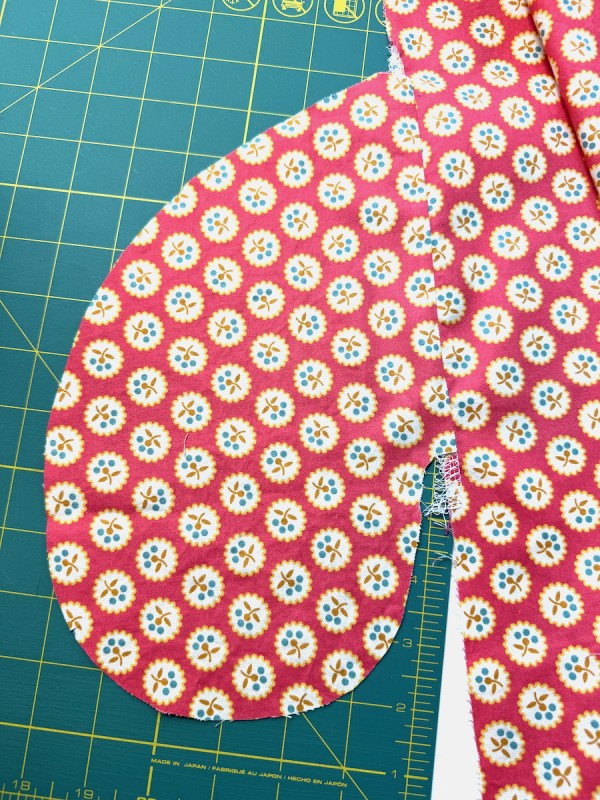
I sew the pocket onto the side of the dress in a 1/4-inch seam, press to the pocket, then serge that section only. After pinning the side seams/pockets together sew about 1″ below the top edge of the pocket piece, then all the way around the pocket, then to a point on the seamline and then down the seam to the hem. Like this:
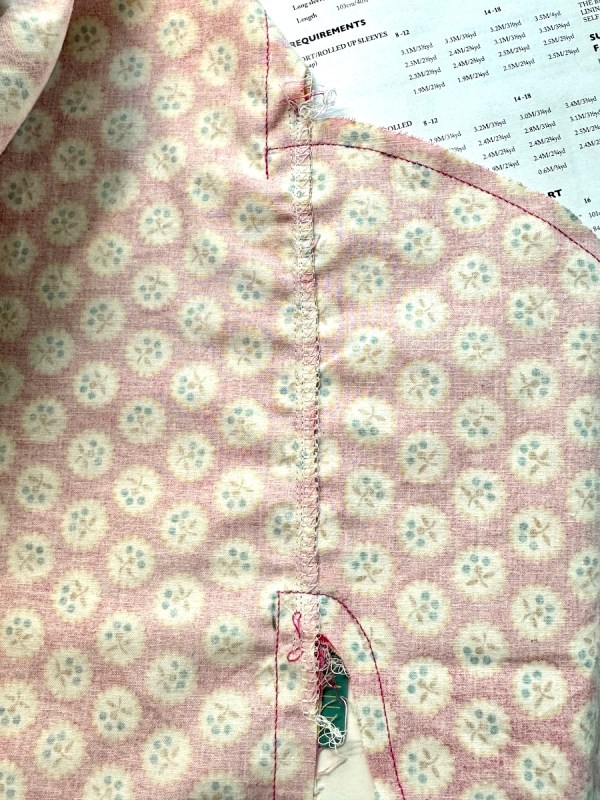
Serge or zig-zag the raw edge. Or as Merchant and Mills patterns say, “Tidy up the edge.”
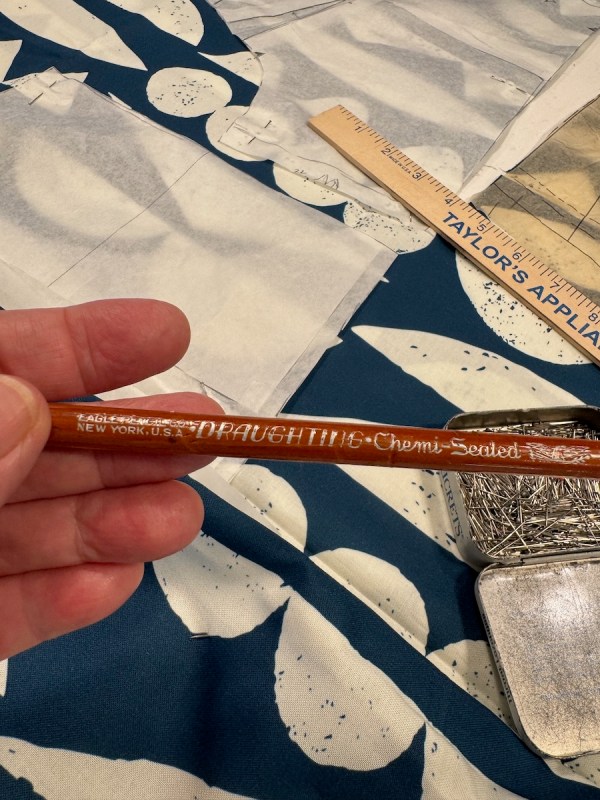
You can also stabilize the pocket by sewing it into a waist seam. To adjust for that, grab a pencil, like the one from your Dad’s art box, and draw a curvy line upward. Try to make it match your waist seamline. This is the cheesy way. Watch the following Video (That May Confuse You or Help You) to see it done more professionally than just a pencil line: How to sew a waist-anchored pocket (this also helps you draft your own)

What else?

Whichever one I think will work best will get sewn up into a light blue linen print I’ve been hoarding for a couple of years. Then I think I’ll sew a skirt or two when I return. I’ve seriously neglected my wardrobe the last few years, and I generally hate all clothes in the stores. (Or maybe it’s just trying them on that I hate.) Thankfully my sister is cheering me on, and my husband is an angel and has learned to say nice things about my wearable toiles, such as “You’ve never looked better,” and tries not to choke as he delivers his scripted lines.

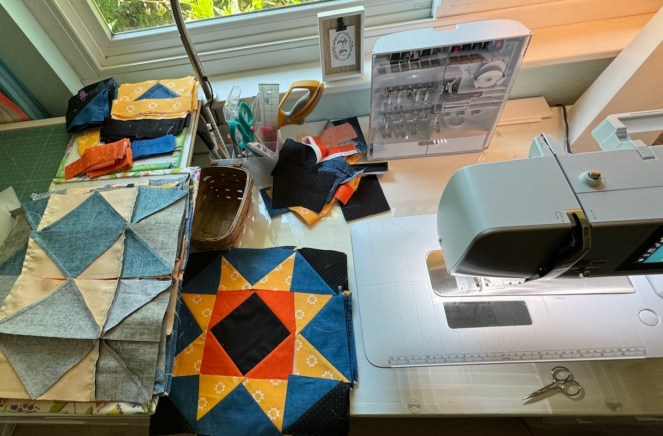
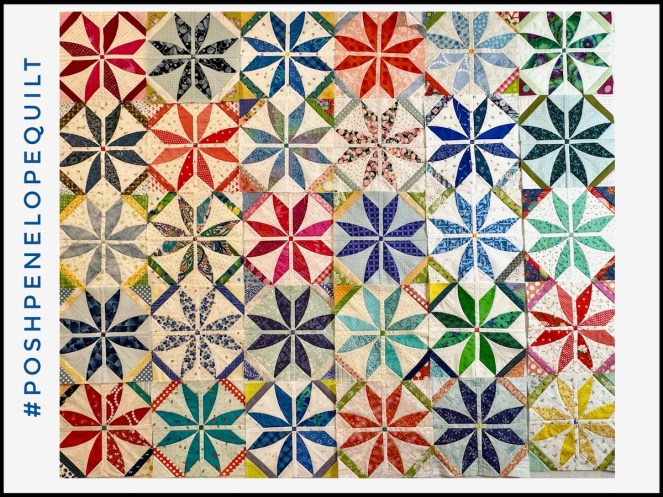
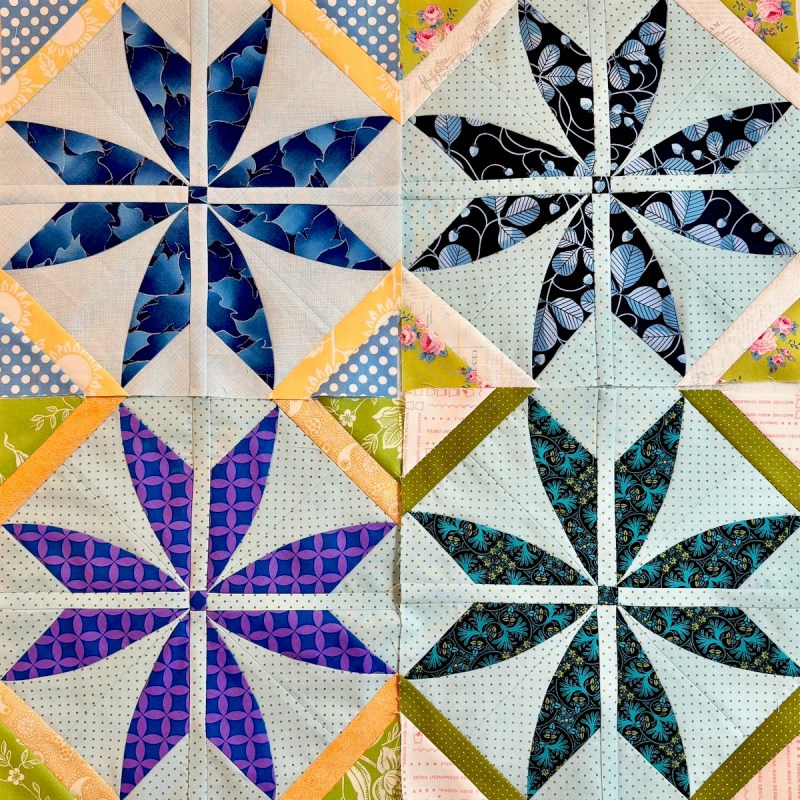
I’m skipping my A Quilting Life QAL update post this month, mainly because I haven’t yet worked on it. I’ll just do both July and August together, after I return from the wedding of this lovely grandchild #3. And then I’ll launch back into some of my Economy Block sewing, too, as well as some quilting on the New York Beauties. Oh! and seaming together my Posh Penelope. August will be busy!

It’s heating up here…enjoy your July–
Reforming a pocket to get anchored at the waist, from In The Folds

Design Your Own In-Seam Pockets

Professor Pincushion Talks You Through Adding a Pocket

Bernadette shows you the same thing, but also how to figure out where to put the pocket
300 and Beyond · Patterns by Elizabeth of OPQuilt · Quilts · Something to Think About

The Zeigarnik Effect: the Power of the Unfinished

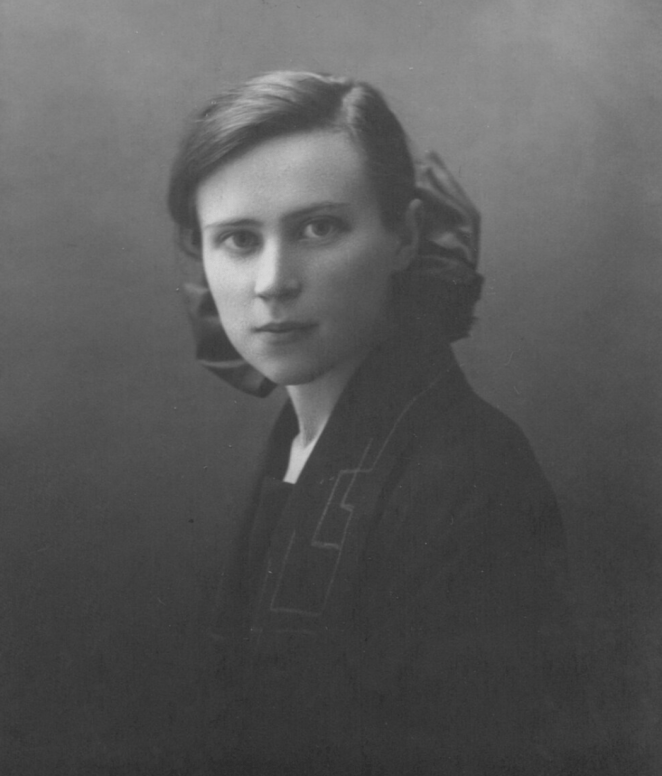
Adrian Zumbrunnen, a human interface designer, wrote recently about how “Blooma Zeigarnik [on the right] and her professor of Gestalt psychology were having coffee at a bustling restaurant…While waiting for the check, the two eagerly discussed an odd observation they both made. Somehow waiters seem to better recall bills that were still open than the ones that had been settled. It seemed like the moment a bill was paid, it vanished from the waiters’ memory. Based on this simple insight, Zeigarnik conducted a series of experiments that showed that unfinished tasks loom larger than finished ones.”

As I was fascinated by this idea, and after chasing down a few rabbit holes (see complete bibliography at the end), I came to learn that the unfinished has a certain power that finished items do not.

The term for this is the Zeigarnik Effect.

This is not hot news for quilters.

Joshua Everts defines it as the “power of unfinished business or interrupted or uncompleted activity to hold a privileged place in memory,” in other words, those undone tasks just won’t leave us alone. He notes that they “create a cognitive burden, weigh more heavily on the mind, and are more easily recalled than completed tasks.”

In another unsigned article, it states that the “Zeigarnik Effect explains why people are haunted by unfulfilled goals and may be more apt to recall what they haven’t achieved than what they have. Some have speculated that the cognitive burden of unfinished work causes some to see themselves negatively and contributes to such problems as impostor syndrome.”

But while it is not hot news for us, the people who coined the term UFO (Un-Finished Object), how do these unfinished objects affect us?

Zumbrunnen notes that “Unfinished tasks lead to cognitive tension, a feeling of restlessness and discomfort that makes us seek closure and come back to it again and again. This effect goes beyond remembering individual items on a bill. It affects whether we achieve our goals, our creative output, and how we pay attention.”

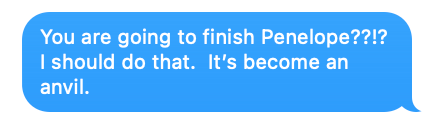
Carol and I were discussing our progress on our Posh Penelope blocks, and I wrote:

Public Service Announcement:

Another Public Service Announcement:
The Zeigarnik effect should not be confused with the Ovsiankina effect, an urge to complete tasks previously initiated. Maria Ovsiankina, a colleague of Zeigarnik, investigated the effect of task interruption on the tendency to resume the task at the next opportunity.

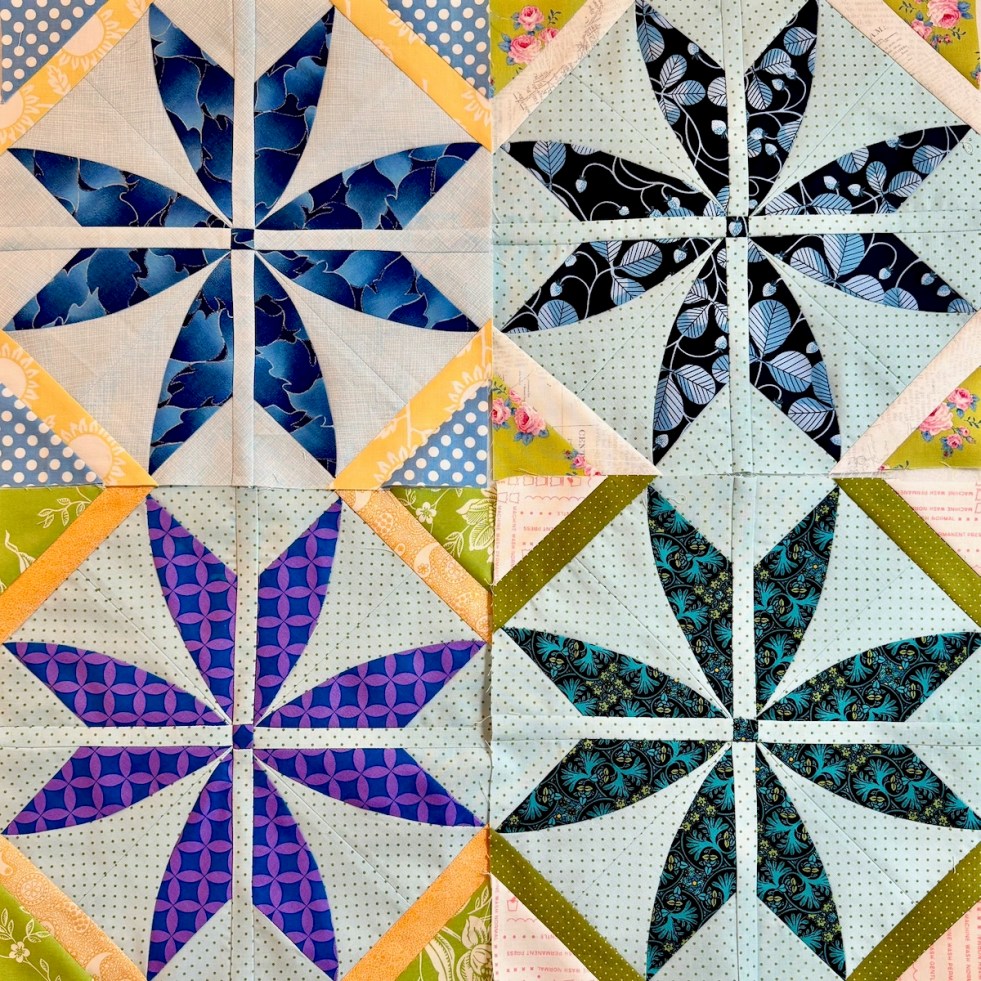
Yes, let’s not confuse the two, although maybe what I was experiencing this week was more of the Ovsiankina effect? Nah. I’ve been working on this Posh Penelope quilt for forever, like since 2020. In my mind, the Ovsiankina effect is more like finishing making dinner. Or changing loads of laundry.

Yet Another Public Service Announcement:
What does the Zeigarnik Effect teach us about multitasking?
The Zeigarnik Effect makes a powerful case against multitasking. Focusing on one task at a time will avert intrusive thoughts of unfinished work that will only create delays in finishing all the tasks. Completion of each task approached sequentially instead of simultaneously will clear mental space for the next task.

Will you please stop with these Public Service Announcements:
Yes. But you should know that taking the first step on a project, no matter how small, can create enough tension when the task is interrupted to motivate the resumption of the task, doing an end-run around procrastination. (I can’t help you if you are addicted to your phone. That’s a whole other blog post.)

So I cut out the rest of the Posh Penelope blocks. Over the next few days, I’ll get to the sewing. Understanding that having this project hanging over my head (like an anvil) was in reality stopping my creative work, helped me get going in going forward.

Other Interesting ideas from Everts to aid in managing these open-ended tasks are:
Create intentional closure points in ongoing projects. Even if an initiative isn’t fully complete, establishing clear milestones allows your mind to experience completion moments.
Develop systematic ways to document and track progress. This helps reduce the mental load while maintaining awareness of important tasks.
Practice regular “mind clearing” sessions. Whether through journaling, team reviews, or simple list-making, giving your brain regular opportunities to process and organize open loops is crucial.

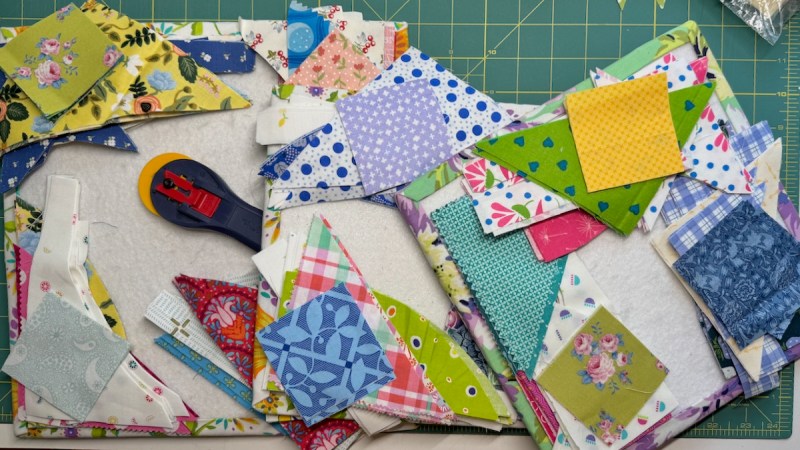
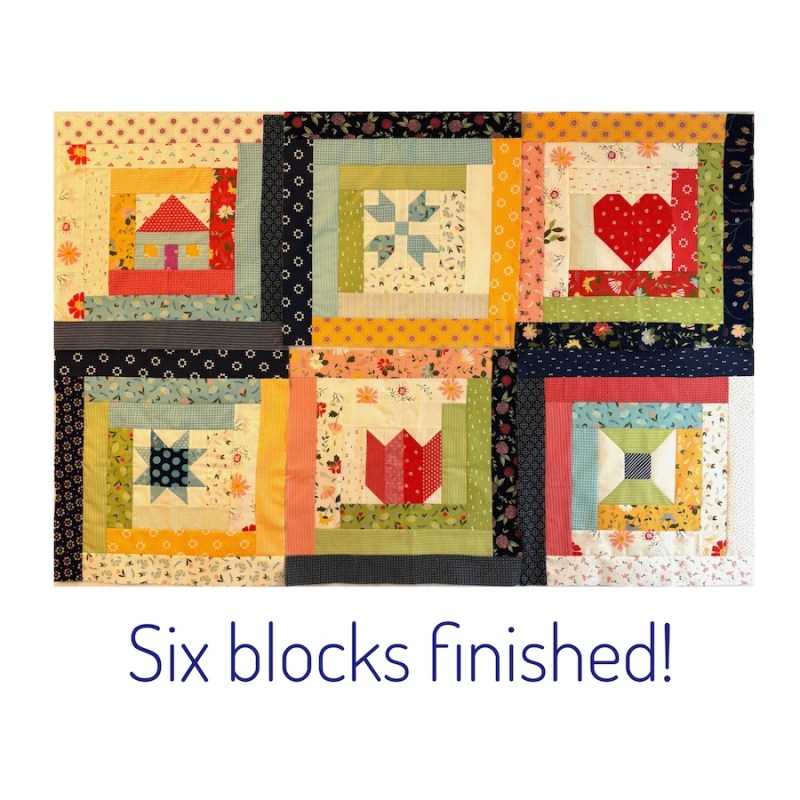
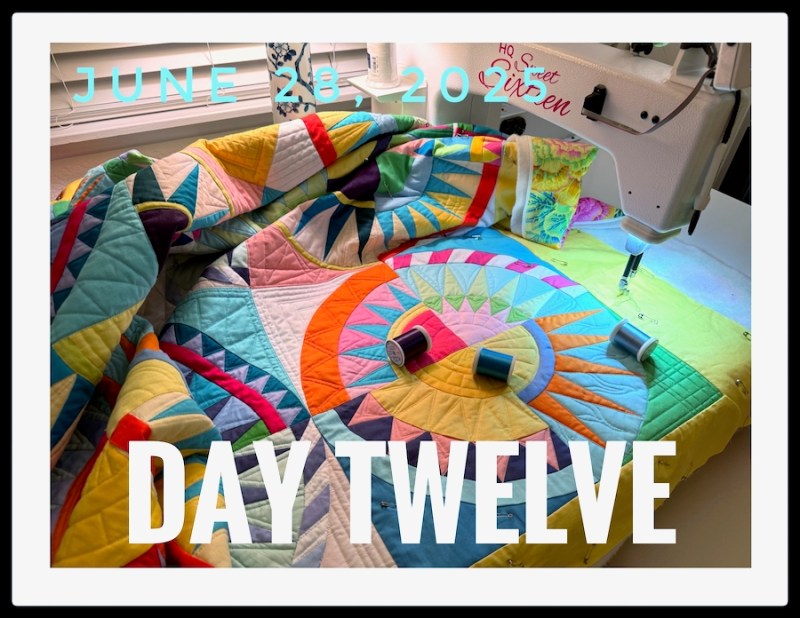
Reading this helped me understand the value of placing little labels (or “intentional closure points”) on my ongoing progress. With the BOM, it will run one year, so I know I’ll be finished with the blocks in December, and the quilt some time after that. With the quilting on my New York Beauties quilt, I mark the days so I know what I have completed as I want to finish this by early fall. With the Posh Penelope blocks, I made a chart to “document and track progress,” coloring in squares. These small signposts help me manage the tension that Zeigarnik identified, and keeps my quilting projects from torturing me with their incomplete state.

Good luck in all that you are working on–

Bibliography, by order of appearance:

Zumbrunnend, Adrian. The Power of Unfinished, blog.

Everts, Joshua. The Zeigarnik Effect: Understanding the Weight of Unfinished Business.

Unsigned article, Zeigarnik Effect, in Psychology Today.

How much does your anvil weigh? question on Reddit, my go-to source for internet information now that Google has jumped the shark and insists on putting resource-intensive AI into every answer.

Ovsiankina effect, discussed in the article on the Zeignernik Effect, Wikipedia.

Multi-tasking discussed in the Psychology Today Article (above), as is Procrastination.

And bonus: a video of Adrian Zumbrunnen talking about talking with bots, if you are into that sort of thing. Starts at 2 minutes in.