Covid-19 Times

An Auspicious Anniversary

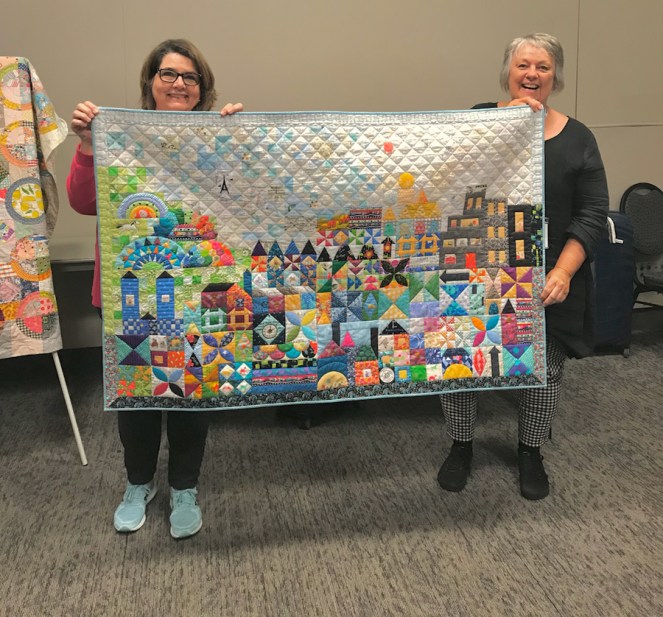
January 2020 • Road to California, where I showed Jen Kingwell my completed Small World Quilt

February 2020, QuiltCon: Shown here finishing my first block in Yvonne’s class (QuiltingJetGirl)
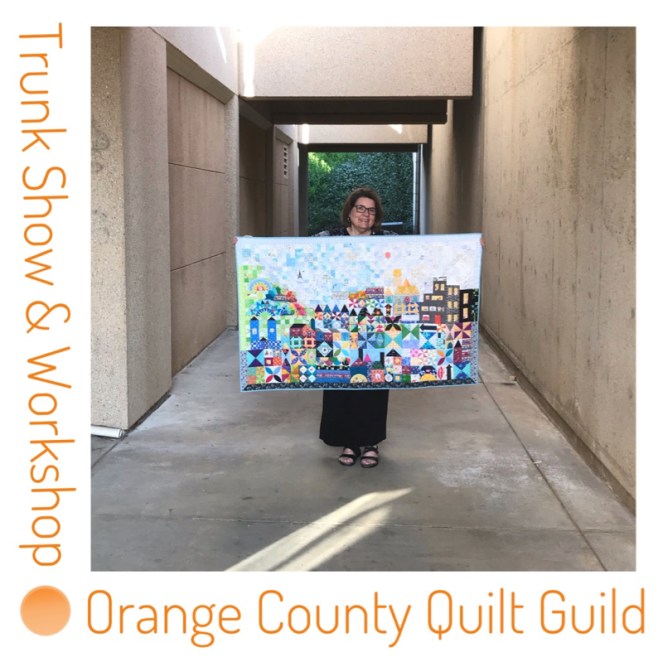
March 2020 • Quilt Guild Lecturing and Teaching
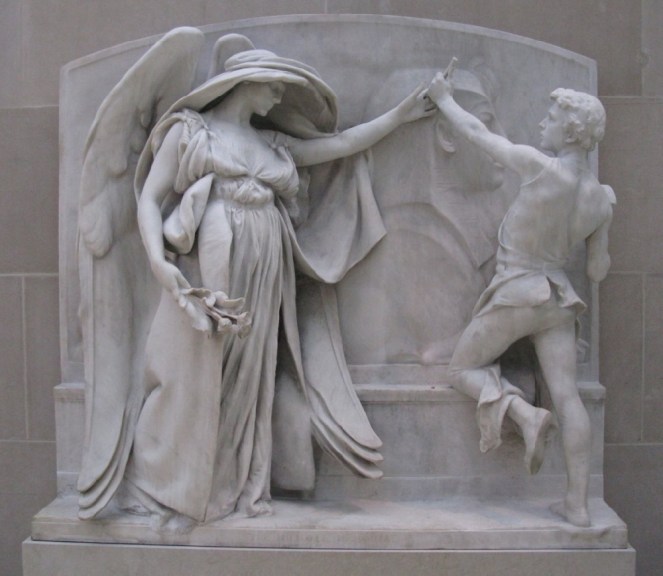
And then March 19, 2020, I post up the Milmore Memorial, as all of a sudden we are aware that the Angel of Death, bearing her poppies, will be stopping many of us mid-gesture.
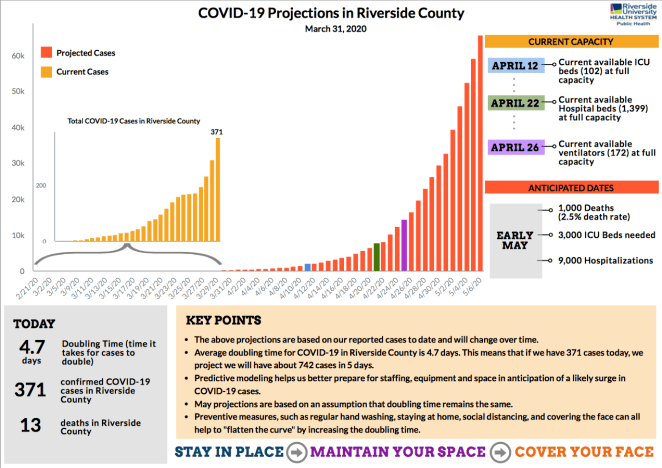
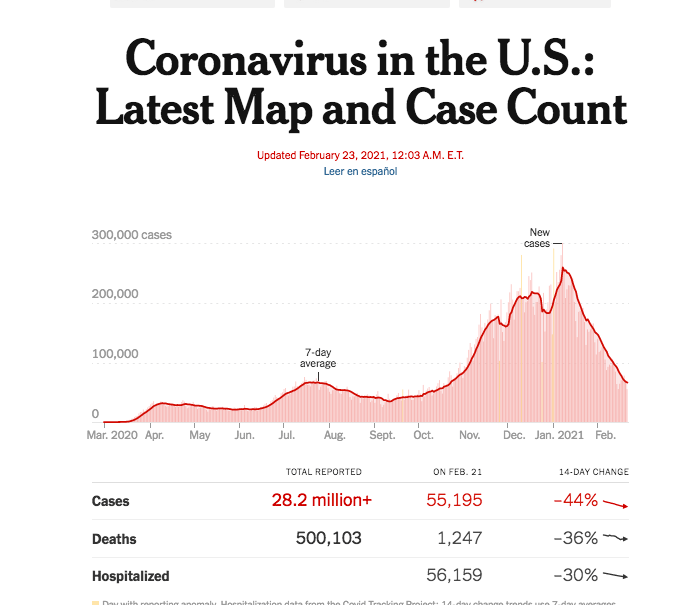
March 31, 2020 • This becomes my nightly reading. Covid is real, even though we hardly know what it is.
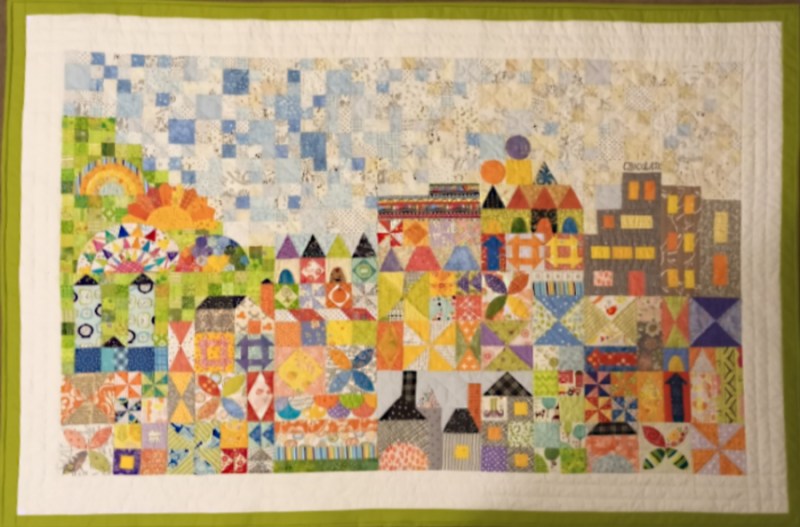
All these musings were inspired by three things: a few random “Where were you in March 2020?” Instagram posts, my friend Laurel sending me a picture of her Small World quilt, newly hand-quilted and finished that very night, and an article titled “Three Years into Covid, We Still Don’t Know How to Talk About It,” by Jon Mooallem and published in the New York Times, the place that was kind of the horrific epicenter to the quake that still rattles the United States.

“The [NYC Covid-19 Oral History, Narrative and Memory Archive] makes clear that, with respect to Covid — with respect to so much — we are a society of anecdotes without a narrative. The only way to understand what happened, and what’s still happening, is to acknowledge that it depends on whom you ask. People’s experiences were affected by their race, ethnicity, wealth, occupations, whether they had children at home. But they also turned on more arbitrary factors, or even dumb luck, like if someone happened to be living with a sort-of-annoying roommate in March 2020…. A man compared the pandemic to a game of musical chairs: The virus shut off the music; you were stuck where you were stuck.

Now, it’s as though we’ve been staring into a fun-house mirror for a long time and our vision is correcting — but it’s correcting imperfectly, so that we may not pick up on all the bulges and dents. We are awash in what [Ryan] Hagen referred to as an “onslaught of narrative repair,” scattershot attempts to clarify or justify our experiences, assignments of blame, misunderstandings and misinformation flying in all directions. It will play out and reverberate for years or decades.”

from here

I don’t have any brilliant thing to add to this article (which, you should read, all the way to the end, even though it has a slow start), but it made me realize that we’d all been through this incredible experience — or experiences (as everyone’s was so individual) — and unlike those in the article, I realized quilters (who by our very natures are the type to sit inside away from everyone and sew) might have their own dialogue to add.

“At first, the pandemic seemed to create potential for some big and benevolent restructuring of American life. But it mostly didn’t happen. Instead, she said, we seemed to treat the pandemic as a short-term hiccup, no matter how long it kept dragging on, and basically waited it out. “We didn’t strive to change society,” she told me. “We strived to get through our day.” Marooned in anomie and instability, we built little, rickety bridges to some other, slightly more stable place. “It’s amazing that something this dramatic could happen, with well over a million people dead and a public health threat of massive proportions, and it really didn’t make all that much difference,” Swidler said. “Maybe one thing it shows us is that the general drive to normalize things is incredibly powerful, to master uncertainty by feeling certain enough.”

(see above for citation)

I got through my covid days by quilting, and it was instructive to look back through the pages of this record, to see how I tried to “build little rickety bridges to some other, slightly more stable place.” I generally was very lucky: a lovely home, with lots of supplies, a supportive husband, and an ability to isolate away until the vaccine came (for me) in January 2021, a relief and a welcome day. Maybe quilting is well-suited to helping us cope with our “drive to normalize things” — cutting patches, sewing them together, using the well-established tools of social media to keep us connected on one level, even though all the social aspects: guild meetings, classes, retreats, and sewing groups went by the way.
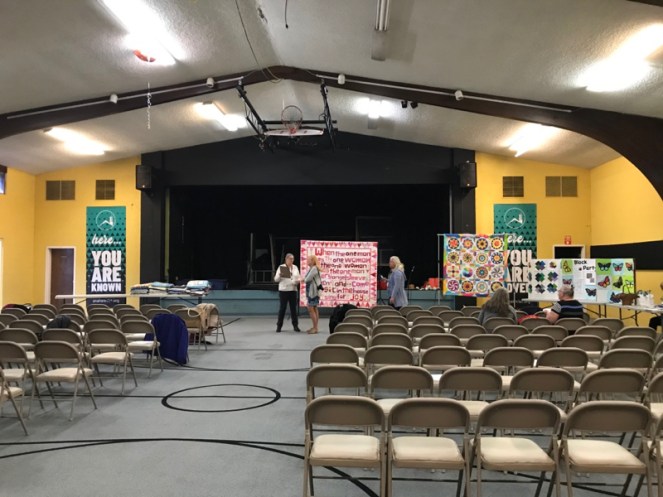
Orange County Quilt Guild March 2020, before the meeting started

Their use of the word anomie is intriguing, and loosely, it can be defined as “normlessness,” meaning “that the underlying rules are just not clear…Anomie sets in when a society’s values, routines and customs are losing their validity but new norms have not yet solidified. “The scale is upset,” [the early French author] Durkheim wrote, “but a new scale cannot be immediately improvised. …The limits are unknown between the possible and the impossible.”

When Laurel sent me her photo Thursday night, she bridged a time from 2015, when Jen Kingwell’s pattern was published in QuiltMania, to September 2019, when Paula James (@the_secret_sewer) and Nicola Kelly (@nicola_picola_) challenged us all in to finish these quilts, leading a quilt-a-long on Instagram. I finished mine in time to post with Jen Kingwell (top of the post) just before we were all slammed.

A well-known bridge on California’s I-15

I like to think of our quilts as those bridges, helping find our way back to civility, to health, and even to mask making (our batik fabrics were champs!). I hope we continue to figure out how to write and think about what we all went through, sharing our individual experiences with acceptance and kindness. And I hope we keep quilting!
Covid-19 Times · Quilt Finish

Memorium: Speech Acts for a Dying World

Speech Acts for a Dying World
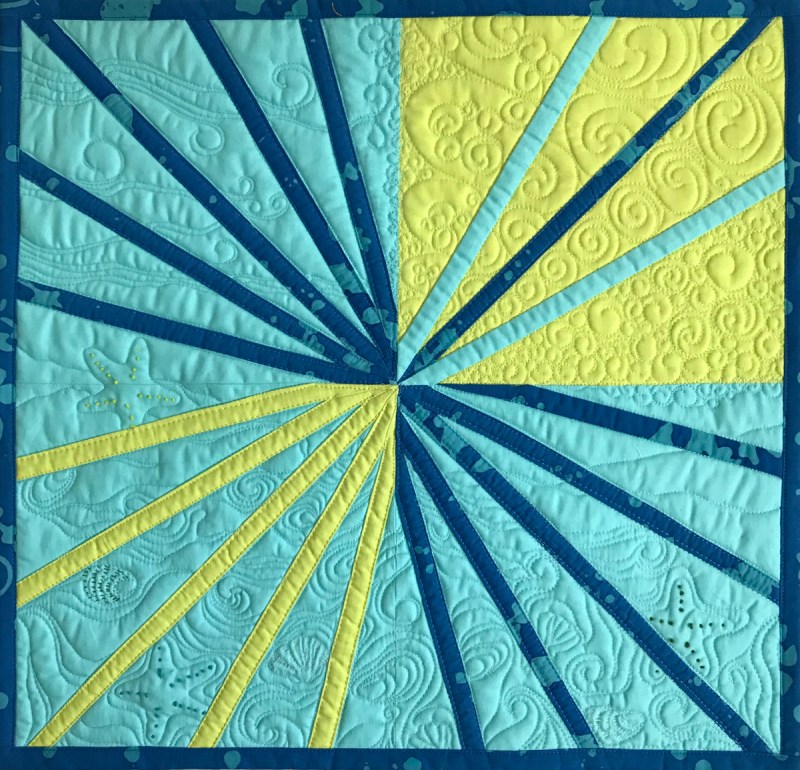
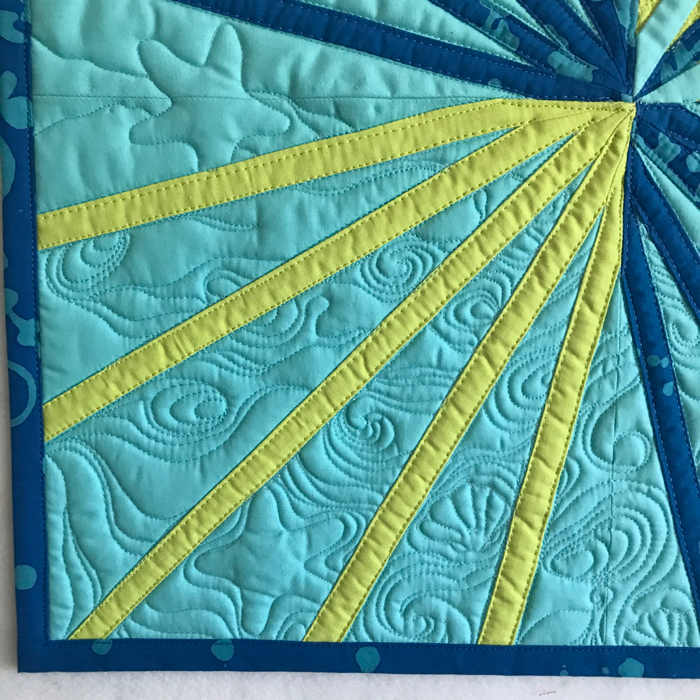
19″ high by 20″ wide

I thought a long time about whether to alter this quilt’s perfect original symmetry of twenty inches square. The design, by Yvonne Fuchs, called out for such a premise: neat, ordered, tidy, structurally sound. Even-keeled, if you will. But with the advent of 500,000 dead Americans from the covid-19 pandemic, our world was none of the above. We were not even-keeled, neat, ordered, or even structurally sound, given the riots in the Capitol in January over the continuing big lie of the election. I feel this keenly.

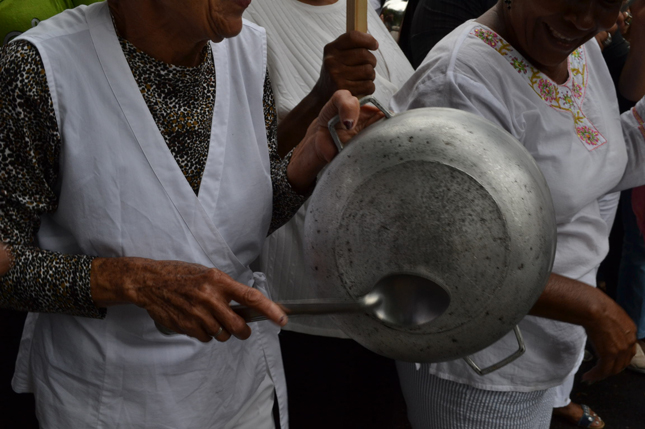
When our guild proposed a challenge, calling it Sounds and Voices, I was all ready with a design in my head of a vision of people beating pots and pans in solidarity with the essential workers in New York City, a rite that has its origins in the protests in Chile years ago: women in the streets beating pots and pans, protesting in what was known as a cacerolazo. These sounds and voices of a cacerolazo have spread to Spain, to Mexico, to many other cities around the world, but coming home to America as show of strength for those in the early days of this pandemic. Knowing now the roots of this sound, I wonder if it wasn’t also in protest: protest against our inability to take our American-made gumption and beat this thing soundly. But the virus is boss, no matter what we think, no matter how many pots we bang.

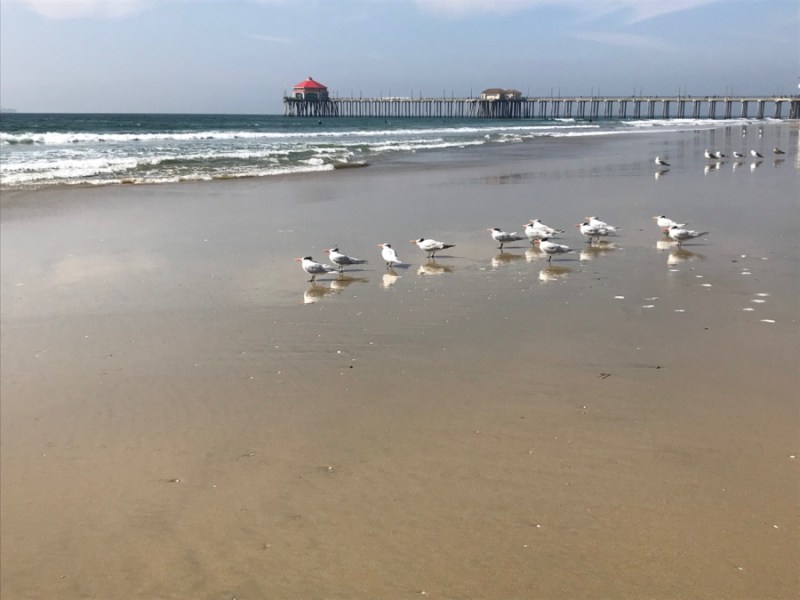
After too many weeks inside and of not traveling more than five miles from our home, I got up from the computer where I’d just seen the image above, and said, “We have to go to the beach. Today.” My husband and I had tossed the idea back and forth many times, but all of a sudden we just had to go.

We took some photos of a grandson’s quilt, had a burger at a local shop and even grabbed a few groceries at a new-to-us store: in other words, we refreshed, just for a few hours. Back home, in looking at my ideas for the challenge quilt, they too, had to change.

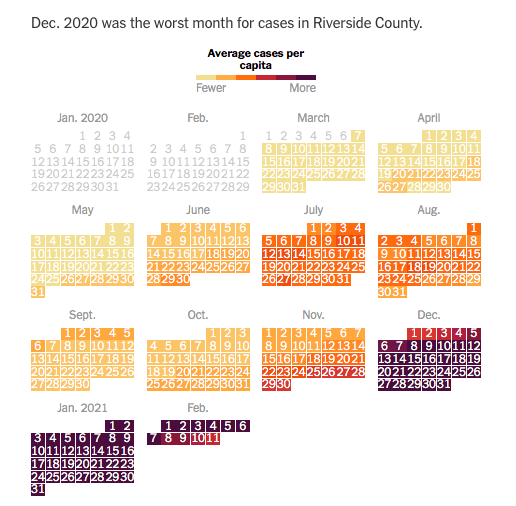
Less than two weeks after our trip to the beach, this awful number came into the news around me. You all know the statistics: how many more dead than our wars or combined wars, how many families with that proverbial empty seat at the table, how this number will not stop here, but keep going. And now I realized that I would change the quilt’s dimensions and purpose, making it 19″ high (for Covid-19) and 20″ wide, for the year 2020, when our pandemic started.

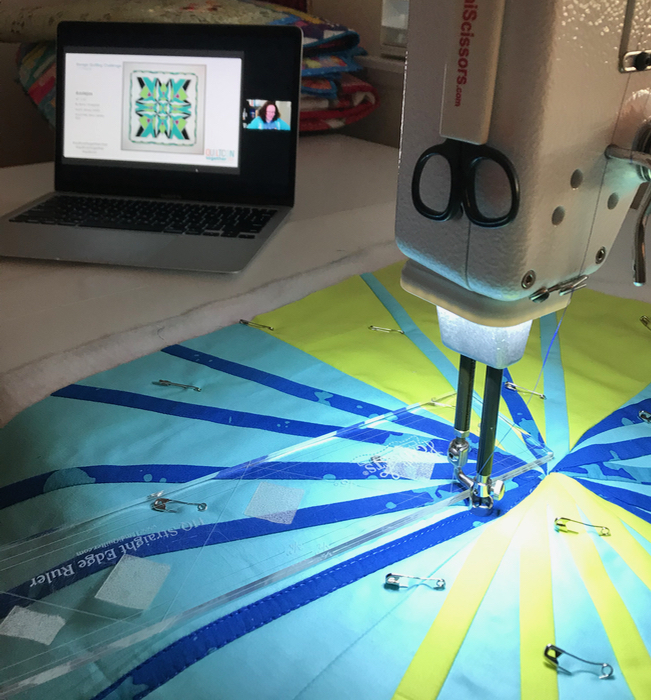
I started quilting while watching QuiltCon lectures.

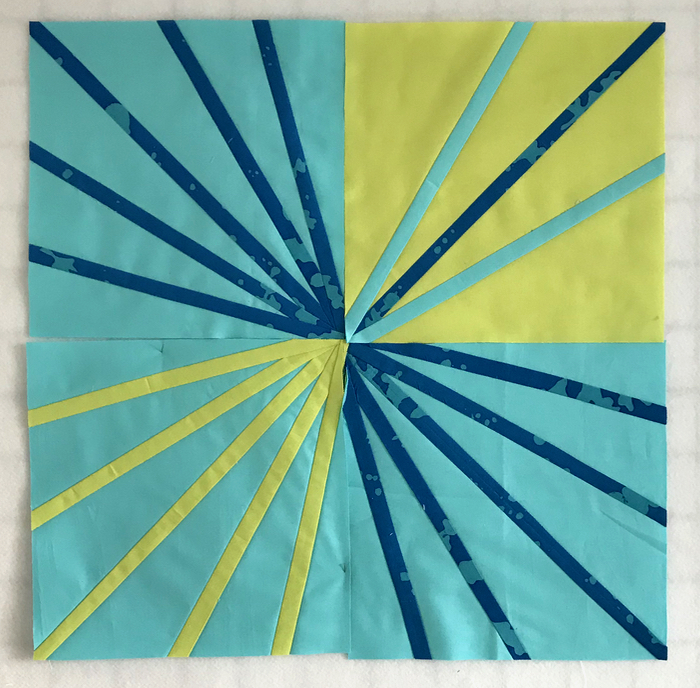
This quadrant is about the noise: sounds, voices, getting larger and more obstructive. It’s the daily statistics, the numbers, the news, the anxious waiting for vaccines.

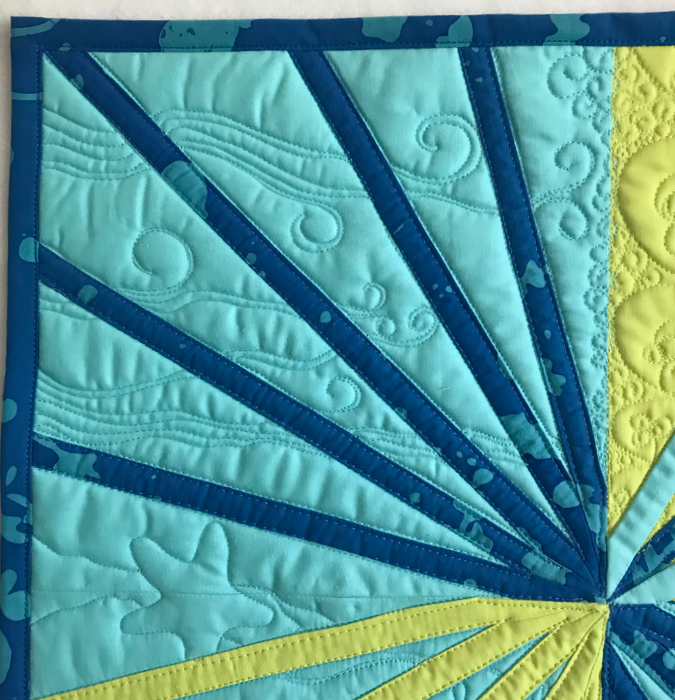
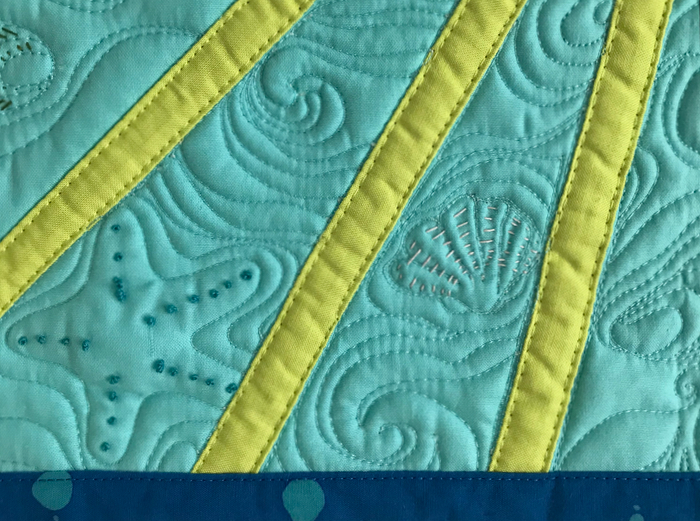
This quadrant has the wind, clearing my mind, corralling the noise and sounds into a restricted space, even though they try to expand. The starfish is on the beach, a transition between the offshore refreshing winds, and the ocean calling out a rhymthic hushing of the clenched ennui in our world.

Beach at the top, descending into the sea, with lots of shells, some of which I brought home with me.

I thought I was done at this point, but I kept thinking about all the references to hand-work and stitching at QuiltCon this year and last. How do I stitch a shell? A starfish? Questions with no answers are my needle and thread.

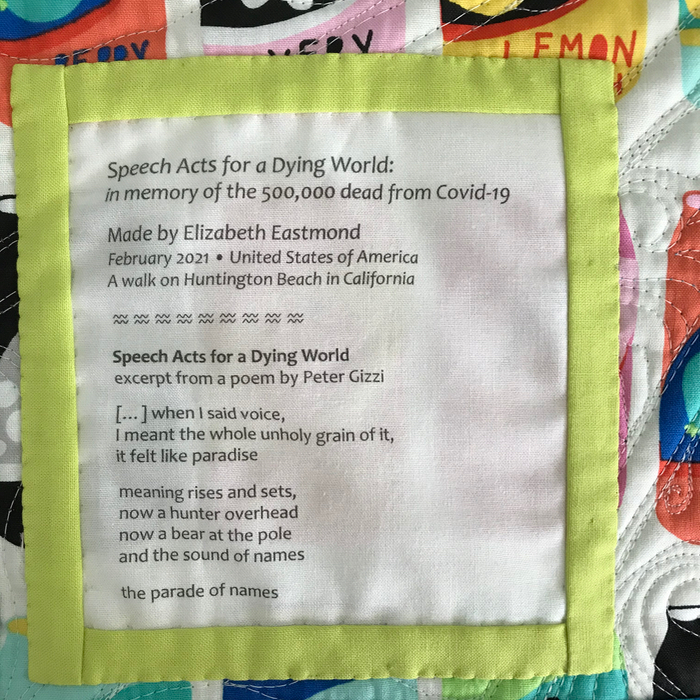
This quilt is in memorium to those who have died, and the title is taken from a poem by Peter Gizzi. I spent a long time with this poem, using all my rusty creative writing/reading skills to tease out the meanings from his words. This section shown is the final set of stanzas. It references voice with its “whole unholy grain” and I took grain to mean the quality of it, the chorusing of voice, but then he cuts to an allusion of paradise, that place where the dead will congregate after death. Grizzi carefully charts the passing of time with his naming the constellations in the sky: a hunter, a bear, all undergirded by the “sound of names,” calling out for the dying, the naming of those who are sick, or gone, or merely absent in a rest home or a hospital.

He ends the poem with the line “the parade of names,” a bell-like tolling, a constant recitation in our obituaries and our news stories, a clear marking of those leaving this world for the next. It’s this era’s verion of John McCrae’s classic poem In Flanders Fields, a short poem about the dialogue between the dead and the living, a reminder of those buried there, keeping watch yet battling onwards, wanting us to

Take up our quarrel with the foe:
To you from failing hands we throw
    The torch; be yours to hold it high.
    If ye break faith with us who die
We shall not sleep.

While their enemy was about territories, and the next war’s was a horrific grinding of ideals and democracies under the hand of one small man, we must catch the torch, and not break the faith, no matter what our foe. Death is death. Those who are gone can never come back, yet are alive in memory and stories, fragments of lives told with the sound of our voices.

300 Quilts · Covid-19 Times · Patterns by Elizabeth of OPQuilt · Sawtooth Stars

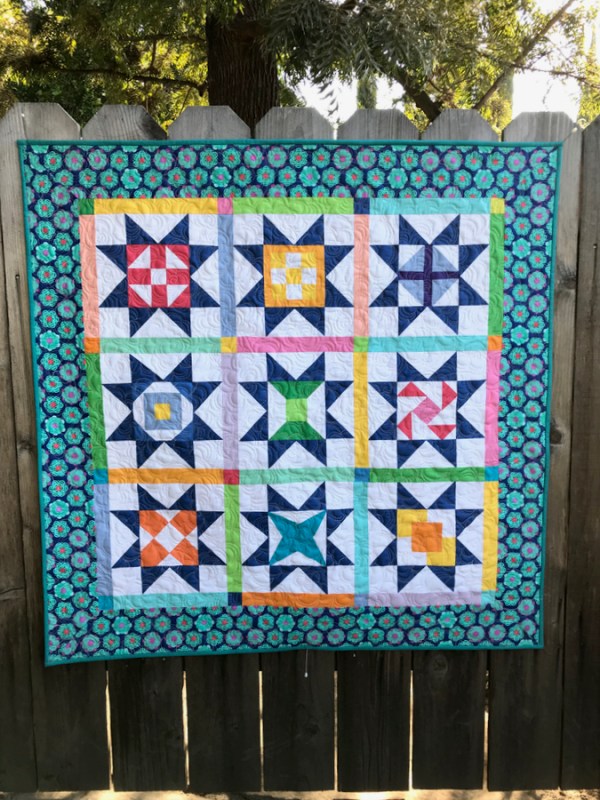
stars shining brightly

stars shining brightly
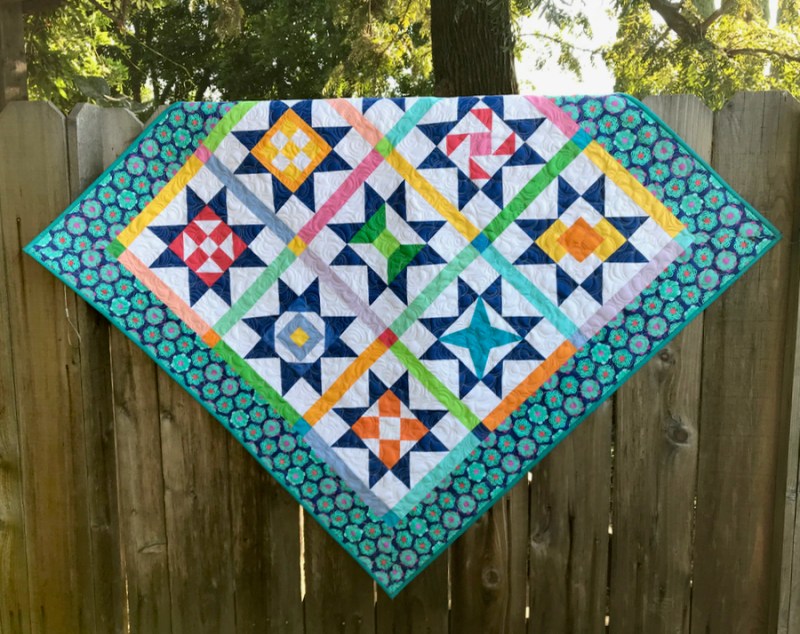
quilt #237 • 35″ square

This is the second sawtooth star quilt top I made during the Time of Covid, but that first one is still awaiting quilting. One night, dragging around, looking for something to do besides all the things I’d done every single day for the last few months, I thought I would just knock this one out, get it done.

It had held me up for a while, as I kept thinking that it had to have precision ruler work in all those fine-pointed stars that were made when I was testing out my Sawtoothmania pattern, but in the end I decided that Done Was Best.

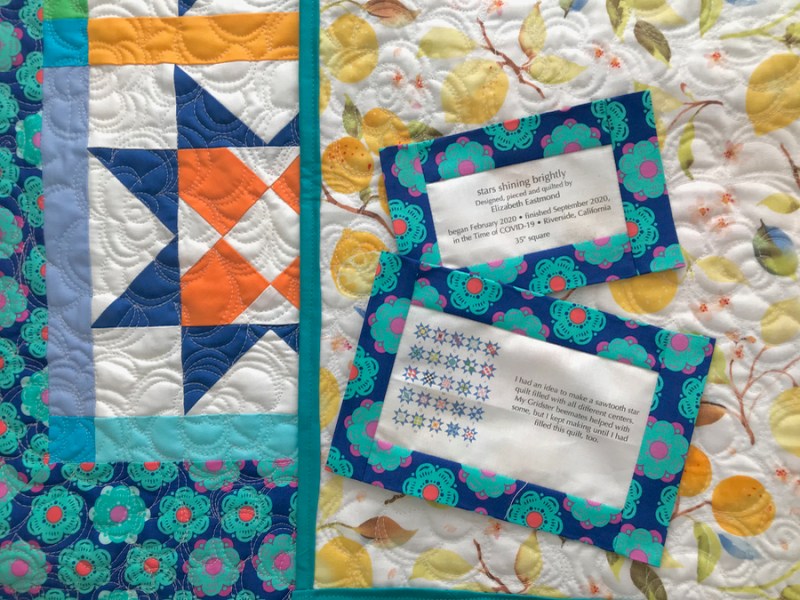
I’m about ready to sew the labels on the back, but I’ll pin them on then wait for a Zoom call to finish this up.

We snucked sneaked zipped up to Utah for a very quick trip last weekend to go to my niece’s wedding, dithering about it so badly that it wasn’t until the night before that we actually made our final decision. You know…covid. But the evening was idllyic, the food delicous, the bride and her father (my brother) both giddy and slightly delirious with happiness, so I’m glad I got to see that. She had three pages of vows, he had two pages, and all of us old marrieds are thinking: seriously? But in the blush of youth, why not pledge your troth in a really big way? Life will do what it does, and I’m thrilled they both climbed in the same buggy for the ride.

While going through photos the other day, I found this screenshot. It’s the headline that makes it delicious. Or awful, depending on how your day is going. Yep, it’s not like we wear those kinds of clothes in the photo anymore, right?

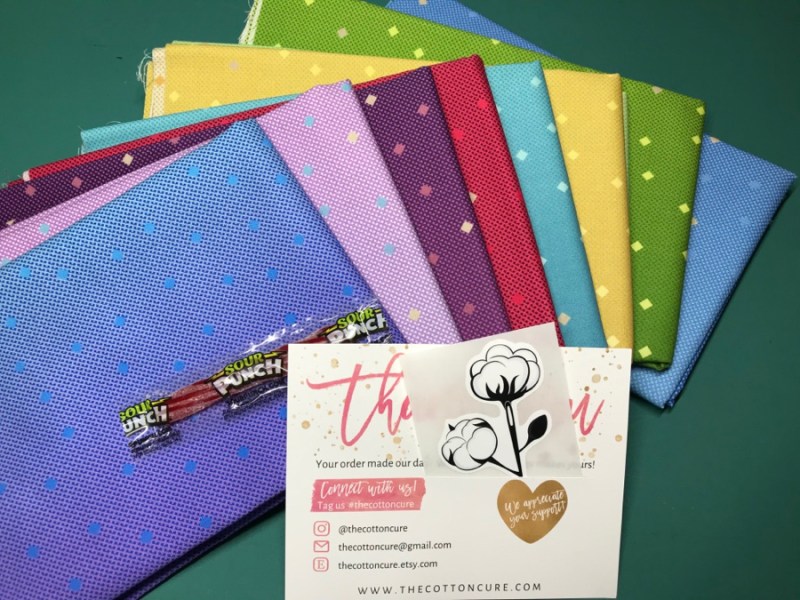
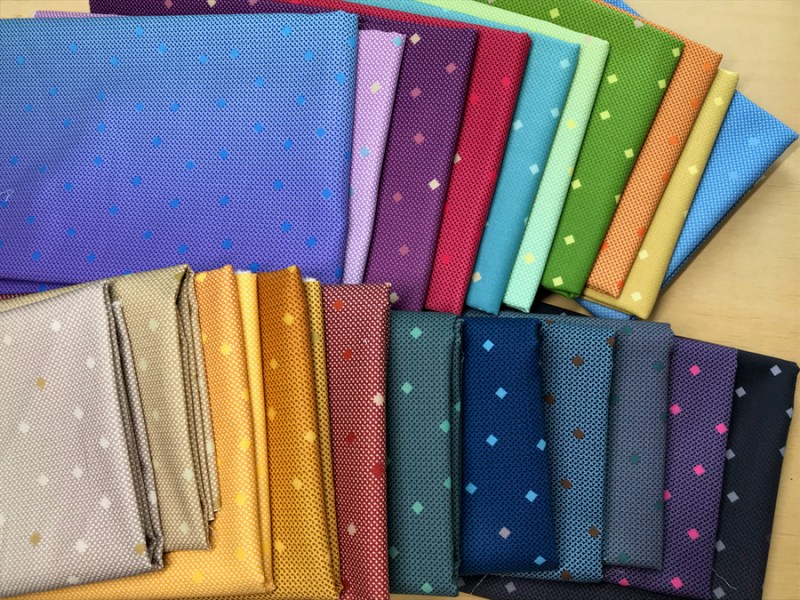
So I fell down the Riley Blake Gem Stones ombré fabrics rabbit hole. Here are some brights from The Cotton Cure, complete with a fun piece of candy and a sticker (which I put on the front of my calendar that I still am having a hard time filling out…who needs calendars these days?) I wish I could unfurl the fabrics for you to see the wonderful gradation of color and hue.

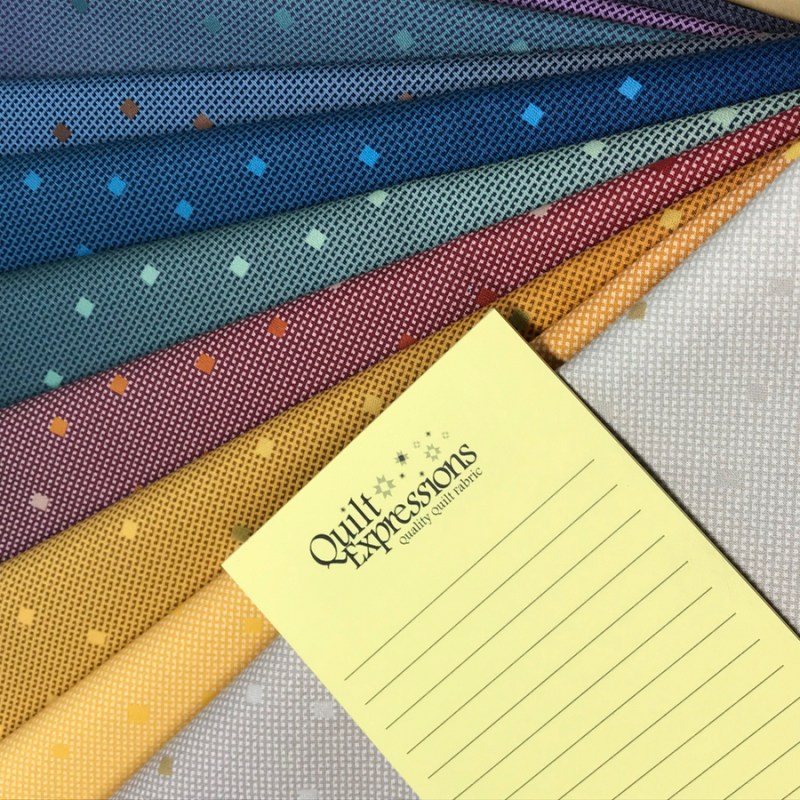
Here is another batch of half-yards from Quilt Expressions, who included this little note pad. These two shops know the way to any woman’s heart is a little gift. I found both these shops by doing a search on ETSY for this fabric, which led me to them.

All of them together.

Plans? Another Triad Harmony quilt, as I have my first live-online class with this pattern in a couple of weeks, when I Zoom into the Coastal Quilters for an evening and a fun Saturday. I’m starting work on the password-protected page on this website, shooting videos, freaking out when I try to edit them. You know, the whole digital experience of teaching these days.

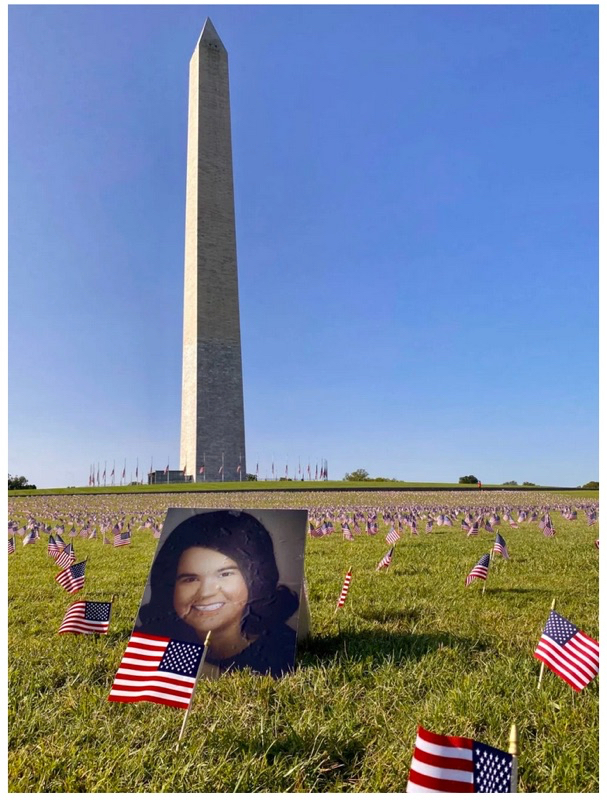
Lastly, we are saying good-bye to too many people these days. The flags at half-mast are for Judge Ginsberg, and the 20,000 flags in front are to honor the over 200,000 dead due to Covid-19, since March. I wrote about the first 100,000 dead some months ago, and I struggled at this milestone. Are we not talking about it because we are numb? Are we not making a big deal of because it’s an election year and all the rahrah is distracting us? Or, more soberly, are we not noting it with fervor because we expect that soon there will be a 300,000 milestone, maybe even a 400,000 and we want to save something for that event?

This last idea scares me to death, for that means that many more people we love will be gone, from grandparents to aunts to friends and neighbors, almost sliding out of our lives without much notice. All that history. Gone. All those relationships. Gone. All those memories that will have to stand in place of these who died of this disease; gone too soon, they now grace the heavens, stars shining brightly.

I wish for all who remain behind, solace in their sorrow, and hopefully a quilt somewhere to curl up in on a bad day. Take care everyone. Wear your masks. Be kind.

We are not out of this yet.

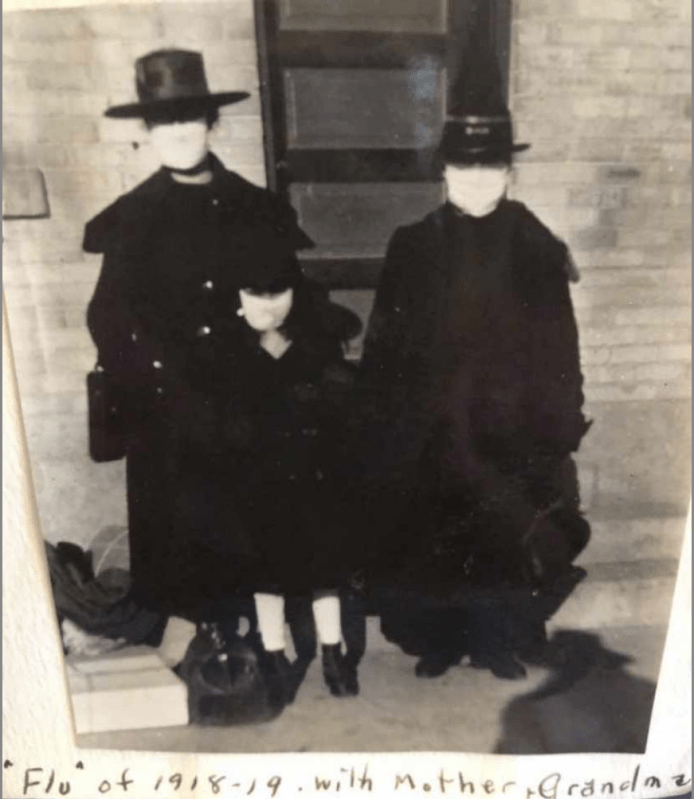
My grandmother (left), my great-grandmother (right) and my Aunt Alfarette as a child, all wearing masks during the 1918 Flu Pandemic.

Covid-19 Times

New Mask Pattern • Sept. 2020

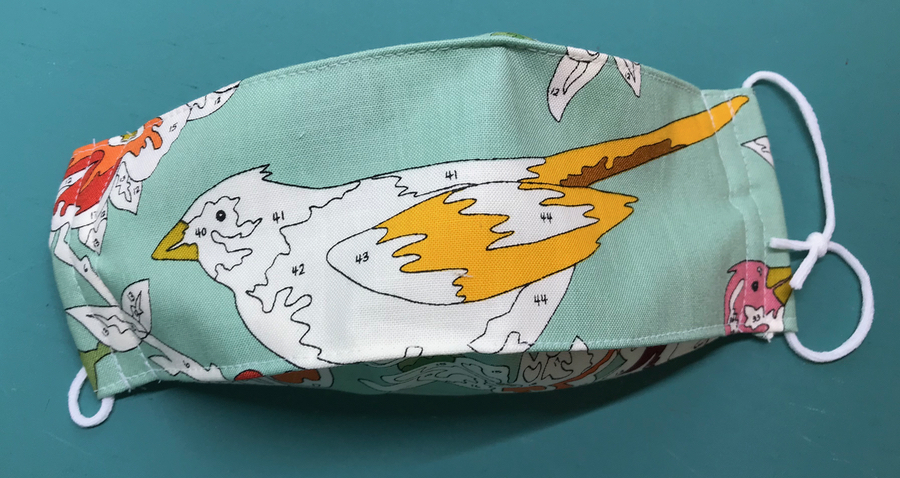
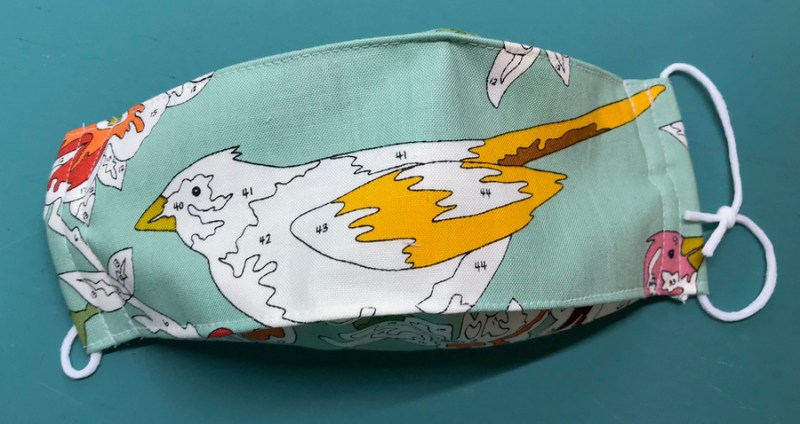
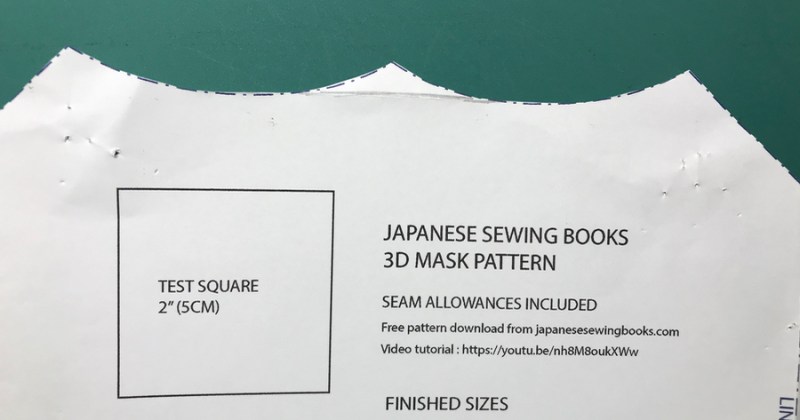
I found a new mask pattern that I think will be the best one yet. It’s from the Japanese Sewing Books site, and she has multiple sizes on one page, or you can download them one by one. She also has a video which clearly explains how to make one. I wore one of these masks around today for a while and not once did my glasses fog up–a real plus!

UPDATE: I’ve recently had some trouble accessing her site. I sometimes can come at it via a Google Search using Japanese Sewing Books + mask.

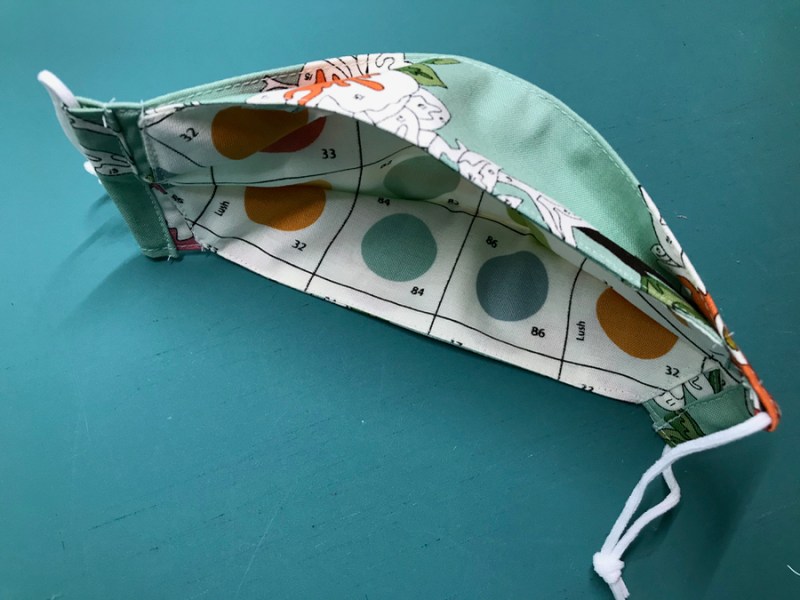
I use two (2) layers of quilting cotton and one (1) layer of featherweight nonwoven interfacing–it doesn’t really matter what kind. Just really light nonwoven. I made the Large size, but I might try the XL size next time–it will give a little more coverage.

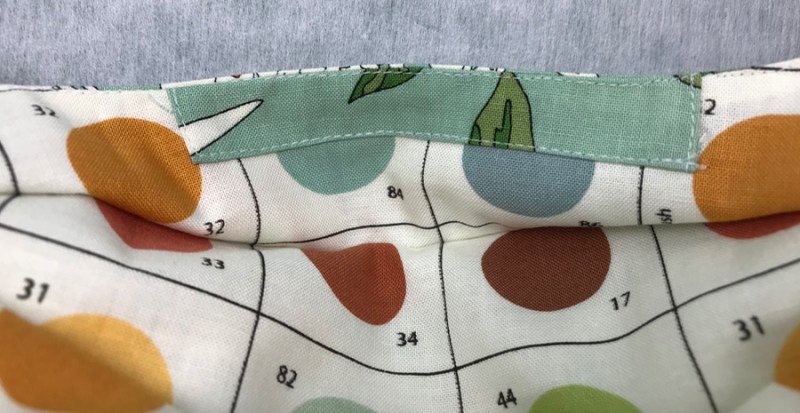
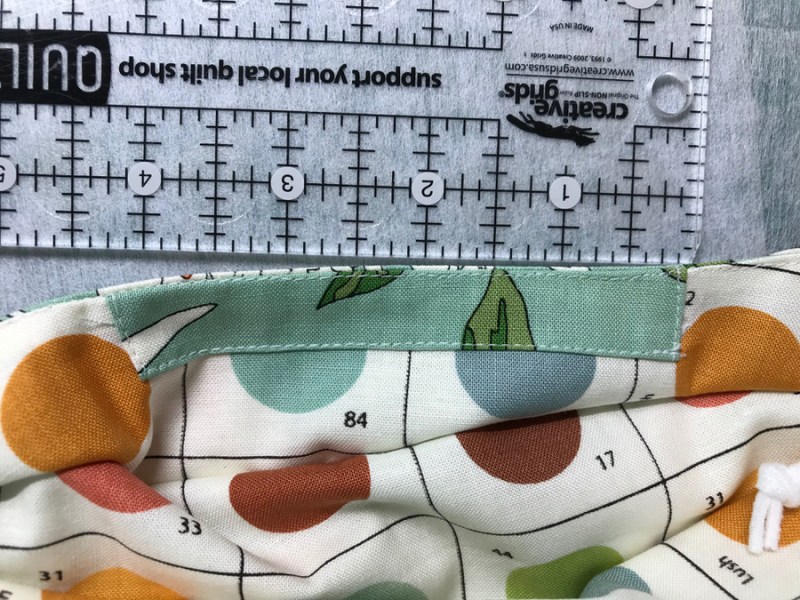
I like to add a little casing for a flat piece of aluminum across the nose bridge so it will snug in. I cut a piece of matching fabric about 4 1/2″ long and about 1″ wide. I turned in one short end and stitched down this seam allowance. Then I finger-folded the raw edges under on the other short side and one long side.

I aligned the long-raw-edge side with the raw edge of the lining piece, centering it and placing it at the top of the lining. To finish, I top-stitched it down on two sides, then made the mask as the video indicates. That last long raw edge will be caught into the seam.

I bought some of these “nose wires.” Funny name. I used this elastic cording, threading it through the little casings on either side (watch the video). I cut each piece 9″ and then threaded it through and knotted it.

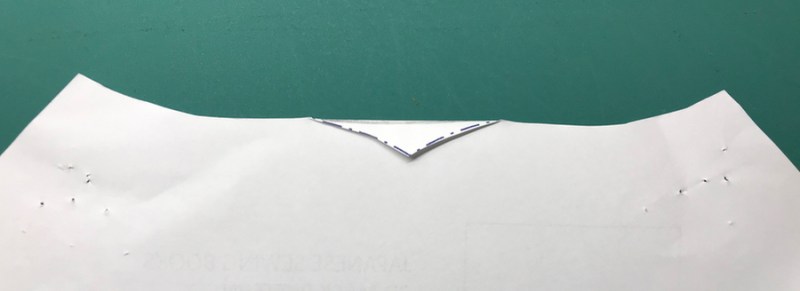
I didn’t want the little tip on her pattern, so I just folded it under when cutting. It looks cute, for sure, but I wanted to make the nose strip casing, and it wouldn’t work with this.

You can see me modeling my mask on Instagram.

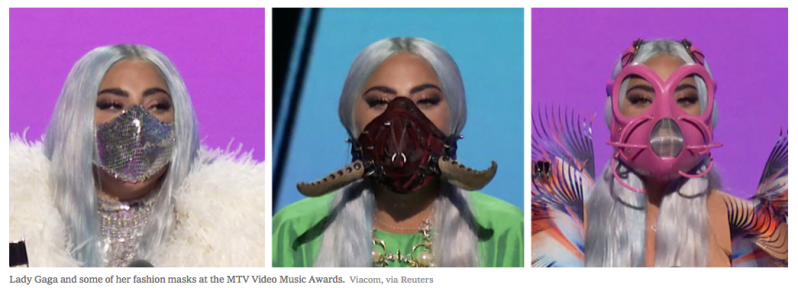
Yep. I’m no Lady Gaga in the mask department, but I’ll bet she doesn’t wear hers to the grocery store, either!