Clothing · Free Download

The Dress Does not Make the Quilter

Well, actually Rabelais said “The dress does not make the monk,” but since I’m not a monk like Rabelais — although I do sit monk-like day after day at the sewing machine — I prefer my variation for the title of this post.

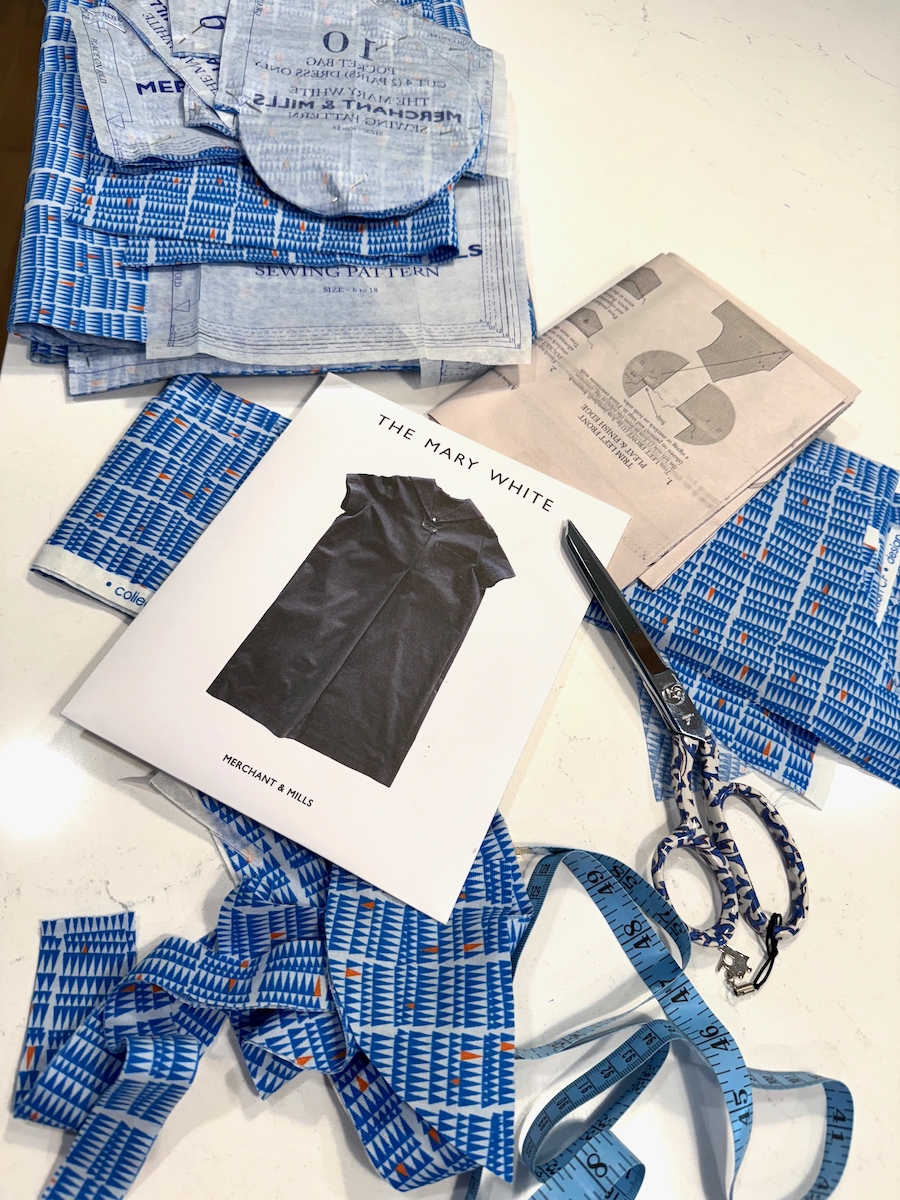
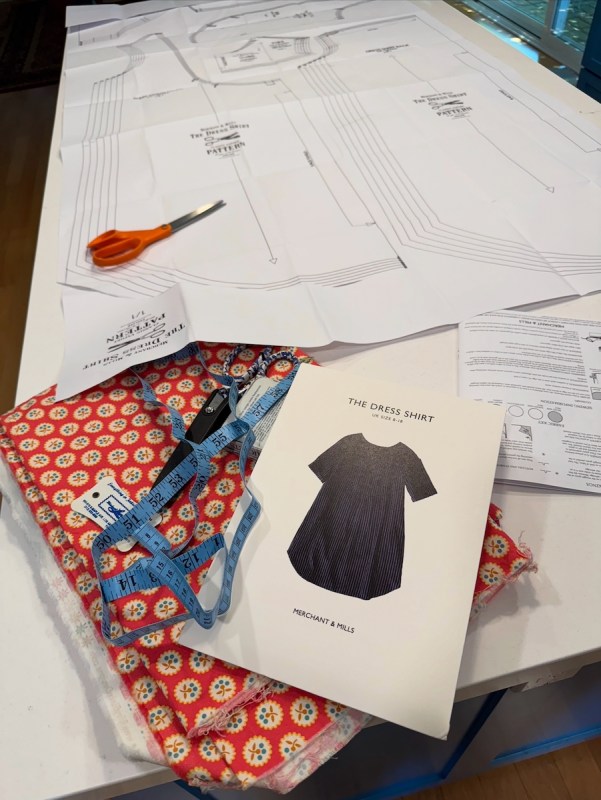
There comes a day when an occasion arrives and even though Thoreau cautioned us to “Beware of all enterprises that require new clothes,” it was time for a new dress for a granddaughter’s wedding, even though I’m aware that I’ll be mostly on the sidelines as this newer generation Does Things Differently so I need to get with it and adjust. But still, maybe it’s that I wanted a new dress? And that my sister had been making a lot of outfits from Merchant and Mills patterns and I Wanted In On The Fun.
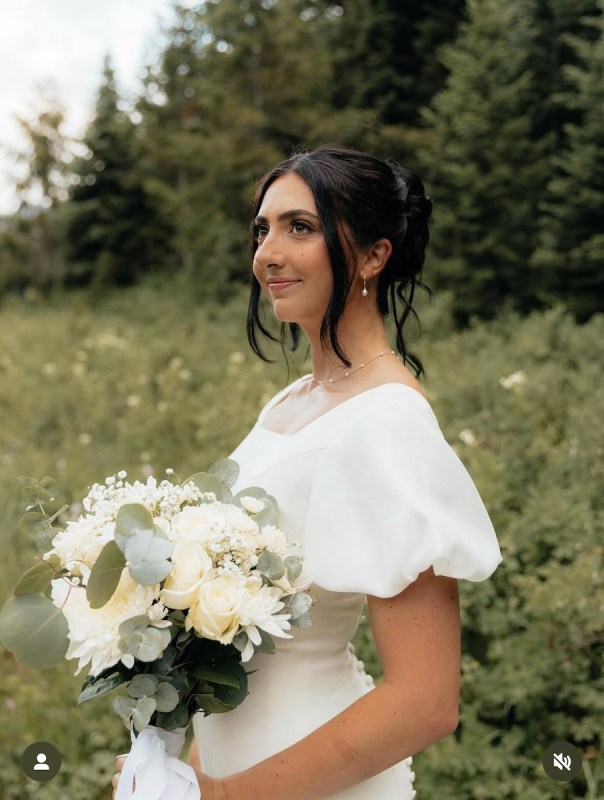
The Beautiful Bride, from her IG account. Her mother is a photographer, so they snapped the bridal portraits early.

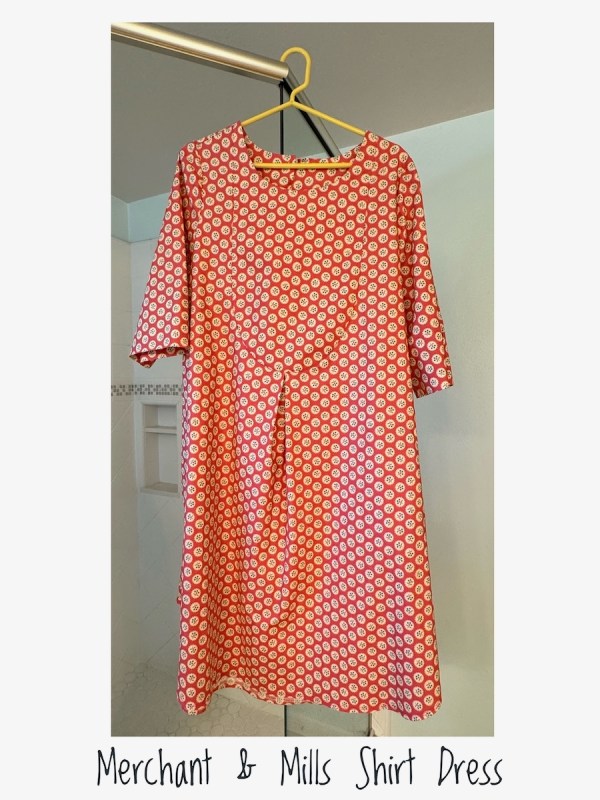
IDK how you feel about me sliding a dress post into a quilting blog, but this is what I’ve been doing with my sewing machine and time. The idea was to make a wearable toile out of each of the three patterns I was auditioning. Which meant that the dresses made from the flat folds picked up for cheep at M & L fabric shop probably wouldn’t fit me as well as I would want them to, which is why I’m not modeling them in this post. I also remember why I leapt over to quilting long ago: The Fitting Question. I remember at age 20 feeling like I was as large as a barn. And at 30, I thought I was zaftig. Oh, honey, I now want to say. You looked fabulous. The problem is that I was trained to sew on that 20/30-yo person, and now this person (some years down the road) is not who I know how to sew for. But I’m trying.

Dress Number One
I need to take out most of the extra ease I put in, but I wore it out anyway, along with beads from a quilt show. Jewelry rights a lot of wrongs.
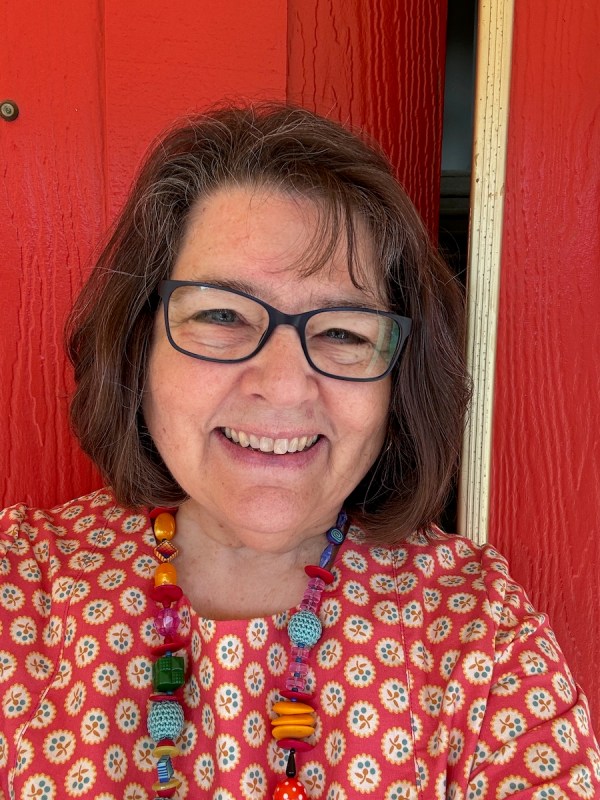
Dress Number Two

Again, I put too much ease into this wearable toile (again, struggling with fit), and if I choose this one to make for the wedding, I’ll make it more like the pattern. I got all my patterns from Hart’s Fabrics in Santa Cruz, California and they came lickety-split, especially considering that Merchant and Mills patterns are from England.
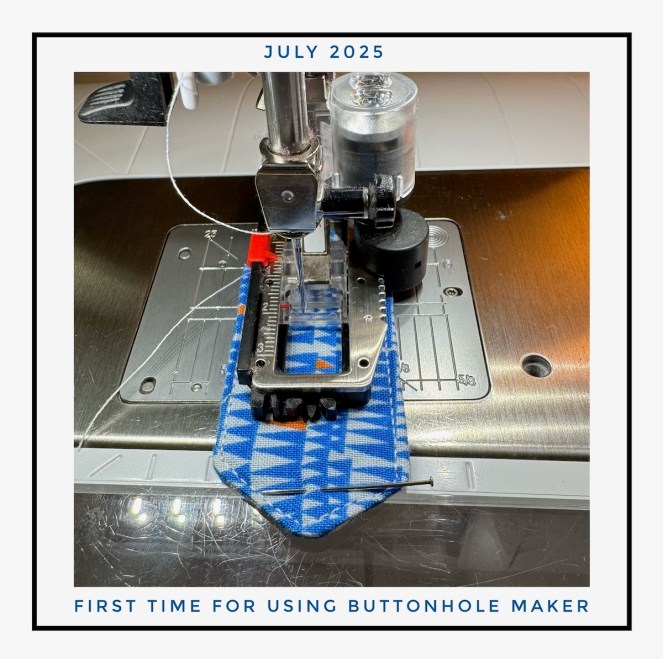
In five years of owning my sewing machine, purchased in December 2020, I’d never used my buttonholer. I had to watch a video online to figure out how, but it worked like a charm the other night.
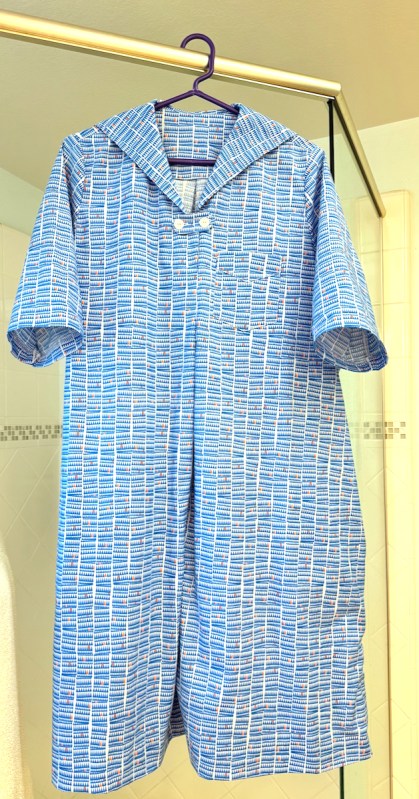
Dress Number Three
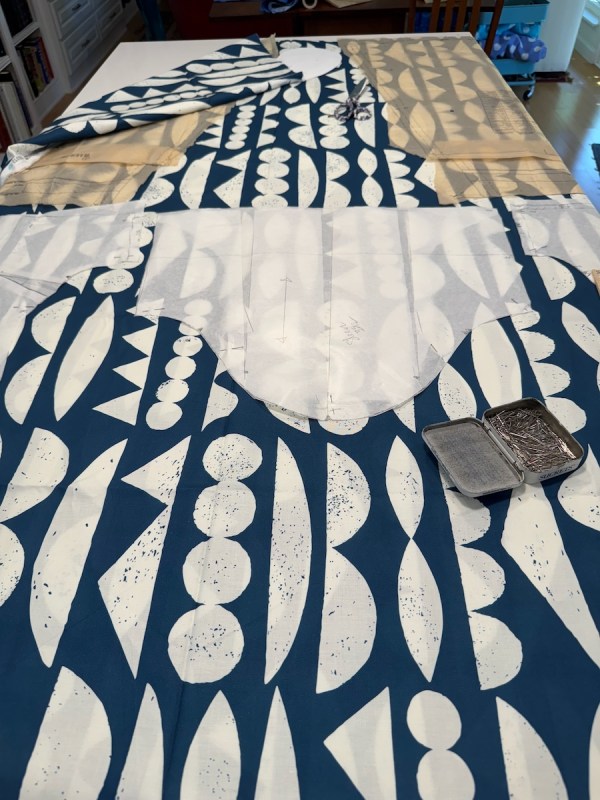
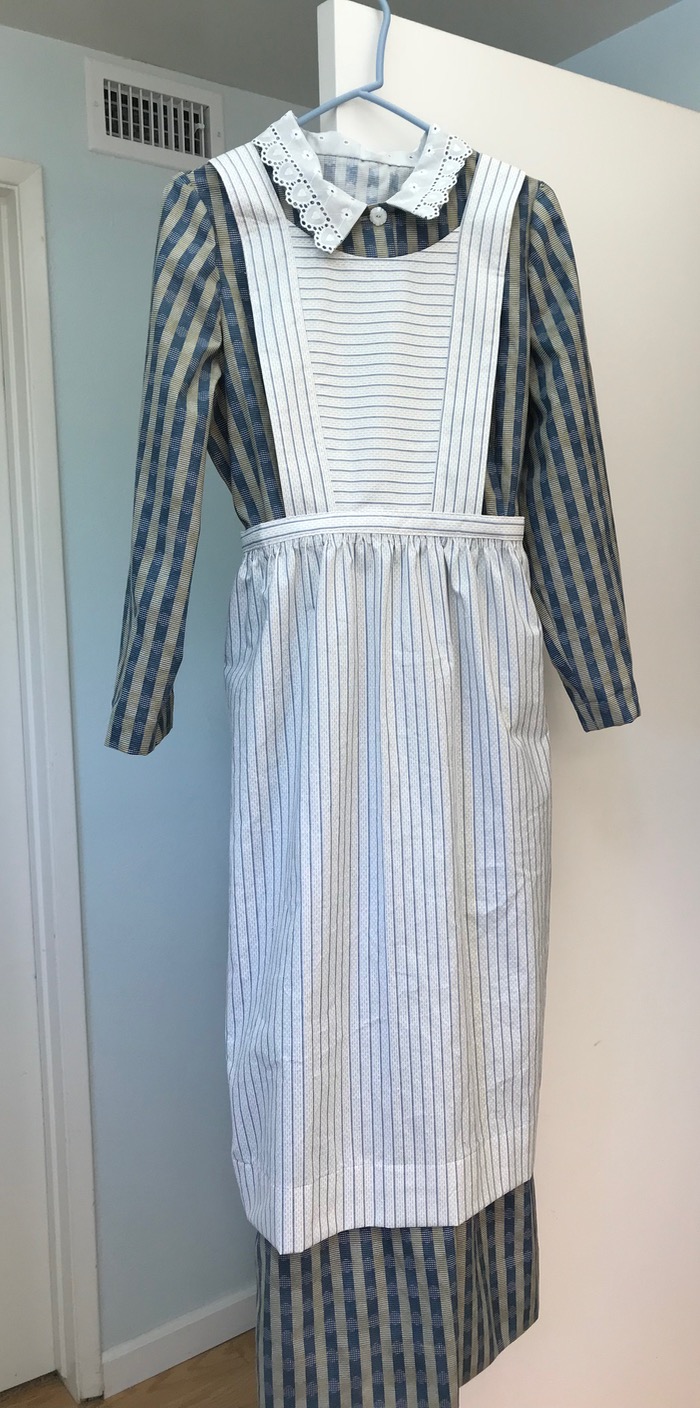
I’m still in the middle of Dress #3. It’s a Simplicity pattern I’ve had forever, and is a plain-Jane shirtwaist dress. I found two lengths of this blue-and-white fabric in my stash. Guess I forgot and ordered it twice, but it came in handy when I needed to make one more wearable toile. I’ve re-cut the sleeve piece twice; I like my sleeves a little longer — like to my elbow — but we’ll see how this turns out.

Pockets
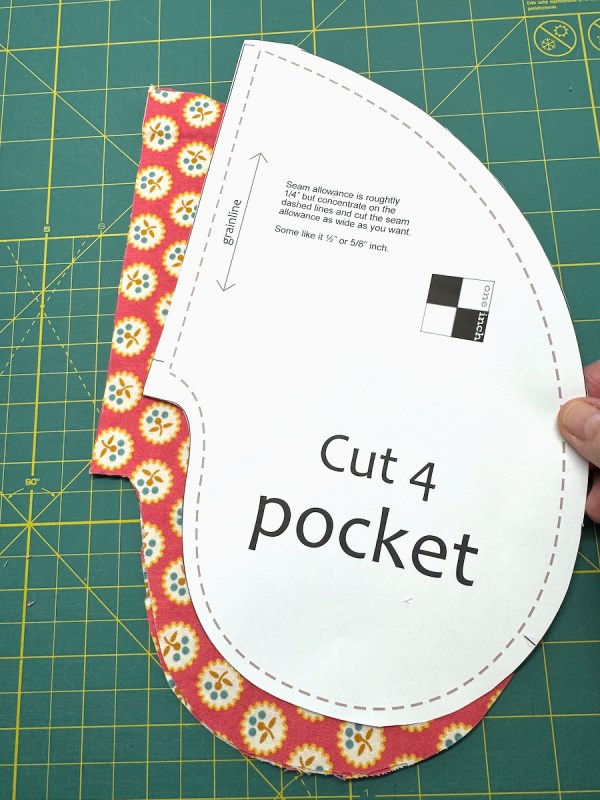
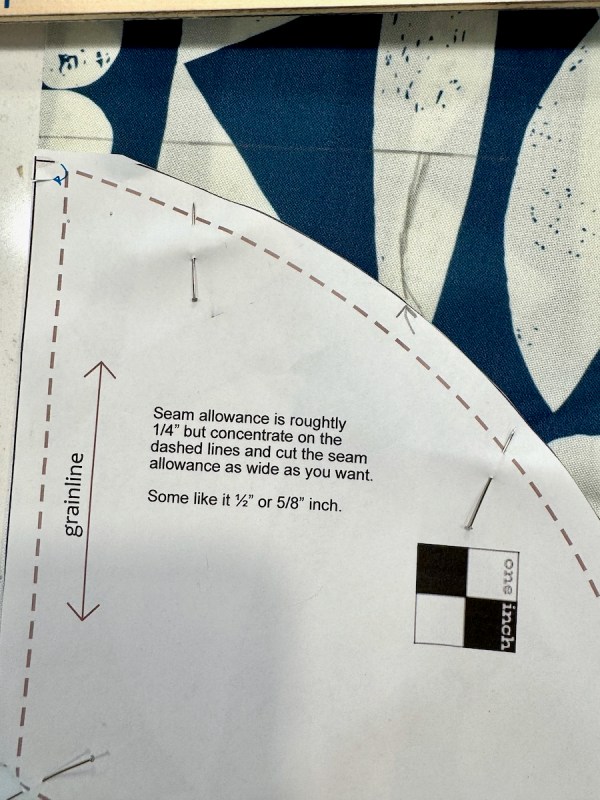
I don’t know about you, but to me a good pocket is mandatory. I traced off an old pattern to make myself a basic pocket pattern, and here it is for a Free Download:

It basically looks like what’s in the photo, above. I used fat quarter-inch seam allowance on the outside edge, but you can cut it larger, if you want.

For placement on your dress, when holding up the main section of your pattern to your body, bend your elbow and figure out where you’d like your hand to slide in. Think also about where the bottom edge will be; you don’t want to be reaching down to get the car keys out of your pocket. Then mark that.
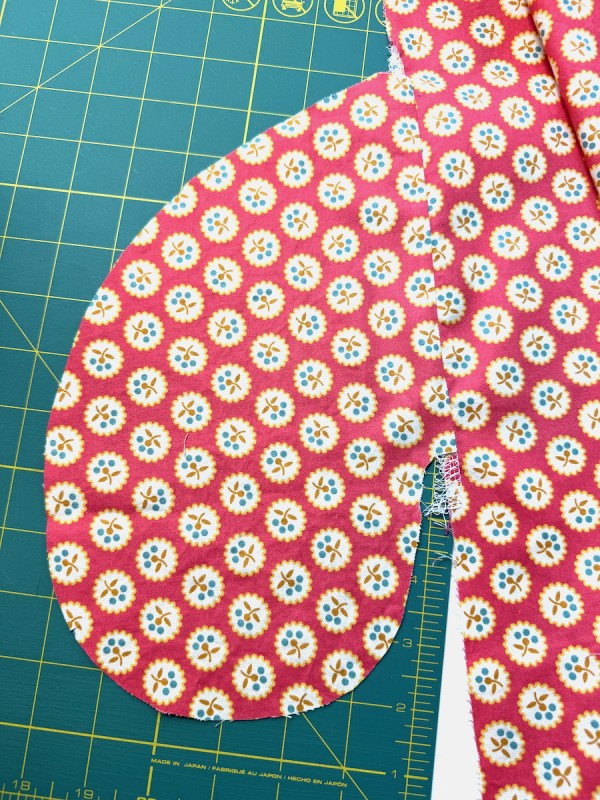
I sew the pocket onto the side of the dress in a 1/4-inch seam, press to the pocket, then serge that section only. After pinning the side seams/pockets together sew about 1″ below the top edge of the pocket piece, then all the way around the pocket, then to a point on the seamline and then down the seam to the hem. Like this:
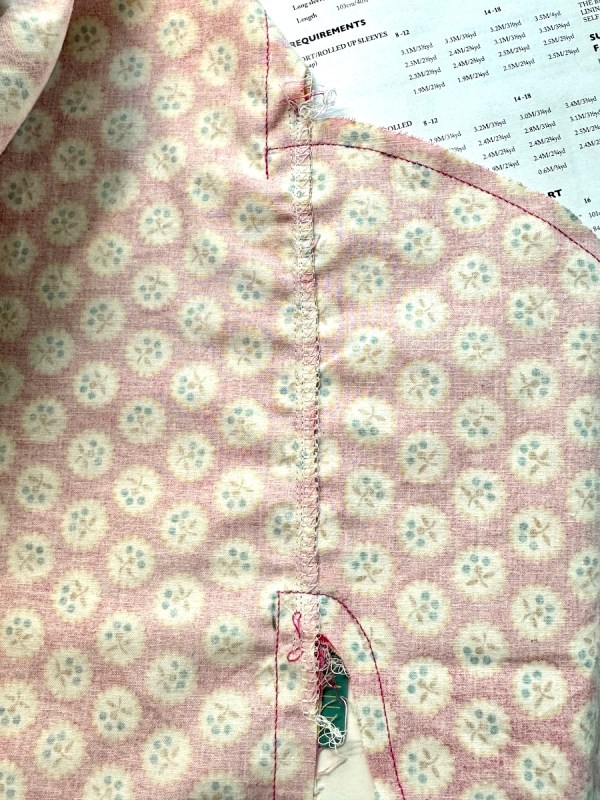
Serge or zig-zag the raw edge. Or as Merchant and Mills patterns say, “Tidy up the edge.”
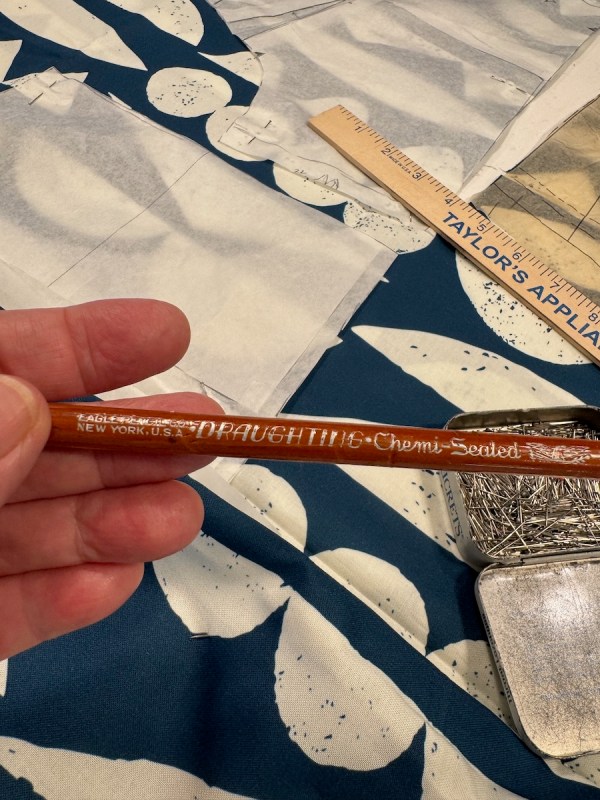
You can also stabilize the pocket by sewing it into a waist seam. To adjust for that, grab a pencil, like the one from your Dad’s art box, and draw a curvy line upward. Try to make it match your waist seamline. This is the cheesy way. Watch the following Video (That May Confuse You or Help You) to see it done more professionally than just a pencil line: How to sew a waist-anchored pocket (this also helps you draft your own)

What else?

Whichever one I think will work best will get sewn up into a light blue linen print I’ve been hoarding for a couple of years. Then I think I’ll sew a skirt or two when I return. I’ve seriously neglected my wardrobe the last few years, and I generally hate all clothes in the stores. (Or maybe it’s just trying them on that I hate.) Thankfully my sister is cheering me on, and my husband is an angel and has learned to say nice things about my wearable toiles, such as “You’ve never looked better,” and tries not to choke as he delivers his scripted lines.

I’m skipping my A Quilting Life QAL update post this month, mainly because I haven’t yet worked on it. I’ll just do both July and August together, after I return from the wedding of this lovely grandchild #3. And then I’ll launch back into some of my Economy Block sewing, too, as well as some quilting on the New York Beauties. Oh! and seaming together my Posh Penelope. August will be busy!

It’s heating up here…enjoy your July–

Reforming a pocket to get anchored at the waist, from In The Folds

Design Your Own In-Seam Pockets

Professor Pincushion Talks You Through Adding a Pocket

Bernadette shows you the same thing, but also how to figure out where to put the pocket
Clothing · Sewing

The Sublime and the Mundane

The Mundane

That is, if making a Wild Geese quilt block can be considered mundane, which makes me think back to the Days of the Babies, when the only time I could find to sew was about a 45-minute block once they went down for naps (and only if I weren’t taking one, too). But those minutes might be considered sublime, don’t you think?

You can read my Instagram post to find out why I was trying to beat the blahs, but in a nutshell…it’s January. Need I say more?

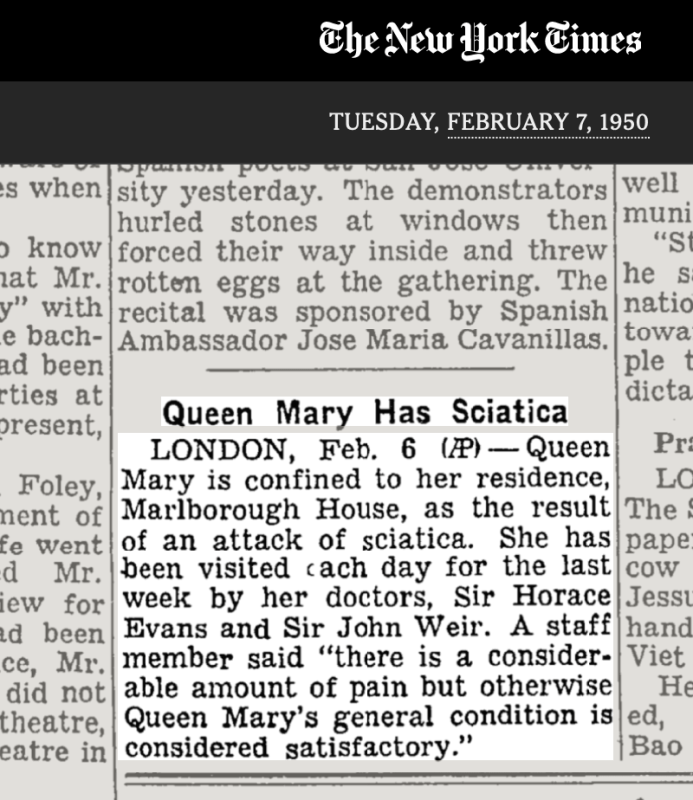
73 years ago. Nice to know I’m not the only one — thanks for all your nice comments on IG.

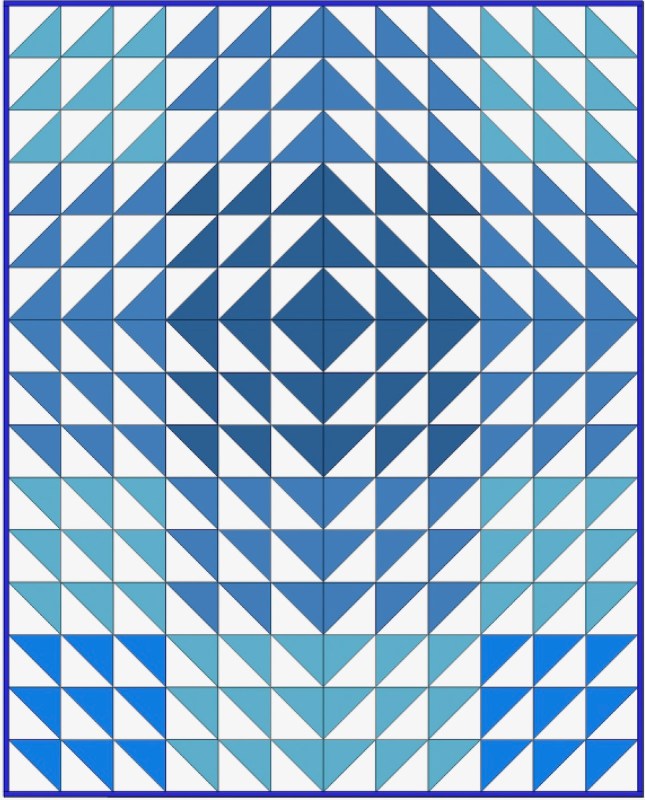
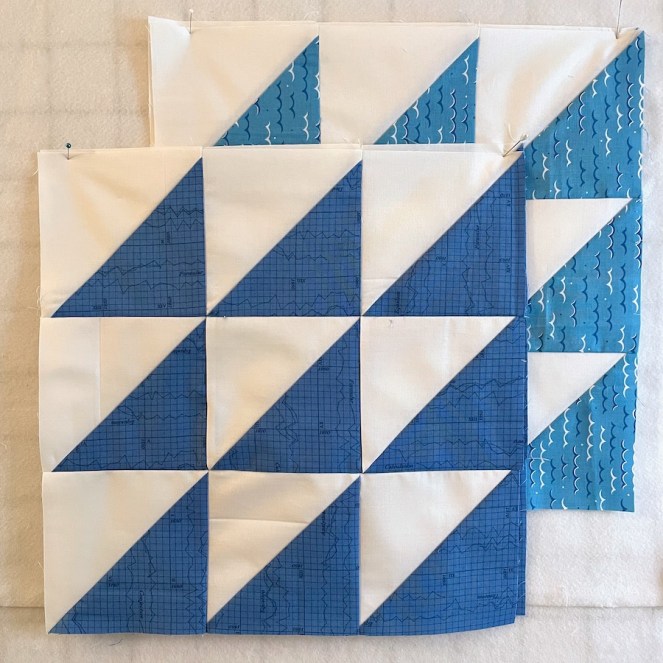
Because I was inspired by this beautiful quilt made of half-square triangles, and because I’d promised a grown grandson a quilt long ago in blue and white, I drew this one up in EQ8 and thought “Gosh, I could do a block a day and have it finished by the end of January.”

Yes, that goal is a far cry from barely being able to drag yourself out of bed, but it’s that thing about small steps, about sticking with a task, about creating. I listen to most episodes of the Ezra Klein podcast and found that a recent one, on “Sabbath and the Art of Rest” contained so much great advice for me personally. I learned a lot about the idea of the Sabbath, of taking a rest, of leaving space, of joyfully getting together. The guest, Judith Shulevitz, was fascinating, the conversation sublime and at one point she said this nugget:

“[I]t’s like anything else. It’s like writing, for example. You sit down, you don’t want to write, but you got to write. And there will be three hours when it’s a slog and that one hour when your mind opens up, and you’re in the flow, and you get it. You get why you’ve created the schedule where you have to sit at your desk from 9 to 1, or whatever it is, as unpleasant as that may be, as many conflicts as there may be. And nothing good is easy….You have to work to get to the experience of flow, to get the experience to the experience of God, to get to that what Émile Durkheim…called effervescence, which is that collective joy.”

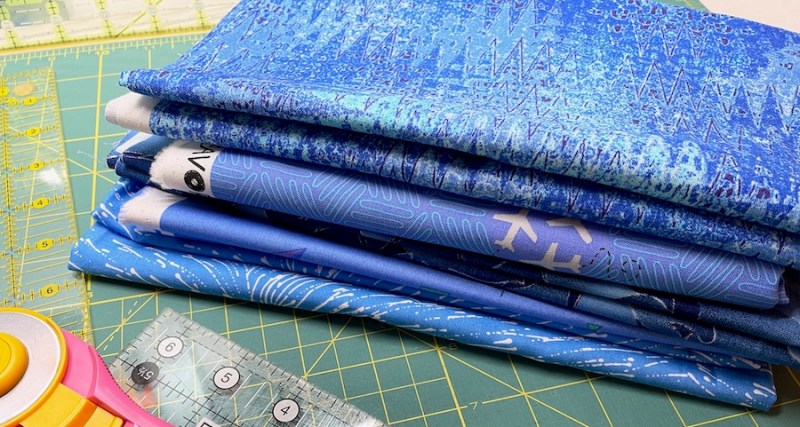
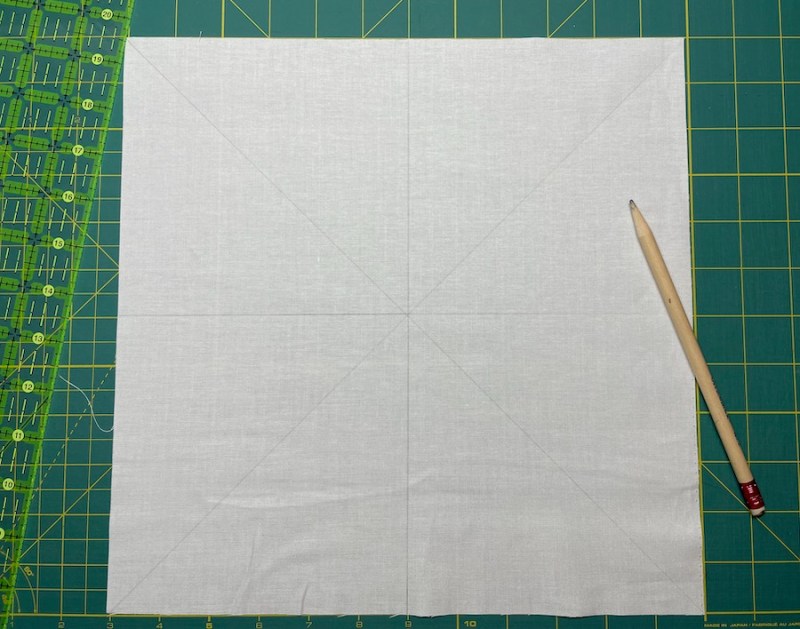
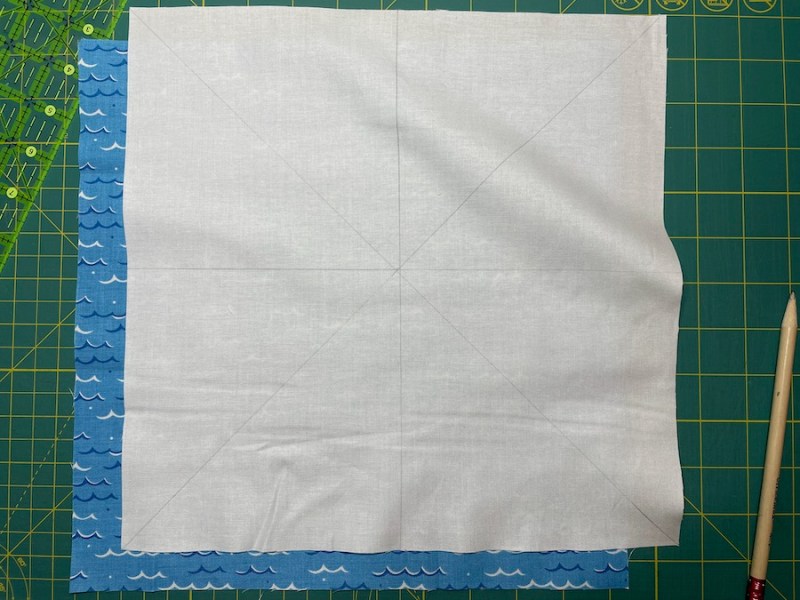
I made the 5″ finished triangles from my stash, using the 8-at-a-time method, then made one more HST to get nine. This quilt will finish as a large lap size. The first two large squares (white and blue) were cut at 12″ square, then marked as shown. I sewed on either side of the diagonal lines, cut on all drawn lines, then pressed and trimmed to 5 1/2″ square. It went very fast. Just what I needed for January. Was I in the flow? Did I experience effervescence? Not really, but it was a mood lifter, for sure, to see my progress pinned up on the design wall.

The Sublime

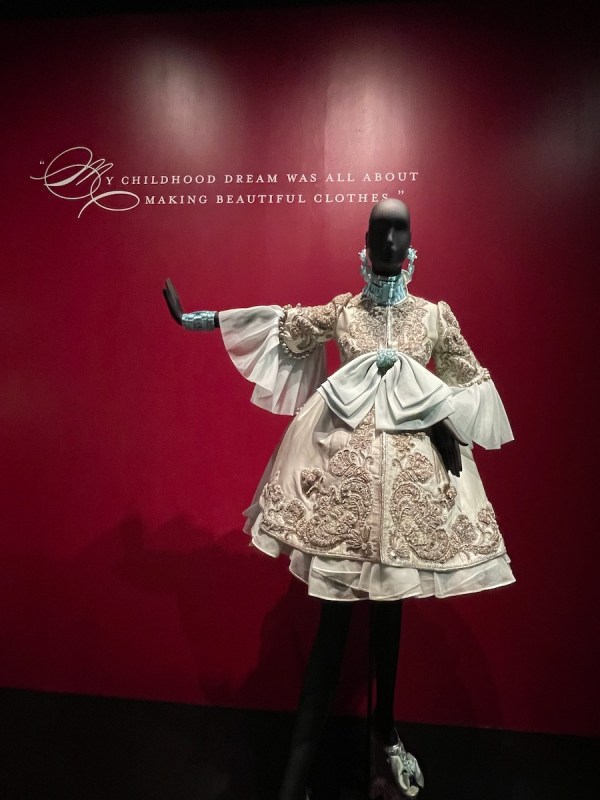
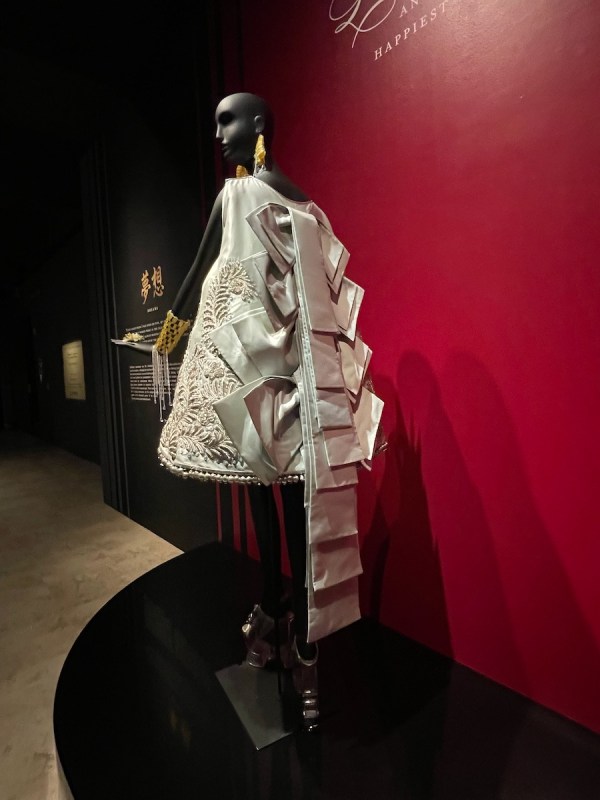
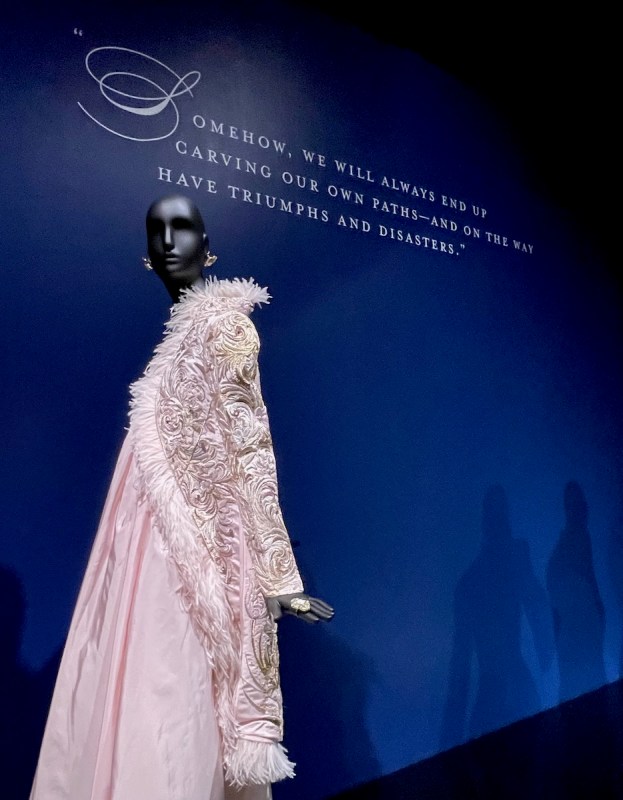
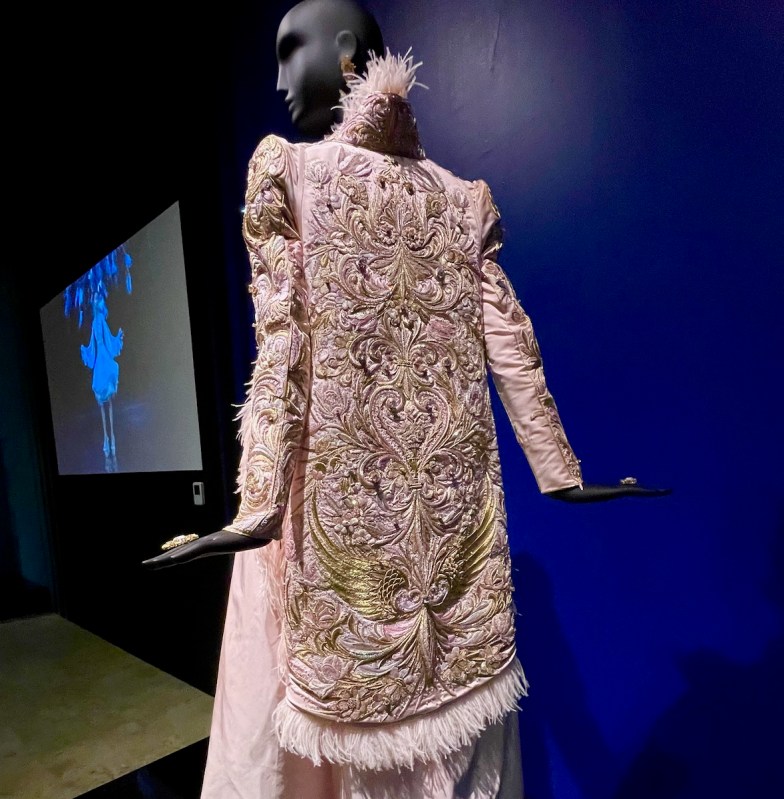
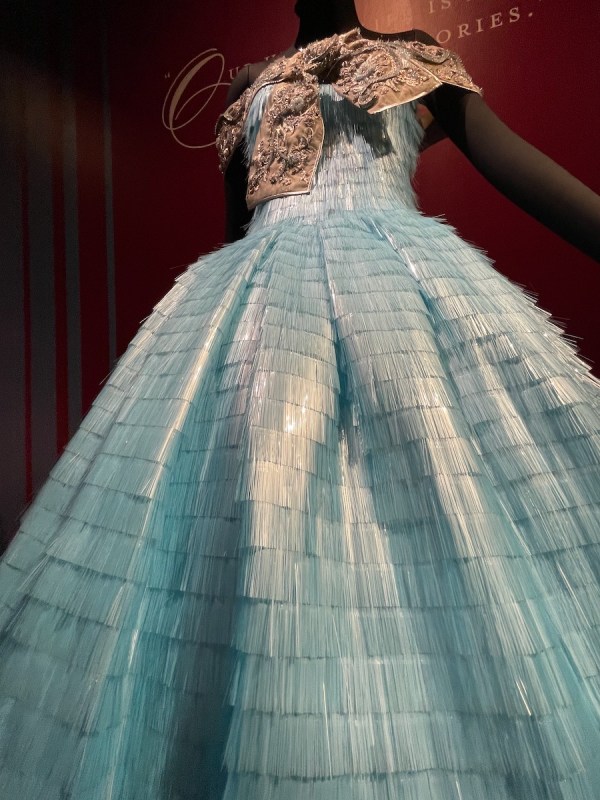
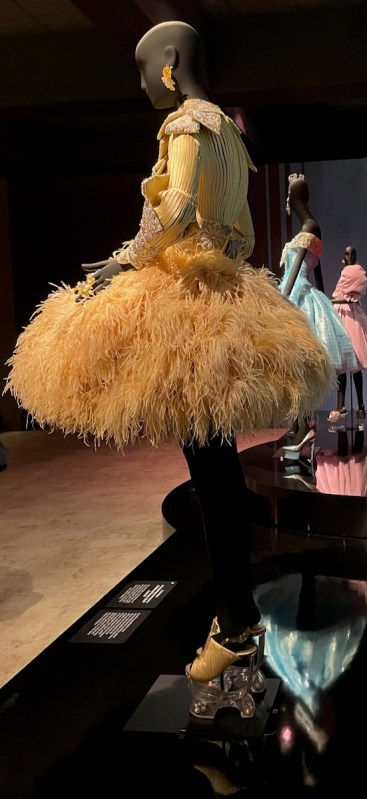
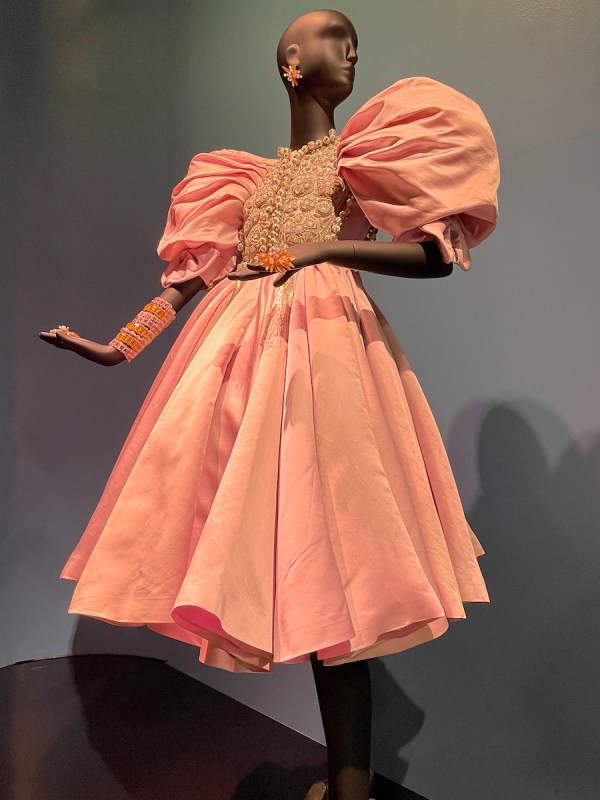
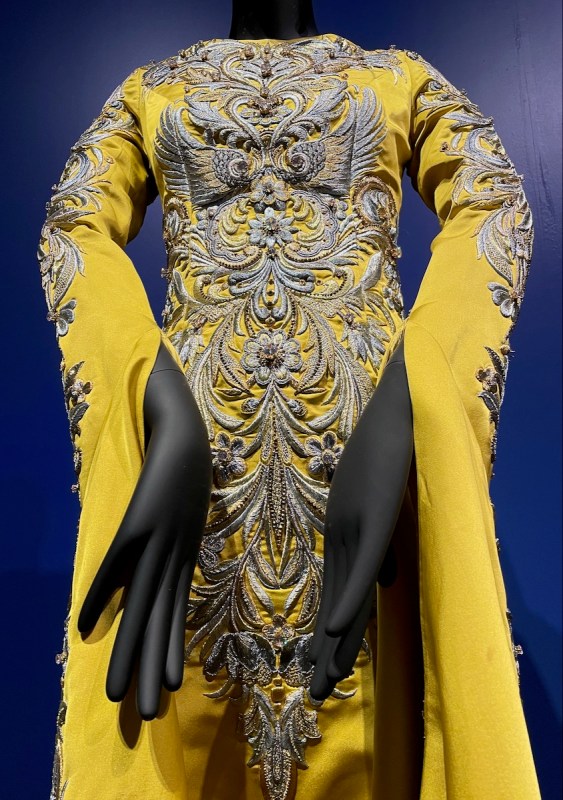
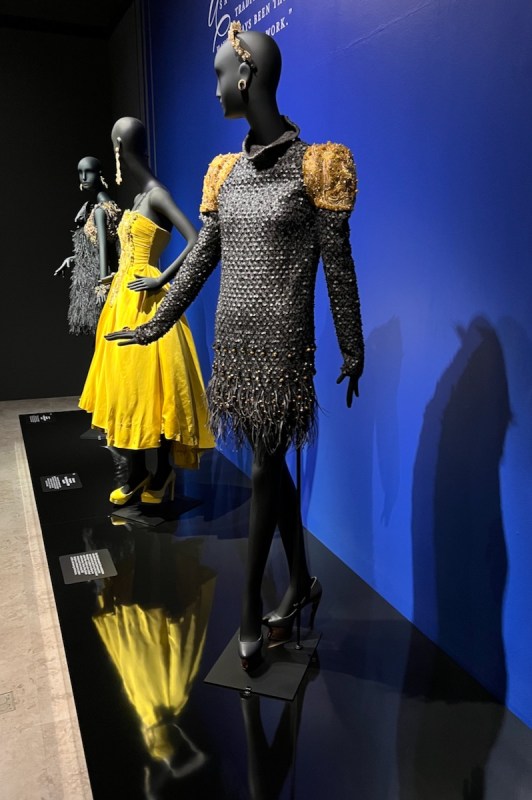
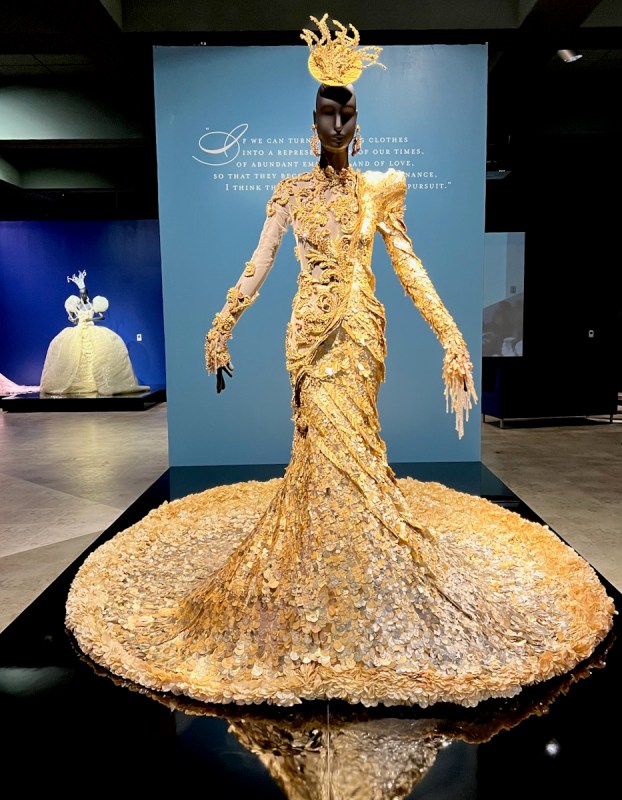
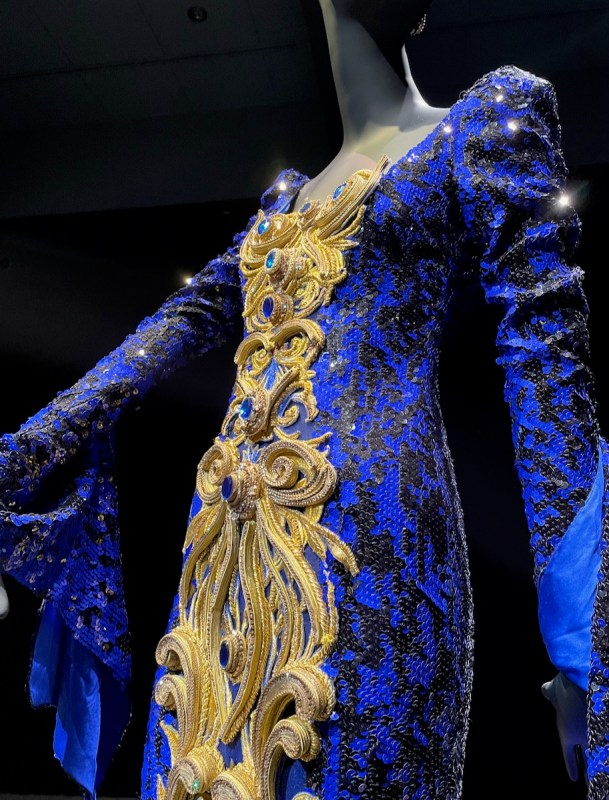
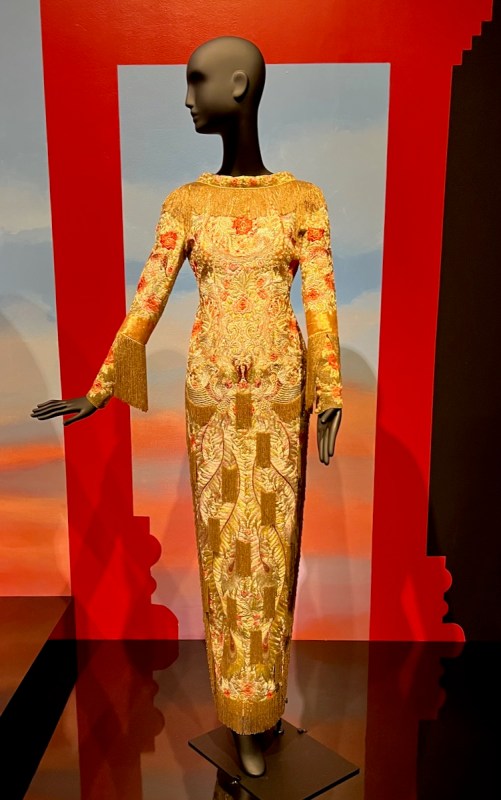
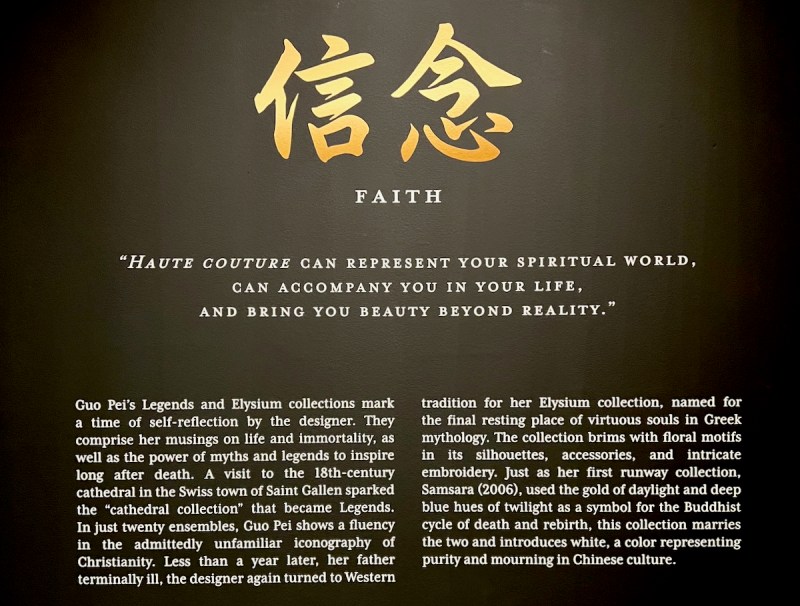
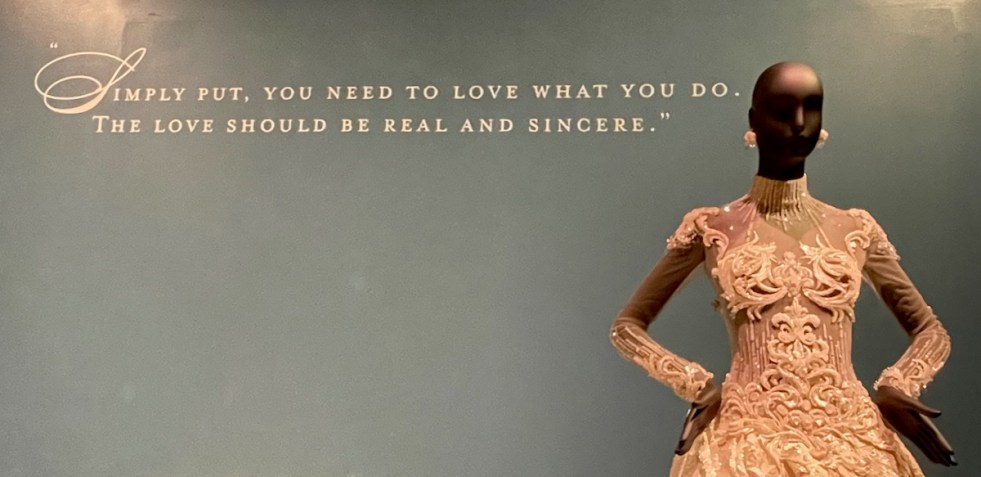
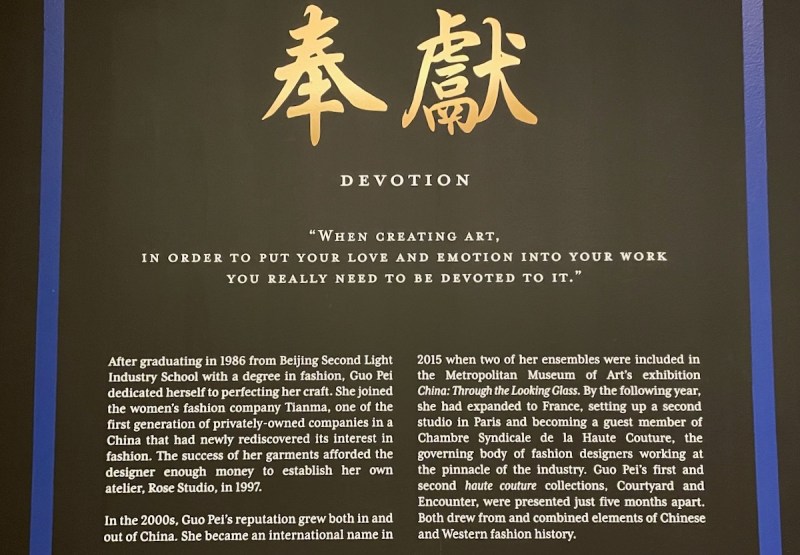
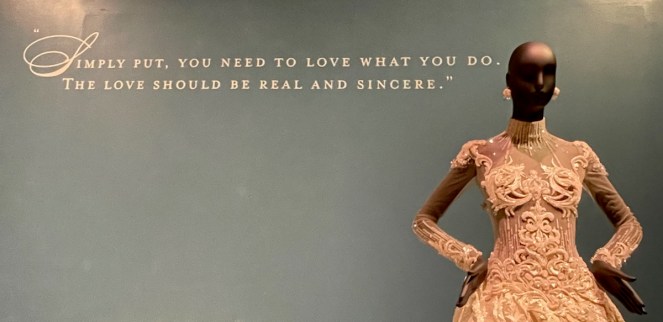
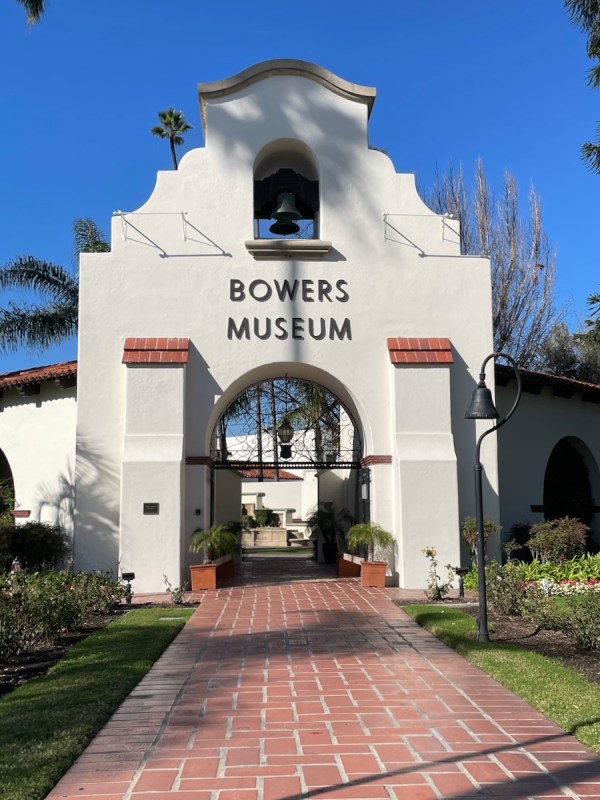
My husband asked me what I wanted for my birthday, and after we crossed off the yacht, the furs, and the jewels from the list, I said I wanted to go the Bowers Museum in Orange County and see Guo Pei’s exhibit of her couture clothing. So who is she? If you remember back to the Met Gala in 2015, when Rhianna wore that gorgeous yellow dress…that was Guo Pei.

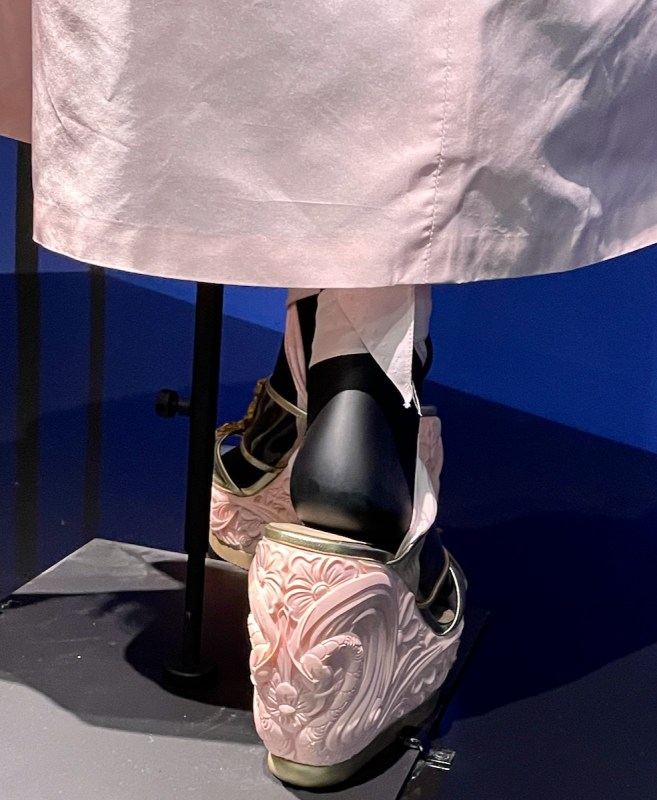
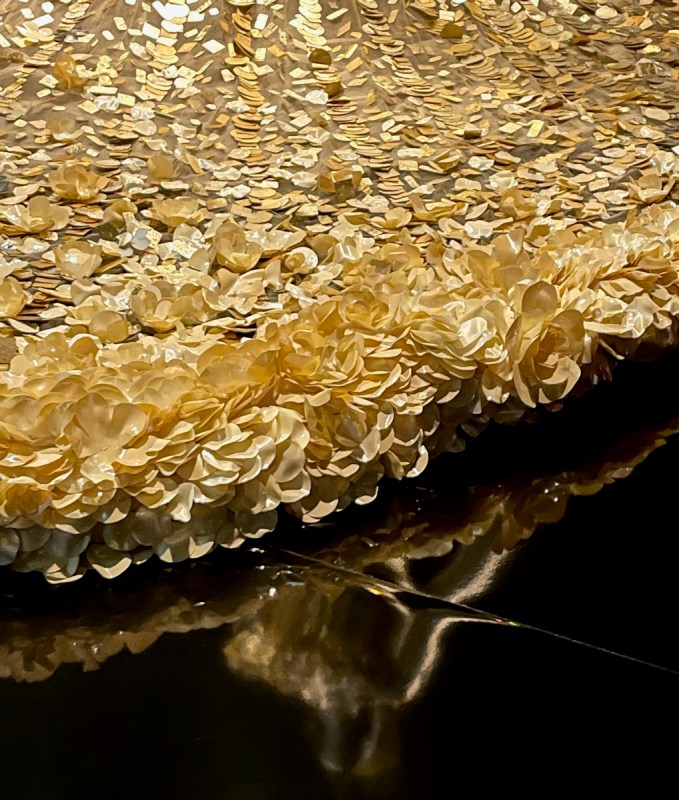
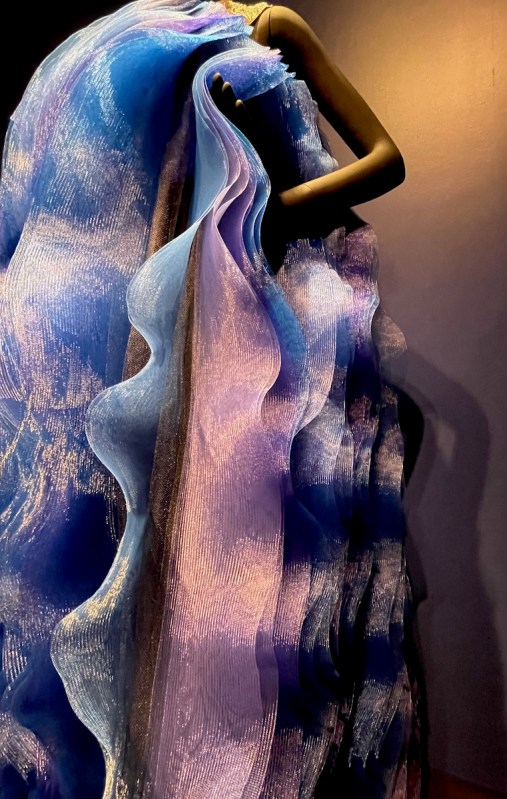
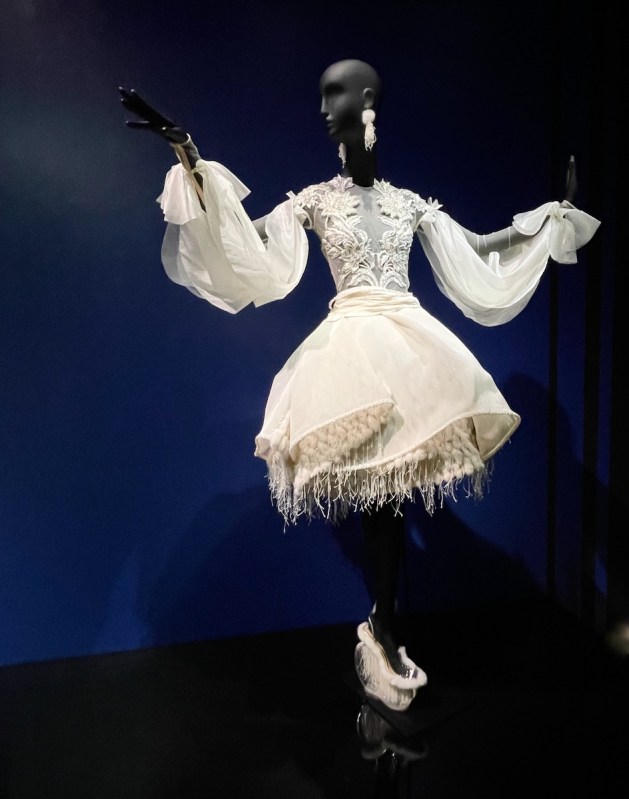
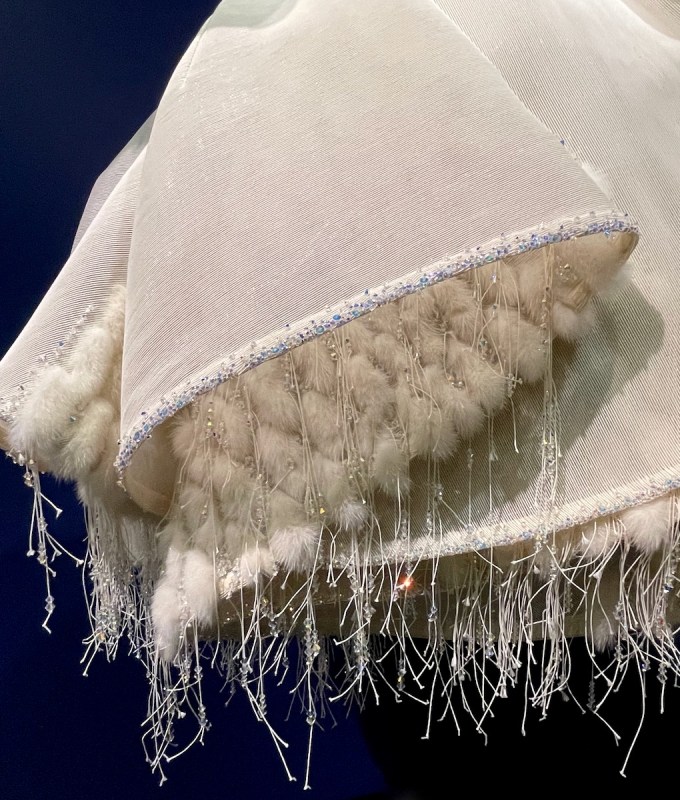
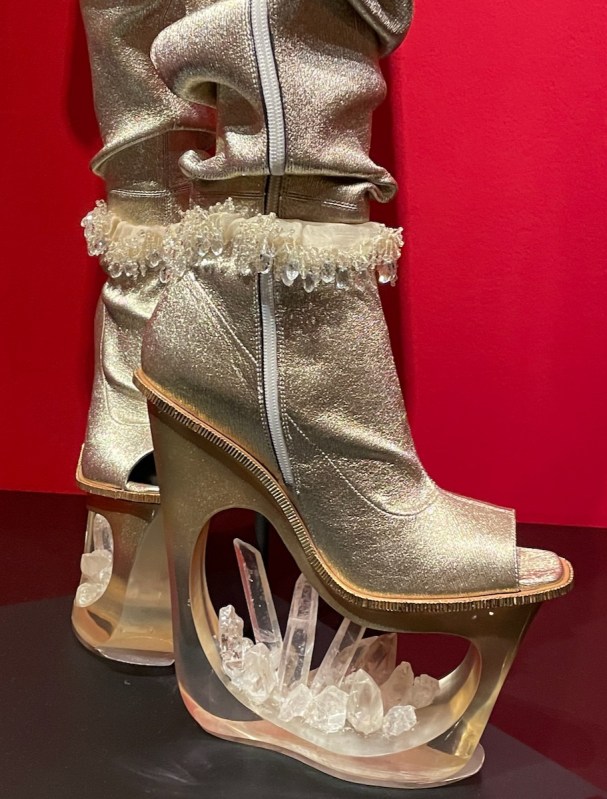
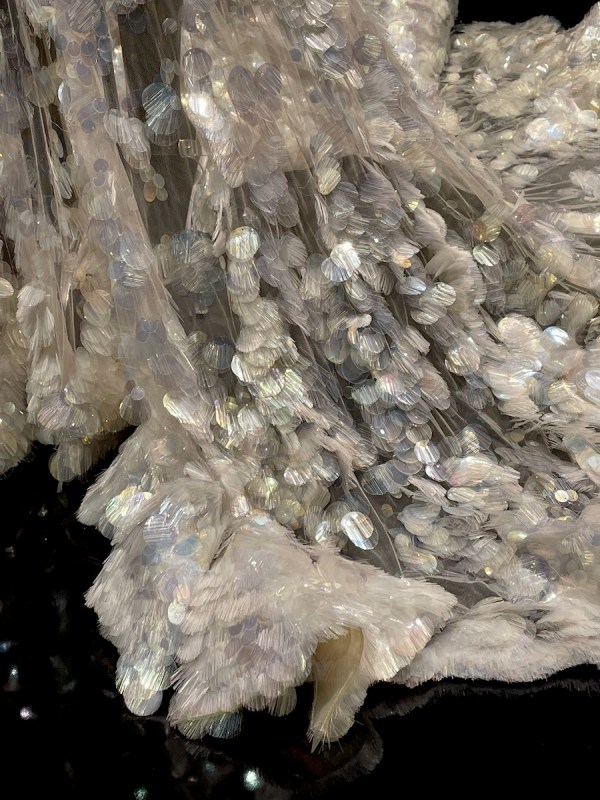
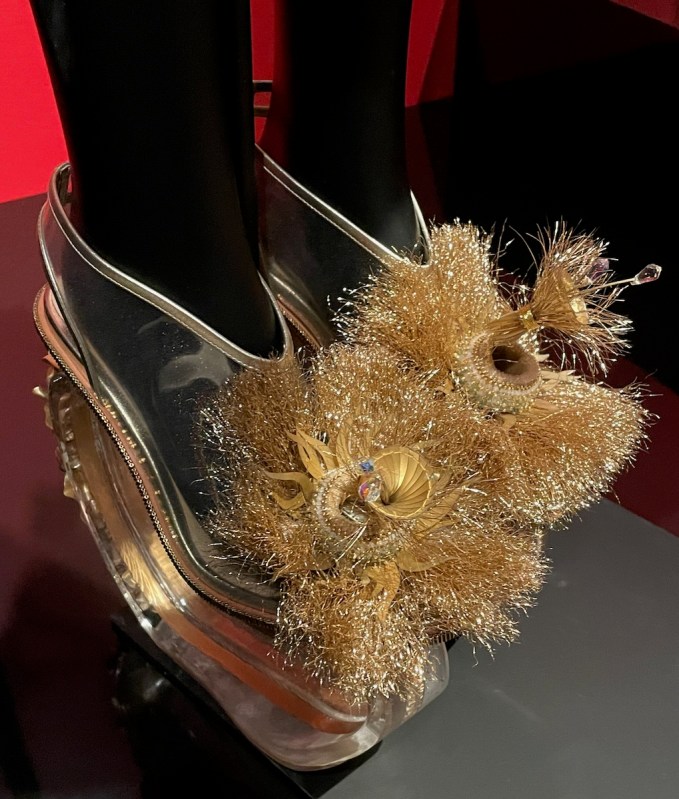
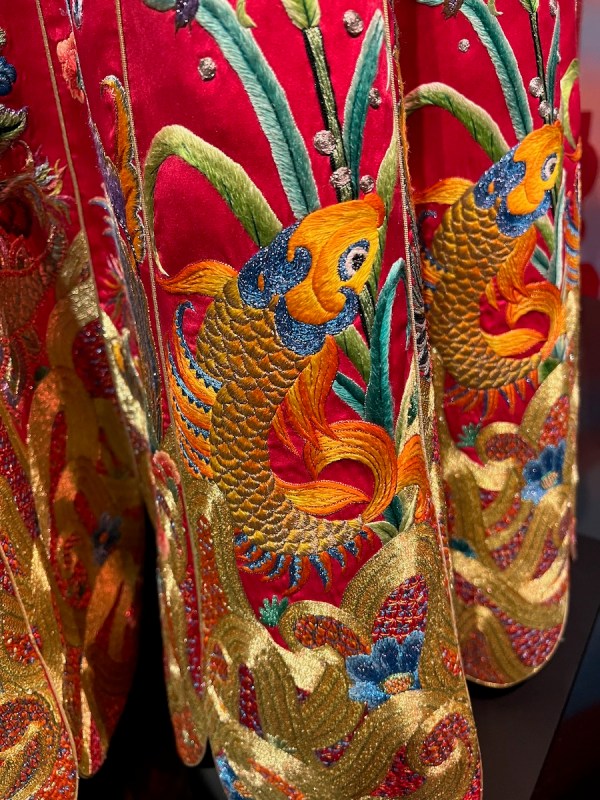
Many of these dresses took thousands of hours to make, and are heavily embellished. The shoes can be outrageous, too. This is not the clothes you wear for schlepping around to the grocery store, but they are the clothes that are admired, that ideas come from, maybe even a bit of effervescence. Enjoy. {Click on an image to enlarge it.}

So many of the clothes were made from man-made materials, a huge departure from our quilting world insistence on natural fibers. I loved this fringed dress.

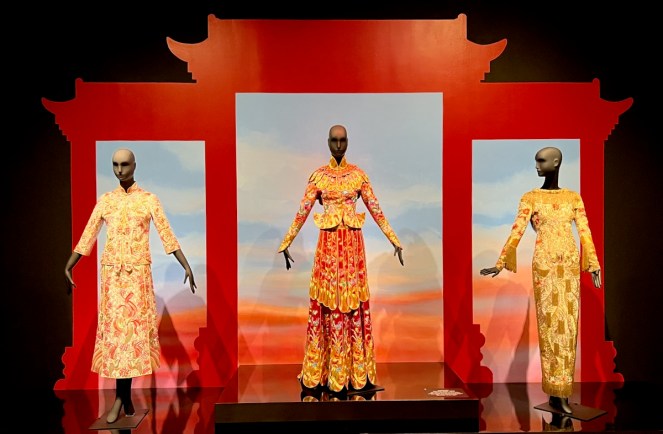
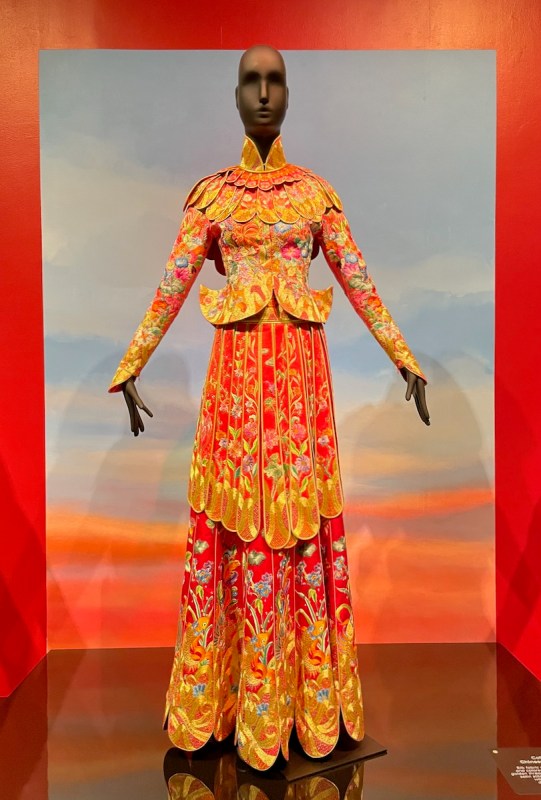
My sister Susan came down for my birthday weekend, and she, my husband Dave, and I all liked this grouping the best. This was from a collection she titled Chinese Bride 2012. These were made of silk, with gold and colored threads used for the embroidery of “standard and shaded satin stitches.”

I’ll put some video up on Instagram and link it in a couple of days.

A movie was made about her (here’s the trailer):

Thank you, Guo Pei, for your beautiful clothes.

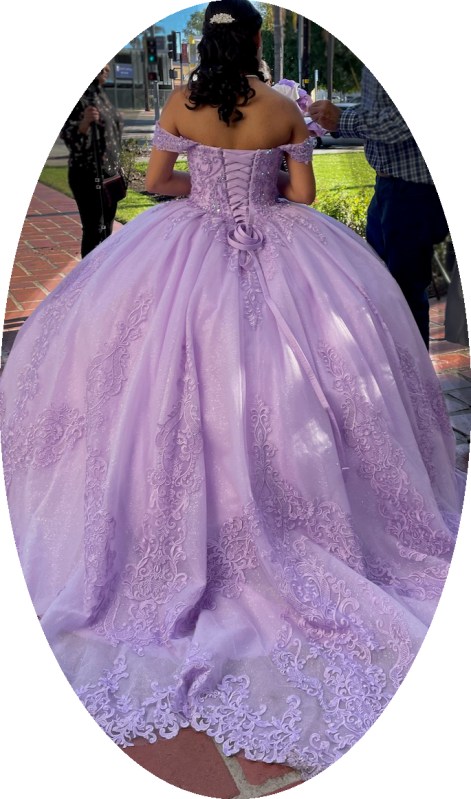
Look what we found when we came out: a very fancy quinceañera dress!

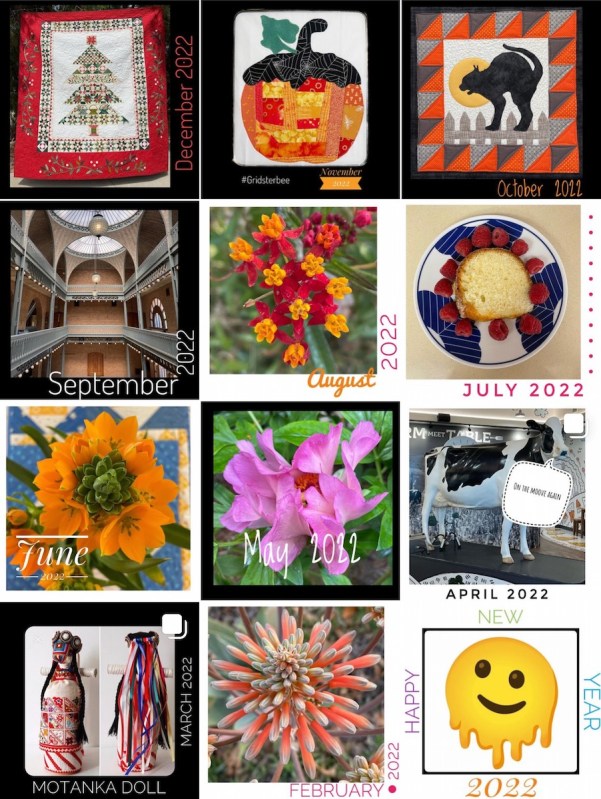
P. S. This was fun to see. It’s all my Instagram monthly markers for 2022.

Clothing · Museums · Something to Think About · Textiles & Fabric

Power of Pattern: Central Asian Ikats

Ikat_1

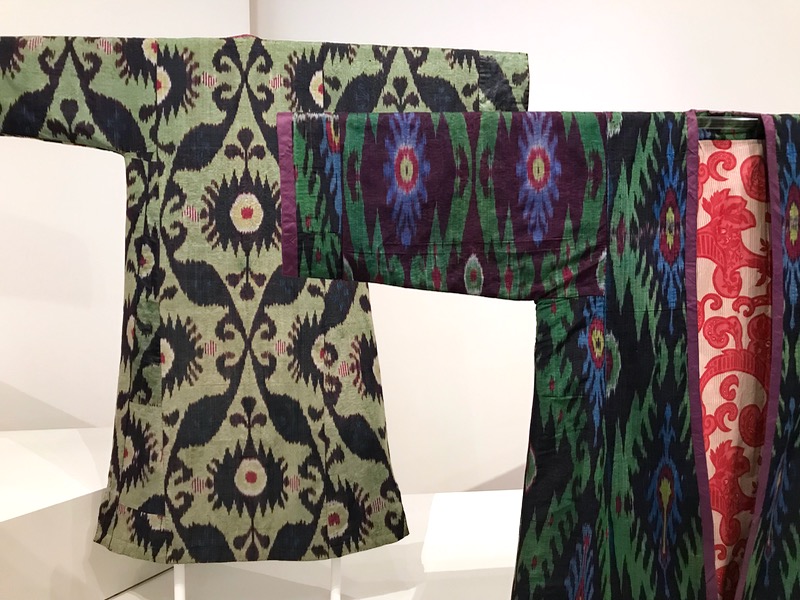
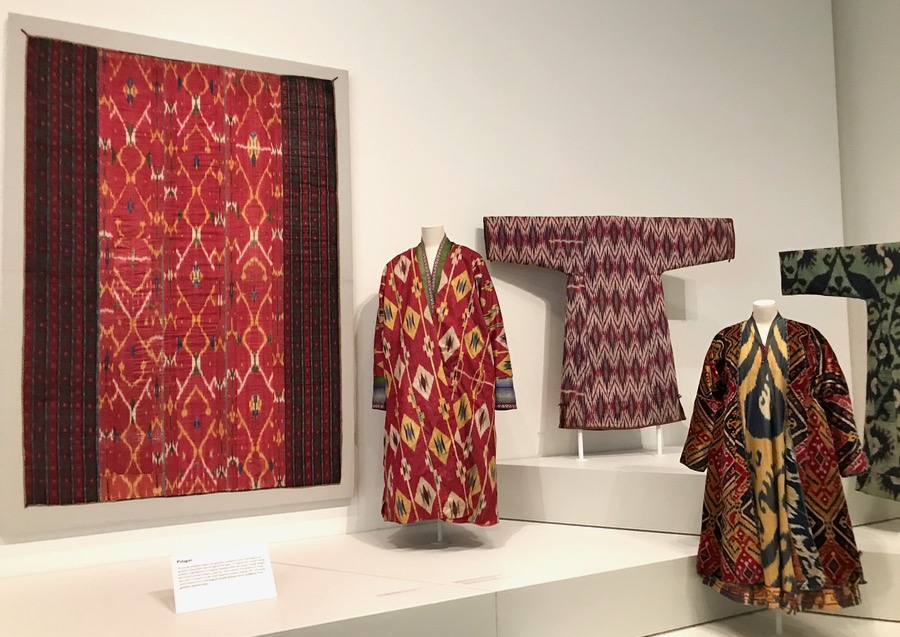
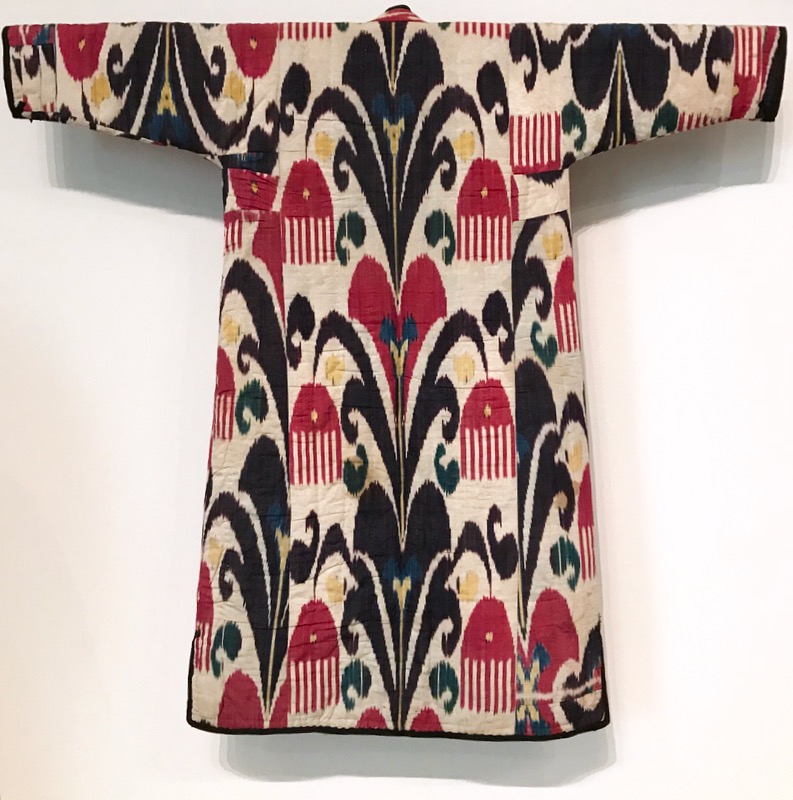
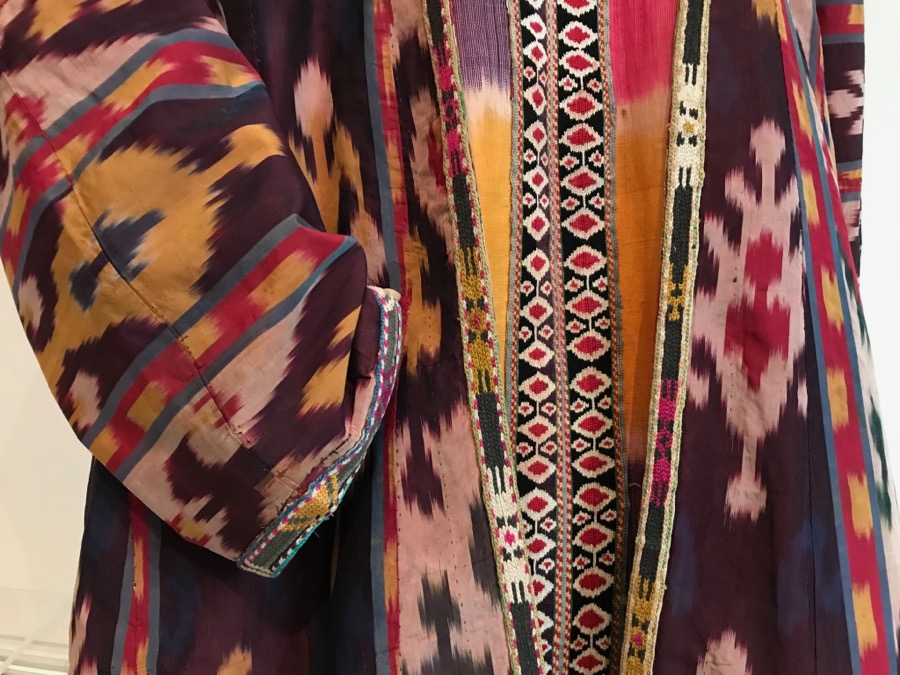
Among the most colorful clothing in the word, ikat robes — which hail primarily from the “the Stans,” or Central Asia — employ “creative use of scale, proportion, and orientation.” They are created by dying the warp (or vertical) threads of silk and cotton, sometimes multiple times.

Ikat_2Ikat_3

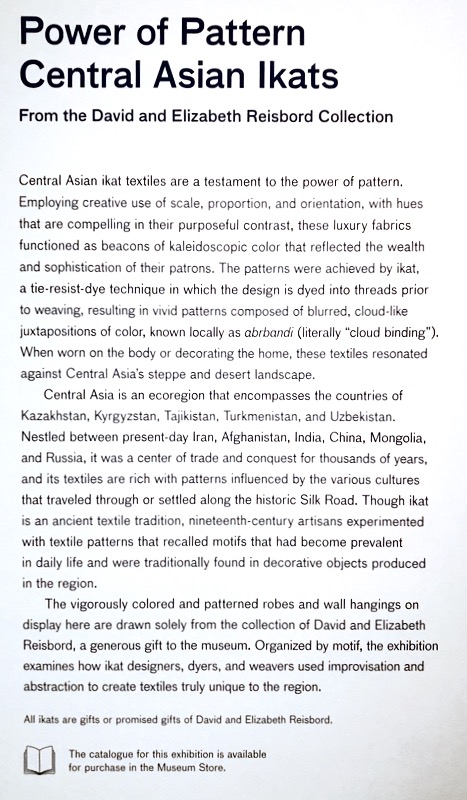
This past week, my husband and I had a chance to head into Los Angeles County Museum of Art (LACMA) to see this collection.  Here’s the notice in the gallery:

IkatTitle_1

Ikat_4

Ikat_4a
Note the embroidered cuff.

Ikat_5 Tajik Wedding Ritual

This photo of a Tajik Wedding ritual (1865-1872) shows the rich patterns of both men and women in their ikat robes.  I did a Google Image search, which has lots of results, but these older robes, as shown in LACMA, are rarer now.  In that Image search, I saw lots of machine-made ikats, which don’t have the subtlety of the hand-dyed.

Ikat_6

On the right is a series of threads which will form the warp threads in a loom, showing their various patterns from dying them using a resist process:

“Fabricating an ikat design demands vision as well as time. Before any actual weaving takes place, the lead craftsperson must picture a fully fleshed-out color pattern. Next, assistants soak the warp threads of the textile-to-be in a series of dye vats—up to eight in total—accumulating hues along the way. Prior to each dying phase, all stretches of warp are strategically bound with dye-resistant greasy thread, leaving exposed only those portions meant to be colored.

“By repositioning the dye-resistant thread before every immersion, textile makers gradually cover the entirety of the warp in an array of different tones. The most skilled designers will subject some sections of the material to multiple immersions, combining red and yellow dye to produce sunset orange, or red and blue dye to yield rich royal purple.

“Finally, when the Technicolor warp is ready, loom operators stretch it taut and gird it with a cotton or silk weft. The result is a long, narrow oblong textile bearing the designer’s repeating geometric pattern. This can be shaped into an eye-catching coat, or alternatively kept two-dimensional and made into a wall hanging” (from an article in the Smithsonian Institution Magazine, when they mounted their exhibit of ikat).

IkatTitle_3
LACMA’s didactic label in the exhibit

Ikat_7
I love the visual doubling and tripling of pattern and color in this robe.

Ikat_7bIkat_8

I think the guards thought I was crazy when I came to this robe.  I kept crouching down, zooming in, trying to capture the details of what I would call a type of kantha stitching, embroidery, hand overcasting.  It was a riot of color and texture and pattern:

You can see the nature of the ikat weaving, which blurs the edges as the weft yarns are woven through those pre-dyed warp yarns.  To make velvet, two rows of weft yarns are needed, instead of just one, so velvet robes were considered top of the line.  In the outfit above, it is the outermost robe.

IkatTitle_2

I took so many photos, that I’m not really sure which title goes with which picture, but I enjoyed reading the names of the clothing: a woman’s robe is a Munisak, a woman’s dress is a Kurta, and a man’s robe is a Chapan.

“Defined by an hourglass sihouette produced by the gathered fabric at each side of the waist, a munisak was used throughout a woman’s life for significant events, from her wedding to her funeral.  As such, it was an important part of her dowry” (LACMA text).

Ikat_9Ikat_10Ikat_10aIkat_11Ikat_12

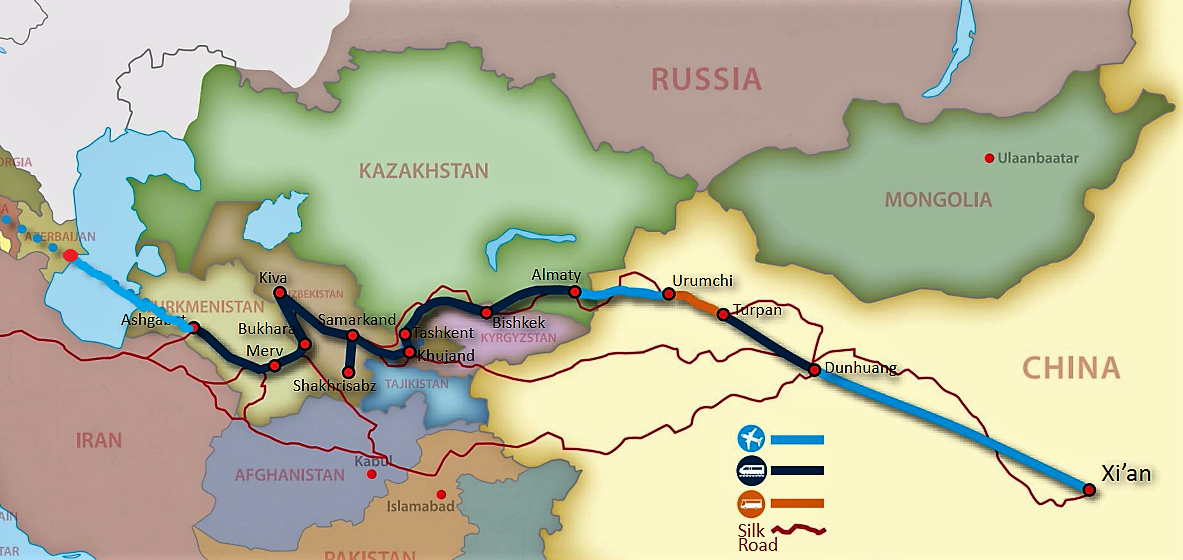
Recently, my friend Judy had traveled to this area with her husband, so I was familiar with the term “the Stans,” and what the area looked like.  Although some consider that term a snub (“stan” means land, as in Afghanistan is the land where Afghanis live), I think it works well for those of us not familiar with where these countries are:

Map of The Stans
Image sneaked off of her travel blog, *here*

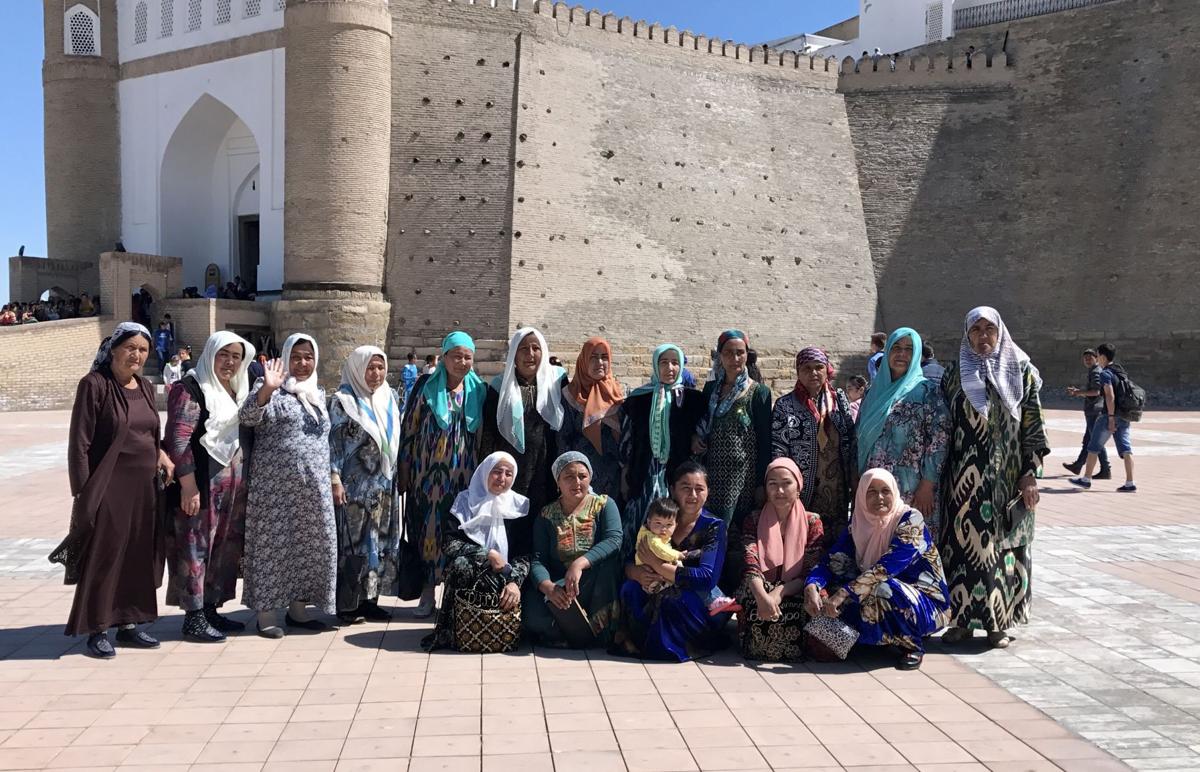
Women and Ikat_2017
Women and their Ikat Robes (2017), from *here*

106-Turkish-Coat_Folkwear
Turkish Coat, pattern #106

While we were in the LACMA exhibit, I told my husband that many quilters have used FolkWear patterns to make a similar robe, and added detailed surface decoration.  I first learned about ikat when I took a class in Houston several years ago from Roberta Horton, a reknowned quilter, who showed us ikats from her line of fabrics, made in India:

Ikat_14.jpg

Although I was a Clothing and Textile Major in college, I’d didn’t remember hearing about this fabric before; perhaps that why I wanted to blog about it today.  But in the quilting world, we also have variants of these colorfully patterned robes worn by these people from Central Asia.

Tabula Rasa Jacket_thequilttree.png

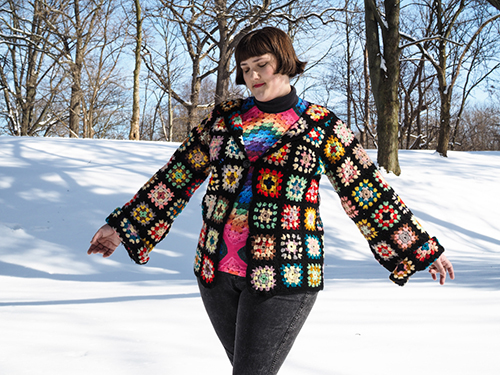
I’ve seen the Tabula Rasa jacket and all its variations, from a pattern by FitForArt.  Perhaps it’s the blurring of the lines between our patterned quilts and these beautiful ikat robes?  The more surface decoration the better?
crocheted jacket

Not always. I’ve also seen some not-so-great versions of handmade clothing that were patterned to within an inch of their lives, certainly showing their makers’ skill but not always on the level of what was in that exhibit.

The brilliant thing about these ikat robes is the sense of balance that is present.  Even in the layering of the different patterns, something pulls them together, links in either color or design.  A worthy goal for our own creating, wouldn’t you say? whether it be in quilts or robes or clothing.

Ikat_13

This was another experience that showed me that old truth: it’s always good to get out of my head, my studio, and the endless loop of social media, in order to gain inspiration from other places in the world.
Happy traveling, and Happy Father’s Day!

Wedding Day for Us
The day my husband became a father to four children.

Clothing · Sewing · Textiles & Fabric

Pioneer Cosplay

Heritage Day Logo_SB
Logo by Simone

Recently a few of us here were involved in the Heritage Day Celebration, honoring the early pioneers in this valley. It happened last Saturday, on a mildly hot day.  Good day to be wearing all these layers, right?

pioneer dress 2018.jpg

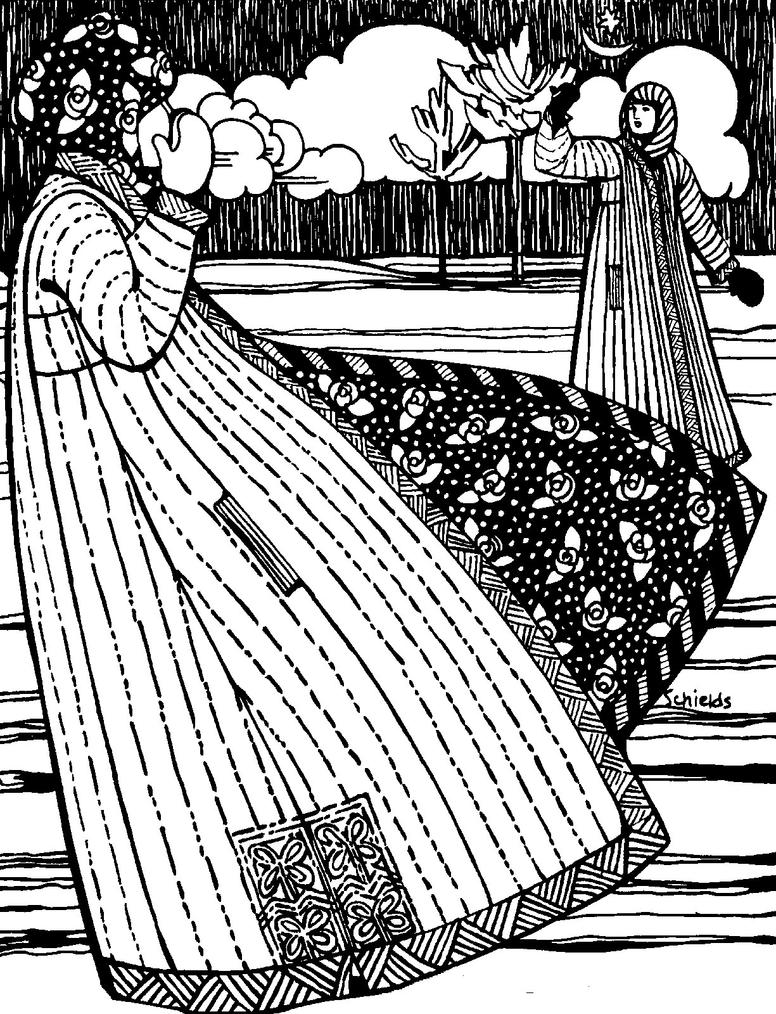
Didn’t Thoreau say something like “Beware of all enterprises that require new clothes”?  I think the dress looks like a cross between Mary Poppins and the mother from Little House on the Prairie, an ancient TV show that forever colored our view of what women in the 1850s wore around the farm, and notable for the final show: they blew up all the set houses with dynamite to keep them from the local evil corporate guy.

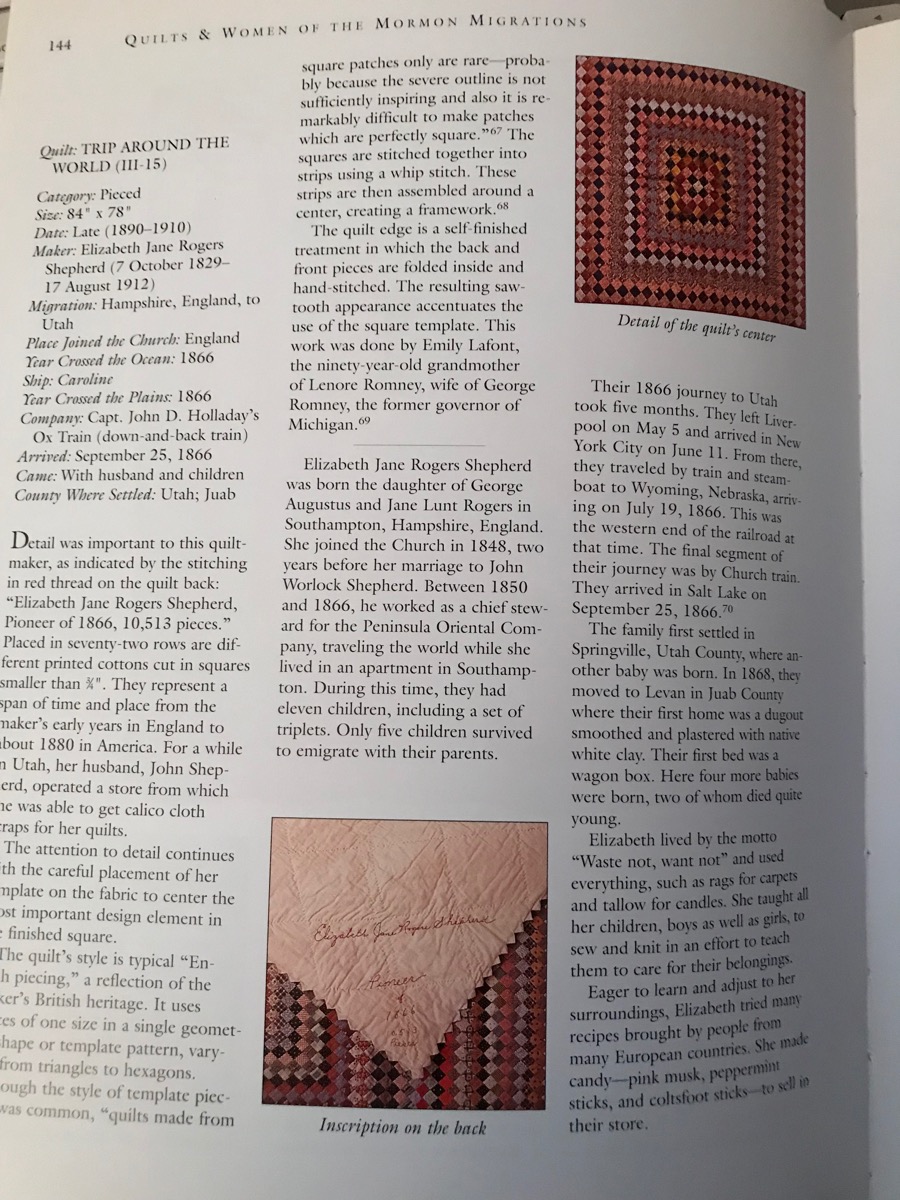
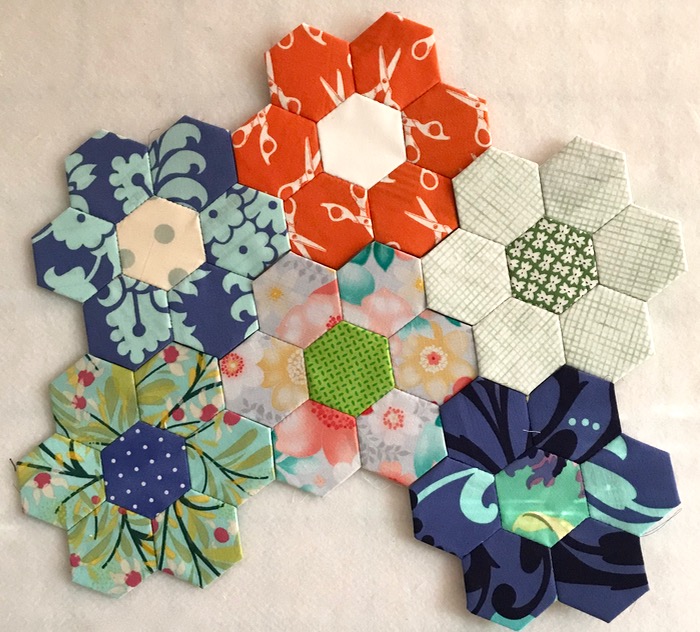
We hosted a “quilting booth” but instead of that tired old trope of setting out a quilt top so people could mangle it with their stitches, we ran a hexie booth, based on the research I found that quilters at the time were doing English paper piecing.

Quilt of the Mormon Migration_EPP (1)(1).jpg

We had some work to do.  We, meaning, several of us who have attended our quilting group for many years, plus some others we conned into asked to participate.

Pioneer_0a

First, combine four patterns to make a pioneer outfit (seen above). Then start working on the demo goods: hexies.

Pioneer Hexies_1Pioneer Hexies_2

I appliqued them to a tote bag I picked up a couple of years ago at Quilt Market, figuring the “maker” theme was a good fit for hexies.

Pioneer Hexies_0
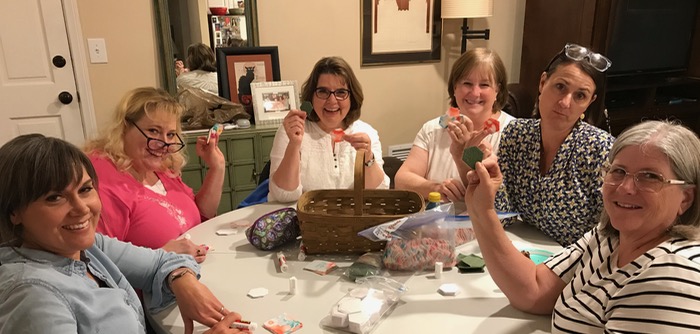
l to r: Julie, Melissa, me, Laurel, Simone, Lisa. (PS Simone doesn’t really look like this. She likes to pull faces. Her texts always make me laugh.)

Pioneer Hexies_0aPioneer Hexies_0b

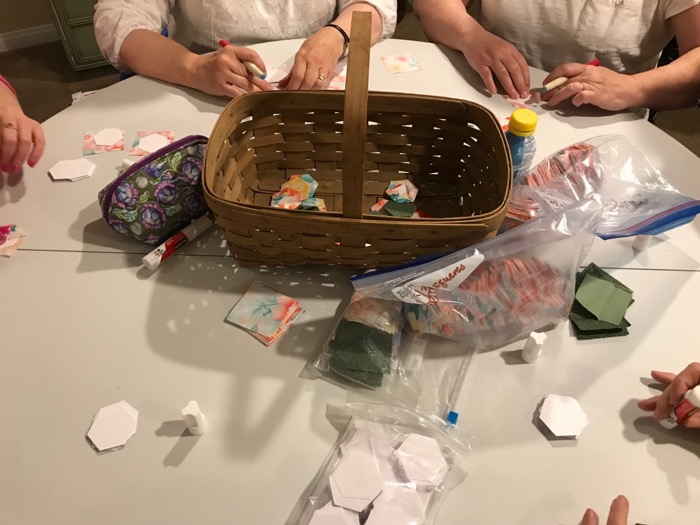
We figure we glued up about 500 hexies, total, between this and what Leisa did later on.  It was so good to have these!

Pioneer_0

It was a team effort: our friend Dennis brought us tables and chairs, and Leisa was the “set decorator,” using quilts from near and far. We arrived at 7:10 a.m. and left at 2:20 p.m., the right amount of time.

Pioneer_1a

We also had some modern hexies there to entice the participants; that is Laurel’s beautiful Modern Millefiore Hexie quilt on the left, with Simone’s hexie pillow (pattern here), and other props.

Pioneer_2a

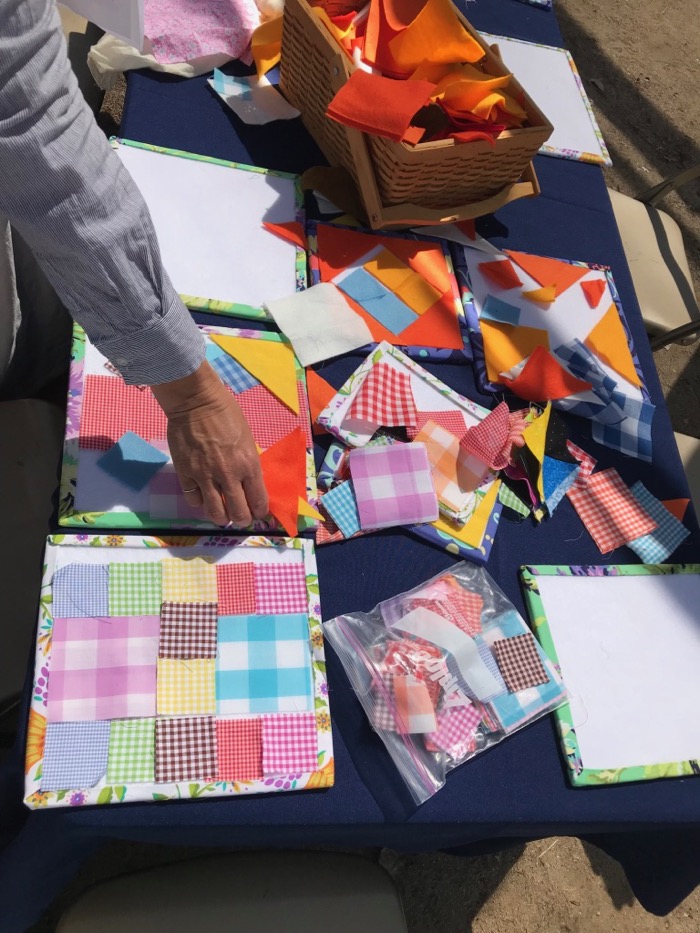
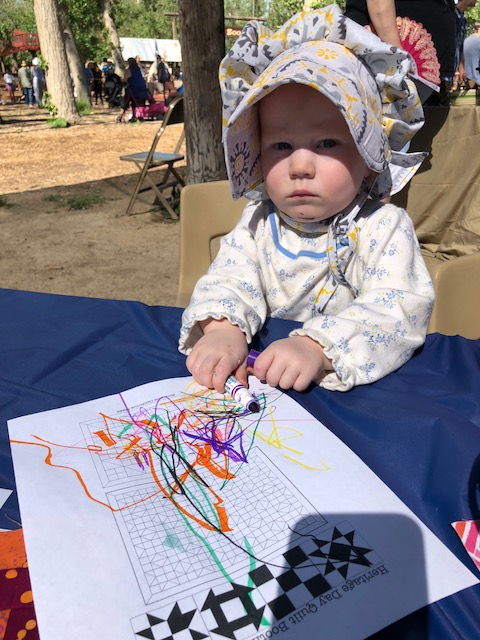
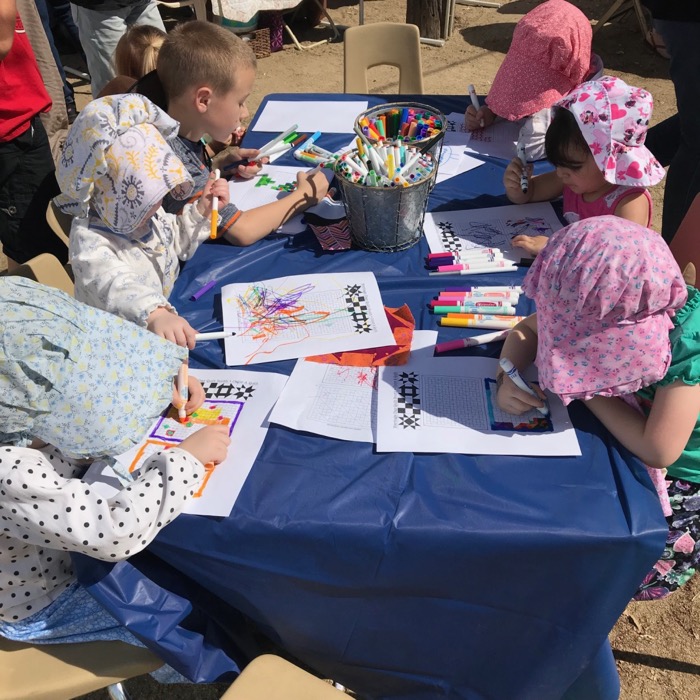
We had Color-A-Quilt pages for the littlest visitors, as well as create your own quilt block (below).  We had to remind them that it was a visual treat–take a photo with your phone sort of thing–as people kept walking off with my design boards.  That is Julie’s hand you see there, making a mock-up.  She kept these two sections rolling the whole day.

Pioneer_2

Pioneer_1
from l to r: Cindy, Julie, Denese, me, Laurel and her husband Ralph, Leisa, Simone

The original crew, plus my husband, Dave (who is taking the photo).  We swapped out two for four others mid-day; we were swamped, so were glad to have them.  Here are some photos from our day:

Pioneer_2b

Pioneer_6
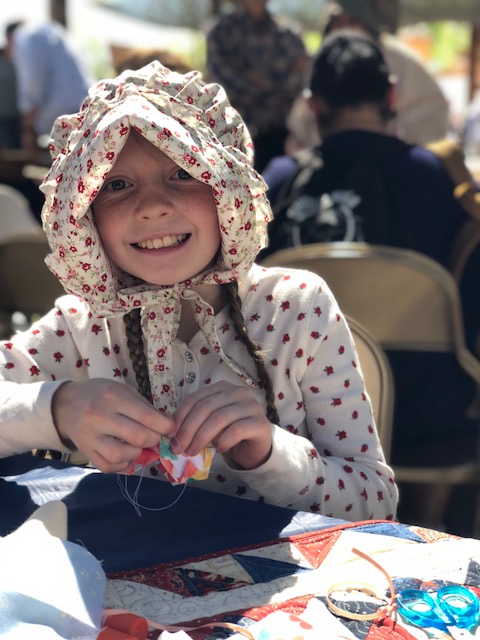
We were suprised by the number of teens — and teen boys — who sat down and made a three-hexie patch from start to finish.

Pioneer Hexies_3.jpg

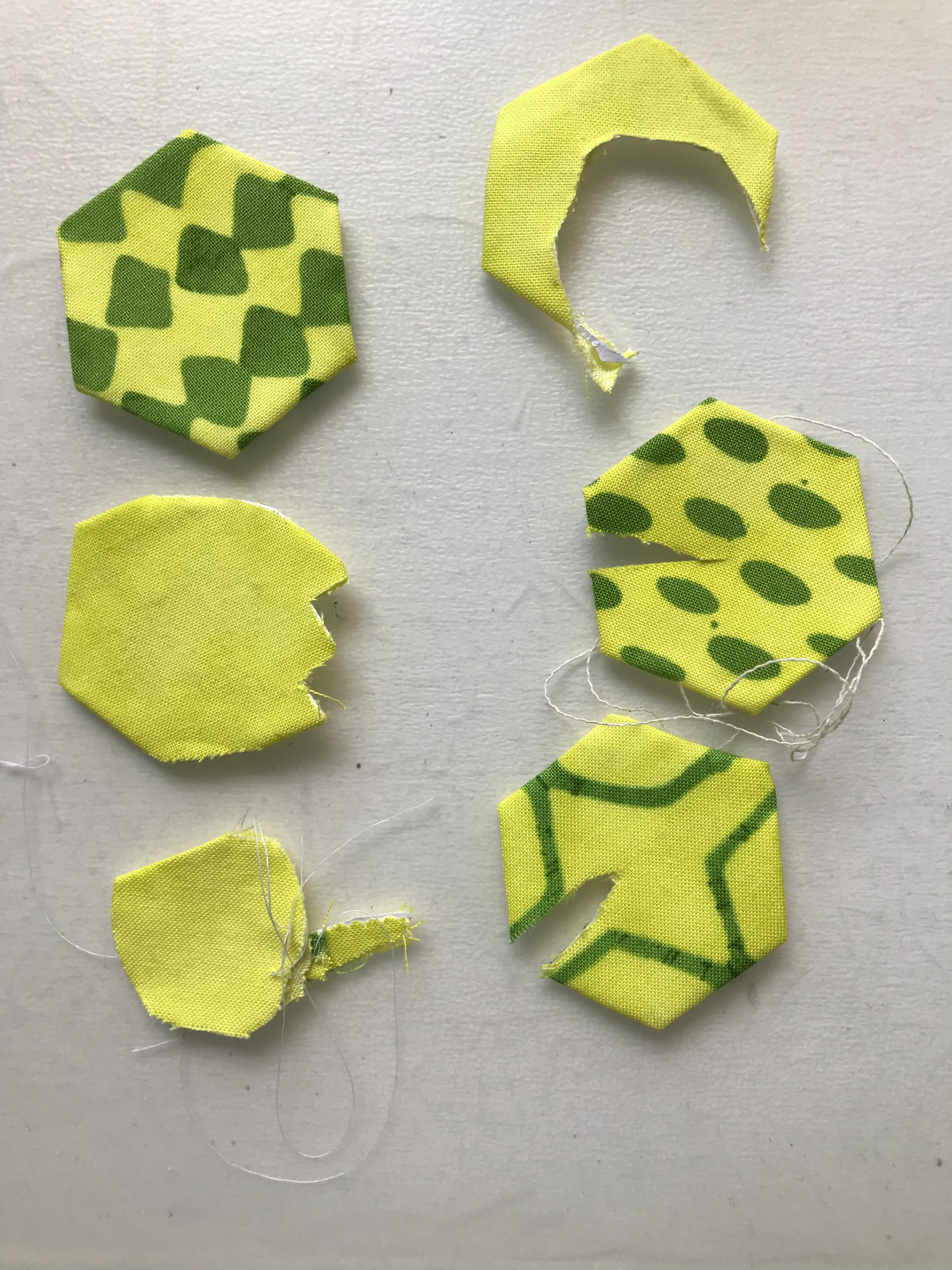
Most did not look like this–they sewed them up properly, although sometimes with an interesting twist or two, but we thought this won the prize for “Most Interesting Hexie” of the day.  We had to teach many how to tie knots (about half had no idea how to do that), and we saw that lots of youngsters (and oldsters) liked to be able to sit and sew, a skill not often available to them in other places.

Pioneer_3

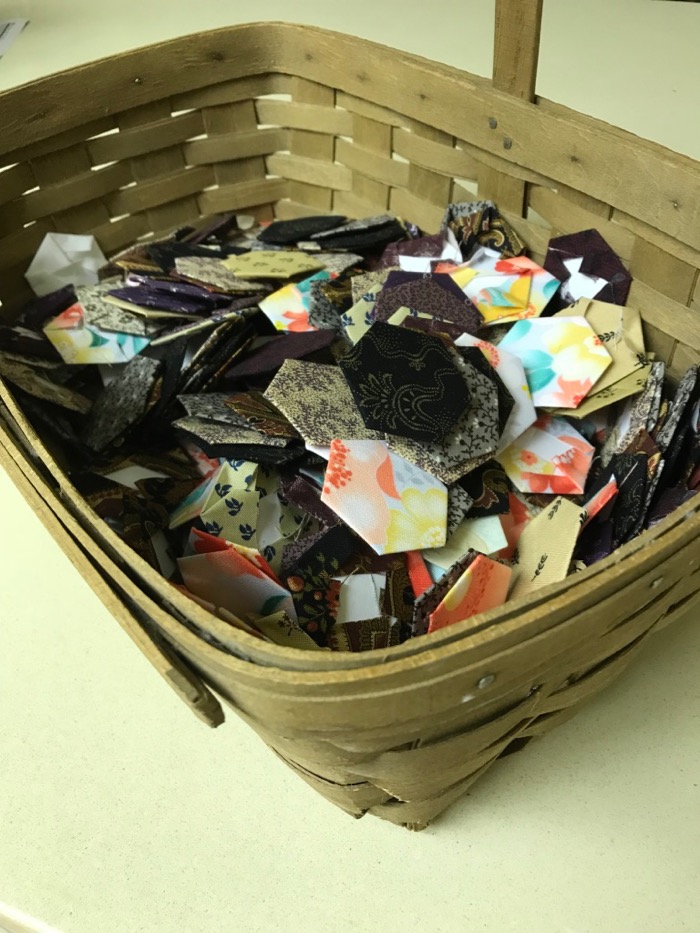
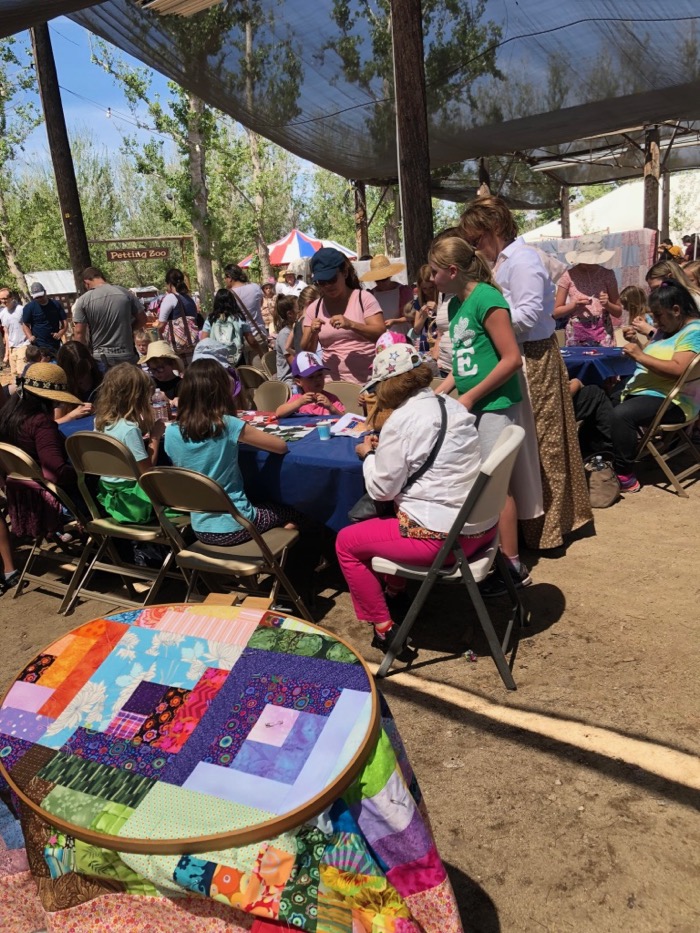
We had a sample quilt set up in a hoop in case anyone wanted to try hand-quilting.  Most were more fascinated by the hexies.  And most wanted to pick through the baskets of cut fabric squares and glue their own shapes, too.

Pioneer_4

Pioneer_4b
Wee Pioneers

Pioneer_4c

I love sharing our craft with some new quilters!

tiny nine patches

Stats: 3,000 paper hexies purchased
60 needles (only 35 were brought home–don’t know where the rest went)
3 needle-threaders: one from Clover, my friend Laurel, and my husband Dave
2 ten-gallon jugs of water
4,000 cut squares prepped up: fabric donated by Paintbrush Studio and Primitive Gatherings
Project boards that are not dusty: 0
Number of pioneer outfits that will never be used again: 7